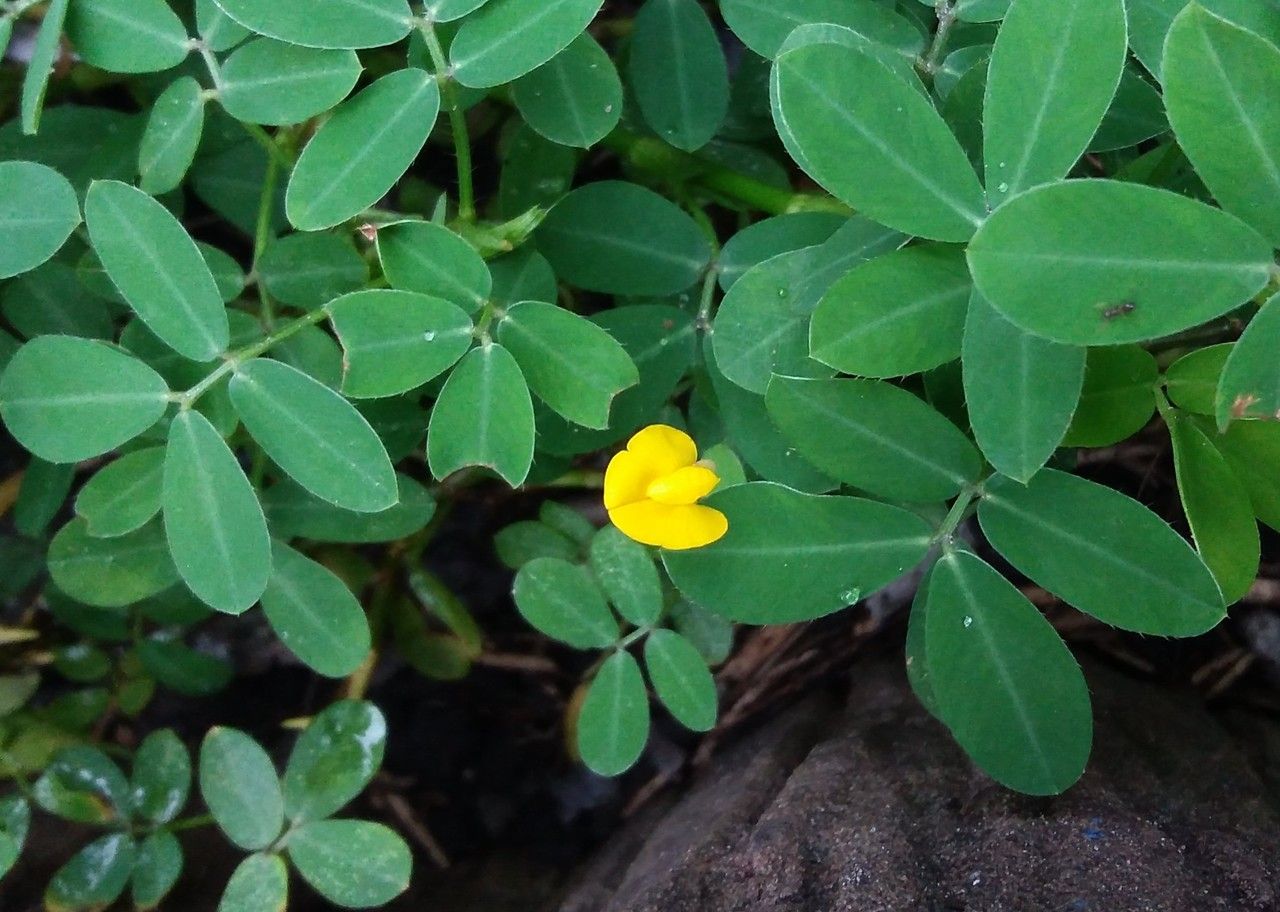
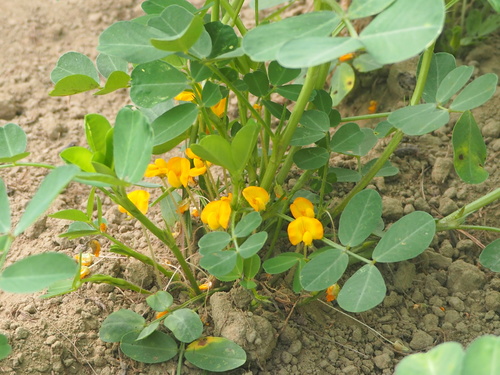
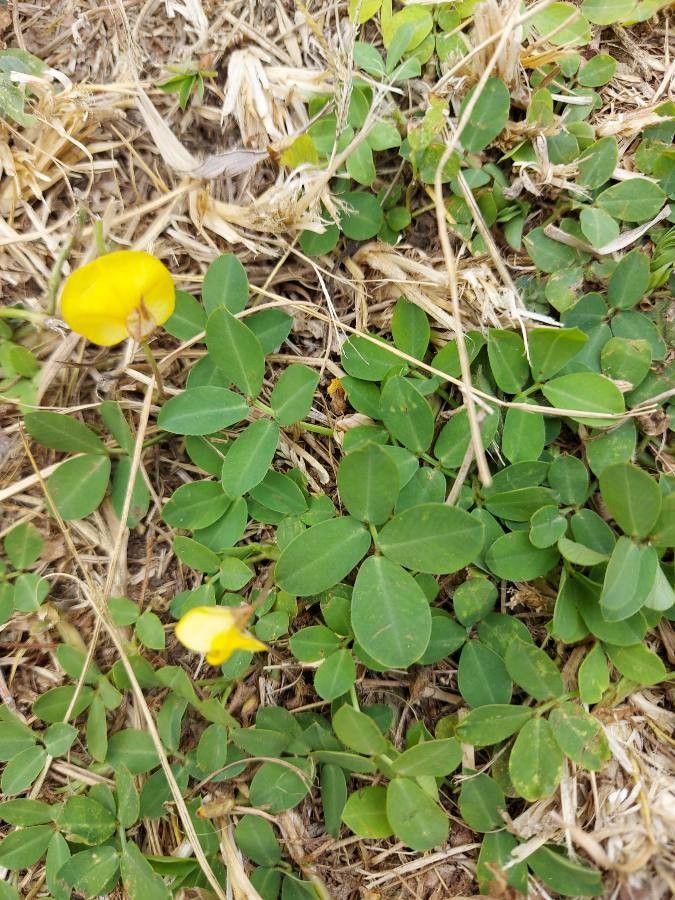
Arachis repens, commonly known as the creeping peanut or ground cover peanut, is a low-growing perennial plant that belongs to the Fabaceae family. Native to South America, it has been widely cultivated in various parts of the world both for its edible nuts and as a ground cover.
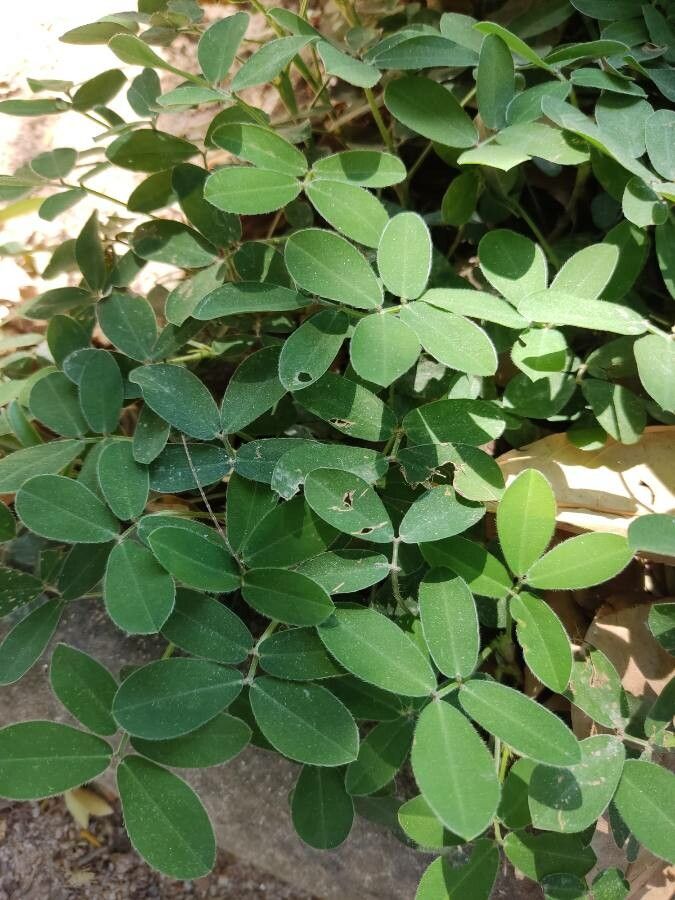
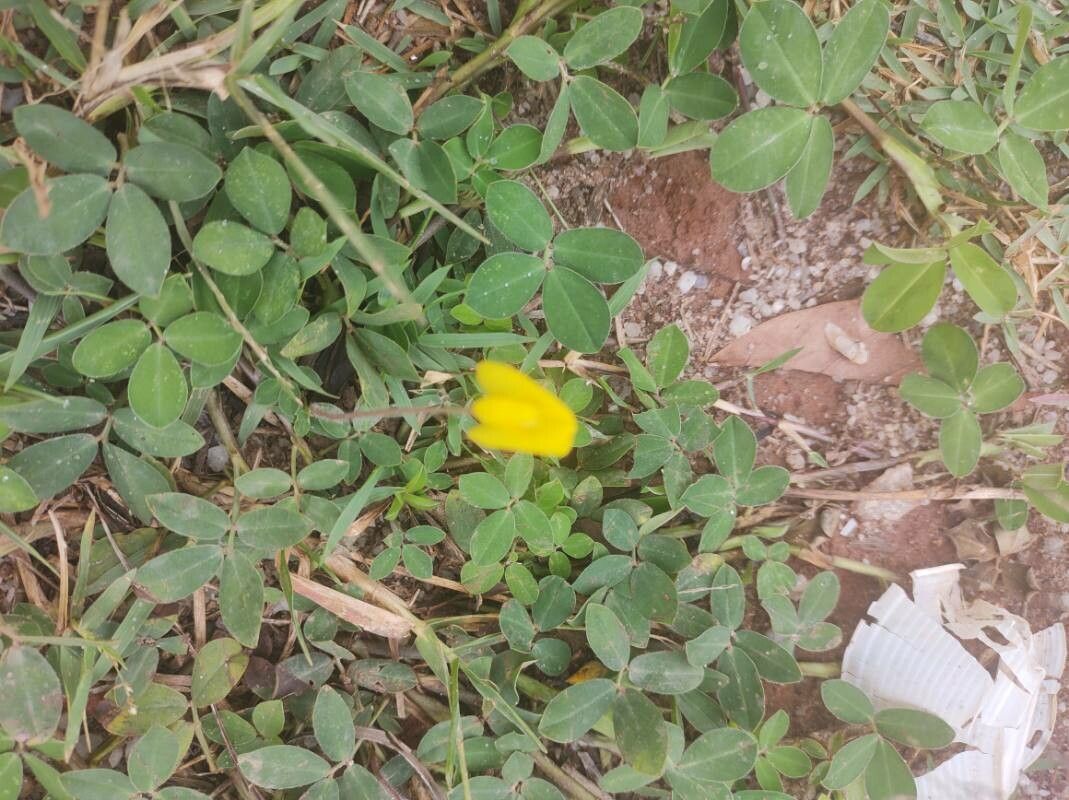
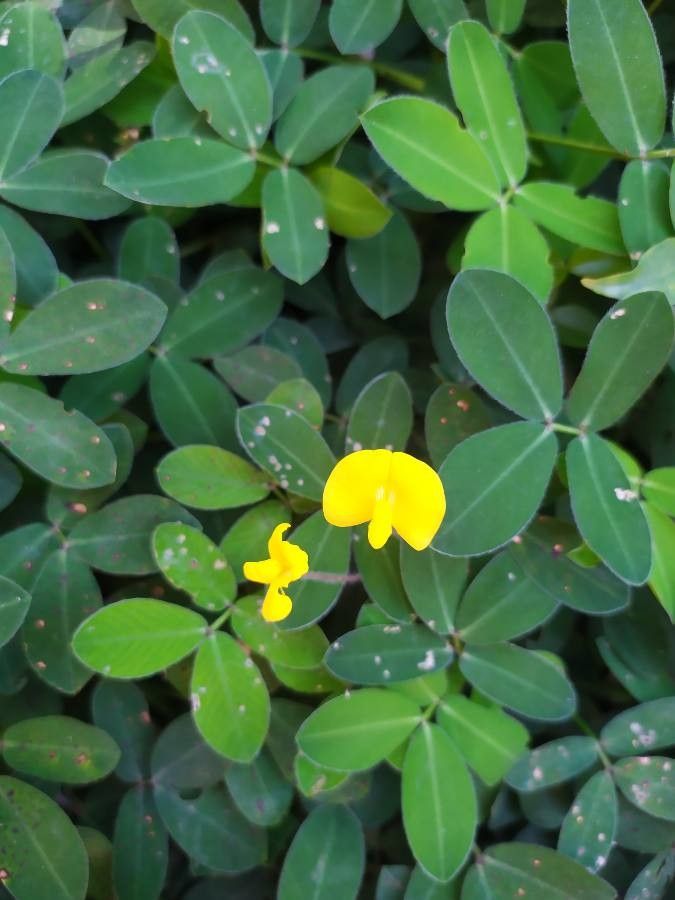
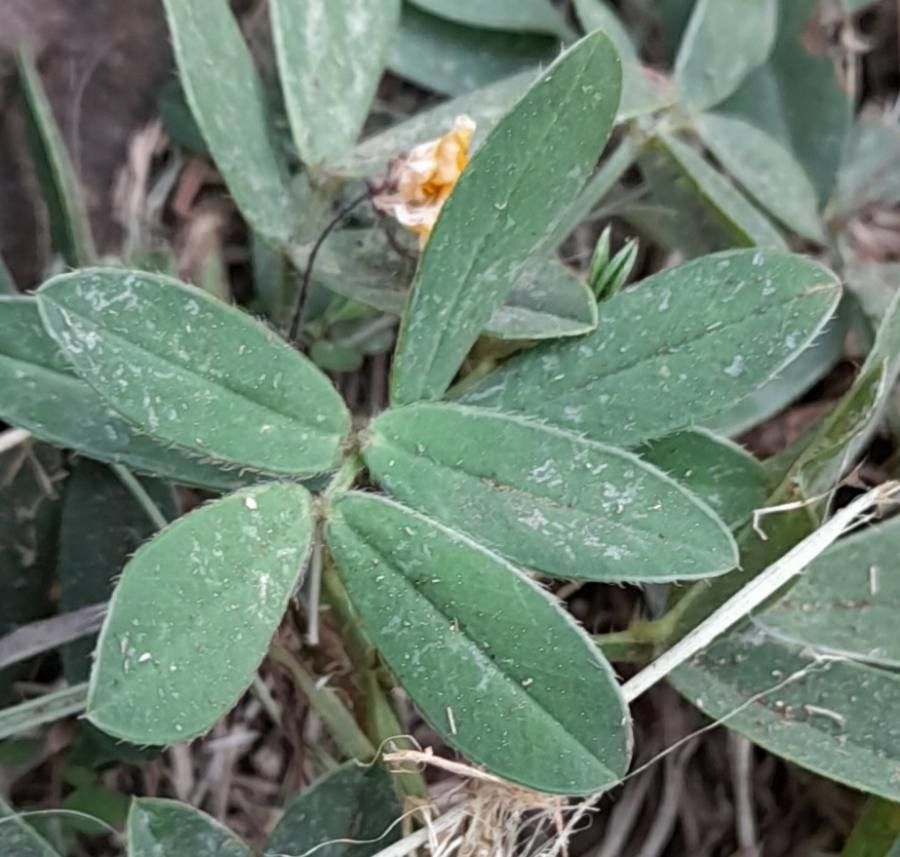
This plant features a prostrate growth habit and can spread up to 2 meters wide. Its small green leaves are arranged in pairs along the stems. From spring through summer, Arachis repens produces yellow flowers about 1 cm in diameter.
The nuts of Arachis repens are small, round, and edible, with a mild flavor similar to peanuts. Though they can be consumed raw or roasted, they are not commonly eaten due to their diminutive size.
As a ground cover, Arachis repens is highly valued for its ability to prevent soil erosion and suppress weed growth. Additionally, it provides a habitat for beneficial insects such as bees and butterflies.
In summary, Arachis repens is an attractive, low-maintenance plant with various uses in both agricultural and landscaping contexts.
Creeping peanut is fairly resistant to disease and typically not very prone to illnesses. Still, it can be vulnerable to pests and diseases present in its surroundings. Such infections are generally mild. In terms of care, this plant needs moderate maintenance. It should be pruned regularly to keep a tidy appearance and encourage healthy growth. Fertilizing can also help promote flowering. Creeping peanut is suitable for anyone with outdoor space, such as a garden or patio, and does not require much care experience. It may need more attention when grown indoors.
How to keep Arachis Repens.
Light
Creeping peanut is a sun-loving, perennial herbaceous plant native to open habitats, frequently thriving in meadows and grasslands. It prefers full sun but can also tolerate partial sun.
Water
Creeping peanut flourishes in humid environments and prefers consistent moisture, needing to be watered weekly. Although it can withstand short periods of dryness, it thrives with stable moisture throughout the year. This is particularly important when it's grown outdoors, as it helps replicate its natural tropical conditions.
Temperature
Creeping peanut comes from tropical areas, where the weather is usually warm and humid. Therefore it is adapted to high heat and moisture. It does not respond well to abrupt temperature changes and prefers a consistent temperature, so indoor temperature fluctuations should be avoided. It typically cannot tolerate cold and needs warmer conditions to grow; if temperatures fall too low, growth may halt or the plant may die.
Fertilizer
Proper fertilization is essential for Creeping peanut's health and appearance. Fertilize Creeping peanut during summer, repeating the treatment monthly throughout the season. Nutrients supply the energy for growth and help maintain the plant's tissues. Fertilization improves Creeping peanut's flower display, ensuring the best blooms.
Pruning
Creeping peanut is a mat-forming plant with bright yellow flowers, making it ideal for ground cover. To encourage growth and flowering, prune in early spring. Use clean tools and trim lightly to maintain its shape. Pruning after the last frost helps the plant recover, leading to denser foliage and increased pest resistance.
Botanical profile.
- Plant Type
- Herb
- Life Cycle
- Perennial
- Genus
- Arachis
- Family
- Fabaceae
- Hardiness Zone
- 8-11
- Mature Height
- 10 cm to 15 cm
- Mature Spread
- 30 cm to 61 cm
- Leaf Color
- Green, Dark Green
- Leaf Type
- Evergreen
- Flower Color
- Yellow
- Flower Size
- 1.02 cm to 1.52 cm
- Bloom Time
- Summer, Fall
- Planting Time
- Spring, Summer, Autumn
- Harvest Time
- Late summer, Fall, Early winter
- Native Area
- Brazil, Ecuador
Other names.
Reader questions.
What are the sunlight requirements for Creeping Peanut (Arachis repens)?
Creeping Peanut (Arachis repens) thrives in various sunlight conditions. For full sun exposure, it requires above 6 hours of sunlight per day, which is essential for its optimal growth and flowering. If your garden or planting area does not offer full sun, Creeping Peanut can also adapt to partial sun conditions, needing about 3-6 hours of sunlight daily. It's important to observe how sunlight moves through your garden over the day. Identifying the right spots that offer a balance of light and shade will ensure that your Creeping Peanut plants grow happily and healthily.
What is the botanical name of Creeping Peanut?
The botanical name of Creeping Peanut is Arachis repens. This name helps in accurately identifying the plant, distinguishing it from other species with similar common names.