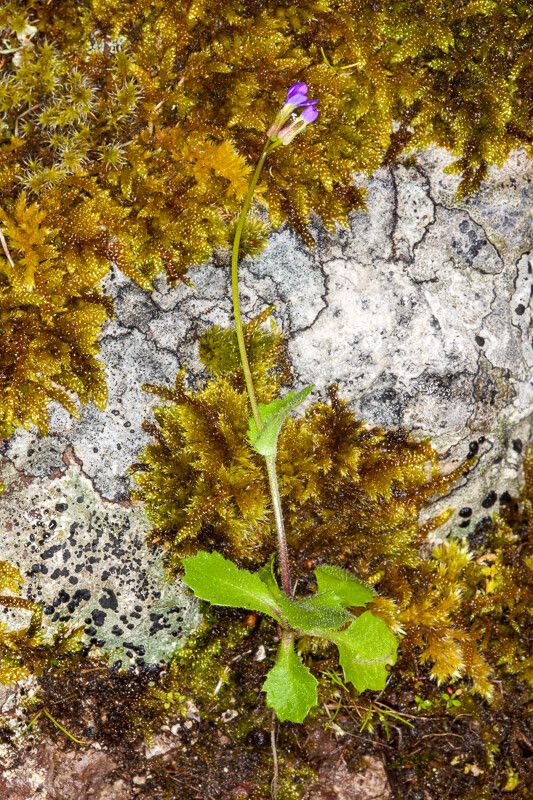
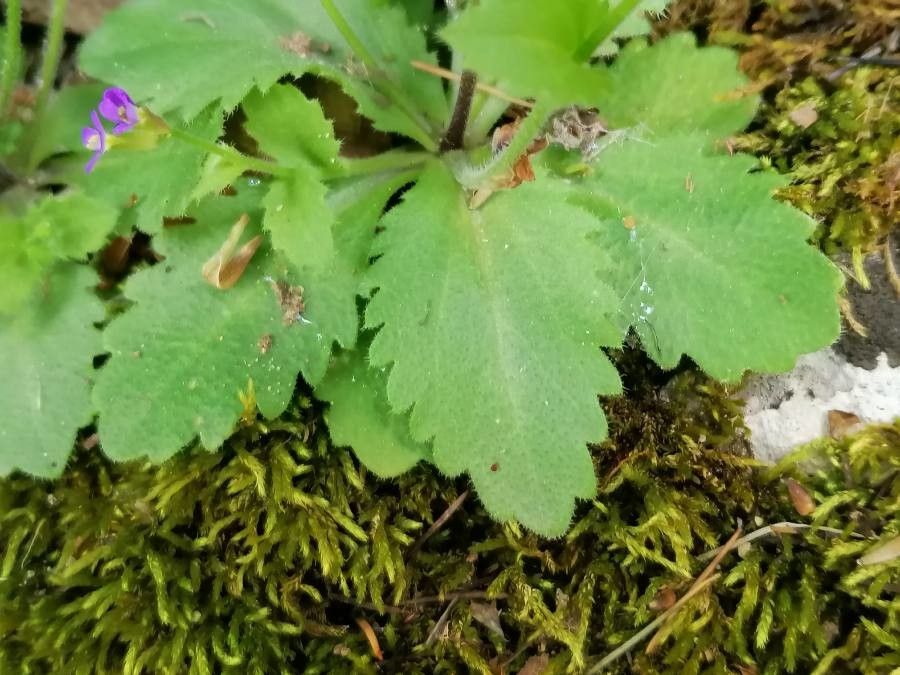
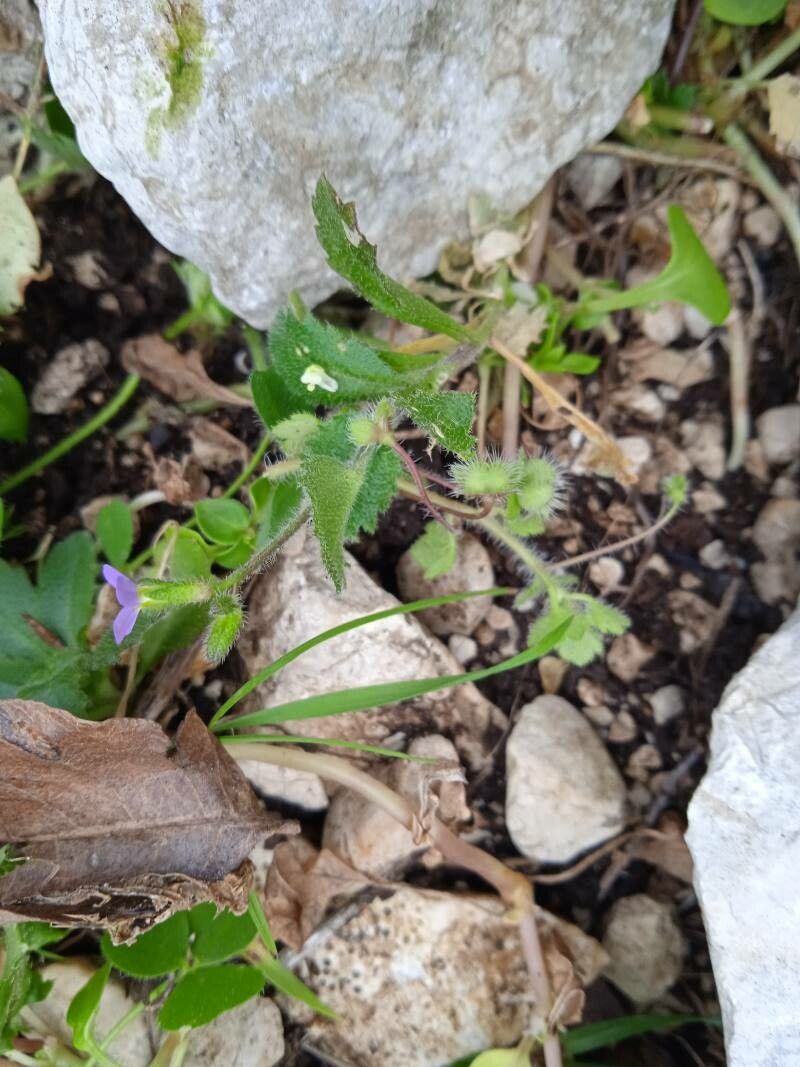
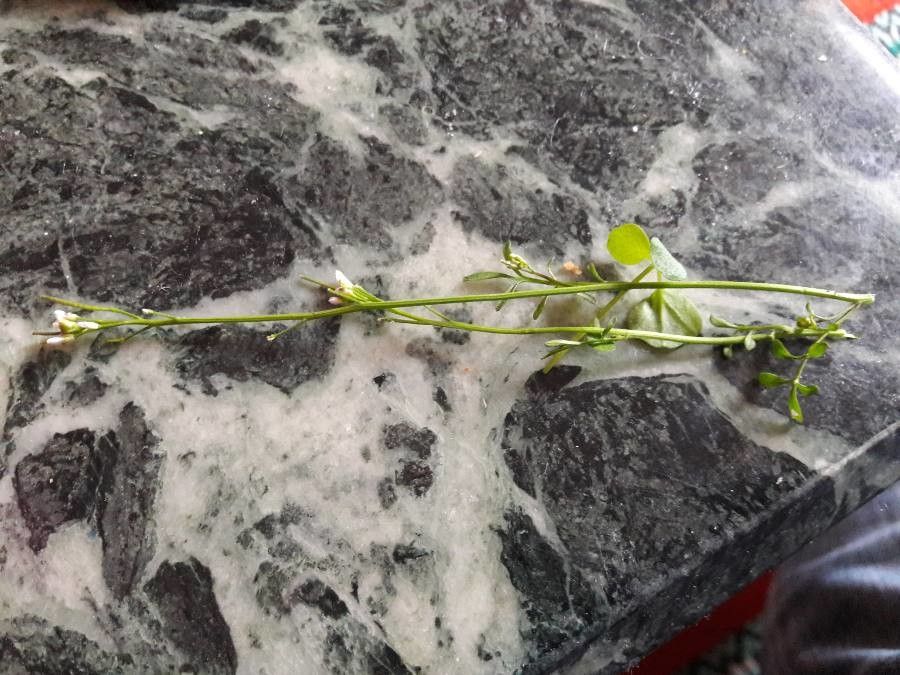
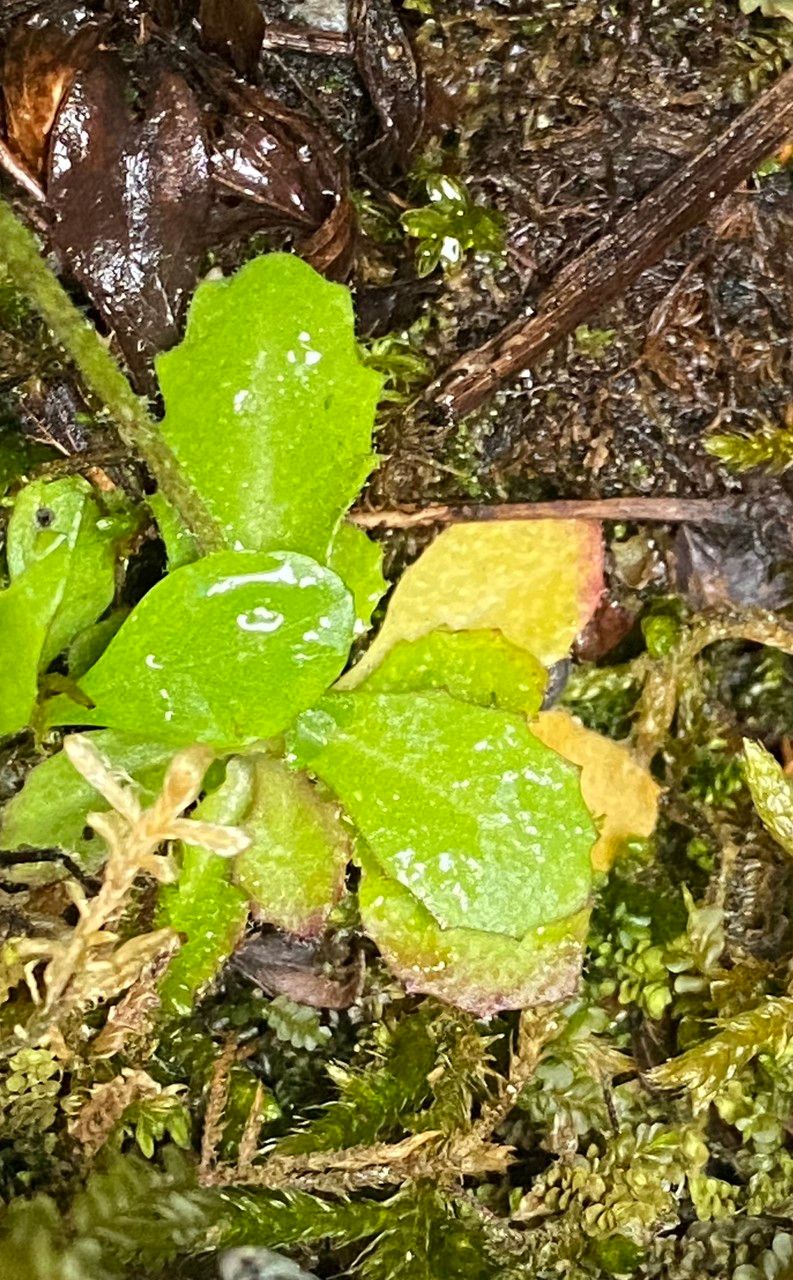
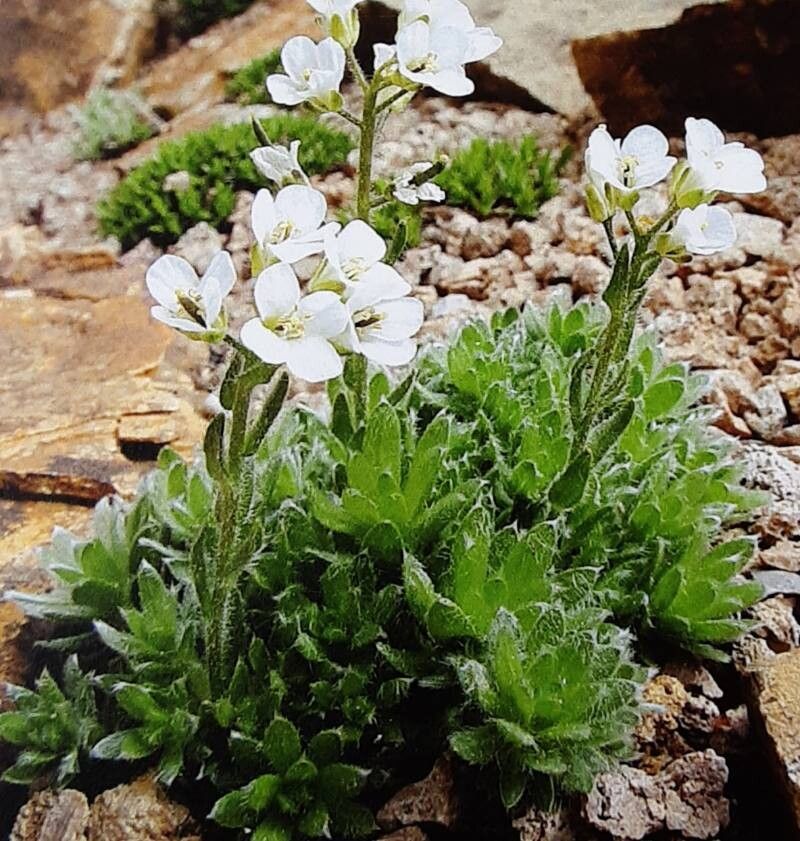
Arabis verna, commonly known as spring rockcress, is a small herbaceous perennial plant that belongs to the Brassicaceae family. Native to Europe and western Asia, it has also been introduced to North America. The plant grows up to 15 cm tall and features a basal rosette of dark green leaves with toothed margins. These leaves are oblong or spatulate in shape and have a waxy texture.
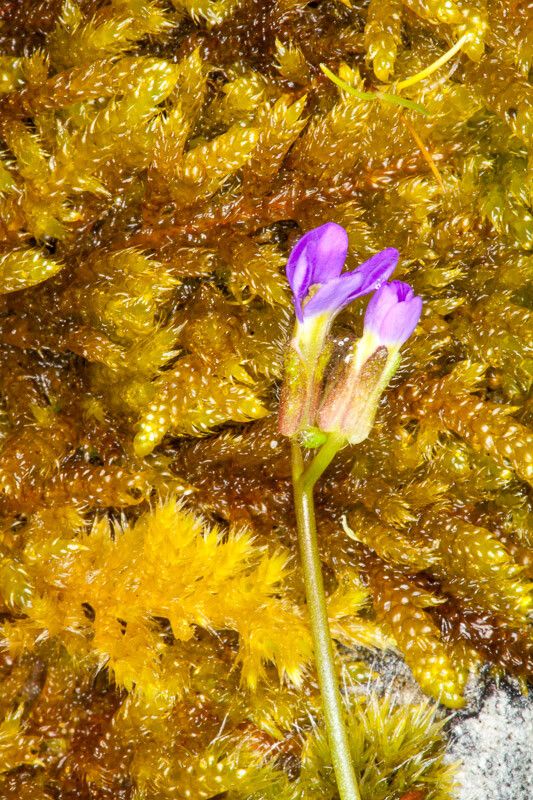
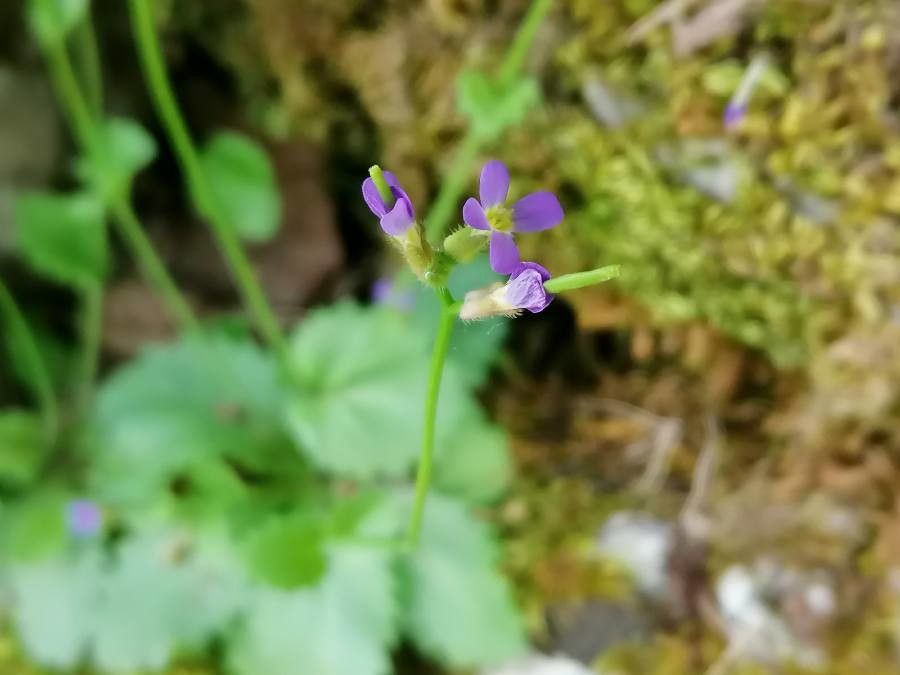
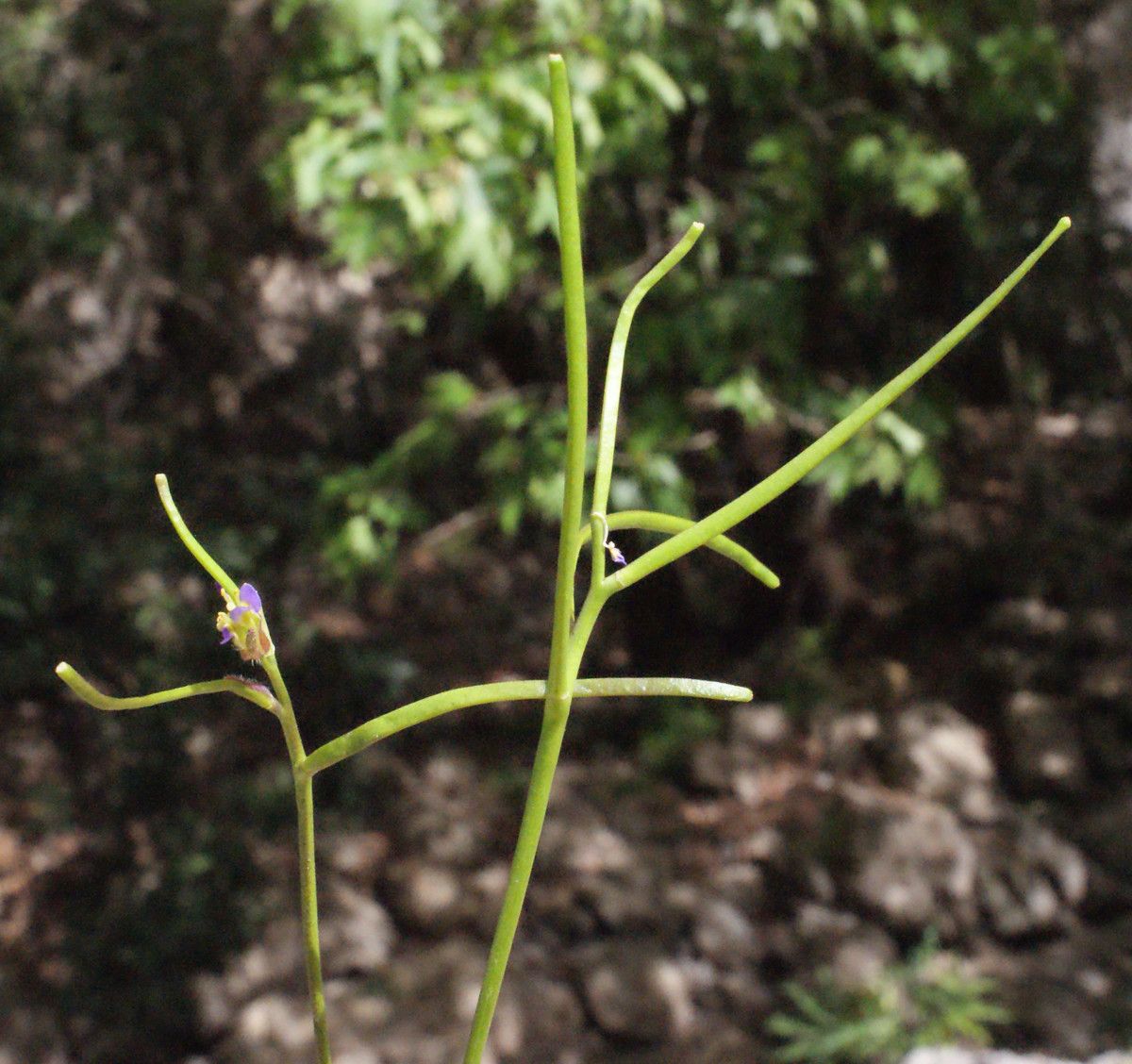
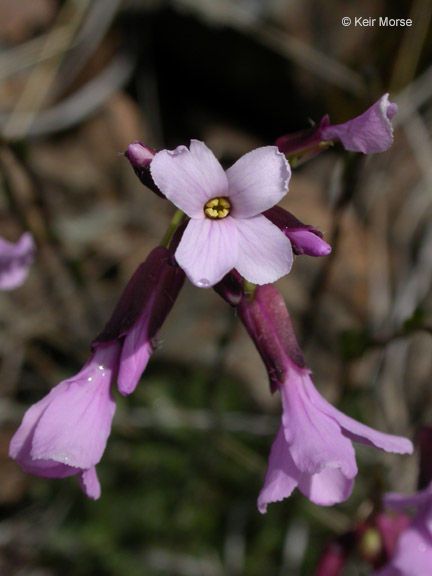
The flowers of Arabis verna are small and white or pinkish, each with four petals arranged in the shape of a cross. They bloom from March through May on short stems that rise above the basal rosette. The plant produces elongated capsules as fruit, which contain numerous seeds.
Arabis verna prefers well-drained soils with full sun exposure but can also tolerate partial shade. It naturally grows on rocky slopes, cliffs, meadows, and open woodlands.
This plant has been used medicinally due to its content of glucosinolates, which possess anti-inflammatory properties that can help alleviate pain caused by arthritis or other inflammatory conditions.
Overall, Arabis verna is an attractive spring-blooming perennial that adds beauty to rock gardens or other sunny areas where it can thrive with minimal maintenance once established.
Botanical profile.
- Plant Type
- Herb
- Life Cycle
- Annual
- Genus
- Arabis
- Family
- Brassicaceae
- Hardiness Zone
- 4-8
- Mature Height
- 5 cm to 30 cm
- Mature Spread
- 15 cm to 25 cm
- Leaf Color
- Green, Dark Green
- Leaf Type
- Semi-evergreen
- Flower Color
- Red, Purple
- Flower Size
- 0.51 cm to 0.51 cm
- Bloom Time
- Early spring, Mid spring
- Planting Time
- Spring, Autumn
- Harvest Time
- Late spring, Early summer
- Native Area
- Libya, Tunisia, Turkey, Montenegro, Cyprus, Bulgaria, Greece, Croatia, Morocco, Lebanon, Russia, Syria, Italy, Spain, Albania, Algeria, France
Other names.