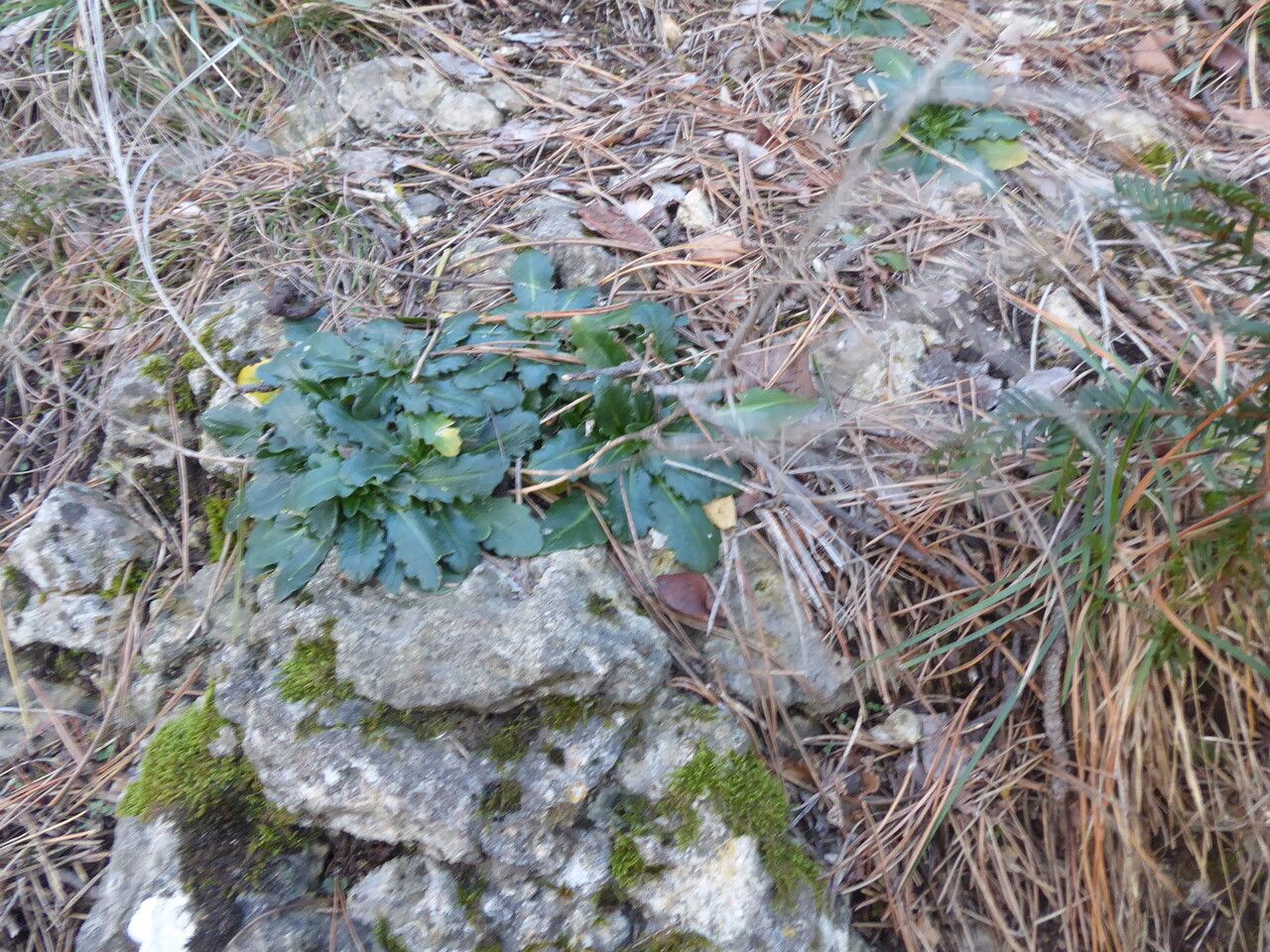
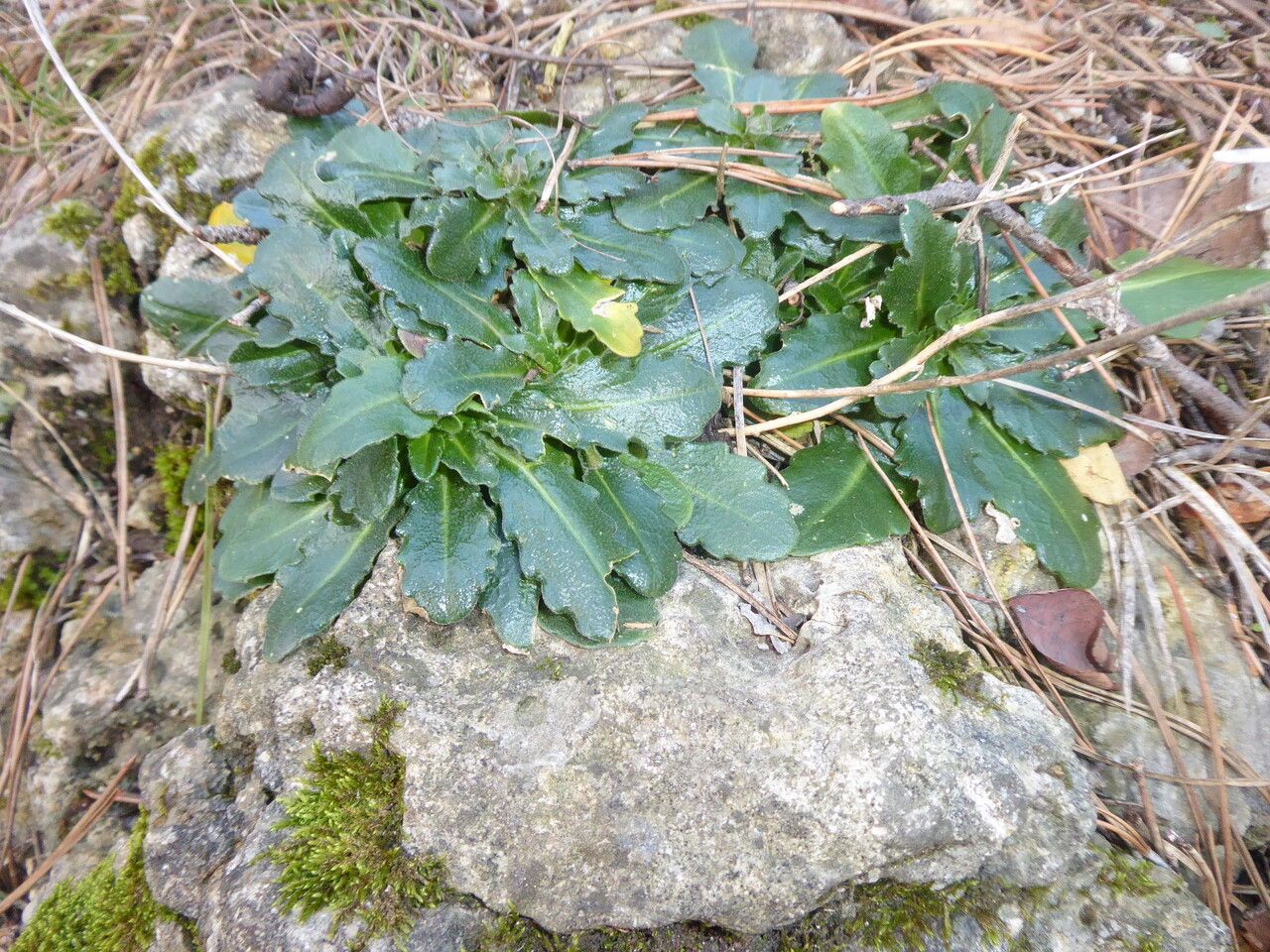
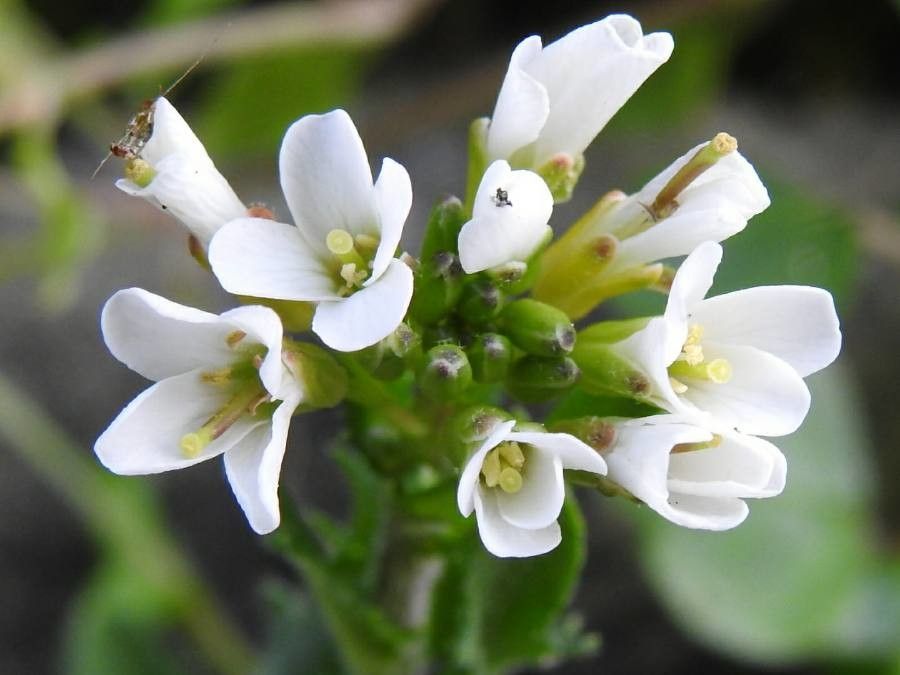
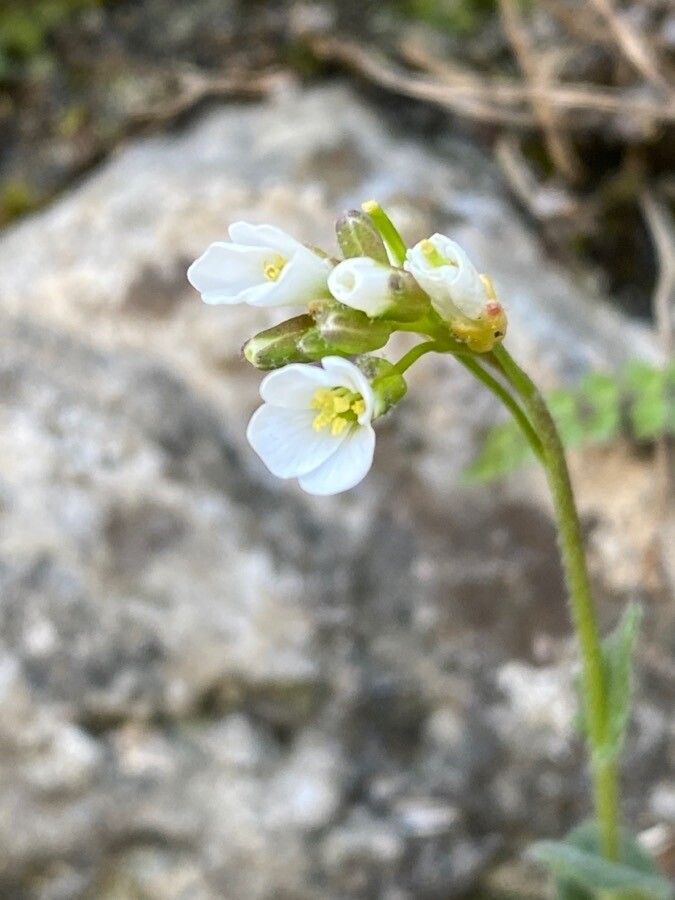
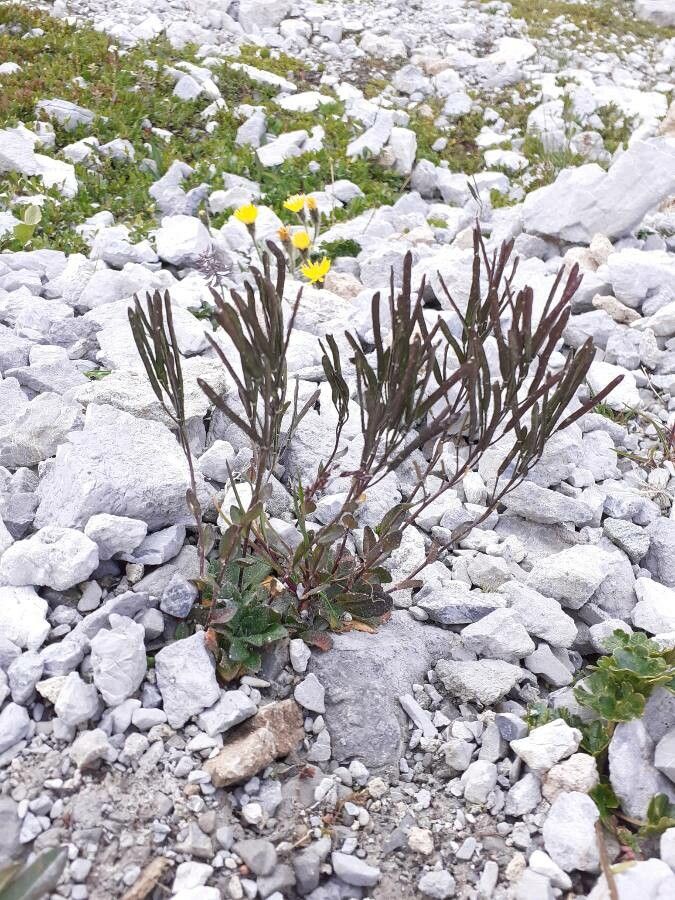
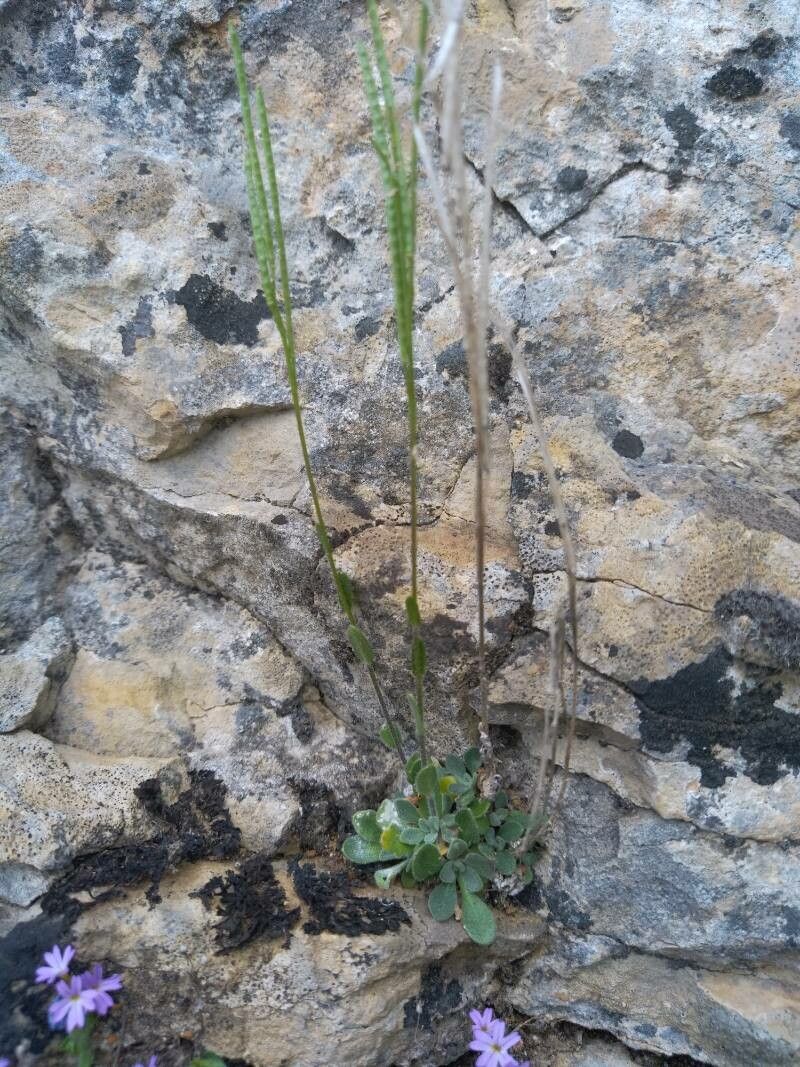
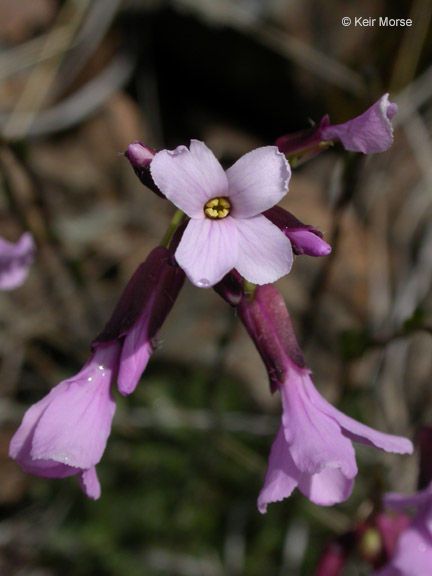
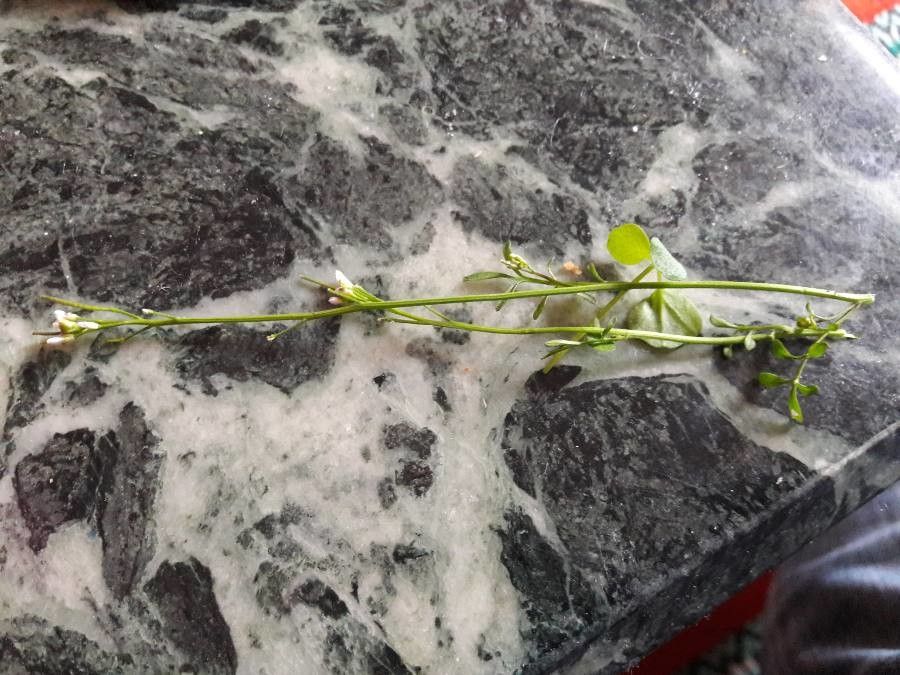
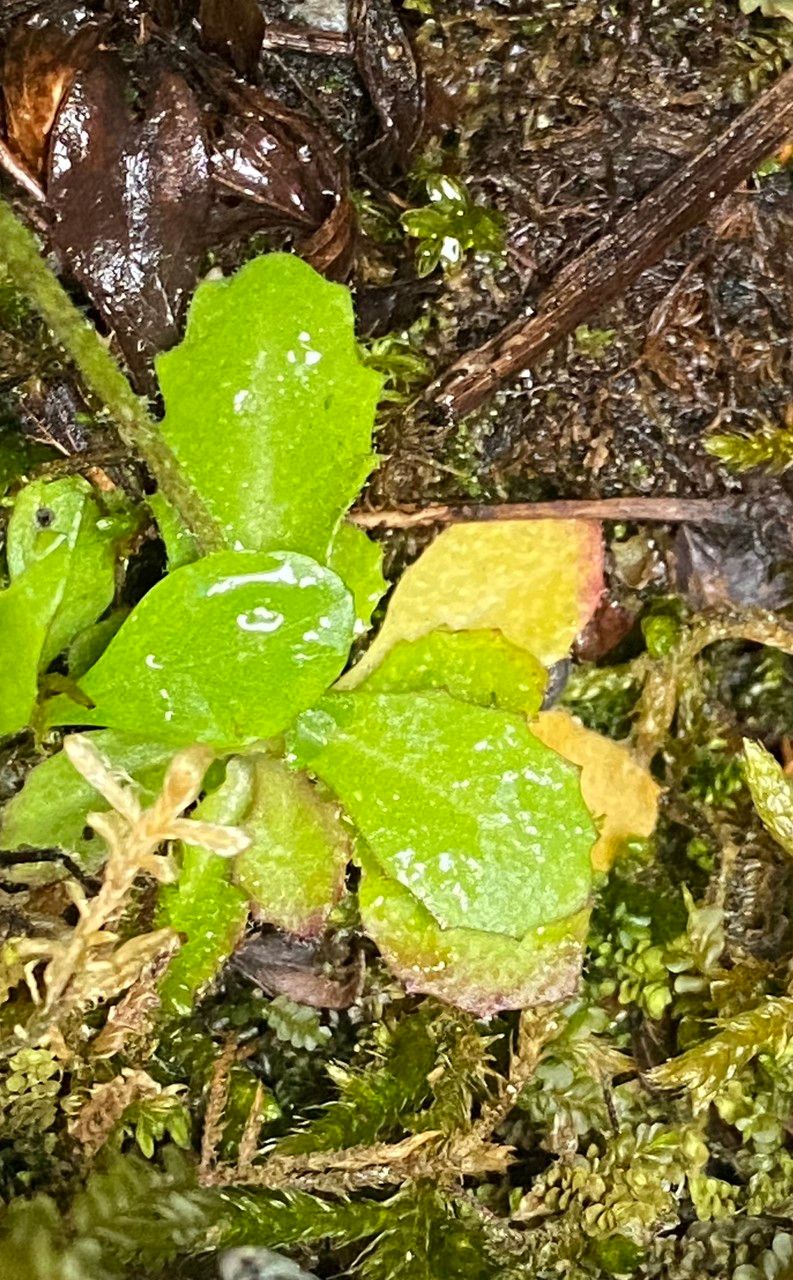
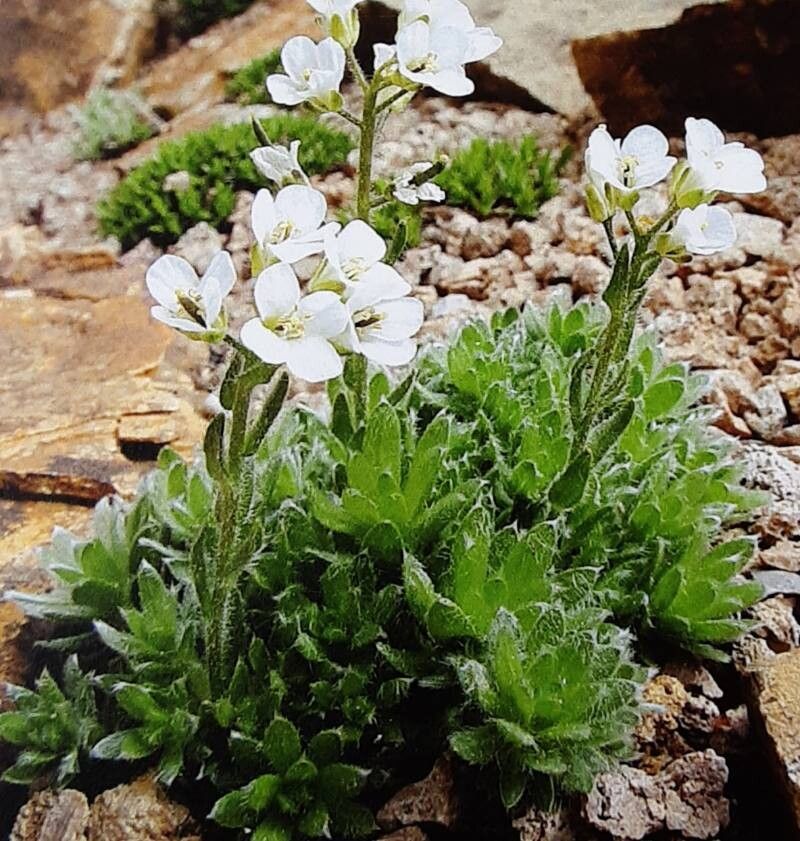
Rosy cress is fairly disease-resistant and usually not prone to illnesses. Still, it can be vulnerable to pests and diseases present in its environment. These problems tend to be minor. As for care, the plant requires moderate maintenance. It should be pruned regularly to maintain a pleasant appearance and healthy growth. Fertilizing can also aid in encouraging blooms. Rosy cress is suitable for anyone with outdoor space, like a garden or patio, and does not demand extensive gardening experience. It may need more attention if grown indoors.
How to keep Arabis Collina.
Light
Rosy cress is a perennial, herbaceous species that favors sunny sites and originates from open habitats, frequently occurring in meadows and grasslands. It prefers full sun but can also tolerate partial sun.
Fertilizer
Early spring, as Rosy cress comes out of dormancy and starts active growth, is the best time to fertilize. Fertilization supplies essential nutrients needed for healthy growth. While Rosy cress has relatively low fertilizer requirements, applying fertilizer once a year can improve its survival and encourage better, longer-lasting flowers.
Pruning
To enhance the health and appearance of rosy cress, begin by pruning in early spring. This involves removing any spent blooms and damaged stems. After the plant has finished flowering, trim back one-third of its growth to encourage new growth and maintain its shape. It's important to avoid heavy pruning in late fall or winter. By following these steps, you'll promote better air circulation, reduce disease risk, and support dense foliage that will keep the plant thriving throughout the year.
Botanical profile.
- Plant Type
- Herb
- Life Cycle
- Perennial
- Genus
- Arabis
- Family
- Brassicaceae
- Hardiness Zone
- 4-8
- Mature Height
- 10 cm to 20 cm
- Mature Spread
- 15 cm to 30 cm
- Leaf Color
- Green, Dark Green
- Leaf Type
- Evergreen
- Flower Color
- White
- Flower Size
- 1.02 cm to 1.52 cm
- Bloom Time
- Spring
- Planting Time
- Spring, Summer
- Harvest Time
- Early summer, Mid summer
- Native Area
- Italy, Switzerland, Serbia, Montenegro, Bulgaria, Greece, Croatia, Slovenia, France
Other names.