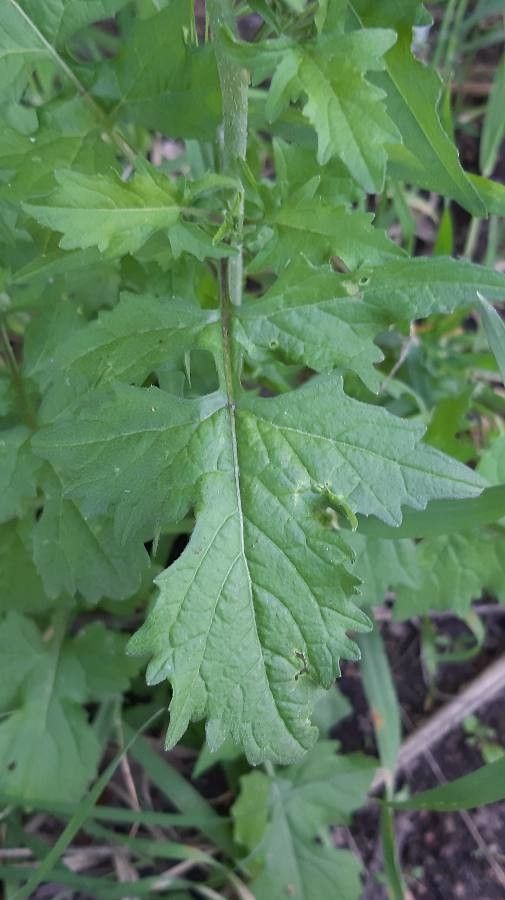
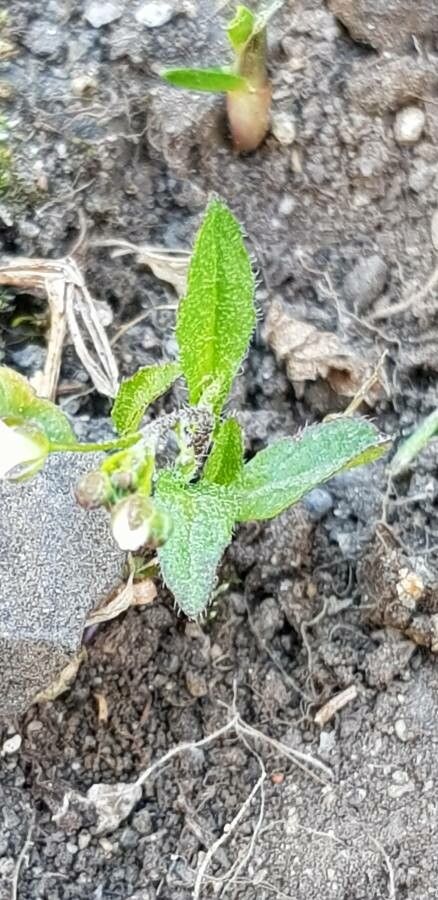
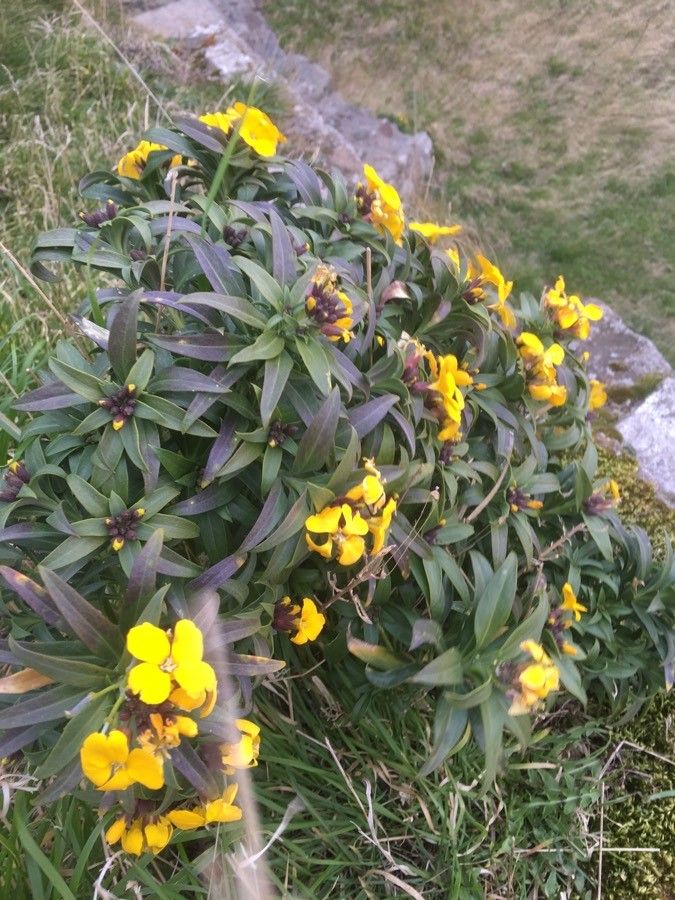
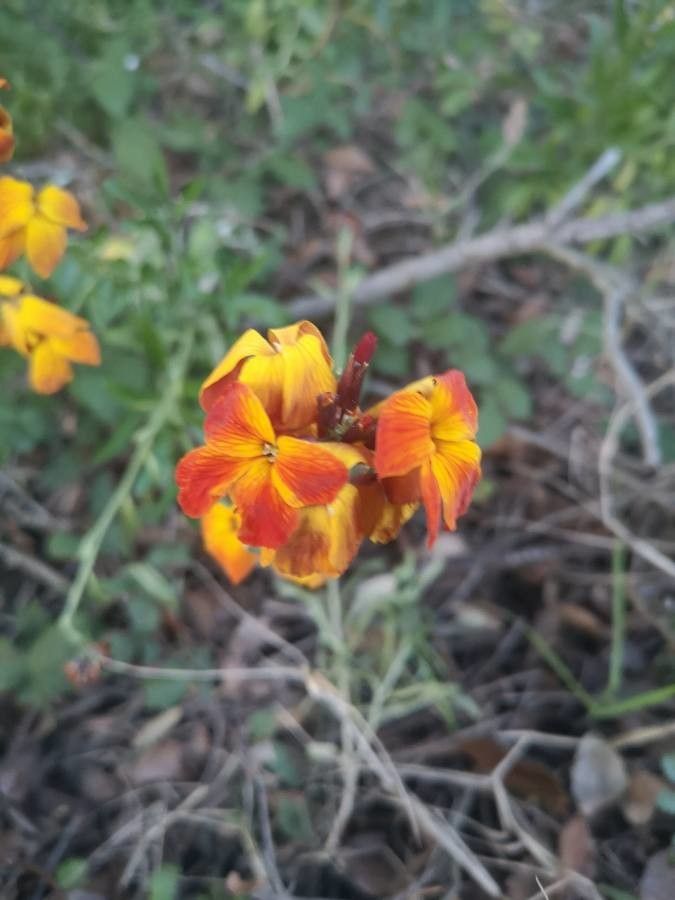
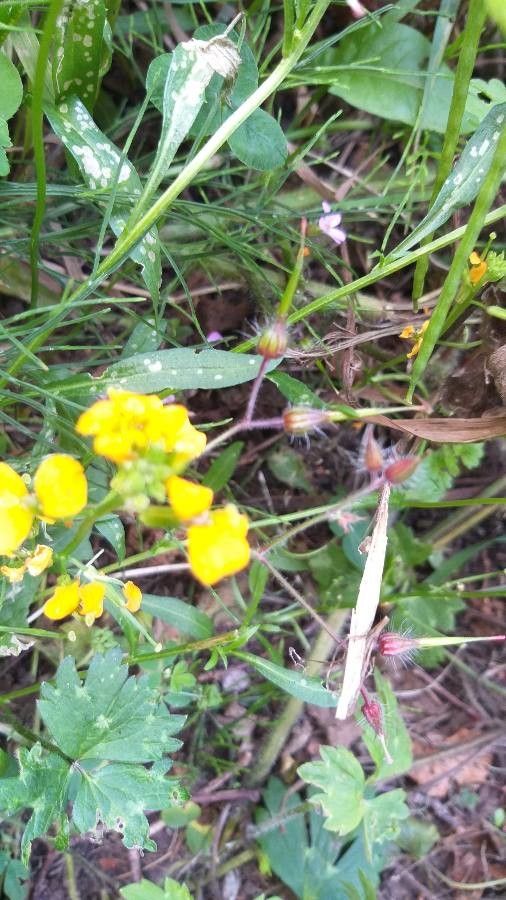
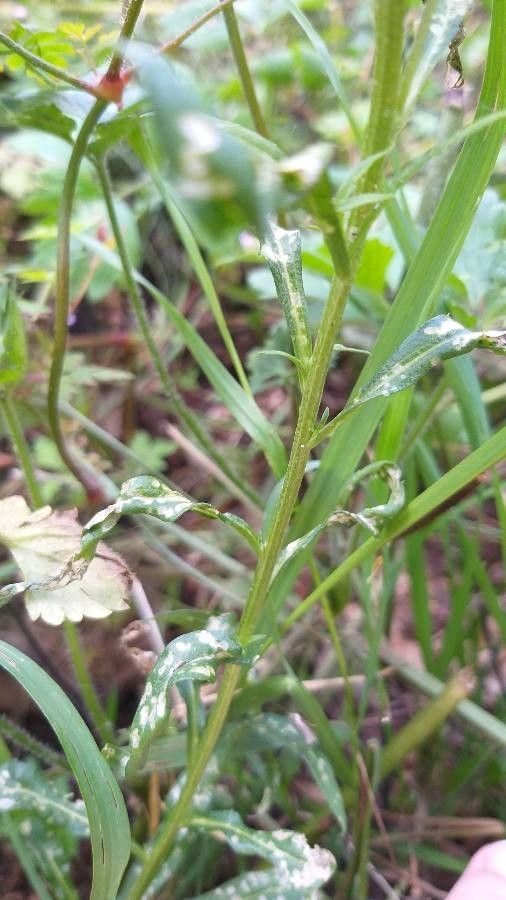
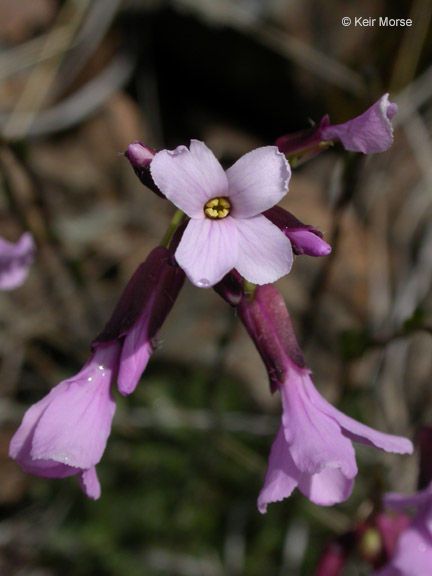
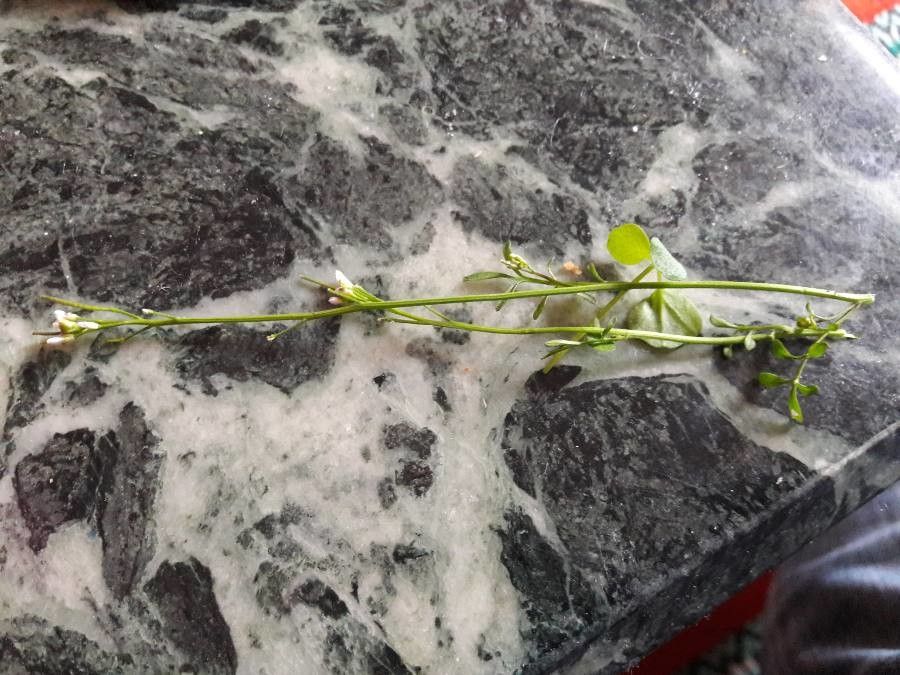
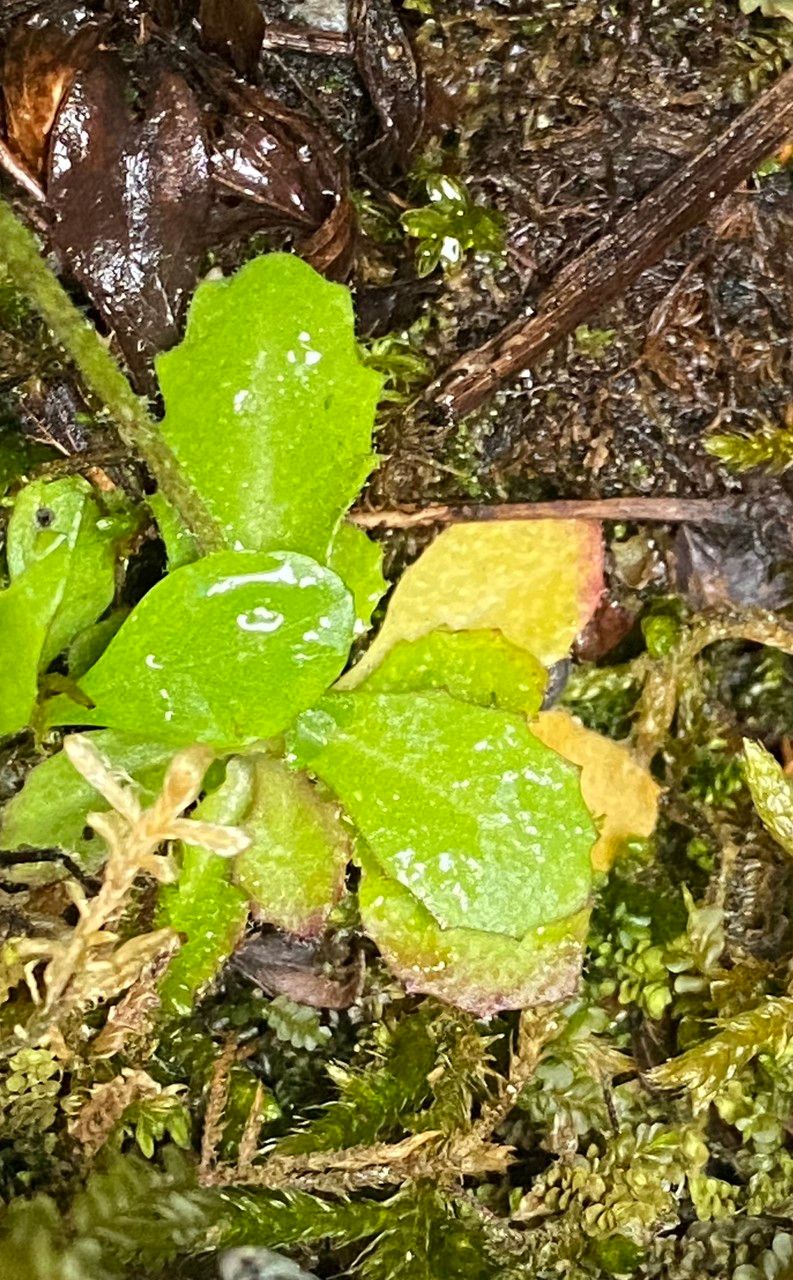
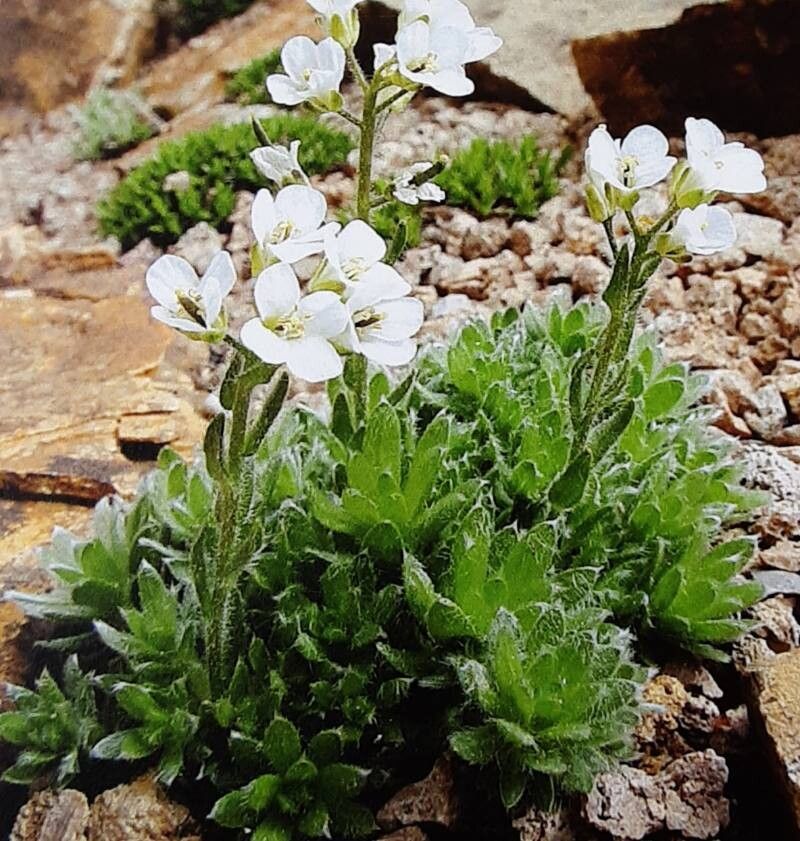
Arabis auriculata is a herbaceous, flowering plant from the family Brassicaceae. It flowers from March to July. Besides the type form, René Maire described the Arabis auriculata f. umbrosa form.The species Draba nuda has been described as resembling A. auriculata, being originally placed in its genus.
Annual rockcress has good resistance to disease and is generally not prone to illness. However, it can be affected by pests and diseases present in its environment. These problems are typically mild. Regarding care, this plant needs moderate maintenance. It should be trimmed regularly to preserve a neat appearance and healthy growth. Applying fertilizer can also help encourage flowering. Annual rockcress is appropriate for anyone with outdoor space, like a garden or patio, and does not demand extensive care experience. It may need more attention if cultivated indoors.
How to keep Arabis Auriculata.
Light
Annual rockcress comes from bright, open habitats and does best in full sun. It can tolerate partial sun but favors direct sunlight for optimal growth. This annual and biennial plant is recognized for its sun-loving nature.
Water
Annual rockcress naturally grows in rocky terrains and is highly efficient at retaining moisture, making it extremely drought-tolerant. During its growth phase, it needs moderate watering twice a week. Although it prefers to be cultivated outdoors, it thrives in well-draining soil, especially as it establishes its root system.
Temperature
Annual rockcress can adapt to a wide range of temperatures, but its distribution may still be limited by different combinations of moisture and heat. It performs best in warm summer climates with sufficient rainfall or watering. Extended periods of cloudy, rainy weather or prolonged high temperatures can increase the chance of Annual rockcress dying. In winter, adequate protection from cold can boost the plant’s survival.
Fertilizer
Annual rockcress benefits from regular, light applications of fertilizer to encourage healthy leaf development. Fertilize Annual rockcress about once a month during the summer. Nitrogen is important for foliage, and providing nitrogen-rich sources helps Annual rockcress thrive.
Pruning
Annual rockcress is known for its delicate white flowers on slender stems and requires minimal pruning. The best time for trimming is from early to late spring. During this period, you should trim spent blooms and remove any damaged stems to improve airflow and overall plant health. After the flowering period, additional pruning can enhance the plant’s appearance and vigor. This post-flowering pruning helps promote longer blooming periods and reduces the risk of disease.
Botanical profile.
- Plant Type
- Herb
- Life Cycle
- Annual
- Genus
- Arabis
- Family
- Brassicaceae
- Hardiness Zone
- 4-8
- Mature Height
- 5 cm to 37 cm
- Mature Spread
- 5 cm to 15 cm
- Leaf Color
- Light Green
- Leaf Type
- Evergreen
- Flower Color
- White
- Flower Size
- 0.25 cm to 0.51 cm
- Bloom Time
- Early spring, Mid spring
- Planting Time
- Spring, Summer
- Harvest Time
- Late spring, Early summer
- Native Area
- Libya, Turkey, India, Austria, Slovakia, Pakistan, Morocco, Uzbekistan, Russia, Germany, Romania, France, Tajikistan, Tunisia, Czech Republic, Cyprus, Bulgaria, Poland, Armenia, Greece, Ukraine, Lebanon, China, Syria, Kyrgyzstan, Kazakhstan, Italy, Spain, Switzerland, Albania, Azerbaijan, Algeria, Hungary, Turkmenistan
Other names.
Reader questions.
What are the sunlight requirements for Annual rockcress (Arabis auriculata)?
Annual rockcress (Arabis auriculata) thrives in different sunlight conditions depending on your garden setup. For full sun exposure, it requires above 6 hours of sunlight daily. If your garden gets partial sun, about 3-6 hours of sunlight a day is suitable. It's essential to observe how sunlight moves through your garden to find spots that provide the right balance of light and shade, ensuring your plants are healthy and happy.