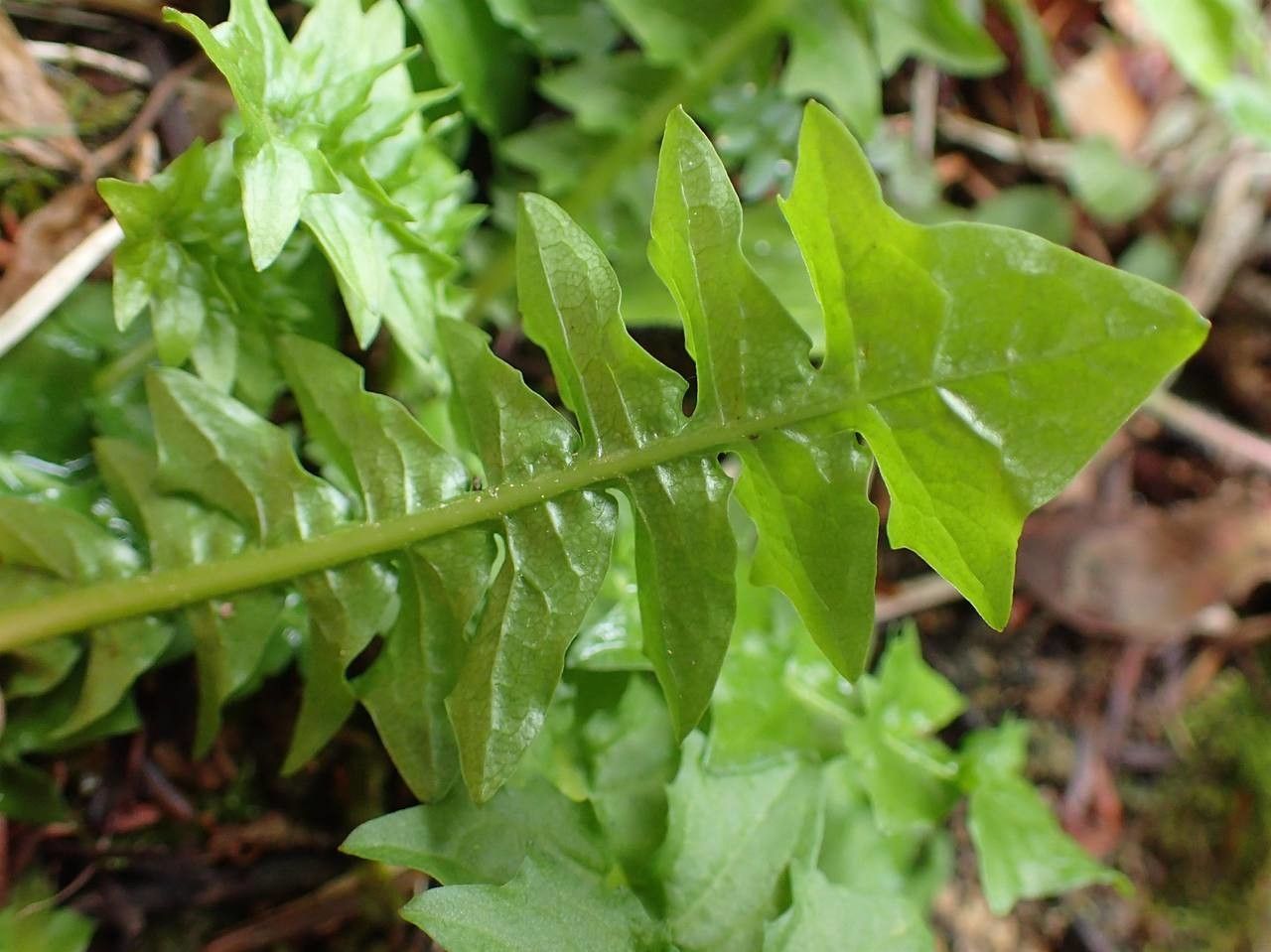
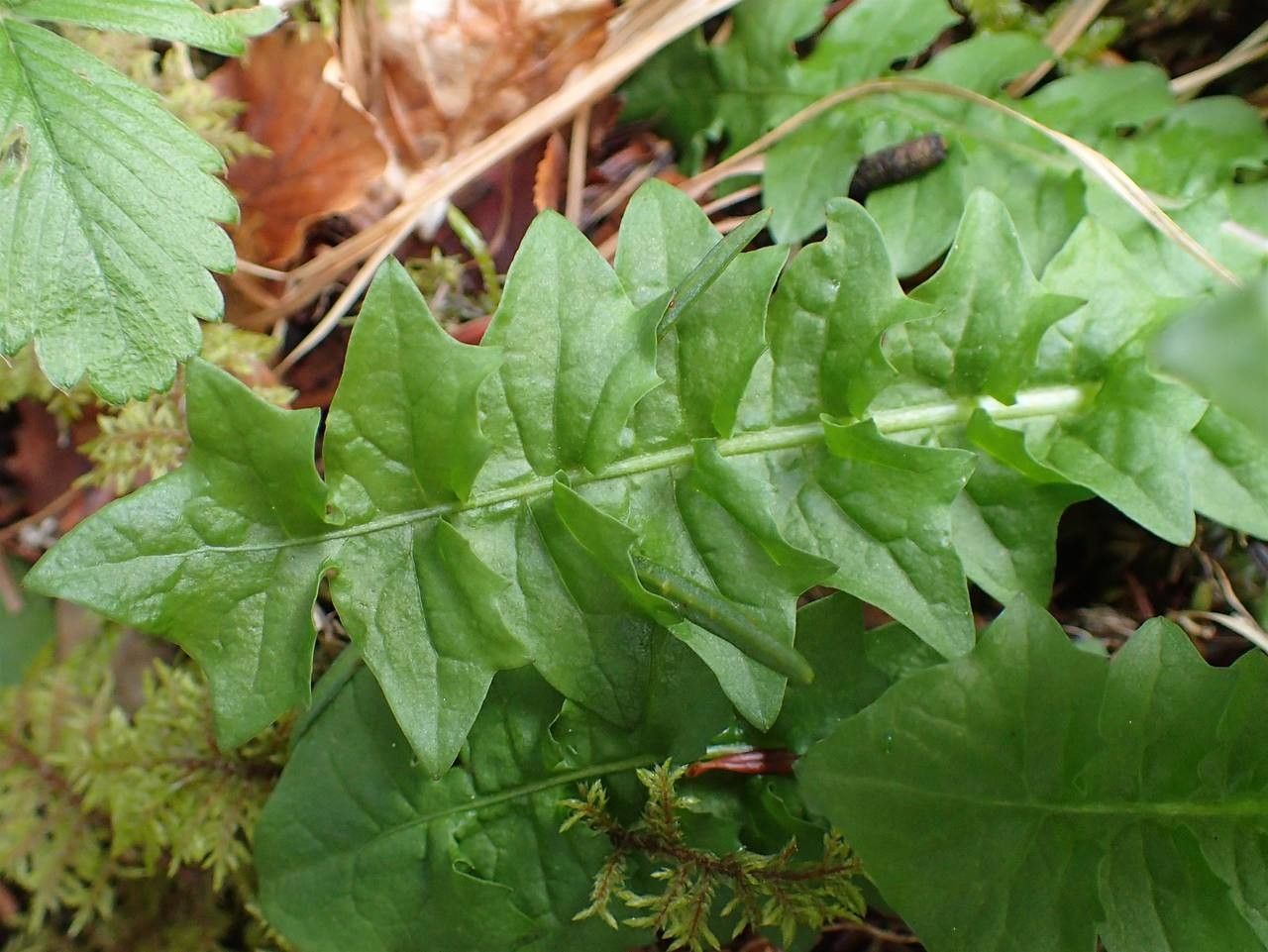
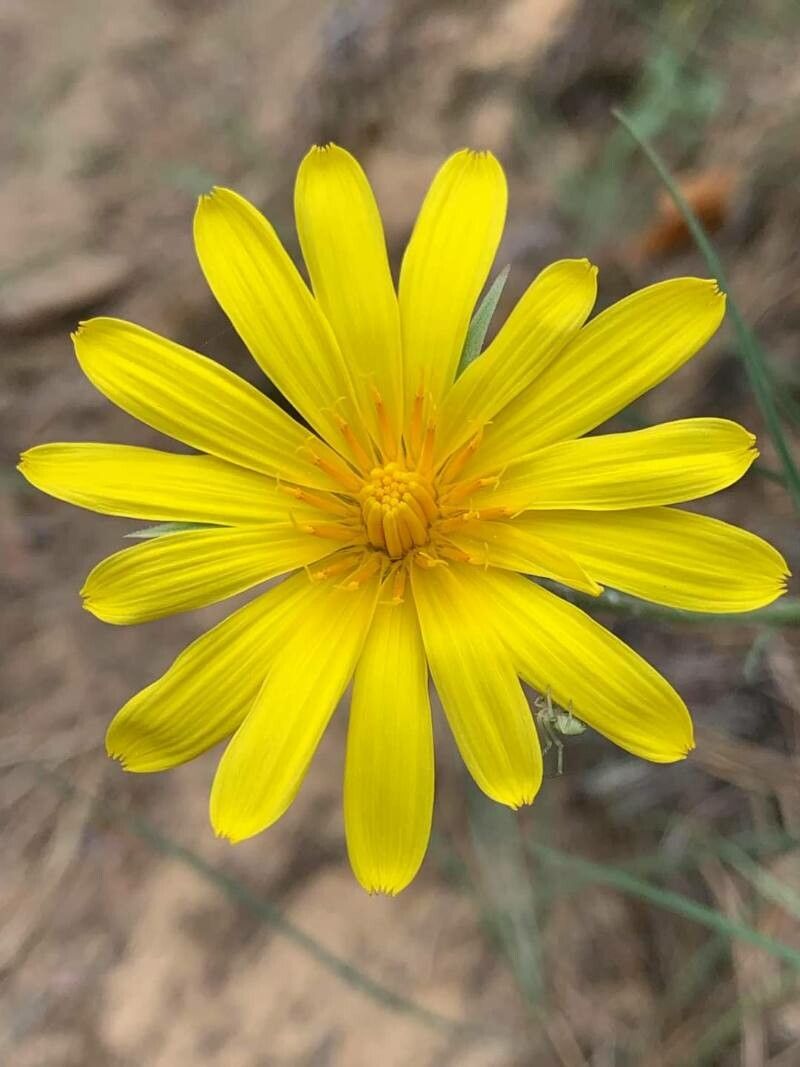
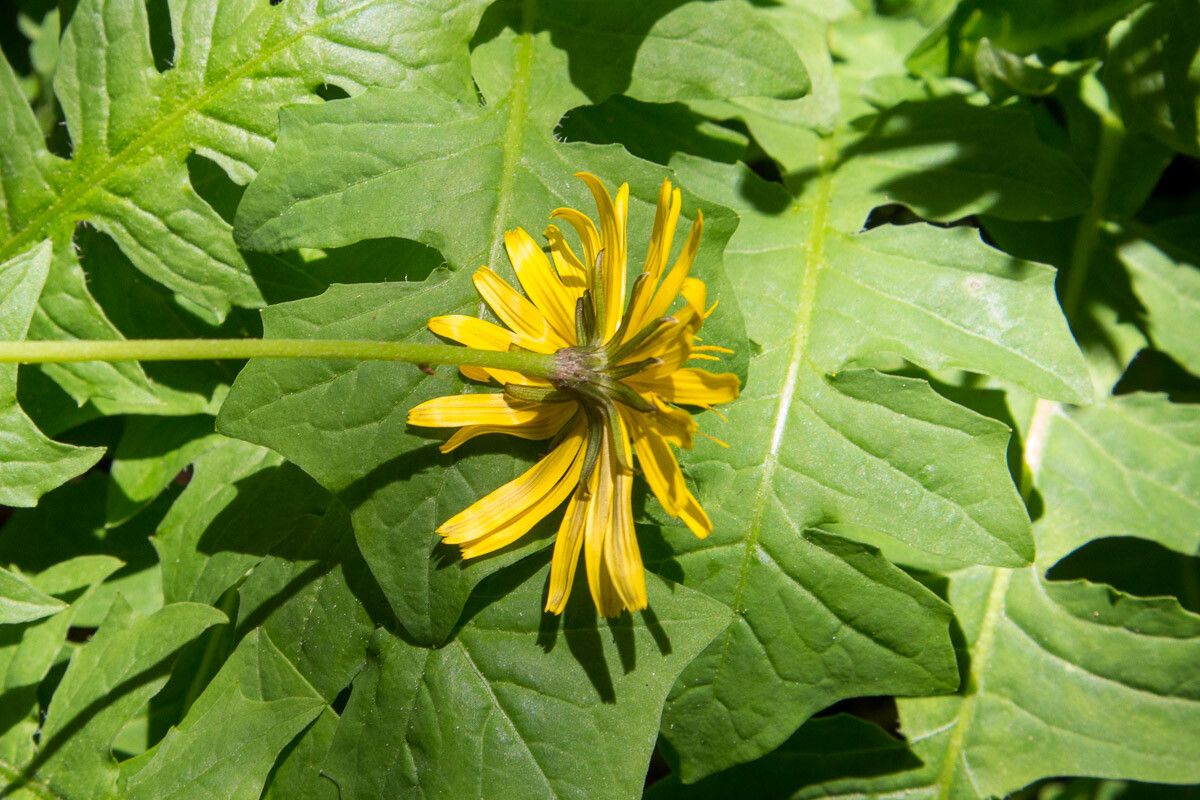
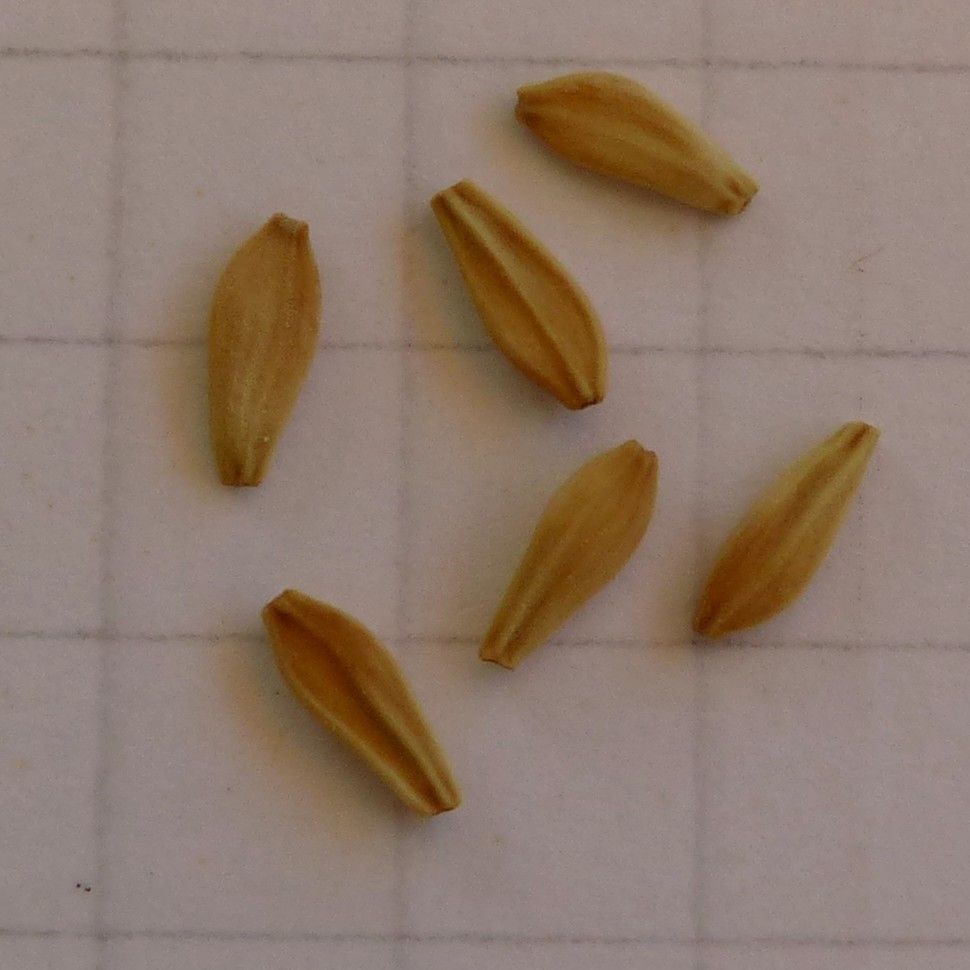
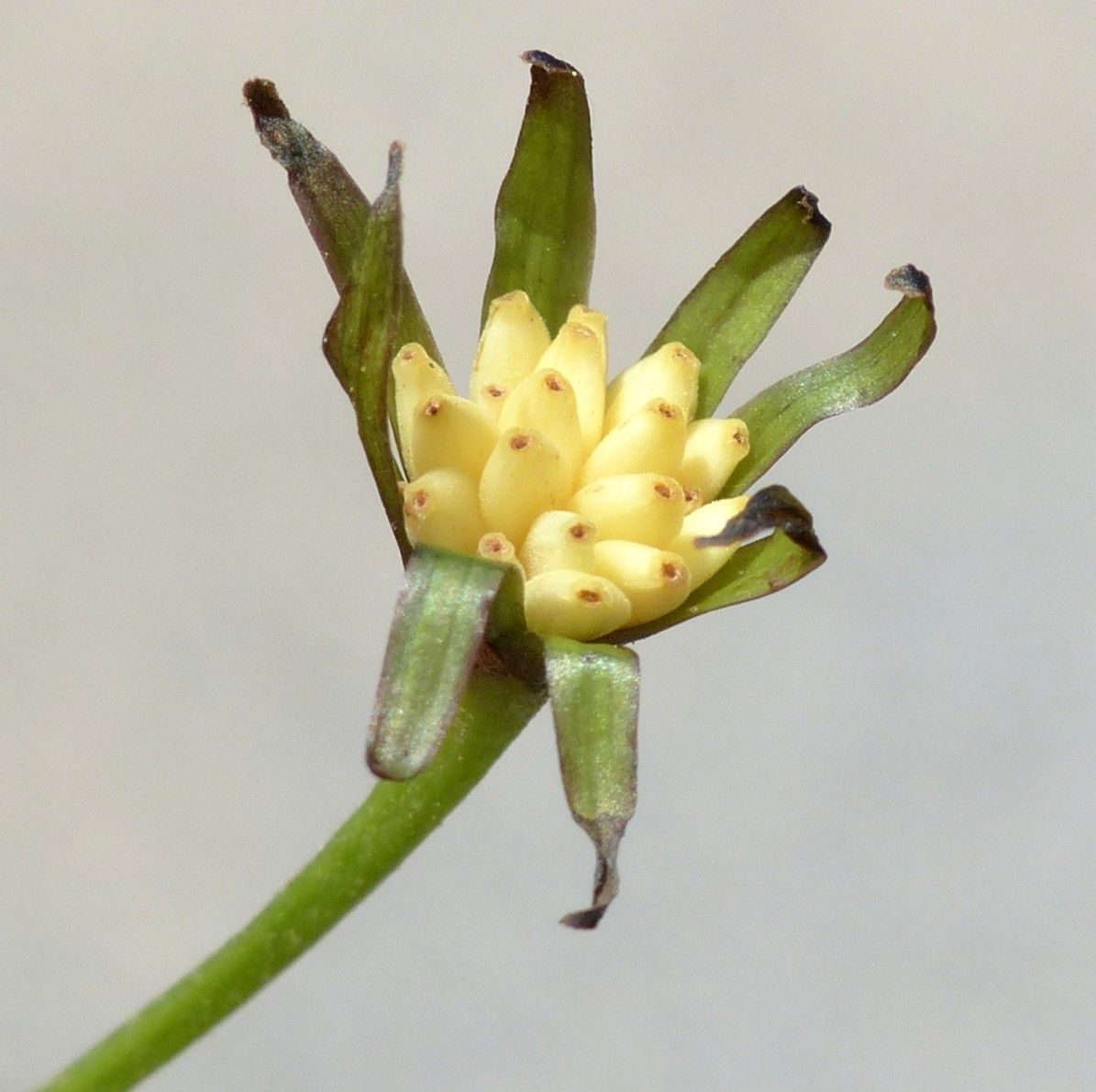
Aposeris foetida, commonly known as stinking hawksbeard, is a perennial herbaceous plant that belongs to the Asteraceae family. It is native to Europe and Asia and typically grows in meadows, pastures, and open woodlands. The plant can reach a height of up to 60 cm and has a basal rosette of deeply lobed leaves with toothed edges. Its hairy stem produces yellow flowers that bloom from June to August. These flowers, which are clustered at the top of the stem, emit a strong odor that resembles rotten meat or garlic, attracting flies for pollination.
Aposeris foetida has been used for medicinal purposes due to its content of compounds such as flavonoids, which have anti-inflammatory properties. Additionally, it has been used in traditional cuisine; its leaves can be cooked like spinach or added raw to salads, offering a slightly bitter taste reminiscent of chicory or endive leaves.
Stinking aposeris has strong resistance to disease and is generally not vulnerable to illnesses. However, it can be affected by pests and diseases present in its environment. Such infections are typically not serious. Regarding care, the plant needs a moderate level of maintenance. It should be pruned regularly to preserve a good appearance and healthy growth. Applying fertilizer can also aid in encouraging flowering. Stinking aposeris is appropriate for anyone who has an outdoor area, like a garden or patio, and does not demand a great deal of care experience. It may need additional attention if cultivated indoors.
How to keep Aposeris Foetida.
Light
Stinking aposeris is a perennial, herbaceous plant that favors sunny conditions and comes from open habitats, often thriving in meadows and grasslands. It prefers full sun but can also tolerate partial sun.
Water
Stinking aposeris, a plant native to shaded woodlands, thrives in moist environments. It requires consistent soil moisture, so watering it weekly is important to prevent waterlogging. Though usually grown outdoors, its strong root system allows it to use moisture efficiently, making it adaptable to different conditions.
Temperature
Stinking aposeris does best in its native growing environment, where temperatures range from 41 to 90 °F (5 to 32 ℃). It favors milder climates and can adapt to changing temperature conditions across the seasons. Adjust surroundings accordingly.
Fertilizer
One fertilizer application in spring is typically enough for Stinking aposeris, though repeated feedings can boost growth. Apply fertilizer once every month to a month and a half. Fertilizing improves leaf appearance and function, helping maintain even color and a healthy texture. It also encourages root development and nutrient uptake, supporting the plant's long-term health.
Pruning
To prune stinking aposeris effectively, start in early to late spring by removing any dead foliage and thinning out crowded areas to improve air circulation. Instead of heavy cutting, opt for gentle shaping during its active growth period. This approach aids in faster recovery and boosts the plant's vitality, enhancing both the health and aesthetics of your garden.
Botanical profile.
- Plant Type
- Herb
- Life Cycle
- Perennial
- Genus
- Aposeris
- Family
- Asteraceae
- Hardiness Zone
- 4-8
- Mature Height
- 5 cm to 30 cm
- Mature Spread
- 15 cm to 30 cm
- Leaf Color
- Light Green
- Leaf Type
- Semi-evergreen
- Flower Color
- Yellow
- Flower Size
- 2.54 cm to 3.05 cm
- Bloom Time
- Late spring, Early summer, Mid summer
- Planting Time
- Spring
- Harvest Time
- Mid summer, Late summer
- Native Area
- Germany, Austria, Italy, Spain, Switzerland, Czech Republic, Serbia, Slovakia, Poland, Romania, Croatia, Slovenia, Ukraine, Belarus, France
Other names.
Reader questions.
How should I water my Stinking aposeris plant in the best way?
When watering the Stinking aposeris, it is recommended to use filtered water at room temperature. This is because tap water may contain harmful particles for the plant. The Stinking aposeris is accustomed to warm environments, so it's important to avoid using cold water as it could shock the plant. Additionally, overhead watering should be avoided as it can cause problems with the foliage. Instead, gently pour the filtered room temperature water onto the soil until it is fully soaked. This helps the roots stay moist and enables them to spread and gather the necessary nutrients.
What are the sunlight requirements for Stinking aposeris?
Stinking aposeris, or Aposeris foetida, thrives best in full sun conditions, which means it requires more than 6 hours of direct sunlight daily. However, it can also tolerate partial sun, with about 3-6 hours of sunlight. It's essential to watch how sunlight moves through your garden to pick the perfect spots that balance light and shade, ensuring your plants' well-being.
What conditions are ideal for the growth of Stinking aposeris?
Stinking aposeris, or Aposeris foetida, thrives best in its native environment where the temperature ranges between 41 to 90 °F (5 to 32 °C). It prefers milder climates but is adaptable to varying temperature conditions through the seasons. The plant demonstrates strong cold resistance and typically doesn't require special frost protection measures. However, it's important to protect the plant when winter temperatures are expected to drop below -30°C, by covering the plant with soil or straw. Additionally, abundant watering before the first freeze of autumn helps keep the soil moist and prevents drought and water scarcity during winter and early spring.
What should I do if I give my Stinking aposeris plant too much or too little water?
Overwatering and underwatering can harm your Stinking aposeris, with overwatering being more common. Too much water can cause wilting, yellowing, and potential diseases like root rot, mold, and mildew, which can be fatal. Underwatering is rare but can make the leaves brittle and brown. It's important to recognize signs of overwatering early to prevent irreversible damage, so reduce watering if you notice any issues. Check the soil's drainage quality, replacing it with well-draining potting mix if it drains poorly. If underwatering is the problem, simply increase watering until the signs improve.
How do I use artificial lighting for indoor Stinking aposeris plants?
Indoor Stinking aposeris plants require adequate lighting to grow optimally, especially when natural sunlight is insufficient. Artificial lights, like LED, can be customized to provide necessary wavelengths. For full sun plants, 30-50W/sq ft of artificial light is needed; partial sun plants require 20-30W/sq ft; and full shade plants need 10-20W/sq ft. The light source should be placed 12-36 inches above the plant, mimicking natural sunlight, and most plants will need 8-12 hours of light per day.
How does Stinking aposeris react to low temperatures and what should be done?
Stinking aposeris is cold-tolerant and prefers temperatures above 5°C. During winter, temperatures should remain above -25°C. While there might not be noticeable changes when temperatures fall below -30°C, it could lead to decreased sprouting or no sprouting in the spring. If parts of the plant fail to sprout in spring, these should be removed to maintain plant health.
How frequently should I water my Stinking aposeris plant?
If your Stinking aposeris plant is in a pot, the most precise way to determine if it needs water is by sticking your finger into the soil. If the top two to three inches of soil feel dry, then it is time to water it. For outdoor Stinking aposeris plants grown in the ground, you can use a similar method. Once you find that the top few inches of soil have dried out, it is time to water the plant. Typically, during the spring and early fall, watering once a week is sufficient. However, in extremely hot weather, you may need to increase the frequency to twice or even more per week. Nevertheless, mature and well-established Stinking aposeris plants have a remarkable ability to withstand drought.
What are the signs of light deficiency in Stinking aposeris?
Signs of light deficiency in Stinking aposeris include smaller new leaves compared to mature ones, leggy or sparse growth, faster leaf drop, slowed or halted new growth, lighter-colored or irregularly patterned new leaves indicating insufficient chlorophyll, chlorosis or yellowing of leaves, sunscald on leaves or stems, leaf curling to reduce sunlight exposure, wilting from excessive water loss, and leaf scorching with brown, dry edges due to excessive sunlight.
What are the effects of high temperatures on Stinking aposeris and how can they be mitigated?
During the summer, it's best to keep Stinking aposeris below 32°C. Temperatures above 35°C can cause the leaves to become lighter, prone to curling, susceptible to sunburn, and in severe cases, can lead to the entire plant wilting and drying. To mitigate these effects, sunburned and dried-up parts should be trimmed away. Moving the plant to a shaded location or using a shade cloth can protect it from the midday and afternoon sun. Morning and evening watering is also recommended to keep the soil moist and protect the plant from heat stress.
How much water does my plant called Stinking aposeris need?
To properly water your Stinking aposeris, don't hold back on the amount of water you give. Wait until the top two to three inches of soil are dry, then give it a good, thorough watering. Make sure to soak the soil completely, using enough water that it starts to drain out through the bottom of the pot. If you don't see any excess water draining, you likely haven't watered enough. However, you also don't want to let water accumulate inside the soil, as that can harm the plant. It's important to ensure that the pot has good drainage to prevent water from pooling, which can be harmful to the plant's health. If the plant is outside, watering with 1 inch of rain per week should be enough.
What solutions can I apply if my Stinking aposeris isn't getting enough sunlight?
If your Stinking aposeris isn't getting enough sunlight, gradually move it to a location with at least 6 hours of direct sunlight, utilizing south-facing windows or keeping curtains open during the day. For plants that are large or difficult to move, consider using artificial light or plant grow lights for at least 8 hours daily. Outdoors, gradually adapt your plants to sunnier locations to avoid sunburn. Minimize obstructions by pruning or transplanting to sunnier spots. Remember, parts of the plant that have been affected by insufficient light may not recover, but new growth should be healthy after adjusting the light exposure.
How should I water my Stinking aposeris as it grows?
The water needs of the Stinking aposeris can vary depending on its growth stages. In the first few years or after transplanting, it requires more water to support the sprouting of new roots for future growth. These young roots perform best with slightly more moisture. However, as the plant matures, its water requirements decrease. Another stage that may demand increased watering is during the bloom period, as the development of flowers can utilize a significant amount of moisture.