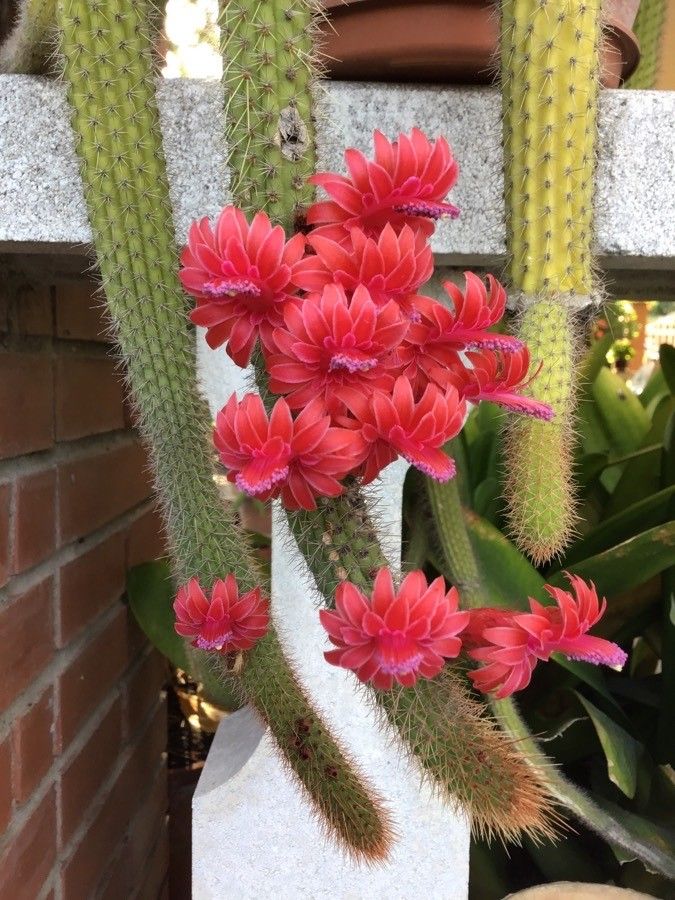
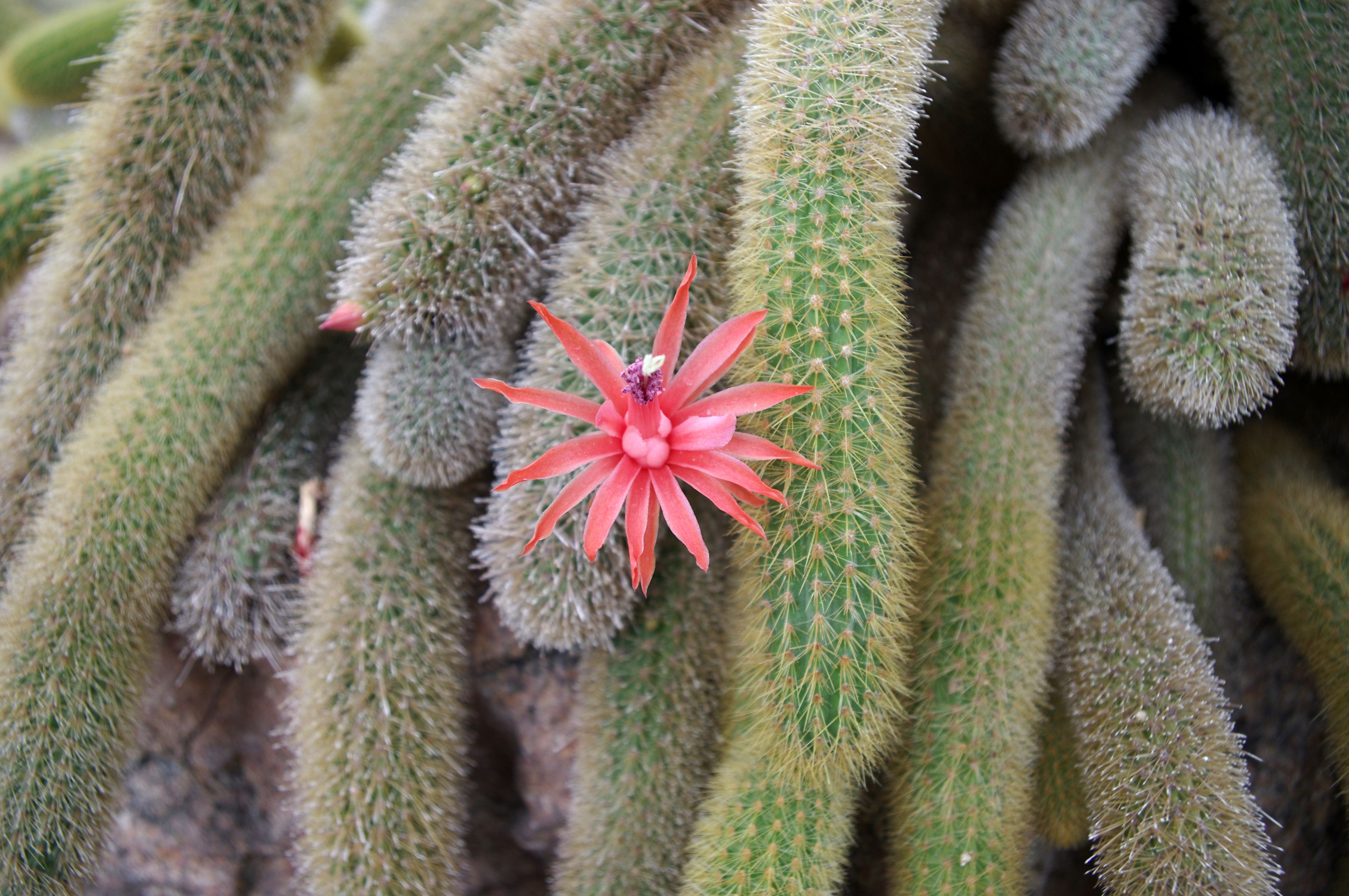
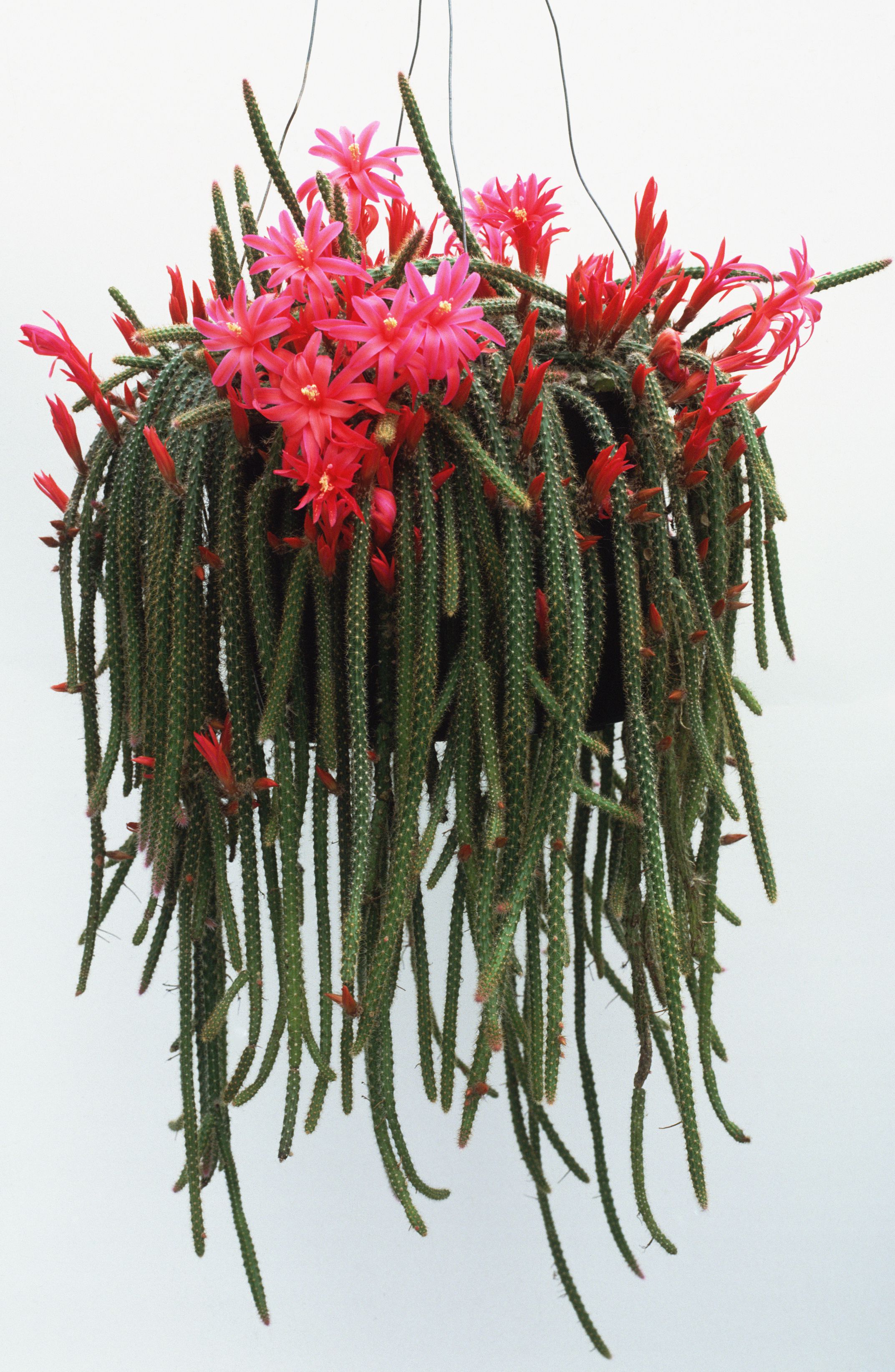
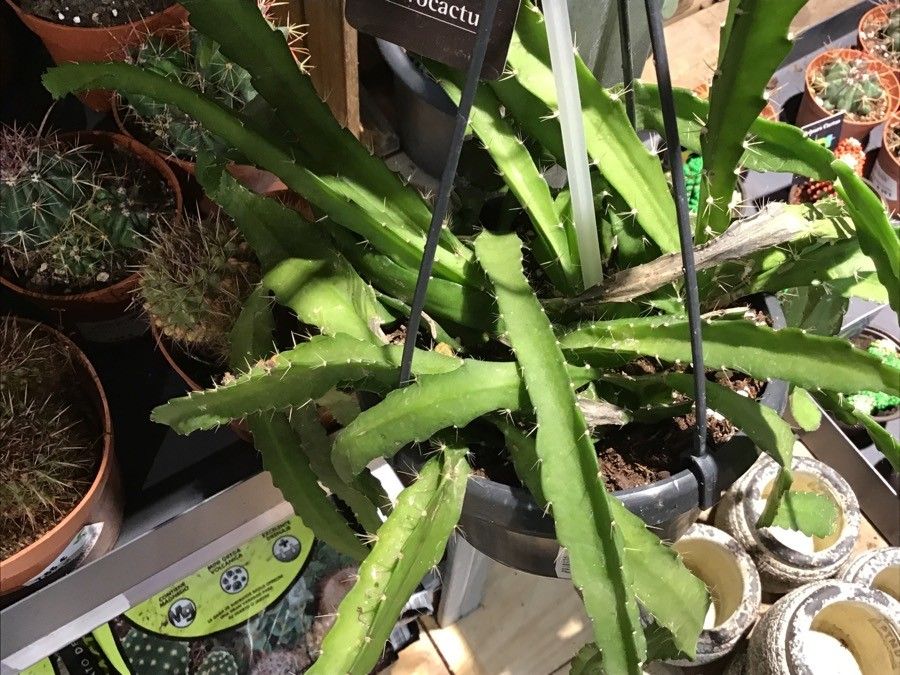
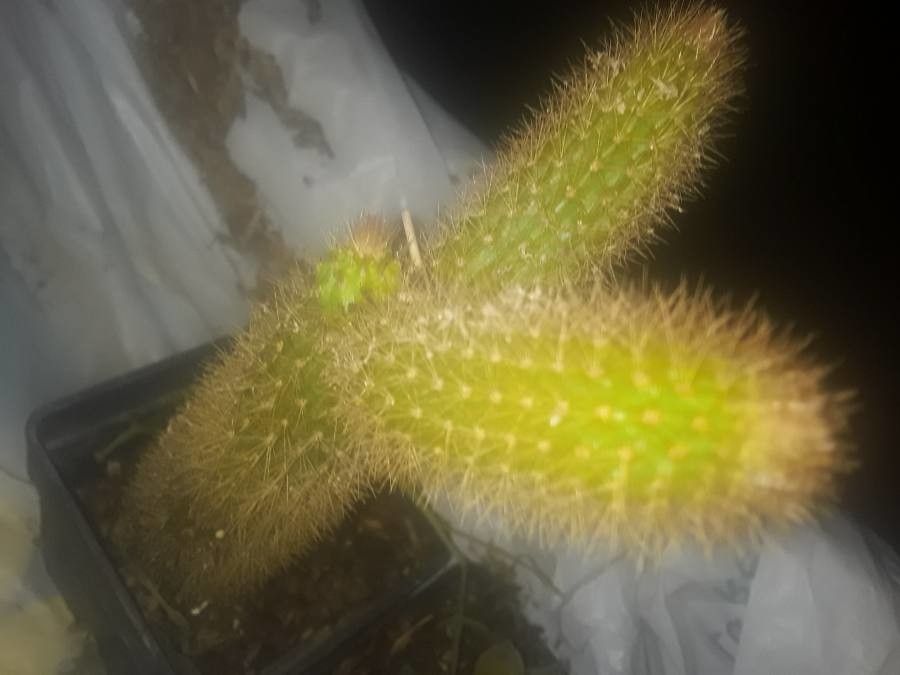
Aporocactus flagelliformis (syn. Disocactus flagelliformis), the rattail cactus, is a species of flowering plant in the cactus family Cactaceae, and is the most cultivated species in the genus Aporocactus. Due to its ease of cultivation and attractive floral displays, it is often grown as an ornamental potted plant.
The rattail cactus, known scientifically as Aporocactus flagelliformis, gets its intriguing name from the appearance of its stems. Initially, these stems grow upwards, but as they lengthen and become heavier, they arch downward and drape over the sides of the pot, occasionally stretching along the ground. This distinctive growth pattern resembles the tails of rats, giving the plant its common name.
Rattail cactus is fairly disease-resistant and can handle typical care without becoming sick easily. That said, it can be vulnerable to mealybugs; these pests can cause some harm but are usually not a major danger. Regarding care, Rattail cactus tolerates drought and does not need frequent watering. It can go long stretches without water and requires little fertilizer. However, if light is poor and it is overwatered, it is very prone to root rot. In general, Rattail cactus is a good choice for people who prefer to spend less time on plant care, though it remains important to know and meet its basic needs. It is especially appropriate for those who are away for long periods and may forget to water regularly.
How to keep Aporocactus Flagelliformis.
Light
The rattail cactus grows best with ample sunlight, though it can also cope in places with moderate light. Its origin in habitats that receive abundant daily sunshine indicates a natural reliance on those conditions for healthy development. Excessive or insufficient light can stunt its growth or even harm the plant.
Water
The Rattail Cactus is a drought-tolerant, epiphytic cactus originating from arid environments. It requires minimal watering, about once every three weeks, and thrives in well-draining soil. This plant prefers low humidity, which reflects its succulent nature and adaptation to dry indoor climates.
Humidity
This plant needs special care because it loves high humidity levels of 60-80% or more. The best way to achieve this is by placing a humidifier near the plant. Daily misting is also essential! Make sure the room has good ventilation.
Temperature
The rattail cactus does well in its natural growing environment when temperatures are between 60℉ (15.5℃) and 90℉ (32℃). Its preferred temperature range is 68℉ (20℃) to 100℉ (38℃). In colder seasons, it is advisable to place the rattail cactus cactus in bright, indirect light at temperatures of 50℉ (10℃) to 60℉ (15.5℃). During warmer seasons, the cactus requires a well-ventilated location to prevent overheating.
Fertilizer
For Rattail cactus, light applications of fertilizer once or twice a year during the growing season are sufficient. Avoid fertilizing in winter and in summer when it's dormant. Cut back on fertilizer for repotted plants and wait a couple of months after repotting before you fertilize. Fertilizing promotes healthy growth and helps produce blooms.
Pruning
The rattail cactus needs minimal pruning. It's important to remove any withered flowers and branches to help the plant allocate nutrients to healthier growth.
Pot & Repot
Repot a rattail cactus in spring or summer, selecting a pot slightly larger than the current one that has good drainage. Use a sandy or gritty cactus mix that drains well. Handle it carefully to avoid its spines. Let the cactus dry out before repotting to help prevent root rot. After repotting, wait one week before watering to allow the roots to heal.
Toxicity
Rat tail cactus is not known to be toxic to people or pets. However, the prickly stems are potentially harmful. The spines can easily dislodge, prick the skin, and cause mild skin irritation. Always wear protective gloves when handling these succulents and keep them out of easy reach.
Further reading →
The toxicity and danger assessments provided are for reference only. We do not assure their accuracy, so it's crucial not to depend on them. Seek professional advice when necessary for accurate guidance.
Botanical profile.
- Plant Type
- Succulent, Shrub, Vine
- Life Cycle
- Perennial
- Genus
- Aporocactus
- Family
- Cactaceae
- Hardiness Zone
- 10-12
- Mature Height
- 0.91 m to 2.13 m
- Mature Spread
- 10 cm
- Leaf Color
- Green
- Leaf Type
- Evergreen
- Flower Color
- Purple, Red
- Flower Size
- 2.03 cm to 4.06 cm
- Bloom Time
- Late spring, Early summer
- Planting Time
- Spring, Summer, Autumn
- Harvest Time
- Early summer, Mid summer
- Native Area
- Mexico, Central America
Other names.
Reader questions.
How should I water my Rattail cactus?
Understanding how to properly water a Rattail cactus is crucial. A common question is whether to water from top to bottom or vice versa. Experts recommend starting from the bottom for optimal results. By doing so, you can ensure that enough water reaches the plant's roots. On the other hand, watering from the top leads to insufficient saturation, resulting in water trickling and evaporating, with only a small amount reaching the roots.
Why is it necessary to add fertilizer to my Rattail cactus?
Fertilizing Rattail cactus is important for its healthy growth. Although it already stores water and nutrients, adding plant food during the growing season further supports its health. Fertilizing also promotes blooming in mature specimens during this time.
What are the sunlight requirements for Rattail Cactus?
The Rattail Cactus, or Aporocactus flagelliformis, thrives under substantial exposure to sunlight, generally benefiting from environments that offer ample natural light reflective of its native habitats. To ensure healthy growth, this plant should receive above 6 hours of sunlight daily, categorized as full sun, but it can also manage with about 3 to 6 hours, known as partial sun. It's essential to watch the movement of sunlight through your garden or home to find the perfect balance of light and shade, ensuring the plant's happiness and avoiding any potential for damage due to incorrect light exposure.
What are the ideal growth conditions for a Rattail cactus?
The Rattail cactus, botanically known as Aporocactus flagelliformis, thrives best in temperatures ranging from 68°F (20°C) to 100°F (38°C), native to environments where temperatures vary between 60°F (15.5°C) to 90°F (32°C). In colder seasons, it prefers bright indirect light with a temperature range of 50°F (10°C) to 60°F (15.5°C). During the winter, the cactus enters a dormant state and should be moved indoors when the temperature drops below 5°C, with ideal placement near a south-facing window for ample sunlight. Supplemental lighting can be utilized if natural light is insufficient. It's crucial to reduce or halt watering when temperatures fall below 20°C to prevent root rot. For plants grown outdoors, watering should stop entirely during cold temperatures, and if possible, a temporary greenhouse or protective materials like plastic film or fabric can be used for insulation.
What should I do if my Rattail cactus doesn't get enough water?
If you find that your flowers are drying out despite watering them regularly, the issue may be with the container they are planted in. In this case, choose a larger container with good drainage. It's important to use the right potting soil and clean sand mixture to help the plant absorb more water easily. This species is an epiphyte and cannot handle soggy roots, as it obtains water and nutrients from the air. Therefore, proper drainage is necessary to prevent fungal infections. If your cactus becomes limp, you can transfer it to fresh soil. Gently remove as much of the old soil as possible and keep the new soil evenly moist. Mist the cactus frequently if possible. After the flowers have finished blooming, reduce watering until new buds appear. Be careful not to let the soil dry out too much, as this can cause the buds to drop. Underwatering followed by overwatering is a common mistake made by many owners of these succulent cacti. The lack of water may not be noticeable until it's too late, so it's important to pay attention to signs of wilting or withering. While it is tempting to overcompensate with excessive watering, this can lead to desiccated roots that cannot take in any more water. This can result in waterlogged plants and rotting roots. If you notice signs of underwatering, you can try to revive the cactus by providing regular and frequent, yet controlled, watering. Give the cactus a chance to regenerate and recover its roots without overdoing it.
When should I put fertilizer on my Rattail cactus?
Rattail cactus requires a light dose of fertilizer only during the growing season. It is recommended to fertilize the cactus 1-2 times a year, specifically in the spring and autumn. Avoid fertilizing in the winter and summer when the cactus is dormant. If the cactus has been recently repotted, be cautious with the amount of fertilizer used. It is advisable to wait a few months after repotting before applying any fertilizer.
How should I manage lighting for my Rattail Cactus indoors?
For Rattail Cacti grown indoors, adequate lighting is crucial, especially when natural sunlight is limited in scenarios such as winter or less sunny spaces. To supplement natural light, artificial lighting can be a vital solution, promoting healthier and faster growth. LED lights are a popular choice because they can provide specific wavelengths needed by the plant. Indoor plants generally require artificial light ranging from 10-50W per square foot, depending on whether they are full sun, partial sun, or full shade plants. The light source should be placed 12-36 inches above the plant, mimicking natural sunlight as closely as possible, and kept on for 8-12 hours per day to ensure optimal growth.
How should you care for a Rattail cactus in low temperatures?
The Rattail cactus flourishes in high temperatures and does poorly in cold weather, requiring temperatures to be above 20°C for optimal growth. In winter, it's vital to ensure the temperature stays above 5°C to prevent damage, as temperatures falling below 1°C can weaken the cactus, leading to wilting and a higher risk of root rot. If the cactus suffers from mild frost damage, it's advisable to trim off the frostbitten areas, inspect for and remove rotted roots, and possibly propagate through cuttings. The plant should then be moved to a warmer indoor setting, ideally near a south-facing window, to maximize sunlight exposure. Supplemental lighting can be used if the natural light is not sufficient.
How often should I water my Rattail cactus?
To keep the Rattail cactus healthy, it is important to water it properly all year round. Use well-draining soil when potting it to promote beautiful blooms. The water requirements for the Rattail cactus can vary, but a good indicator is when about 1/3 of the topsoil is dry. It is thirstier than other succulents, so water it about once a week, checking if the soil about two inches down is dry. If the top layer of soil is very dry, water it until it drains through the pot's drainage holes, with a tray underneath to catch excess water. After 10 to 15 minutes, discard any remaining water. When the Rattail cactus is flowering, water it sparingly, especially when you notice the leaves drooping. Adding humidity can be beneficial by filling the pot's saucer with pebbles and watering them. Check the soil to determine when it's time to water, but avoid letting the pot sit in water, especially during winter to prevent root rot. Consider the climate when watering, as living in a dry and hot area may require watering twice a week, while a humid area may only need watering once a week. Adjust watering frequency in the fall and winter to encourage blooming. Increased sunlight exposure may dry out the plant faster, leading to more frequent watering, while cooler or more humid environments may require less water.
When is the best time to not give my Rattail cactus fertilizer?
Rattail cactus, like other plants, goes through a dormancy period where you should not apply fertilizer. This happens in the summer and winter, when the plant stops growing. It is also recommended to avoid fertilizing for the first few months after repotting in the spring.
What symptoms indicate poor lighting conditions for a Rattail Cactus?
Rattail Cactus can show several symptoms when exposed to suboptimal lighting conditions. These symptoms include leggy or sparse growth, slower or no new growth, chlorosis (leaf yellowing), sunscald, leaf curling, wilting, and leaf scorching. These signs suggest either overexposure or underexposure to sunlight, affecting the plant's ability to photosynthesize, maintain adequate hydration, and support healthy growth. Observing these symptoms early can help in adjusting the plant's lighting environment before significant damage occurs.
What steps should be taken if a Rattail cactus is exposed to high temperatures?
During the summer, it's important to ensure that the Rattail cactus does not exceed temperatures of 38°C, as growth stops and the plant risks water loss, wilting, and sunburn when exposed to temperatures above 43°C. If the plant suffers from sunburn or potential root rot from high temperatures, remove the damaged parts. Protect the plant from direct afternoon sunlight until recovery and new growth are evident. In cases of root rot, cease watering until new roots form. Proper ventilation and shade are critical during extreme temperatures to support recovery and continued growth.