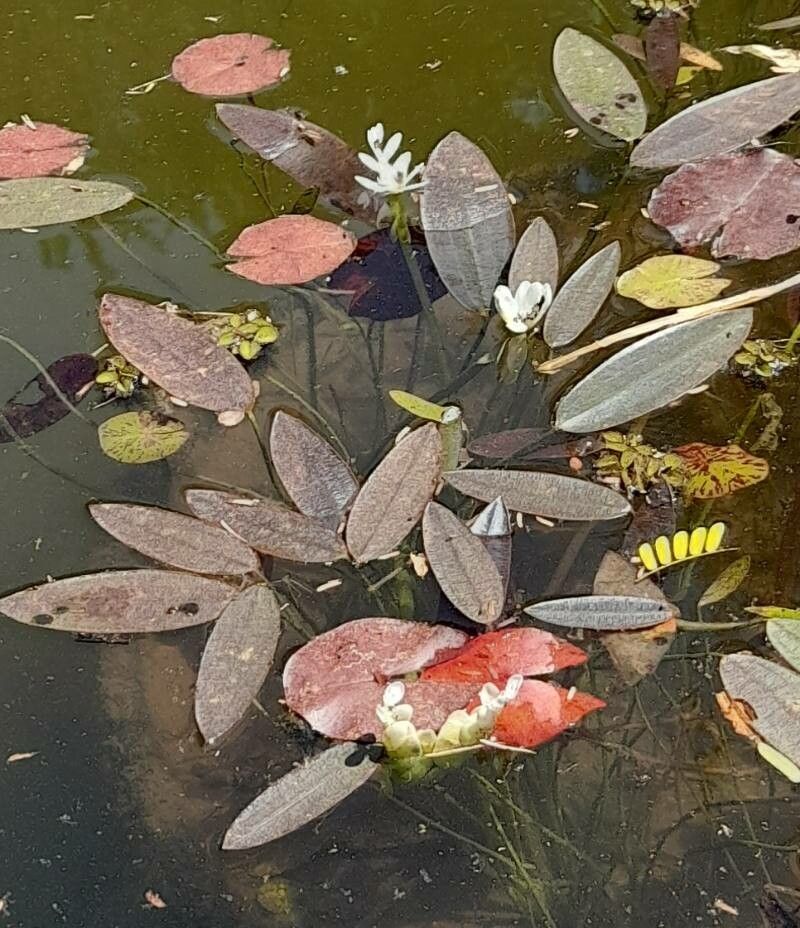
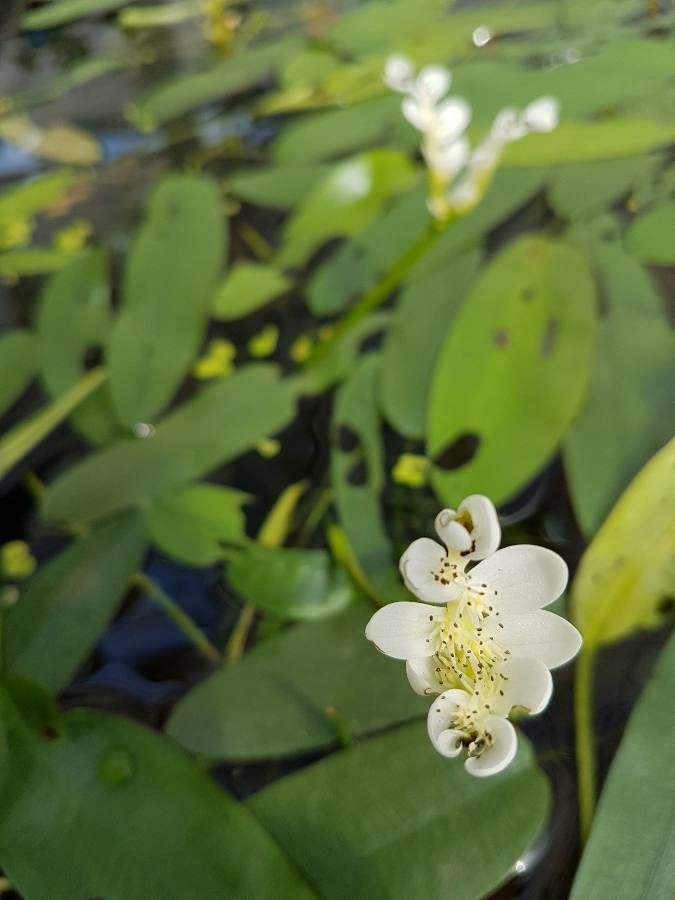
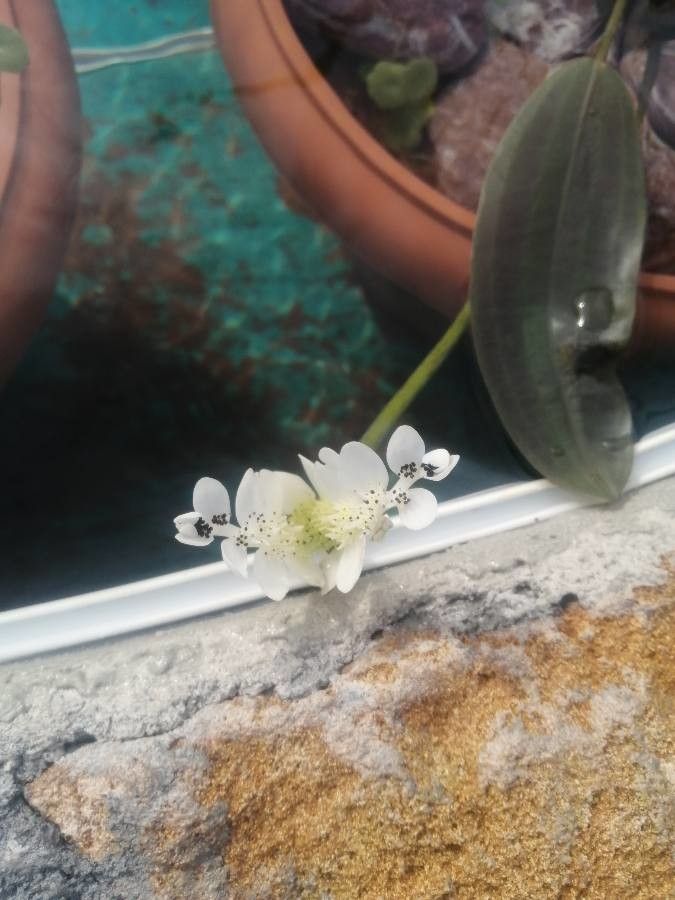
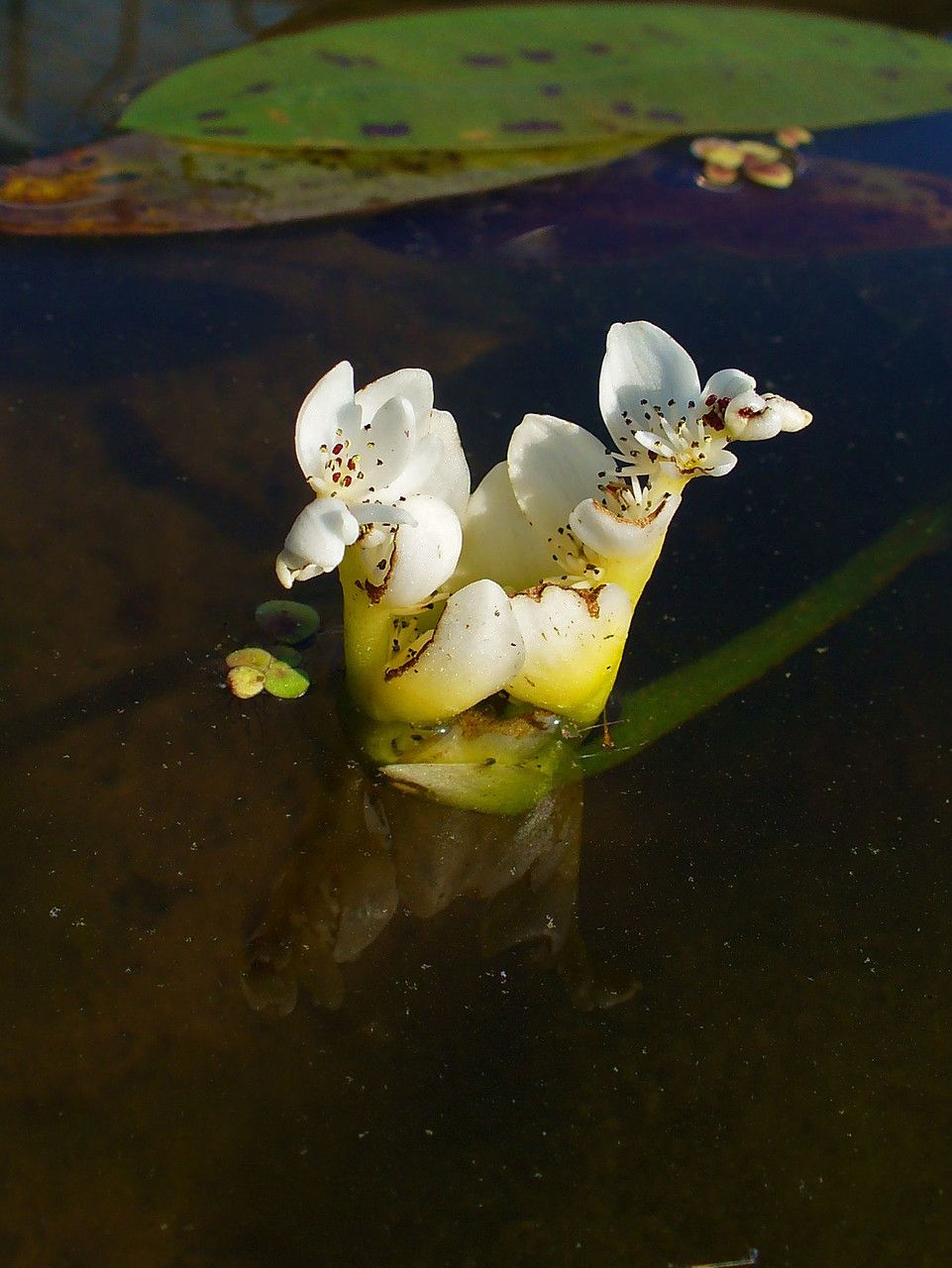
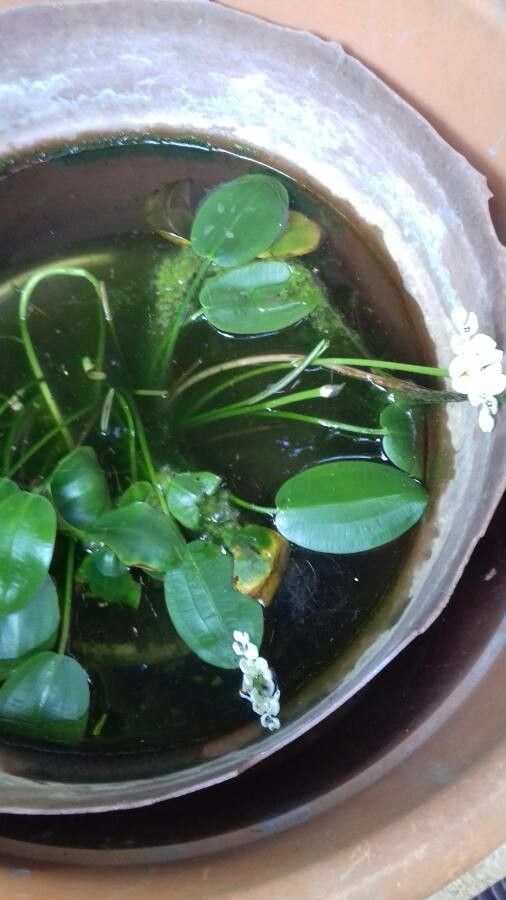
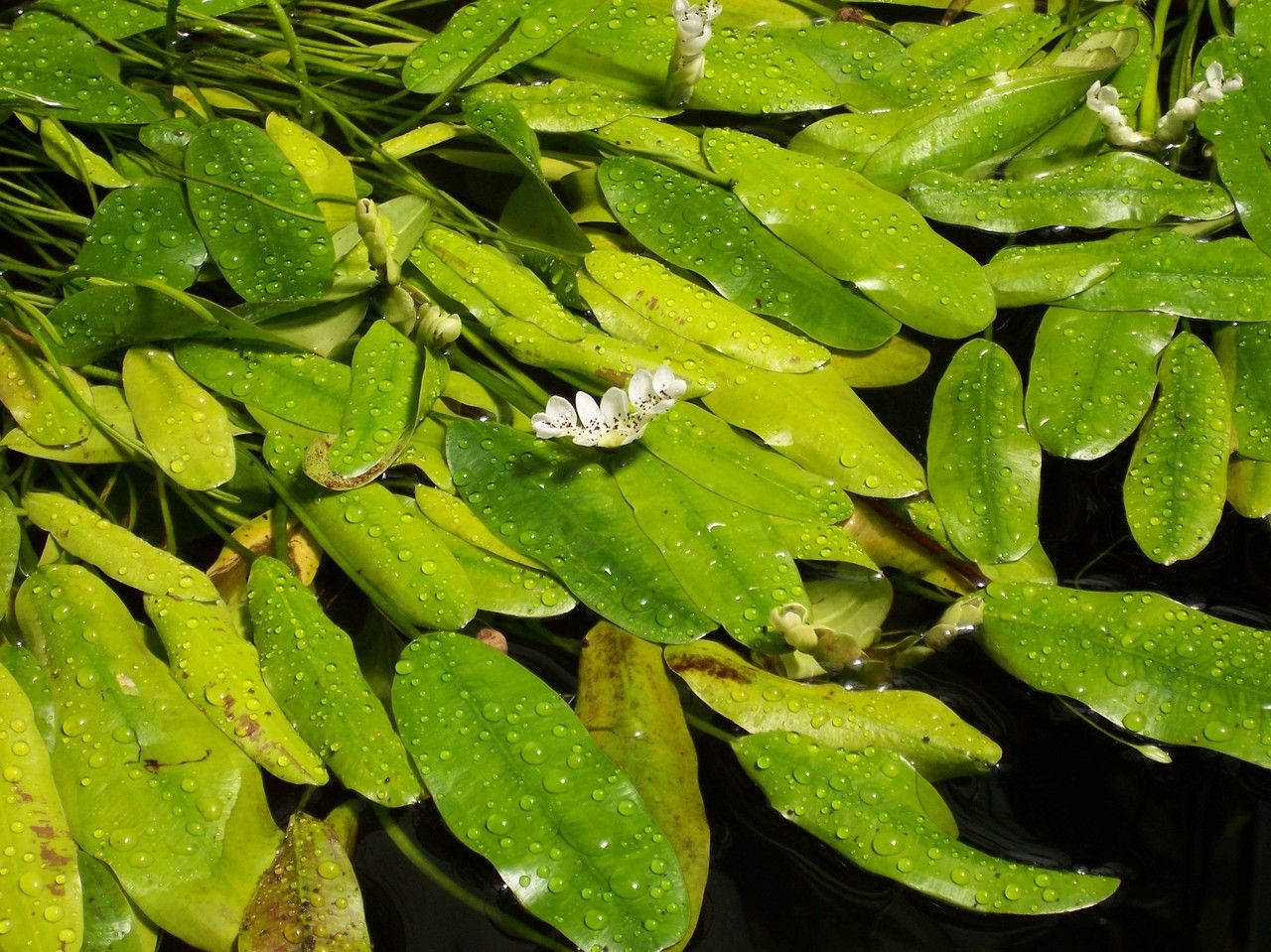
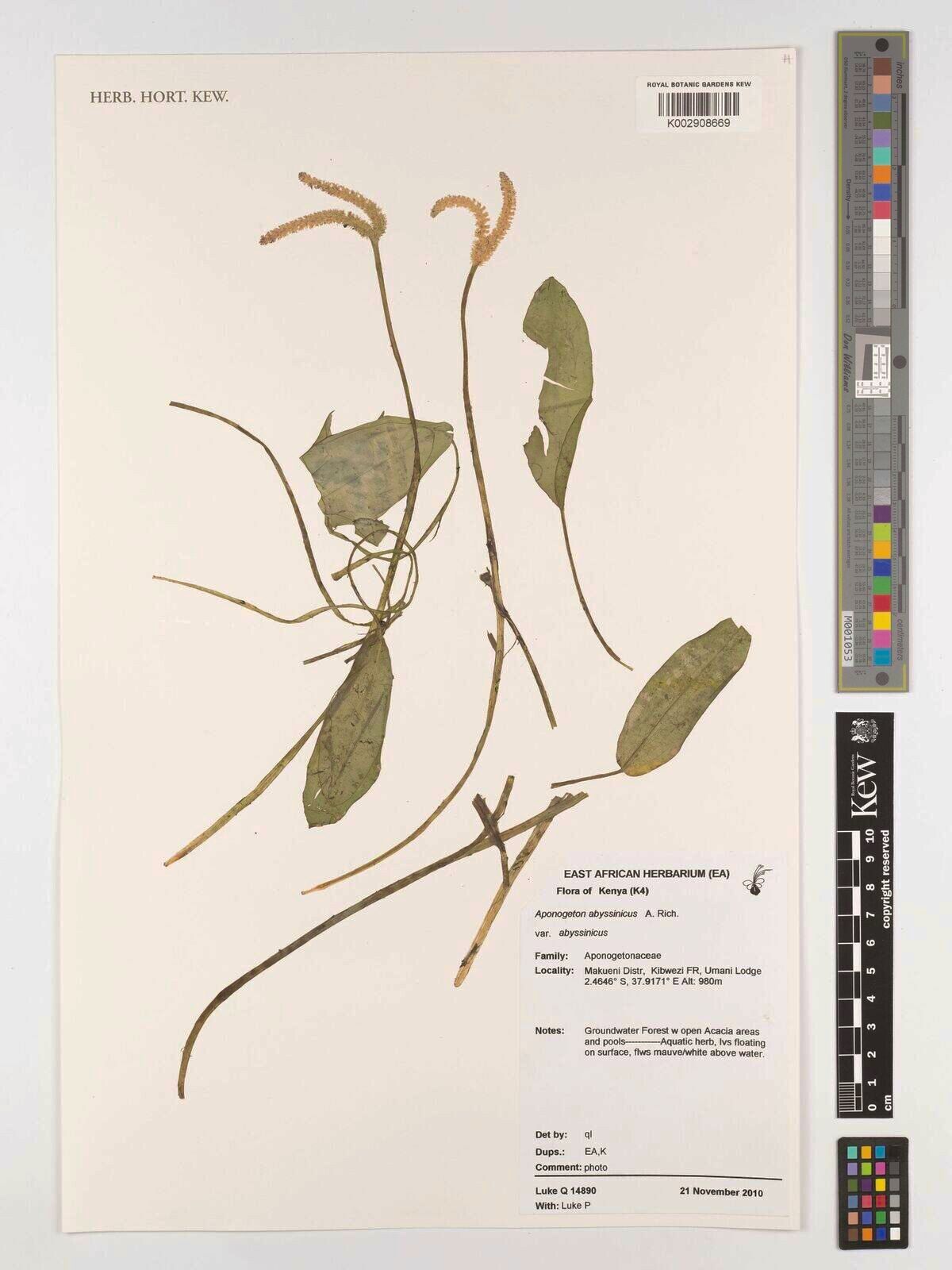
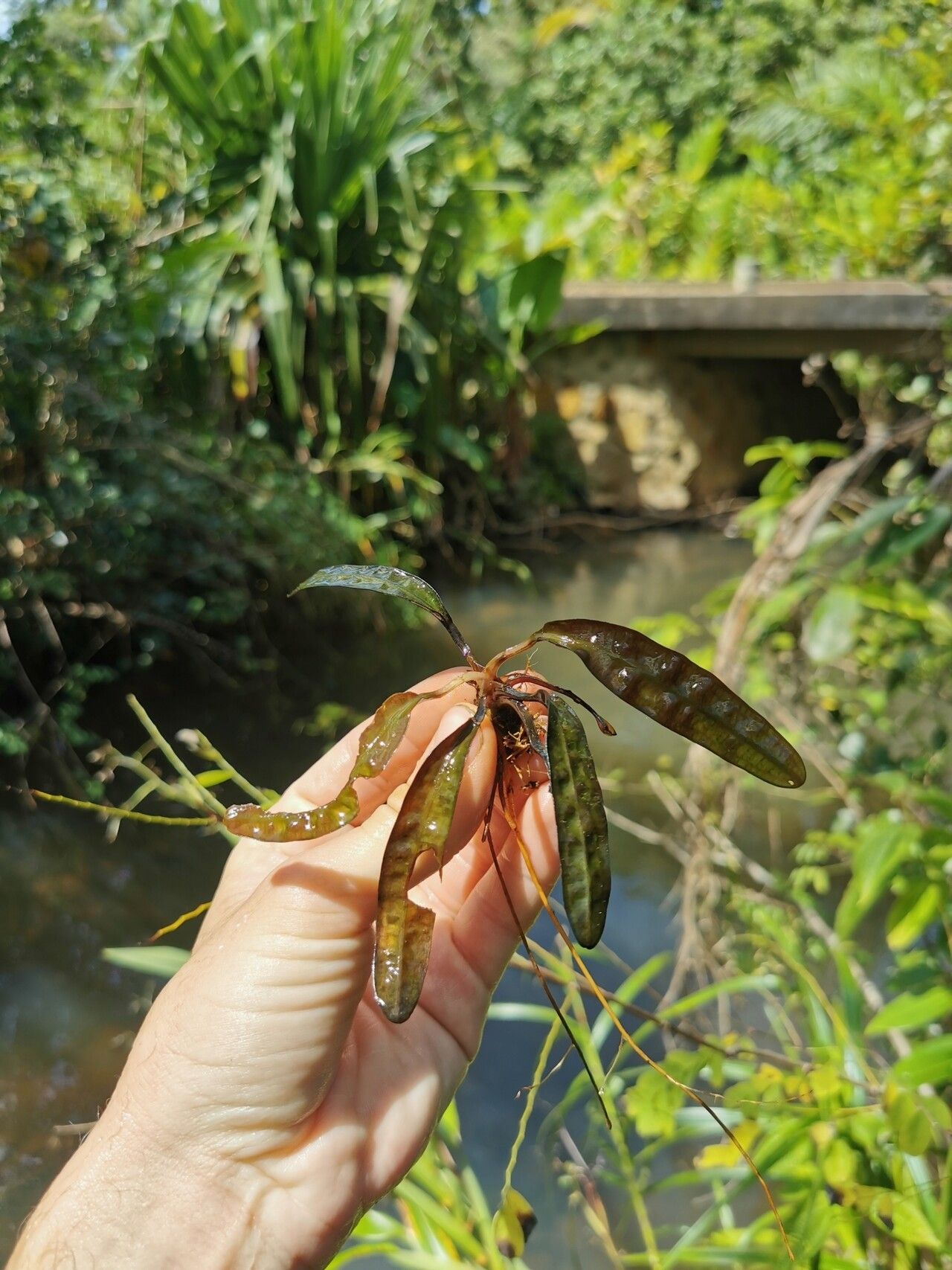
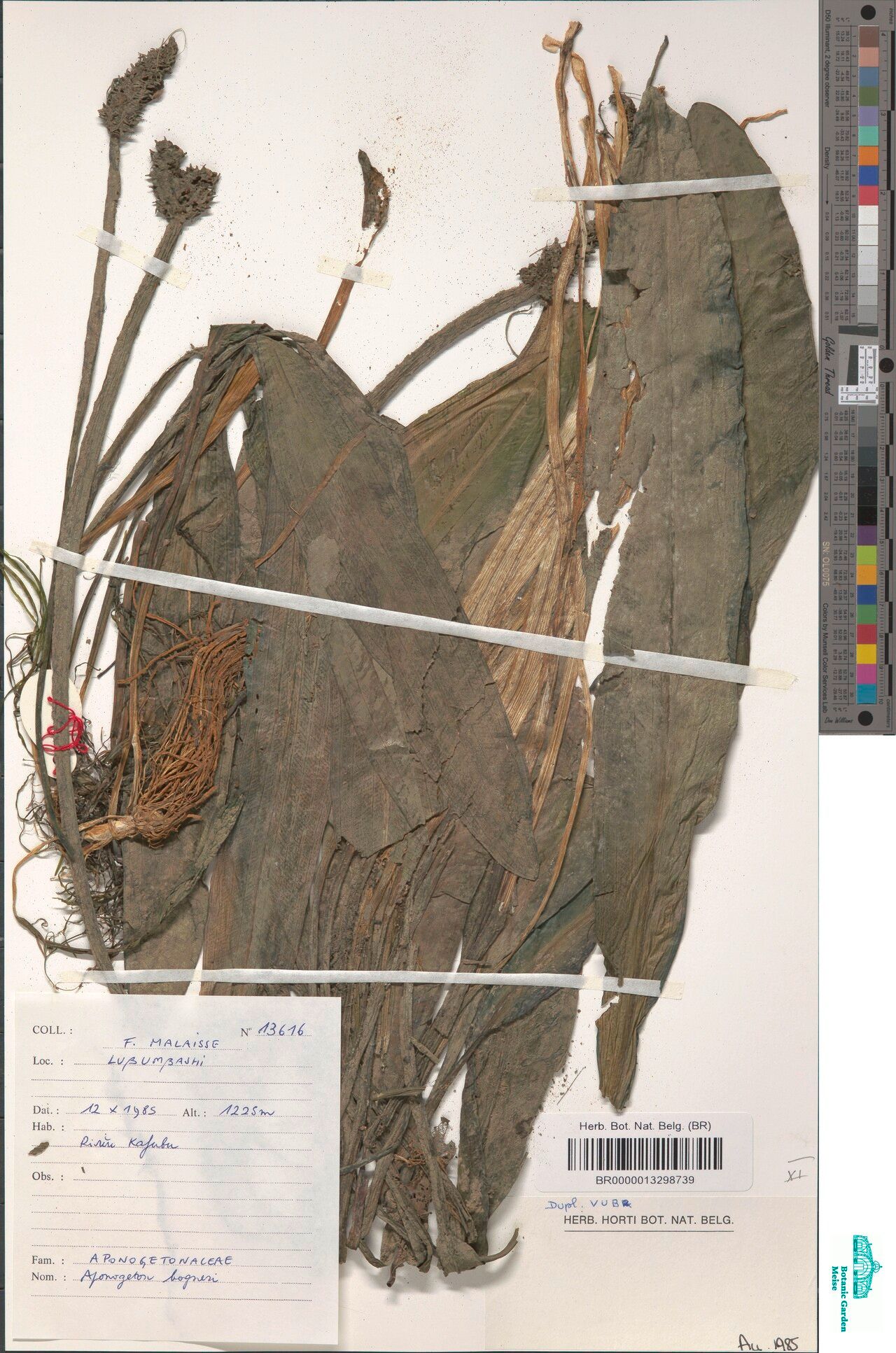
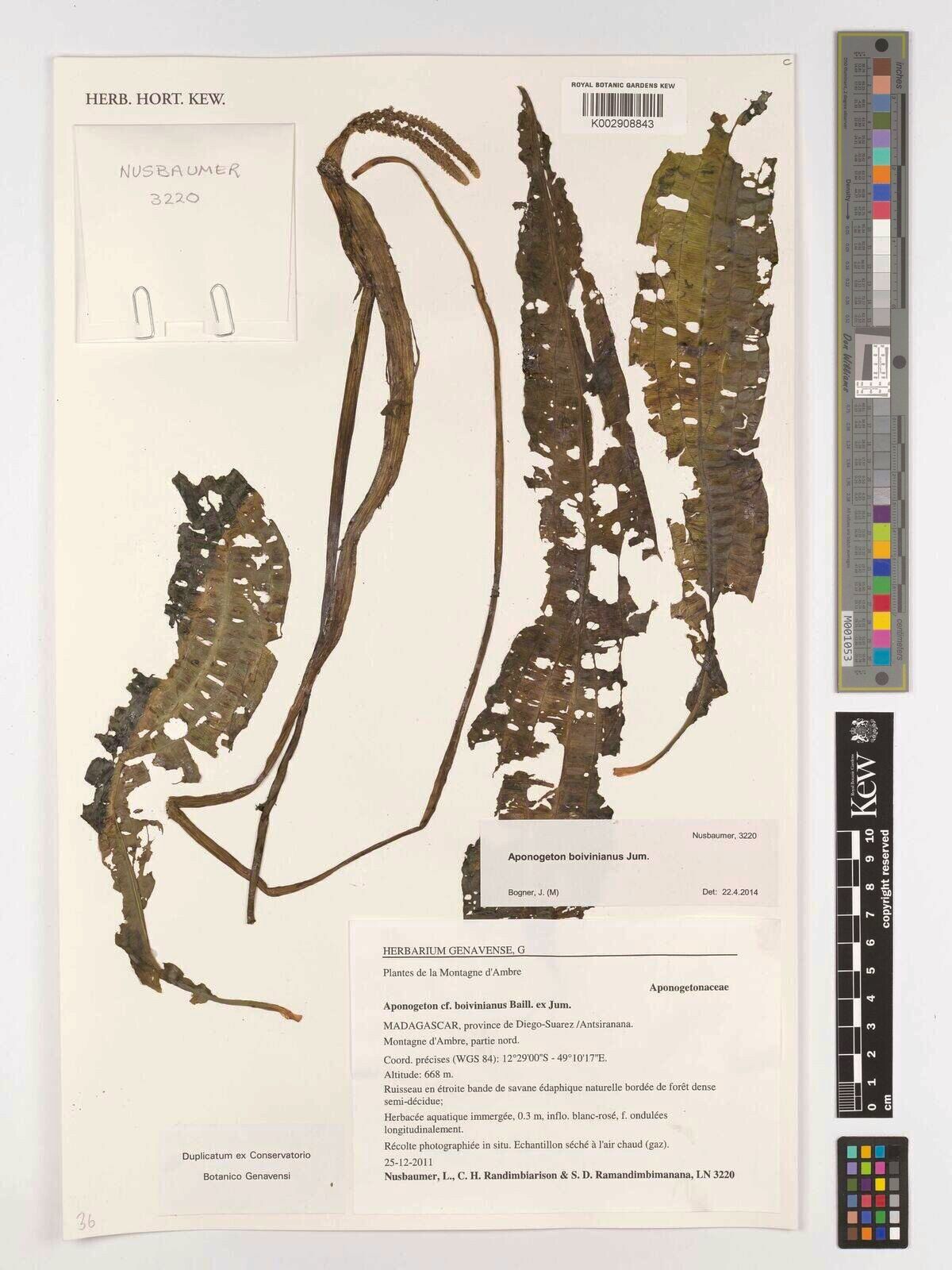
Aponogeton distachyos or Aponogeton distachyum, also known as waterblommetjie (lit. trans. water-floret), Cape-pondweed, water hawthorn, vleikos and Cape pond weed is an aquatic flowering plant.
Cape-pondweed is fairly disease-resistant and typically not prone to illnesses. It can, however, be vulnerable to pests and diseases present in its environment, though such infections are generally mild. Regarding care, the plant needs moderate maintenance. It requires regular pruning to maintain a neat appearance and support healthy growth. Fertilizing can also help encourage flowering. Cape-pondweed is appropriate for anyone who has an outdoor area, like a garden or patio, and does not demand extensive experience in plant care. It may need more attention if grown indoors.
How to keep Aponogeton Distachyos.
Light
Cape-pondweed requires ample sunlight for healthy growth, though it can tolerate reduced light. Too little light will suppress flowering, while too much exposure can stress the plant. Its origin in aquatic habitats explains this trait and supports its various growth stages.
Water
Cape-pondweed, native to the calm waters of South Africa, thrives in consistently moist environments. To keep it healthy, it should be watered weekly. As an aquatic plant, cape-pondweed is adaptable to different water temperatures, making it an excellent choice for ponds and water gardens in various climates.
Temperature
Cape-pondweed is native to environments in which temperatures typically range from 68 to 95 °F (20 to 35 ℃). It favors warm temperatures, though temperature adjustments may be required during seasonal changes to maintain optimal growth.
Pruning
Cape-pondweed is a versatile aquatic plant known for its fragrant white to pink flowers and floating leaves. To promote healthy growth and prevent overcrowding, prune this plant from early to late spring using clean tools. This maintenance ensures vibrant flowering and supports a balanced pond ecosystem.
Botanical profile.
- Plant Type
- Herb
- Life Cycle
- Perennial, Annual
- Genus
- Aponogeton
- Family
- Aponogetonaceae
- Hardiness Zone
- 6-10
- Mature Height
- 6 cm to 10 cm
- Mature Spread
- 1.22 m
- Leaf Color
- Green
- Leaf Type
- Deciduous
- Flower Color
- White
- Flower Size
- 2.54 cm
- Bloom Time
- All year round
- Planting Time
- Spring, Summer
- Harvest Time
- All year round
- Native Area
- South Africa
Other names.
Reader questions.
How should I water my Cape-pondweed properly?
To properly water the Cape-pondweed, you should use filtered water at room temperature or slightly warmer. This plant prefers filtered water because tap water may have harmful particles. It is important to use room temperature water because the Cape-pondweed is accustomed to a warm environment and cold water can be a shock. Avoid overhead watering as it can cause problems with the foliage. Instead, focus on soaking the soil with filtered room temperature water. This helps the roots stay moist and allows them to spread and collect necessary nutrients.
Why should I add fertilizer to my Cape-pondweed?
Fertilization is important for the Cape-pondweed because it provides essential nutrients for the plant's growth. Although Cape-pondweed has relatively low fertilization needs and can survive without it, annual fertilization can greatly benefit the plant. It not only helps to keep the plant alive but also promotes the production of longer-lasting flowers. Therefore, if you want your Cape-pondweed to thrive and look its best, make sure to fertilize it annually.
How much sunlight does Cape-pondweed require?
Cape-pondweed flourishes in full sunlight, necessitating more than 6 hours of sunlight daily for robust growth. It can also adapt to partial sun conditions, requiring about 3-6 hours of sunlight. This balance between light and shade is crucial for the plant's health and happiness. Its aquatic origin allows it to manage less light to some extent, but too little light will inhibit flowering, while too much can cause stress.
What are the optimal temperature conditions for Cape-pondweed?
Cape-pondweed thrives in environments with temperatures typically ranging from 68 to 95 °F (20 to 35 °C), appreciating warm temperatures for optimal growth. Although it has strong cold resistance, meaning special frost protection measures aren't usually necessary, precautions should still be taken if winter temperatures are expected to drop below -25°C. Such precautions include covering the plant with protective materials like soil or straw before the first freeze, and ensuring the soil around it is moist to prevent drought and water scarcity during the colder months.
What do I do if I give my Cape-pondweed too much water or not enough water?
Both overwatering and underwatering can harm your Cape-pondweed, but overwatering is more common. When the plant receives too much water, its stems and leaves may wilt and turn yellow. Overwatering for a long time can also cause diseases like root rot, mold, and mildew, which can be fatal for your plant. On the other hand, underwatering is less likely for the Cape-pondweed because it can tolerate drought. However, if it does happen, the leaves will become brittle and brown. It's important to identify overwatering signs early to prevent irreversible damage. If you notice these signs, reduce your watering immediately and check the soil's drainage. If it doesn't drain well, replace it with a loose, well-draining potting mix. If you suspect underwatering, simply water more regularly until the signs improve.
When should I add fertilizer to my Cape-pondweed?
The best time to fertilize a Cape-pondweed is in late winter to early spring when it is transitioning from dormancy to active growth. Fertilizing at this time promotes healthy growth and sets the plant up for a successful season. Although it is generally best to fertilize in early spring, fertilizing in the fall is also an option. However, it is not recommended to fertilize in summer or winter.
What are the benefits of using artificial lighting for Cape-pondweed?
Artificial lighting can significantly benefit Cape-pondweed, especially when natural sunlight is insufficient. Indoor plants, in particular, thrive under artificial lights that simulate natural sunlight, ensuring optimal growth even in less sunny spaces or during winter. LED lights are ideal for indoor plants as they can be customized to provide specific wavelengths needed for growth. Full sun plants require 30-50W/sq ft, partial sun plants need 20-30W/sq ft, and shade plants 10-20W/sq ft of artificial light. The light source should be placed 12-36 inches above the plant and turned on for 8-12 hours per day to mimic natural daylight hours effectively.
How does Cape-pondweed react to low temperatures, and what are the solutions?
Cape-pondweed is cold-tolerant, preferring temperatures above 20°C and remaining viable down to 0°C during winter. However, when temperatures fall below -25°C, the plant may show decreased sprouting or might not sprout at all during spring. The recommended solution for any parts of the plant that fail to sprout in spring is to remove them, allowing for healthy new growth.
How frequently should I give water to my Cape-pondweed plant?
To determine if your Cape-pondweed needs water, check the soil by inserting your finger into it. For potted plants, if the top two to three inches of soil feel dry, it's time to water. The same method applies if you have your Cape-pondweed planted in the ground. During spring and early fall, watering once a week is usually sufficient. However, during very hot weather, you may need to water twice or more per week. It's worth noting that mature, well-established Cape-pondweed plants can tolerate drought well.
When should I not use fertilizer on my Cape-pondweed?
To properly fertilize your Cape-pondweed, it is best to do so only in late winter or early spring. This plant has minimal fertilization needs, so a single annual feeding should be sufficient. Avoid fertilizing during spring, summer, and fall as it can easily lead to overfertilization and its associated complications. However, if you missed fertilizing in spring, it is acceptable to feed the plant in the fall. During winter, when the Cape-pondweed is in a dormant growth phase and not producing new growth, there is no need to fertilize. Therefore, it is not advisable to fertilize during most of the winter.
What are the symptoms of inadequate sunlight for Cape-pondweed?
When Cape-pondweed does not receive sufficient sunlight, several symptoms can appear: new leaves may grow smaller, the plant might exhibit leggy or sparse growth, experience faster leaf drop, show slower or no new growth, and develop lighter-colored new leaves. Overexposure symptoms include chlorosis, where leaves turn yellow due to chlorophyll breakdown, sunscald causing pale or necrotic spots, leaf curling to reduce surface area exposed to sunlight, wilting from excessive water loss, and leaf scorching characterized by brown, dry edges on leaves.
What should be done if Cape-pondweed experiences high temperatures?
During summer, it's essential to keep Cape-pondweed's surrounding temperature below 35°C. Exposure to temperatures above 41°C can lead to the plant's leaves lightening in color, curling, suffering from sunburn, and, in severe cases, wilting and drying out completely. To manage this, trim away any sunburned and dried parts of the plant. Moving the plant to a shaded area during midday and afternoon sun or using a shade cloth can protect it. Additionally, maintaining soil moisture by watering the plant in the morning and evening is beneficial.