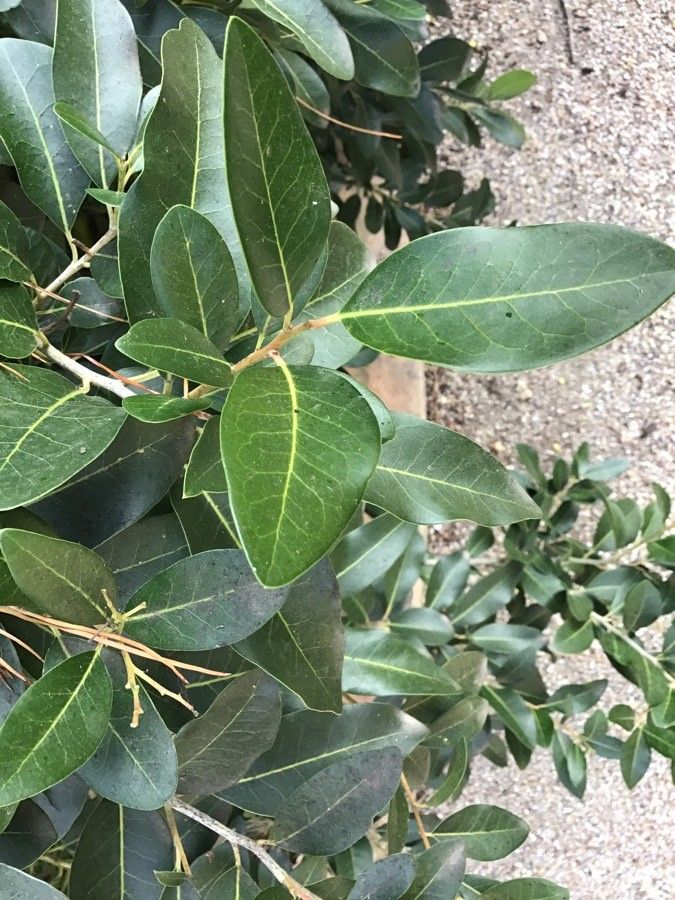
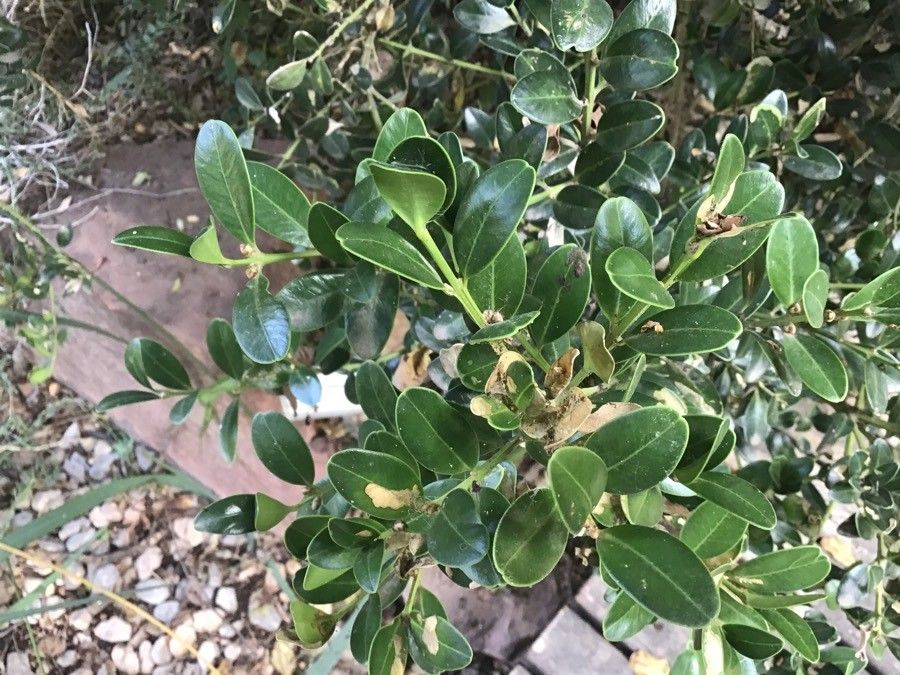
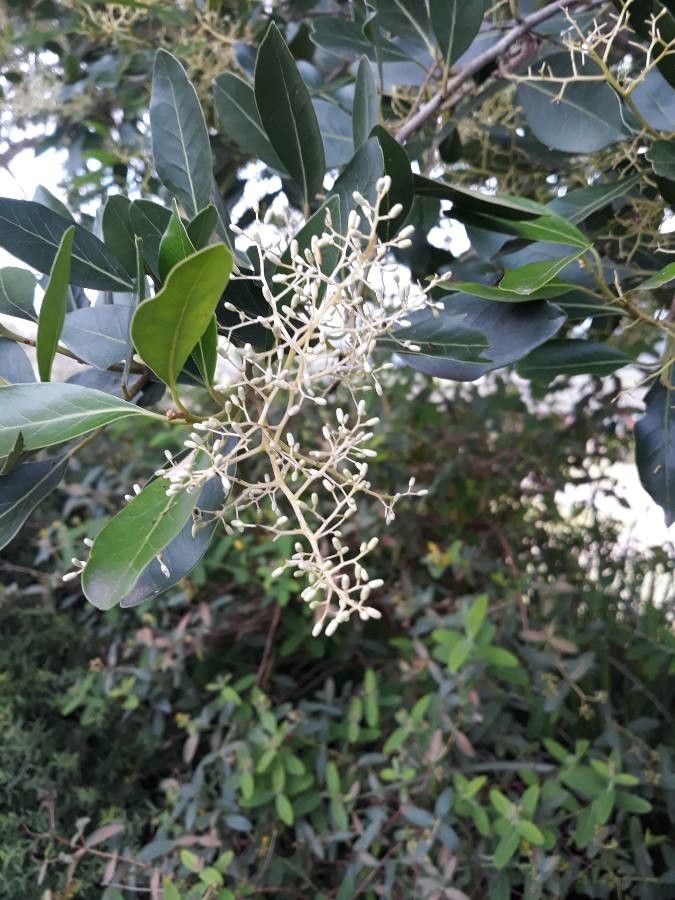
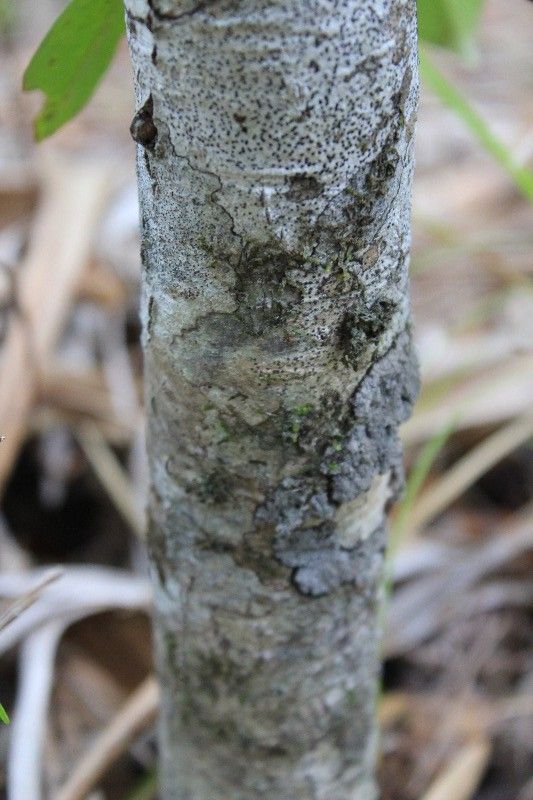
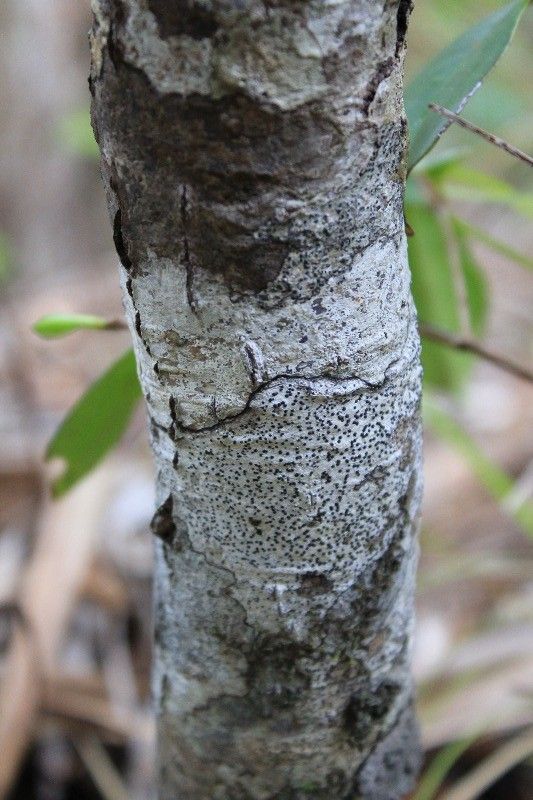
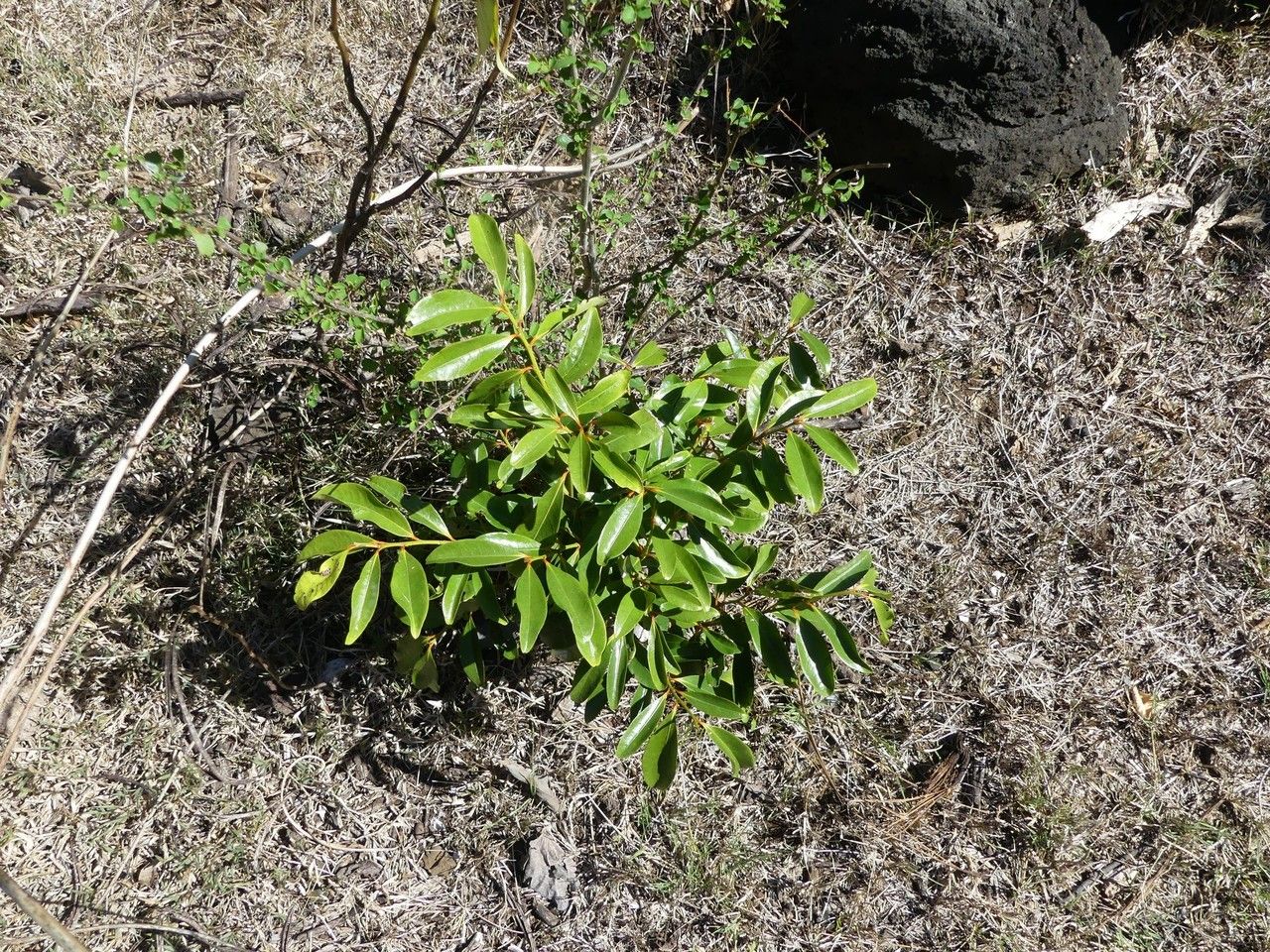
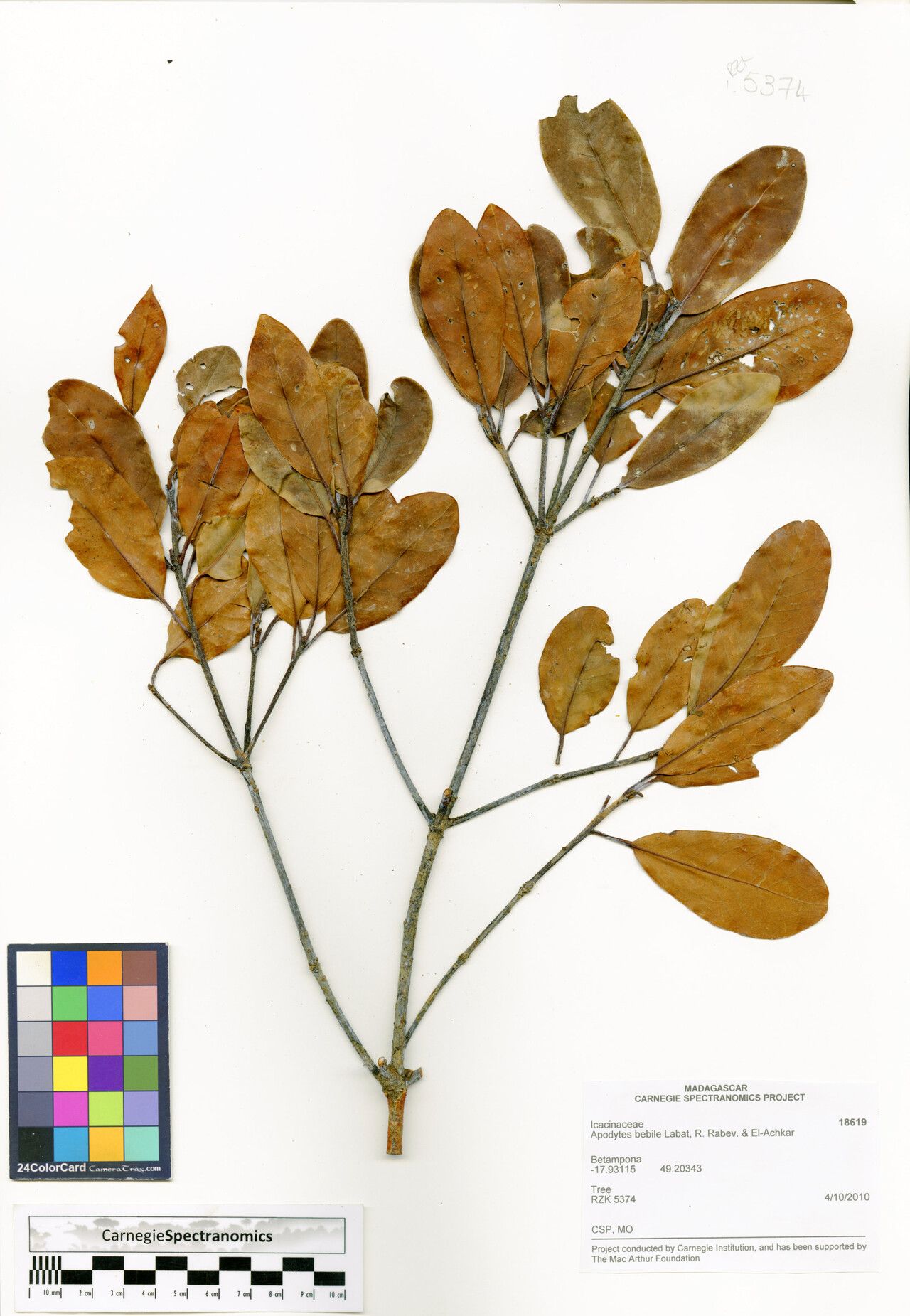
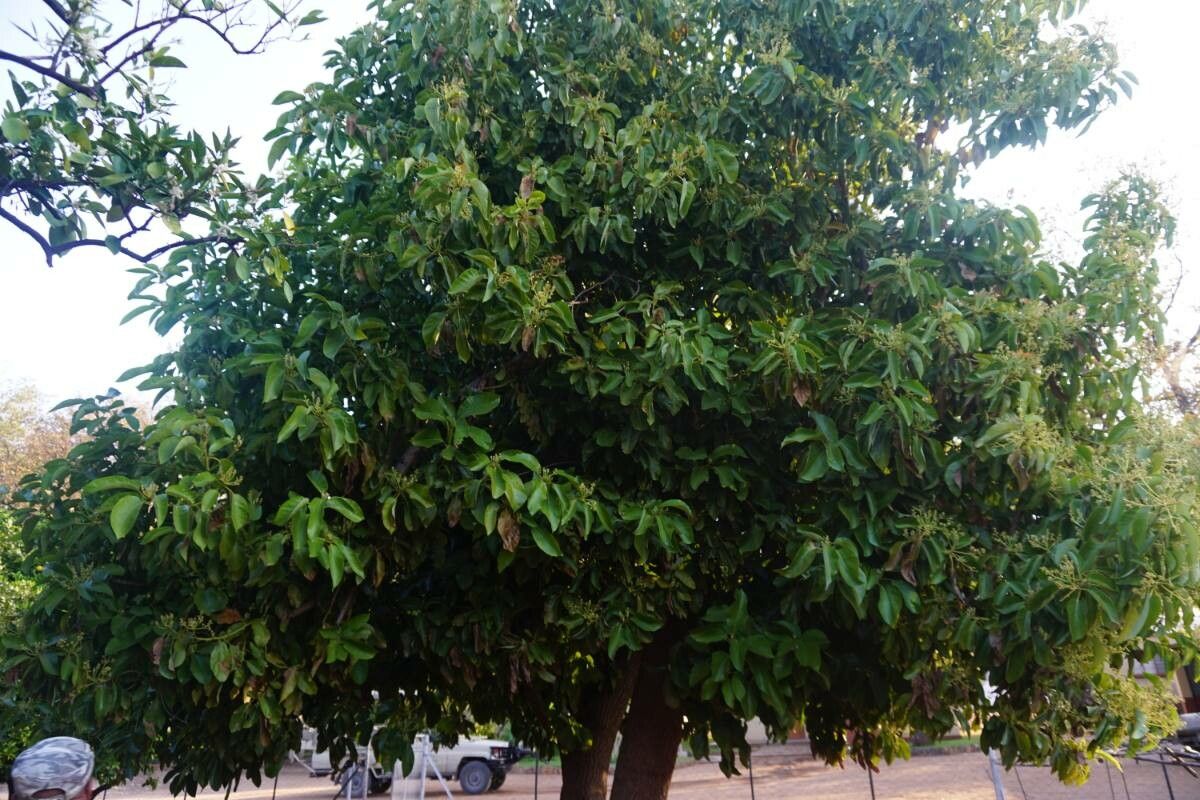
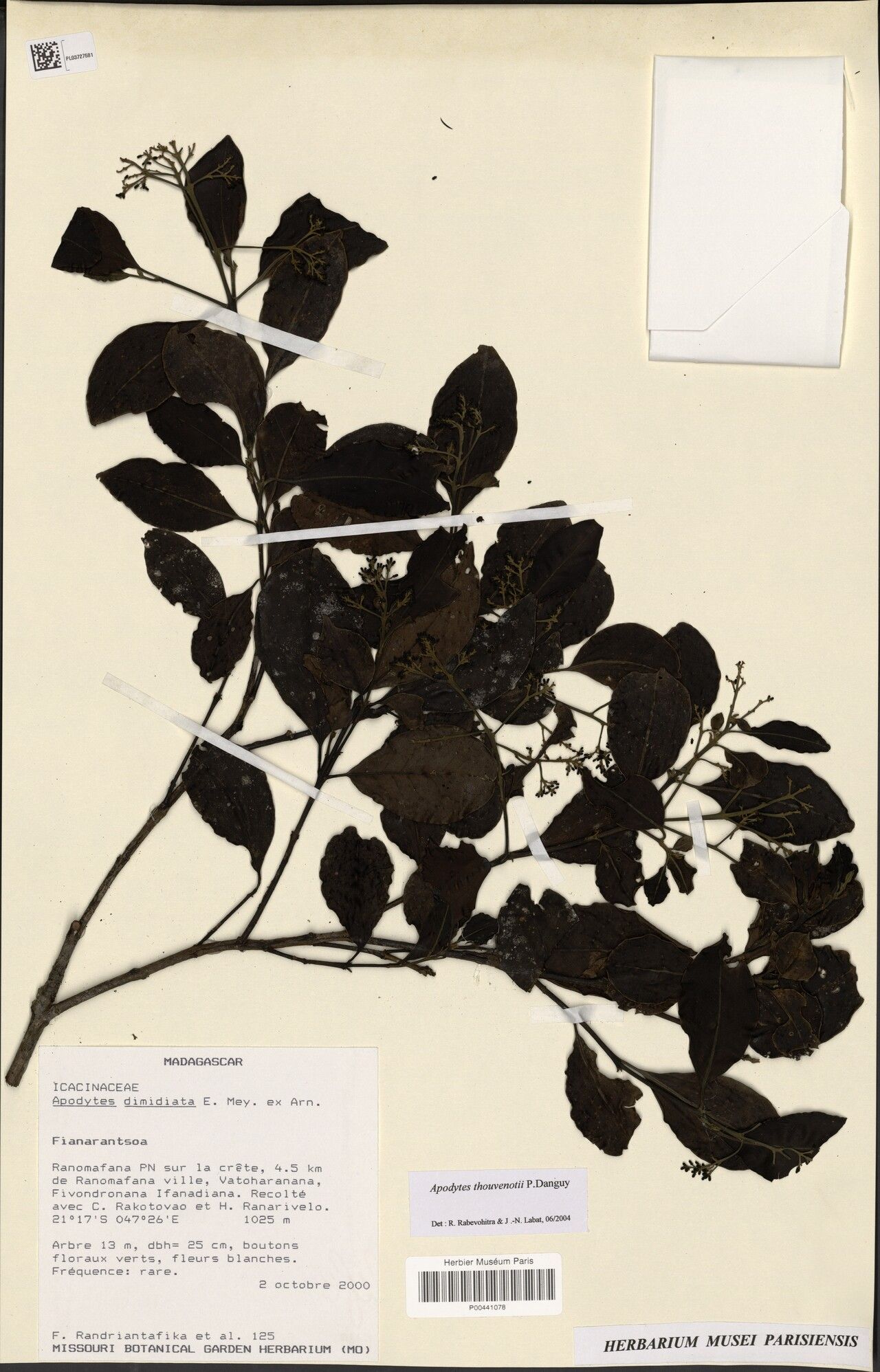
Apodytes dimidiata (white pear or umDakane) is a bushy tree with white flowers bearing a fragrance reminiscent of fresh coconut, and small black and red fruits. It is usually about 5 m tall (but reaches a height of 20 m when growing in deep forest), and it is indigenous to Southern Africa. The taxonomical family placement for this and other Apodytes was uncertain; it is now placed in the Metteniusaceae. Its English common name is in reference to the timber which is similar in appearance to that of the European pear tree of the northern hemisphere.
White pear is fairly disease-resistant and is generally not easily affected by illnesses. In terms of care, this plant is relatively low-maintenance. When grown outdoors it needs minimal watering, and larger plants typically do not require pruning. Smaller plants, however, should be pruned after they finish blooming. White pear is suitable for anyone with an outdoor area, such as a garden or deck, and does not demand much care experience.
How to keep Apodytes Dimidiata.
Light
White pear grows best with abundant sunlight, though it can also tolerate reduced light and even shade. Excessive sun exposure can burn its leaves, while too little light may limit its growth. Native to areas with varied light levels, it does not need a precise sunlight intensity to stay healthy.
Water
The white pear thrives with occasional, heavy rainfall and moderate humidity. It can withstand drought conditions, needing water only about once every three weeks. Ideally grown outdoors, the white pear demands plenty of space for its roots to expand and access to rainwater throughout the growing season.
Temperature
White pear shows good adaptability to temperature, tolerating higher heat and larger temperature fluctuations. In hot conditions, attention should be paid to watering and providing appropriate shade to avoid sunburn. However, White pear is relatively sensitive to low temperatures: while it can endure some cold, excessively low temperatures can cause frost damage.
Fertilizer
Proper timing matters when fertilizing White pear. Apply fertilizer in early spring and repeat monthly until early summer. Fertilizer promotes attractive blooms and supplies energy during both dormant and active growth periods.
Pruning
Pruning white pear trees in early spring can significantly boost their ornamental and medicinal qualities. To achieve the best results, focus on these key techniques: remove any dead or diseased branches, thin out areas to improve air circulation, and shape the tree for optimal form. Proper pruning not only enhances the tree's appearance but also promotes its health and longevity. Always use sharp, clean tools to prevent the spread of disease.
Botanical profile.
- Plant Type
- Tree, Shrub
- Life Cycle
- Perennial
- Genus
- Apodytes
- Family
- Metteniusaceae
- Hardiness Zone
- 9-11
- Mature Height
- 4.88 m
- Mature Spread
- 3.05 m to 3.96 m
- Leaf Color
- Green, White, Red
- Leaf Type
- Deciduous
- Flower Color
- White
- Flower Size
- 0.25 cm to 0.51 cm
- Bloom Time
- Mid spring, Late spring, Early summer
- Planting Time
- Spring, Summer, Autumn
- Harvest Time
- Mid summer, Late summer, Early fall, Mid fall
- Native Area
- Sri Lanka, Malawi, India, Malaysia, Angola, South Africa, Zambia, Madagascar, Rwanda, Eritrea, Sudan, Nigeria, Philippines, Laos, Thailand, Kenya, Uganda, Tanzania, Zimbabwe, China, Indonesia, Cambodia, Cameroon, Burundi, Mozambique, Vietnam, Myanmar, Eswatini, Ethiopia, Congo (DRC), Botswana
Other names.
Reader questions.
What are the sunlight requirements for White Pear (Apodytes Dimidiata)?
White Pear (Apodytes Dimidiata) thrives in conditions ranging from full sun to full shade, with varying light requirements. Full sun signifies the plant requires above 6 hours of sunlight daily, while partial sun or full shade means it needs about 3-6 hours of sunlight. It’s crucial to observe the movement of sunlight through your garden to identify the ideal spots offering a harmonious balance of light and shade, ensuring the optimum growth and happiness of your plants.
Can White Pear adapt to different light conditions?
Yes, the White Pear can adapt to a wide array of light conditions, from generous sunlight exposures to lower light and shade. While excessive sunlight may cause the leaves to scorch, insufficient light could hinder its growth. Originating from environments with diverse light conditions, the White Pear doesn’t require a specific intensity of sunlight to maintain health. Moreover, artificial lighting serves as an effective alternative for indoor plants, especially in spaces that don’t receive enough natural sunlight, with LED lights being a preferred option due to their customizability to fulfill the plants' light wavelength requirements.
What symptoms indicate a White Pear is getting insufficient light?
When a White Pear receives inadequate light, it may demonstrate several symptoms. These include smaller new leaves, leggy or sparse growth, accelerated leaf drop, stagnated growth or lack thereof, lighter-colored new leaves, and chlorosis—where leaves lose their green color, turning yellow. Excessive sunlight can cause symptoms like sunscald, leaf curling, wilting, and leaf scorching, indicating the plant's struggle with the environmental conditions.
How can I ensure my White Pear receives adequate light?
For indoor White Pear plants, gradually increasing their exposure to direct sunlight to at least 6 hours daily and considering artificial lighting solutions, like keeping a lamp on for 8 hours or using professional grow lights, can be beneficial. For outdoor plants, it’s equally important to progressively move them to sunnier spots while avoiding abrupt changes in light intensity to prevent sunburn. Managing obstructions, such as trimming tree branches, or transplanting smaller plants to sunnier locations with good drainage, can help in maximizing sunlight exposure. Note that parts of the plant damaged by insufficient light might not recover, but new growth will be healthy with improved light conditions.