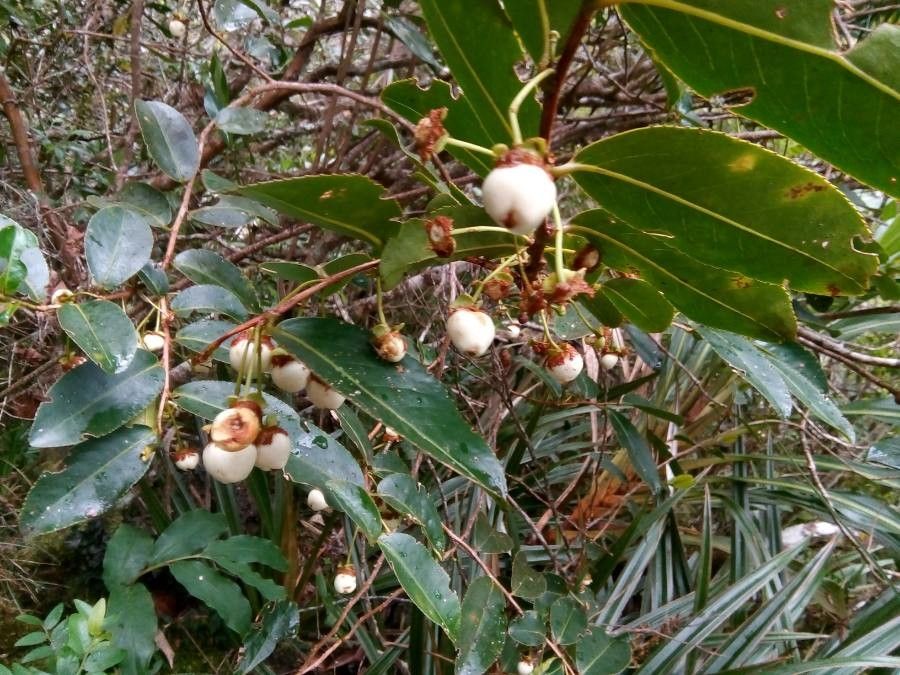
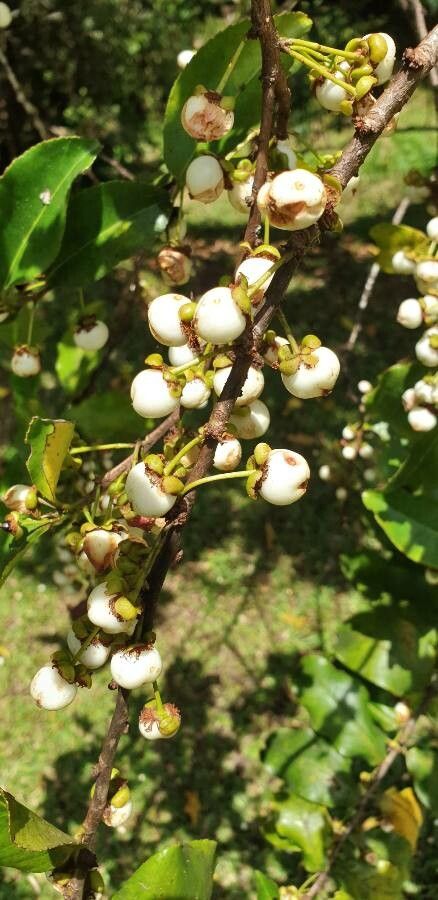
Aphloia theiformis is a small tree or shrub native to Madagascar and other parts of Africa. Belonging to the family Thymelaeaceae, it is commonly known as the Madagascar Aphloia or Tea Tree. The plant typically reaches a height of up to 3 meters but can grow as tall as 10 meters.
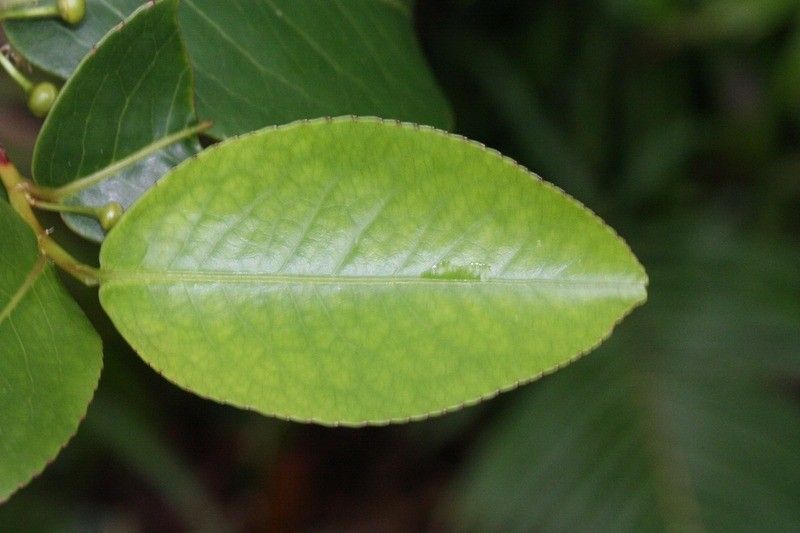
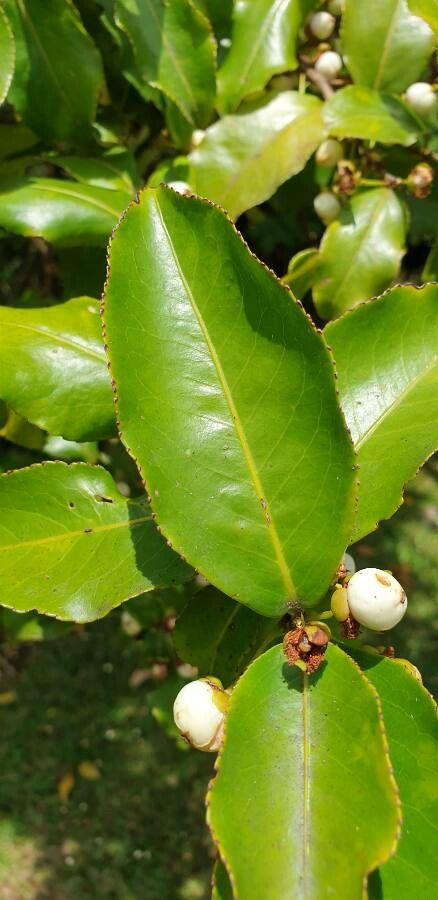
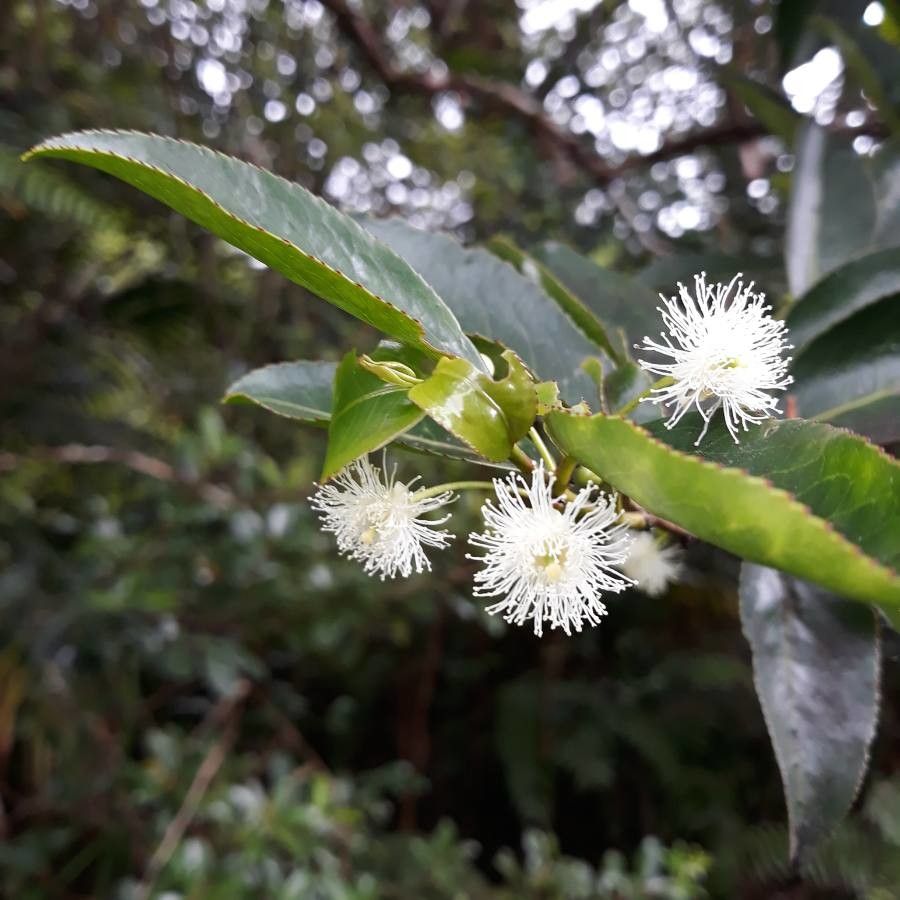
The leaves of Aphloia theiformis are simple, alternate, and elliptical in shape. They are glossy green on the upper surface and lighter green on the underside. The plant produces small white flowers that grow in clusters at the ends of branches.
For centuries, indigenous people in Africa have used Aphloia theiformis for medicinal purposes. It has been employed to treat various ailments, including fever, diarrhea, dysentery, and respiratory infections.
The bark of this plant contains compounds such as flavonoids and tannins, which possess antioxidant properties. These compounds help protect cells from damage caused by free radicals and have anti-inflammatory properties, making them useful for treating inflammatory conditions like arthritis.
Beyond its medicinal uses, Aphloia theiformis also has commercial applications. It is used to make tea, as its leaves produce a pleasant taste when brewed with hot water or milk.
Overall, this plant holds significant value both medicinally and commercially. It remains an important species within its native range. Researchers continue to study Aphloia theiformis for new applications while also working towards conservation efforts to mitigate the threats of habitat loss due to deforestation practices in Madagascar’s remaining forests today.
Mountain peach is disease-resistant and is usually not prone to illnesses. In terms of care, the plant is fairly low-maintenance. When grown outdoors it needs minimal watering, and larger specimens generally do not require pruning. Smaller plants, however, should be trimmed after they have bloomed. Mountain peach is suitable for anyone with outdoor space, such as a garden or deck, and does not require extensive care experience.
How to keep Aphloia Theiformis.
Light
Mountain peach comes from the understory of tropical forests, where it receives dappled sunlight. It performs best in partial sun but can tolerate full sun, adjusting well to different light levels.
Water
Mountain peach plants thrive in environments with consistent humidity and tolerate moderate drought conditions. They flourish best in moisture levels similar to their native habitat. When watering, aim to do so every 2-3 weeks to maintain slightly moist soil without causing waterlogging. If you are growing mountain peach indoors, make sure to use well-draining containers to prevent root rot.
Temperature
Mountain peach is naturally suited to mild climates with temperatures ranging from 68 to 95 °F (20 to 35 °C). It grows best in warmer periods. In colder seasons, temperature adjustments should be considered to preserve its vitality.
Fertilizer
The best time to fertilize a Mountain peach is in early spring when it comes out of dormancy. Doing this supports overall growth and bloom development. Fertilization improves the foliage, stems, and branches, and encourages flowers that are larger, more vibrant, and longer-lasting. It also helps move nutrients from the roots to the flowers and enhances the plant’s health and resistance to disease.
Pruning
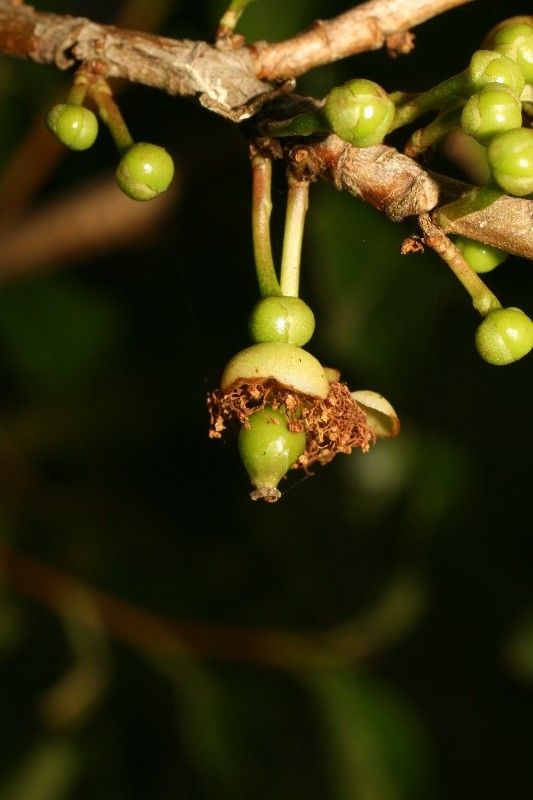
The mountain peach is an evergreen plant with white berries that thrives when pruned regularly during the winter. Pruning helps maintain its shape, remove weak branches, and improve air circulation. It also reduces pests and encourages new growth, resulting in a healthier and more attractive plant.
Botanical profile.
- Plant Type
- Tree, Shrub
- Life Cycle
- Perennial
- Genus
- Aphloia
- Family
- Aphloiaceae
- Hardiness Zone
- 10
- Mature Height
- 10.06 m
- Mature Spread
- 2.13 m to 3.96 m
- Leaf Color
- Green, Blue
- Leaf Type
- Evergreen
- Flower Color
- White
- Flower Size
- 0.25 cm to 0.25 cm
- Bloom Time
- Late winter, Early spring, Mid spring
- Planting Time
- Spring, Summer, Autumn
- Harvest Time
- Late spring, Early summer, Mid summer
Other names.
Reader questions.
How should I water my Mountain peach?
Your Mountain peach is not particular about how you water it, so you can use any common watering tool. Watering cans, hoses, or even cups are all suitable for watering your Mountain peach. No matter which tool you choose, it's important to water the soil directly and make sure all areas are evenly moistened to provide the entire root system with the necessary water. To avoid harmful particles, filtered water is recommended over tap water. Additionally, using water that is slightly above room temperature is beneficial, as extreme cold or hot water can shock the Mountain peach. However, in general, the Mountain peach responds well to any type of water you give it.
What are the sunlight requirements for a Mountain Peach?
Mountain Peach, or Aphloia theiformis, thrives in partial sun conditions, requiring about 3-6 hours of sunlight daily. Originating from the understory of tropical forests, it receives dappled sunlight, making it adaptable to varying light levels. It's essential to monitor how sunlight moves through your garden to identify spots that provide a balance of light and shade, ensuring the plant's wellbeing. In instances where natural sunlight is insufficient, especially during winter or in less sunny spaces, artificial lighting can be utilized to promote faster, healthier growth. Optimal artificial light settings include using LED lights tailored to the specific needs of the plant, with placements 12-36 inches above the plant for 8-12 hours per day.
What is the ideal climate for growing Mountain Peach?
Mountain Peach, or Aphloia theiformis, thrives in mild climates with temperatures ranging from 68 to 95 °F (20 to 35 °C). It is extremely heat-loving and grows best in warmer temperatures. During colder seasons, adjustments to temperature are necessary to maintain its vitality. It's recommended to bring outdoor-grown Mountain Peach indoors during autumn and keep them near a bright window but at a certain distance from heaters, ensuring the temperature stays above 20°C to facilitate growth. Exposure to temperatures nearing 5°C can be detrimental to the plant.
What should I do if I give too much or too little water to my Mountain peach?
When caring for outdoor plants, particularly newly planted ones or seedlings, it's important to be mindful of watering. Make sure to water them adequately for the first few months, especially when the tree is small or recently planted. Once the roots have established, the Mountain peach plant can rely on rainfall most of the time. If you have Mountain peach plants in pots, be cautious of overwatering. If you accidentally overwater, you should act promptly to address the situation. Firstly, stop watering the plant immediately to minimize the impact of overwatering. Then, remove the plant from its pot and check the roots for any signs of root rot. If there is no root rot, you can return the plant to its container. However, if there is root rot, you should carefully trim away the affected roots and consider applying a fungicide to prevent further damage. Finally, repot the Mountain peach in well-draining soil. On the other hand, if your Mountain peach is underwatered, it can be easily resolved by increasing the watering frequency. When the plant lacks water, its leaves will start to droop, dry out, and eventually fall off. However, once you provide sufficient water, the leaves will quickly regain fullness. It's important to adjust your watering schedule promptly when you notice signs of underwatering.
What are the symptoms of improper lighting for Mountain Peach?
Mountain Peach may exhibit several symptoms when exposed to inadequate lighting conditions. These include smaller new leaves, leggy or sparse growth, faster leaf drop, slower or no new growth, and lighter-colored or irregularly patterned new leaves. In contrast, excessive sunlight can lead to chlorosis (yellowing of leaves), sunscald (pale or necrotic areas on leaves), leaf curling, wilting, and leaf scorching (brown, dry edges on leaves). These symptoms indicate the plant's struggle with the lighting conditions, whether too little or too much.
How does low temperature affect Mountain Peach and what are the solutions?
Mountain Peach prefers warm temperatures and is not tolerant of cold. Optimal growth occurs when the temperature is consistently above 20°C, while maintaining the environment above 5°C during winter is critical. Exposure to temperatures below 1°C may result in the leaves lightening in color and after frost damage, turning brown or black with symptoms of wilting and drooping. To mitigate frost damage, trim the frost-damaged parts and immediately move the plant indoors to a warm environment. Placing the plant near a south-facing window ensures ample sunlight, but it should not be placed near heaters or air conditioning vents to avoid air dryness.
How frequently should I give water to my Mountain peach?
Most plants grow well with rainfall, but if there isn't much rain in your area, you need to water them every two weeks in spring and fall. In summer, you'll need to water them more often, and in winter, when growth slows down, you can water less or not at all. Young or newly planted Mountain peach trees need more frequent watering to help them establish and grow. For potted plants, there are two main ways to determine how often to water your Mountain peach. One way is to follow a set schedule, like once a week or every other week. But this might not always work because it doesn't take into account the specific conditions of your plant. Another option is to check the soil's moisture level. Wait until the top two to four inches of soil have dried out before watering again.
How can you address lighting issues for Mountain Peach?
To optimize Mountain Peach's growth in response to lighting issues, gradually acclimate the plant to changing light conditions. If the plant is indoors and not easily movable, or requires additional light, artificial lighting such as desk or ceiling lamps should be used for at least 8 hours daily, or consider investing in professional plant grow lights. Outdoors, plants should be moved gradually to sunnier locations to adapt without the risk of sunburn. Removing obstructions like overhanging branches can also improve sunlight exposure. Remember, parts of the plant damaged by insufficient sunlight may not recover, but new growth should be healthy with improved light conditions.
How should you care for Mountain Peach in high temperatures?
During the summer, it is important to keep the temperature for Mountain Peach below 35°C to prevent heat stress. Temperatures exceeding 41°C can cause the leaves to lighten and increase susceptibility to sunburn. The solution involves trimming away sunburned and dried parts of the plant, and moving it to a shaded location during the midday and afternoon sun. Watering in the morning and evening helps to keep the soil moist and supports plant health in high temperatures.
How much water does my Mountain peach tree need?
To water your Mountain peach, you don't always need to use a lot of water. If only a few inches of soil have dried since your last watering, giving the plant about five to ten ounces of water each time will promote healthy growth. You can also gauge how much water to give based on the soil moisture. Keep track of how many inches of soil have dried between waterings. To ensure your Mountain peach gets enough moisture, water until all the dry soil layers from the previous watering are moistened. If over half of the soil has become dry, consider giving more water than usual. In these cases, continue watering until you see excess water draining from the pot's holes. If your Mountain peach is planted in a rainy outdoor area, it may not need extra watering. However, when it's young or establishing, make sure it receives 1-2 inches of rain per week. As it grows and becomes established, it can rely solely on rainwater. Only if the weather is hot and there has been no rainfall for 2-3 weeks should you give it a full watering to prevent stress.
How can I know if I'm giving enough water to my Mountain peach plant?
The Mountain peach is more likely to be overwatered than underwatered, and there are clear signs to watch out for. If the Mountain peach is overwatered, its leaves will turn yellow and it may even lose some of them. Additionally, overwatering can cause the plant to become structurally weak and promote root rot. Conversely, an underwatered Mountain peach will start to wilt. Its leaves may become brown and brittle to the touch. No matter if you notice signs of overwatering or underwatering, you should be ready to step in and revive your Mountain peach's health.
How should I water my Mountain peach tree as it grows?
When the Mountain peach is young, like in the seedling stage, it needs more water compared to when it is fully grown. In the initial stages of the plant's life, it is crucial to keep the soil consistently moist to promote root development. This applies to any Mountain peach that has been transplanted to a new location. Additionally, giving the Mountain peach proper care can result in beautiful flowers and fruits. If your Mountain peach is in the flowering or fruiting phase, you may need to increase the amount of water you provide to support these structures.