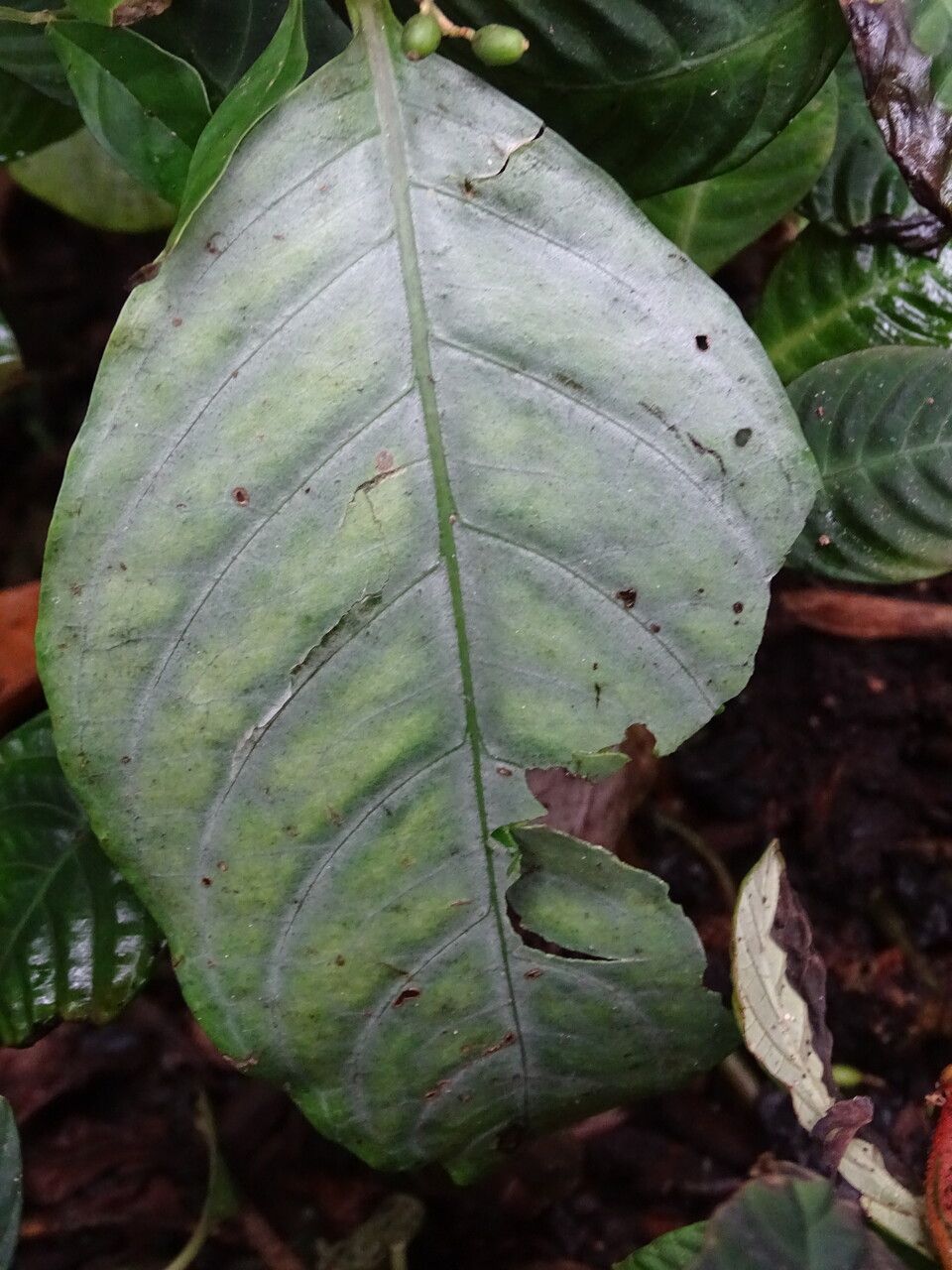
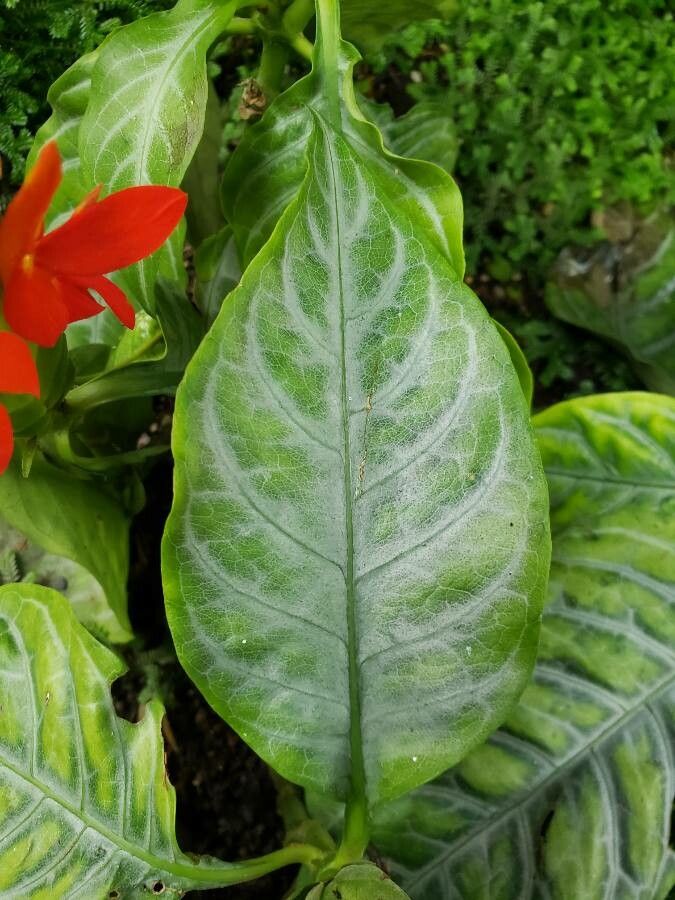
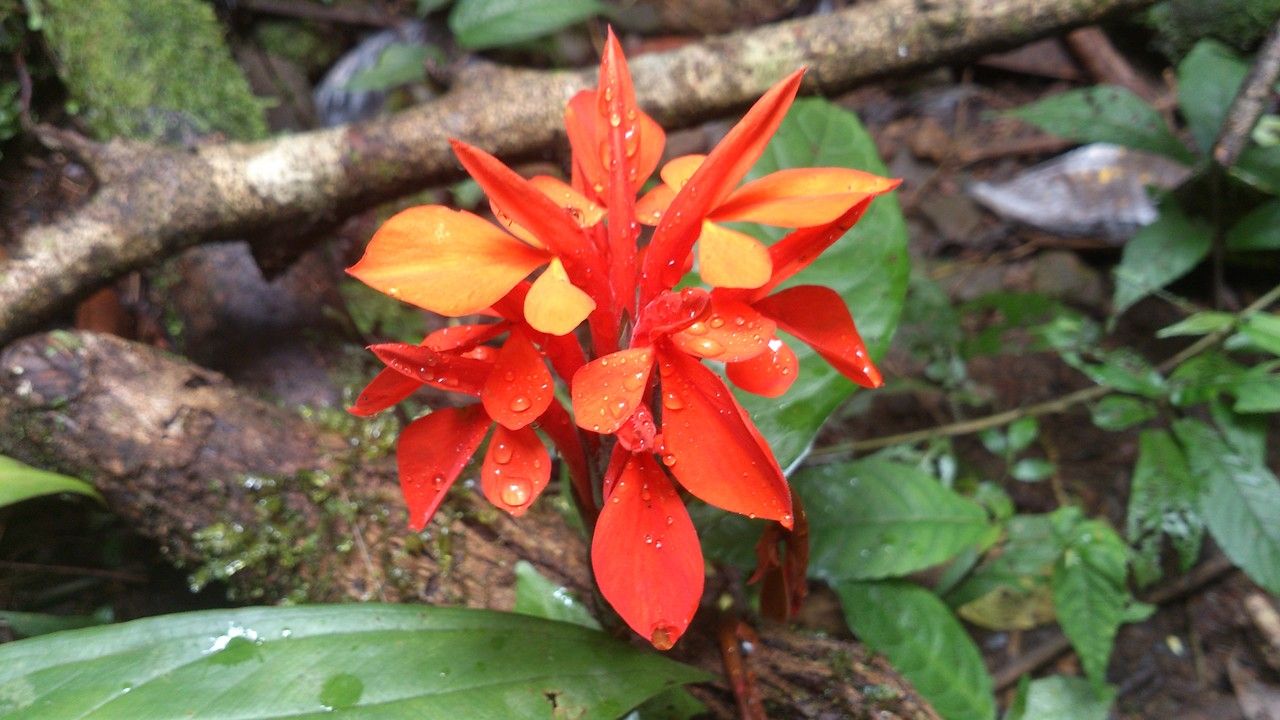
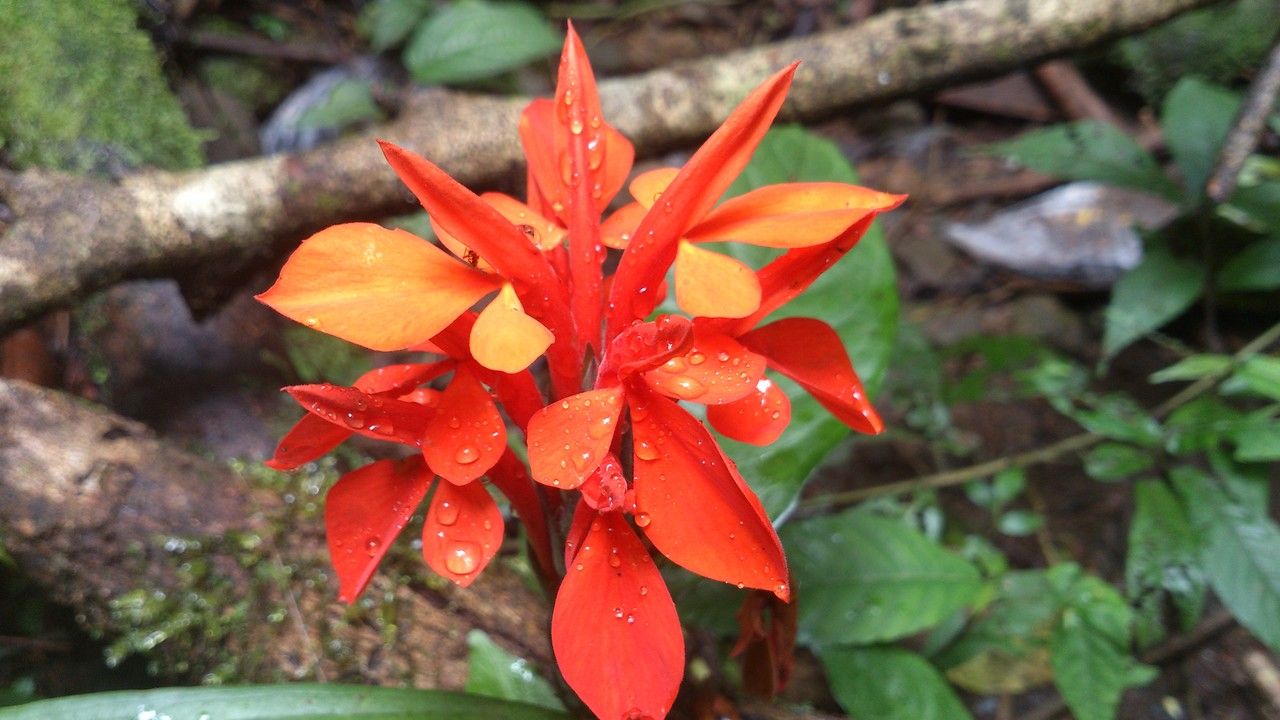
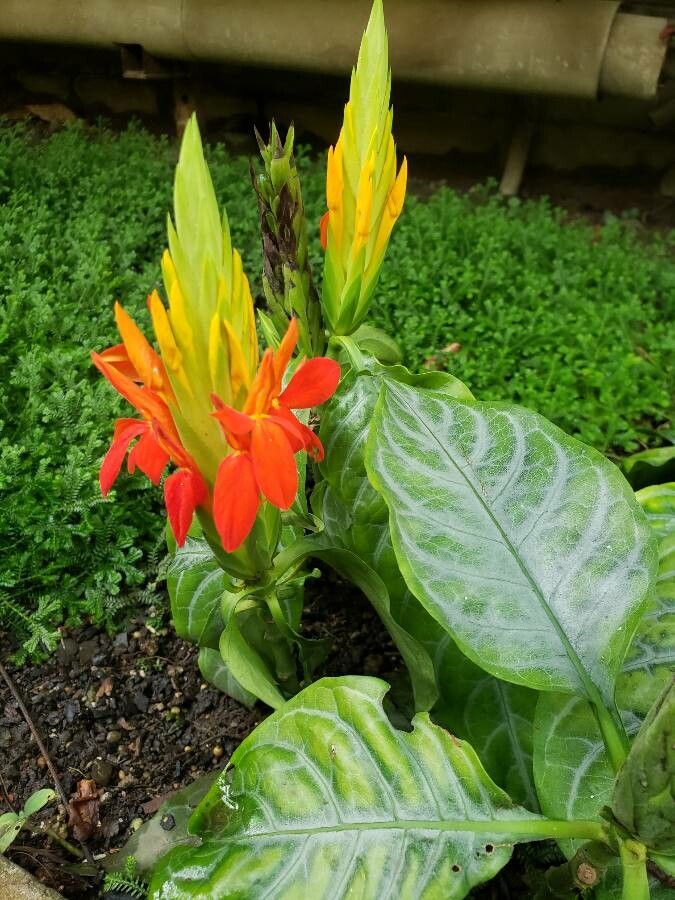
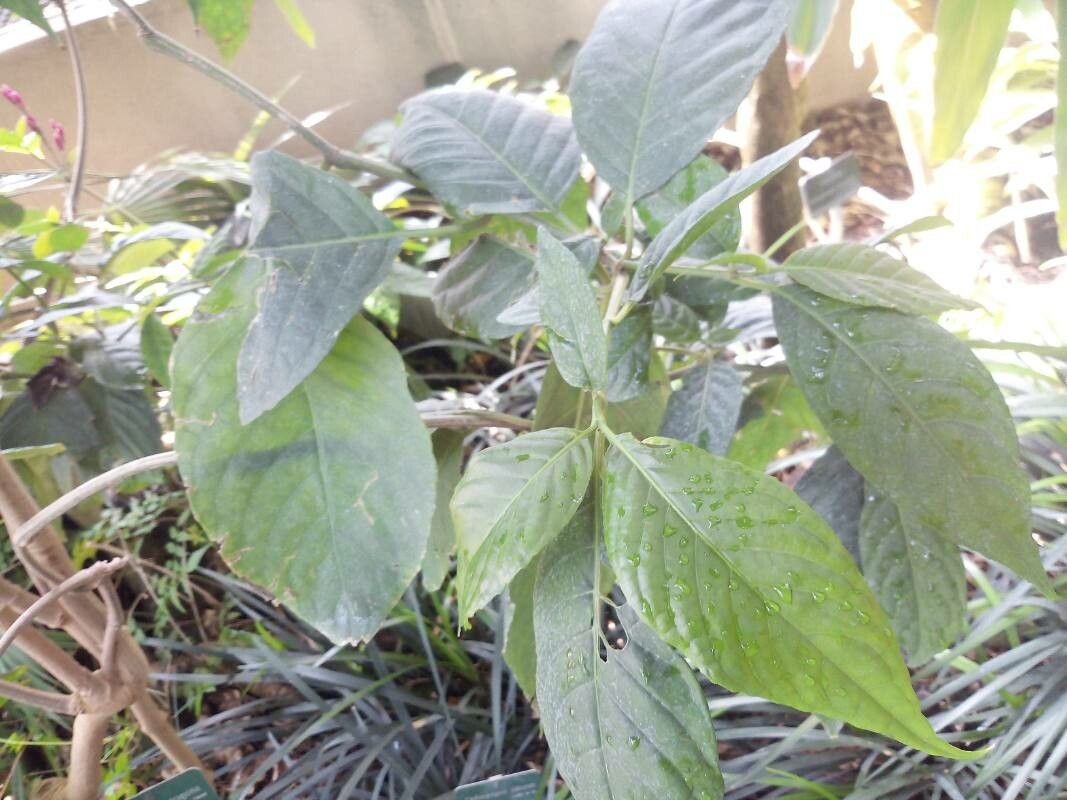
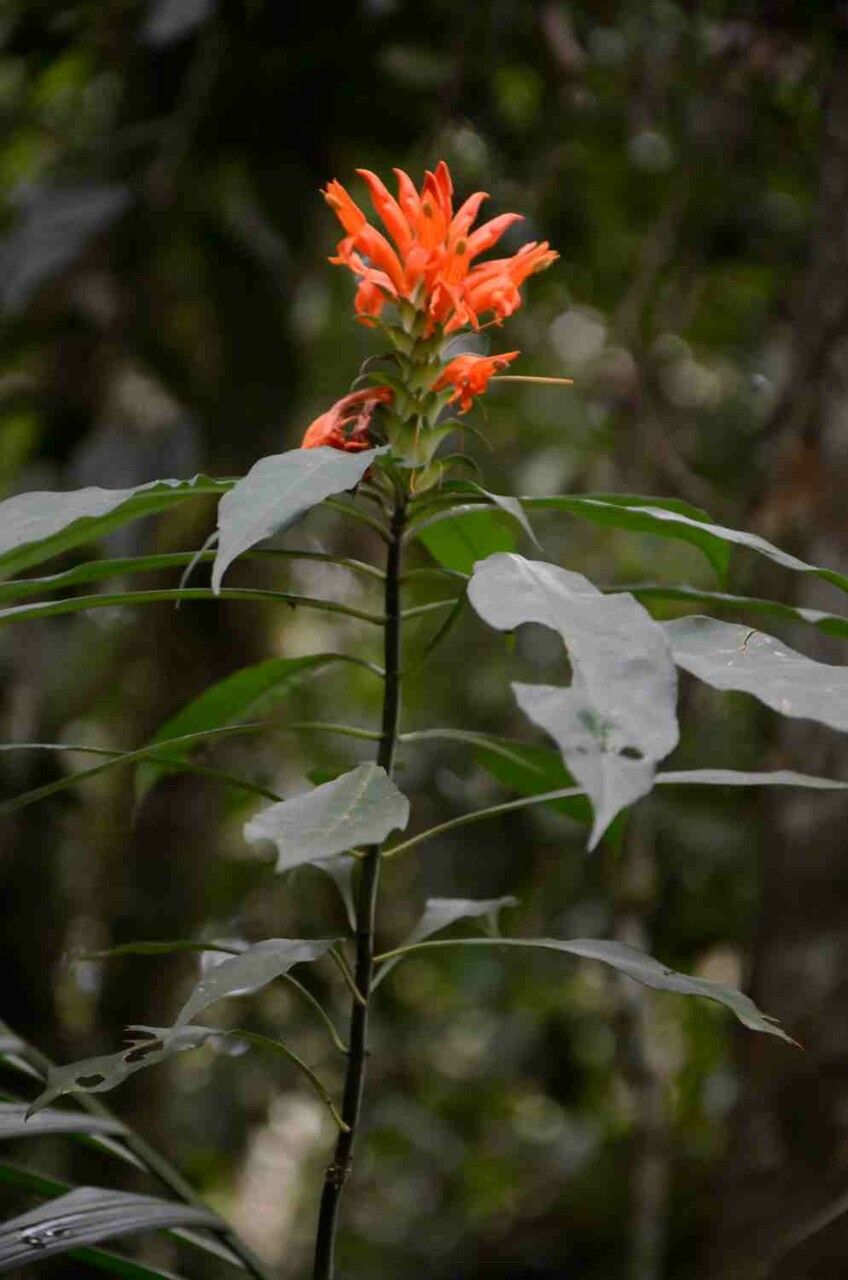
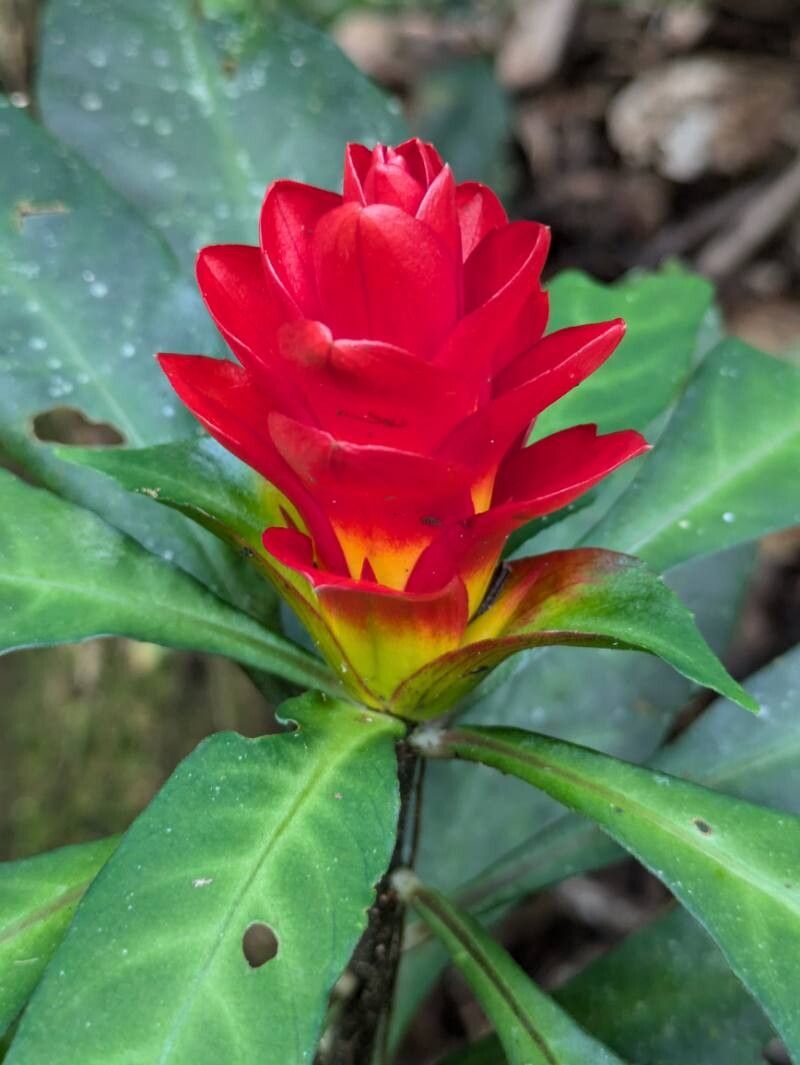
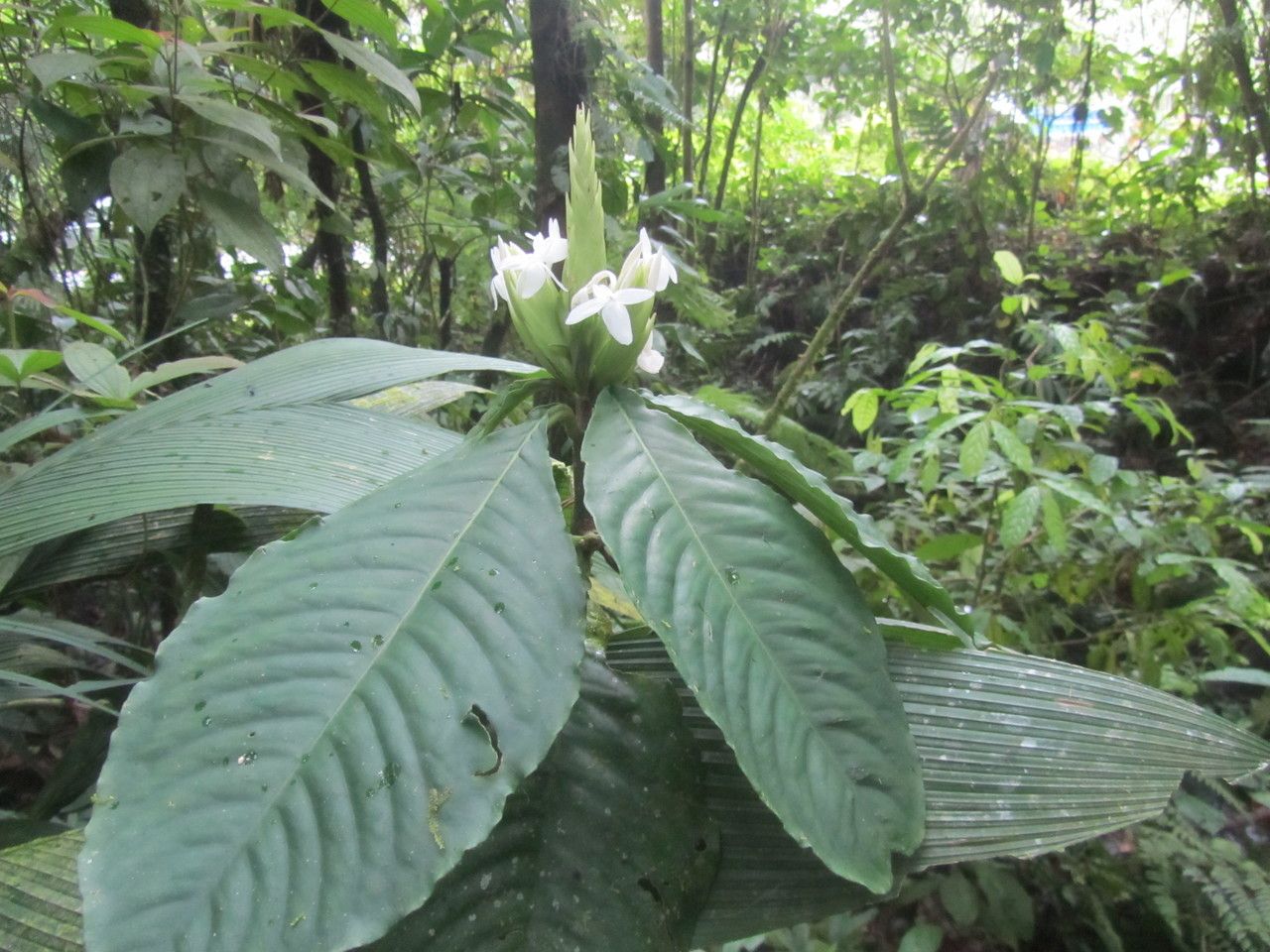
Fiery spike has strong resistance to disease and is typically not vulnerable to illnesses. Nonetheless, it can be affected by pests and diseases present in its environment. These problems are usually not serious. Regarding care, this plant needs moderate maintenance. It should be pruned regularly to preserve a neat appearance and encourage healthy growth. Fertilizing can also help stimulate flowering. Fiery spike is appropriate for anyone with an outdoor area, such as a garden or patio, and does not demand extensive plant-care experience. It may need more attention when cultivated indoors.
How to keep Aphelandra Aurantiaca.
Light
Fiery spike naturally occurs in habitats like forest understories or rocky sites, where it grows in natural shade. It prefers partial sun but can adapt to full sun or full shade, reflecting its versatile and hardy character.
Water
The fiery spike plant originally comes from the undergrowth of tropical forests. It thrives in moist conditions and needs to be watered weekly for optimal growth. The plant prefers stable temperatures and indirect light, which makes it an excellent choice for indoor cultivation. For best results, use well-draining containers that balance moisture retention and root aeration.
Temperature
Fiery spike comes from tropical areas, where the climate is usually warm and humid. Consequently, it is well adapted to high heat and moisture. It does not tolerate sudden temperature shifts and prefers a stable thermal environment, so avoiding indoor temperature fluctuations is important. It typically cannot withstand cold conditions and needs higher temperatures to grow. If the surrounding temperature falls too low, the plant may stop growing or even die.
Fertilizer
Proper fertilization is essential for the health and appearance of the Fiery spike. Fertilize the Fiery spike in summer, repeating the application monthly throughout the season. Nutrients supply energy for growth and help maintain the plant’s parts. Fertilization improves the Fiery spike’s flower display, producing the best blooms.
Pruning
To help the Fiery Spike plant thrive, it's best to prune it from early to late spring. Remove any dead stems and leggy growth to encourage a bushier shape and more abundant flowering. Additionally, thinning out crowded areas can improve airflow, which helps prevent disease. This practice not only enhances the plant's appearance but also stimulates vigorous new growth, ensuring the Fiery Spike remains healthy and attractive.
Pot & Repot
Repot the fiery spike plant every spring to promote healthy growth and provide enough space for the roots to expand.
Botanical profile.
- Plant Type
- Herb, Shrub
- Life Cycle
- Perennial
- Genus
- Aphelandra
- Family
- Acanthaceae
- Hardiness Zone
- 10-12
- Mature Height
- 61 cm to 91 cm
- Mature Spread
- 2 cm to 3 cm
- Leaf Color
- Dark Green, Forest Green
- Leaf Type
- Evergreen
- Flower Color
- Orange
- Flower Size
- 3.05 cm to 5.08 cm
- Bloom Time
- All year round
- Planting Time
- Spring
- Harvest Time
- All year round
- Native Area
- Colombia, Belize, Honduras, Mexico, Guatemala, Bolivia, Venezuela, Peru, Guyana, Brazil, Nicaragua, Ecuador, Suriname, Costa Rica, Panama
Other names.
Reader questions.
What are the sunlight requirements for Fiery Spike (Aphelandra aurantiaca)?
Fiery Spike (Aphelandra aurantiaca) thrives in varying sunlight conditions. It requires partial sun, meaning about 3-6 hours of sunlight each day, or it can grow in full shade, with less than 3 hours of sunlight. When selecting a spot for your Fiery Spike plant, it's important to observe how sunlight moves through your garden throughout the day. Finding an area that offers a perfect balance of light and shade is crucial for the plant's health and happiness.
What is Fiery Spike?
Fiery Spike, known botanically as Aphelandra aurantiaca, is a plant known for its vibrant appearance and unique characteristics. Unfortunately, there is no specific information provided about its essentials or symptoms that it might exhibit or cause.