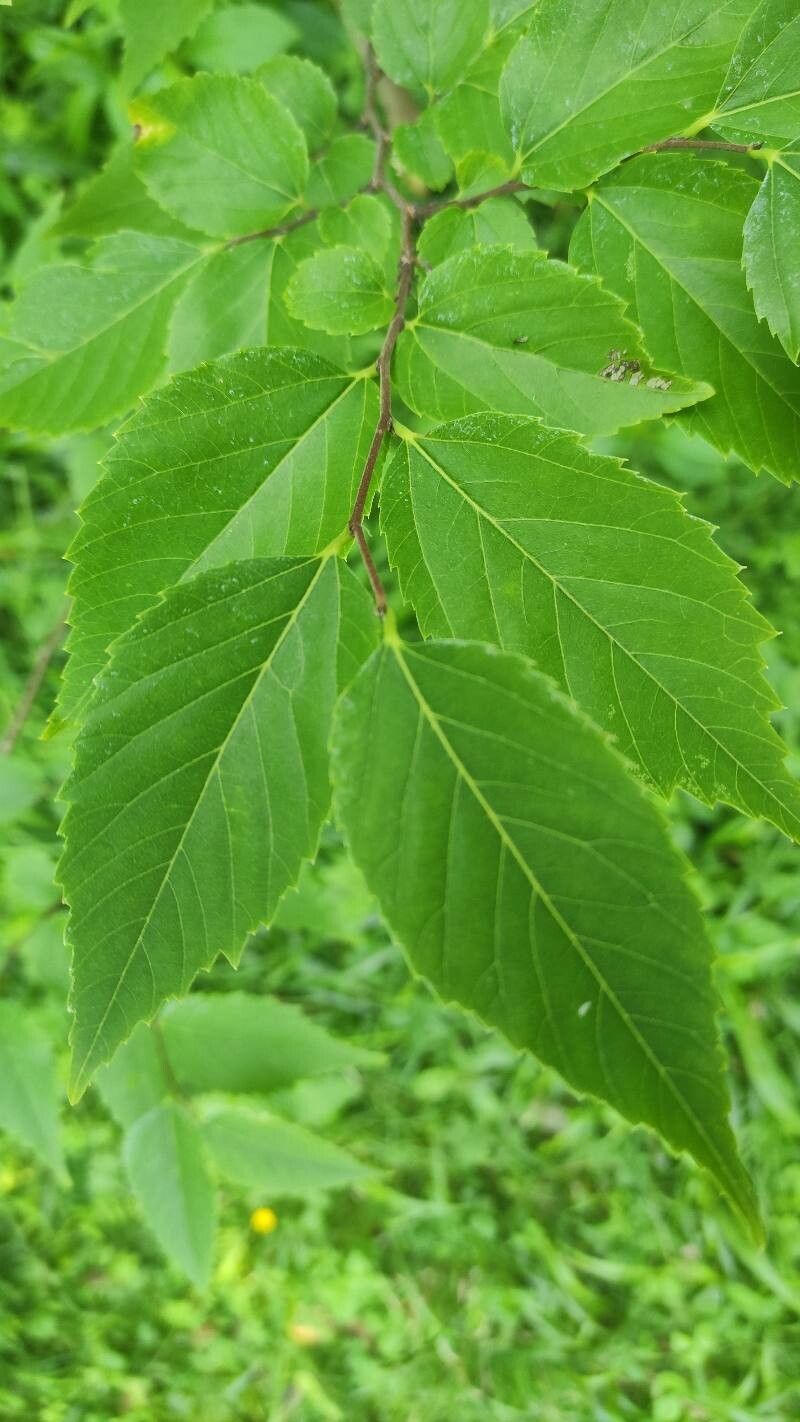
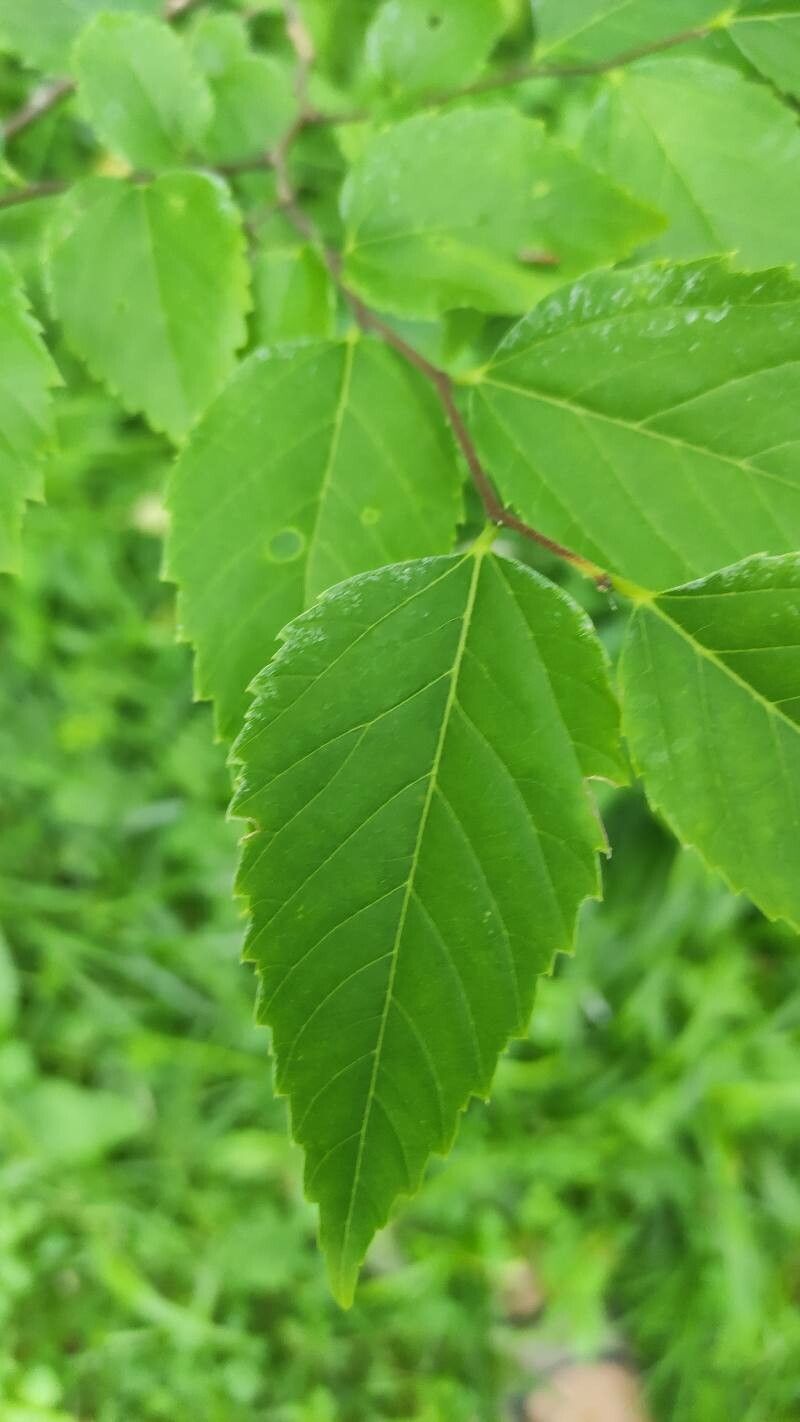
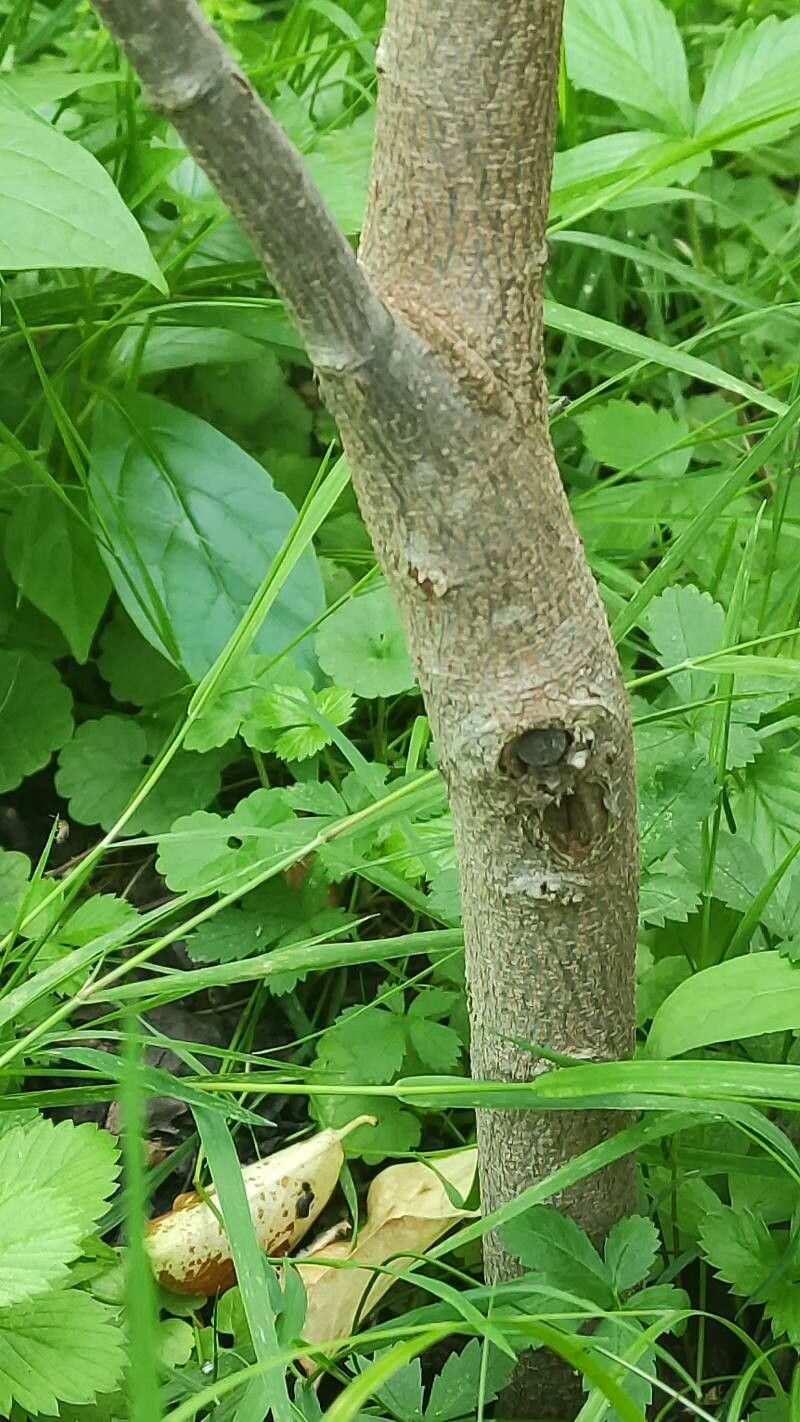
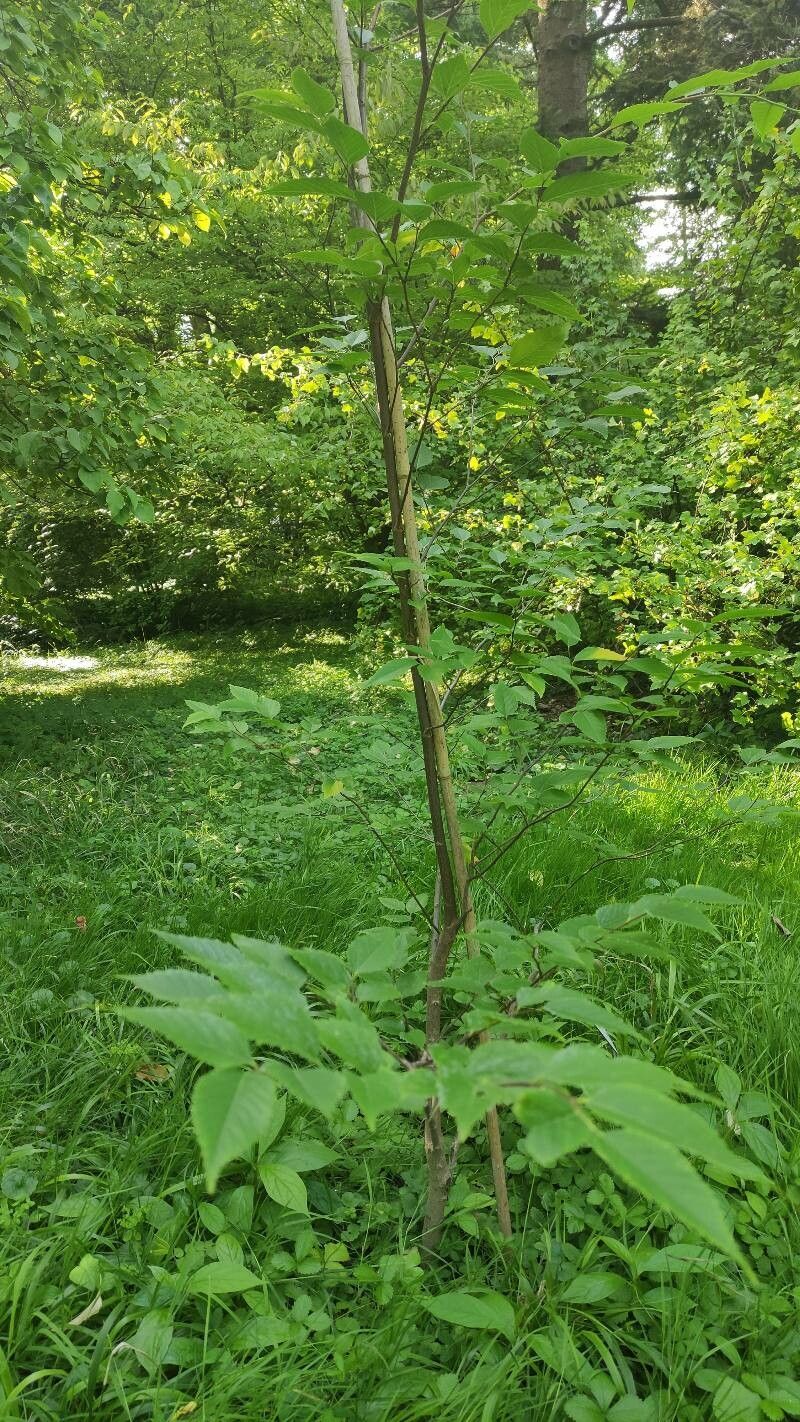
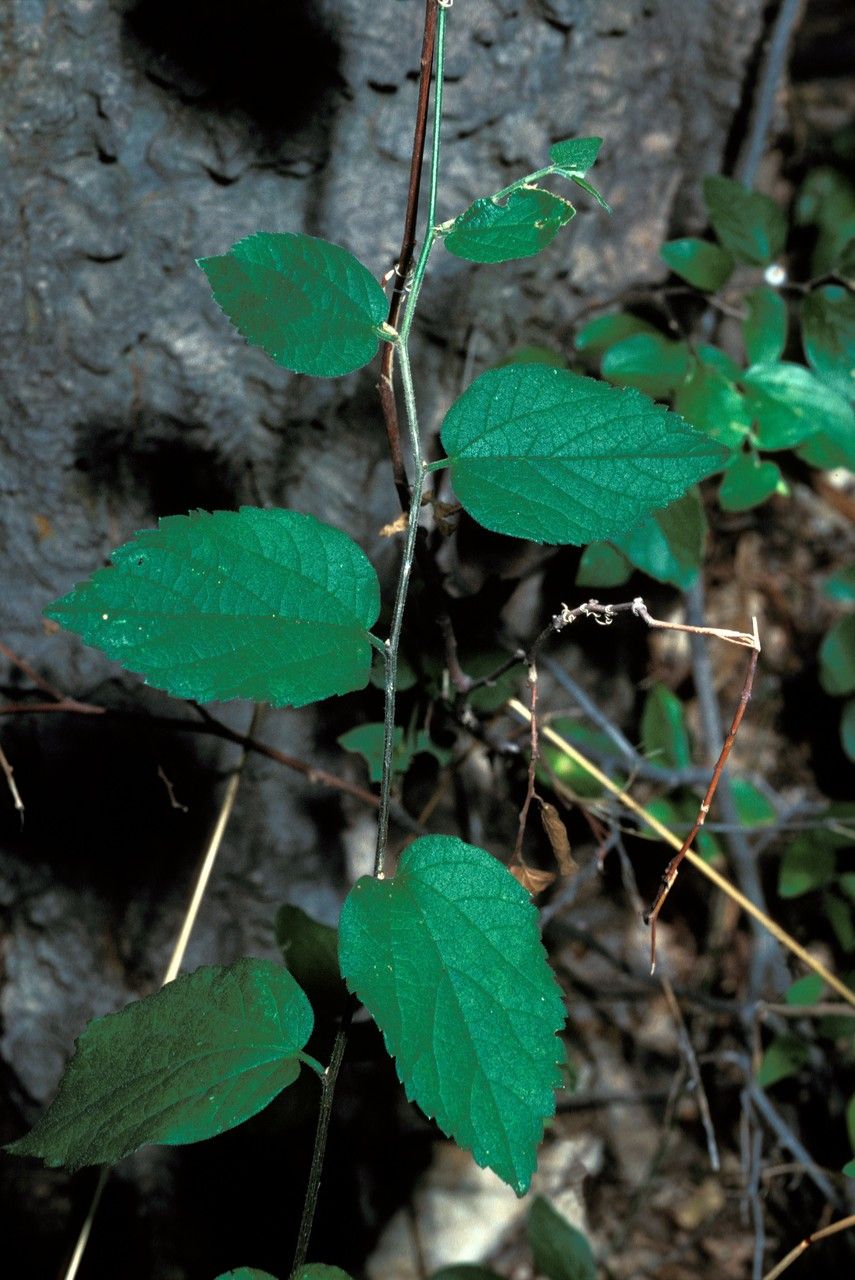
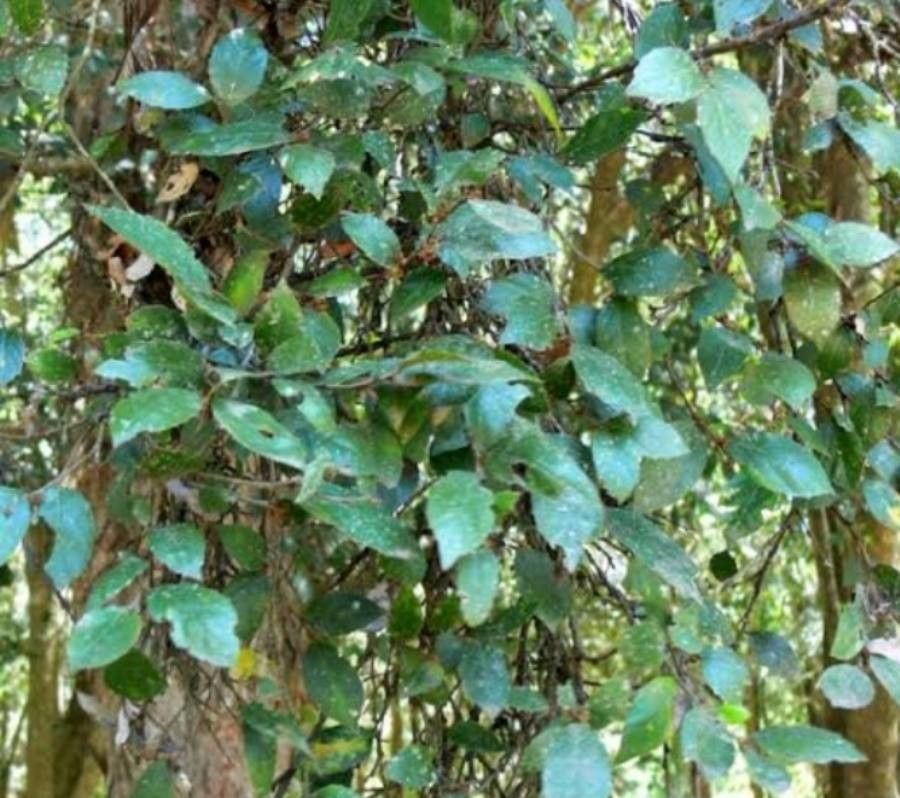
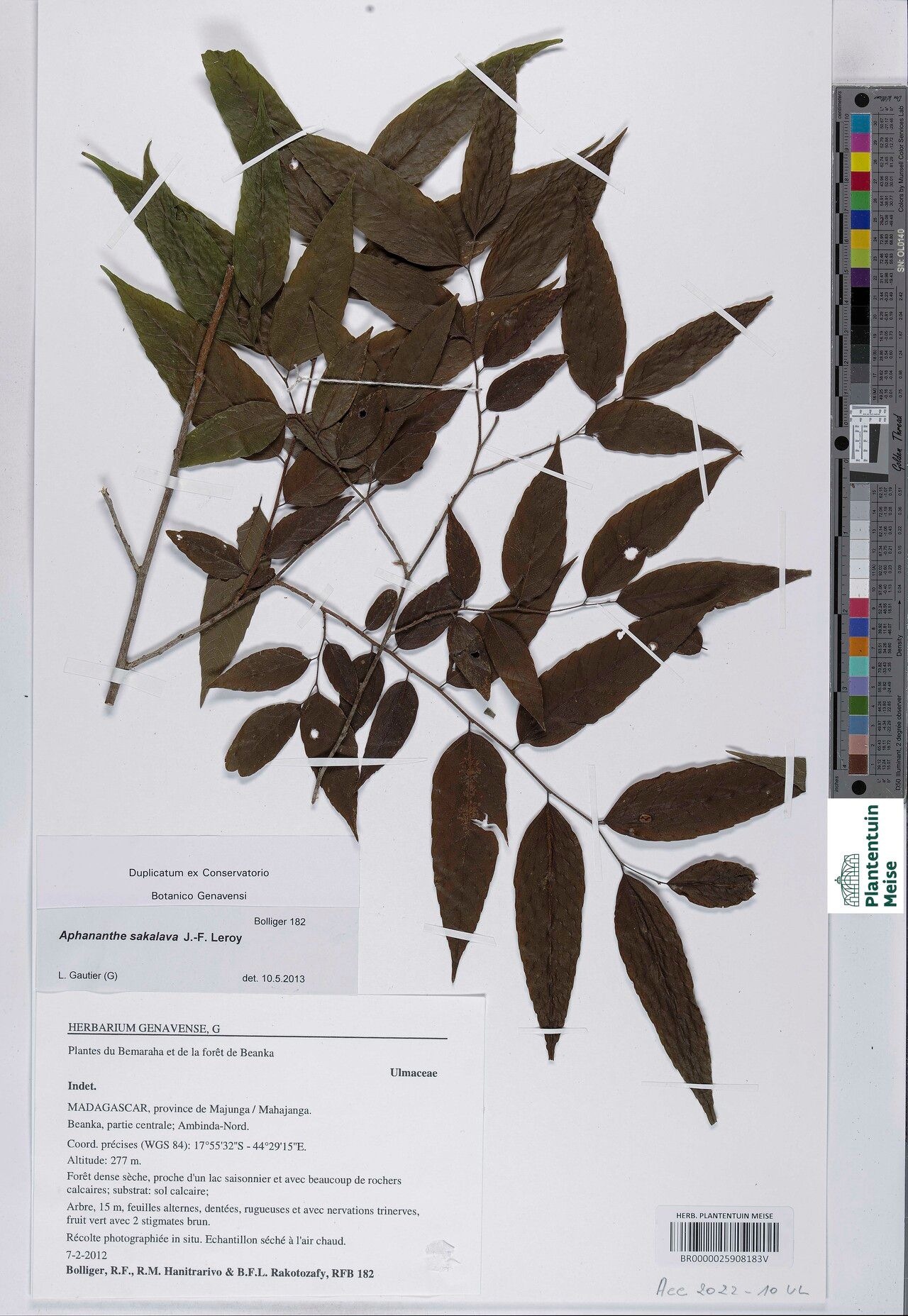
Aphananthe aspera, commonly known as scabrous aphananthe or muku tree, is a flowering plant in the family Cannabaceae. It is found on slopes and stream banks between 100 and 1600 m. It is native to China, Taiwan, Japan, Korea, and Vietnam.
Muku has strong resistance to disease and is typically not susceptible to illnesses. In terms of care, this plant is fairly low-maintenance. When planted outdoors, it needs only minimal watering, and larger specimens usually do not require pruning. Smaller plants, however, should be pruned after they have finished blooming. Mukut is suitable for anyone with an outdoor area, such as a garden or deck, and does not require much care experience.
How to keep Aphananthe Aspera.
Light
Muku requires abundant sunlight to grow healthily. Coming from habitats that receive a plentiful amount of sun, it performs best under relatively high light levels. Nevertheless, both excessive and insufficient sunlight can hinder its growth and overall wellbeing.
Water
Muku is moderately drought-tolerant and thrives in areas with varying rainfall. It prefers drier conditions and should be watered every 2 to 3 weeks to mimic its natural habitat. When grown outdoors in temperate zones, it's best to align watering with seasonal patterns, especially during its dormancy period.
Temperature
Muku is native to areas where temperatures range from 50 to 95°F (10 to 35 °C). This plant does best in that moderate climate, and drastic temperature changes should be avoided to maintain healthy growth.
Fertilizer
Fertilize your Muku in early spring to encourage healthy growth. Consistent feeding improves overall health, leading to vigorous growth, increased tolerance of harsh conditions, and enhanced resistance to pests and diseases. Keep a set fertilization routine for your Muku to maintain vibrant, deeply colored foliage and a lush appearance.
Pruning
Muku benefits greatly from pruning in early spring. By removing dead branches and reducing overcrowding, you improve airflow and light penetration. This technique encourages vigorous growth and minimizes sap loss, helping to maintain a healthy and visually appealing plant while controlling its size and shape.
Botanical profile.
- Plant Type
- Tree
- Life Cycle
- Perennial
- Genus
- Aphananthe
- Family
- Cannabaceae
- Hardiness Zone
- 6-9
- Mature Height
- 24.99 m
- Mature Spread
- 14.94 m
- Leaf Color
- Dark Green
- Leaf Type
- Deciduous
- Flower Color
- Yellow, Green
- Flower Size
- 1.02 cm
- Bloom Time
- Mid spring, Late spring, Early summer
- Planting Time
- Winter, Spring, Summer
- Harvest Time
- Mid summer, Late summer
- Native Area
- Vietnam, Japan, South Korea, Thailand, China
Other names.