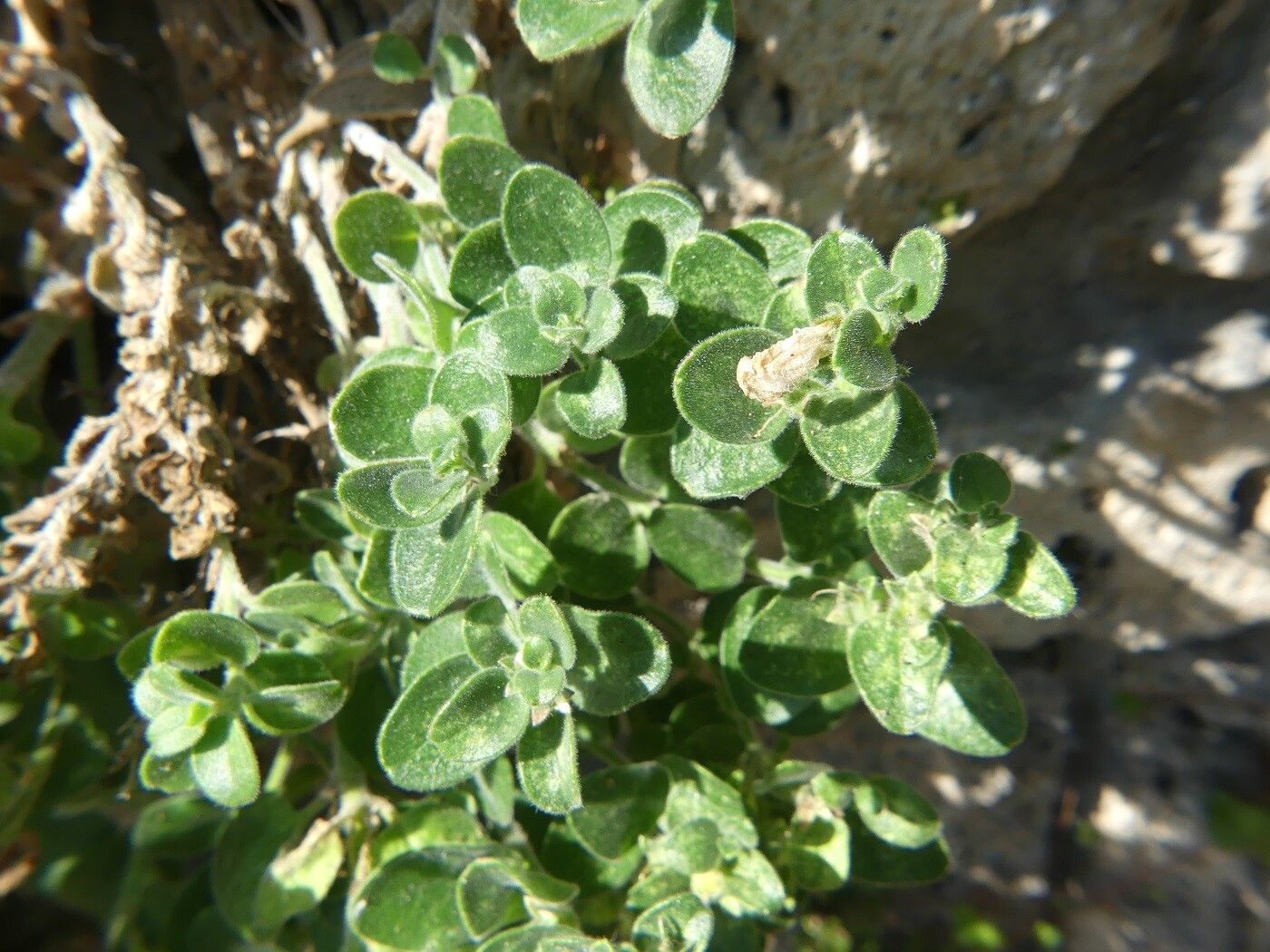
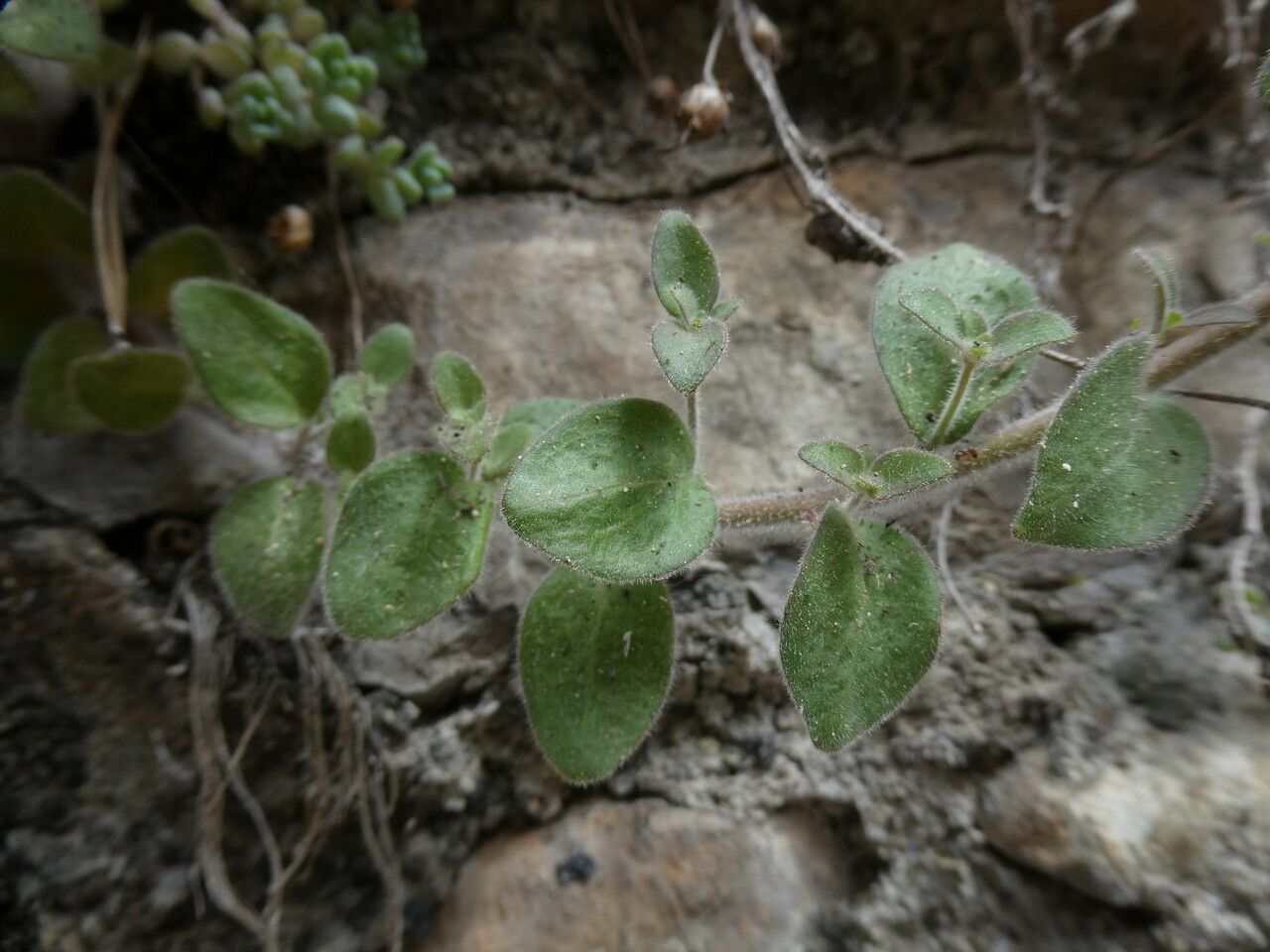
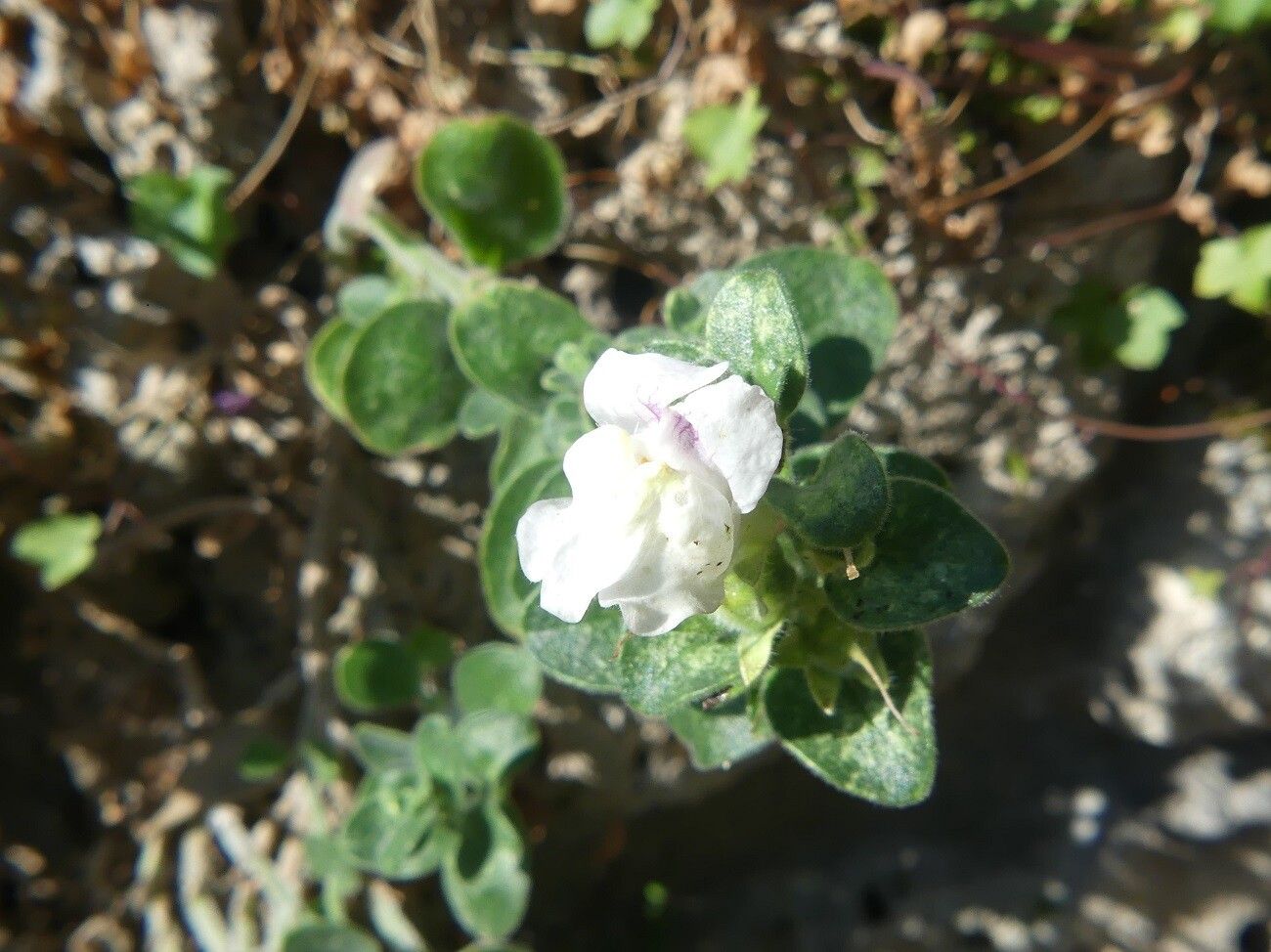
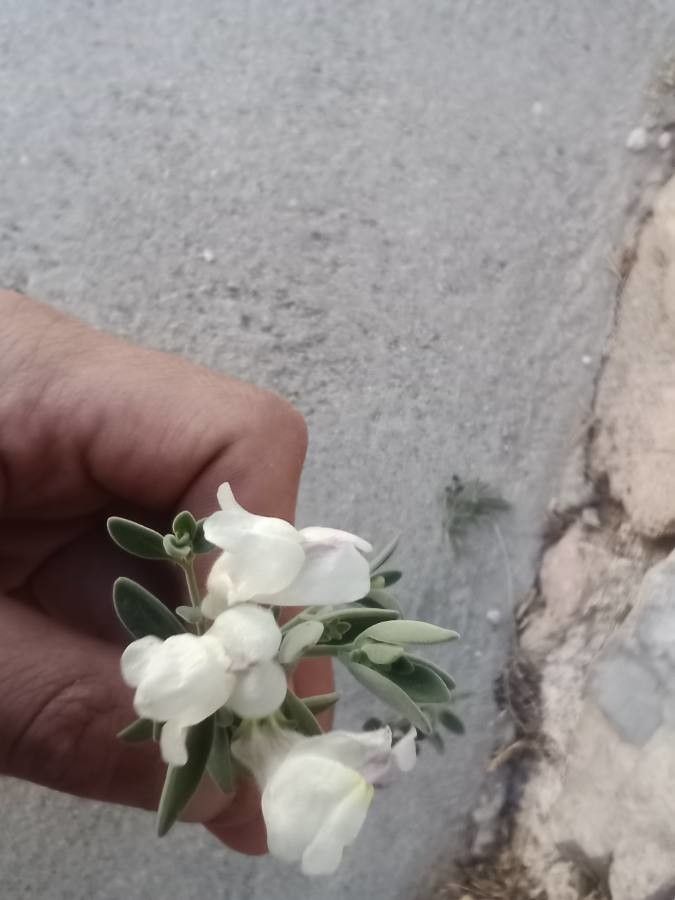
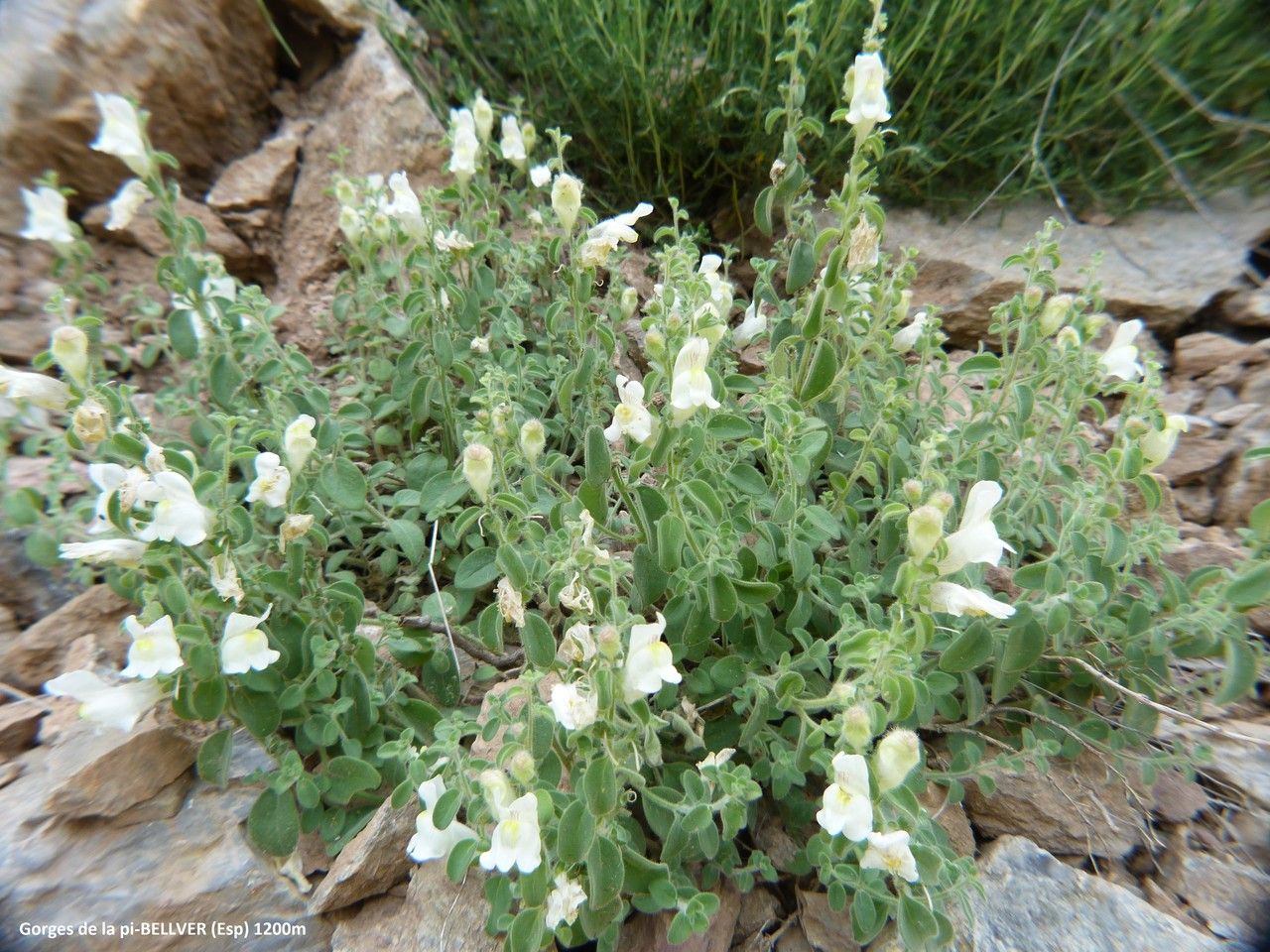
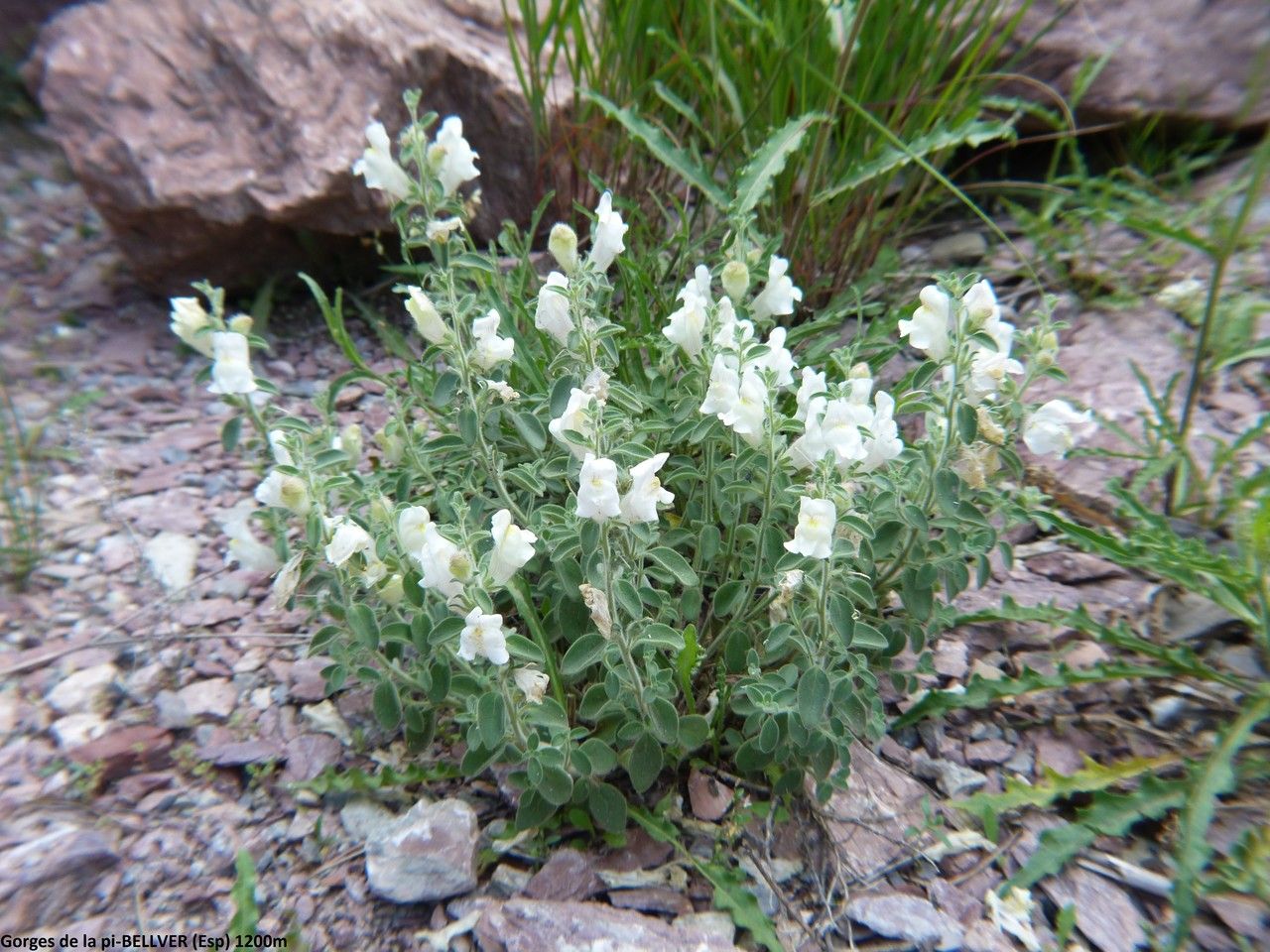
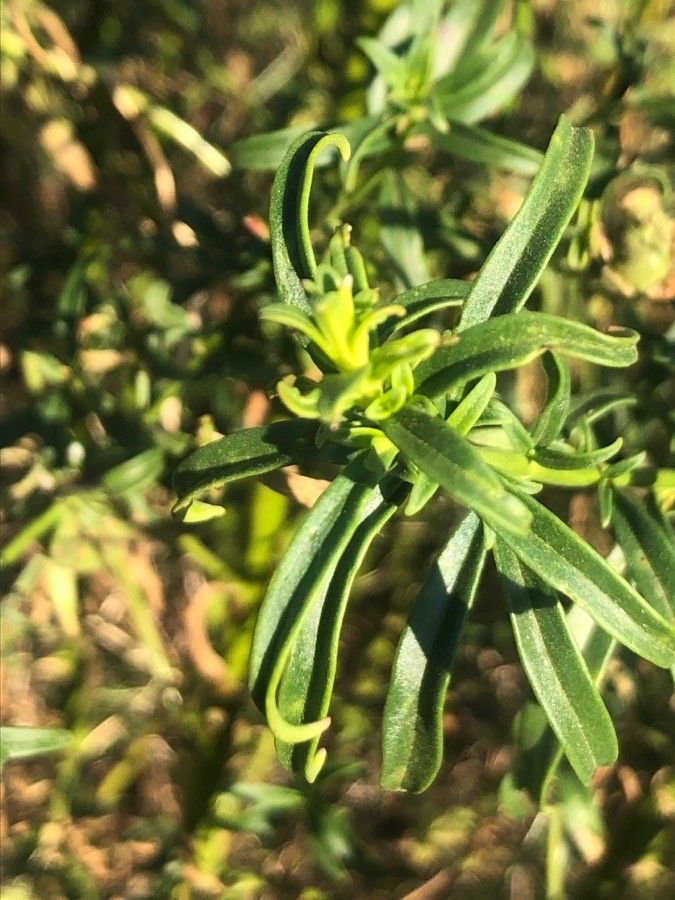
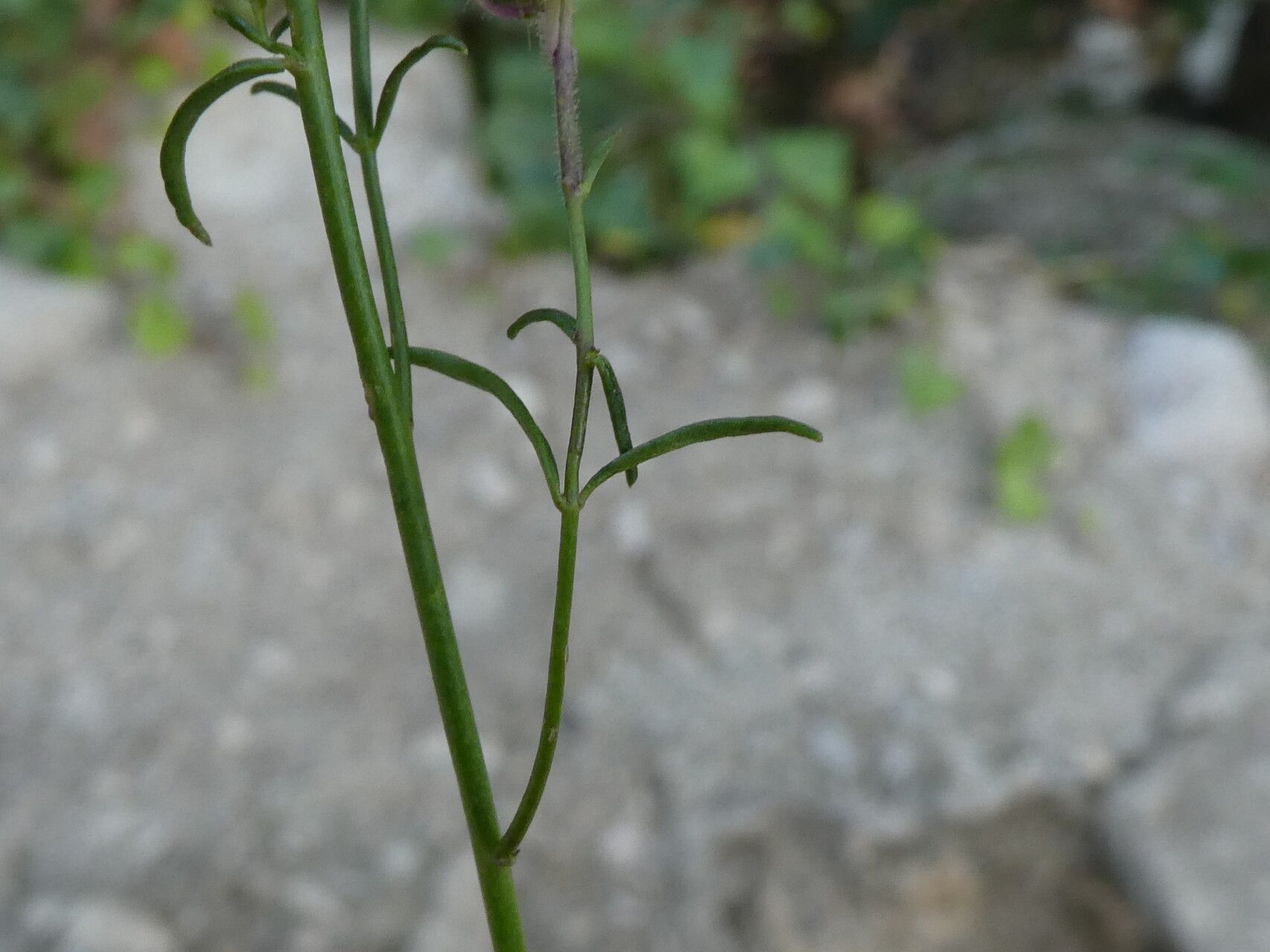
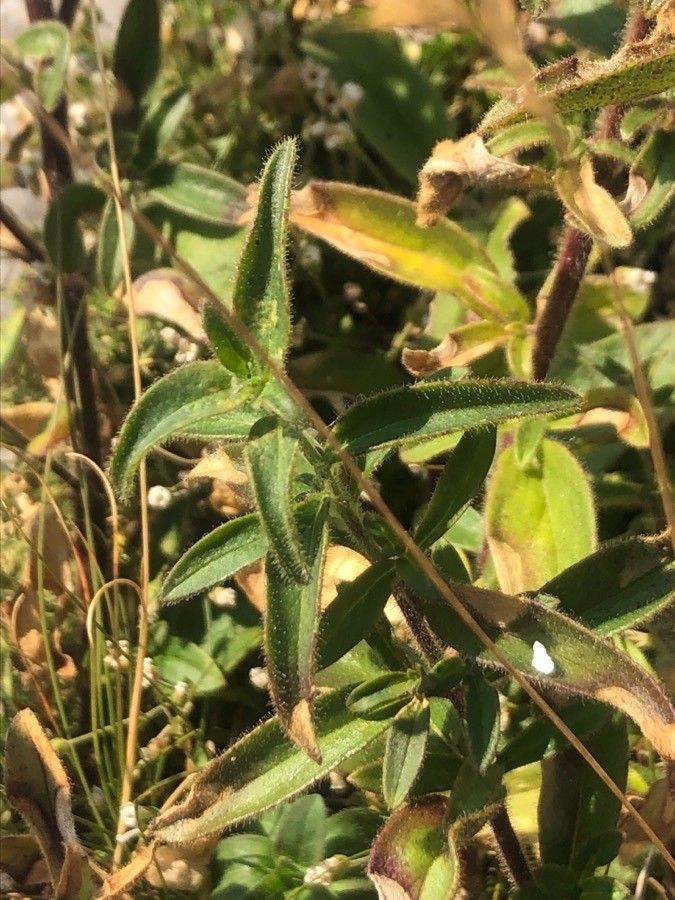
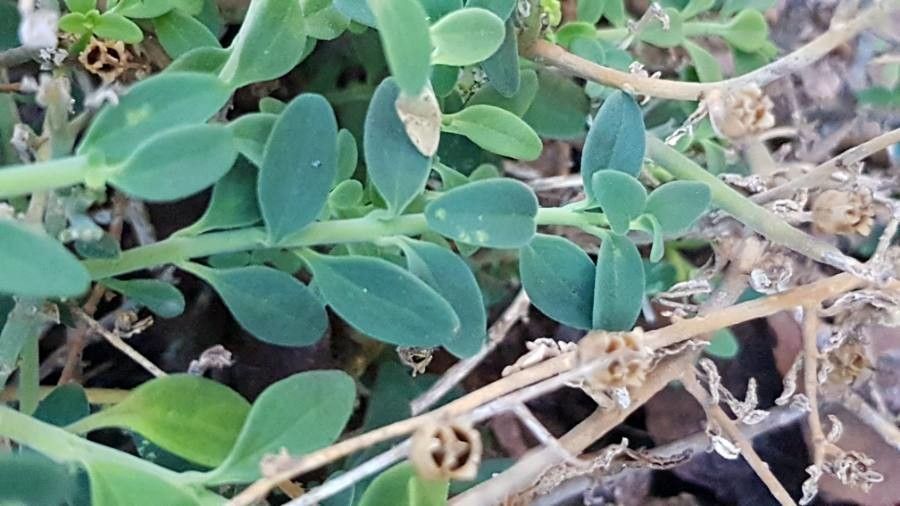
Antirrhinum molle, the dwarf snapdragon, is a species of flowering plant in the family Plantaginaceae. It is native to northeastern Portugal, the central and eastern Pyrenees, and adjacent areas of northern Spain. Available from commercial suppliers, it is a semi‑evergreen subshrub reaching 15 to 20 cm, with 3 cm (1.2 in) white to pale pink flowers.
Spanish snapdragon displays strong resistance to disease and is typically not very susceptible to illnesses. Still, it can be affected by pests and diseases present in its environment. Such infections are generally mild. Regarding care, this plant demands moderate maintenance. It should be pruned on a regular basis to preserve a neat appearance and promote healthy growth. Applying fertilizer can also encourage flowering. Spanish snapdragon is well suited for anyone with outdoor space, like a garden or patio, and does not require extensive care experience. It may need more attention when cultivated indoors.
How to keep Antirrhinum Molle.
Light
Spanish snapdragon is a sun-loving, herbaceous perennial that originates in open habitats and is often found growing in meadows and grasslands. It prefers full sun but is also able to tolerate partial sun.
Water
Water snapdragons weekly, allowing the top 2.5 cm (1 inch) of soil to dry out between watering sessions. Concentrate on watering the root crown and do so in the morning to keep the leaves dry. Make sure the soil is well-drained to encourage healthy growth.
Fertilizer
The best time to fertilize a Spanish snapdragon is in early spring, as it comes out of dormancy and begins active growth. Feeding supplies essential nutrients for healthy development. Even though Spanish snapdragon requires relatively little fertilizer, applying it annually can improve its survival and encourage better, longer-lasting flowers.
Pruning
Soft snapdragons flourish when strategically pruned from early to late spring. This pruning helps stimulate growth and remove damaged parts. Pinching back young shoots encourages a bushier plant, enhances air circulation, reduces the risk of disease, and extends the blooming period. As a result, the plant's overall health and aesthetic appeal are improved.
Botanical profile.
- Plant Type
- Herb
- Life Cycle
- Perennial
- Genus
- Antirrhinum
- Family
- Plantaginaceae
- Hardiness Zone
- 7-10
- Mature Height
- 20 cm to 40 cm
- Mature Spread
- 15 cm to 30 cm
- Leaf Color
- Green
- Leaf Type
- Deciduous
- Flower Color
- Pink, White, Purple
- Flower Size
- 2.03 cm to 3.05 cm
- Bloom Time
- Mid spring, Late spring, Summer, Early fall
- Planting Time
- Spring, Summer
- Harvest Time
- Summer, Fall
- Native Area
- Morocco, Spain
Other names.