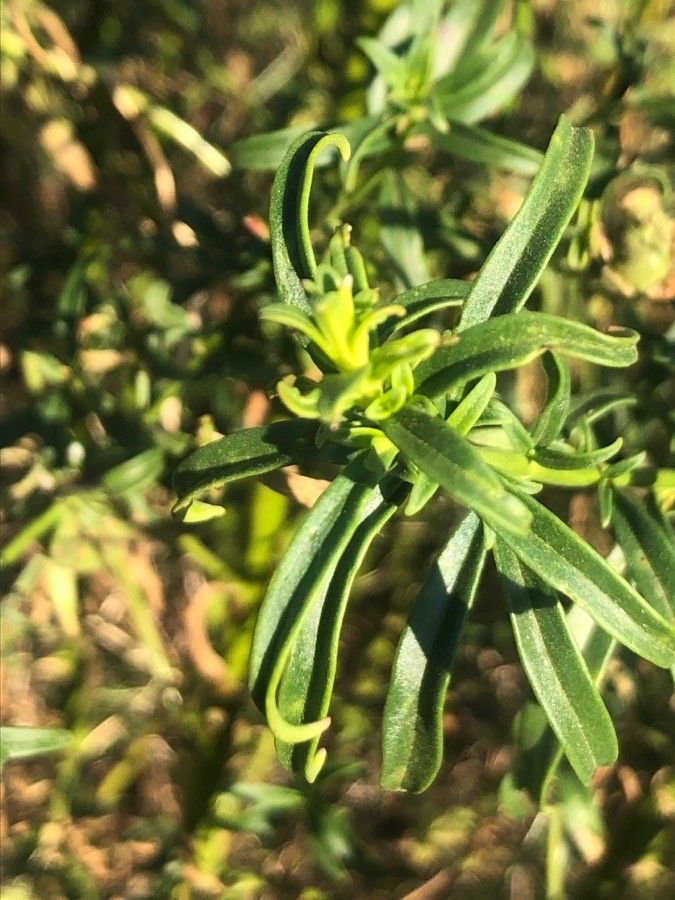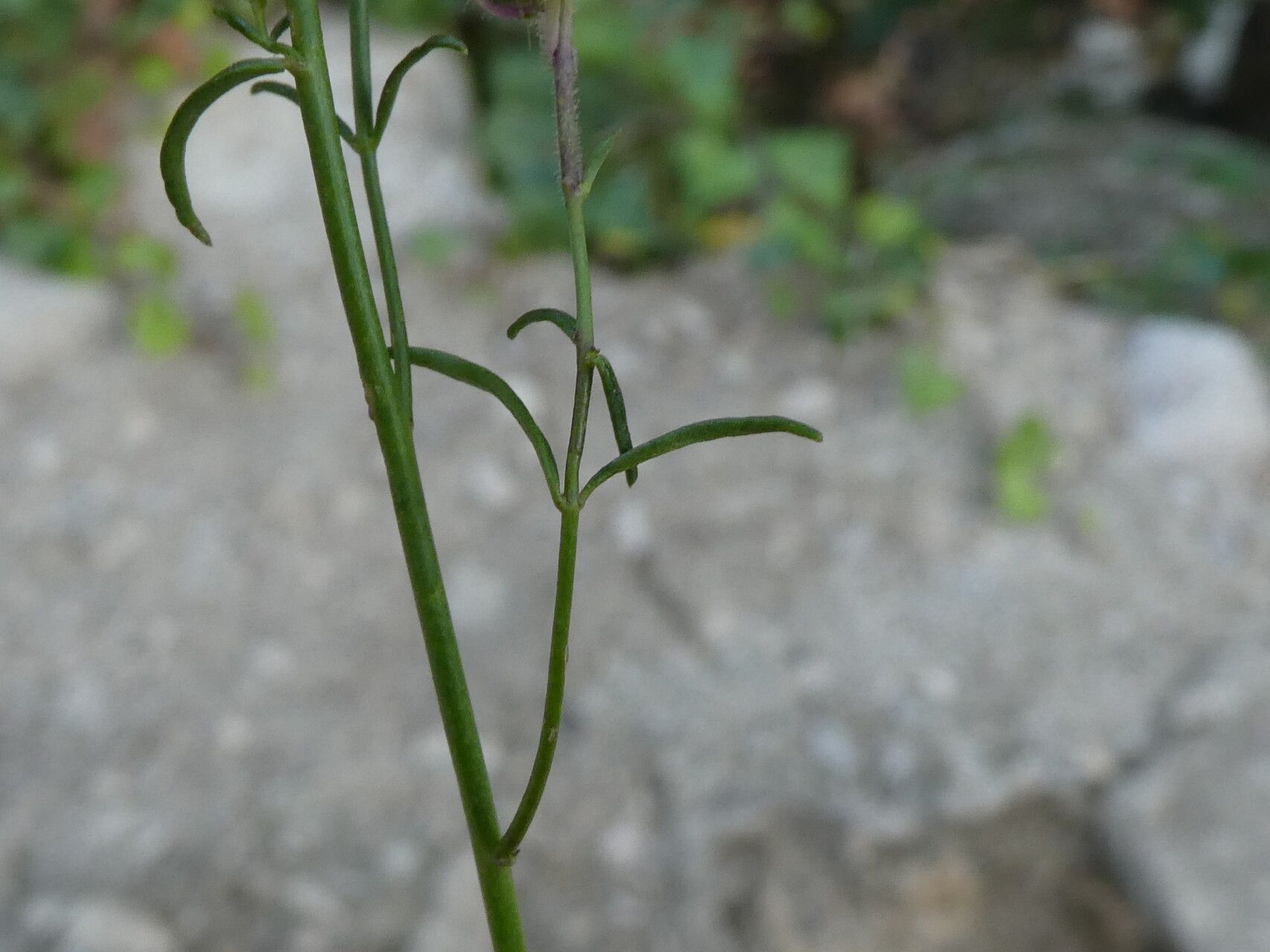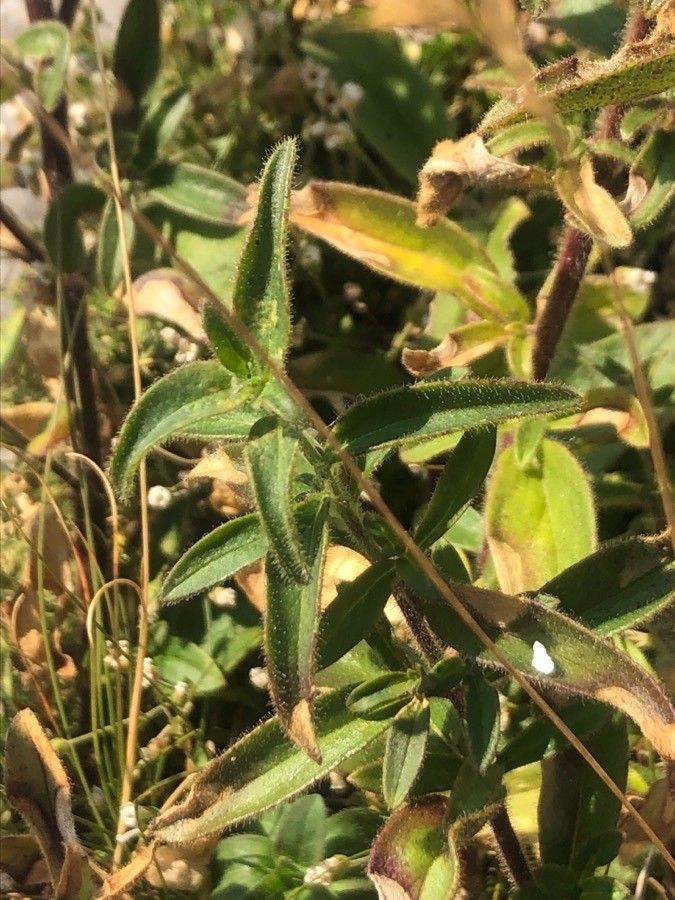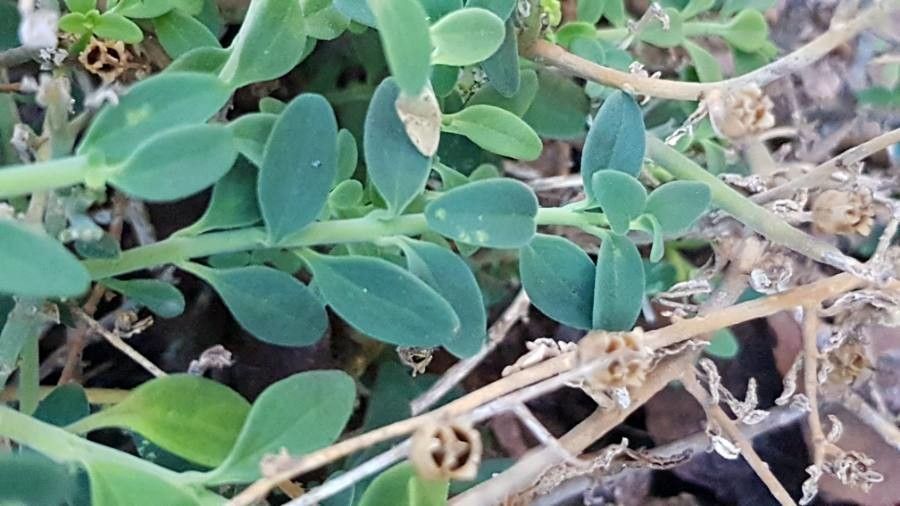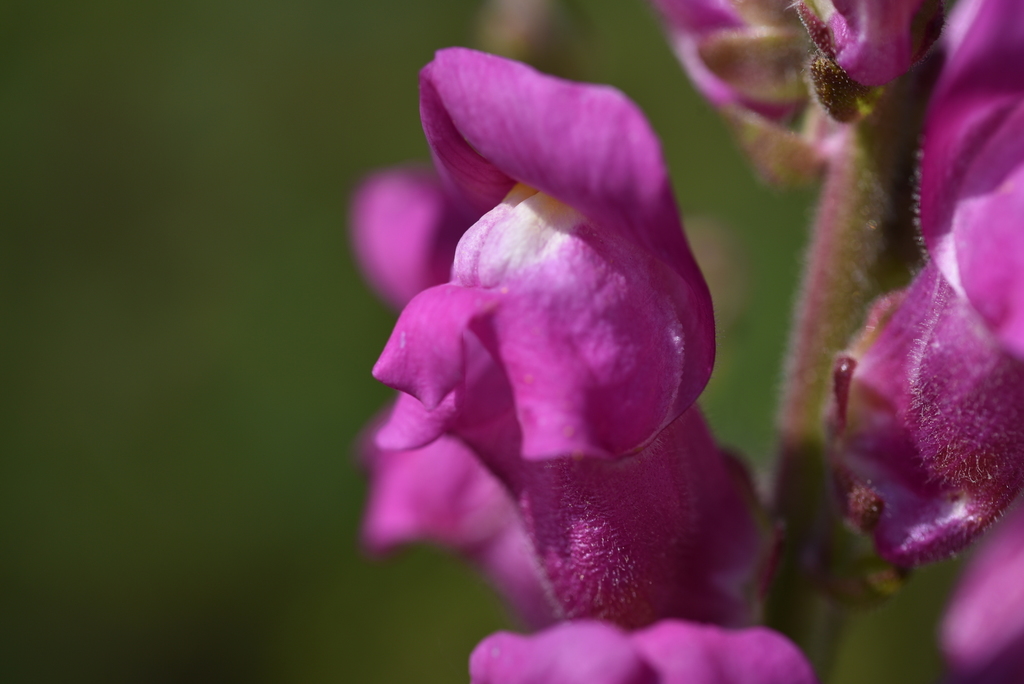
Antirrhinum majus, commonly known as snapdragon, is a flowering plant belonging to the family Plantaginaceae. Native to the Mediterranean region, it has been widely cultivated as an ornamental plant in gardens and parks worldwide. The plant can grow up to 1 meter tall and features lance-shaped leaves arranged in a spiral pattern along its stem.
Snapdragon flowers are showy and available in a variety of colors, including pink, red, yellow, orange, white, and purple. The flowers have two lips that, when squeezed from both sides, resemble the face of a dragon, which is how the plant got its common name. These vibrant blooms appear from late spring through summer.
Antirrhinum majus prefers well-drained soil and full sun exposure but can also tolerate partial shade. It is easy to grow from seeds or cuttings and requires regular watering during dry periods.
In addition to being an attractive garden plant, Antirrhinum majus has medicinal properties. Its leaves have been traditionally used to treat respiratory ailments such as coughs and bronchitis due to their expectorant properties.
Overall, Antirrhinum majus is an easy-to-grow favorite for gardens, offering beautiful blooms that add color throughout the summer months. It also has medicinal benefits for respiratory health when used appropriately by trained professionals or under medical supervision.
Snapdragon is fairly disease-resistant and typically does not suffer from many illnesses. Nevertheless, it can be affected by pests and diseases present in its surroundings. Such infections are generally not severe. Regarding care, this plant needs moderate maintenance. It should be pruned regularly to maintain a neat appearance and healthy growth. Fertilizing can also help encourage flowering. Snapdragon is suitable for people with outdoor space, such as a garden or patio, and does not require extensive gardening experience. It may demand more attention when grown indoors.
How to keep Antirrhinum Majus.
Light
Snapdragon prefers plenty of sunlight and can also tolerate moderate light. Sufficient light is essential for its healthy growth and influences several stages of development. Its native habitat indicates it is adapted to places with considerable sun exposure. Excessive sun can cause wilting, while too little light restricts its growth.
Water
Garden snapdragon thrives in Mediterranean climates and demonstrates moderate drought tolerance. Once established, it requires consistent moisture and needs to be watered twice a week. As a herbaceous perennial, using mulch can help retain moisture, decrease the need for frequent watering during hot periods, and enhance its vibrant blossoms.
Humidity
This plant will thrive in moderate humidity, which is probably the level in your home. However, misting it a few times a week can be very beneficial. Make sure the room has good ventilation.
Temperature
Snapdragon is native to areas with temperatures ranging from 68 to 95 °F (20 to 35 °C). It flourishes at those temperatures, though seasonal adjustments can be made for optimal growth.
Fertilizer
The best time to fertilize a snapdragon is in early spring, as it breaks dormancy and starts active growth. Fertilizing supplies important nutrients for healthy development. Although snapdragons have relatively low fertilizer requirements, giving them fertilizer annually can improve their survival and encourage better, longer-lasting blooms.
Pruning
The garden snapdragon is a vibrant and fast-growing perennial known for its dragon-shaped flowers. To encourage growth, improve air circulation, and reduce the risk of disease, prune the plant in early to late spring. This involves deadheading the blooms and removing weak stems. Be sure to use sharp, clean tools to make precise cuts and maintain the plant's health.
Pot & Repot
When repotting Snapdragon, select a pot 1-2 inches (2.5–5.1 cm) larger with good drainage. Use a well-draining potting mix. Repot in spring or fall, making sure the root ball is slightly lower than the rim of the flower pot. Water thoroughly after repotting and place in a warm spot with indirect sunlight.
Toxicity
Snapdragons are non-toxic for both people and pets, though they are generally not meant to be eaten.
Further reading →
The toxicity and danger assessments provided are for reference only. We do not assure their accuracy, so it's crucial not to depend on them. Seek professional advice when necessary for accurate guidance.
Botanical profile.
- Plant Type
- Herb
- Life Cycle
- Perennial, Annual, Biennial
- Genus
- Antirrhinum
- Family
- Plantaginaceae
- Hardiness Zone
- 7-10
- Mature Height
- 20 cm to 91 cm
- Mature Spread
- 10 cm to 49 cm
- Leaf Color
- Green
- Leaf Type
- Deciduous
- Flower Color
- Red, Pink, Yellow, White, Purple
- Flower Size
- 1.52 cm to 5.08 cm
- Bloom Time
- Spring, Early summer, Late summer, Fall, Winter
- Planting Time
- Spring
- Harvest Time
- Late spring, Summer, Fall, Winter, Early spring, Mid spring
- Native Area
- Germany, Portugal, Italy, Spain, France
Other names.
Reader questions.
When should I water my garden snapdragon?
Watering your garden snapdragon is essential when the top 1 to 2 inches of soil around the plant's base are dry to the touch. The condition of the leaves can also signal when watering is necessary; if they appear wilted or begin to lose their vibrant color, it's time to water. During the pre-flowering stage, consistent watering is crucial to prevent bud drop. Keep in mind that garden snapdragon requires more water during periods of warm temperatures and high sunlight exposure. However, be cautious not to water too early or too late, as both over-watering and under-watering can lead to issues such as root diseases or plant stress.
Why is it important to add fertilizer to my Garden snapdragon?
Fertilization plays an important role in the growth of Garden snapdragons. By providing essential nutrients, fertilization supports the plant's growth above and below the ground. Although Garden snapdragons have relatively low fertilization needs and can sometimes survive without it, annual fertilization is highly beneficial. It not only helps the plant thrive but also enhances the quality and longevity of its flowers. Therefore, if you want your Garden snapdragon to look its best, regular fertilization is recommended.
What are the sun requirements for garden snapdragons?
Garden snapdragons thrive best when exposed to full sun, which means they require more than 6 hours of sunlight daily. However, they can also tolerate partial sun conditions, which provide about 3 to 6 hours of sunlight. It's crucial to observe how sunlight moves through your garden throughout the day and choose planting spots that offer the right balance of light and shade to ensure the plants grow healthy and happy.
What is the native climate for Garden Snapdragon?
Garden Snapdragon is native to regions where the temperature ranges from 68 to 95°F (20 to 35°C), thriving in these temperatures. However, the plant has strong resistance to cold, generally not requiring special frost protection measures during winter. If winter temperatures are expected to drop below -15°C, cold protection should be provided by covering the plant with soil or straw. It is also recommended to water the plant abundantly before the first freeze in autumn to ensure the soil remains moist and enters a frozen state, helping prevent drought and water scarcity for the plant during winter and early spring.
How should I water my garden snapdragon?
The ideal watering approach for garden snapdragon is bottom watering, which encourages the roots to absorb moisture directly from the bottom of the pot, thus preventing disease by avoiding excess moisture on the surface and foliage. If bottom watering isn't possible, use a watering can with a long spout to direct water to the base of the plant. Incorporating a moisture meter into your routine can help determine when watering is needed by removing guesswork. Focus on ensuring that the water reaches the soil around the plant's base without wetting the foliage to prevent fungal diseases.
When should I fertilize my Garden snapdragon?
The best time to fertilize a Garden snapdragon is in late winter to early spring when it is coming out of dormancy and starting to grow. Fertilizing at this time helps promote healthy growth for the season. While it's generally most beneficial to fertilize in early spring, it's also okay to fertilize in the fall. However, it's not recommended to feed the plant during summer or winter.
What are the essentials of sunlight exposure for garden snapdragons?
Garden snapdragons significantly benefit from abundant sunlight exposure and can also tolerate moderate levels of sunlight, crucial for their healthy growth and development through various stages. Originating from areas with substantial sun exposure, these plants can withstand overexposure to an extent, although it can lead to wilting, while insufficient light will limit their growth. In situations where natural sunlight is lacking, especially during winter or in less sunny spaces, artificial lighting can be a great solution to ensure optimal growth. It's recommended to use artificial lights such as LEDs, which can be adjusted to meet your plants' specific light wavelength needs, ensuring healthier growth. For full sun plants, 30-50W/sq ft of artificial light is needed, partial sun plants require 20-30W/sq ft, and full shade plants need 10-20W/sq ft.
How does Garden Snapdragon respond to low temperatures?
Garden Snapdragon is cold-tolerant and performs best when temperatures stay above 20°C. During winter, the plant should ideally be kept above 0°C. Exposure to temperatures below -15°C might not show noticeable changes during winter, but it can lead to reduced sprouting or even no sprouting during spring. In spring, it's advisable to remove any parts of the plant that have failed to sprout as a solution to these issues.
How much water does garden snapdragon really need?
The garden snapdragon requires enough water to soak the soil thoroughly, reaching its moderately deep root system. The frequency and amount of water needed depend on the size of the plant and the pot, with larger and more mature plants in larger pots typically needing watering every 3-4 days. Each watering session may require about 1-2 liters of water. Look for signs of proper hydration, such as green and glossy leaves, and avoid over-watering which can lead to yellowing leaves, root rot, or mold. Using well-draining soil and monitoring the soil moisture can help maintain optimal watering levels.
When should I not put fertilizer on my Garden snapdragon?
To properly fertilize your Garden snapdragon, it is recommended to do so only during the late winter and early spring. This plant has minimal fertilization requirements and a single annual feeding should be sufficient. Overfertilization can occur if you continue to fertilize throughout spring, summer, and fall. However, there is an exception if you missed fertilizing in the spring - in this case, it is acceptable to provide a feeding in the fall. Additionally, it is not necessary to fertilize the Garden snapdragon during the winter as it enters a dormant growth phase and does not produce new growth. Therefore, fertilizing during most of the winter is not advised.
What are the symptoms of incorrect sunlight exposure for garden snapdragons?
Incorrect sunlight exposure can lead to several symptoms in garden snapdragons. In inadequate light, new leaves may appear smaller and plants might exhibit leggy or sparse growth. There's also a possibility of faster leaf drop as the plant tries to conserve resources. Other symptoms include slower or no new growth, leaves developing pale or lighter-colored due to insufficient sunlight, and chlorosis, which means leaves turn yellow due to a lack of chlorophyll. Excessive sunlight exposure can cause symptoms like sunscald, leaf curling as a defense against water loss, wilting due to increased transpiration, and leaf scorching characterized by brown, dry edges on leaves.
What should I do if my Garden Snapdragon experiences high temperatures?
During summer, it's important to ensure that temperatures around the Garden Snapdragon remain below 35°C. If the temperature rises above 41°C, you might notice the leaves becoming lighter in color, curling, and even getting sunburned, with the plant potentially wilting and drying out in severe cases. To mitigate these effects, trim away sunburned and dried-up parts of the plant. Move the plant to a location with shade during the midday and afternoon sun, or use a shade cloth. Watering the plant in the morning and evening can also help keep the soil moist and support the plant's health in high temperatures.