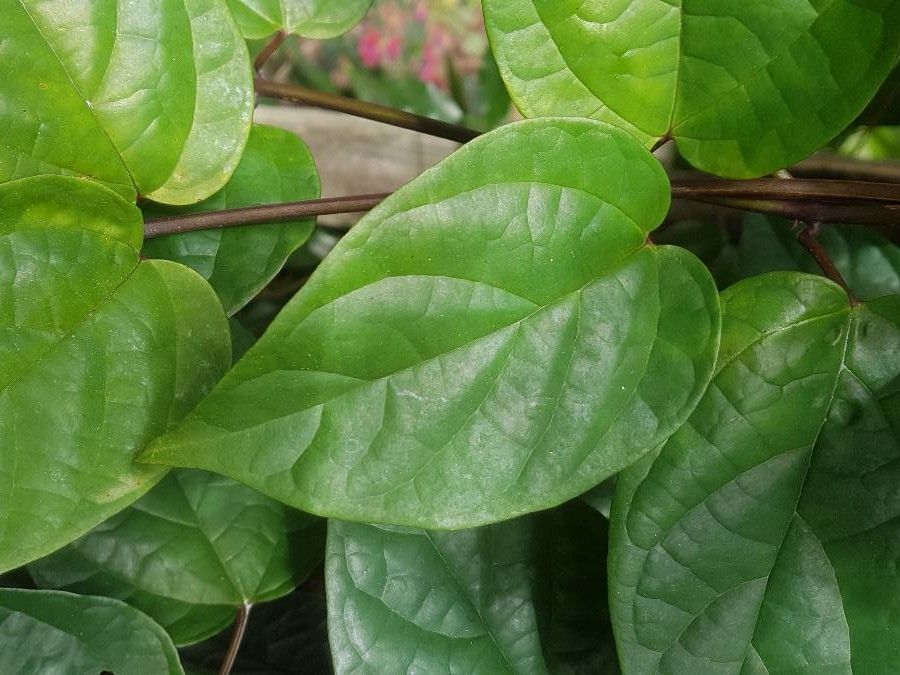
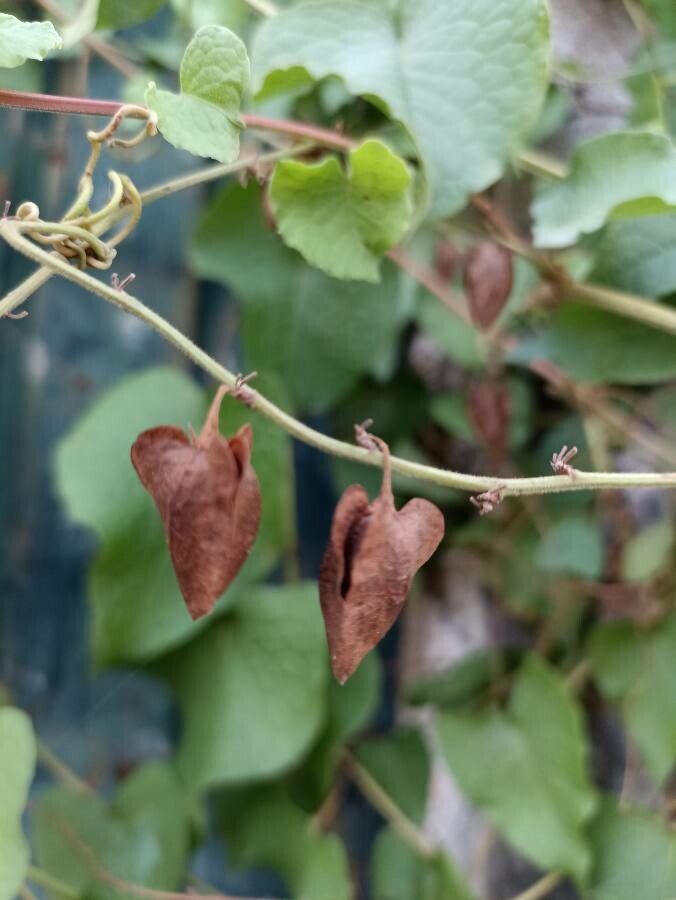
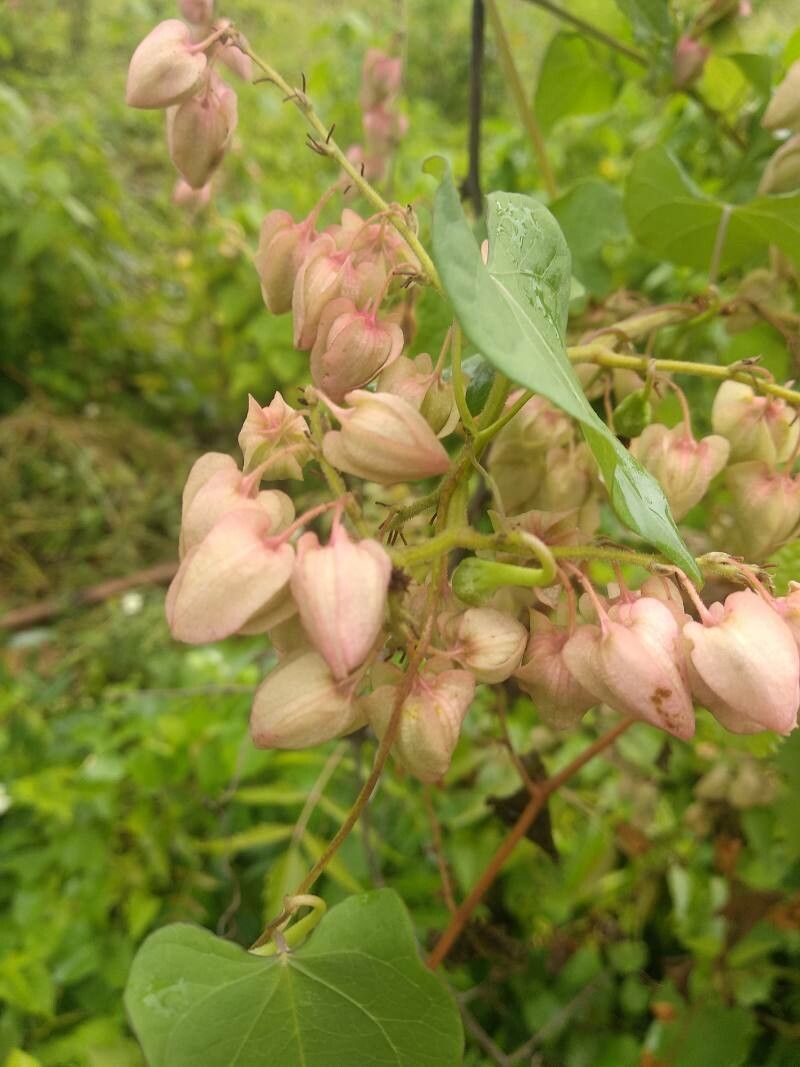
Antigonon leptopus, commonly known as Coral Vine or Queen's Wreath, is a fast-growing perennial vine belonging to the Polygonaceae family. Native to Mexico and Central America, it has been introduced and naturalized in many parts of the world. This plant can reach lengths of up to 30 feet and features heart-shaped leaves measuring 2-4 inches long.
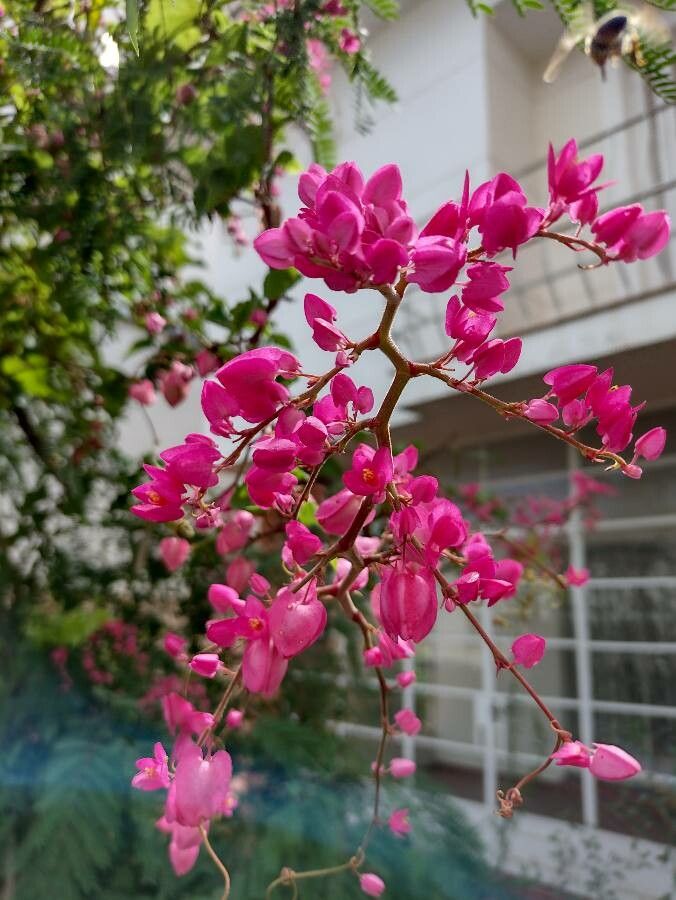
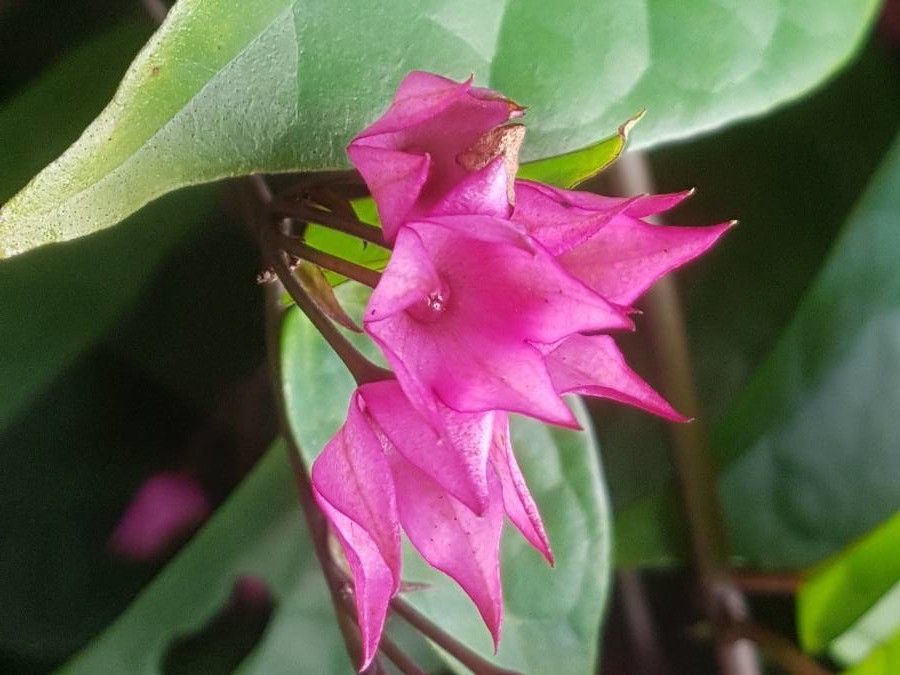
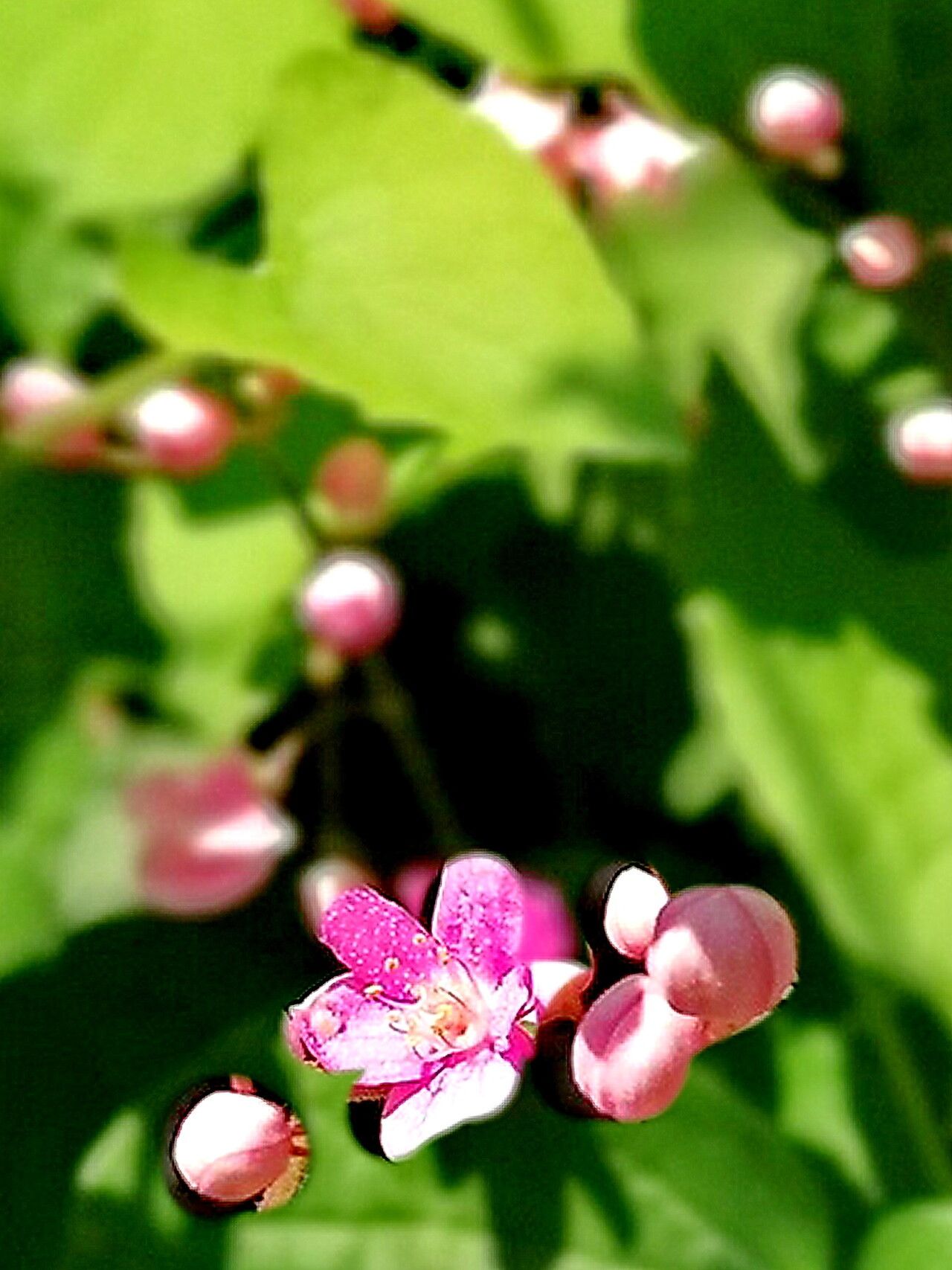
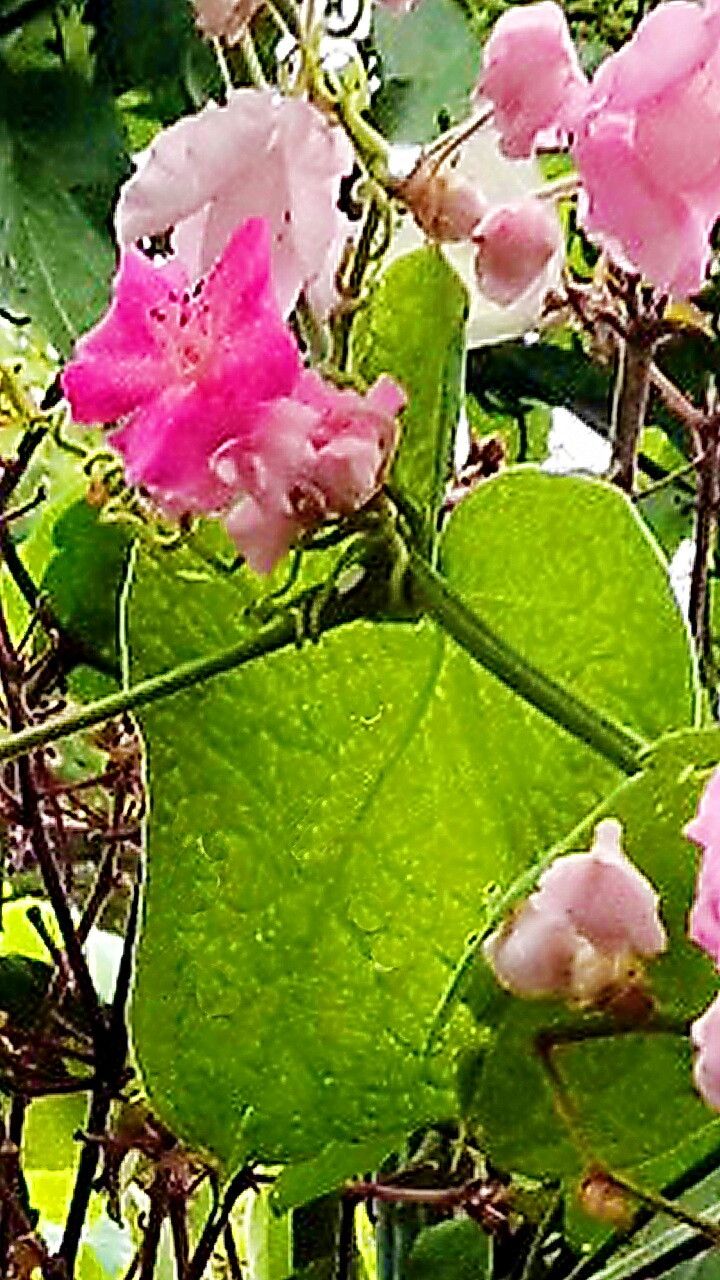
The most striking feature of Antigonon leptopus is its beautiful pink or white flowers, which bloom from summer through fall. While small—only about 1 inch in diameter—the flowers grow in large clusters that can reach up to a foot in length. Each flower has five petals with a distinctive heart-shaped base and emits a delightful fragrance.
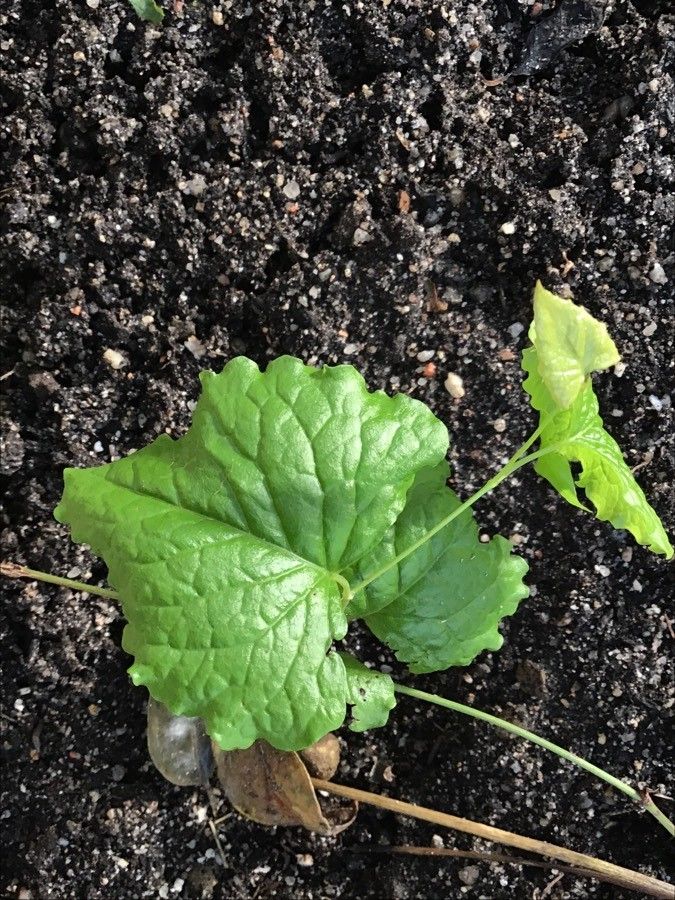
Antigonon leptopus thrives in full sun but can also tolerate partial shade. It prefers well-drained soil and requires moderate watering once established. The plant can be propagated by seeds or stem cuttings.
Beyond its ornamental appeal, Antigonon leptopus has medicinal properties thanks to its high flavonoid and antioxidant content, which have been shown to be effective against inflammation-related conditions such as arthritis.
Overall, Antigonon leptopus is an easy-to-grow plant with beautiful flowers that add color and charm to any garden. Additionally, it offers potential health benefits for those who use it medicinally.
Coral vine has strong resistance to disease and typically does not suffer from illnesses. Still, it can be affected by pests and diseases found in its environment, though these problems are generally mild. Regarding care, the plant demands a moderate level of attention. Regular pruning is necessary to preserve an attractive appearance and encourage healthy growth. Applying fertilizer can also help stimulate blooming. Coral vine is well suited for anyone with outdoor areas like a garden or patio and does not call for extensive gardening experience. It may need more attentive care when cultivated indoors.
How to keep Antigonon Leptopus.
Light
Coral vine grows best with maximal exposure to sunlight for most of the day. It can also tolerate average light conditions. Having originated in sunny habitats, it generally does better with plenty of light. Insufficient or excessive light can stunt its growth and reduce flowering.
Water
Coral vine thrives in tropical climates and needs regular watering to grow well, but it's important to ensure the soil is not waterlogged. To achieve optimal growth, water it once a week. As an ornamental vine, it flourishes during the rainy growing season, producing lush foliage and vibrant flowers.
Temperature
Coral vine comes from tropical areas, where the weather is generally warm and humid. Consequently, it is adapted to high heat and moisture. It dislikes sudden temperature shifts and prefers a steady thermal environment, so avoiding temperature fluctuations indoors is important. It typically cannot tolerate cold and needs warmer conditions to grow. If the surrounding temperature falls too low, the plant may stop growing or even die.
Fertilizer
Proper feeding is essential for Coral vine's health and appearance. Feed Coral vine in summer, repeating the application monthly throughout the season. Nutrients provide energy for growth and preserve the plant's parts. Fertilizing boosts Coral vine's floral display, ensuring the best blooms.
Pruning
Coral vine is a vigorous climbing plant with heart-shaped leaves and vibrant flowers. To promote new growth, improve air circulation, and control its size, prune it in early spring or late winter. Trimming older canes encourages blooming and helps maintain the plant's structure, enhancing its overall health.
Pot & Repot
To ensure optimal growth for your coral vine, repot it every 2-3 years during the spring. Select a deep container and place the plant in an area with partial shade. After repotting, water the plant moderately. Use well-draining soil to prevent root rot, promoting a healthy recovery and vibrant foliage.
Botanical profile.
- Plant Type
- Herb, Vine
- Life Cycle
- Perennial
- Genus
- Antigonon
- Family
- Polygonaceae
- Hardiness Zone
- 10-13
- Mature Height
- 2.44 m to 3.05 m
- Mature Spread
- 0.91 m to 1.83 m
- Leaf Color
- Green
- Leaf Type
- Evergreen
- Flower Color
- Pink
- Flower Size
- 0.76 cm to 1.02 cm
- Bloom Time
- Mid summer, Late summer
- Planting Time
- Spring
- Harvest Time
- Mid summer, Late summer, Fall
- Native Area
- Belize, Honduras, Mexico, Guatemala, Peru, El Salvador, Nicaragua, Costa Rica, Panama
Other names.
Reader questions.
How should I water my Coral vine?
When watering the Coral vine, it's best to use filtered water at room temperature. Tap water can harm the plant because it may contain harmful particles. The Coral vine prefers warm water because it naturally thrives in warm environments and cold water can shock its system. To prevent foliage issues, avoid watering the plant from above. Instead, apply filtered room temperature water directly to the soil until it is completely soaked. This helps the roots absorb necessary nutrients and encourages their spread throughout the soil.
Why should I put fertilizer on my Coral vine?
Fertilization is important for the growth of the Coral vine. It provides essential nutrients for both above and below ground growth. While the Coral vine has relatively low fertilization needs and can survive without it, annual fertilization can greatly benefit the plant. It helps keep the plant alive and improves flower quality and longevity. Therefore, those wanting their Coral vine to look its best should annually fertilize it.
What are the sunlight requirements for Coral Vine?
Coral Vine, or Antigonon leptopus, flourishes best in environments where it is exposed to full sun, meaning it receives more than 6 hours of sunlight daily. However, it can also thrive under partial sun conditions, which provide about 3 to 6 hours of sunlight. It's crucial to monitor how sunlight moves through your garden to find spots that offer an ideal balance of light and shade, ensuring your plants remain healthy and happy.
What is Coral Vine?
Coral Vine, scientifically known as Antigonon leptopus, is a plant recognized for its distinct characteristics. Unfortunately, there are no details provided regarding its essentials or symptoms in the provided information.
What should I do if I give my Coral vine too much water or too little water?
Coral vines can be negatively affected by both overwatering and underwatering, but overwatering is a more common issue. When the Coral vine gets too much water, its stems and leaves may wilt and turn yellow. Prolonged overwatering can also lead to diseases like root rot, mold, and mildew, which can be fatal for the plant. Underwatering is less likely to happen because the Coral vine is somewhat tolerant of drought. However, when it does occur, the leaves may become brittle and brown. It's important to recognize the signs of overwatering early on. Some diseases caused by overwatering, such as root rot, may become irreparable if not addressed promptly. If you notice early signs of overwatering, reduce your watering routine immediately. Additionally, assess the soil quality where your Coral vine is planted. If the soil doesn't drain well, replace it with a loose, well-draining potting mix. Conversely, if you notice signs of insufficient watering, simply water more regularly until those signs disappear.
When should I fertilize my Coral vine?
The best time to fertilize a Coral vine is late winter to early spring when it is coming out of dormancy and beginning to grow actively. This will give the plant a strong start for the season. While it is generally recommended to fertilize in early spring, it is also acceptable to fertilize in the fall. However, it is not advisable to fertilize during summer or winter.
What are the essential care tips for Coral Vine?
Coral Vine thrives in abundant sunshine for the majority of the day but can tolerate average light conditions. Originating from sunny environments, Coral Vine grows better with ample light. Both underexposure and overexposure to sunlight can impede growth and blooming. For indoor plants, where natural light is insufficient, especially in winter or less sunny spaces, artificial lighting can significantly promote healthier growth. LED lights, providing 30-50W/sq ft for full sun plants, 20-30W/sq ft for partial sun plants, and 10-20W/sq ft for full shade plants, are recommended. The artificial light source should be placed 12-36 inches above the plant for 8-12 hours per day to mimic natural sunlight conditions.
How frequently should I water my Coral vine?
If your Coral vine is in a pot, the best way to check if it needs water is by sticking your finger in the soil. If the top two to three inches of soil feel dry, then it's time to water your plant. For outdoor Coral vines planted in the ground, you can use a similar method to test the soil. Once again, if the top few inches of soil are dry, it's time to water. Typically, during the spring and early fall, you'll need to water your plant about once a week using this method. However, during extremely hot weather, you may need to water it twice or more per week. That being said, mature Coral vines that are well-established have an impressive ability to withstand drought.
When should I not put fertilizer on my Coral vine plant?
To properly care for your Coral vine, it is recommended to only fertilize during the late winter and early spring. This plant has low fertilization needs, so a single annual feeding is sufficient. Fertilizing during spring, summer, and fall can result in overfertilization and various complications. However, if you happened to skip fertilizing in spring, it is acceptable to feed the plant in the fall. During the majority of the growing season, it is best to refrain from fertilizing. Additionally, there is no need to fertilize during the winter when the plant is in a dormant growth phase and does not produce new growth. Therefore, it is not recommended to fertilize during most of the winter.
What symptoms indicate Coral Vine is receiving inadequate sunlight?
When Coral Vine does not receive enough sunlight, several symptoms may manifest, such as smaller new leaves, leggy or sparse growth, quicker leaf drop, slower or stalled growth, and lighter-colored or irregularly patterned new leaves. Insufficient sunlight leads to a lack of chlorophyll and essential nutrients, signaling a need to adjust the plant's light exposure. Conversely, excessive sunlight can cause chlorosis, sunscald, leaf curling, wilting, and leaf scorching. These symptoms highlight the plant's struggle to adapt to its lighting conditions.
How much water does my Coral vine need? --> How much water does Coral vine require?
To properly water your Coral vine, be generous with the amount of water you give. Wait until the top two to three inches of soil are dry, then water thoroughly until the entire soil is soaked. Make sure to provide enough water that excess water flows out of the drainage holes at the bottom of the pot. If no excess water drains, it means you haven't watered enough. However, be careful not to let the water accumulate in the soil as it can harm the plant. Additionally, if water doesn't drain properly, it may indicate poorly draining soil, which is harmful to the plant's health. When the plant is outside, receiving about 1 inch of rain per week is sufficient.
What kind of fertilizer should I use for my Coral vine?
For optimal growth of Coral vine, using a general-purpose fertilizer with balanced amounts of the three main plant nutrients is recommended. However, certain nutrient blends can provide even better results. Many gardeners believe that high levels of phosphorus promote stronger roots and improved flowers, making it advisable to choose a phosphorus-rich fertilizer for Coral vine. It doesn't matter whether the fertilizer is in granular or liquid form, as long as it contains ample nutrients. In addition to manufactured fertilizers, you can also enhance the soil for your Coral vine using organic methods such as compost, manure, and similar materials. These organic additions play a significant role in creating a healthy growing medium.