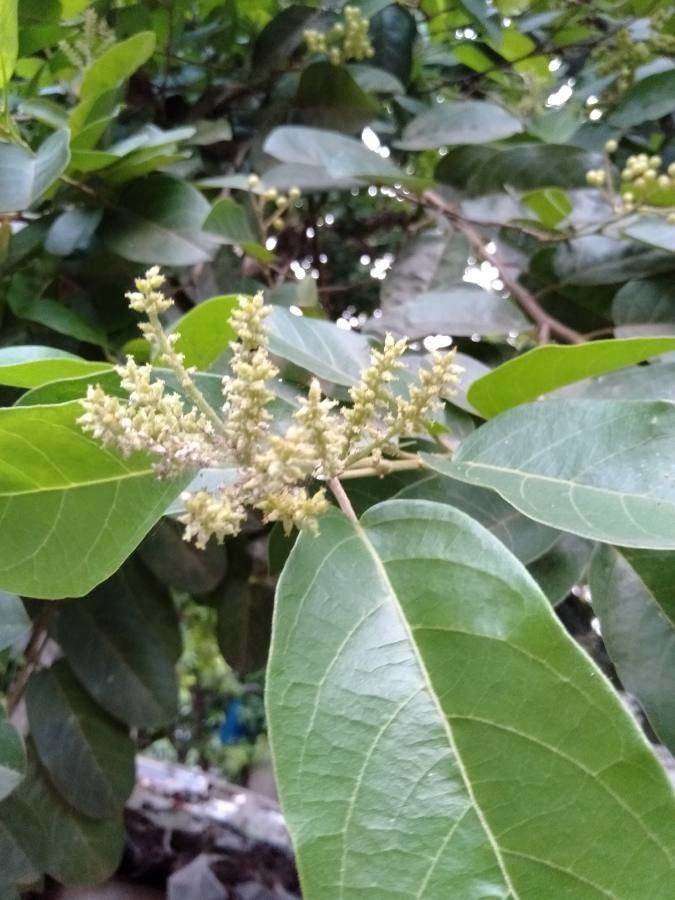
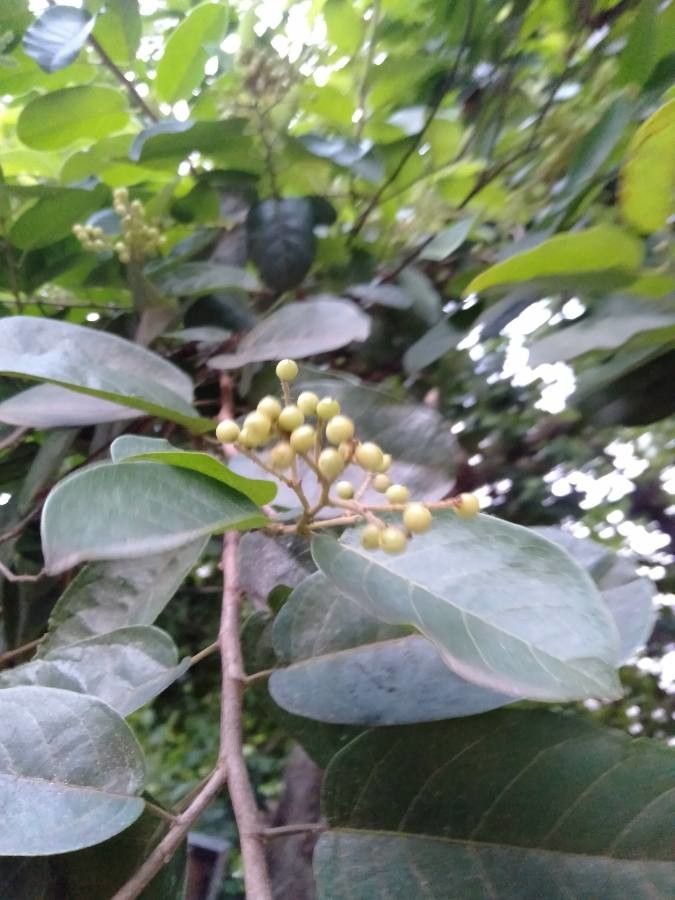
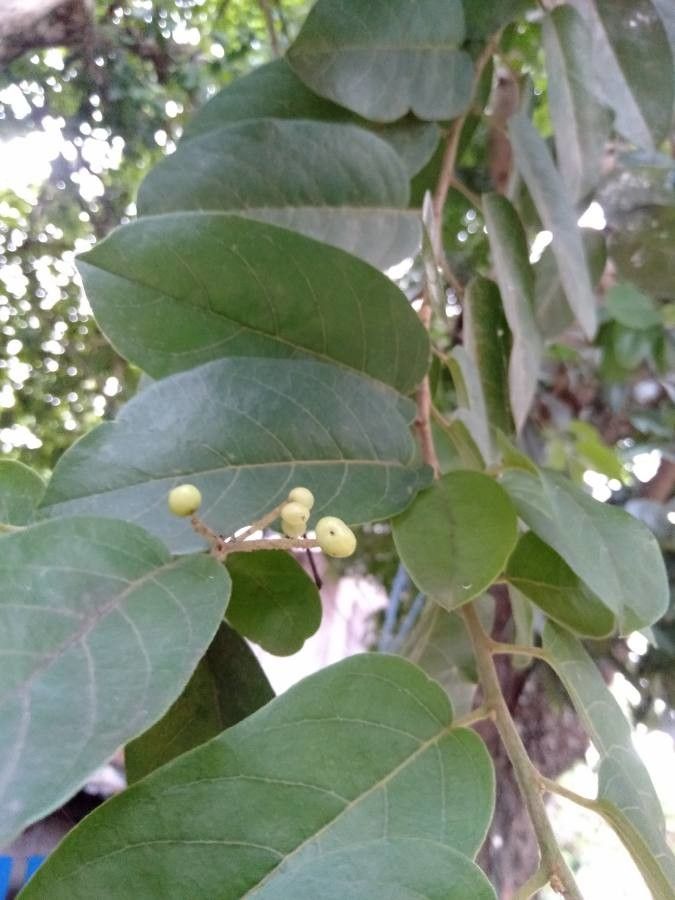
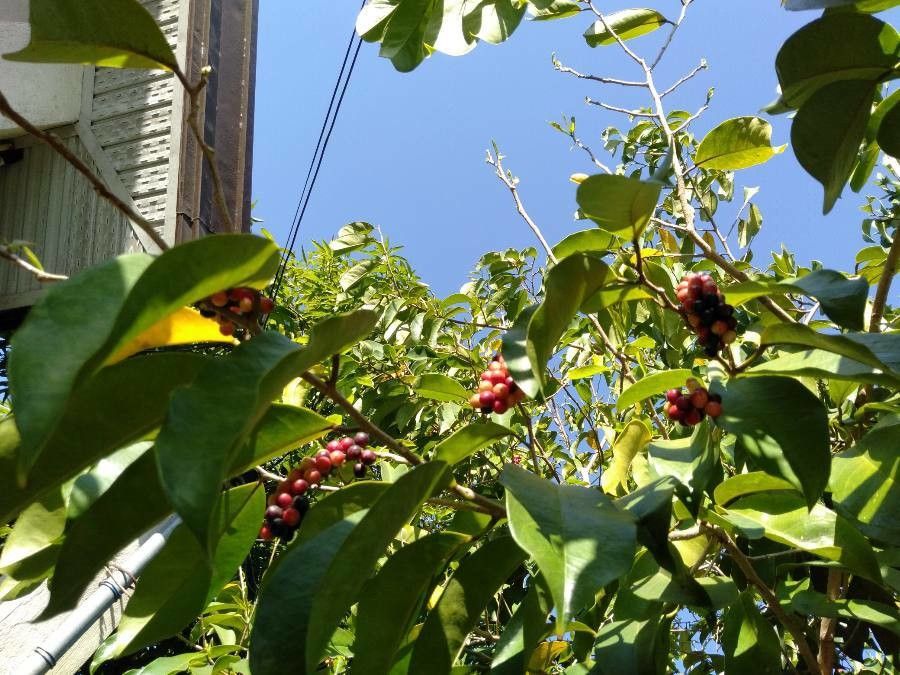
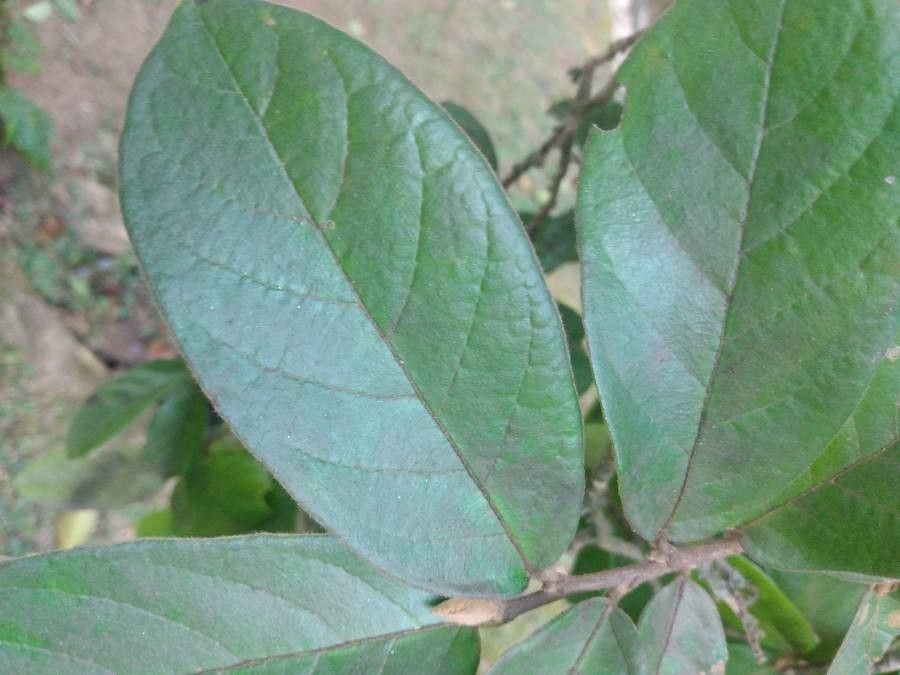
Antidesma ghaesembilla is a species of plant in the Phyllanthaceae family. It is native to an area from northern Australia to the Philippines, Zhōngguó/China, and west to India. The shrub or tree usually grows in moist soils in plant communities ranging from savannah to gallery forest to closed forest. It is associated with a number of species of fungus, insects and animals, including emus. Amongst the Mangarrayi and Yangman people of north Australia, the sweet ripe fruit of the tree are much appreciated and linked to the build-up season and to the koel. As well as food, the plant is used as a calendar-plant, for dyeing, in traditional medicine, in religious/magical practices, as fuel, and as an insecticide.
Black currant trees are well resistant to disease and typically are not susceptible to many illnesses. Regarding care, this plant is fairly low-maintenance. Planted outdoors, it needs only light watering, and larger plants normally do not require pruning. Smaller plants, however, should be pruned after they finish blooming. A black currant tree is suitable for anyone who has outdoor space, like a garden or a deck, and does not demand extensive gardening experience.
How to keep Antidesma Ghaesembilla.
Light
Black currant tree originates in habitats such as forest understories or rocky areas, where it grows in natural shade. It prefers partial sun but can tolerate full sun or full shade, showing its versatile, hardy nature.
Water
The black currant tree prospers in tropical climates, where it benefits from consistent moisture and high humidity. It prefers soil that remains evenly moist and generally requires watering once a week. Mimicking natural rainfall patterns during the growing season encourages optimal growth and health for the black currant tree, which thrives in warm, humid outdoor environments.
Temperature
The black currant tree comes from tropical areas, where the climate is generally warm and humid. Consequently, it is well adapted to high heat and humidity. It does not tolerate sudden temperature changes and prefers a consistent temperature, so keeping indoor temperatures steady is important. It typically cannot withstand cold and needs warmer conditions to grow. If the surrounding temperature falls too low, the plant may stop growing or even die.
Fertilizer
Choose organic fertilizers (for example, fish emulsion or compost) instead of chemical fertilizers for Black currant trees. Supply higher levels of nitrogen and phosphorus to young plants in spring. Incorporate compost or fertilizer into the soil before or after planting. For mature plants, supplement in spring with a balanced fertilizer or one targeted to a specific deficiency. Nutrient deficiency causes small leaves, short branches, yellow or bronze leaves, acidic fruits, premature fruit drop, and splitting.
Pruning
The black currant tree is characterized by its lush foliage and attractive clusters of berries. To promote healthy growth and remove dead wood, prune the tree from early to late winter. Thinning the branches improves air circulation and light exposure, and making clean cuts helps prevent infections. These practices support strong berry production and help maintain the tree's ideal shape, following horticultural best practices.
Botanical profile.
- Plant Type
- Tree
- Life Cycle
- Perennial
- Genus
- Antidesma
- Family
- Phyllanthaceae
- Hardiness Zone
- 10-12
- Mature Height
- 10.06 m to 20.12 m
- Mature Spread
- 91 cm
- Leaf Color
- Dark Green, Forest Green
- Leaf Type
- Evergreen
- Flower Color
- Green, Yellow
- Flower Size
- 0.15 cm to 0.20 cm
- Bloom Time
- Late spring, Early summer
- Planting Time
- Spring, Summer, Autumn
- Harvest Time
- Late summer, Early fall, Mid fall
- Native Area
- Sri Lanka, India, Malaysia, Indonesia, Cambodia, Vietnam, Myanmar, Philippines, Bhutan, Bangladesh, Laos, Thailand, China
Other names.
Reader questions.
What are the sunlight requirements for a Black Currant Tree?
A Black Currant Tree (Antidesma ghaesembilla) requires varying degrees of sunlight based on the needs for partial or full sun exposure. Partial sun refers to about 3-6 hours of sunlight daily, while full sun means the plant should receive more than 6 hours of sunlight each day. It's important to observe how sunlight moves through your garden, identifying areas that offer an ideal mix of light and shade, ensuring the best conditions for your Black Currant Tree to thrive.