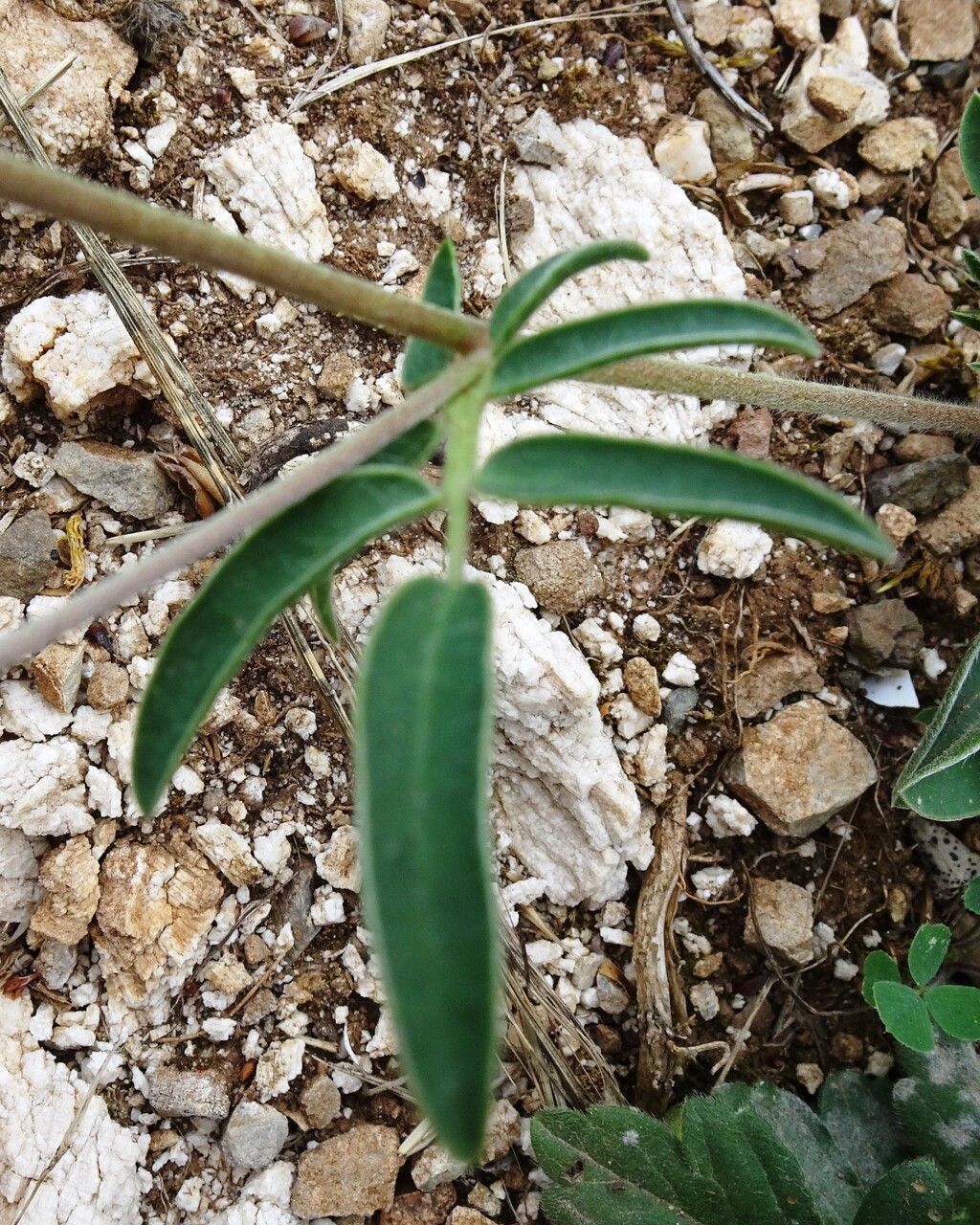
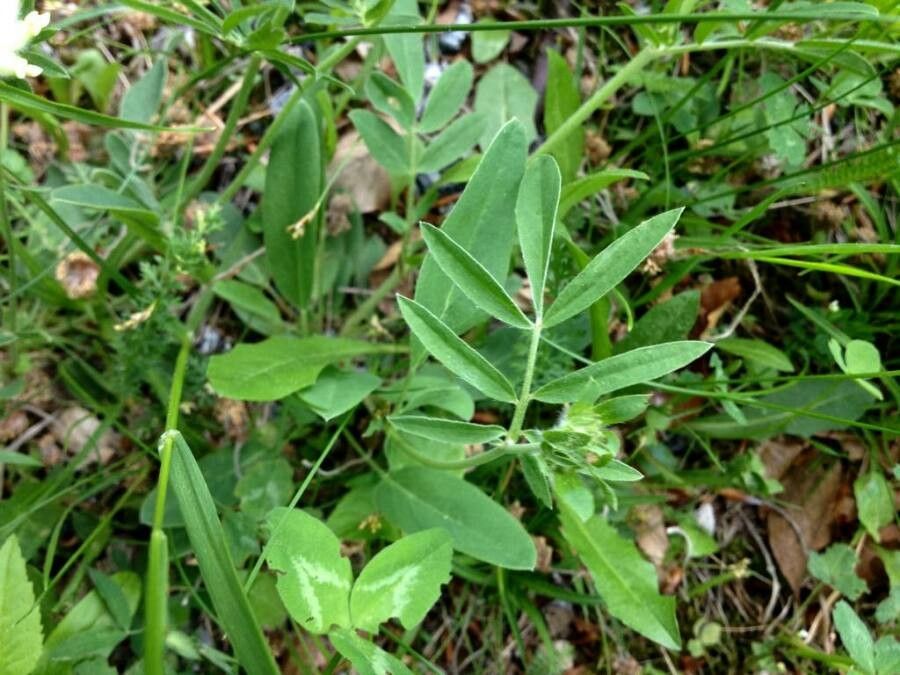
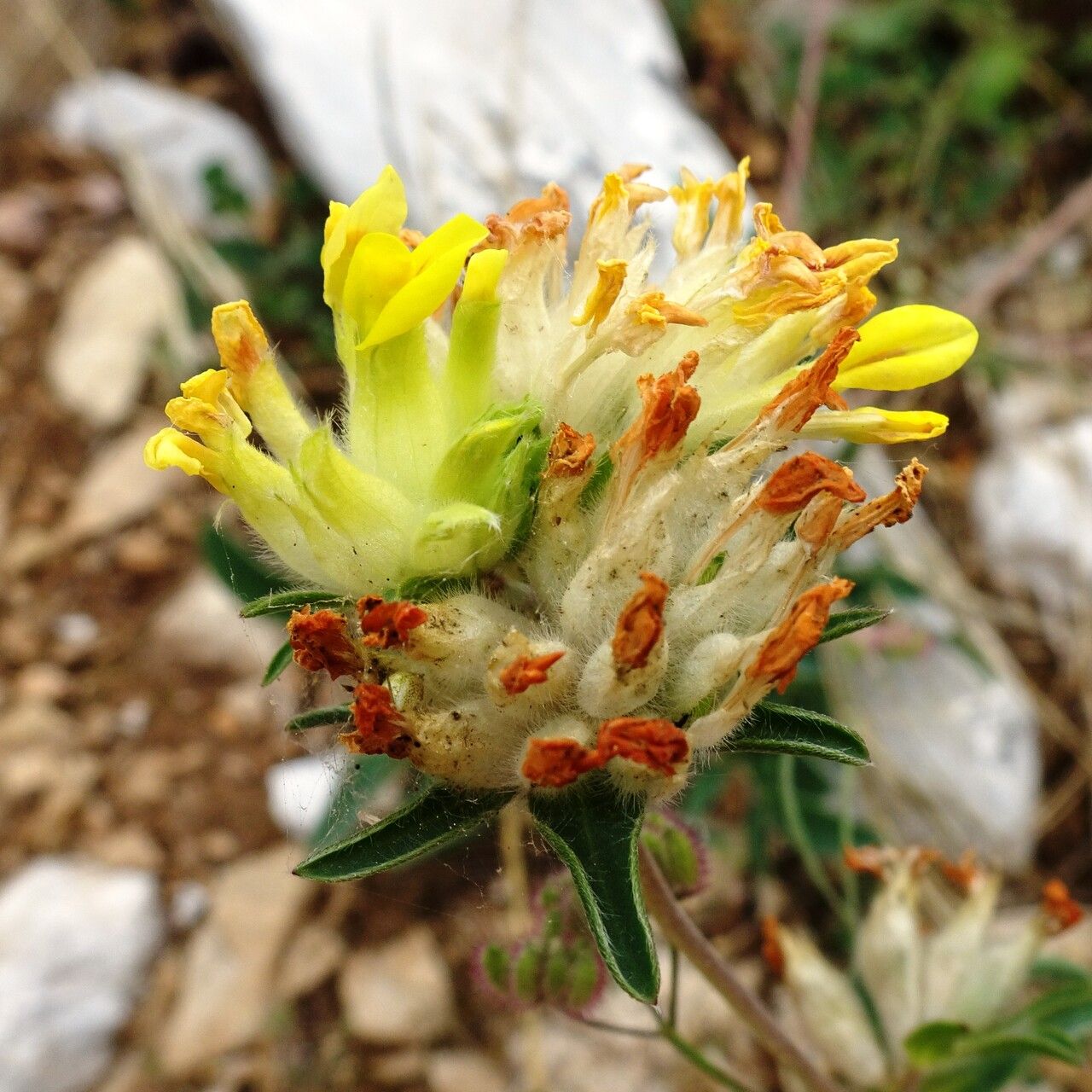
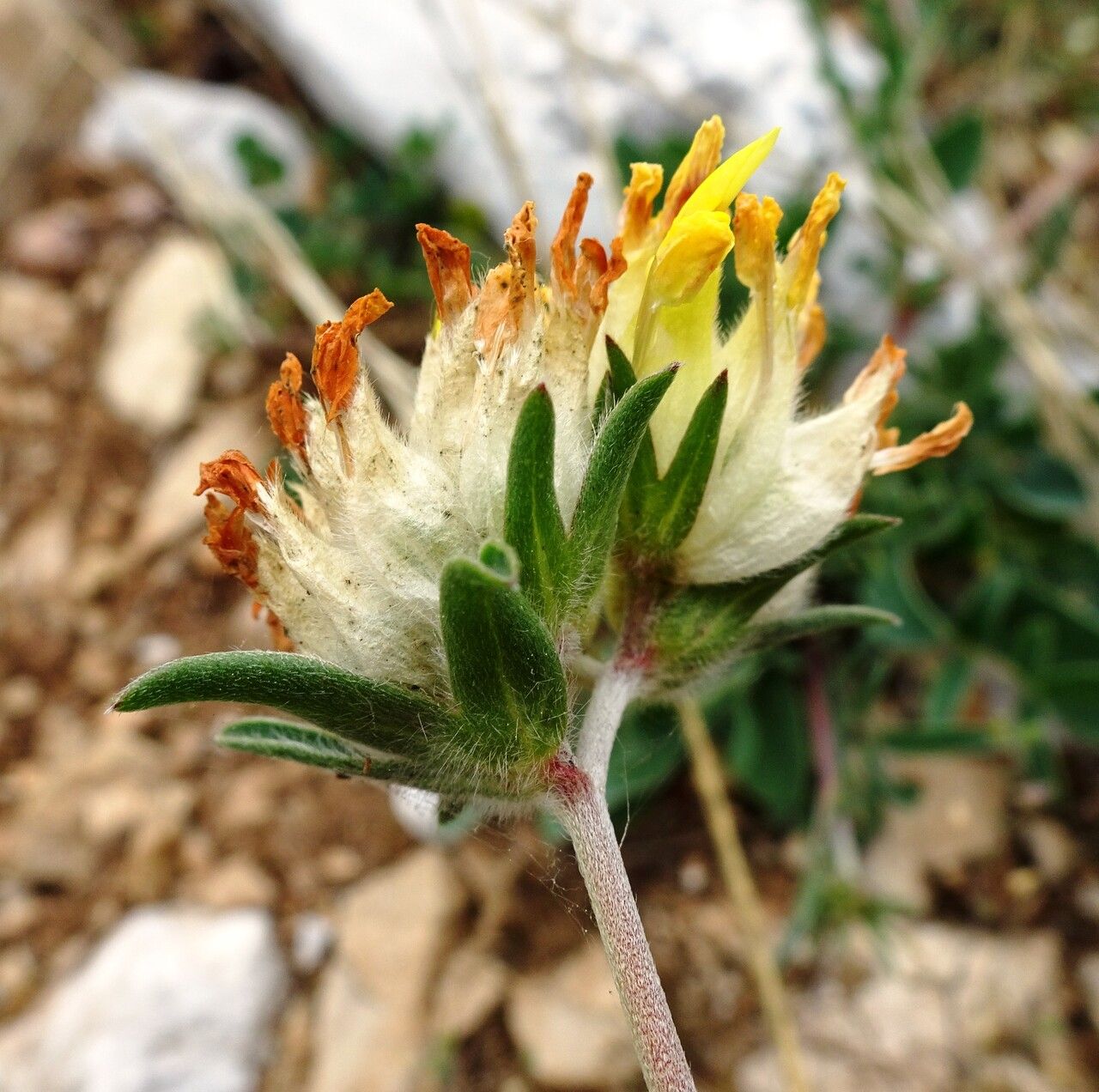
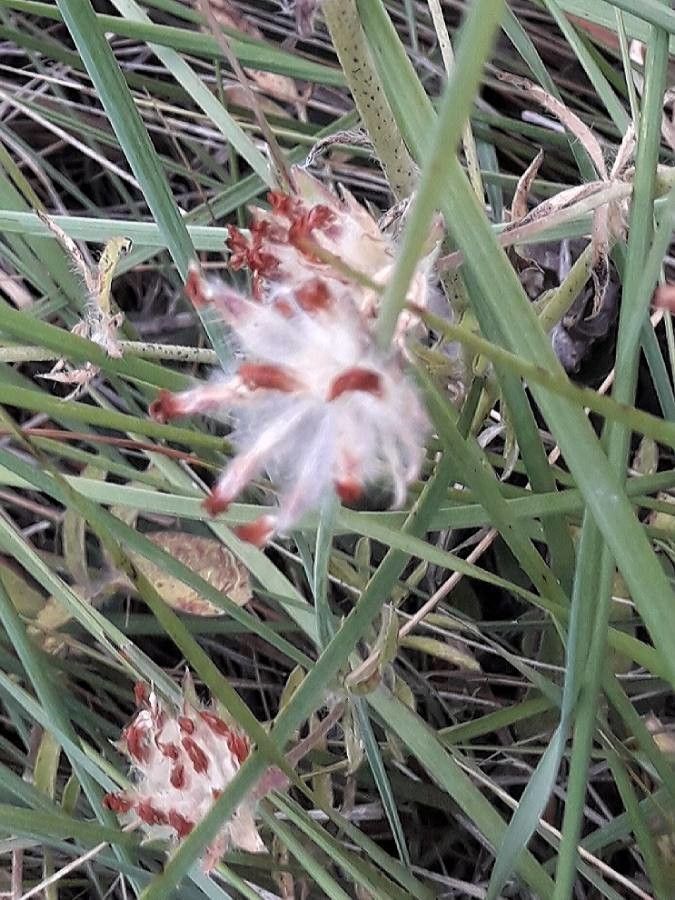
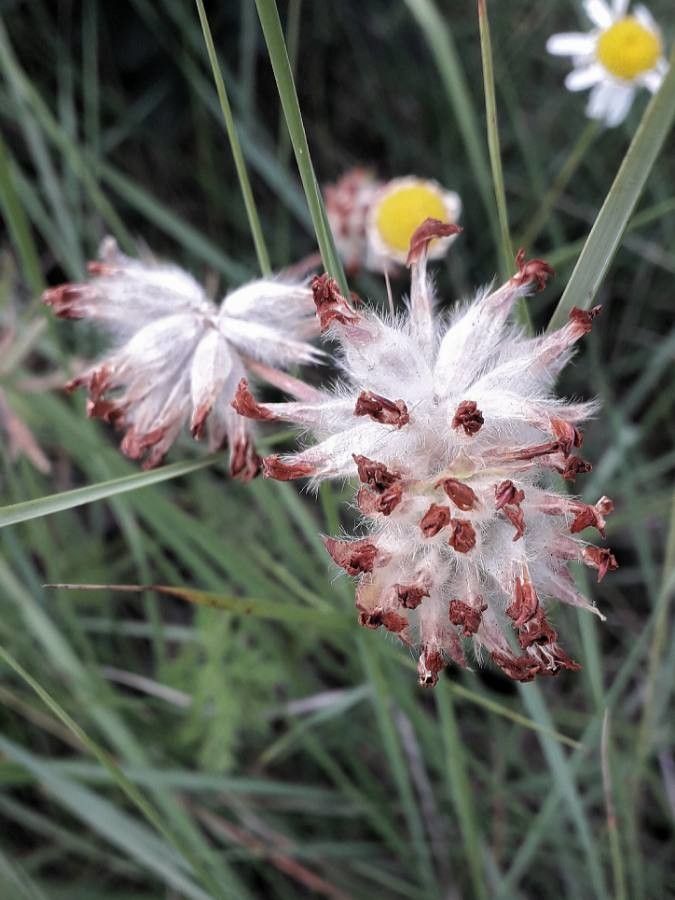
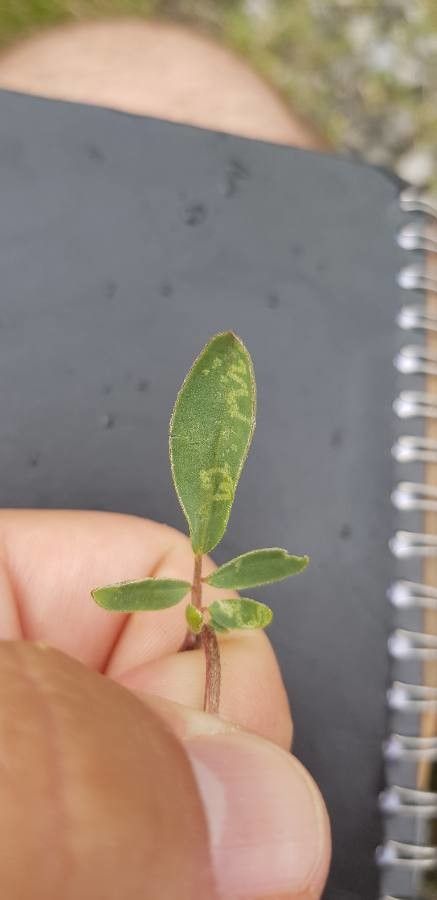
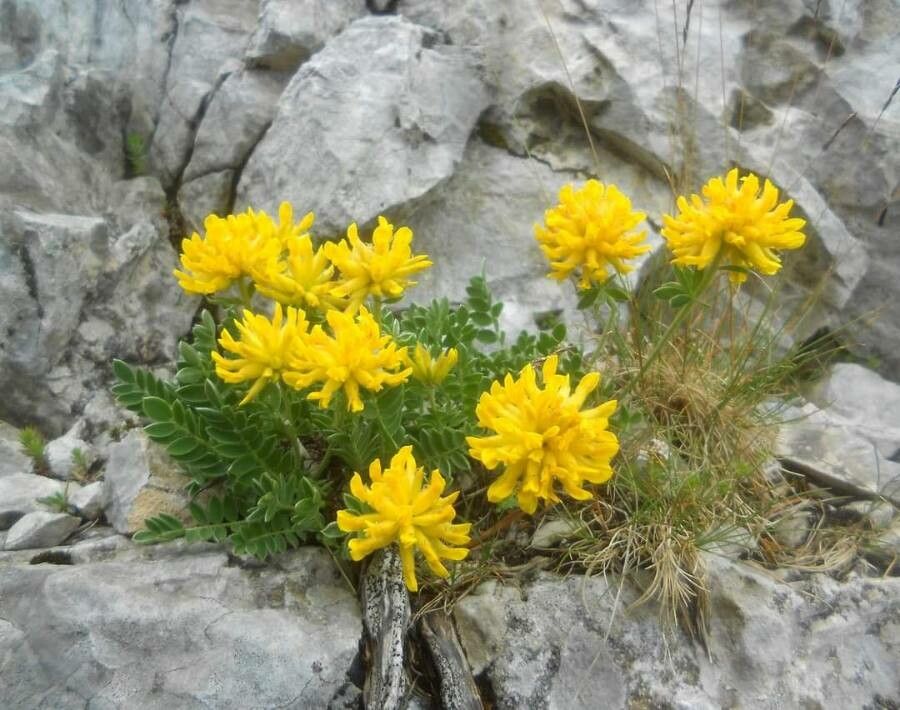
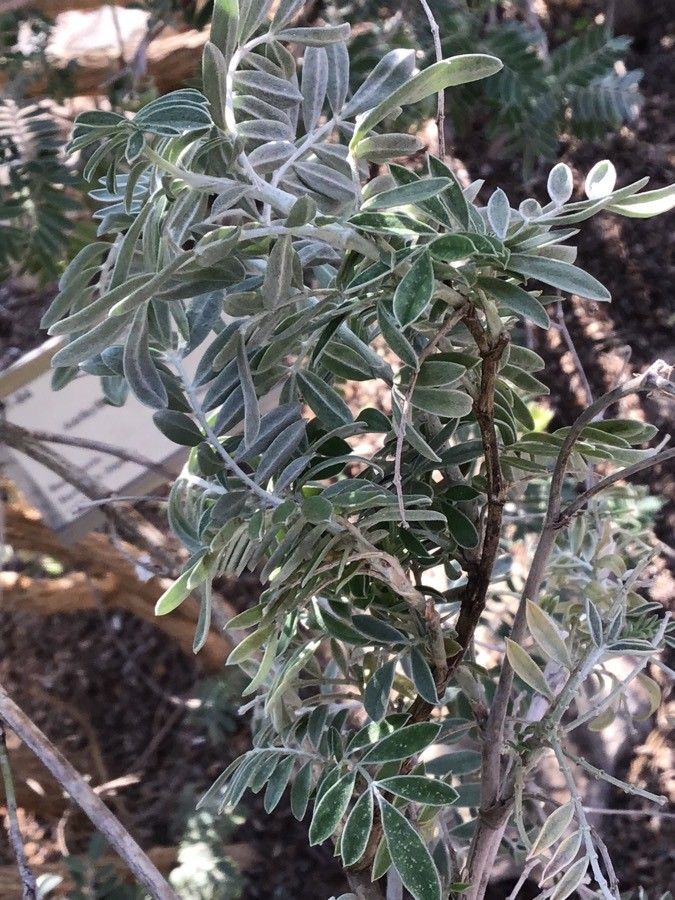
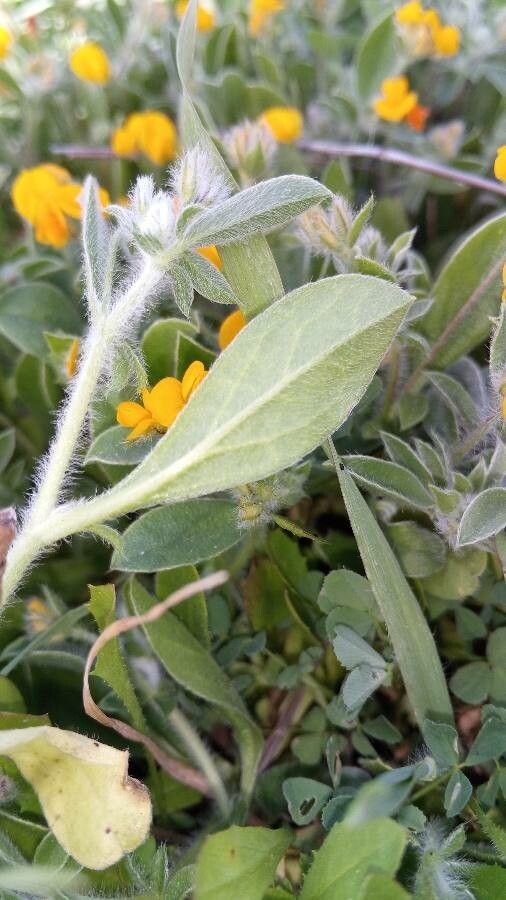
Anthyllis vulneraria, the common kidneyvetch, kidney vetch or woundwort is a medicinal plant native to Europe. The name vulneraria means "wound healer".
Common kidneyvetch is fairly disease-resistant and generally not prone to illnesses. However, it can be vulnerable to pests and diseases present in its surroundings. These outbreaks are typically mild. For care, the plant requires moderate upkeep. Regular pruning is needed to keep a good appearance and support healthy growth. Fertilizing can also help encourage flowering. Common kidneyvetch is a good choice for anyone with an outdoor area, such as a garden or patio, and does not demand extensive gardening experience. It may need more attention when grown indoors.
How to keep Anthyllis Vulneraria.
Light
Common kidneyvetch favors spots that get abundant sun throughout the day. It prospers where sunlight reaches it without obstruction. Insufficient exposure can impede its growth and overall health. It comes from habitats where the sun readily provides warmth.
Water
Common kidneyvetch thrives in dry conditions, demonstrating impressive drought tolerance due to its ability to reduce water loss through transpiration and store water effectively. To mimic its natural environment, it's recommended to water it weekly. As an evergreen plant, common kidneyvetch can endure low rainfall, making it well-suited for dry climate zones.
Temperature
Common kidneyvetch is a hardy plant that naturally grows in climates with temperatures ranging from 50 to 95 °F (10 to 35 ℃). It favors moderate to warm conditions. Because of its adaptability, recommendations for seasonal adjustments may be minimal.
Fertilizer
The best time to fertilize a Common kidneyvetch is in early spring, when it is coming out of dormancy and beginning active growth. Fertilizing supplies essential nutrients for healthy growth. Although Common kidneyvetch has relatively low fertilization needs, applying fertilizer annually can improve its survival and encourage better, longer-lasting flowers.
Pruning
Common kidneyvetch features lush foliage and vibrant yellow flowers, and it thrives in poor soils. To encourage healthy growth and avoid legginess, prune the plant from early to late spring. Trim away any dead stems and overgrown shoots to enhance air circulation and promote denser blooming. For specific care tips, refer to reputable horticultural resources.
Toxicity
Anthyllis vulneraria has no toxic effects reported.
Further reading →
The toxicity and danger assessments provided are for reference only. We do not assure their accuracy, so it's crucial not to depend on them. Seek professional advice when necessary for accurate guidance.
Botanical profile.
- Plant Type
- Herb
- Life Cycle
- Perennial
- Genus
- Anthyllis
- Family
- Fabaceae
- Hardiness Zone
- 6-9
- Mature Height
- 10 cm to 40 cm
- Mature Spread
- 76 cm
- Leaf Color
- Green, Blue
- Leaf Type
- Evergreen, Semi-evergreen, Deciduous
- Flower Color
- Yellow, Pink
- Flower Size
- 1.02 cm to 2.03 cm
- Bloom Time
- Late spring, Early summer, Mid summer
- Planting Time
- Spring
- Harvest Time
- Mid summer
Other names.
Reader questions.
How should I water my Common kidneyvetch plant?
To ensure the well-being of the Common kidneyvetch while watering, it is recommended to use filtered water at room temperature. This is because tap water may contain harmful particles. Since the Common kidneyvetch thrives in warm environments, cold water should be avoided as it can shock the plant. It is also advised to refrain from overhead watering, as it can lead to issues with the foliage. Instead, apply the filtered room temperature water directly to the soil until it is thoroughly soaked. This method of watering benefits the plant by providing moisture to the roots, enabling them to continue spreading through the soil and absorbing necessary nutrients.
Why should I put fertilizer on my Common kidneyvetch plant?
The main structure of the Common kidneyvetch is made up of its leaves. Fertilization is an impactful way to make sure the leaves look great and function properly. Proper fertilization ensures consistent color and healthy texture in the leaves. Fertilization also benefits the plant below the soil surface by promoting the growth of new roots and maintaining existing ones. This not only keeps the plant healthy in the present, but also helps it absorb soil nutrients better in the future.
What are the sunlight requirements for Common kidneyvetch?
Common kidneyvetch requires full sun, which means it needs above 6 hours of sunlight daily to thrive. Ensuring the plant receives unobstructed sunlight throughout the day is crucial for its growth and health. The plant is naturally adapted to habitats that receive generous amounts of sunlight, and its successful cultivation depends on replicating these conditions. It's essential to watch the sunlight's movement through your garden and select spots that provide a balance of light and shade, optimizing the plant's exposure to sunlight and promoting its overall well-being.
What is the ideal temperature range for common kidneyvetch?
Common kidneyvetch thrives in climates where temperatures range from 50 to 95 °F (10 to 35 °C). It is a hardy plant that prefers moderate to warm environments, showing great adaptability to various conditions. Seasonal adjustments are minimal due to its strong adaptability and cold resistance. Even though it is resistant to cold, precautions should be taken when winter temperatures are expected to drop below -25°C by providing protection through covering the plant with soil or straw. Additionally, abundant watering before the first freeze in autumn is advised to ensure the soil stays moist and helps prevent winter and early spring drought.
What should I do if I give too much or too little water to my Common kidneyvetch?
Overwatering and underwatering can harm your Common kidneyvetch, but overwatering is more common. Too much water can cause the stems and leaves to wilt and turn yellow. It can also lead to diseases like root rot, mold, and mildew, which can be fatal for your plant. Common kidneyvetch is fairly tolerant of drought, so underwatering is less likely to happen. However, if it does occur, the leaves may become brittle and brown. It's important to recognize the signs of overwatering early on. Some diseases, like root rot, cannot be reversed if not addressed promptly. If you notice early signs of overwatering, reduce your watering immediately. Check the soil quality to ensure it drains well. If it doesn't, replace it with a loose, well-draining potting mix. If you see signs of underwatering, simply water more consistently until the signs fade away.
When should I fertilize my Common kidneyvetch?
When you grow your Common kidneyvetch outdoors, it will start new growth in early spring. This is a signal that it's time to fertilize the plant. Typically, one application of fertilizer is sufficient for the season. However, if you want to promote maximum growth, you can fertilize multiple times during spring and early summer. In this case, feed your Common kidneyvetch roughly once every month to a month and a half.
How can artificial lighting be used for plants when natural sunlight is insufficient?
When natural sunlight is insufficient, especially in winter or in less sunny spaces, artificial lighting can be a vital solution for indoor plants. Optimal growth can be achieved with the right type of artificial light, such as LED lights, which can be customized to provide specific wavelengths needed by your plants. For full sun plants, 30-50W/sq ft of artificial light is recommended, partial sun plants need 20-30W/sq ft, and full shade plants require 10-20W/sq ft. The light source should be placed 12-36 inches above the plant to mimic natural sunlight, and most plants will need 8-12 hours of light per day. Utilizing artificial lighting this way helps in promoting faster, healthier growth.
How does common kidneyvetch react to low temperatures?
Common kidneyvetch is remarkably cold-tolerant, thriving best when kept above 10°C. However, it should ideally not experience winter temperatures below -15°C. If the temperature falls below -25°C, while there might not be immediate visible damage during winter, there could be a significant impact on its ability to sprout in spring. A decrease in sprouting or a complete lack of sprouting may occur. The recommended solution for spring is to remove any parts of the plant that have failed to sprout, aiding the recovery and growth of common kidneyvetch for the coming season.
How frequently should I water my Common kidneyvetch plant?
If your Common kidneyvetch plant is in a pot, you can determine if it needs water by checking the soil moisture. Stick your finger into the soil and if the top two to three inches are dry, it's time to water. For plants grown outdoors in the ground, you can use the same method. When the top few inches of soil are dry, it's time to water. Typically, during spring and early fall, watering once a week is sufficient. However, in extremely hot weather, you may need to water twice or more per week. It's worth noting that mature, well-established Common kidneyvetch plants have a good ability to tolerate drought.
When should I not put fertilizer on my Common kidneyvetch?
During the late fall and winter, your Common kidneyvetch goes into a dormant phase and stops growing. It's important to avoid fertilizing during this time. In the spring and summer, if you choose to fertilize, gradually decrease the amount as summer approaches because the growth rate of your Common kidneyvetch will slow down. It's never a good idea to fertilize when the weather is excessively hot or the soil is very dry. Fertilizing in those conditions can stress your Common kidneyvetch and lead to its premature death.
What are the symptoms of insufficient light exposure in Common kidneyvetch?
Symptoms of insufficient light exposure in Common kidneyvetch include smaller new leaves, leggy or sparse growth, faster leaf drop, and slower or no new growth. Leaves may develop irregular color patterns or appear paler due to a lack of chlorophyll and essential nutrients. Chlorosis, where leaves lose their green color and turn yellow, can occur from excessive sunlight, along with sunscald, which damages plant tissues. Leaf curling, wilting, and leaf scorching are also common symptoms that indicate problems with the plant's light exposure. These symptoms highlight the plant's inability to adapt to poor lighting conditions, affecting its growth and health.
How does common kidneyvetch react to high temperatures?
During the summer, it's important to ensure that the temperature around common kidneyvetch does not exceed 35°C. Exceeding this threshold, particularly temperatures above 38°C, can lead to the leaves becoming lighter in color, prone to curling, and susceptible to sunburn. In severe cases, the entire plant may wilt and become dry. To mitigate these effects, trim away any sunburned and dried-up parts of the plant. Additionally, relocating the plant to a location that provides shade during the midday and afternoon sun, or using a shade cloth, can be beneficial. Watering the plant in the morning and evening will help keep the soil moist and support the plant's overall health.