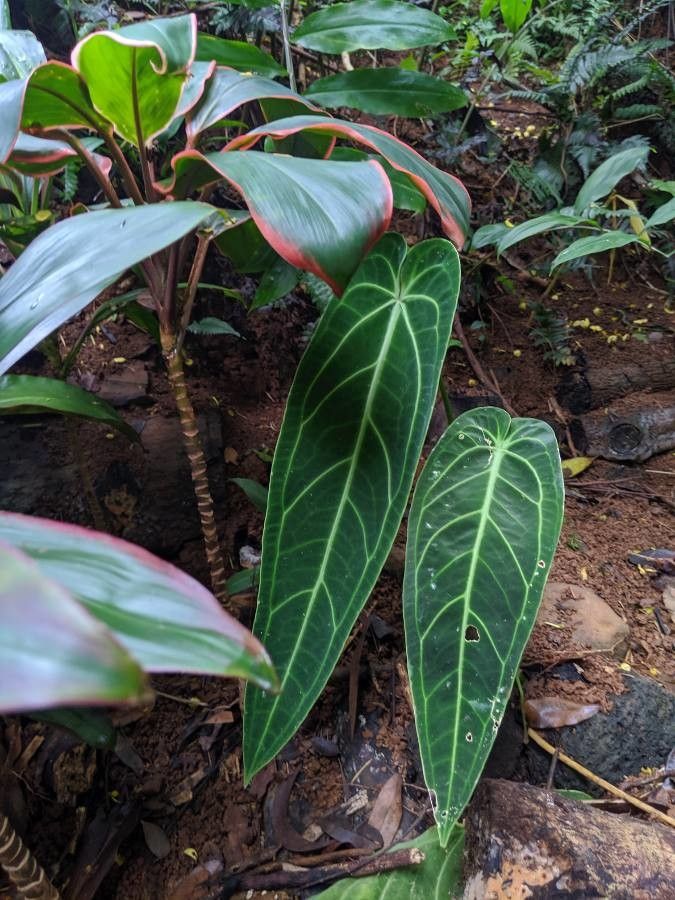
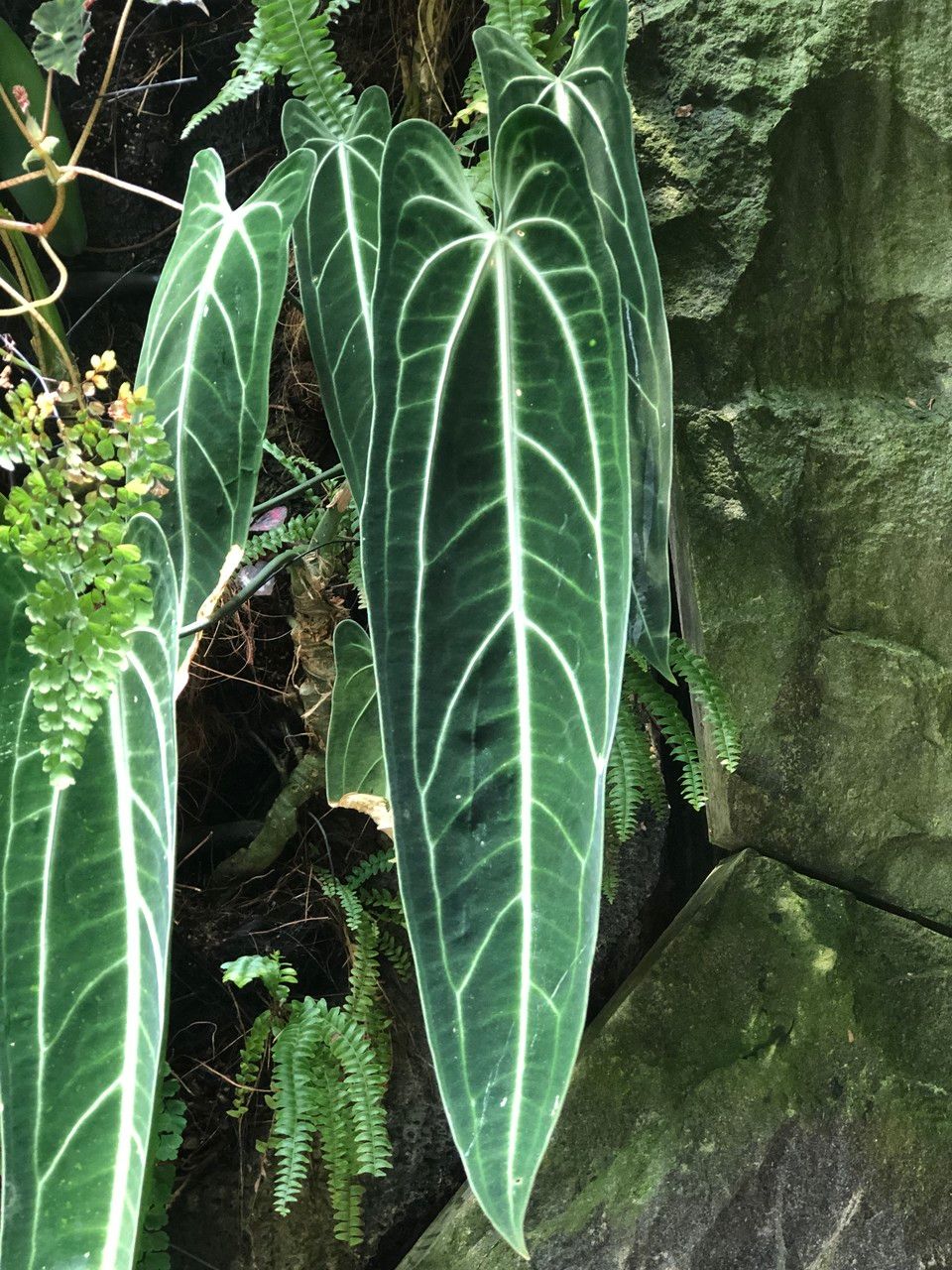
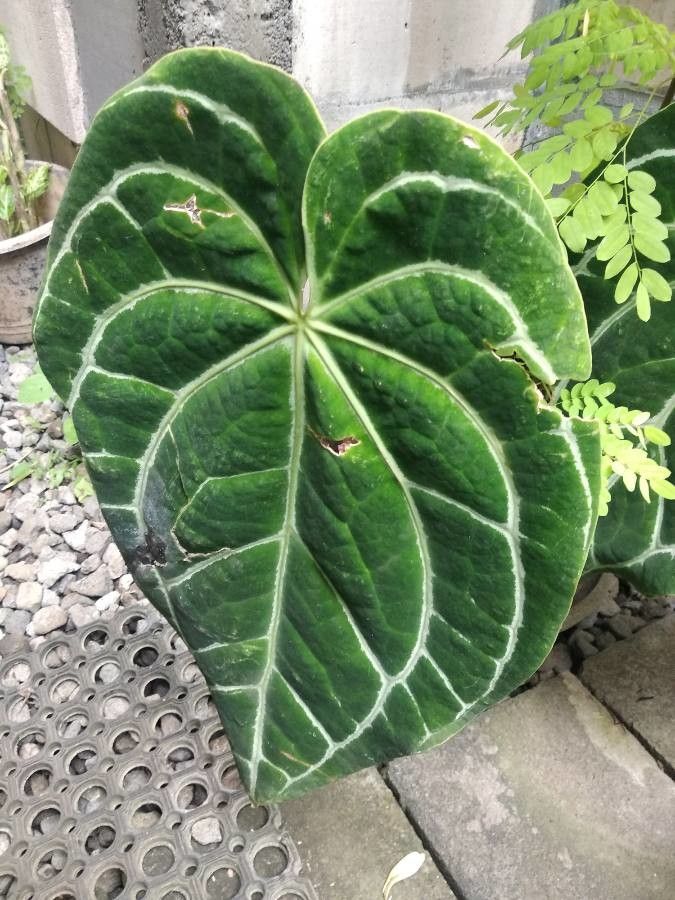
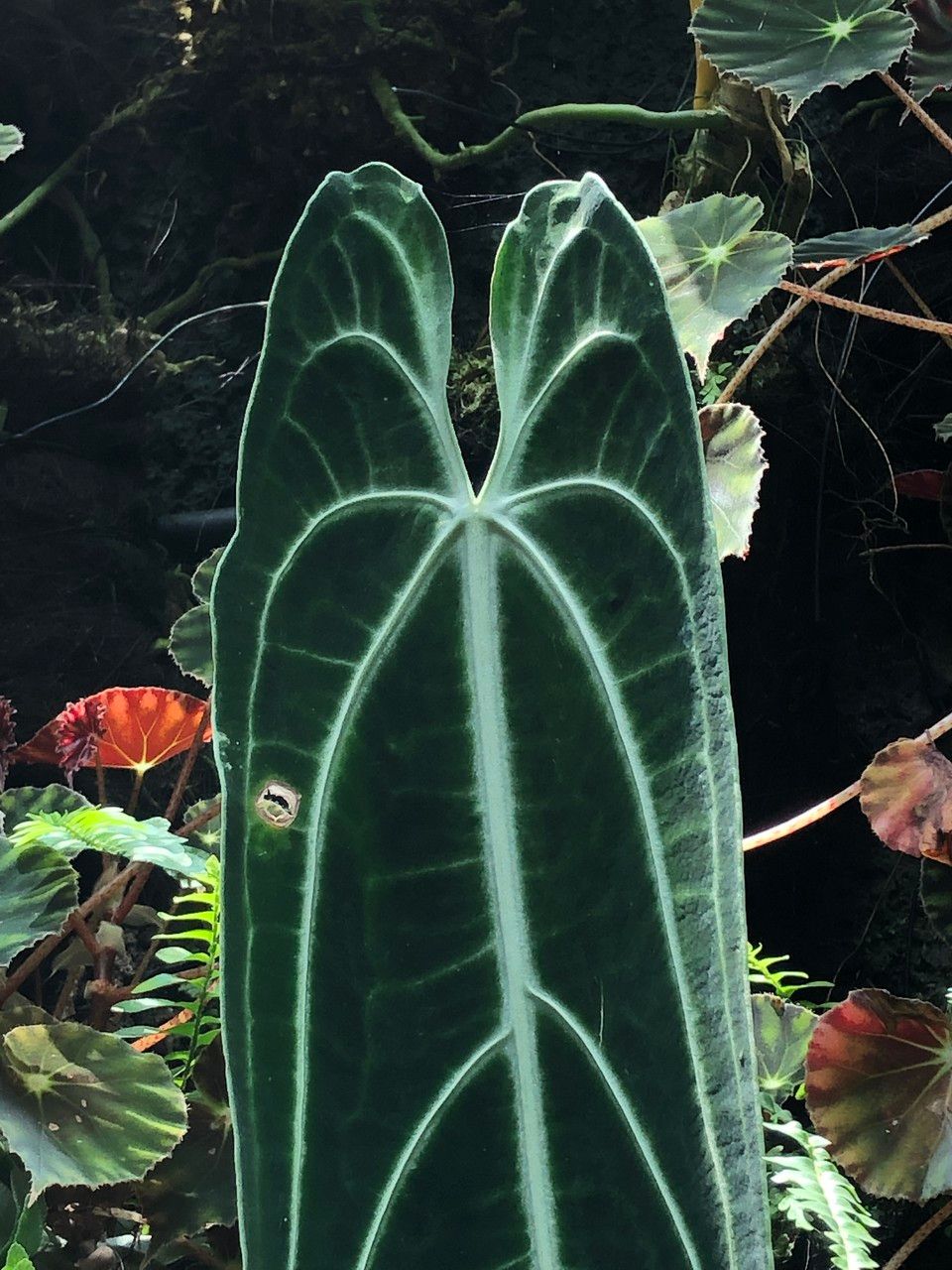
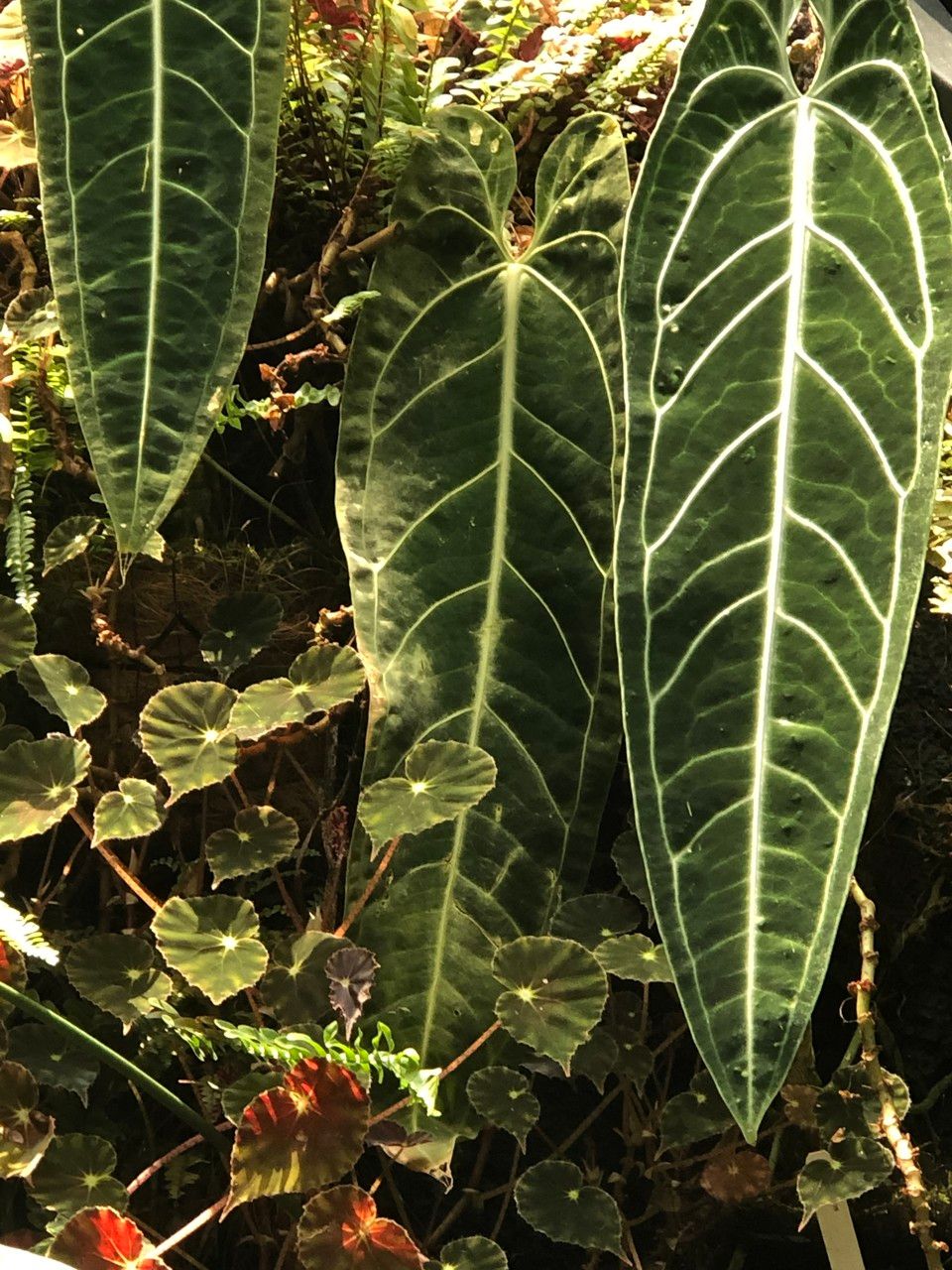
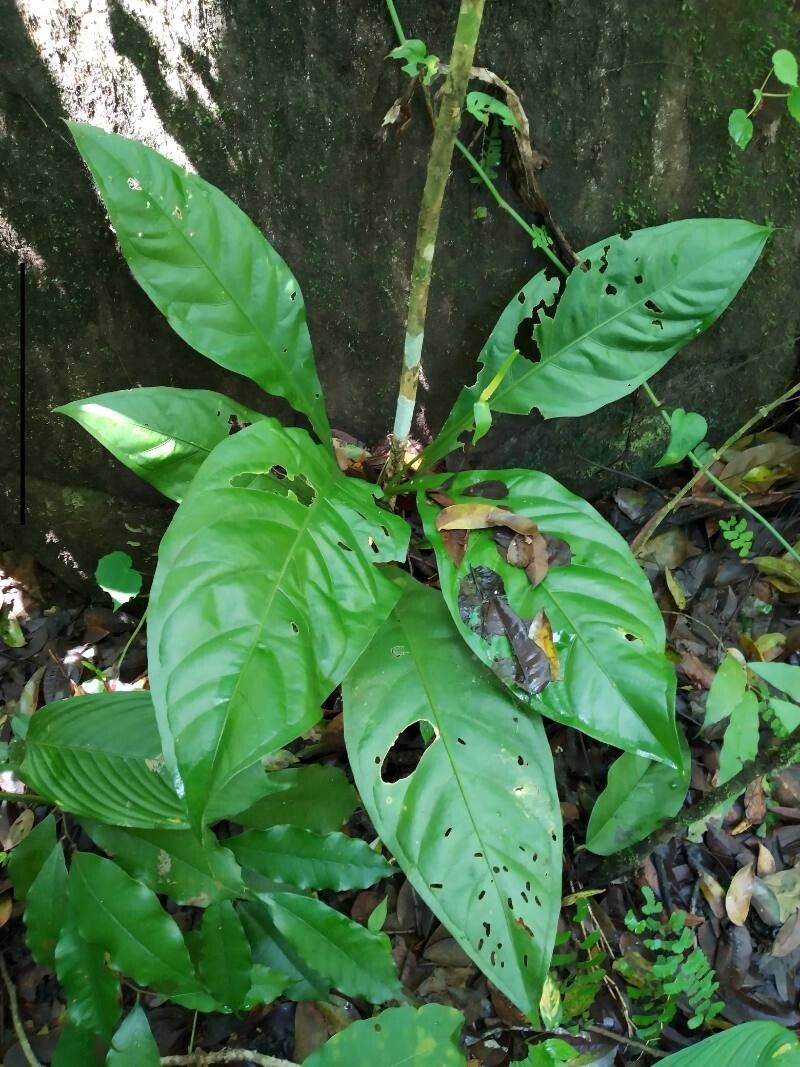
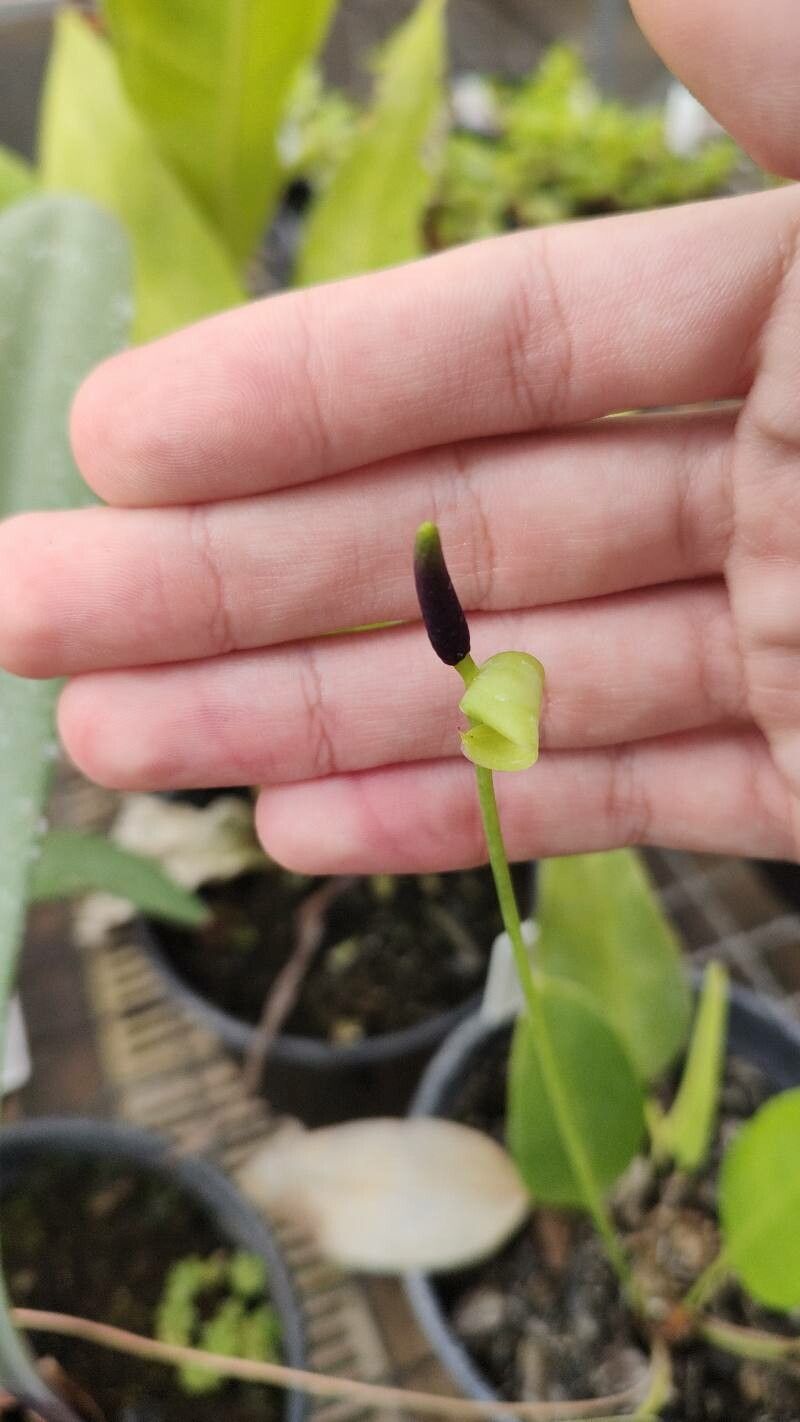
Anthurium warocqueanum, also known as the Queen Anthurium, is a stunning tropical plant native to Colombia. As a member of the Araceae family, it is highly sought after for its large, velvety leaves which can grow up to 3 feet long and 2 feet wide. The heart-shaped leaves, adorned with prominent veins, boast a unique texture.
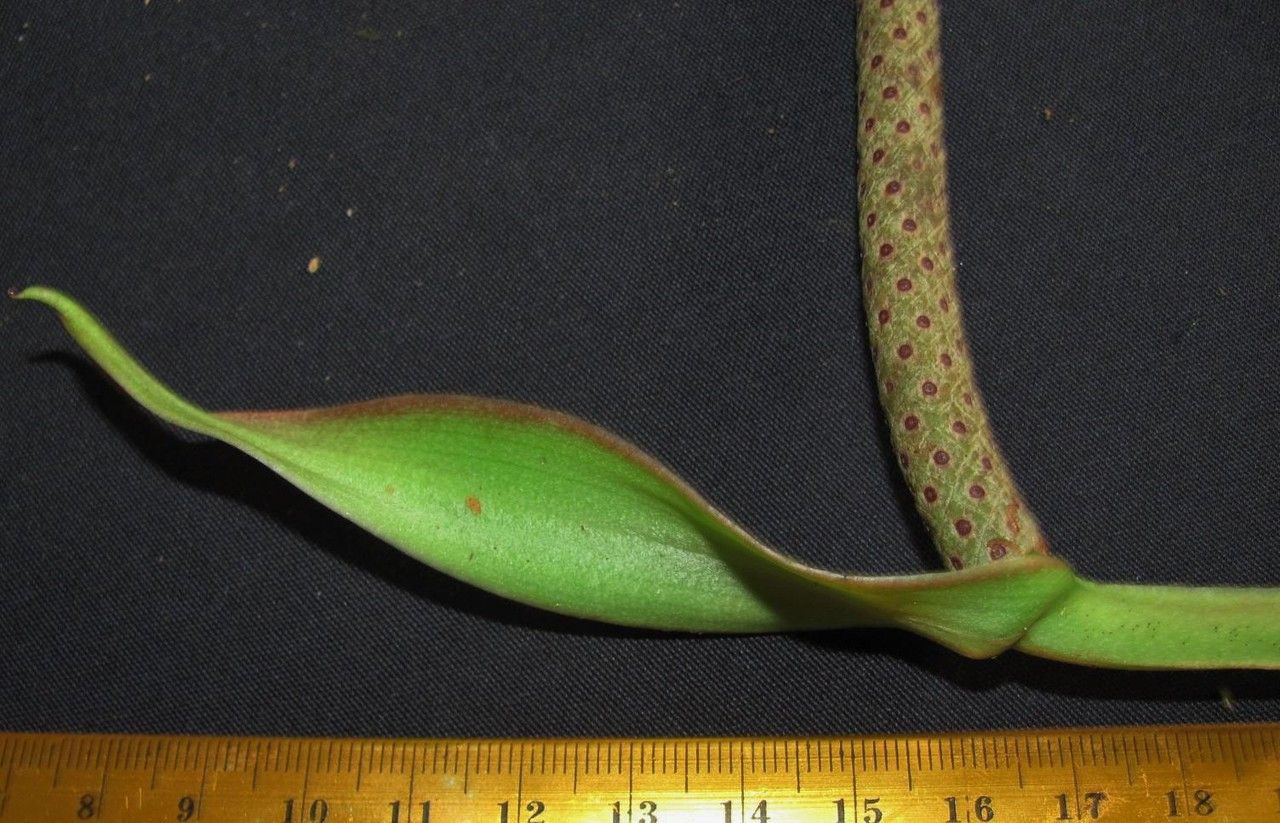
The Queen Anthurium produces long-lasting, glossy flowers that are typically red or pink. These blooms grow on tall stems above the foliage and can last for several weeks.
To thrive, this plant requires bright but indirect light, as direct sunlight can scorch its delicate leaves. It also prefers high humidity levels and well-draining soil with regular watering.
Anthurium warocqueanum is an excellent choice for indoor gardening enthusiasts looking to add some tropical flair to their homes or offices. Its striking appearance makes it an eye-catching addition to any space, while its low-maintenance requirements ensure that even novice gardeners can care for it successfully.
Queen anthurium is fairly resistant to disease and generally not prone to illnesses. It can, however, develop leaf spots if light and air circulation are poor or if it is overwatered. The plant is considered easy to care for, needing only routine watering and little else. It is well suited to people who lack much time or energy to spend on regular maintenance.
How to keep Anthurium Warocqueanum.
Light
The queen anthurium does best when it gets steady, full sun. It can, however, tolerate spots with less light. Coming from an environment rich in sunlight, it is adapted to strong light conditions. Both too little and too much sunlight can negatively affect its healthy growth.
Water
The Queen anthurium flourishes in high humidity and needs regular moisture to keep its lush appearance, so it should be watered weekly. It thrives indoors where the humidity can be controlled, and this is especially important during its active growing season. Increased air moisture during this time not only supports the health of its foliage but also encourages vibrant flowering.
Humidity
This plant needs special care because it loves high humidity levels of 60-80% or more. The best way to achieve this is by placing a humidifier near the plant. Daily misting is also essential! Make sure the room has good ventilation.
Temperature
Queen anthurium originates from regions where temperatures typically range from 68 to 105.8°F (20 to 41℃). It prefers this warmer climate and may require temperature adjustments during colder seasons. Maintain a minimum temperature above 68°F (20℃) for optimal growth.
Fertilizer
Correct fertilization is essential for the Queen anthurium's health and appearance. Fertilize the Queen anthurium in summer, repeating the application monthly throughout the season. Nutrients power growth and support the plant's tissues. Fertilization improves the Queen anthurium's floral display, ensuring the best blooms.
Pruning
The Queen Anthurium, known for its long leaves, benefits greatly from pruning in early spring. By removing any old or damaged leaves, you can promote growth and improve airflow around the plant. This process not only helps the plant recover but also enhances its appearance and increases its vigor. Remember to always sterilize your tools to prevent the spread of infections.
Pot & Repot
Repot the Queen anthurium in spring or summer when temperatures are warm enough, using a slightly larger pot with good drainage. Water it thoroughly after repotting and place it in bright, indirect light. Consider adding a moss pole to support the plant as it grows.
Botanical profile.
- Plant Type
- Herb
- Life Cycle
- Perennial
- Genus
- Anthurium
- Family
- Araceae
- Hardiness Zone
- 10-13
- Mature Height
- 91 cm
- Mature Spread
- 49 cm
- Leaf Color
- Green, Gray, Silver
- Leaf Type
- Evergreen, Deciduous
- Flower Color
- White
- Flower Size
- 10.16 cm to 15.24 cm
- Bloom Time
- Mid spring, Late spring, Summer
- Planting Time
- Spring, Autumn
- Harvest Time
- Late spring, Summer, Fall
- Native Area
- Colombia
Other names.
Reader questions.
What are the sunlight requirements for Queen Anthurium?
The Queen Anthurium, or Anthurium warocqueanum, thrives best under full sun, requiring above 6 hours of sunlight daily for optimal growth. It can also tolerate partial sun conditions, which means about 3-6 hours of sunlight each day. Originating from habitats with abundant sunlight, this plant is accustomed to intense light conditions, and either a lack or an excess of sunlight could negatively impact its health. It's important to watch how sunlight moves through your garden or home to choose spots that provide a good balance of light and shade, ensuring the plant's happiness.
What is the optimal temperature range for Queen anthurium?
Queen anthurium, or Anthurium warocqueanum, thrives in warmer climates, with an ideal temperature range falling between 68 to 105.8°F (20 to 41°C). It is crucial to maintain a minimum temperature above 68°F (20°C) for optimal growth. Since this plant is extremely heat-loving, cold temperatures can adversely affect its health. During colder seasons, especially in autumn, it is recommended to bring outdoor-grown Queen anthuriums indoors, placing them near a bright window but at a distance from heaters to avoid damage. Ensuring the temperature remains above 20°C during winter supports healthy growth, while temperatures approaching 5°C are considered detrimental.
What should I do if my indoor Queen Anthurium isn't getting enough natural light?
If your Queen Anthurium isn't receiving enough natural light, especially during winter or in less sunny indoor spaces, artificial lighting can be an effective solution. Ensuring adequate lighting is crucial for optimal growth. Indoor plants generally require 10-50W/sq ft of artificial light depending on their sun exposure needs, with LED lights being a popular choice due to their efficiency and ability to be customized to specific wavelengths needed for plant growth. The correct setup involves choosing the right type of light, determining the appropriate distance (12-36 inches above the plant), and mimicking natural daylight hours, usually 8-12 hours per day, to ensure the plant receives enough light to thrive.
How does low temperature affect Queen anthurium and what are the solutions?
Queen anthurium prefers warm temperatures and reacts negatively to cold. If the temperature drops below 1°C, the leaves may begin to lighten in color, and after frost damage, they may turn brown or black, displaying signs of wilting and drooping. To combat this, it's important to trim off the frost-damaged parts and immediately move the plant to a warmer indoor setting for protection against the cold. Placing the plant near a south-facing window can ensure adequate sunlight, but it should be kept away from direct heat sources like heaters or air conditioning vents to avoid excessively dry air.
What are the symptoms of inadequate lighting for Queen Anthurium?
Inadequate lighting can lead to several noticeable symptoms in Queen Anthurium plants, including smaller new leaves compared to previous ones, leggy or sparse growth, faster leaf drop, slower or halted new growth, paler new leaves, and conditions like chlorosis (leaf yellowing), sunscald, leaf curling, wilting, and leaf scorching. These symptoms indicate a lack of chlorophyll and essential nutrients or damage caused by excessive sunlight or insufficient light exposure. It’s critical to observe these signs early to correct lighting issues, ensuring the plant's health and vitality.
What should be done if Queen anthurium is exposed to high temperatures?
In the summer, it's essential to ensure that the Queen anthurium is kept below 41°C to prevent heat stress. Exposing the plant to temperatures above 45°C can lead to lighter leaf colors and increase the risk of sunburn. To address this, trim away the sunburned or dried parts of the plant. Then, relocate it to a spot that offers protection from the harsh midday and afternoon sun. To assist in maintaining soil moisture, which is crucial for the plant's well-being during high temperatures, water the plant during the cooler parts of the day, such as in the morning and evening.
How can I address lighting issues with my Queen Anthurium?
To address lighting issues with your Queen Anthurium, for indoor plants, gradually increase exposure to sunlight or use artificial lighting by moving the plant to a sunnier location over a period or positioning a lamp to ensure at least 8 hours of light daily. For outdoor plants, move them gradually to better-lit spots, avoiding sudden exposure to intense light to prevent sunburn. Additionally, for plants in the ground, reduce obstructions such as overhanging branches and consider transplanting smaller plants to sunnier locales. Implementing these solutions helps ensure that parts of the plant previously affected by improper light exposure can recover over time with new, healthy growth.