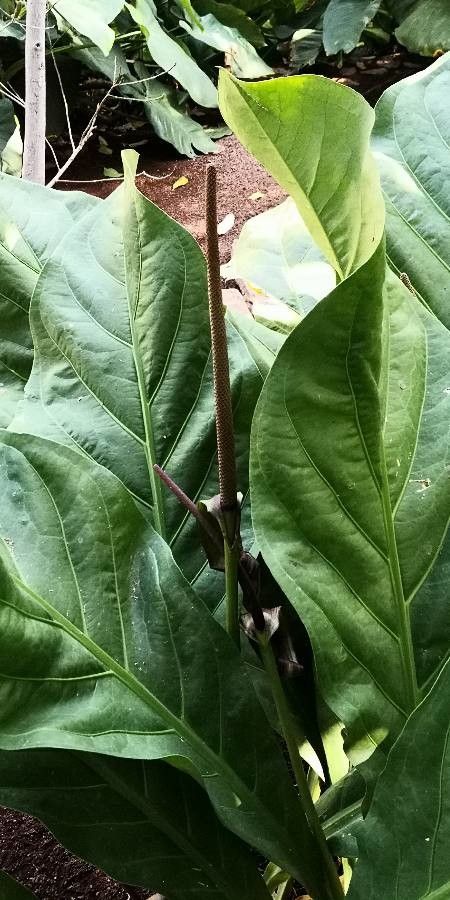
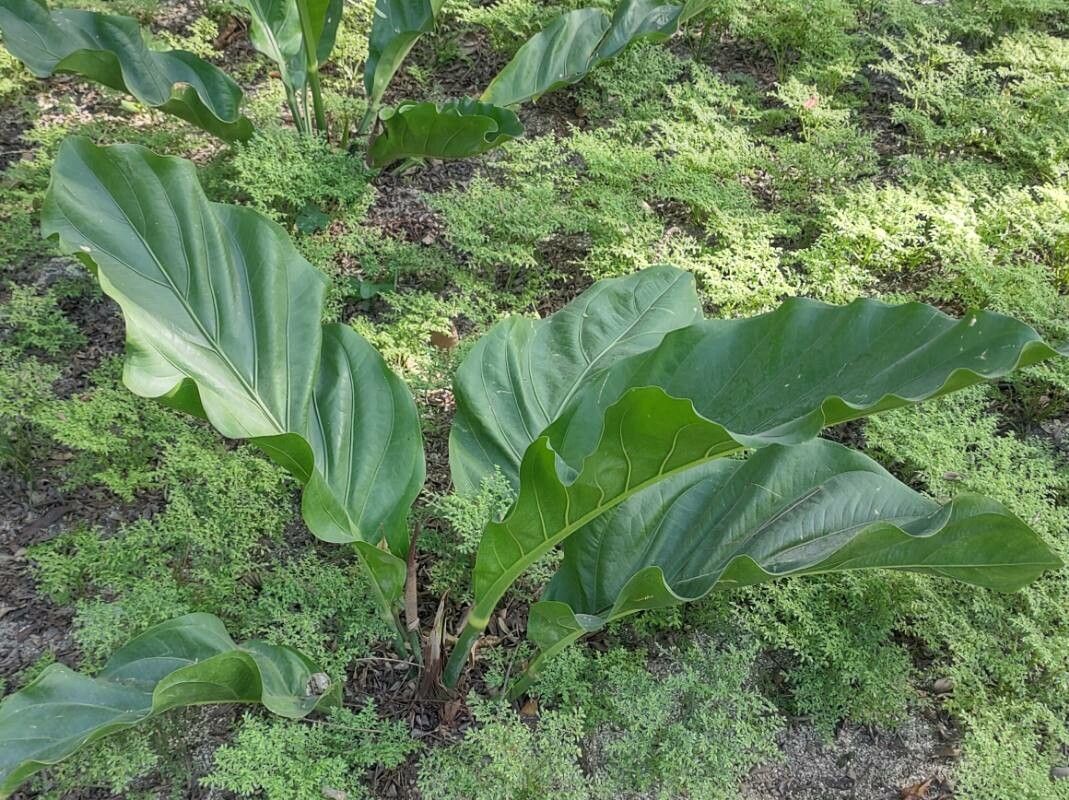
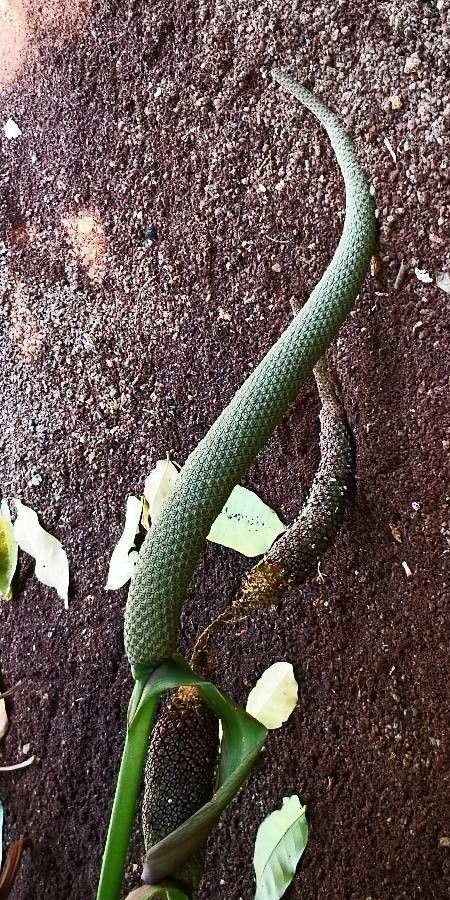
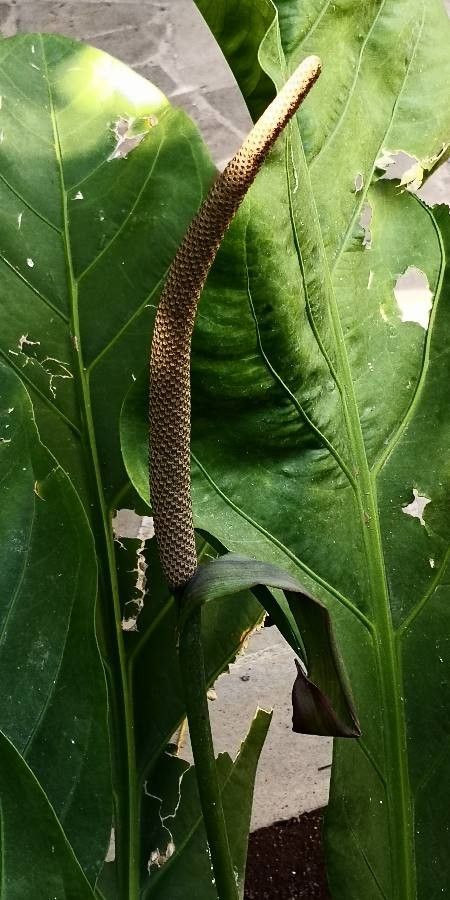
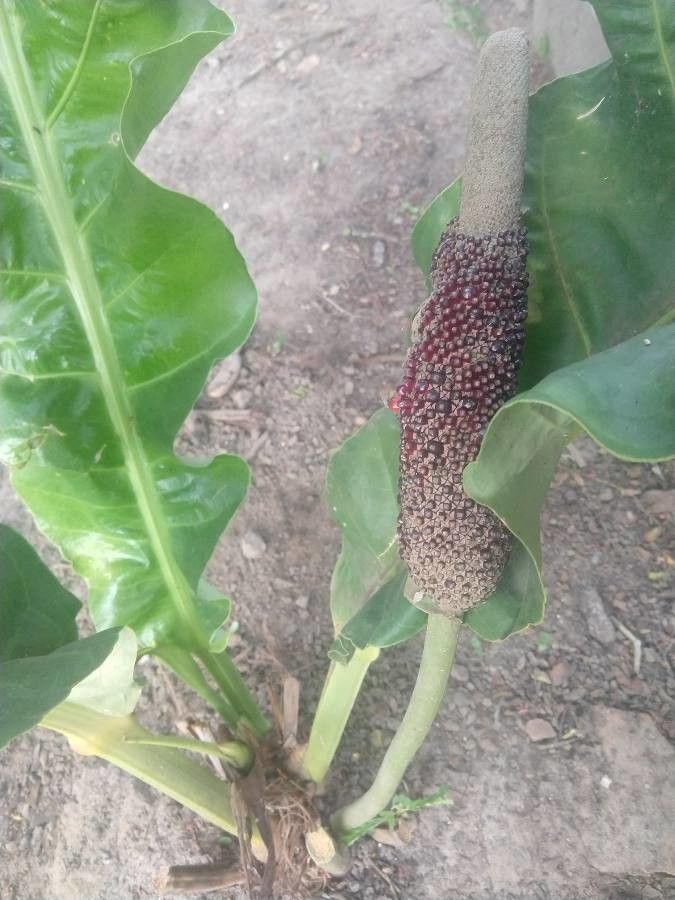
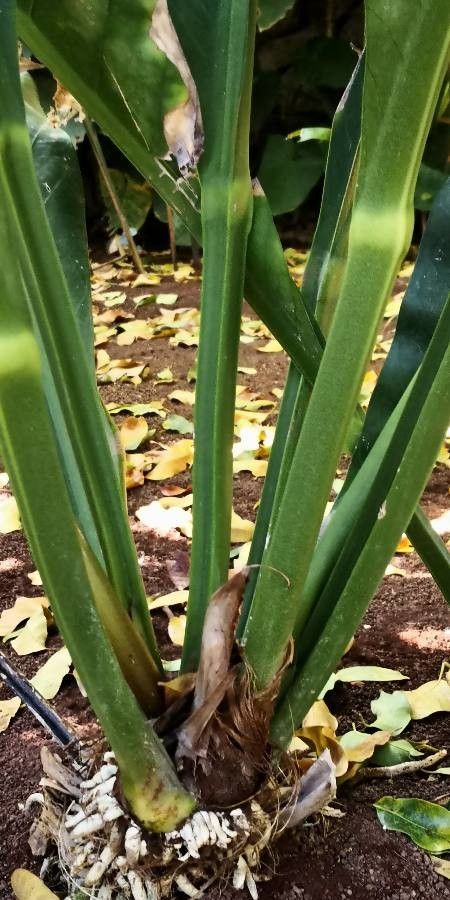
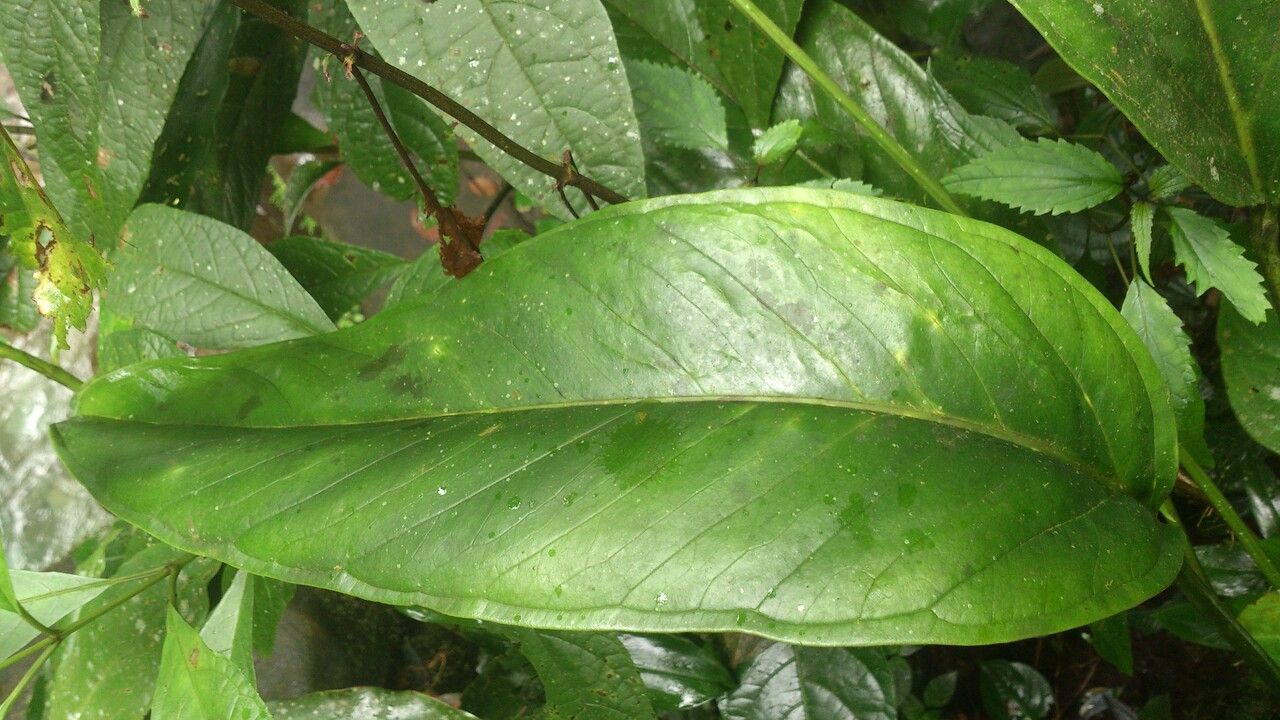
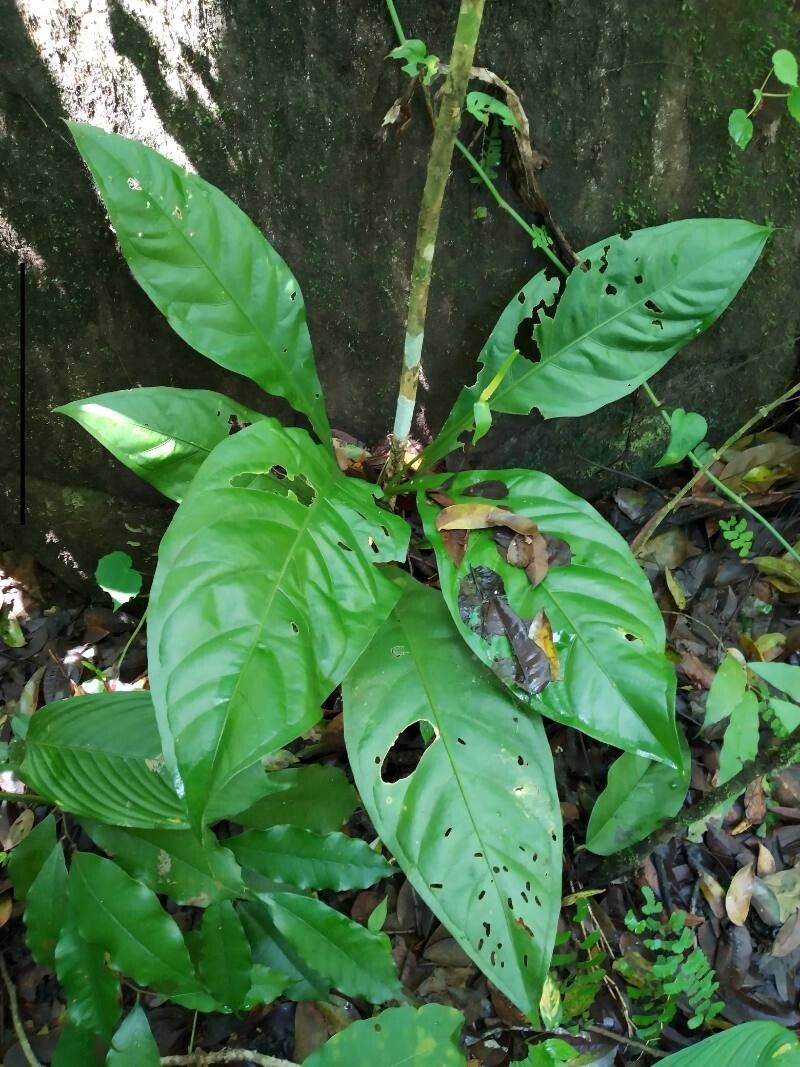
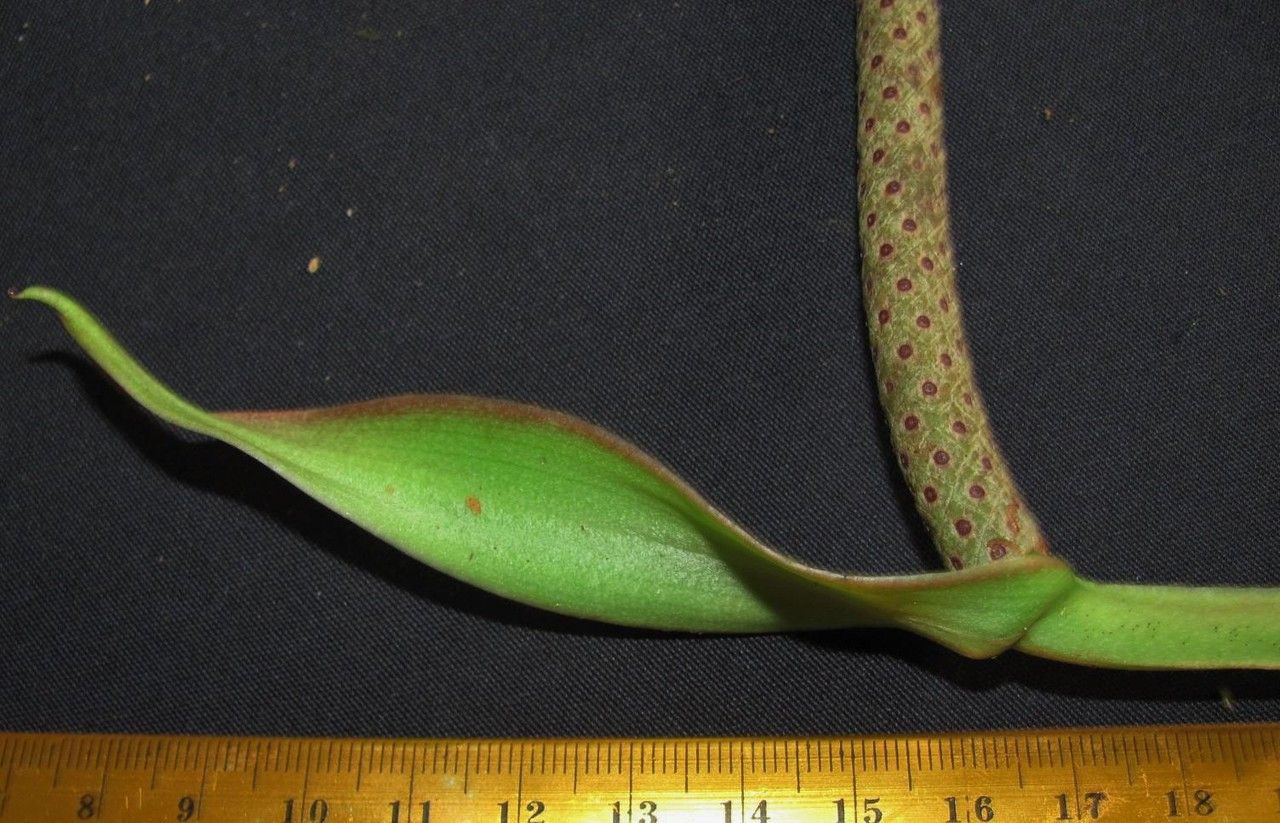
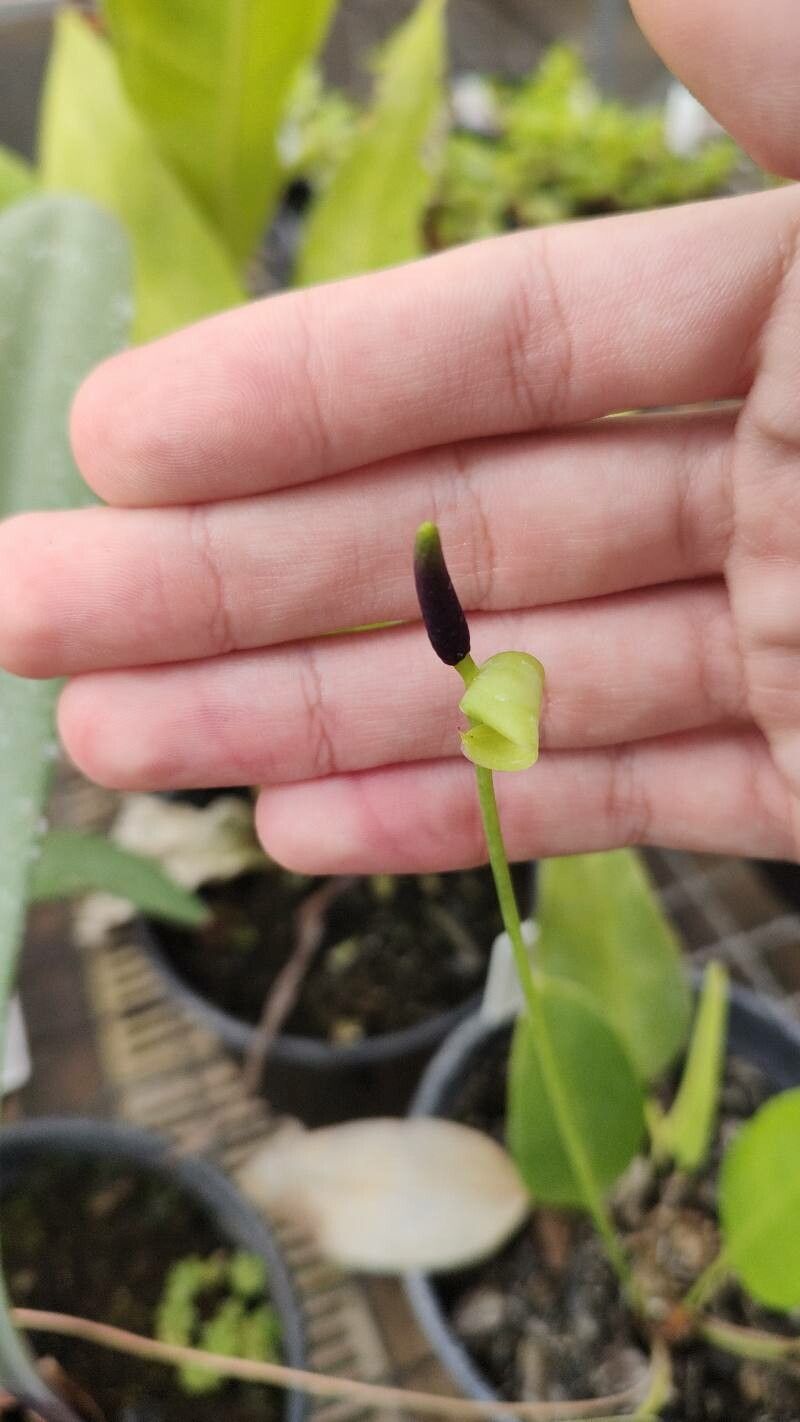
Anthurium schlechtendalii is a tropical plant species belonging to the Araceae family. Native to Central and South America, it thrives in rainforest environments. The plant features large, glossy, heart-shaped leaves that can extend up to 30 cm in length. Its flowers are particularly distinctive, boasting a bright red spadix enveloped by a yellow-green spathe.
Commonly grown as an ornamental houseplant, Anthurium schlechtendalii is valued for its attractive foliage and striking flowers. It thrives in bright but indirect light and requires high humidity levels, well-draining soil, and regular watering—careful not to overwater.
For centuries, indigenous peoples have utilized Anthurium schlechtendalii for its medicinal properties, particularly its antibacterial effects. Extracts from the plant have been used as antiseptics for treating wounds and skin infections.
In summary, Anthurium schlechtendalii is an appealing tropical houseplant that can bring vibrant color and beauty to indoor spaces. Additionally, it offers potential medicinal benefits when used correctly under medical supervision or with guidance from experts in traditional medicine. Indigenous cultures have long recognized its healing properties, incorporating the plant into their daily practices, whether for cooking or crafting natural remedies.
Pheasant's tail is fairly disease-resistant and is generally not prone to illnesses. However, it can be affected by pests and diseases present in its environment, though these infections are typically mild. In terms of care, this plant needs moderate maintenance. It should be pruned regularly to keep a good appearance and encourage healthy growth. Fertilizing can also aid in promoting blooms. Pheasant's tail is suitable for anyone with outdoor space, such as a garden or patio, and does not require extensive care experience. It may demand more attention when grown indoors.
How to keep Anthurium Schlechtendalii.
Light
Pheasant's tail is found in habitats like forest understories and rocky areas, where it occurs under natural shade. It prefers partial sun but can tolerate full sun or full shade, demonstrating its versatility and hardiness.
Water
The Pheasant's tail plant prefers consistent moisture and thrives in the high humidity typical of its tropical rainforest habitat. To keep this plant healthy, water it weekly, making sure that the soil drains well to prevent root rot. It is often grown indoors where humidity levels can be more easily controlled for optimal growth.
Humidity
This plant will thrive in moderate humidity, which is probably the level in your home. However, misting it a few times a week can be very beneficial. Make sure the room has good ventilation.
Temperature
Pheasant's tail comes from tropical areas, where the climate is usually warm and humid. Consequently, it is adapted to high temperatures and humidity. It does not tolerate sudden temperature shifts and prefers a steady temperature, so avoiding indoor temperature fluctuations is important. It typically cannot endure cold and needs warmer conditions to grow. If the surrounding temperature becomes too low, the plant may stop growing or even die.
Fertilizer
Proper fertilization is essential for Pheasant's tail's health and appearance. Apply fertilizer to Pheasant's tail in summer, repeating the application monthly throughout summer. Nutrients provide fuel for growth and help maintain the plant components. Fertilization enhances Pheasant's tail's flower display, ensuring the best blooms.
Pruning
For optimal health and shape, prune pheasant's tail in early to late spring. This encourages growth and improves airflow. Remove any dead leaves, but avoid heavy pruning to minimize stress. Regularly trim yellowing leaves to prevent disease and enhance the plant’s visual appeal, ensuring it remains vibrant throughout the year.
Toxicity
Anthurium are considered toxic, they contain soluble calcium oxalates that can cause dogs, cats to vomit and even dangerous to horse when ingested. Keep these plants away from your pets and contact your veterinarian immediately if you suspect they have eaten a part of your plant.
Further reading →
The toxicity and danger assessments provided are for reference only. We do not assure their accuracy, so it's crucial not to depend on them. Seek professional advice when necessary for accurate guidance.
Botanical profile.
- Plant Type
- Herb
- Life Cycle
- Perennial
- Genus
- Anthurium
- Family
- Araceae
- Hardiness Zone
- 10-12
- Mature Height
- 61 cm to 91 cm
- Mature Spread
- 49 cm to 76 cm
- Leaf Color
- Dark Green
- Leaf Type
- Evergreen
- Flower Size
- 10.16 cm to 15.24 cm
- Bloom Time
- All year round
- Planting Time
- Spring, Summer, Autumn
- Harvest Time
- Late spring, Summer, Fall, Winter, Early spring, Mid spring
- Native Area
- Central America, northern South America, Caribbean
Other names.
Reader questions.
What are the sunlight requirements for Pheasant's tail (Anthurium schlechtendalii)?
Pheasant's tail (Anthurium schlechtendalii) thrives under specific sunlight conditions to ensure its health and happiness. It requires partial sun, meaning it should receive about 3-6 hours of sunlight daily. For locations that receive full shade, this means less than 3 hours of sunlight per day. It's important to observe the movement of sunlight through your garden to choose spots that offer a perfect balance of light and shade tailored to the needs of your plants.
What is the common name of Anthurium schlechtendalii?
The common name of Anthurium schlechtendalii is Pheasant's tail.
What are the essential care instructions for Pheasant's tail?
There are no specific essential care instructions provided for Pheasant's tail (Anthurium schlechtendalii) in the provided data. For detailed care instructions, it's advisable to consult a plant care guide or professional.
What symptoms should I look for in an unhealthy Pheasant's tail plant?
No specific symptoms were provided for an unhealthy Pheasant's tail (Anthurium schlechtendalii) plant in the provided data. Observing your plant for common issues like discoloration, wilting, or pests can be a good start. For accurate diagnosis and treatment, consider reaching out to a plant care expert.