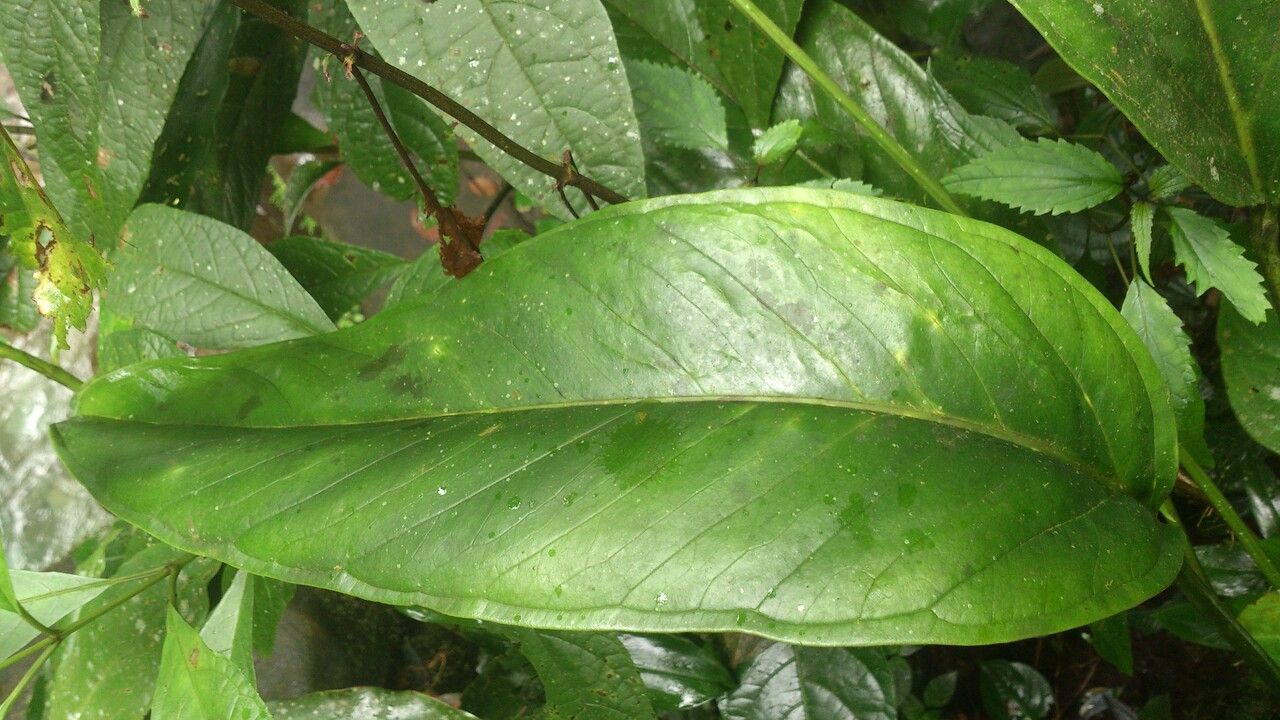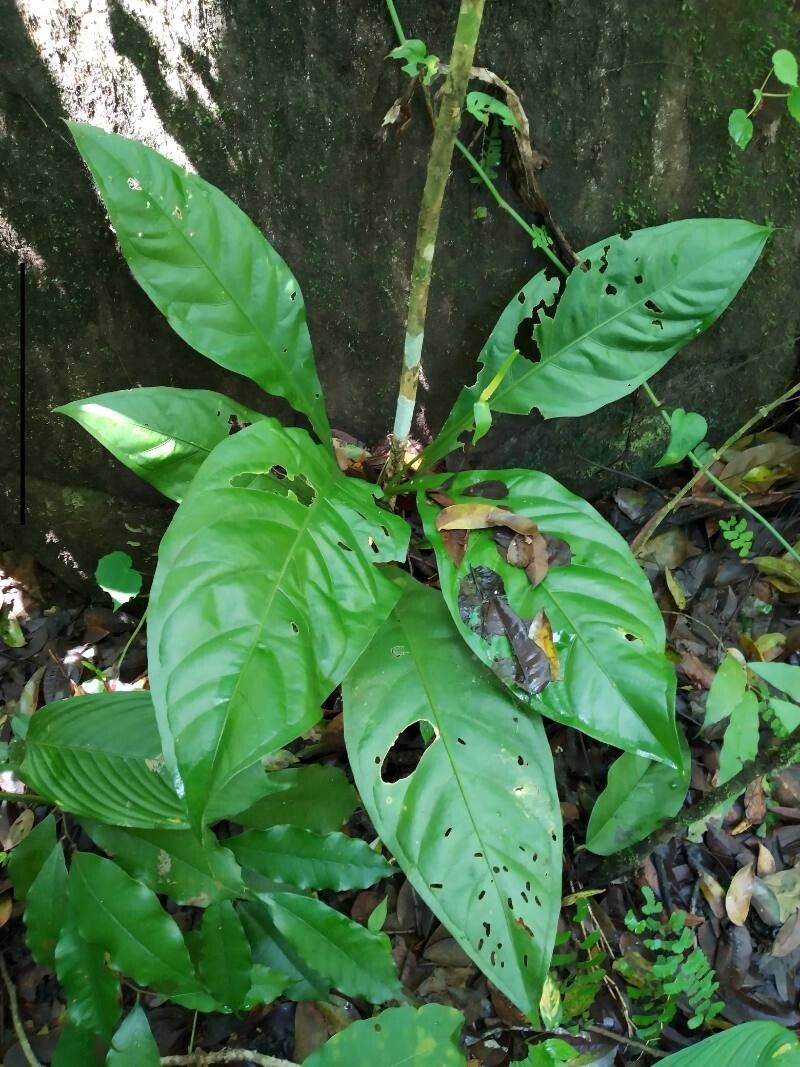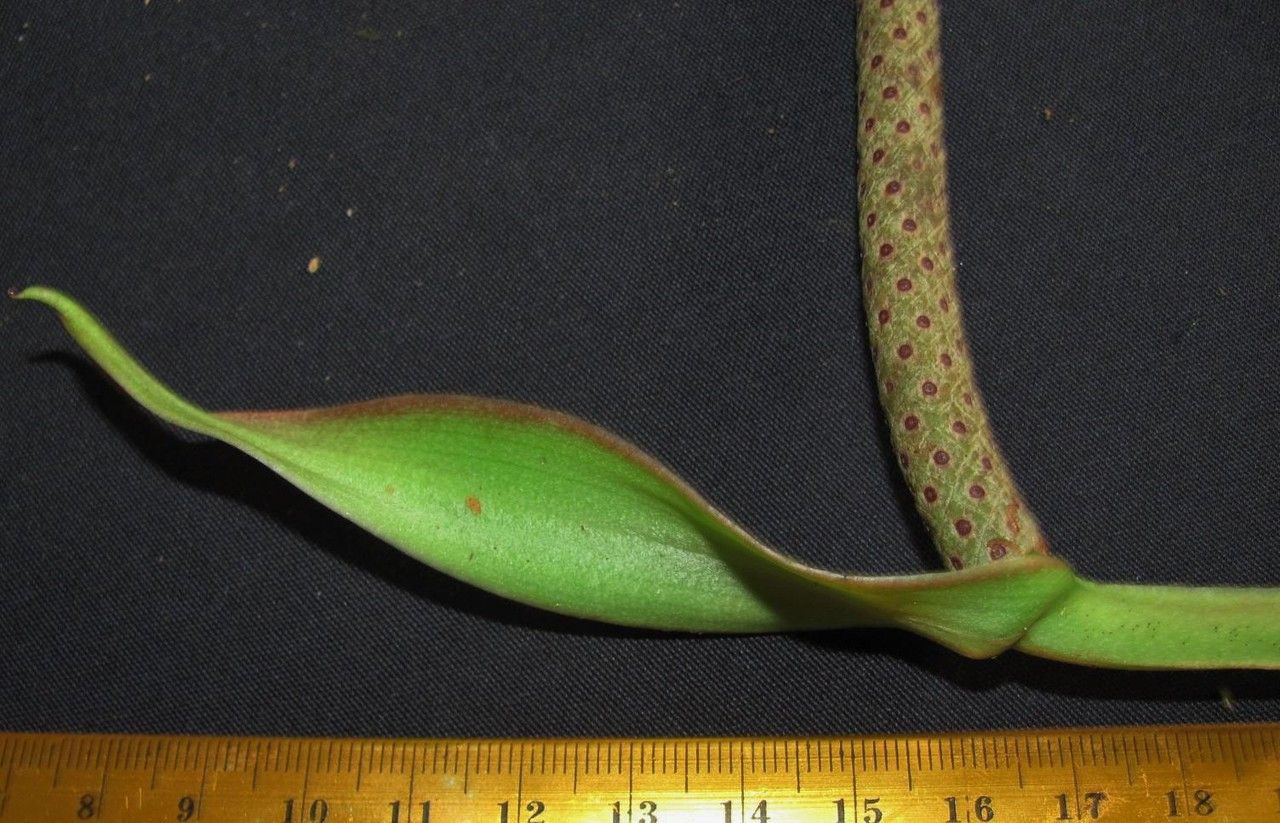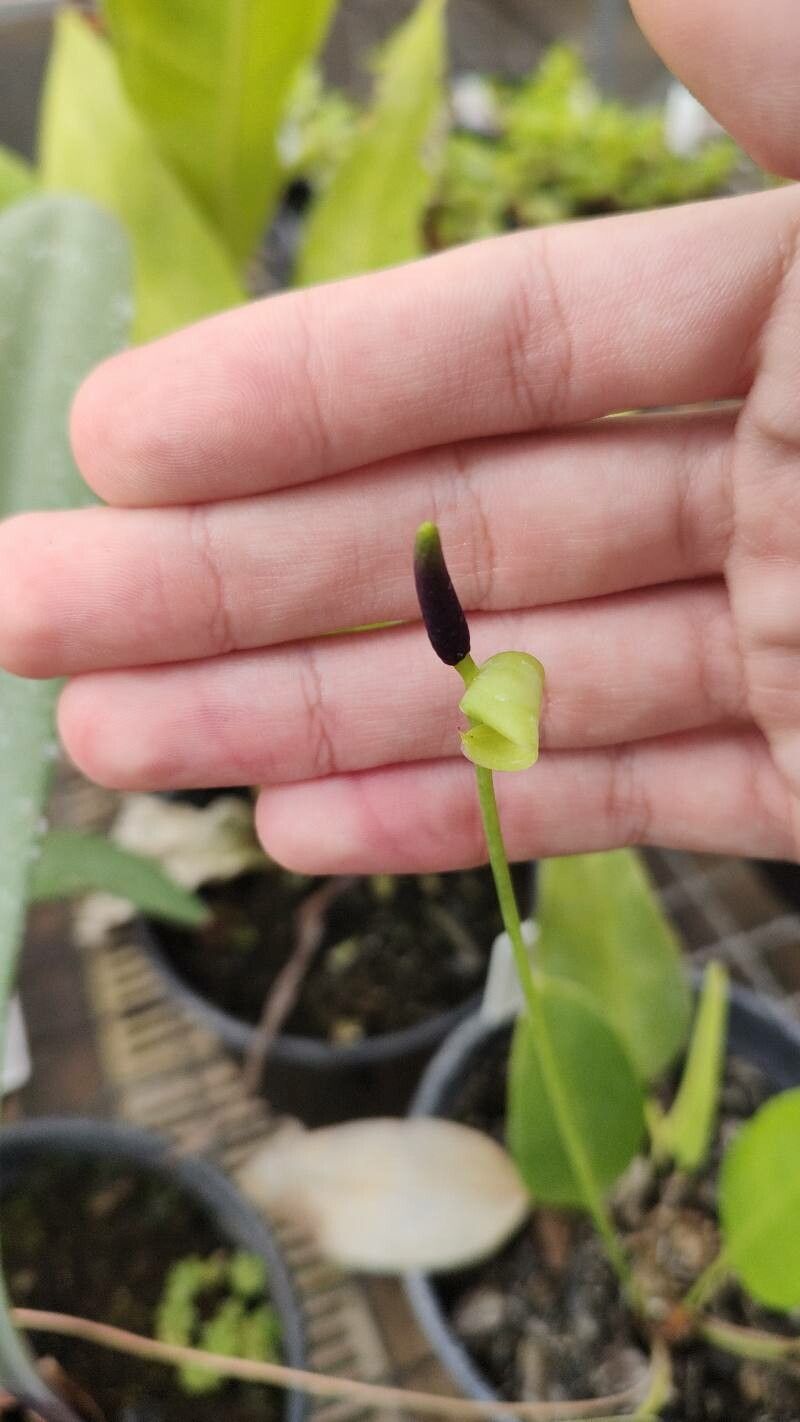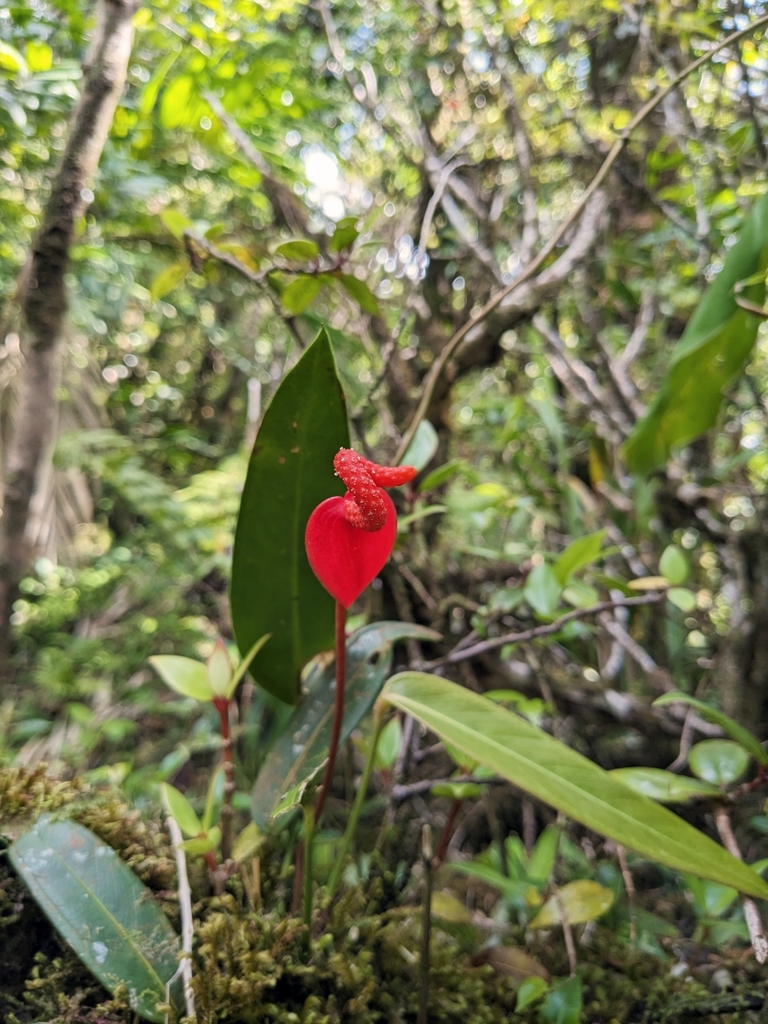
Anthurium scherzerianum, commonly known as the flamingo flower or painter's palette, is a tropical plant native to Central and South America. It is a popular houseplant due to its striking appearance and long-lasting blooms. This plant features glossy, heart-shaped leaves that can grow up to 30 cm long and 20 cm wide. The flowers are typically red or pink, with a distinctive spadix—a spike-like structure—that protrudes from the center.
Anthurium scherzerianum thrives in bright but indirect light and requires well-draining soil. It needs regular watering, but be careful not to overwater, as this can lead to root rot. The plant also benefits from occasional misting to increase humidity around its leaves. With proper care, this plant can bloom year-round, making it an excellent choice for indoor garden enthusiasts seeking a striking tropical houseplant.
Pigtail anthurium has good disease resistance and is generally not susceptible to illnesses. However, it can develop leaf spots when light and ventilation are poor and watering is excessive. The care level for this plant is considered easy, as it only requires regular watering and little else. Pigtail anthurium is suitable for people who lack the time and energy to give regular care.
How to keep Anthurium Scherzerianum.
Light
Pigtail anthurium prefers moderate sunlight and can tolerate brighter light, but not continuous, intense sun. Native to environments with filtered light, it requires a substantial amount of sunlight to remain healthy. Insufficient light can slow its growth, while excessive exposure can burn the leaves.
Water
The pigtail anthurium, native to humid tropical regions, thrives with consistent moisture without becoming waterlogged. Ideally, it should be watered twice a week. Often grown indoors for its decorative charm, this plant does best in well-draining soil, which maintains the right level of hydration and prevents excess moisture retention.
Temperature
Pigtail anthurium originates from areas where temperatures commonly lie between 68 and 100 °F (20 and 38 °C). It tends to favor the warmer side of that range, when the weather permits. Indoors, conditions can be modified by adjusting air-conditioning settings or providing supplemental heat during cooler months.
Fertilizer
Proper feeding is essential for a Pigtail anthurium’s health and appearance. Feed the Pigtail anthurium during summer, repeating the treatment once a month throughout the season. Nutrients drive growth and help sustain the plant’s tissues. Feeding also improves the Pigtail anthurium’s floral display, ensuring the best blooms.
Pruning
The pigtail anthurium is known for its striking red spathe and spadix. To keep it thriving, it's best to prune the plant from late winter to early spring. Start by removing any dead leaves to improve air circulation, and trim away old flower stalks to encourage new growth. Regular pruning helps maintain the plant's overall health, ensuring a vibrant and attractive display.
Pot & Repot
Repot a Pigtail anthurium in spring or summer when temperatures are warm enough, choosing a slightly larger pot with good drainage. Water thoroughly after repotting and place it in a bright spot with indirect light. Consider adding a moss pole for support as the plant grows.
Botanical profile.
- Plant Type
- Herb
- Life Cycle
- Perennial, Annual
- Genus
- Anthurium
- Family
- Araceae
- Hardiness Zone
- 11-12
- Mature Height
- 30 cm to 49 cm
- Mature Spread
- 30 cm to 46 cm
- Leaf Color
- Green, Blue
- Leaf Type
- Evergreen
- Flower Color
- Red, Pink, White
- Flower Size
- 2.29 cm to 6.35 cm
- Bloom Time
- All year round
- Planting Time
- Spring, Autumn
- Harvest Time
- All year round
- Native Area
- Costa Rica
Other names.
Reader questions.
What should I do if I give too much or too little water to my Pigtail anthurium?
To remedy underwatering, first water your Pigtail anthurium deeply until water runs out of the drainage hole. If you're growing it outside, water until the soil is fully moist. If the plant is receiving too much water, reduce your watering schedule. Check the soil and container, as they may hinder proper drainage. Consider using looser soils or a container with larger drainage holes or a porous material. Also, assess the plant's location. If it's tucked in a corner, consider moving it near a window or door to improve ventilation and reduce the chance of overwatering.
Why is it important to fertilize my Pigtail anthurium?
Fertilizer is like fuel for your Pigtail anthurium, helping it grow and stay healthy. Plants get nutrients from the soil to make new plant material and keep everything in good shape. For the Pigtail anthurium, fertilizing is important to make sure its flowers look amazing. Since the flowers are the main attraction, gardeners should do what they can to help them look their best. Fertilizing is one of the most reliable ways to make your Pigtail anthurium produce beautiful blooms.
What are the sun requirements for Pigtail anthurium?
Pigtail anthurium needs moderate levels of sun exposure and can adapt to intense light, though it should not be exposed to harsh, relentless sun. Originating in habitats with dappled sunlight, it requires a significant amount of solar energy for optimal health. The plant thrives in partial sun, about 3-6 hours of sunlight, but can also tolerate full sun, which is above 6 hours of sunlight, especially in cooler weather. However, both lack of sunlight, which may stunt its growth, and excessive sunlight, which can scorch its leaves, should be avoided. When planning your garden, observe the movement of sunlight to ensure your plants get the right balance of light and shade.
What is the native temperature range for Pigtail Anthurium?
Pigtail Anthurium, or Anthurium scherzerianum, thrives in regions where the temperature typically ranges between 68 to 100 °F (20 to 38 °C). It prefers warmer climates within this spectrum and can tolerate high temperatures well. During colder months, indoor temperature adjustments may be necessary through air conditioning regulation or heating to maintain a conducive environment for the plant.
How often do I need to water my Pigtail anthurium plant?
The Pigtail anthurium is a plant that doesn't need consistent soil moisture. It's better to let the soil dry out between waterings. If you're growing this plant in a container, you can tell when it's time to water by checking how dry the soil is. For example, if about the top half of the soil is dry, it's time to water. You can check by inserting your fingers, sticks, or using a soil moisture meter. If you're growing the Pigtail anthurium outdoors, you can plan to water it about once every other week, unless it has recently rained.
When should I fertilize my Pigtail anthurium for best results?
The Pigtail anthurium goes through two main phases every year. The first phase is the dormant phase, which happens in winter. During this phase, there is minimal new growth. The second phase is the active growth phase, occurring in spring and fall. This is when your Pigtail anthurium will require the most fertilization. It is generally recommended to start fertilizing your plant in the spring, repeating the process once a month until the end of the summer. As fall approaches, you can gradually decrease the frequency of fertilization.
What artificial lighting requirements does Pigtail anthurium have?
For indoor Pigtail anthurium plants, adequate lighting is crucial, especially when natural sunlight is insufficient. Artificial lights, like LED lights, can provide the necessary wavelengths for growth. Full sun plants should receive 30-50W/sq ft of artificial light, partial sun plants 20-30W/sq ft, and full shade plants 10-20W/sq ft. The artificial light source should be placed 12-36 inches above the plant to mimic natural sunlight conditions. To ensure optimal growth, the duration of artificial lighting should match the natural daylight hours, requiring most plants to have 8-12 hours of light per day.
How should Pigtail Anthurium be cared for in colder temperatures?
To protect Pigtail Anthurium from cold harm, it's advised to bring any outdoor plants indoors during autumn and place them near a bright window, away from direct heat sources to avoid damage. Ensuring indoor temperatures remain above the plant's minimum tolerable growth temperature during winter months is crucial for its continued growth. It's important to avoid exposing the plant to temperatures close to or below its critical minimum to prevent detrimental effects.
How much water does my Pigtail anthurium plant need?
To water your Pigtail anthurium, wait until the top half of the soil is dry. Then, add enough water to moisten the soil again. The amount of water needed depends on the size of your plant and its container. For a small Pigtail anthurium in a small to medium-sized pot, one to two cups of water should be enough. Increase the amount of water for larger plants. You can check if the soil is moist enough by sticking your finger or a trowel into it. Another method is to water until you see excess water draining from the bottom of the container.
When is it best to not fertilize my Pigtail anthurium plant?
To support the growth of your Pigtail anthurium without causing root burn, it's important to consider the plant's different stages. During spring and summer, when the plant is actively growing, it needs extra nutrients. However, in the fall and winter, when the plant enters its dormancy stage, it is best to stop fertilizing.
What are the symptoms of inadequate light for Pigtail anthurium?
Pigtail anthurium may exhibit several symptoms when exposed to inadequate light, including smaller new leaves, leggy or sparse growth, faster leaf drop, slower or no new growth, lighter-colored leaves, and chlorosis, where leaves lose their green color. Excessive sunlight can cause symptoms such as sunscald, leaf curling, wilting, leaf scorching, with leaves showing pale, bleached or necrotic spots, or brown, dry, crispy edges. These signs indicate the plant is struggling with its light conditions.
What are the symptoms of Pigtail Anthurium being exposed to low temperatures?
Exposure to temperatures below its optimal growth range can lead to discoloration, where leaves might lighten in color after frost damage and eventually turn brown or black. Symptoms like wilting and drooping are common indicators of the plant suffering from cold stress. To remedy this, frost-damaged parts should be trimmed off, and the plant should be moved indoors to a warmer location, ideally near a south-facing window, while avoiding placing it near heaters or air conditioning vents to prevent air dryness.