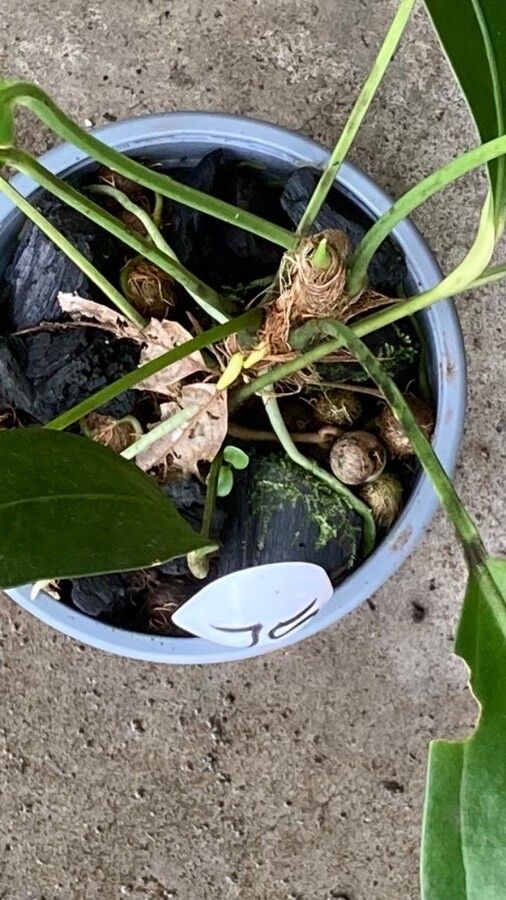
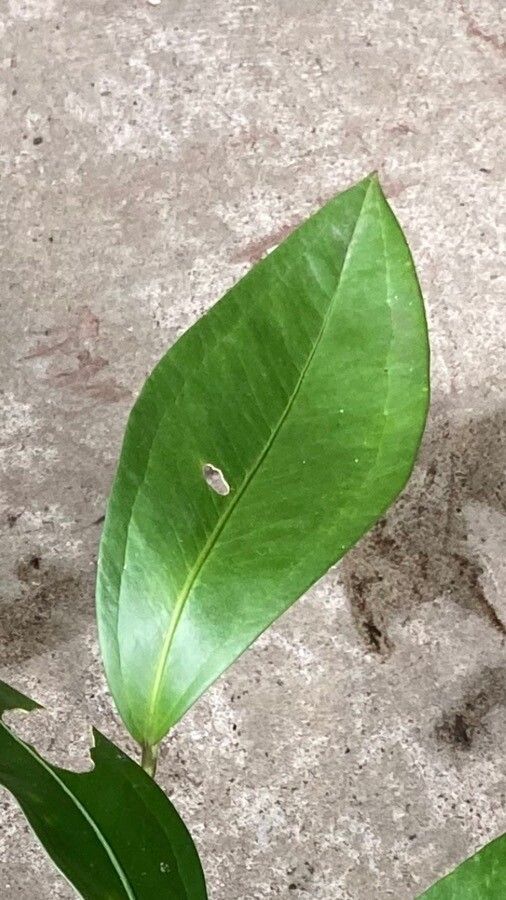
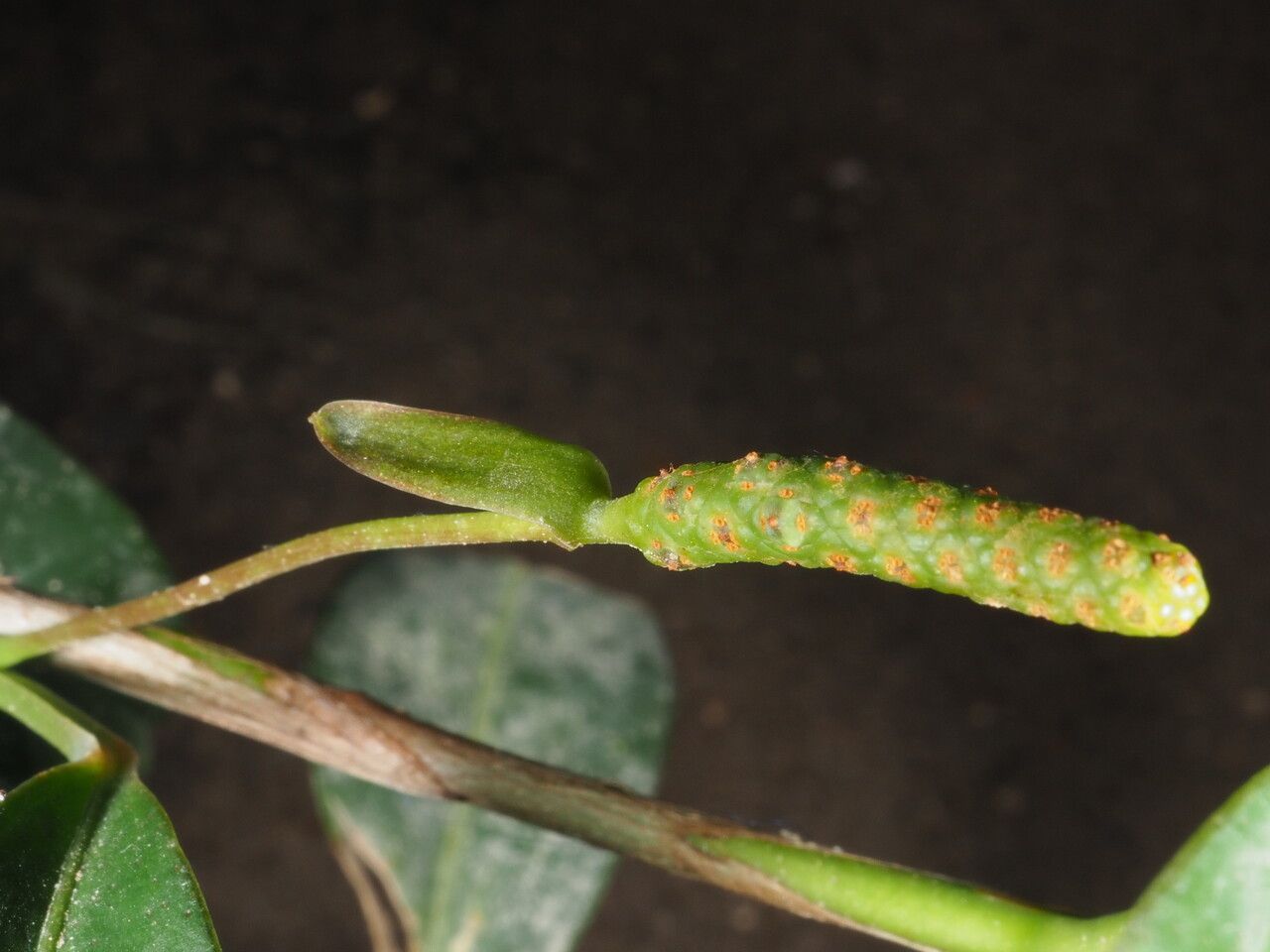
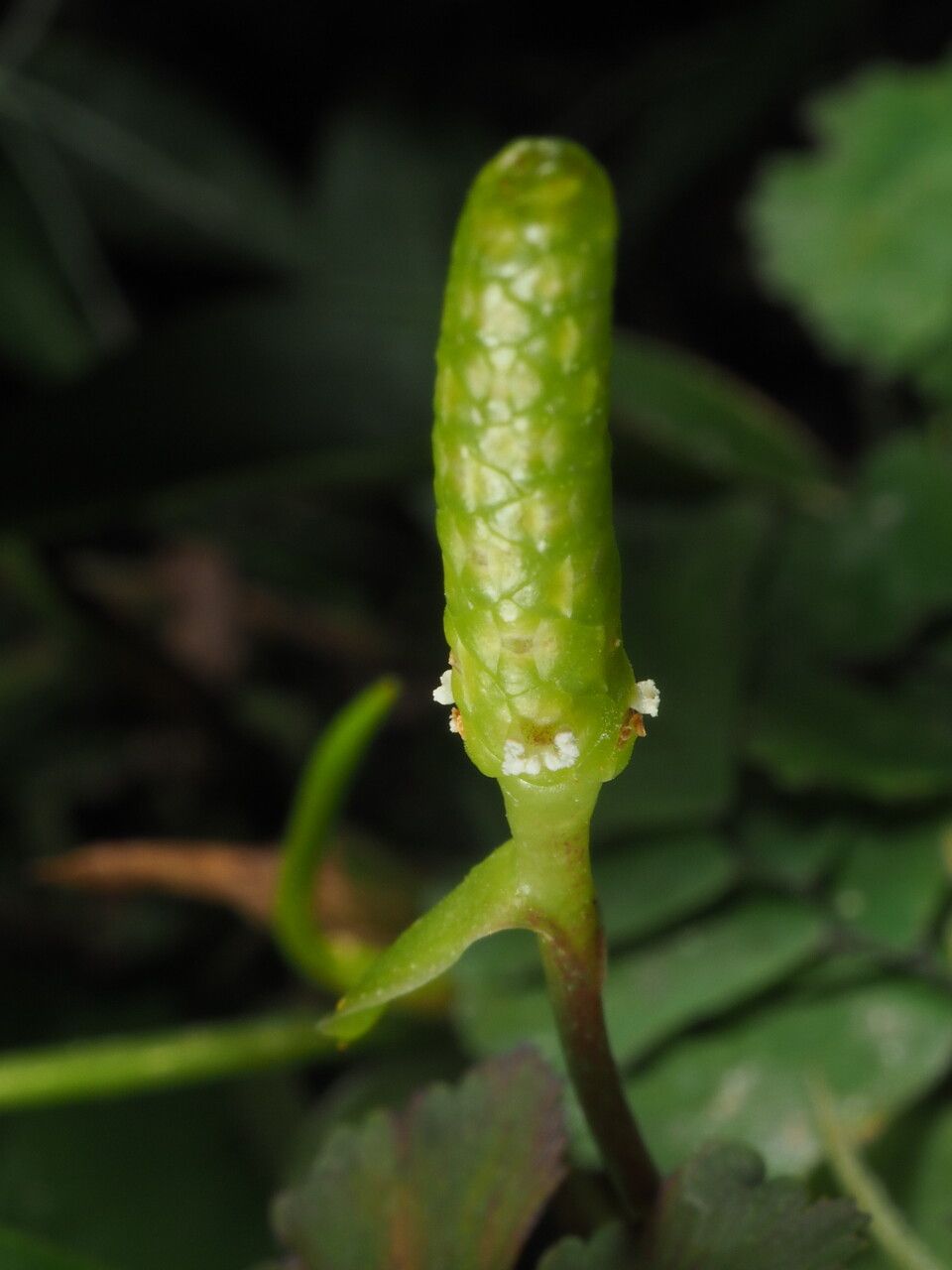
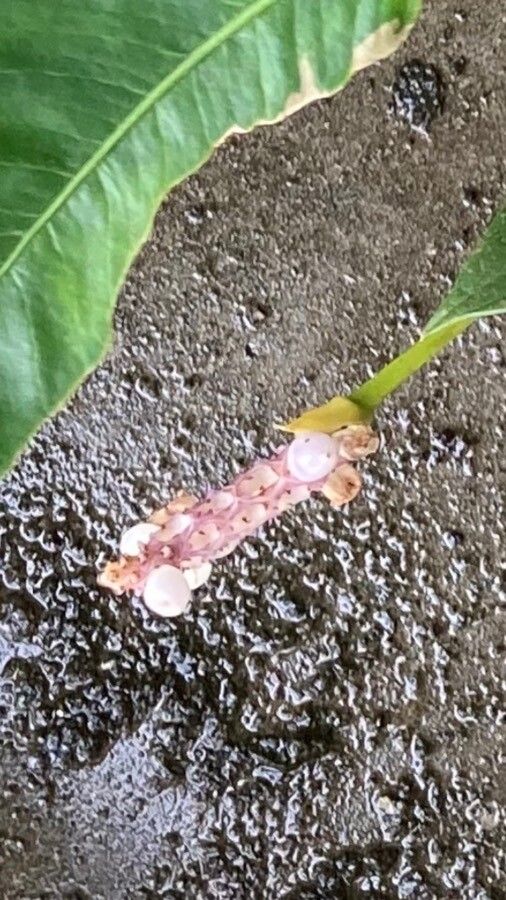
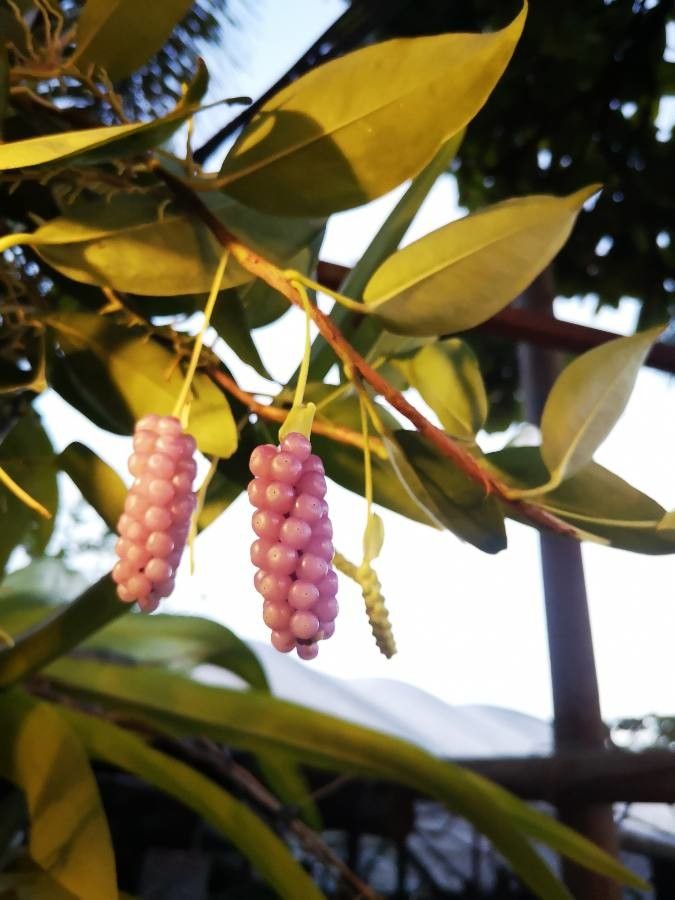
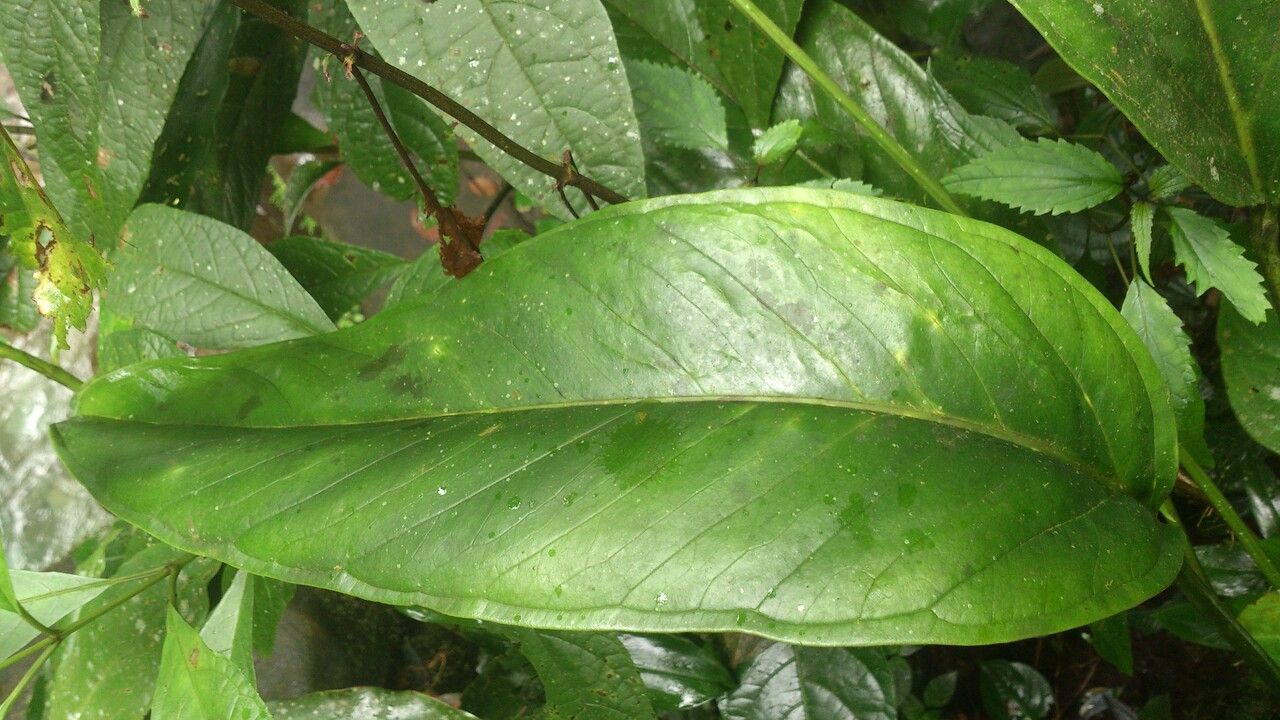
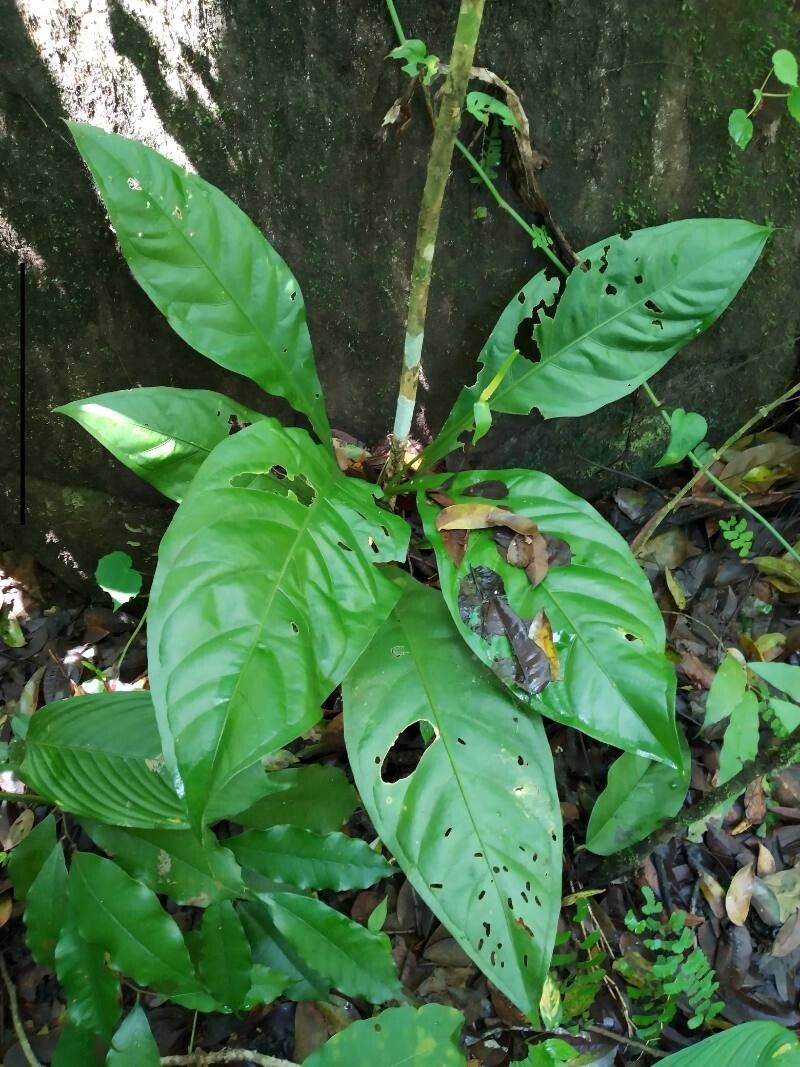
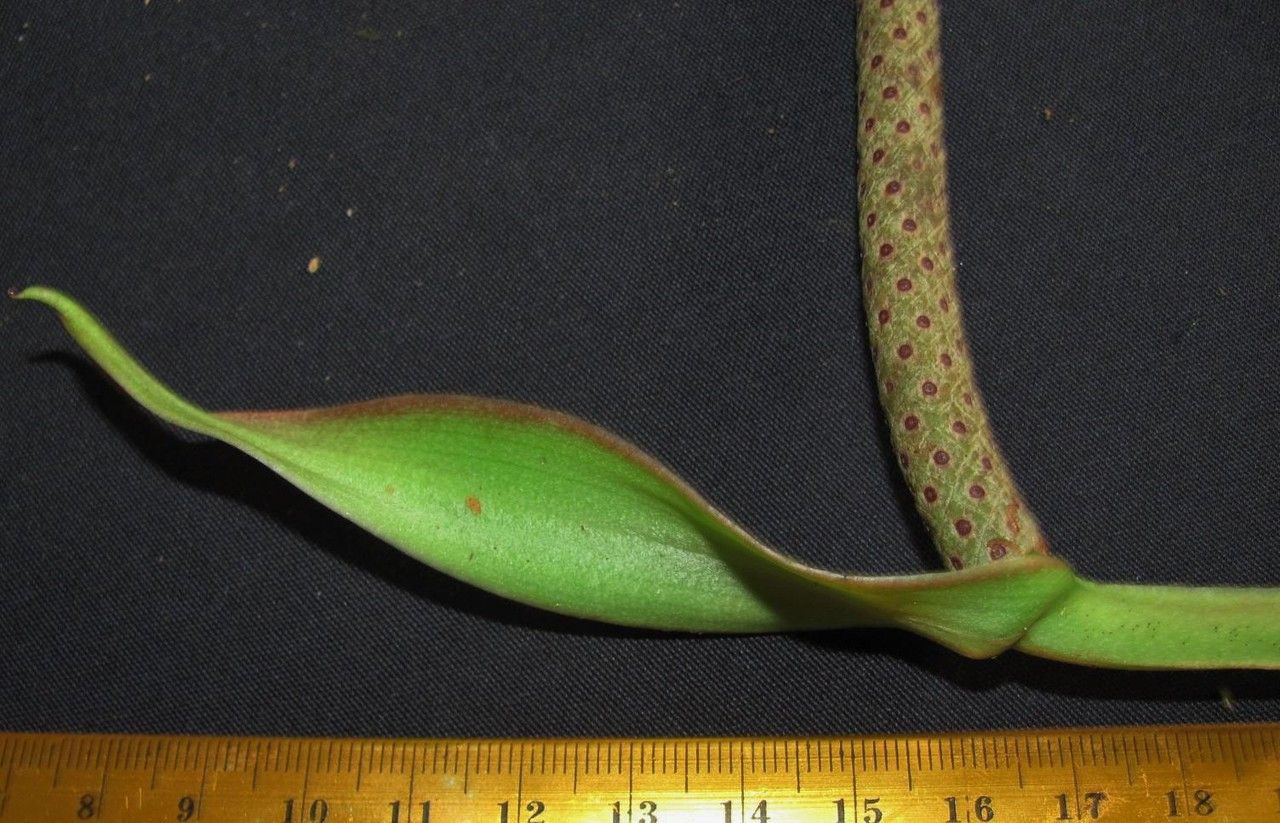
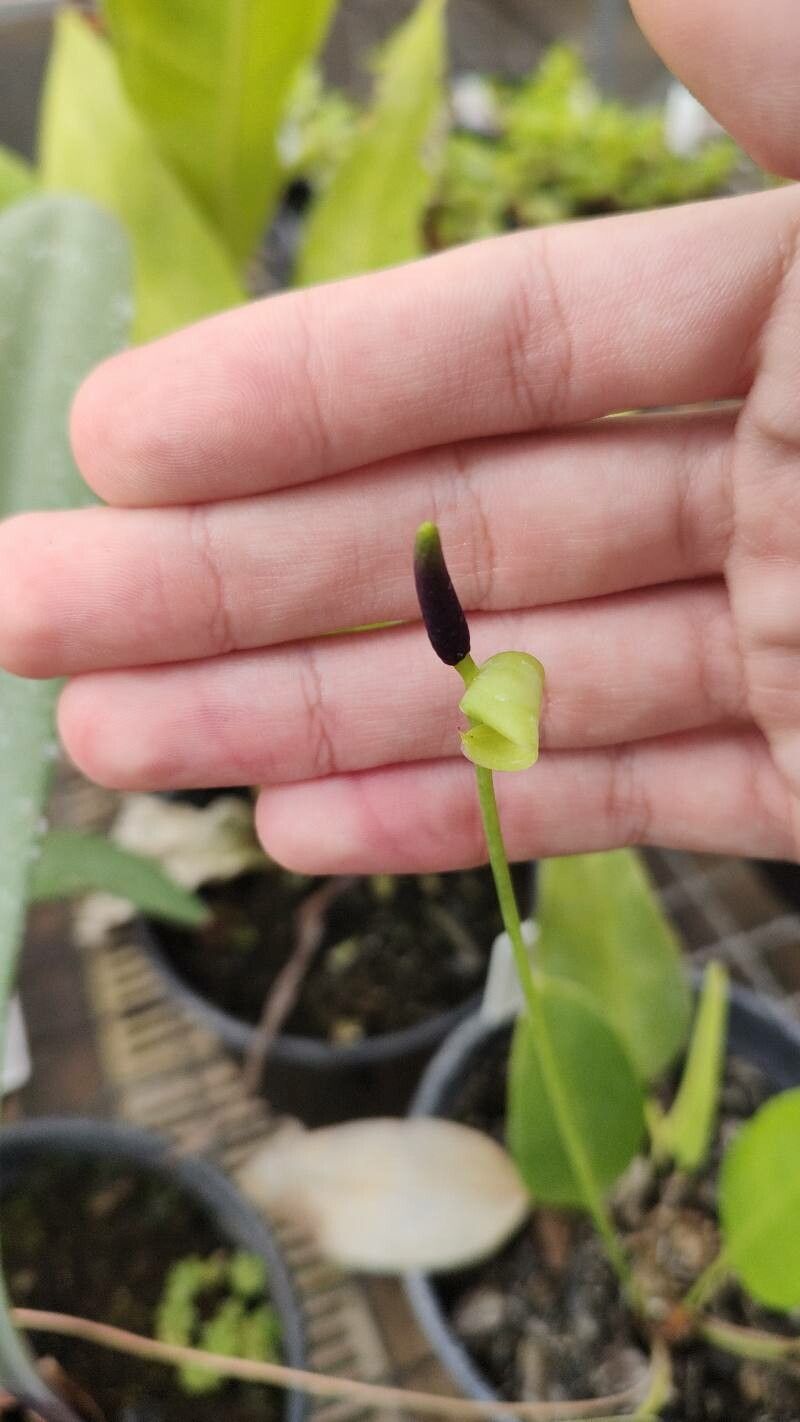
Anthurium scandens is a species of plant in the genus Anthurium. Native from Mexico to Southeast Brazil, it is the most widely distributed species of Anthurium in the Americas, and also extends to the Caribbean including Haiti, Puerto Rico, Jamaica, and other nations.An epiphyte with green, elliptical foliage and white berries, its botanical name refers to its scandent (i.e. climbing) growth habit. It is the most common and variable species in the genus with a number of subspecies across its range. It is most often confused with Anthurium trinerve, but can be distinguished by the fact that its spathe is reflexed when flowering, whereas on A. trinerve it stays erect. In some areas the plant is used medicinally as folk medicine from a tincture prepared from its roots.
Pearl anthurium is fairly disease-resistant and usually not prone to problems. However, it can be vulnerable to pests and diseases present in its surroundings. Such infections are typically mild. In terms of care, this plant requires moderate maintenance. It should be pruned regularly to preserve a tidy appearance and healthy growth. Fertilizing can also help encourage flowering. Pearl anthurium is suitable for anyone with an outdoor area, such as a garden or patio, and does not demand extensive care experience. It may need more attention when grown indoors.
How to keep Anthurium Scandens.
Light
Pearl anthurium does best with a moderate amount of sunlight that is neither too strong nor too weak. It can endure a variety of light conditions, though intense sun can harm the plant's health. In its natural environment it is commonly found in spots with filtered light. Too little light can undermine its growth and vitality.
Water
Pearl anthurium, which originates from tropical rainforests, thrives in environments with high humidity and consistent moisture. To mimic its natural habitat, water the plant twice a week. For indoor care, increase humidity around the plant by misting it regularly or placing it on a pebble tray. These practices will help support its lush growth and enhance its ornamental appeal.
Temperature
Pearl anthurium comes from tropical areas, where the climate is generally warm and humid. Therefore it is adapted to high temperatures and elevated humidity. It does not tolerate sudden temperature changes and prefers a consistent thermal environment, so avoiding temperature fluctuations indoors is important. It generally cannot withstand cold and needs warmer conditions to grow. If the ambient temperature falls too low, the plant may stop growing or even die.
Fertilizer
Appropriate fertilization is essential for the Pearl anthurium's health and appearance. Fertilize the Pearl anthurium during summer, repeating the treatment monthly throughout the season. Nutrients fuel growth and help maintain the plant's parts. Fertilization improves the Pearl anthurium's flower display, ensuring the best blooms.
Pruning
The Pearl Anthurium is characterized by its trailing vines and small, glossy leaves. To maintain an optimal shape and promote healthy growth, it's best to prune any leggy stems between early and late spring. Cut just above the leaf nodes to encourage branching. This practice not only enhances the plant's appearance but also improves air circulation, which helps reduce the risk of pests. For the best results, use clean and sharp tools when pruning.
Pot & Repot
Repot your pearl anthurium every spring to support its climbing habit and aerial roots. Use a medium-sized pot with good drainage. After repotting, place it in indirect light and keep the soil consistently moist. This will help the plant recover well and encourage vibrant growth, along with the display of its pearl-like berries.
Botanical profile.
- Plant Type
- Herb, Vine
- Life Cycle
- Perennial
- Genus
- Anthurium
- Family
- Araceae
- Hardiness Zone
- 10-12
- Mature Height
- 30 cm to 61 cm
- Mature Spread
- 30 cm to 46 cm
- Leaf Color
- Dark Green
- Leaf Type
- Evergreen
- Flower Color
- White, Green, Red
- Flower Size
- 1.02 cm to 2.03 cm
- Bloom Time
- All year round
- Planting Time
- Spring, Autumn
- Harvest Time
- All year round
Other names.
Reader questions.
What are the sunlight requirements for Pearl Anthurium?
Pearl Anthurium thrives under an optimum level of sun exposure that is neither overly intense nor too weak. It prefers about 3-6 hours of sunlight for partial sun conditions and can also tolerate full shade, which is less than 3 hours of sunlight. In its natural habitat, Pearl Anthurium is often found in locations that receive filtered light, indicating its ability to adapt to a range of light conditions. However, strong sun can negatively impact the plant's health, and lack of sufficient light exposure may compromise its growth and vitality.
How can artificial lighting benefit indoor Pearl Anthurium plants?
Indoor Pearl Anthurium plants require adequate lighting for optimal growth, especially when natural sunlight is insufficient, such as in winter or less sunny spaces. Artificial lights offer a vital solution, promoting faster, healthier growth. LED lights are a popular choice because they can provide specific wavelengths needed by the plants. Full sun plants need 30-50W/sq ft of artificial light, partial sun plants 20-30W/sq ft, and full shade plants 10-20W/sq ft. The light source should be placed 12-36 inches above the plant, mimicking natural sunlight, and most plants need 8-12 hours of light per day.
What are the symptoms of light deficiency in Pearl Anthurium?
When grown indoors with insufficient light, Pearl Anthurium may exhibit symptoms such as smaller new leaves, leggy or sparse growth, faster leaf drop, slower or no new growth, and lighter-colored new leaves. These symptoms indicate a lack of chlorophyll and essential nutrients, which can compromise the plant's ability to photosynthesize efficiently. Additionally, chlorosis, sunscald, leaf curling, wilting, and leaf scorching are symptoms that can occur from either excessive sunlight or insufficient light exposure, highlighting the importance of balanced light conditions.
How can I manage my Pearl Anthurium's light exposure?
To optimize your Pearl Anthurium's growth, gradually introduce it to sunnier spots each week, aiming for 3-6 hours of direct sunlight daily. This gradual adaptation helps the plant adjust without getting sunburned. For indoor plants that are large or not easily movable, consider providing additional light with a desk or ceiling lamp on for at least 8 hours daily, or invest in professional plant grow lights. Outdoors, move your plants to sunnier locations gradually to avoid sudden changes in light intensity. Minimizing obstructions like tree branches can also enhance sunlight exposure. For smaller plants, consider transplanting during the dormant period to a location with ample sunlight and good drainage.