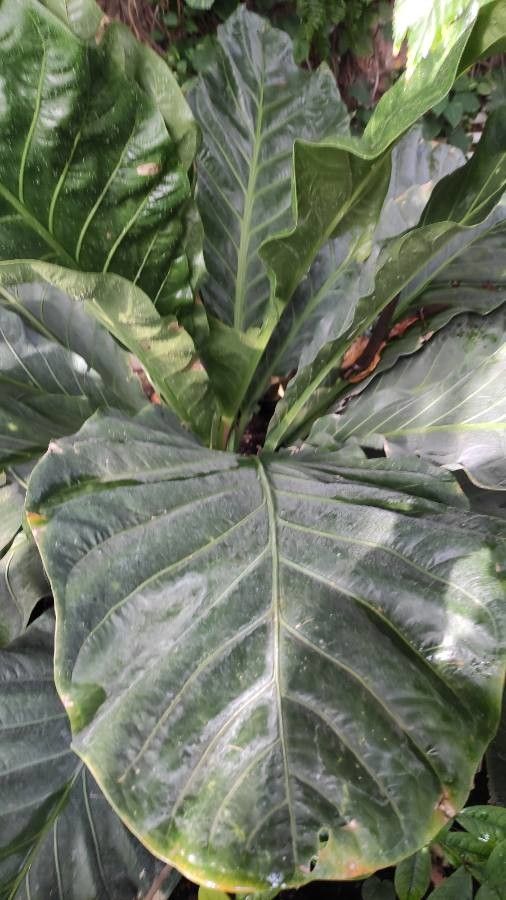
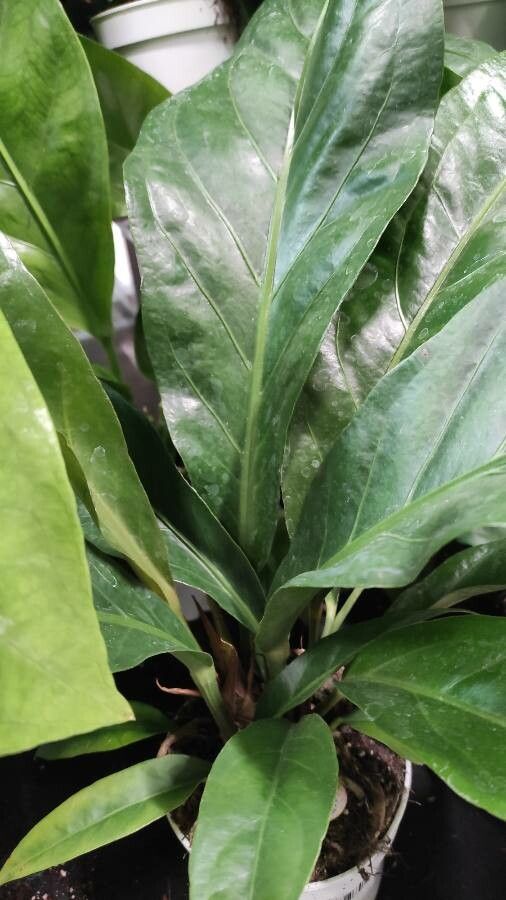
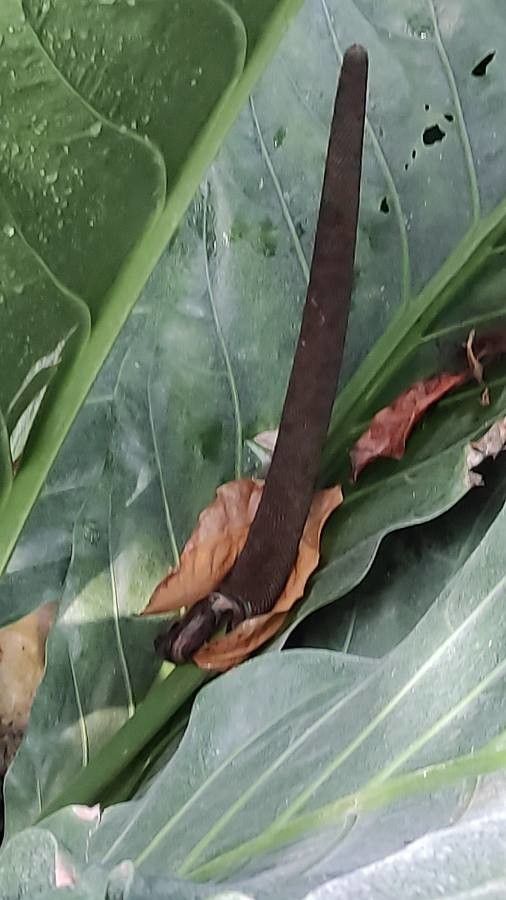
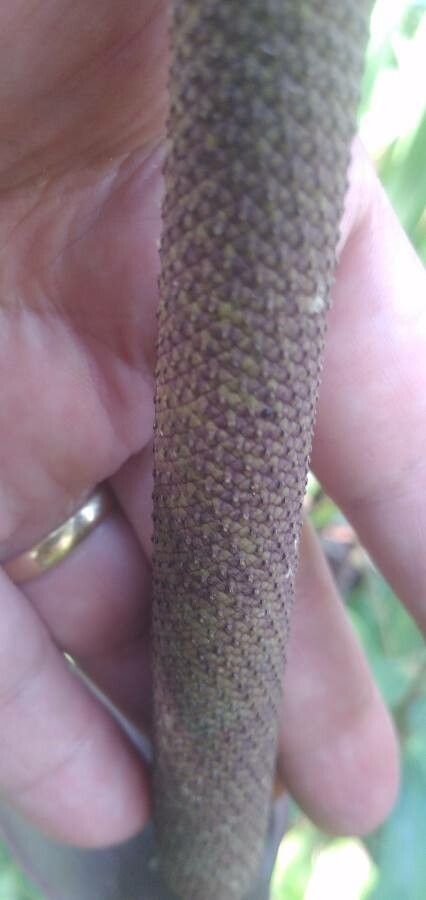
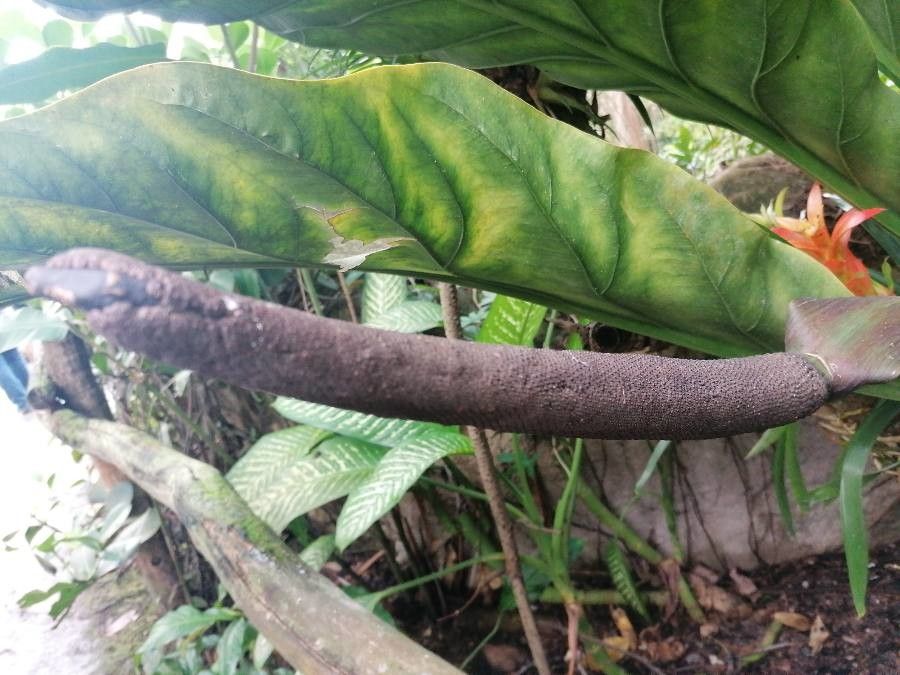
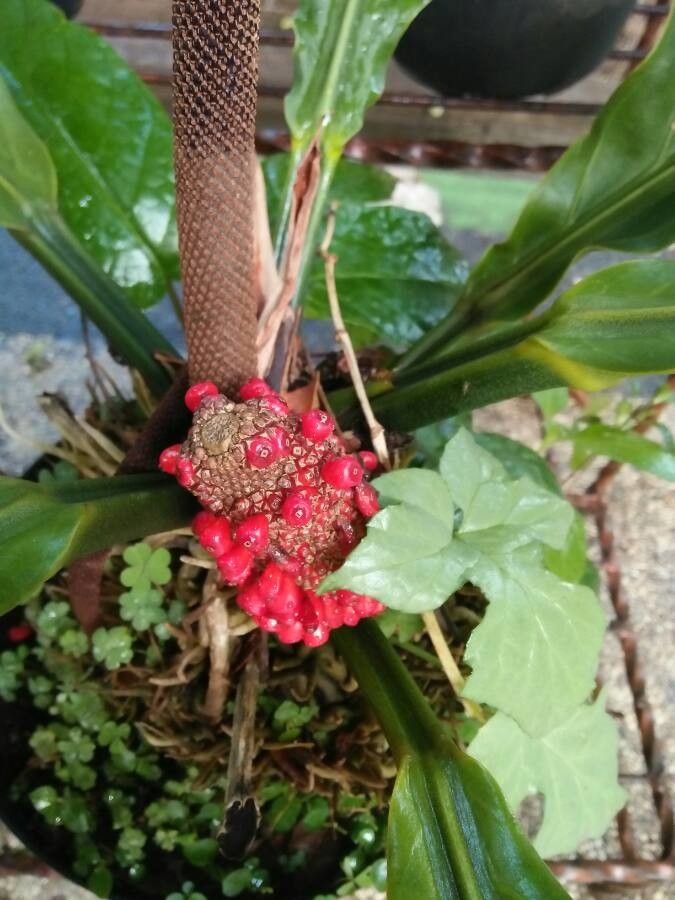
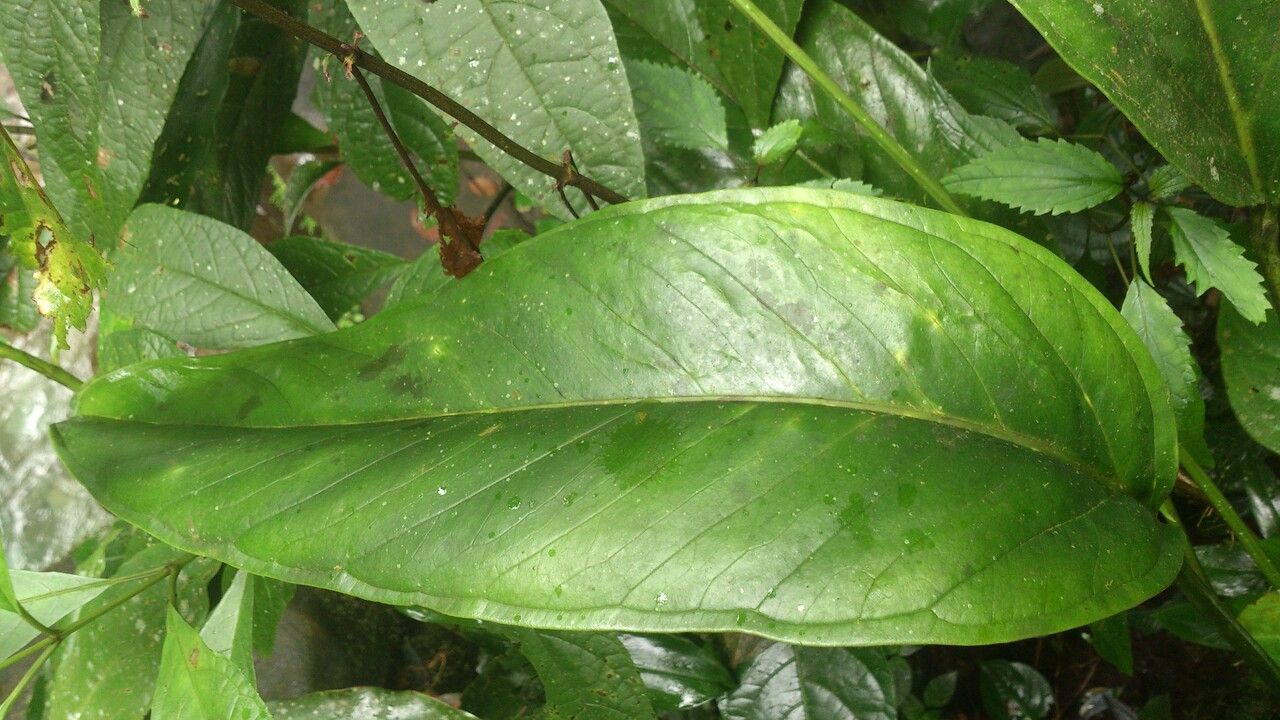
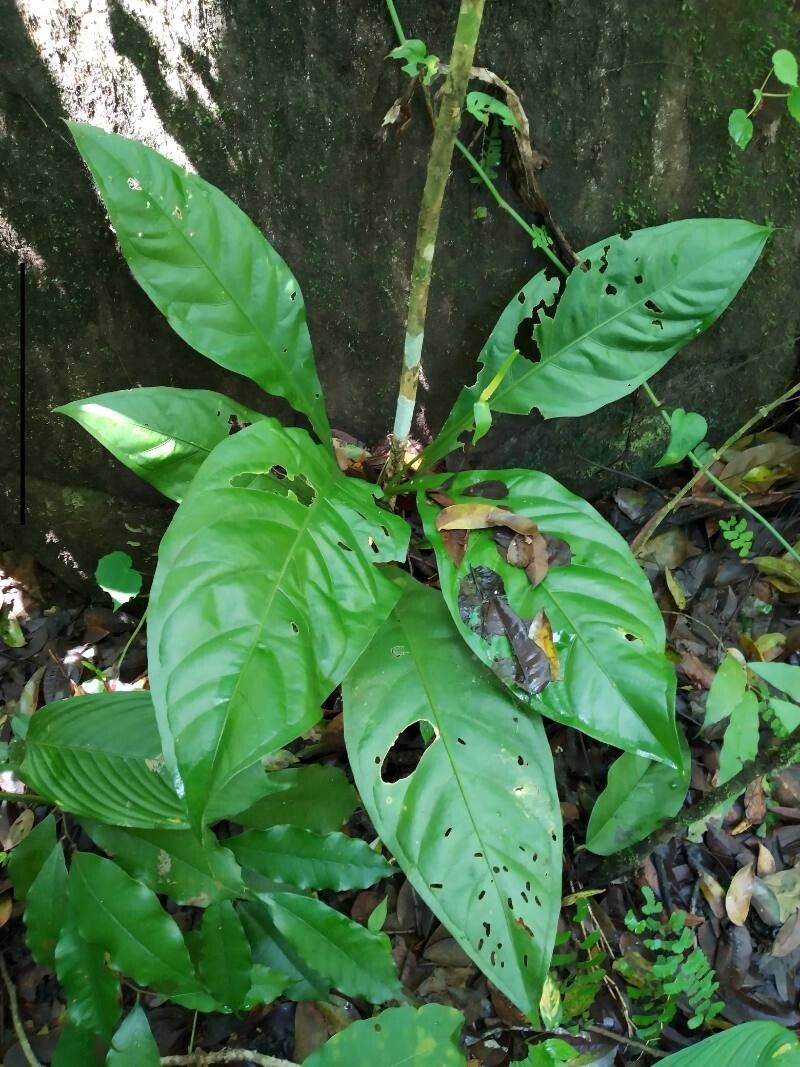
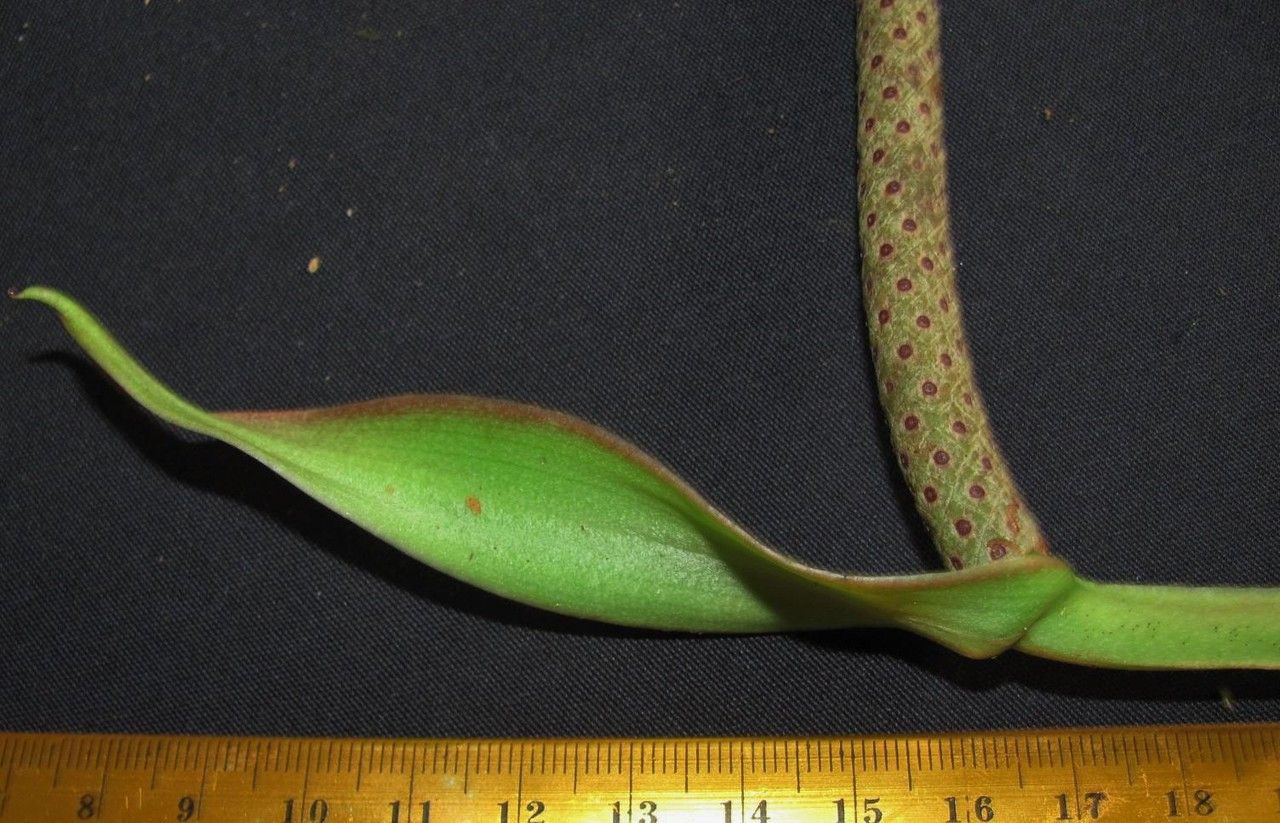
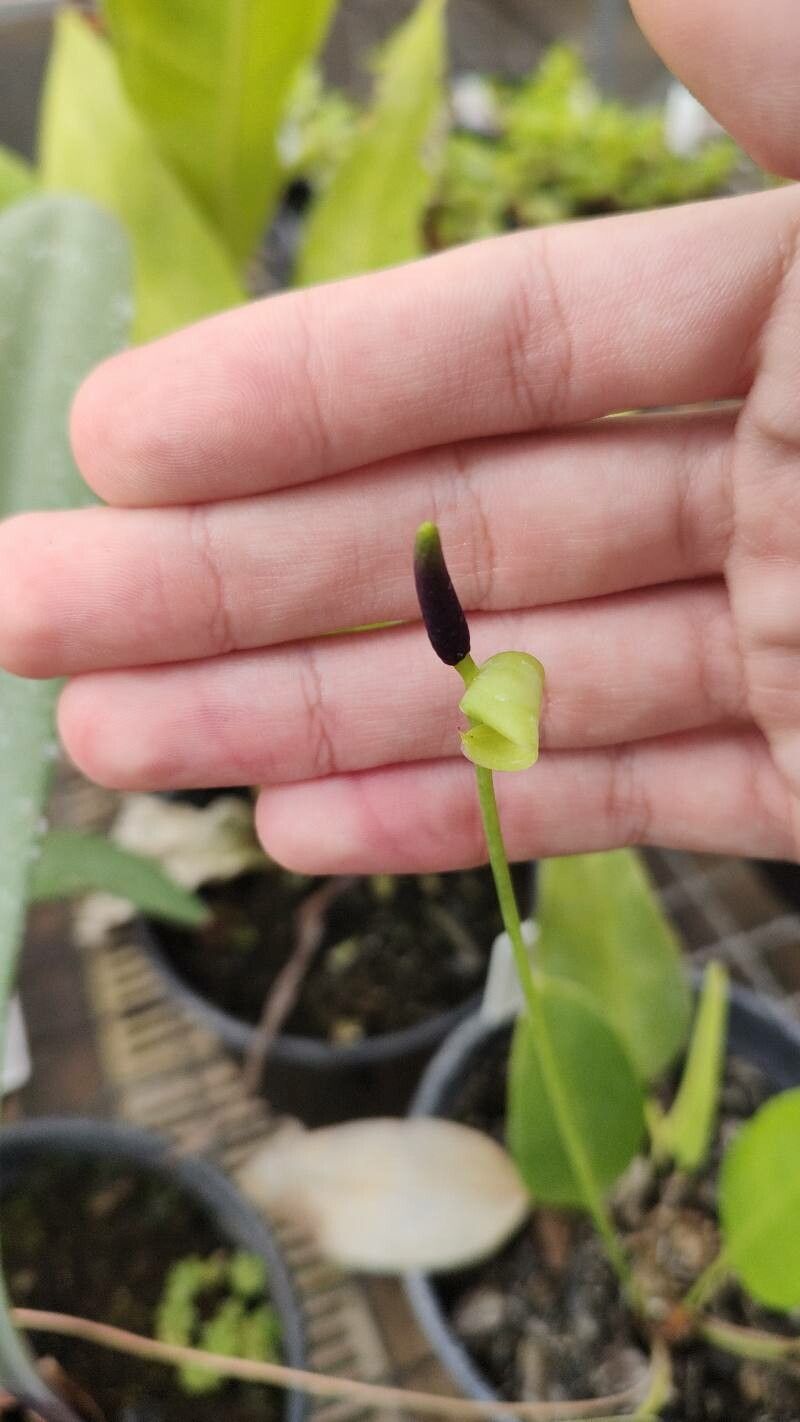
Anthurium hookeri is a tropical plant species belonging to the Araceae family. Native to the rainforests of Central and South America, this plant boasts large, glossy, heart-shaped leaves that can grow up to 30 cm in length. Its flowers are particularly striking, featuring a bright red spadix surrounded by a green spathe.
Commonly grown as an ornamental houseplant, Anthurium hookeri is praised for its beautiful foliage and vibrant flowers. However, it requires specific care: bright but indirect light, high humidity levels, well-draining soil with good moisture retention, and regular watering.
Moreover, Anthurium hookeri is known for its medicinal properties. It contains antioxidants that help combat free radicals in the body, which can cause cell damage and lead to diseases such as cancer and heart disease.
Overall, Anthurium hookeri is a stunning tropical houseplant that, while requiring particular care, offers numerous benefits for both aesthetic and medicinal purposes.
Birdsnest flamingo flower is generally disease-resistant and typically not prone to illness. However, it can develop leaf spots if light and ventilation are poor and watering is excessive. The plant's care level is considered easy, since it mainly requires regular watering and little else. It is suitable for people who do not have the time and energy to commit to frequent care.
How to keep Anthurium Hookeri.
Light
Birdsnest flamingo flower is native to habitats like forest understories and rocky areas, where it exists in natural shade. It prefers partial sun but can adapt to full sun or full shade, showing its versatile and hardy nature.
Water
The Birdsnest Flamingo Flower originates from the humid tropics and thrives in consistently moist soil and high humidity. To maintain its lush appearance, especially when grown indoors, it should be watered weekly. As an evergreen plant, it requires a steady supply of water throughout the year. It is important to regularly check the soil moisture to ensure it is neither overwatered nor underwatered.
Humidity
This plant will thrive in moderate humidity, which is probably the level in your home. However, misting it a few times a week can be very beneficial. Make sure the room has good ventilation.
Temperature
Birdsnest flamingo flower thrives in its native climate where temperatures range from 68 to 100 °F (20 to 38 ℃). It prefers warmth but not excessive heat. In winter, provide a cozy environment of at least 68 °F (20 ℃).
Fertilizer
Proper fertilization is essential for the Birdsnest flamingo flower's health and appearance. Fertilize the Birdsnest flamingo flower during summer, repeating the application monthly throughout the season. Nutrients provide energy for growth and help maintain the plant's structures. Regular fertilization improves the Birdsnest flamingo flower's floral display, ensuring its best blooms.
Pruning
The Birdsnest Flamingo Flower requires only minimal pruning. Focus on removing any dead or damaged leaves to maintain its rosette shape. It is best to carry out this task from early to late spring, as this helps improve airflow and light penetration, promoting healthy growth. Always wear gloves while pruning to prevent skin irritation from the sap.
Pot & Repot
Repot the Birdsnest flamingo flower in spring or summer once it's warm enough, choosing a pot that is slightly larger and has good drainage. Water it thoroughly after repotting, and place it where it will receive bright, indirect light. Consider installing a moss pole to support the plant as it grows.
Toxicity
Anthurium are considered toxic, they contain soluble calcium oxalates that can cause dogs, cats to vomit and even dangerous to horse when ingested. Keep these plants away from your pets and contact your veterinarian immediately if you suspect they have eaten a part of your plant.
Further reading →
The toxicity and danger assessments provided are for reference only. We do not assure their accuracy, so it's crucial not to depend on them. Seek professional advice when necessary for accurate guidance.
Botanical profile.
- Plant Type
- Herb
- Life Cycle
- Perennial
- Genus
- Anthurium
- Family
- Araceae
- Hardiness Zone
- 9-11
- Mature Height
- 91 cm
- Mature Spread
- 49 cm
- Leaf Color
- Green, Purple
- Leaf Type
- Evergreen
- Flower Color
- Pink, Red, White
- Flower Size
- 5.08 cm to 7.62 cm
- Bloom Time
- All year round
- Planting Time
- Summer, Autumn
- Harvest Time
- All year round
- Native Area
- Guyana, Venezuela
Other names.
Reader questions.
What are the sunlight requirements for the Birdsnest flamingo flower?
The Birdsnest flamingo flower, also known as Anthurium hookeri, requires varying amounts of sunlight based on specific conditions. It can thrive in partial sun, which entails about 3-6 hours of sunlight. Alternatively, it can also flourish under full sun conditions, which means it needs more than 6 hours of sunlight. It's important to observe the way sunlight moves throughout your garden to ensure that you choose locations that provide a balanced mix of light and shade, catering to the plant's requirements for optimal growth. This careful consideration will help ensure the health and happiness of your Birdsnest flamingo flower.
What is the ideal climate for a Birdsnest flamingo flower to flourish?
The Birdsnest flamingo flower, or Anthurium hookeri, thrives in its native climate where temperatures range between 68 to 100 °F (20 to 38 °C). It prefers a warm environment, but extreme heat is not favorable. During winter, it's important to maintain a comfortable temperature of at least 68 °F (20 °C) to ensure the plant's well-being.