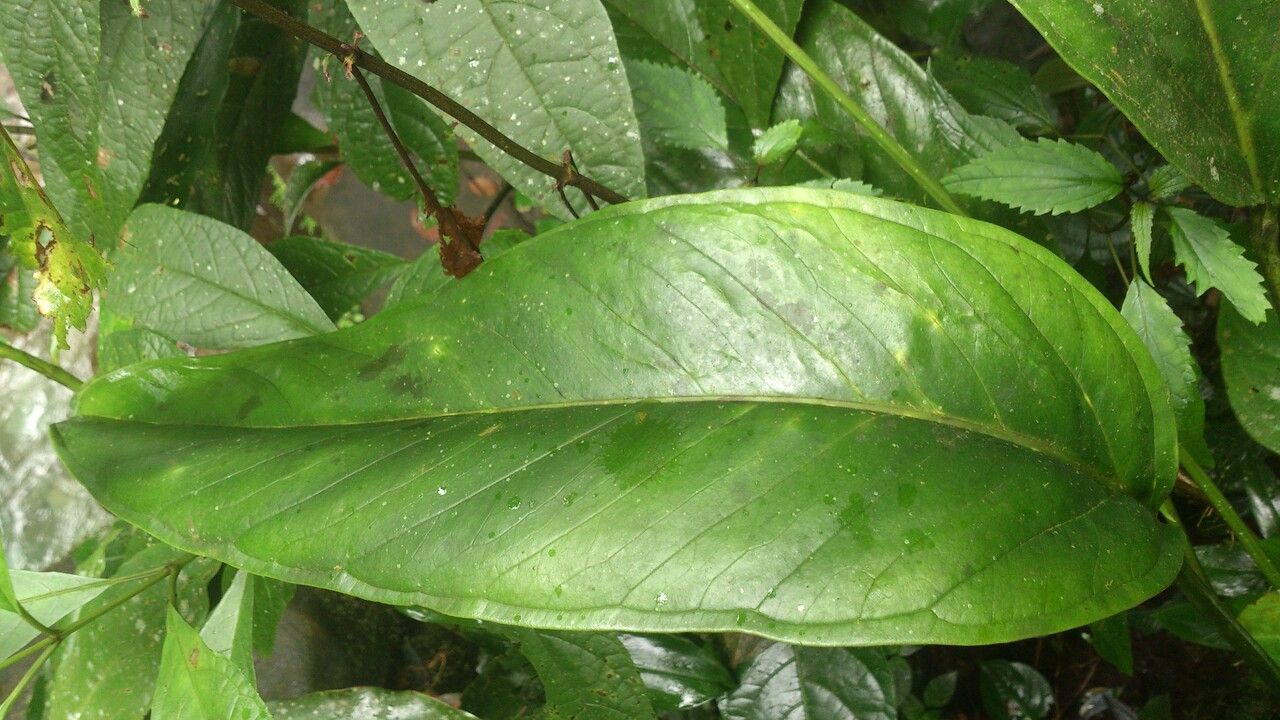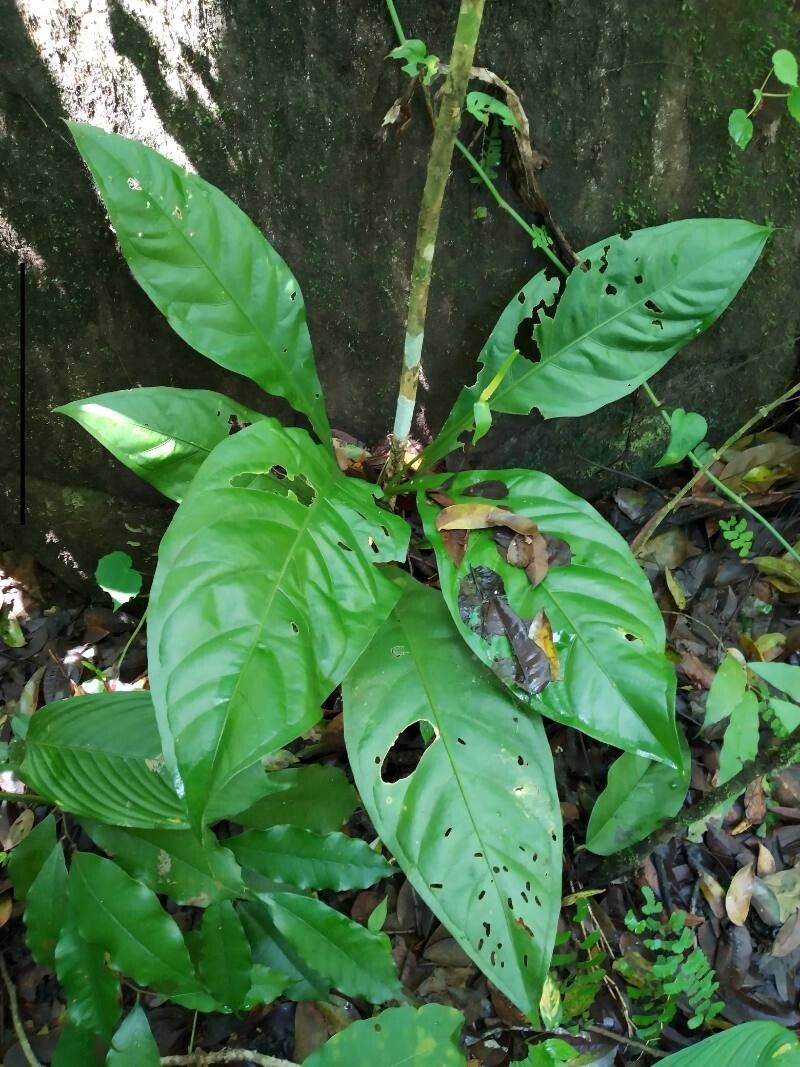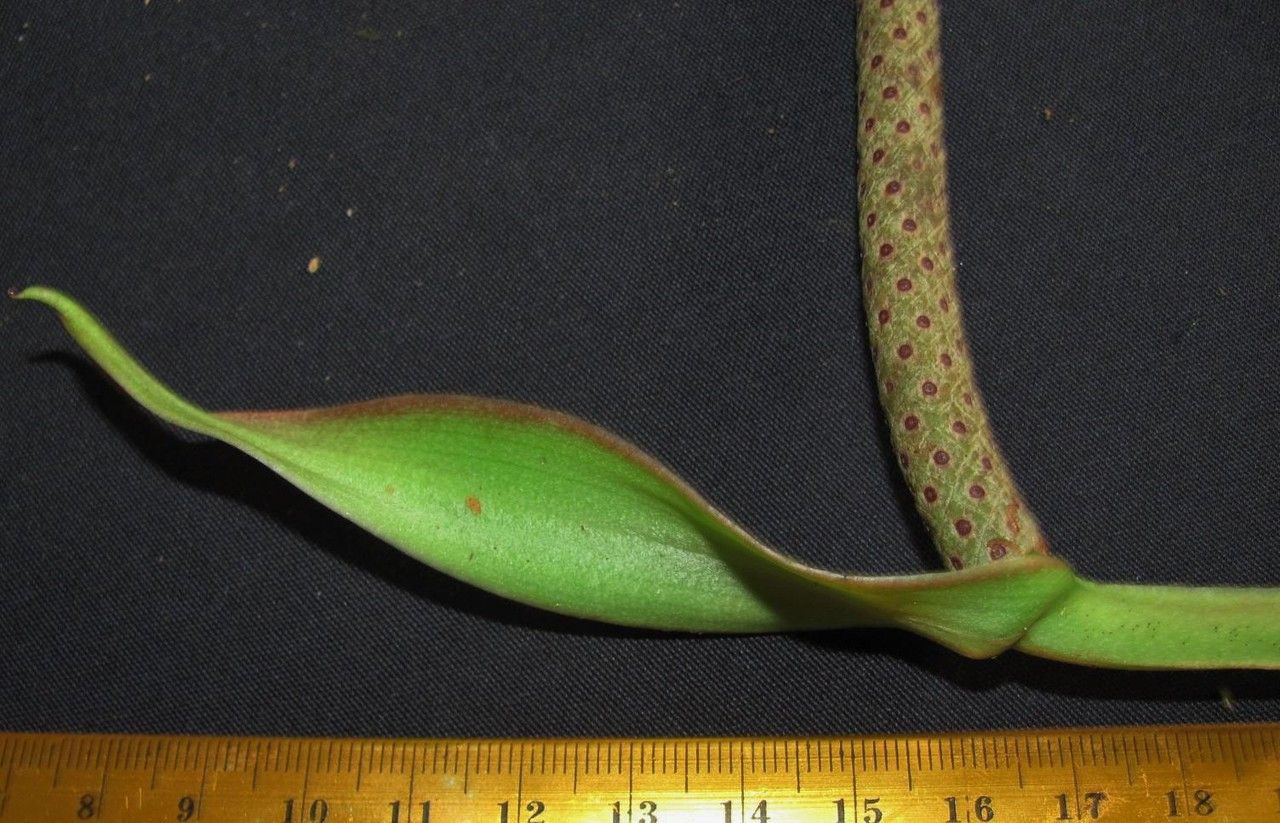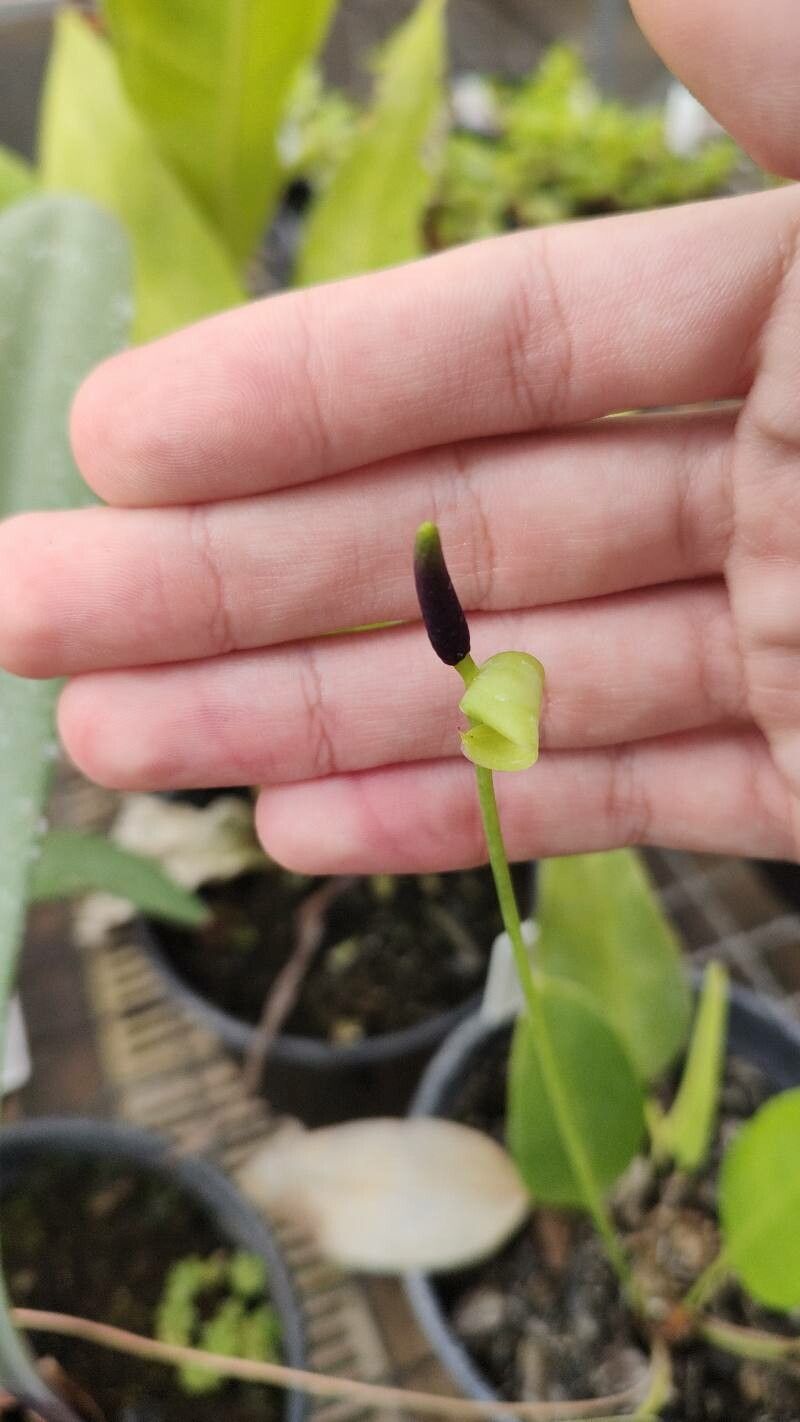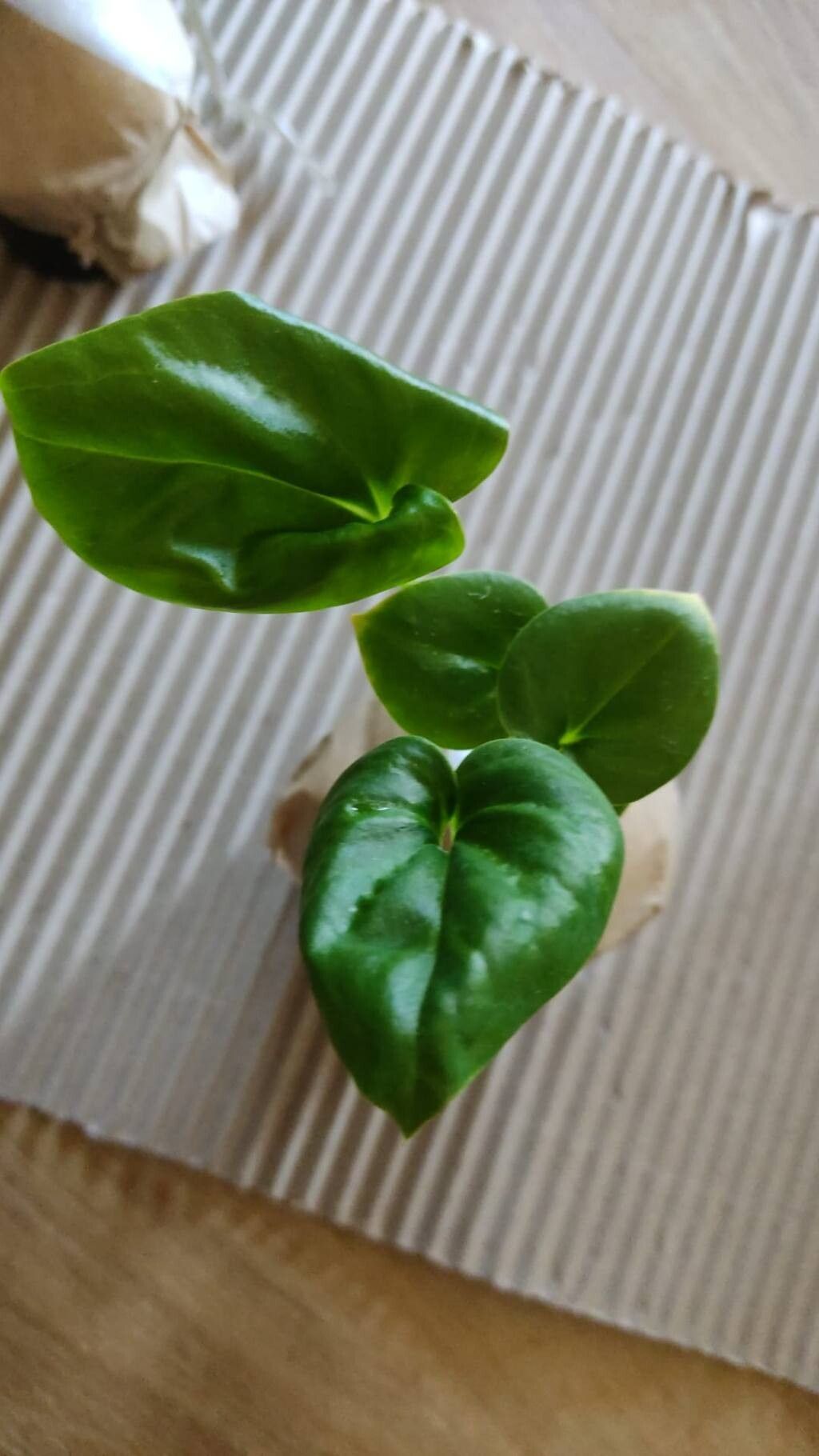
Anthurium brownii is a species of flowering plant in the family Araceae. It is native to Central and South America, from Costa Rica through Panamá, and south to Colombia, Ecuador, and Venezuela. First scientifically described in 1876, it was collected by Gustav Wallis and named for N. E. Brown. A. brownii grows from sea level up to 1,200 meters (3,900 ft) in tropical forests.
Anthurium brownii is fairly resistant to disease and generally not prone to illnesses. That said, it can be vulnerable to pests and diseases present in its environment. These issues are typically mild. For care, this plant requires moderate maintenance. It should be pruned regularly to preserve a tidy appearance and healthy growth. Fertilizing can also encourage flowering. Anthurium brownii is well suited for someone with outdoor space, like a garden or patio, and does not demand extensive care experience. It may need more attention when kept indoors.
How to keep Anthurium Brownii.
Light
Anthurium brownii is indigenous to settings like forest understories or rocky terrains, where natural shading is prevalent. While it favors semi-sunny conditions, it can also adjust to complete sun exposure or total shade, showing its adaptable and resilient characteristics.
Temperature
The Anthurium brownii comes from areas with a tropical climate, which is characterized by high heat and humidity. Hence, it is naturally used to warm and moist conditions. Any abrupt changes in temperature are not to its liking, and it favors an environment with consistent temperatures. It typically finds it challenging to withstand low temperatures, necessitating warmer conditions for its development. If the temperature of its surroundings falls excessively, the plant could halt in its growth or even perish.
Fertilizer
Anthurium brownii demands the highest amount of fertilizer during its main growth period, predominantly in the spring, summer, and beginning of fall. The addition of fertilizers is crucial to supply vital nutrients that might be deficient in the ground, fostering robust development of roots and stems, plus appealing leaves, which are a significant characteristic of this specific plant.
Botanical profile.
- Plant Type
- Herb
- Life Cycle
- Perennial
- Hardiness Zone
- 11-12
- Mature Height
- 61 cm to 91 cm
- Mature Spread
- 49 cm to 61 cm
- Leaf Color
- Dark Green
- Leaf Type
- Evergreen
- Flower Size
- 10.16 cm to 15.24 cm
- Bloom Time
- All year round
- Planting Time
- Spring, Summer, Autumn
- Harvest Time
- All year round
- Native Area
- Colombia, Venezuela, Ecuador, Costa Rica, Panama