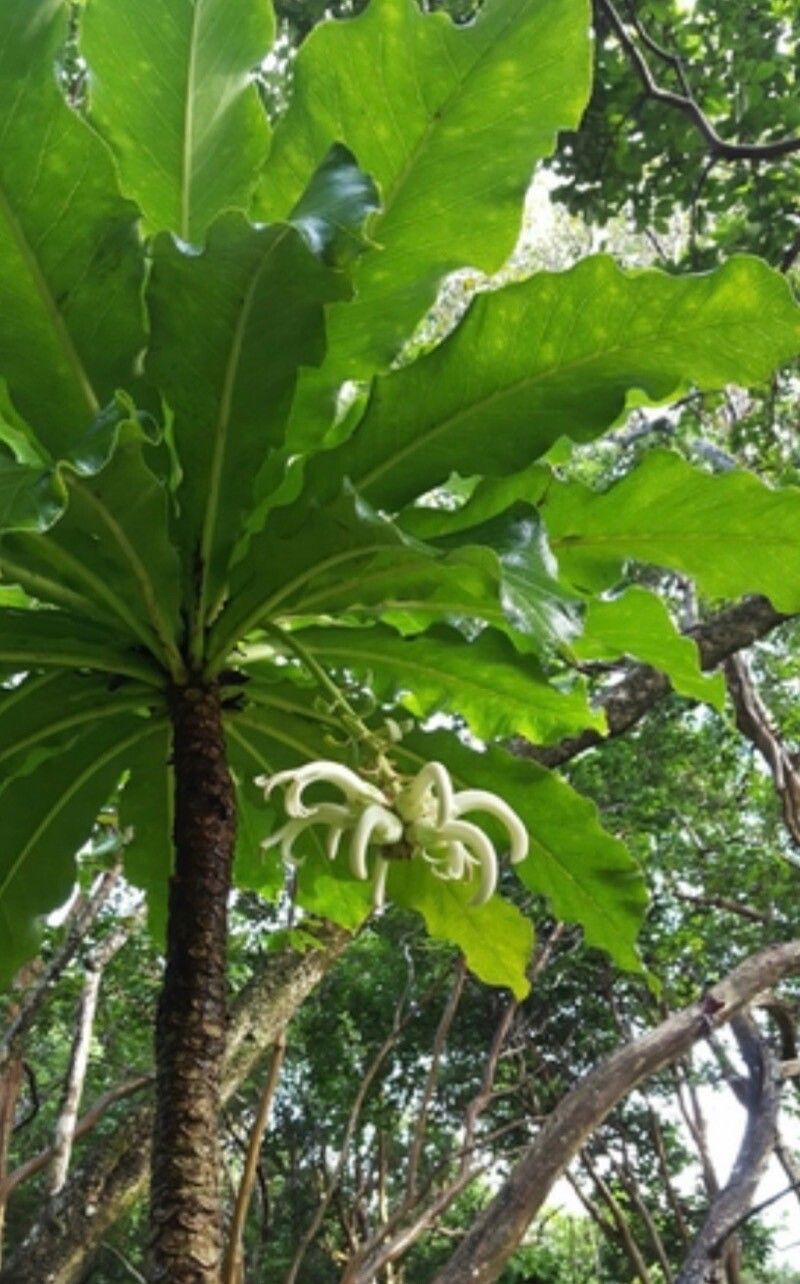
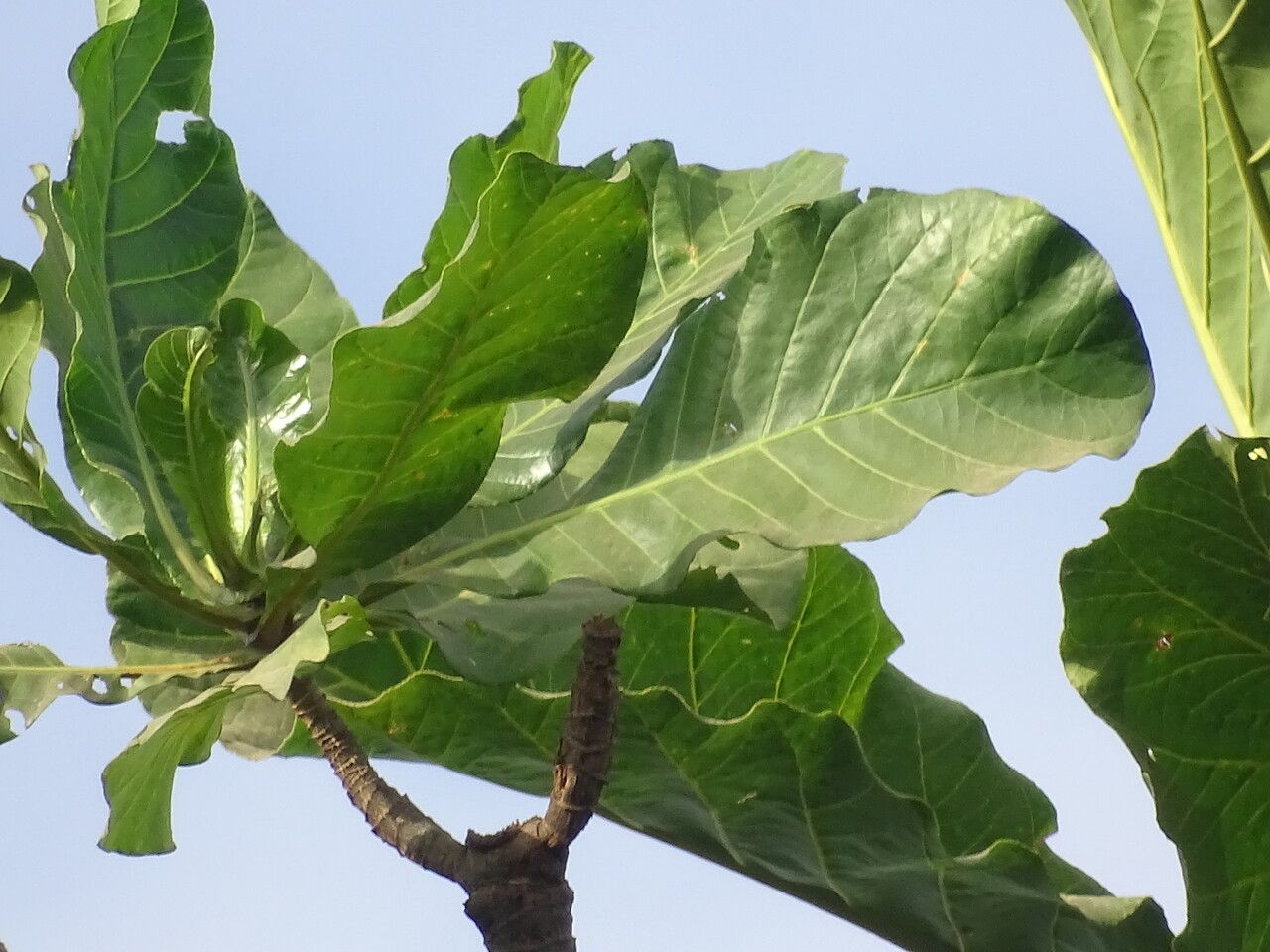
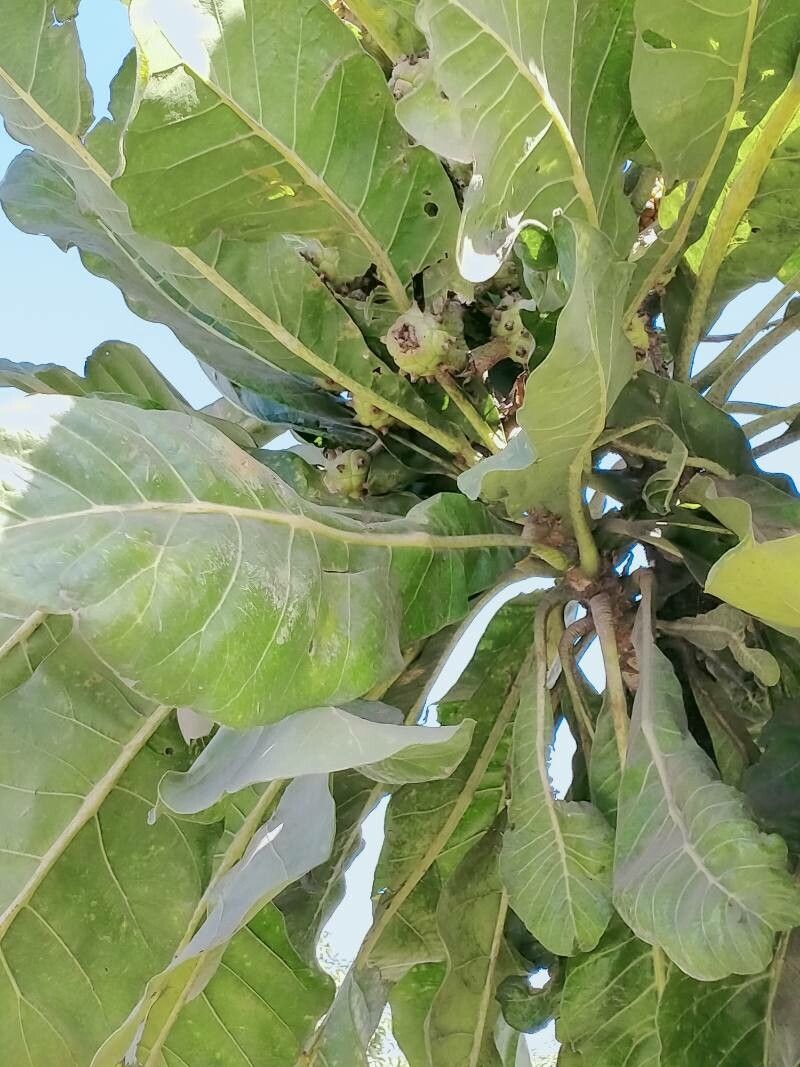
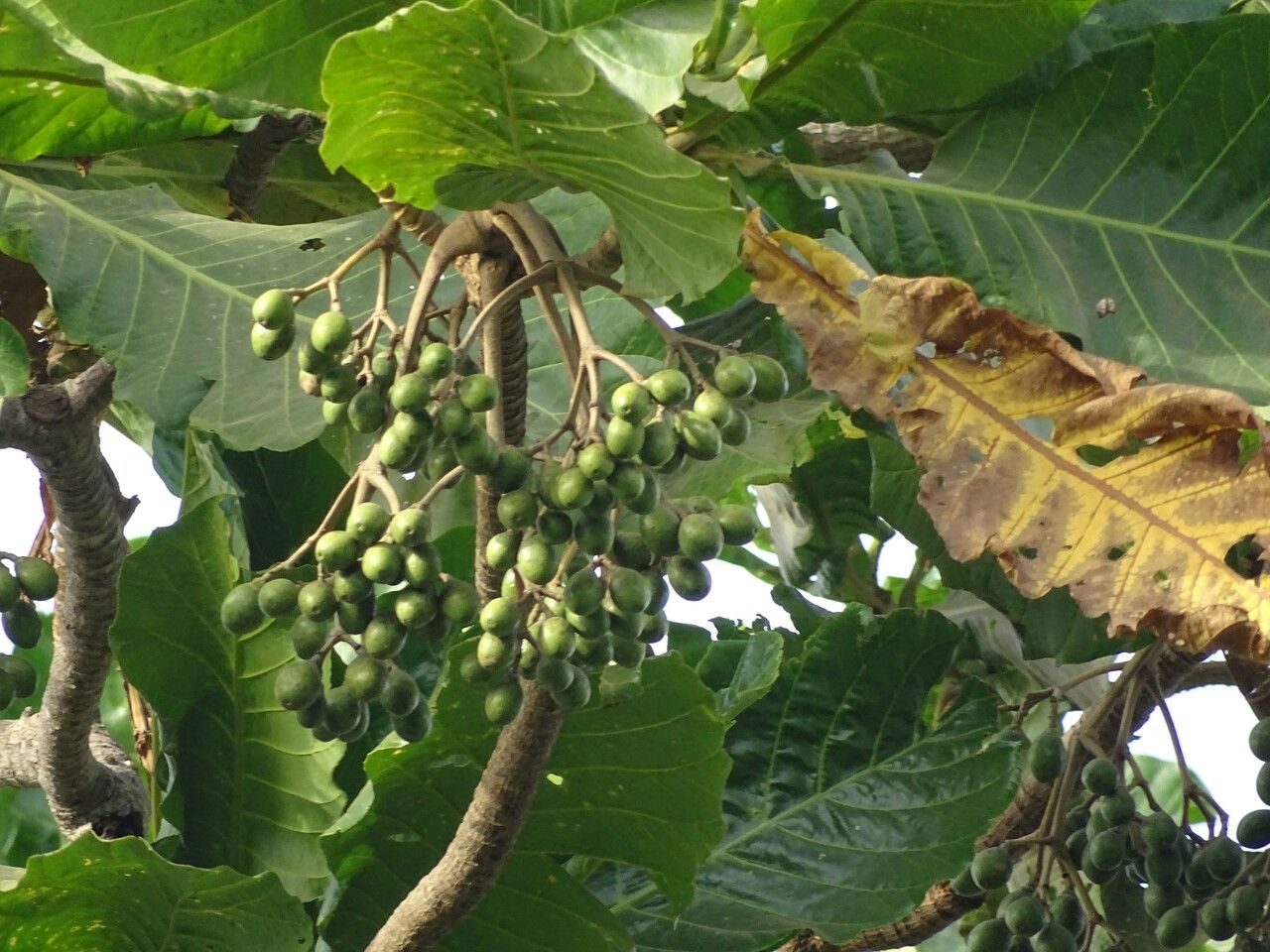
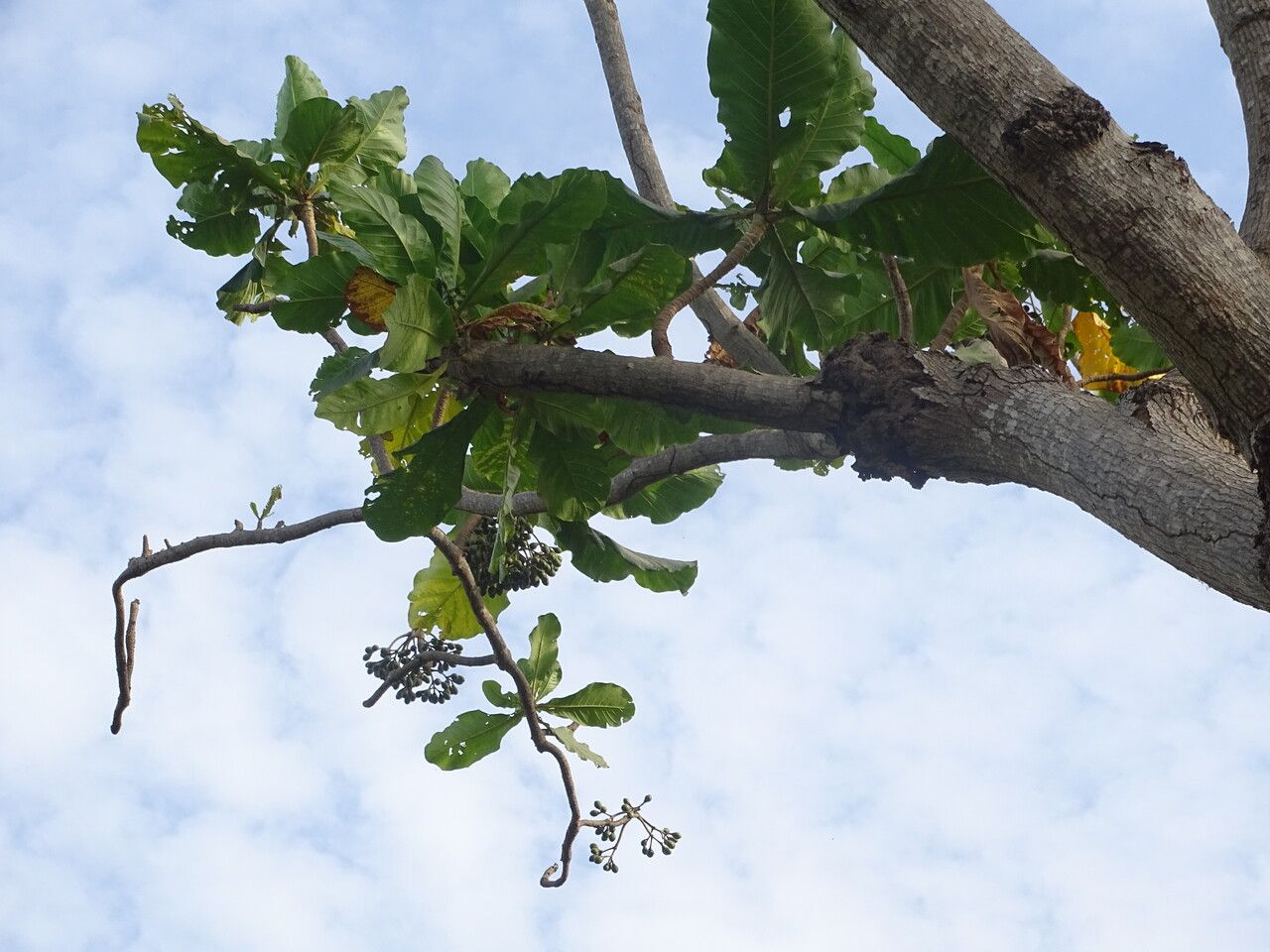
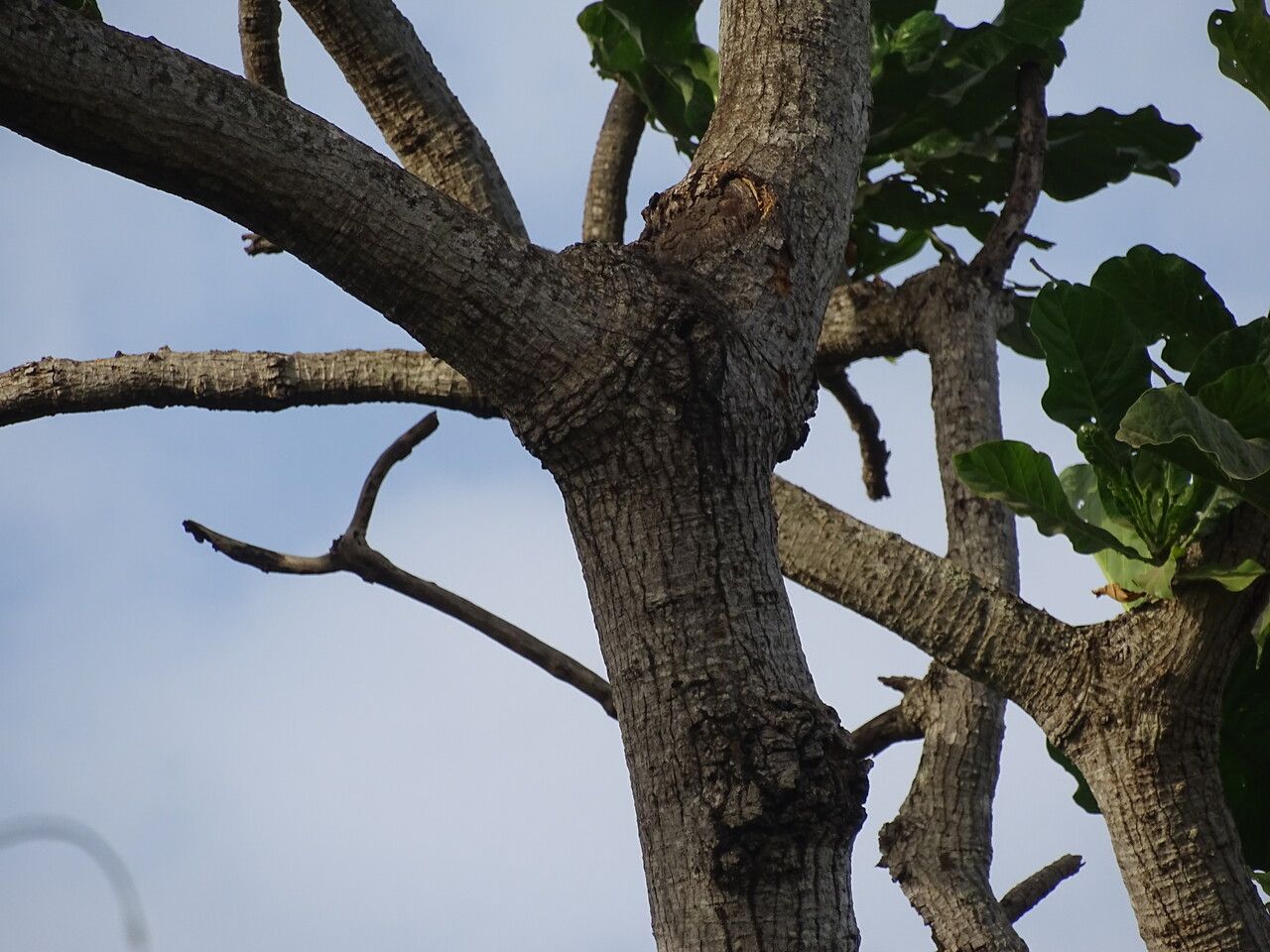
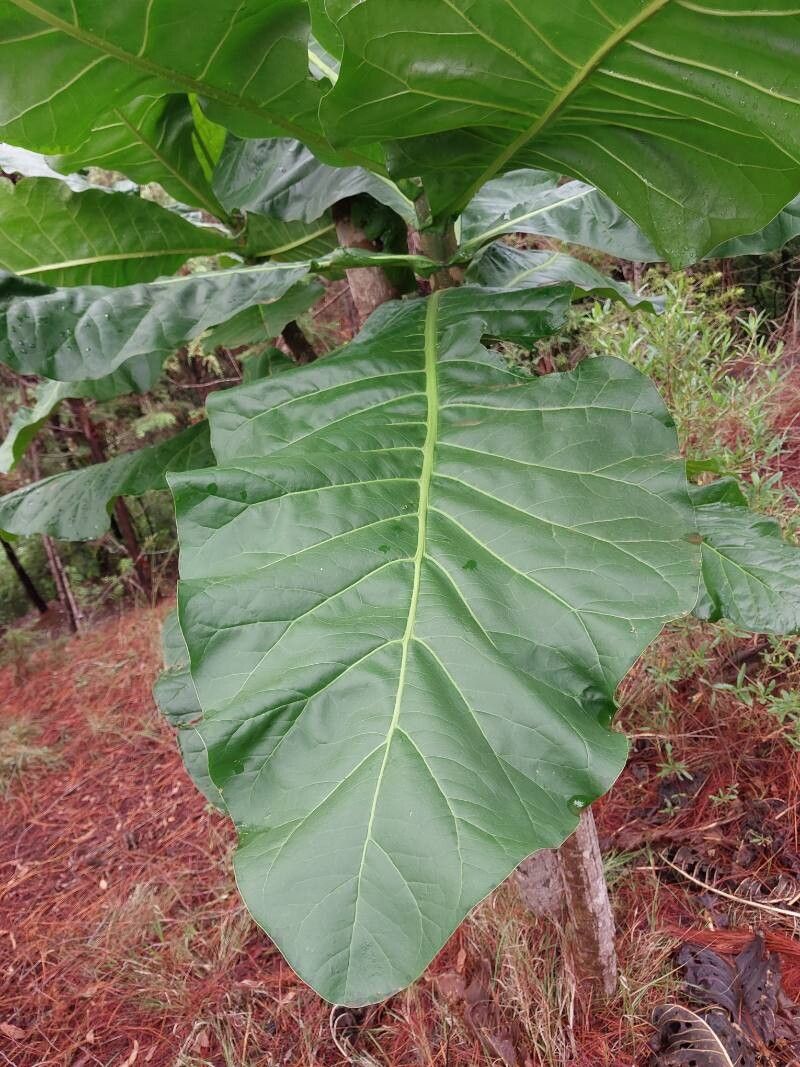
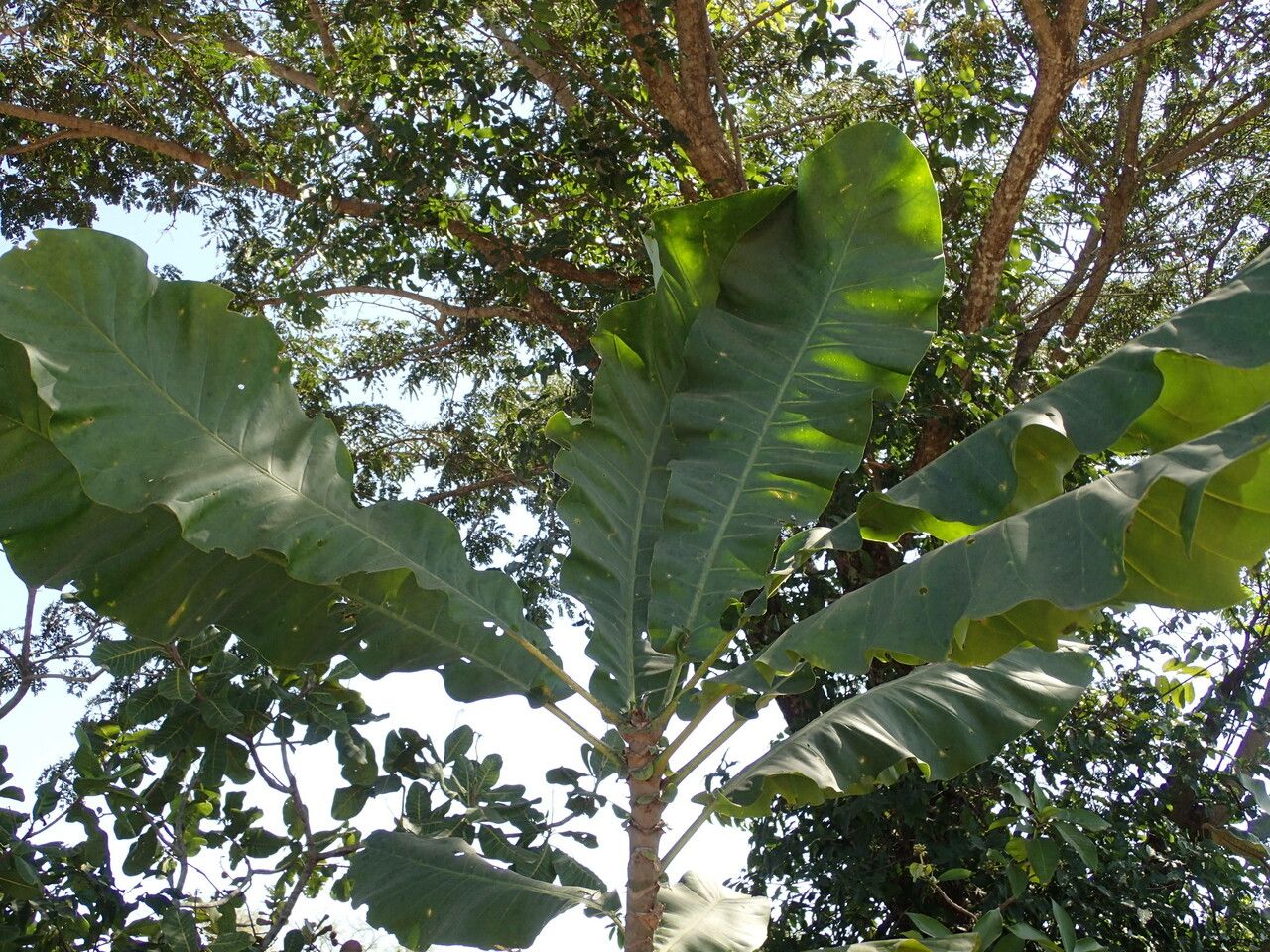
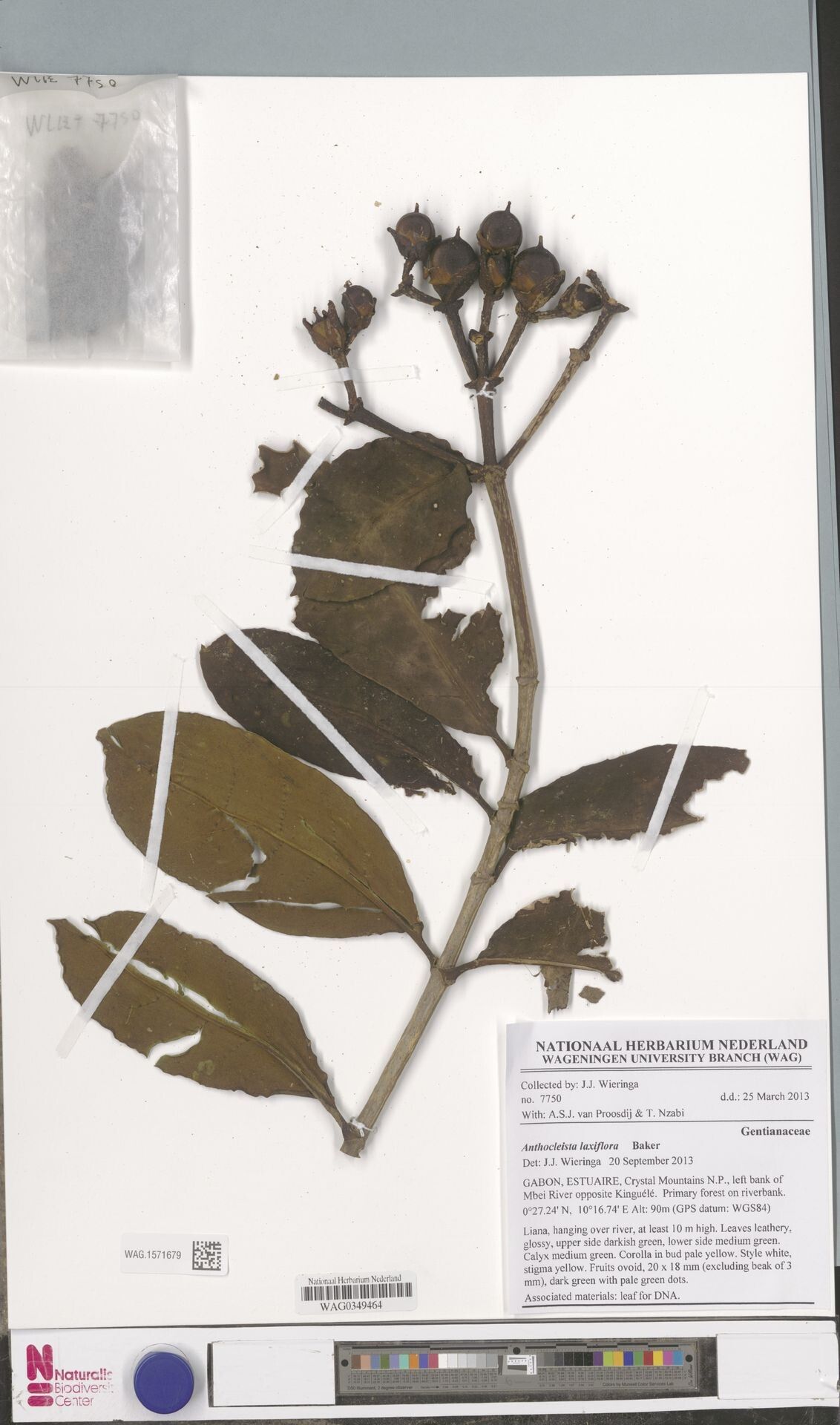
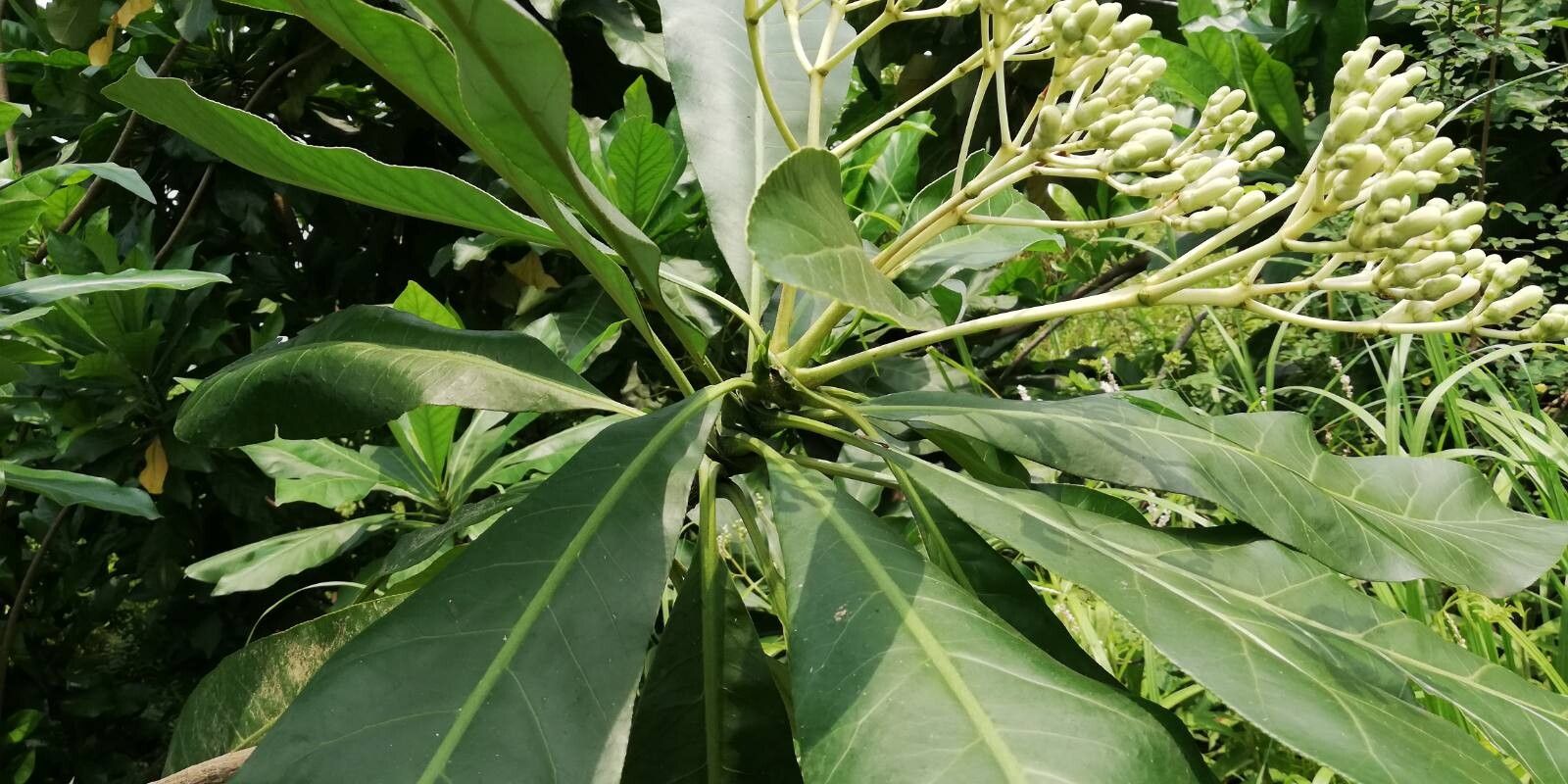
Anthocleista grandiflora, commonly known as the African star apple or yellow fruit tree, is a tropical evergreen belonging to the family Gentianaceae. Native to West and Central Africa, this tree can reach heights of up to 30 meters in its natural environment.
The leaves of Anthocleista grandiflora are glossy, dark green, and leathery, growing up to 30 cm in length. The plant produces large yellow flowers, measuring up to 15 cm in diameter, with five petals that are fused at the base.
The fruit of Anthocleista grandiflora is a large, round, berry-like structure that turns from green to yellow when ripe. It contains numerous small seeds embedded in white pulp, which has been traditionally used for medicinal purposes.
For centuries, indigenous people have utilized Anthocleista grandiflora as an herbal remedy for various ailments, including fever, malaria, diarrhea, and stomach problems, owing to its anti-inflammatory properties. Additionally, it has been applied topically on wounds due to its antibacterial properties.
In summary, Anthocleista grandiflora is an important medicinal plant with potential applications in modern medical research, supported by its traditional uses over centuries by indigenous communities.
Forest big-leaf has strong disease resistance and is generally not prone to illnesses. Regarding care, this plant is relatively low-maintenance. When grown outdoors it needs minimal watering, and larger specimens usually do not require pruning. Smaller plants, however, should be pruned after they have bloomed. Forest big-leaf is suitable for anyone with an outdoor space, such as a garden or deck, and does not require extensive care experience.
How to keep Anthocleista Grandiflora.
Light
Forest big-leaf comes from open habitats, like sunny meadows and forest edges, where plenty of light is available. It flourishes in Full Sun but can also tolerate Partial Sun, adapting well to different sunlight conditions.
Temperature
Forest big-leaf comes from tropical areas, where the climate is generally warm and humid. As a result, it is adapted to high temperatures and humidity. It does not tolerate sudden temperature changes and prefers a stable temperature environment, so avoiding temperature fluctuations indoors is important. It usually cannot withstand cold temperatures and requires higher temperatures for growth. If the ambient temperature falls too low, the plant may stop growing or even die.
Fertilizer
The best time to fertilize a Forest big-leaf is in early spring, when it is coming out of dormancy. Doing so encourages overall growth and supports flower development. Feeding the plant improves its foliage, stems, and branches, while encouraging flowers that are large, vibrant, and long-lasting. It also helps move nutrients from the roots to the flowers and strengthens the plant’s health and resistance to disease.
Botanical profile.
- Plant Type
- Tree
- Life Cycle
- Perennial
- Genus
- Anthocleista
- Family
- Gentianaceae
- Hardiness Zone
- 10-12
- Mature Height
- 10.06 m to 29.87 m
- Mature Spread
- 4.88 m to 10.06 m
- Leaf Color
- Dark Green
- Leaf Type
- Evergreen
- Flower Color
- White
- Flower Size
- 5.08 cm to 6.35 cm
- Bloom Time
- Late spring, Summer, Early fall
- Planting Time
- Spring, Summer, Autumn
- Harvest Time
- Late summer, Fall
- Native Area
- Malawi, Cameroon, Mozambique, Zimbabwe, South Africa, Sudan, Eswatini, Namibia, Kenya, Congo (DRC), Uganda, Tanzania, Central African Republic
Other names.