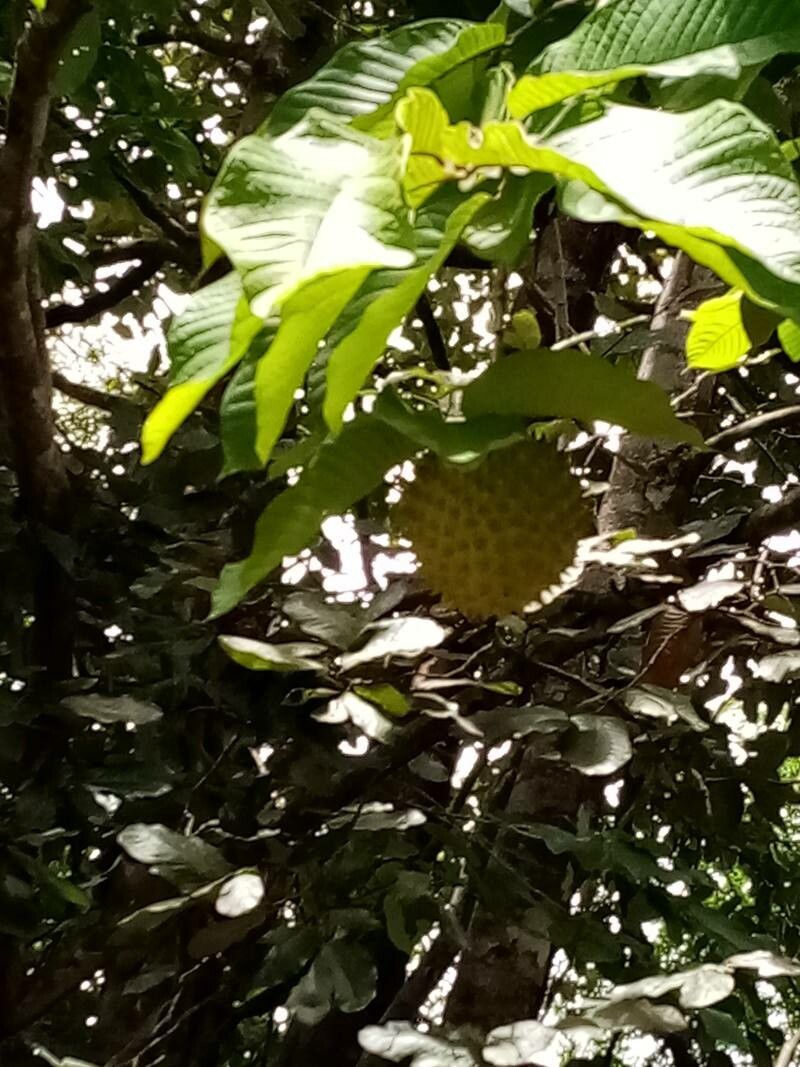
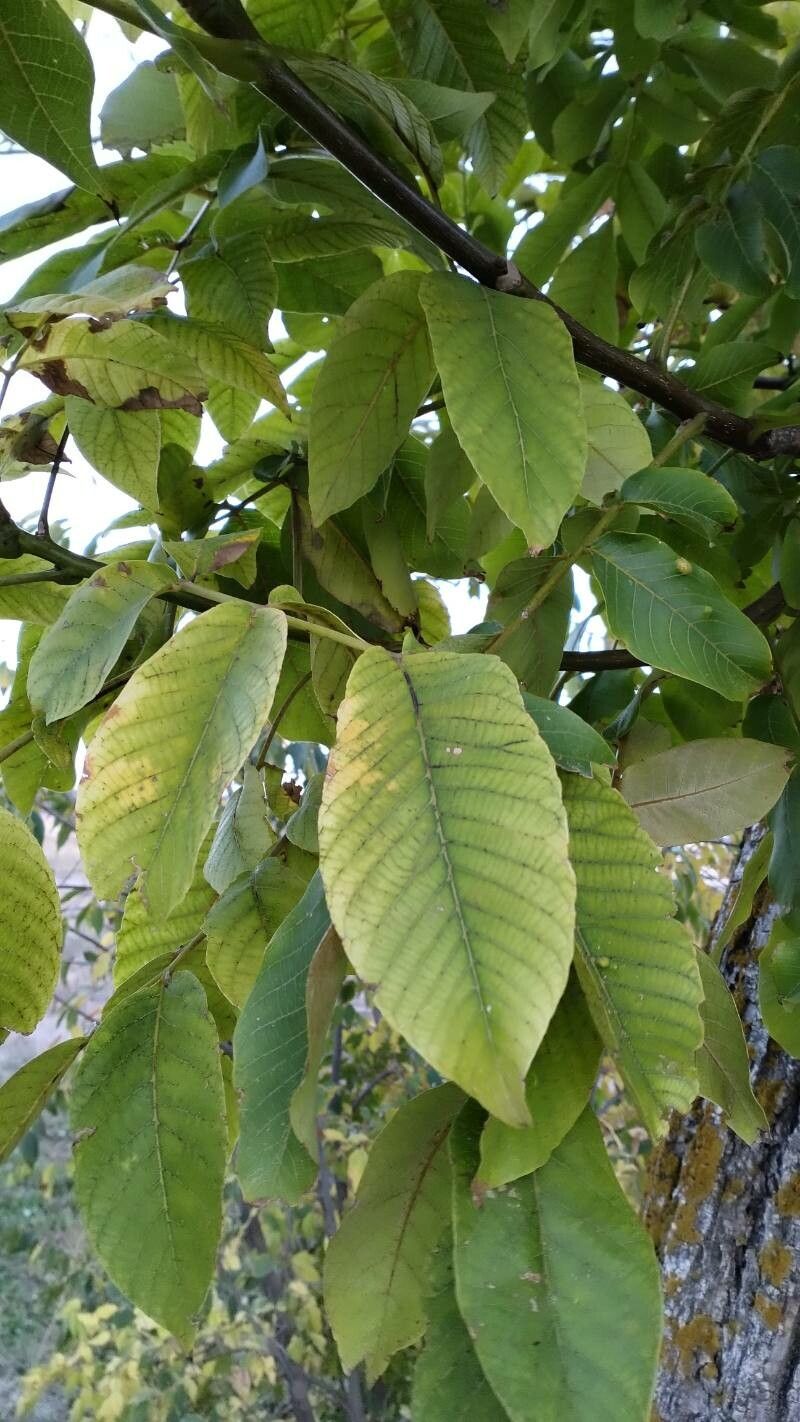
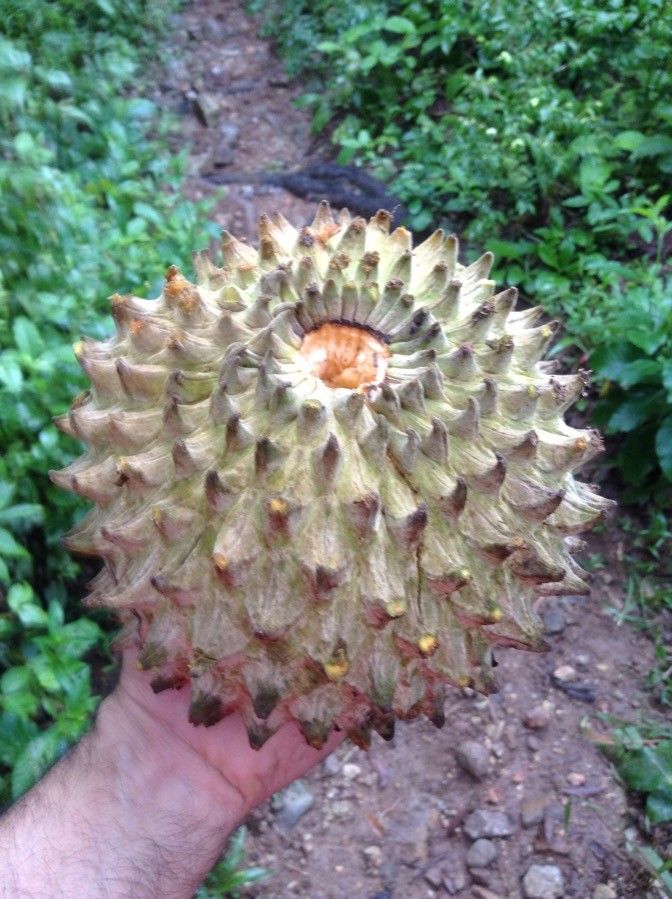
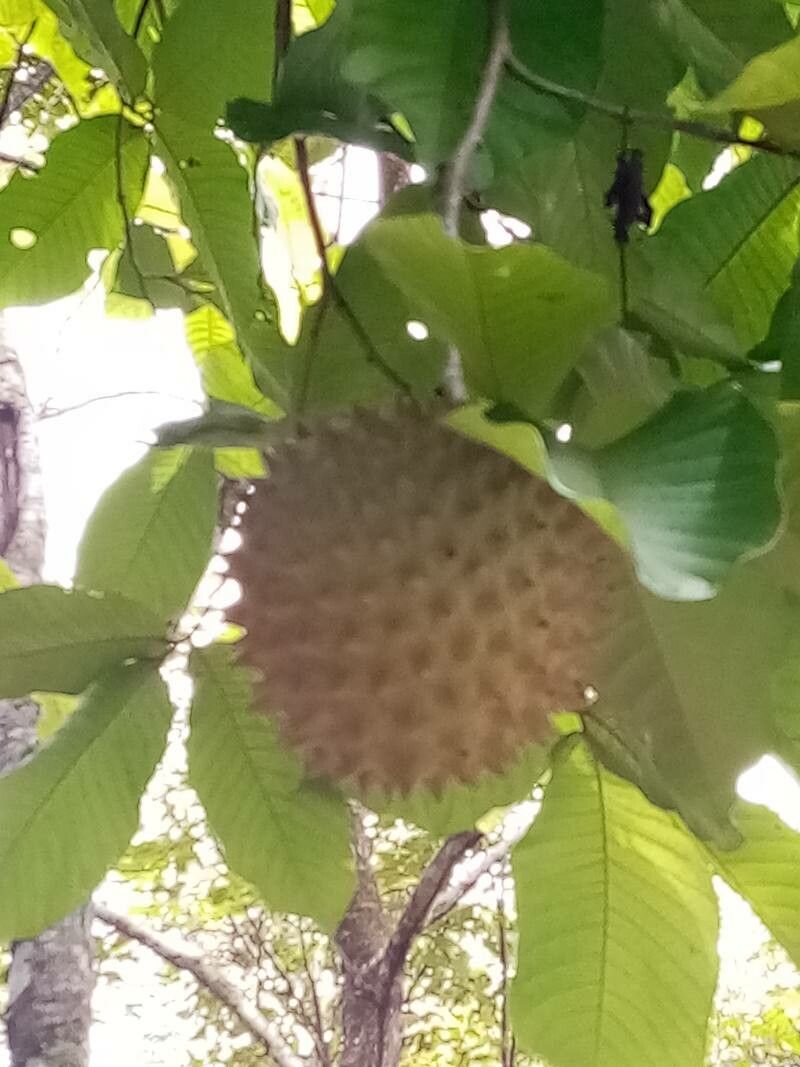
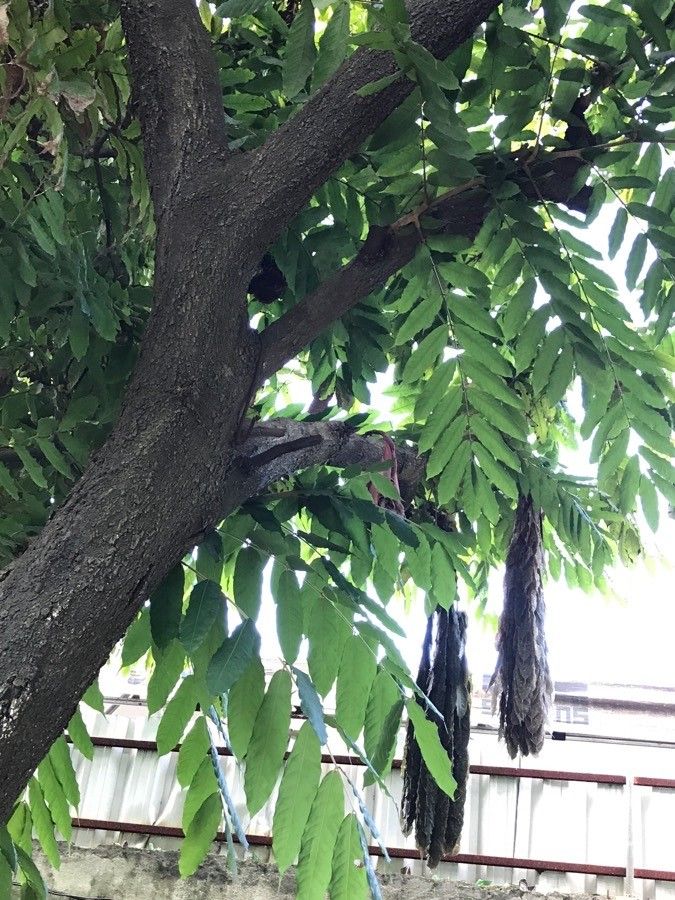
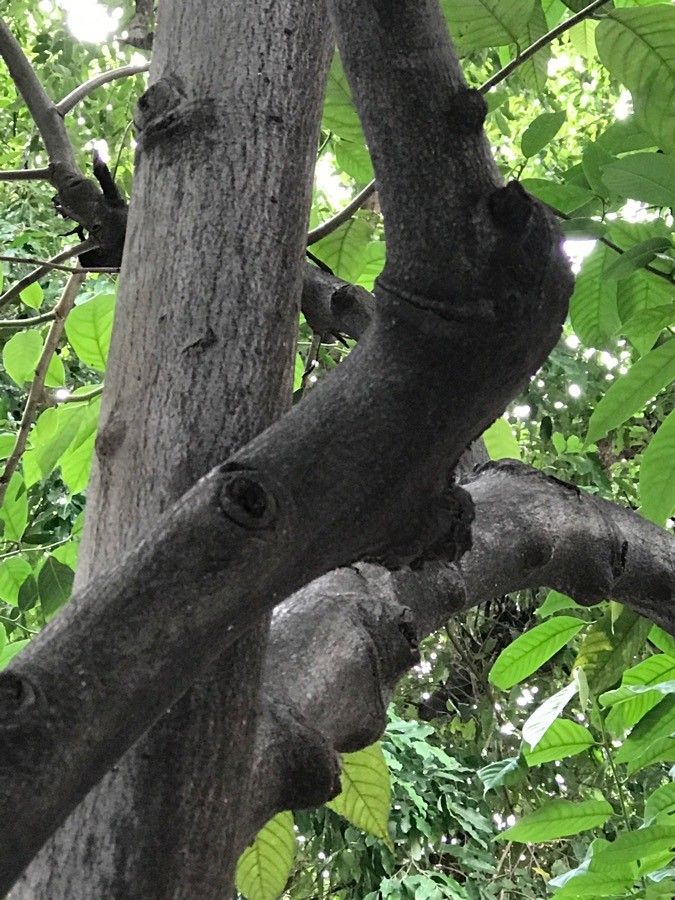
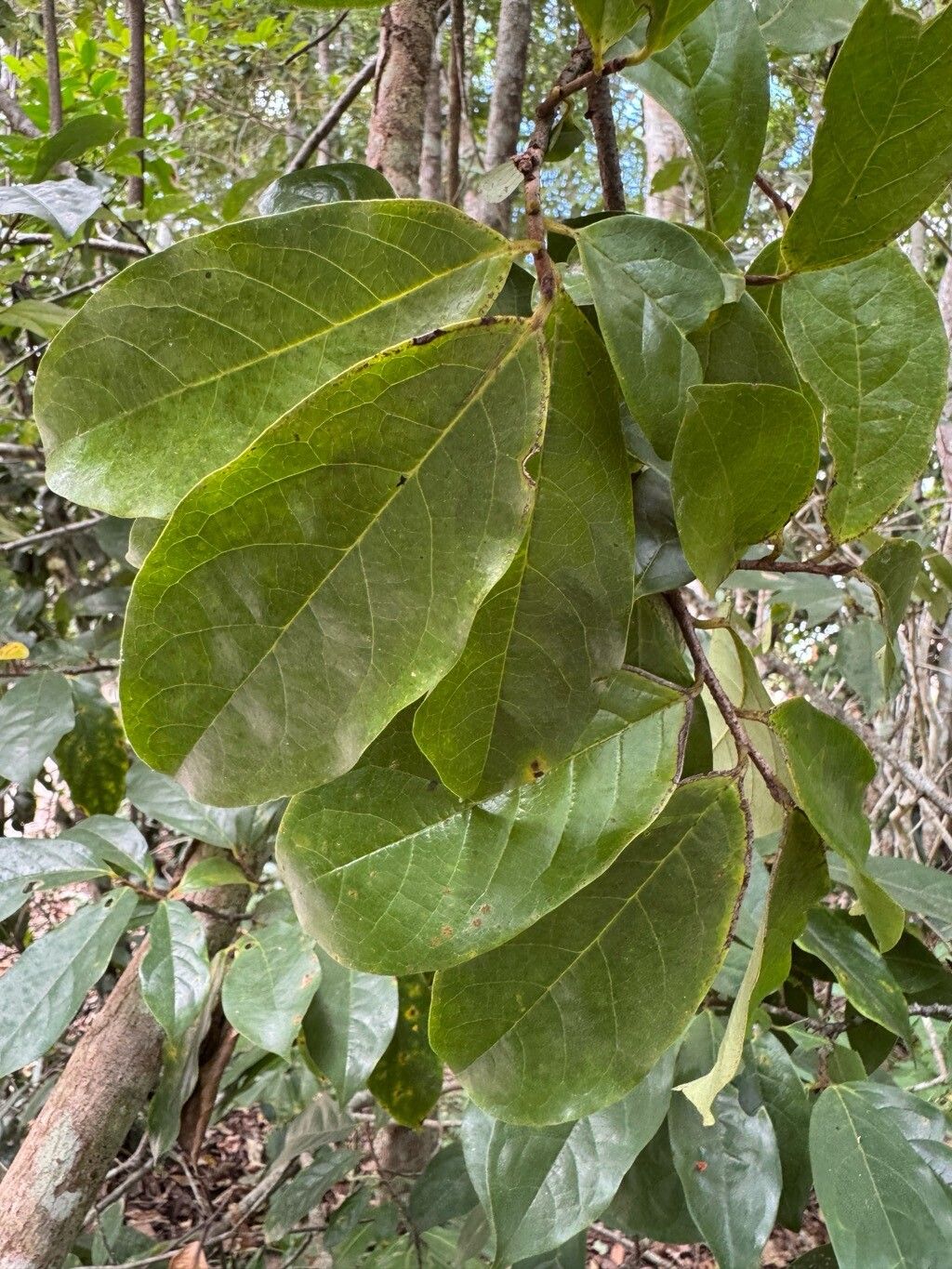
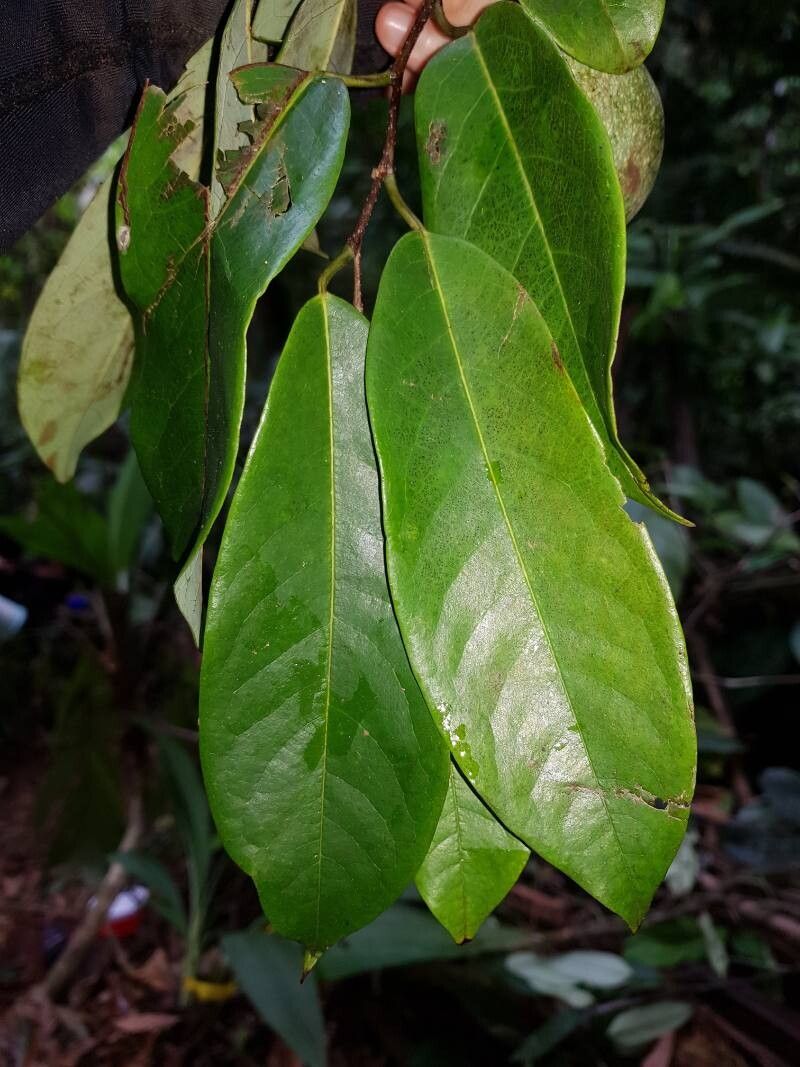
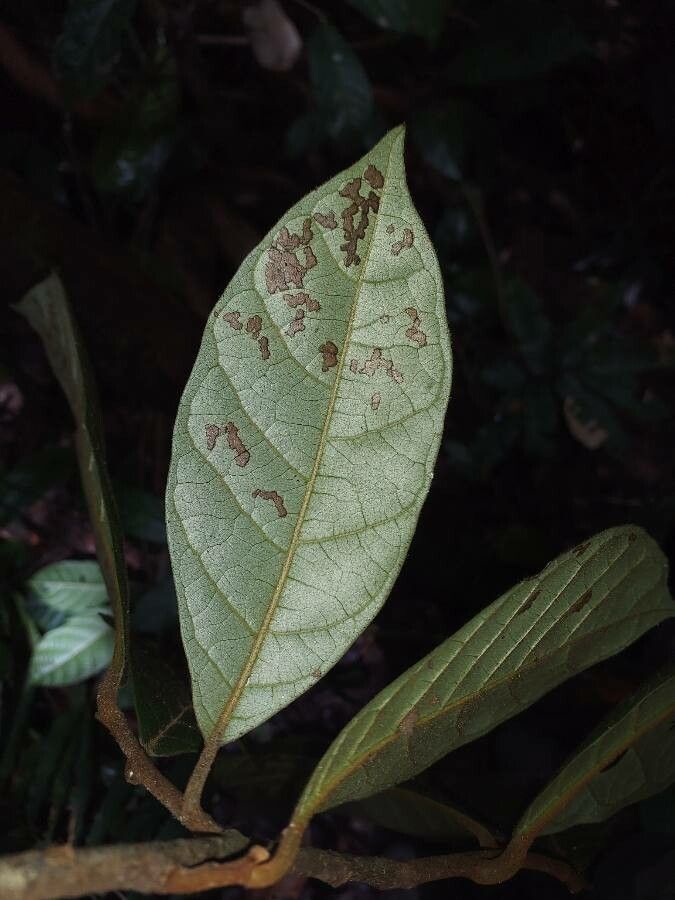
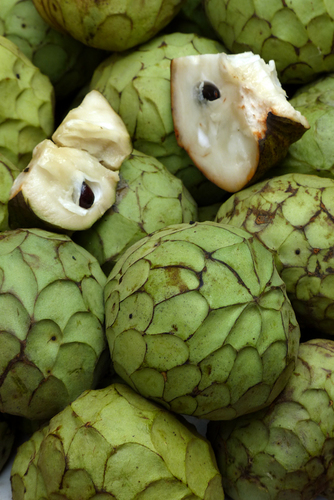
Annona purpurea, commonly known as the Soncoya or Purple Annona, is a tropical fruit tree native to Central and South America. It belongs to the Annonaceae family and is closely related to other popular fruit trees like cherimoya and soursop.
The Soncoya tree can grow up to 10 meters tall, featuring a dense canopy of large, glossy leaves. The fruit of this plant is oval-shaped with a purple or greenish-brown skin covered in soft spines. Inside, the flesh is creamy white and contains numerous small black seeds.
Traditionally, the Soncoya has been used for its medicinal properties to treat various ailments such as fever, diarrhea, and respiratory problems. It is also rich in vitamin C, making it an excellent source for boosting immunity.
This plant thrives in warm temperatures between 20-30°C (68-86°F) and requires well-drained soil rich in organic matter for optimal growth. It can be propagated through seeds or cuttings, but patience is necessary as it takes several years for the tree to start bearing fruit.
Overall, Annona purpurea is a fascinating tropical plant that produces delicious fruits and offers numerous health benefits through its medicinal properties.
Annona is fairly resistant to diseases and typically does not suffer from them. Regarding maintenance, this plant is fairly easy to care for. When grown outside, it needs only occasional watering, and larger specimens usually do not require pruning. Smaller specimens, however, should be pruned after they finish blooming. Annonat is appropriate for anyone who has an outdoor area, like a garden or a deck, and it does not demand extensive gardening experience.
How to keep Annona Purpurea.
Light
Annona naturally occurs in habitats like forest understories and rocky areas, where it grows under natural shade. It prefers partial sun but can adapt to full sun or full shade, showing its versatile and hardy nature.
Temperature
Annona comes from tropical areas where the climate is generally warm and humid. Consequently, it is well suited to high heat and moisture. It does not tolerate abrupt temperature shifts and favors a steady thermal environment, so avoiding indoor temperature swings is important. It typically cannot withstand cold and needs relatively high temperatures to grow. If the surrounding temperature falls too low, the plant may stop growing or even perish.
Fertilizer
Use organic fertilizers (for example fish emulsion or compost) instead of chemical ones for Annona. Give young plants higher amounts of nitrogen and phosphorus in spring. Mix compost or fertilizer into the soil before or after planting. For mature plants, apply a balanced fertilizer or one aimed at specific deficiencies in spring. Nutrient deficiency results in small leaves, short branches, yellow or bronze foliage, sour fruits, early fruit drop, and splitting.
Botanical profile.
- Plant Type
- Tree
- Life Cycle
- Perennial
- Genus
- Annona
- Family
- Annonaceae
- Hardiness Zone
- 10-12
- Mature Height
- 4.88 m to 10.06 m
- Mature Spread
- 3.05 m to 6.1 m
- Leaf Color
- Dark Green
- Leaf Type
- Deciduous
- Flower Size
- 3.05 cm to 5.08 cm
- Bloom Time
- Late spring, Early summer, Mid summer
- Planting Time
- Spring, Summer
- Harvest Time
- Late summer, Fall
- Native Area
- Colombia, Belize, Honduras, Mexico, Guatemala, Venezuela, Nicaragua, Ecuador, Costa Rica, Panama
Other names.