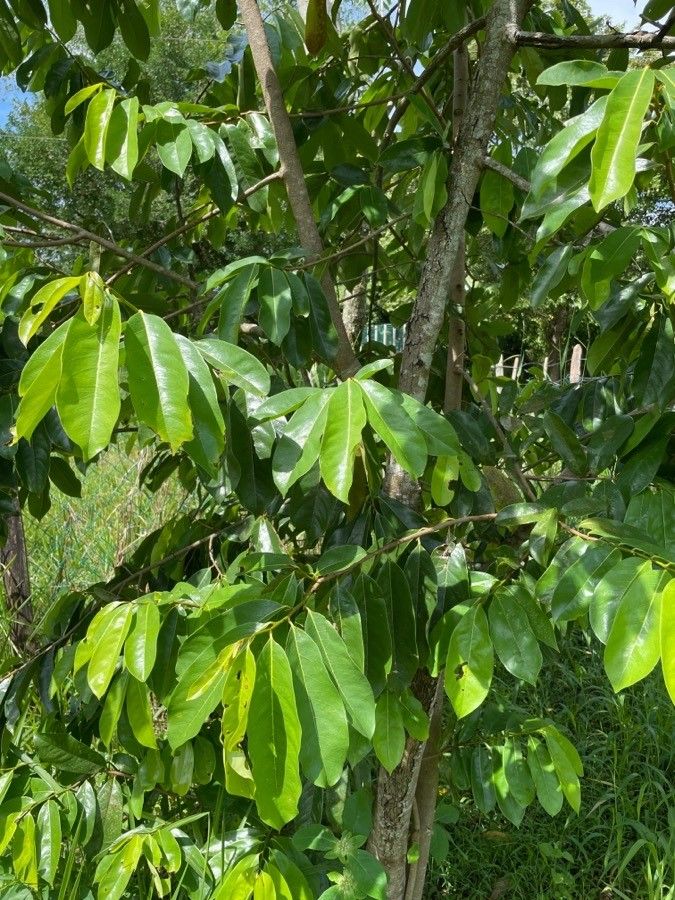
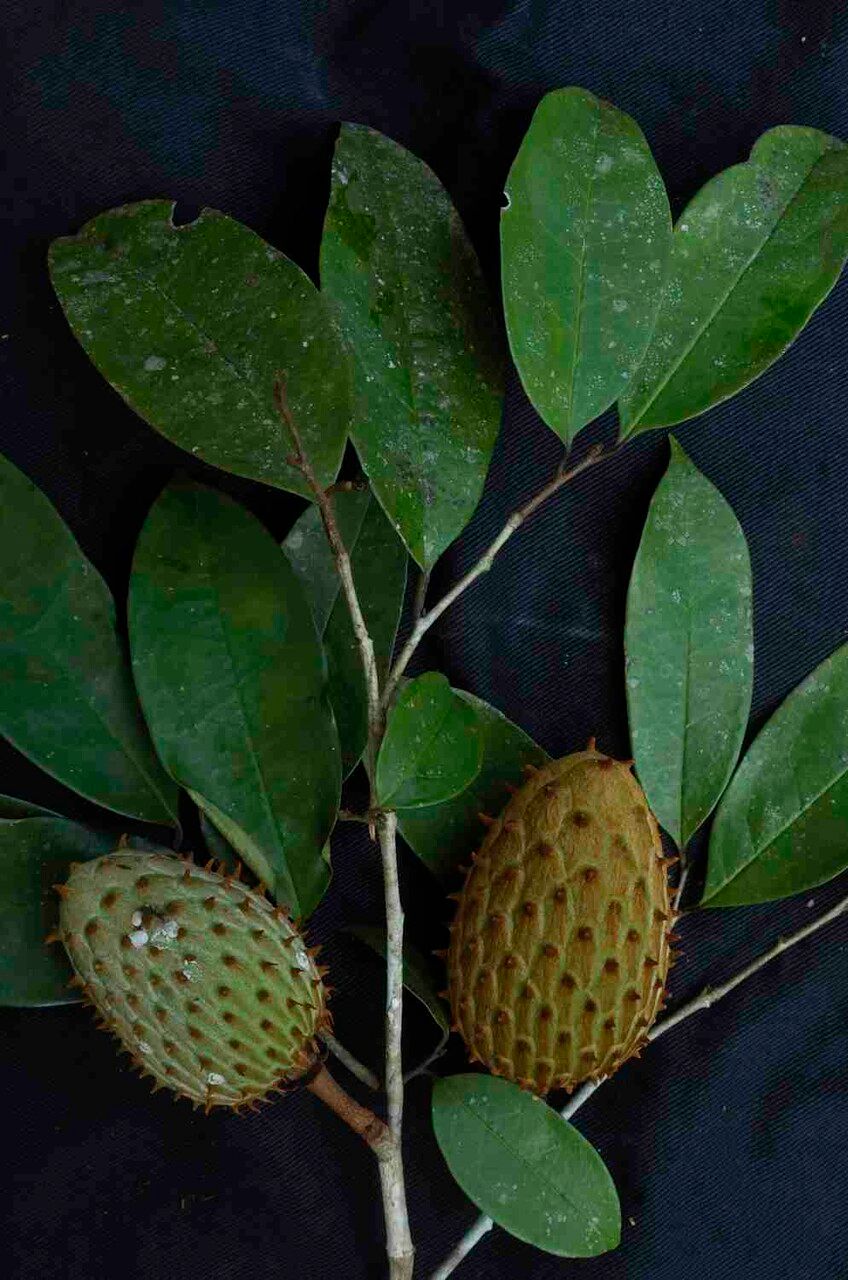
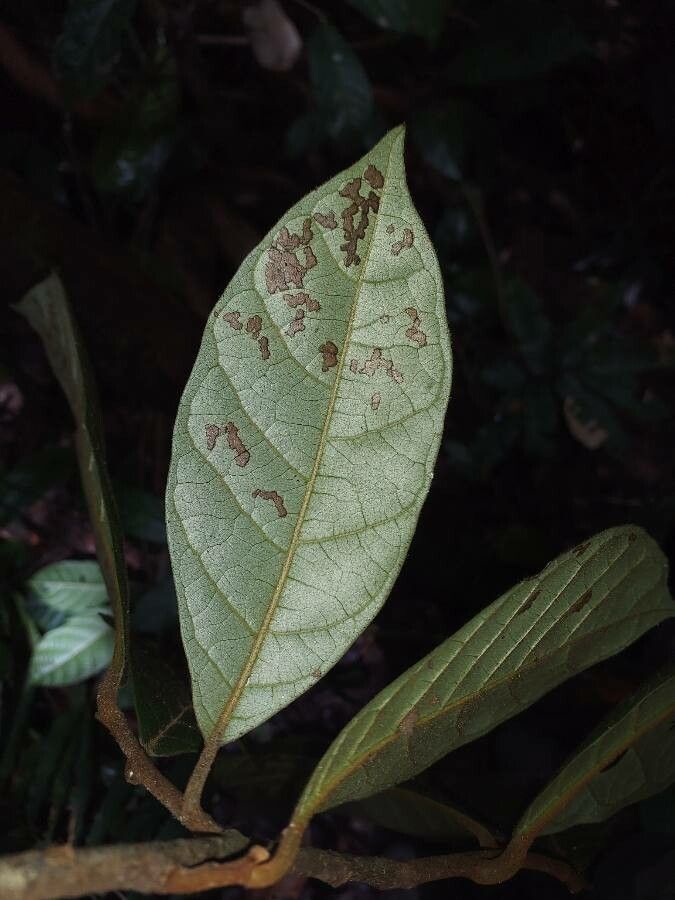
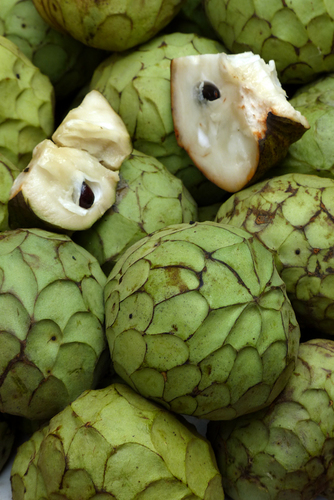
Annona montana, commonly known as mountain soursop or wild custard apple, is a small to medium-sized tree in the Annonaceae family. Native to the tropical regions of South America, it is found in countries such as Brazil, Colombia, and Peru.
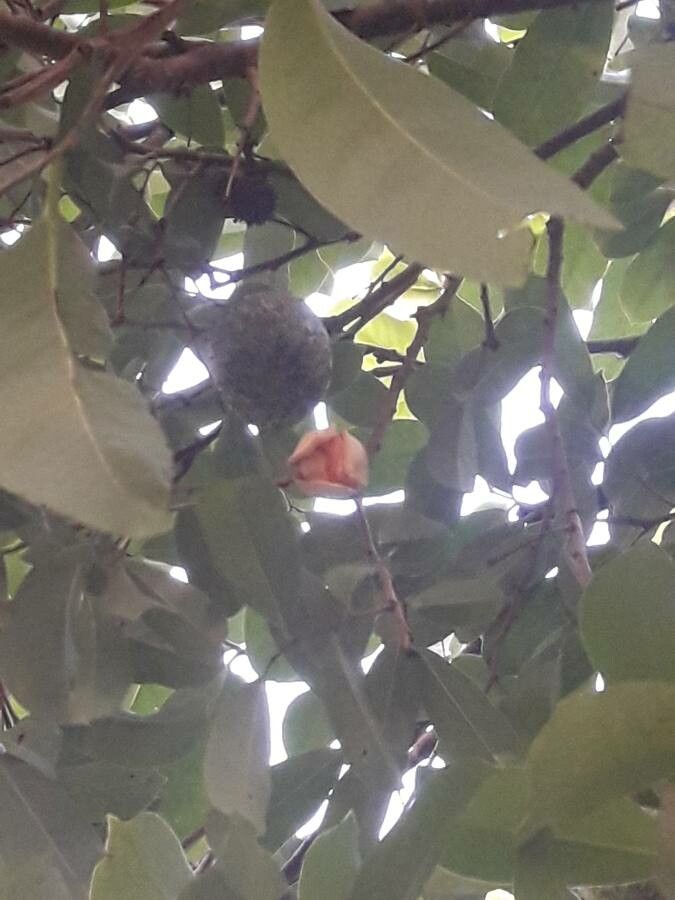
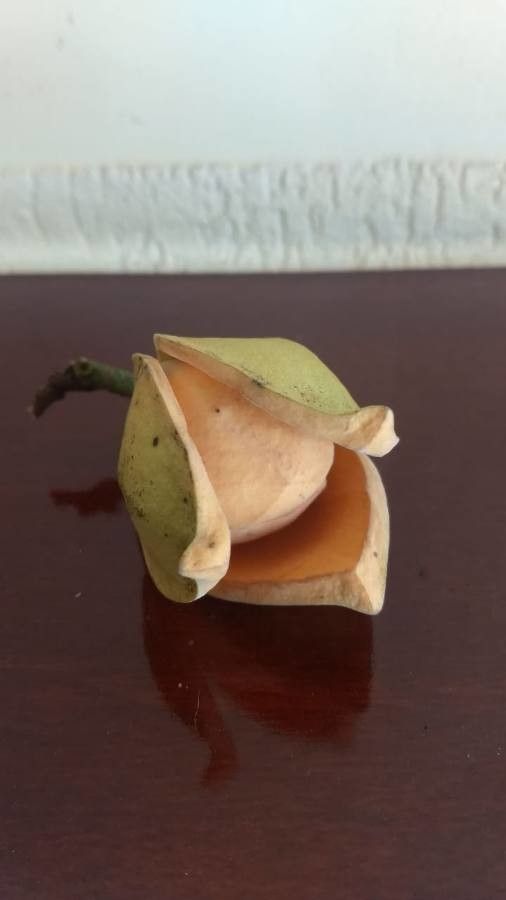
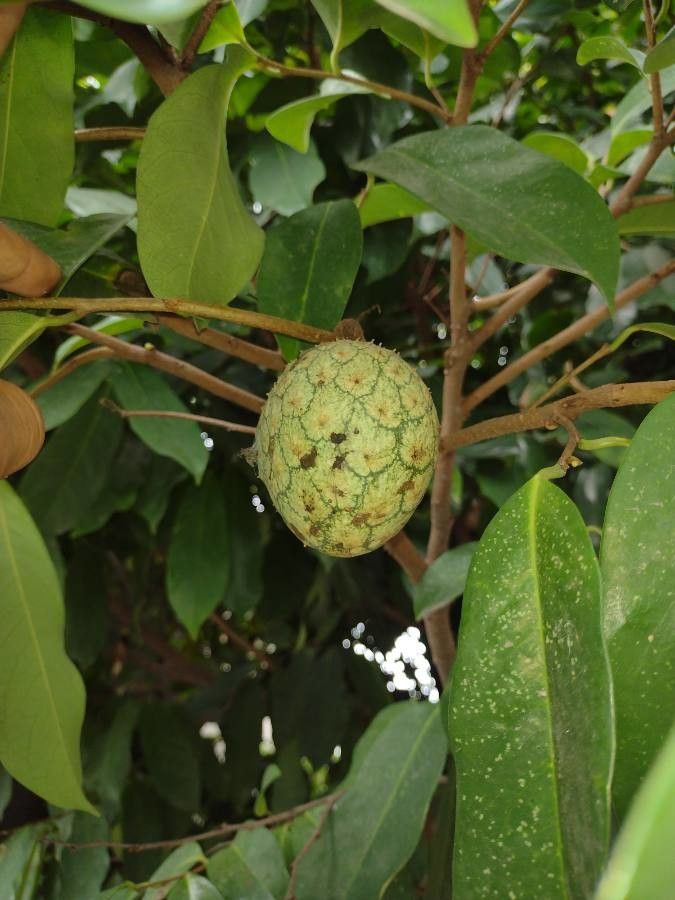
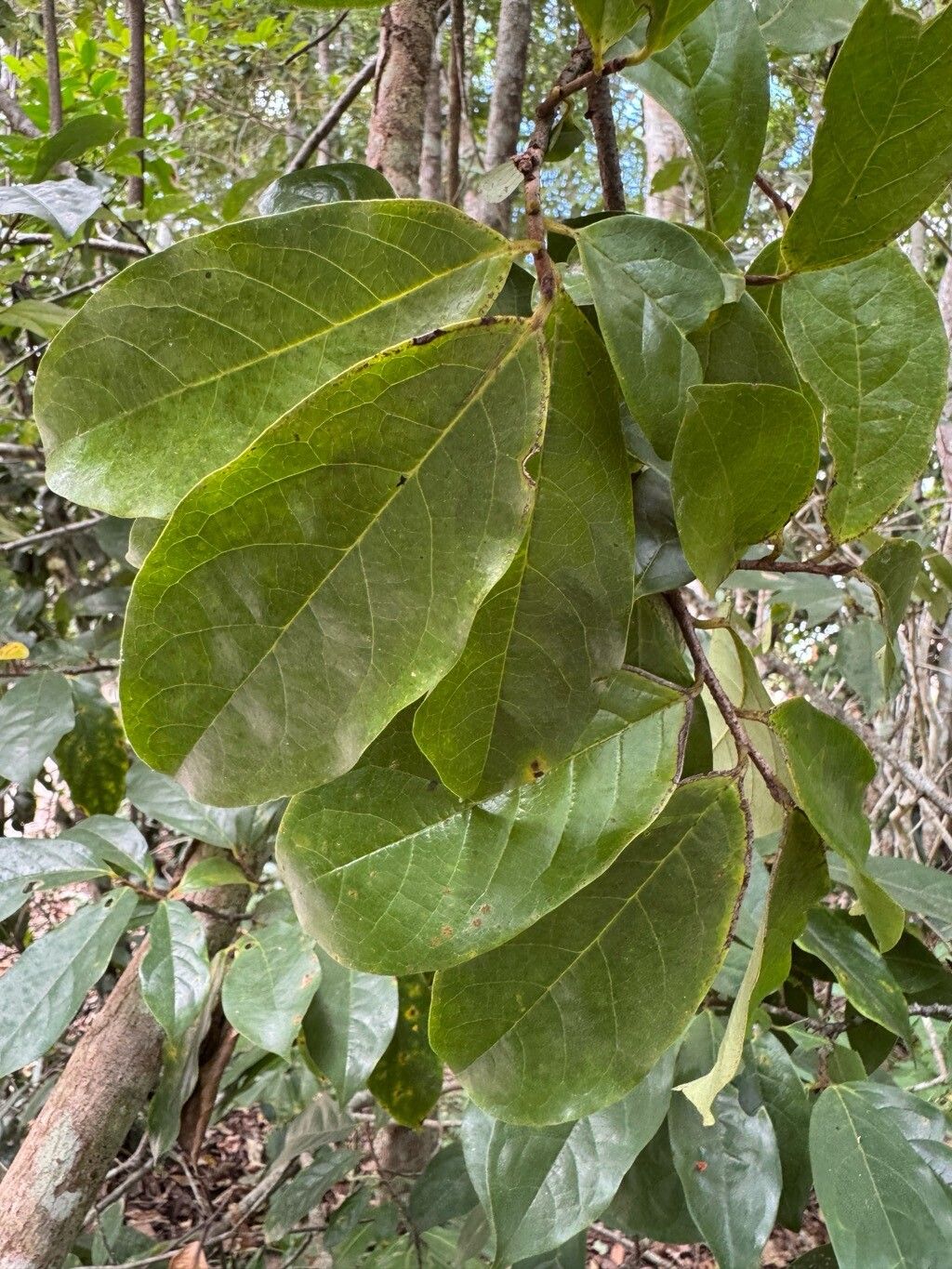
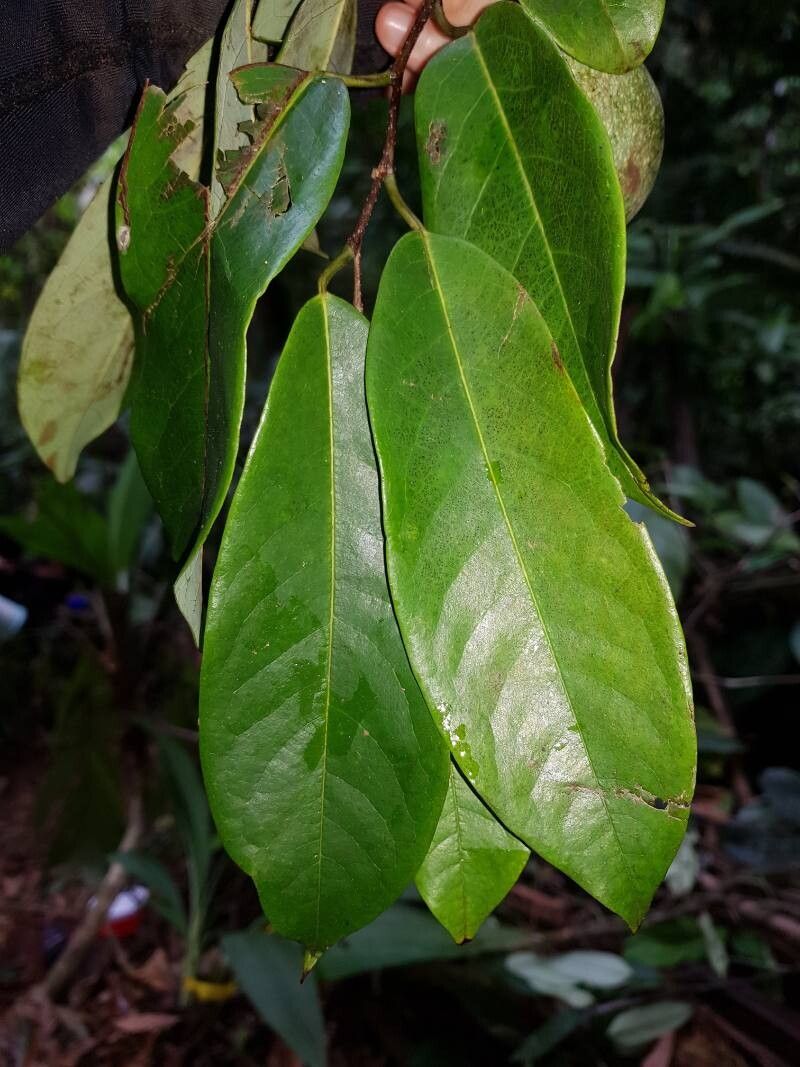
This tree can reach a height of up to 10 meters and features a dense crown of dark green, glossy leaves. Its small, yellowish-green flowers emit a pleasant fragrance. The fruit of Annona montana is either round or oval-shaped, with a greenish-yellow skin that turns brown when ripe. Inside, the fruit has white flesh with embedded black seeds.
Although the fruit of Annona montana is edible, it is not widely consumed due to its sour taste. Nevertheless, it has been traditionally used for medicinal purposes, including the treatment of fever, diarrhea, dysentery, and other gastrointestinal disorders.
Annona montana thrives in well-drained soil and requires plenty of sunlight for optimal growth. It can be propagated through seeds or cuttings, though it takes several years before the tree begins to bear fruit.
Overall, Annona montana is an intriguing plant species that offers medicinal benefits and an edible fruit option for those who enjoy sour flavors.
Mountain soursop, also known by its scientific name Annona montana, derives both its Latin and common names from its natural habitat in mountainous regions. The genus name "Annona" comes from the Latin word for "aliment" or "food." Despite this, mountain soursop is generally considered inedible.
Botanical profile.
- Plant Type
- Tree
- Life Cycle
- Perennial
- Genus
- Annona
- Family
- Annonaceae
- Hardiness Zone
- 7-10
- Mature Height
- 3.66 m to 13.72 m
- Mature Spread
- 6.4 m
- Leaf Color
- Dark Green
- Leaf Type
- Semi-evergreen
- Flower Color
- Cream
- Flower Size
- 5.08 cm to 7.62 cm
- Bloom Time
- Late spring, Early summer, Mid summer
- Planting Time
- Autumn
- Harvest Time
- Late summer, Fall
- Native Area
- Colombia, Cuba, Honduras, Bolivia, Peru, Guyana, Brazil, Ecuador, Costa Rica, Panama, Jamaica
Other names.