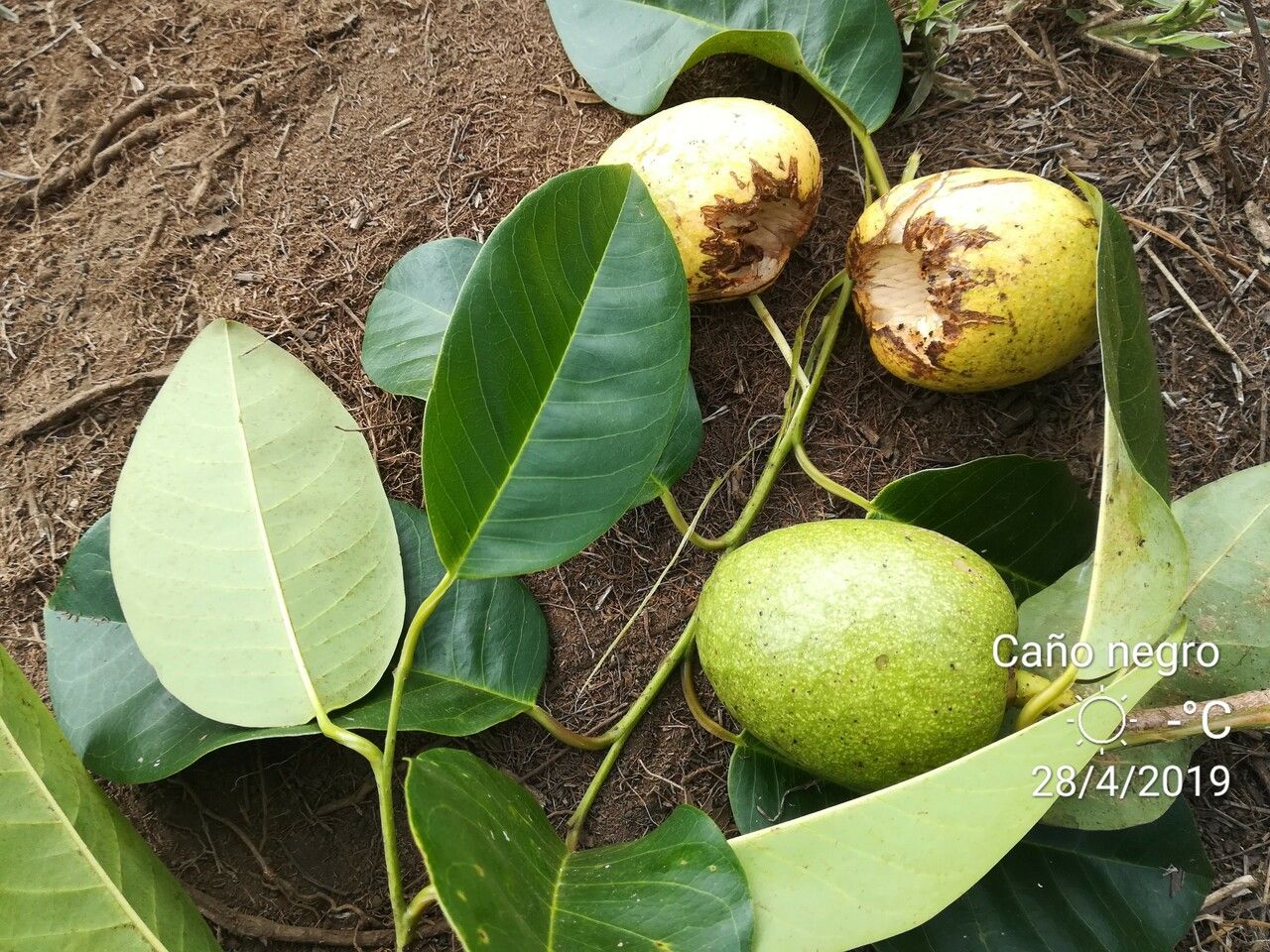
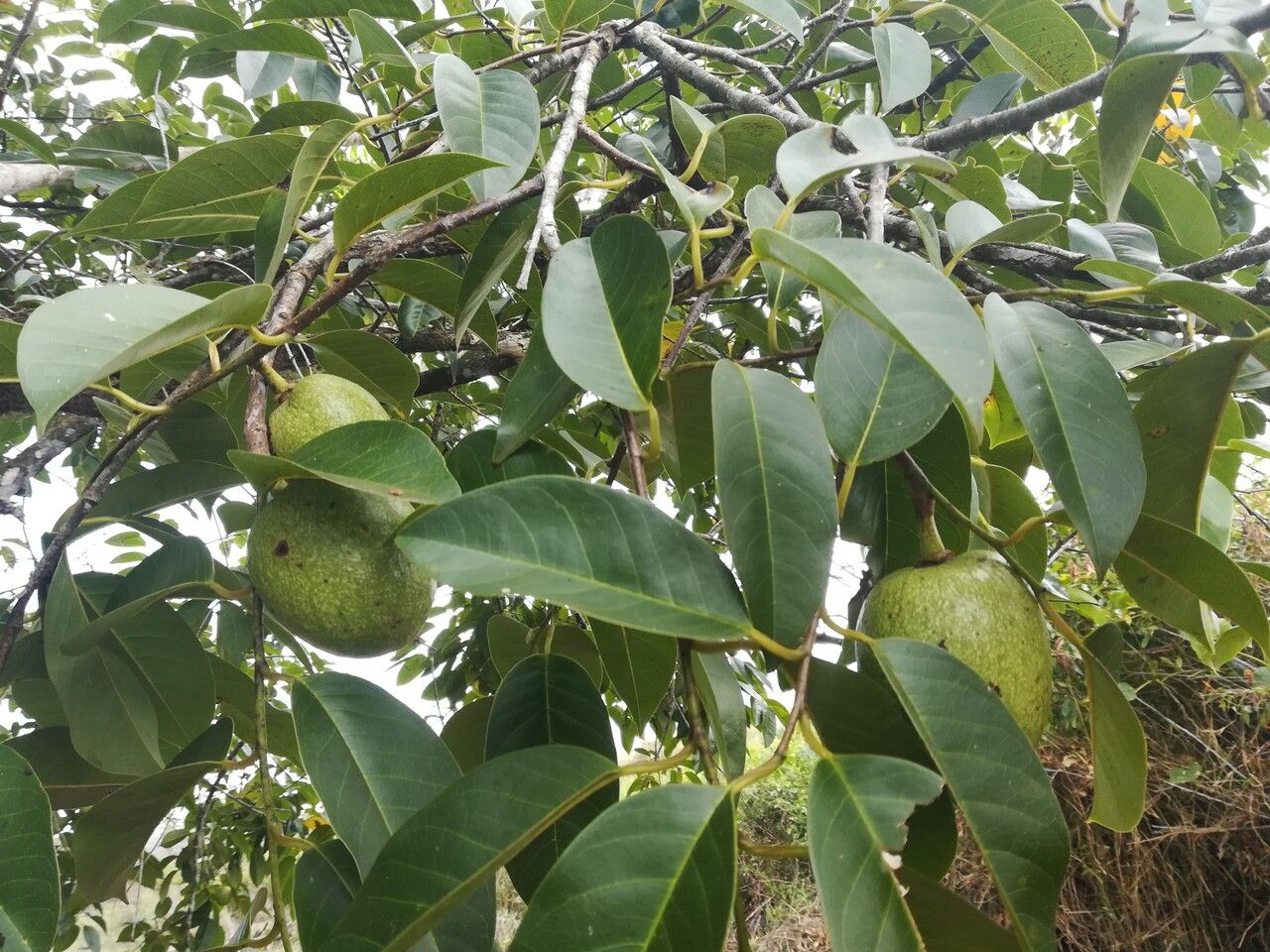
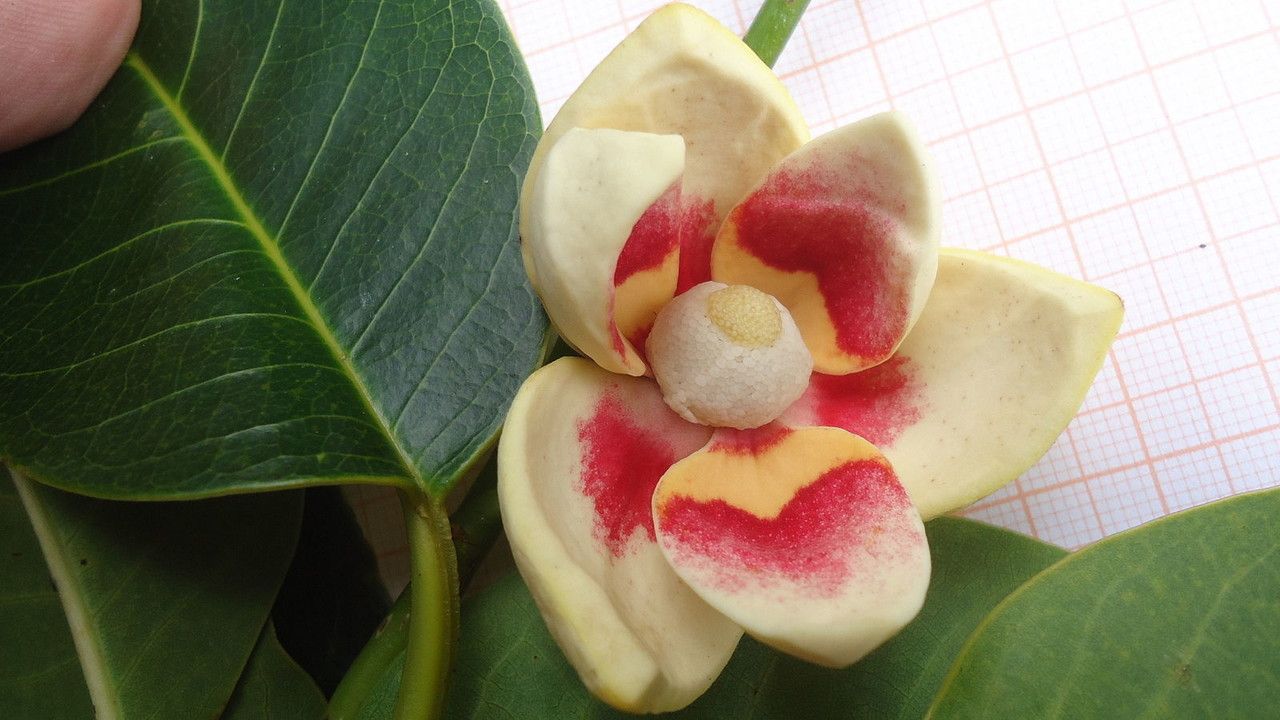
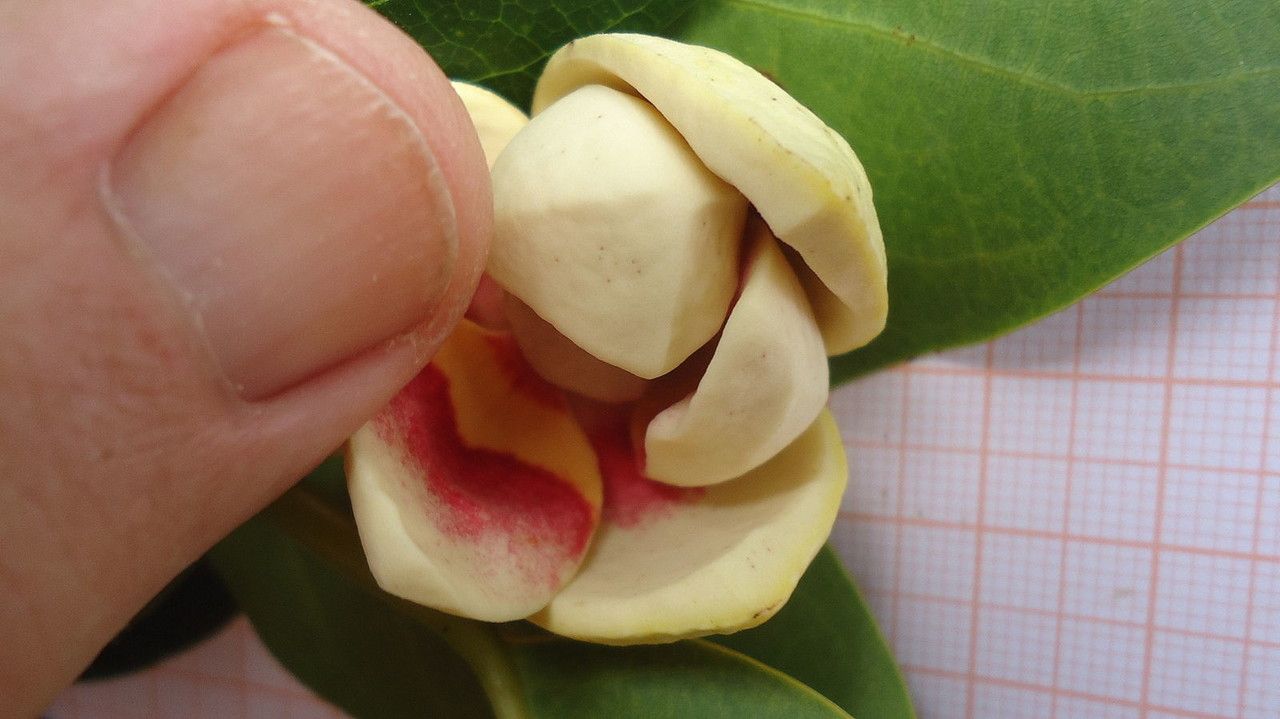
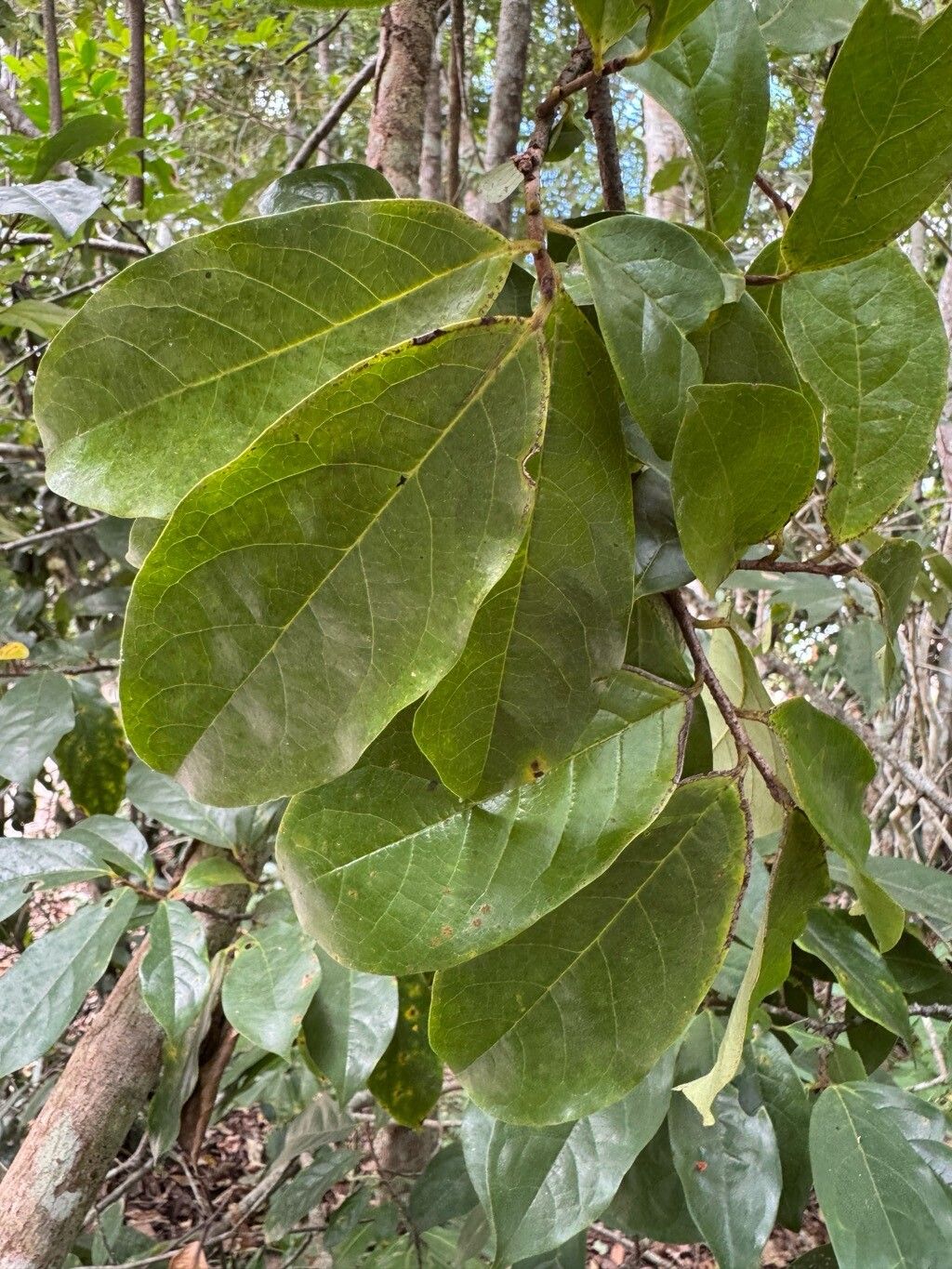
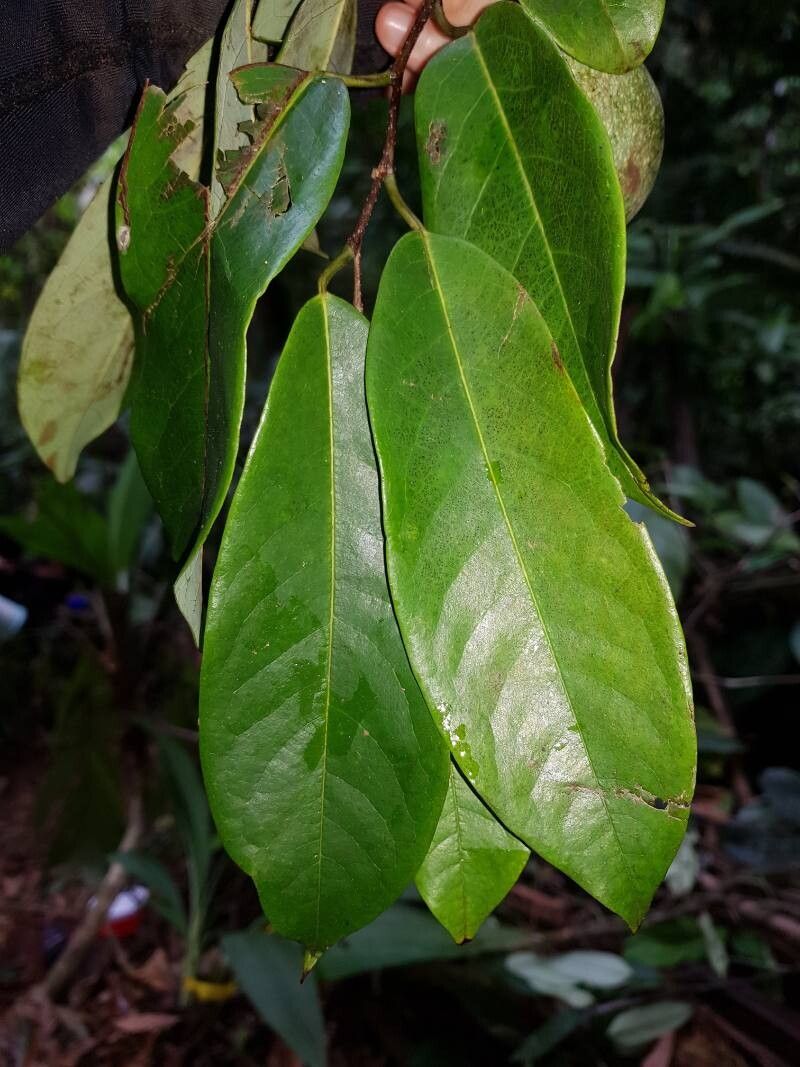
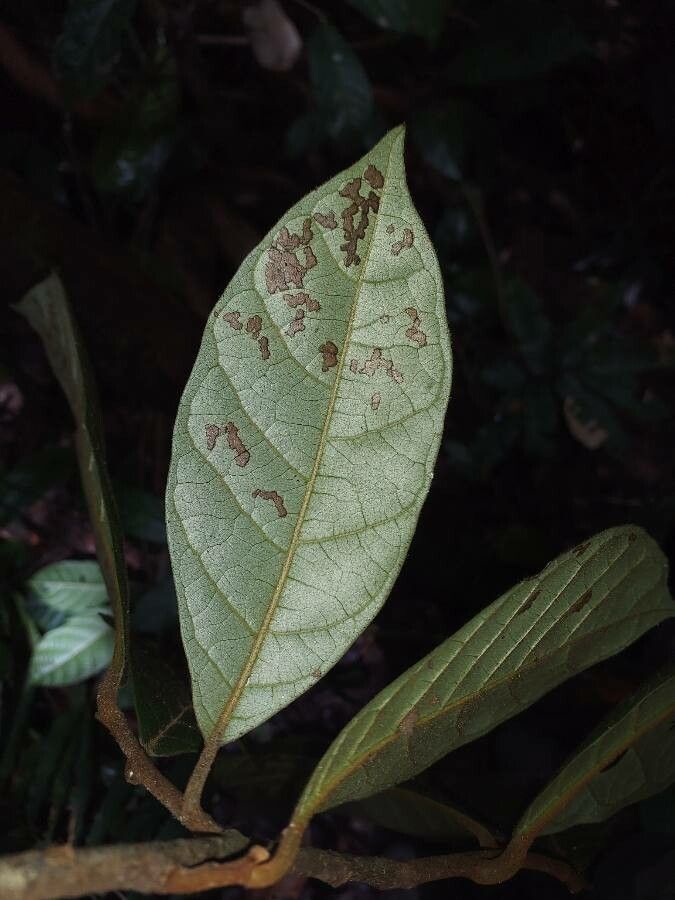
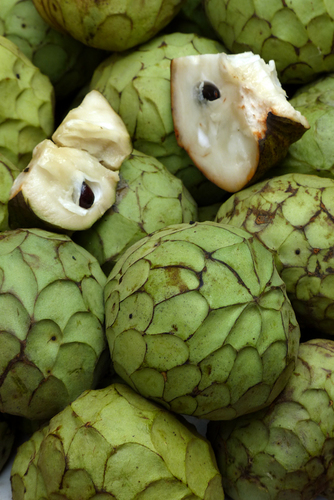
Annona glabra, commonly known as the pond apple or alligator apple, is a tropical fruit tree belonging to the Annonaceae family. Native to the Caribbean, Central America, and South America, this tree can reach heights of 10 to 15 meters and features a dense crown of leaves that provide ample shade. The leaves themselves are glossy green, leathery, and measure 10 to 20 cm in length.
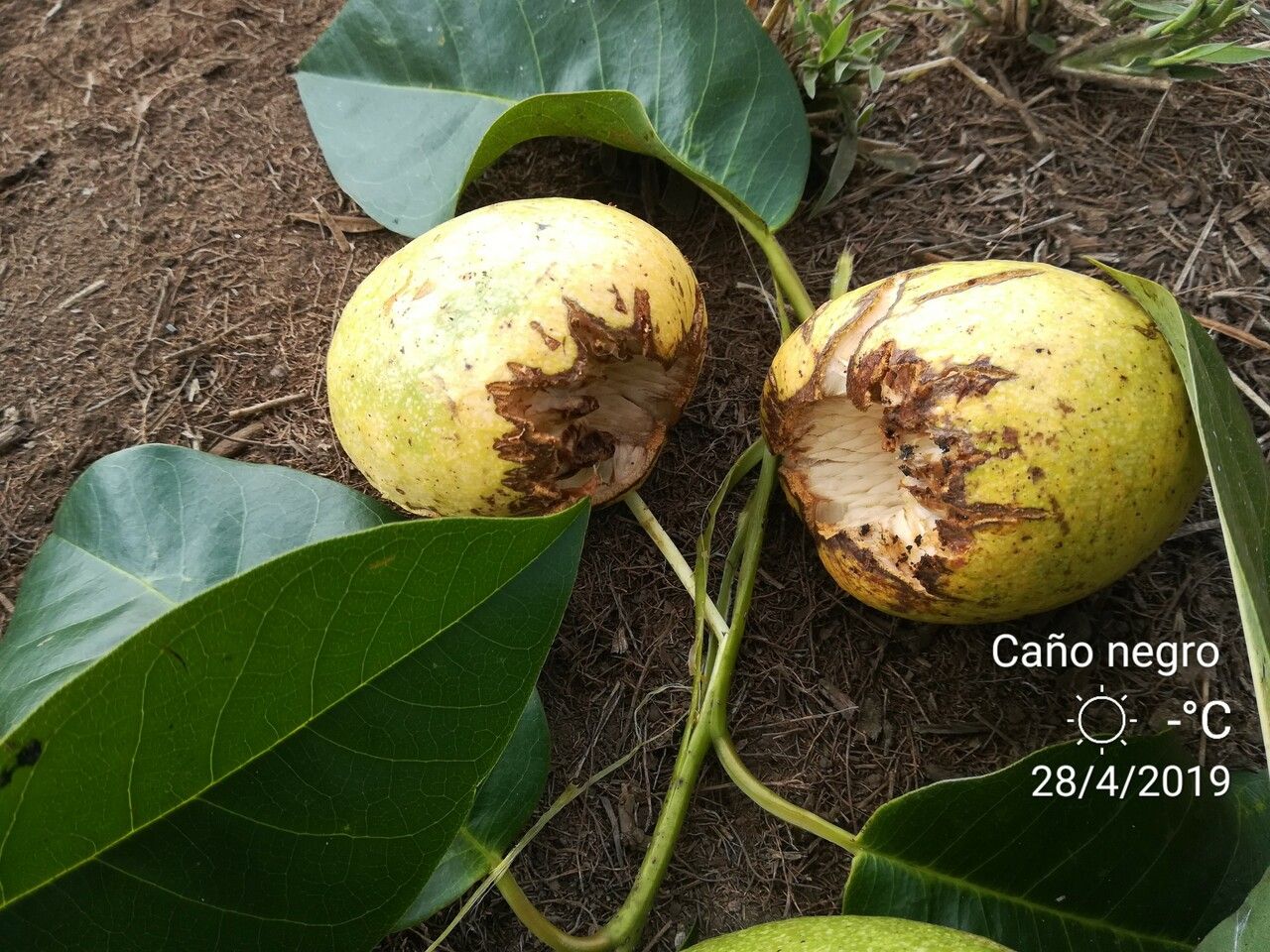
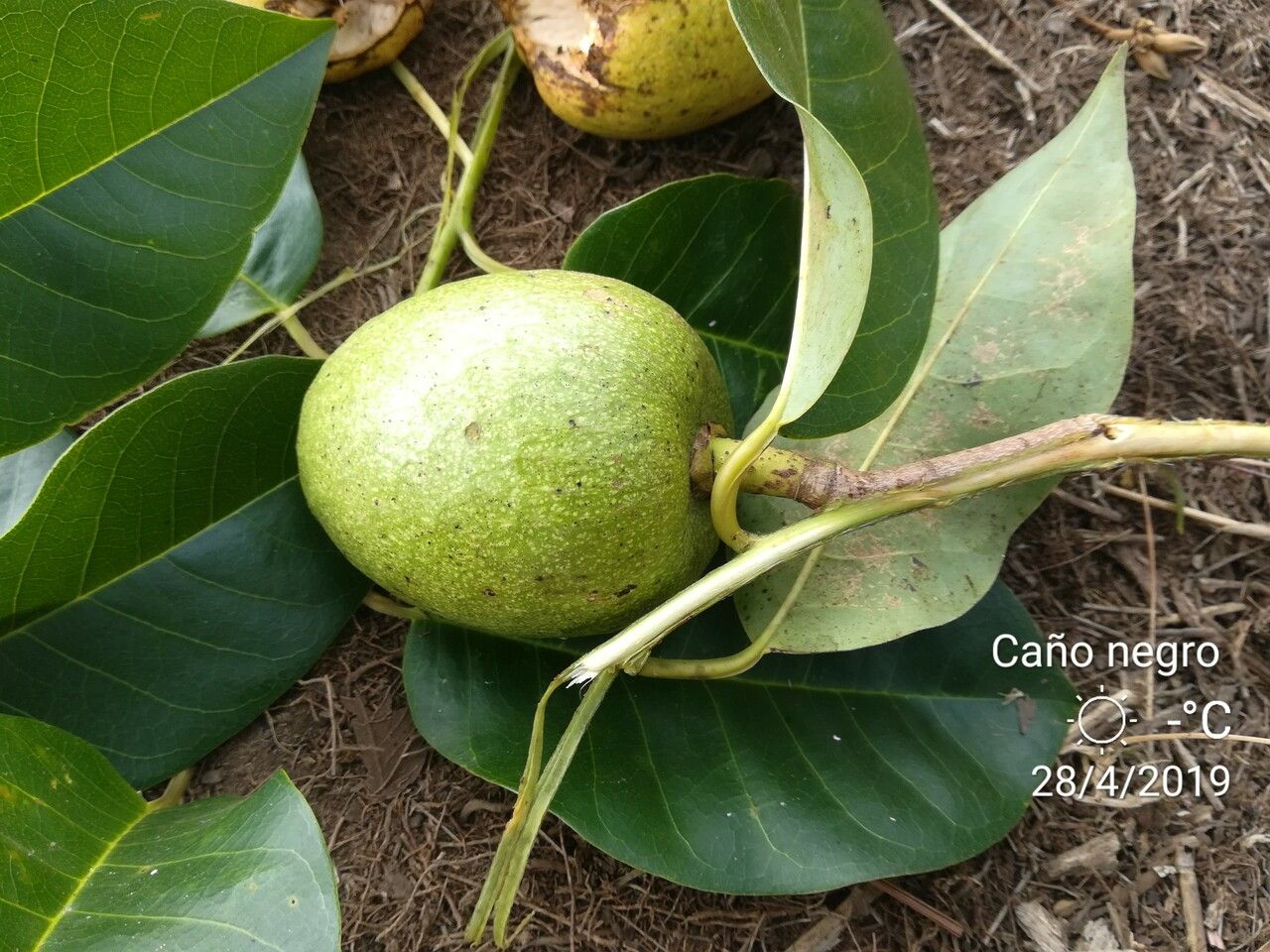
The fruit of Annona glabra is round or oblong, with a diameter of 7 to 15 cm. When ripe, the fruit's skin turns a greenish-yellow color. Inside, the fruit contains numerous seeds embedded in white pulp. While the pulp is edible, it is not commonly consumed due to its sour taste.
The pond apple tree thrives in wetlands such as swamps, marshes, mangroves, and along riverbanks. Its extensive root system helps stabilize soil erosion, and it provides habitat for various wildlife, including birds, insects, and reptiles.
In traditional medicine across its native range, Annona glabra has been used to treat various ailments. For instance, boiling the bark or roots into a tea has been used to reduce fever. Additionally, compounds found in the tree have shown effectiveness against cancer cells in vitro studies, though more research is needed before any clinical applications can be developed.
Overall, Annona glabra plays an important ecological role while also offering potential medicinal benefits. This makes it an intriguing species worthy of further study by researchers interested in both ecology and medicine.
The sugar apple has strong resistance to disease and is generally not susceptible to illnesses. Regarding care, this plant is fairly low-maintenance. When grown outdoors it needs minimal watering, and larger plants normally do not require pruning. However, smaller plants should be pruned after they have finished blooming. The sugar apple is suitable for anyone who has an outdoor space, like a garden or a deck, and does not demand a lot of care experience.
How to keep Annona Glabra.
Light
Native to areas with intense sun, the sugar apple grows vigorously when given abundant sunlight. While it tolerates lower light levels, full sun optimizes its health. Steady bright sunlight is important during its development. Excessive sun intensity can scorch the leaves, whereas too little light may stunt its growth.
Water
Pond Apple thrives in wet, tropical environments where there is high humidity and consistently moist soil, though it should not become waterlogged. To maintain the right moisture balance, water the plant every two weeks. It is best suited for outdoor growth near bodies of water, as this mimics the moisture conditions of its natural habitat.
Temperature
The sugar apple originates from tropical areas and prefers a warm climate with temperatures between 68 and 100 ℉ (20 to 38 ℃). It can tolerate some temperature variation but should be shielded from cold and frost. During the summer, it’s best to position the plant in a shaded spot or provide some artificial shade to prevent the leaves from scorching. In winter, it can be brought indoors to keep it warm.
Fertilizer
Use organic fertilizers (e.g., fish emulsion, compost) instead of chemical ones for sugar apple. Give young plants higher amounts of nitrogen and phosphorus in spring. Incorporate compost or fertilizer into the soil before or after planting. For mature plants, add a balanced fertilizer or one targeted to a specific deficiency in spring. Nutrient deficiency leads to small leaves, short branches, yellow or bronze leaves, acidic fruits, premature fruit drop, and splitting.
Pruning
Pond Apple is known for its adaptable growth and dense foliage. To keep the plant healthy, prune it between early and late winter. This will remove any dead branches and improve air circulation. Pruning not only encourages healthy growth but also helps manage the plant's potentially invasive spread. By doing this, you promote vigor and aesthetic appeal, ensuring sustainable growth.
Pot & Repot
When repotting a sugar apple, select a pot 1-2 inches (2.5–5.1 cm) larger with ample drainage. Use a well-draining potting mix. Repot in spring or fall, ensuring the root ball sits slightly below the rim of the flower pot. Water thoroughly after repotting and place in a warm spot with indirect sunlight.
Botanical profile.
- Plant Type
- Shrub
- Life Cycle
- Perennial
- Genus
- Annona
- Family
- Annonaceae
- Hardiness Zone
- 10-12
- Mature Height
- 3.05 m to 7.92 m
- Mature Spread
- 6.1 m
- Leaf Color
- Green
- Leaf Type
- Semi-evergreen
- Flower Color
- Yellow, Green, White
- Flower Size
- 1.52 cm to 3.05 cm
- Bloom Time
- Mid spring, Late spring, Early summer
- Planting Time
- Spring, Autumn
- Harvest Time
- Mid summer, Late summer, Early fall
- Native Area
- Chile, Belize, Honduras, Mexico, Guatemala, Panama, Jamaica, Uruguay, Colombia, Bahamas, Argentina, Venezuela, Guyana, El Salvador, Nicaragua, Suriname, Costa Rica
Other names.
Reader questions.
What's the easiest way to water my Pond Apple?
To ensure excellent root development, place a garden hose at the base of the plant, avoiding direct spraying of the leaves. If the plant is outdoors and exposed to sunlight, the leaves will need more water. You can also use bubblers or soaker hoses to moisten the roots. When adding or removing plants, use soaker hoses that cover the entire garden to promote deep root growth. Drain any excess water and wait for the soil to dry before watering again. To prevent diseases, water at ground level. On sunny days, consider spraying the entire bush with water. Whether potted or in-ground, keep in mind that Pond Apple prefers deep watering rather than light sprinkling.
Why should I add fertilizer to my Pond Apple plant?
Determining the soil's richness is key in deciding whether or not to fertilize. Adequate nutrient levels are crucial for Pond Apple to thrive and bear abundant foliage, blossoms, and fruits. A soil test is highly recommended to identify nutrient abundance and deficiencies. Inadequate nutrients can result in undersized leaves, stunted branches, yellow or bronze foliage, and less flavorful fruits due to increased acidity. Additionally, certain nutrient deficiencies may cause premature fruit drop or splitting.
What are the sunlight requirements for Pond Apple?
Pond Apple thrives best when exposed generously to the sun throughout the day, benefiting from more than 6 hours of sunlight which is considered full sun exposure. It can also tolerate partial sun, which is about 3-6 hours of sunlight. However, observing how sunlight moves through your garden and choosing spots that offer a perfect balance of light and shade ensures the plant's happiness and health.
What is the ideal temperature range for growing Pond Apple?
Pond Apple thrives in temperatures ranging from 20 to 38°C (68 to 100.4°F). For optimal growth, it's best to plant Pond Apple in environments that closely mimic this temperature range. It's extremely heat-loving, and exposure to cold can harm the plant. During the winter, maintaining temperatures above 20°C is crucial, as temperatures nearing 5°C can be detrimental. In areas experiencing colder seasons, it is advisable to protect Pond Apple from frost by providing additional warmth, and in warmer seasons, it might need extra watering and shade to prevent overheating. For those growing Pond Apple outdoors, bringing the plant indoors during autumn and placing it near a bright window away from heaters is recommended to avoid the cold.
What should I do if I give Pond Apple too much water or too little water?
An overwatered Pond Apple can show signs such as yellowing, dropping, and wilting leaves. The plant may also look unhealthy with mushy stems. When these signs appear, it's important to adjust your watering schedule. Wilting can also indicate under watering, which will cause leaves to become crispy and dry. In this case, check the soil's moisture level and provide a thorough watering when needed. However, even with enough water, the damaged root system may cause the plant to still appear dry with yellow leaves after a few days. Once it returns to normal, the yellowing will stop. When keeping the Pond Apple indoors, always check for moisture levels and avoid overwatering. Watch out for black spots, and if present, let the soil dry out for a few days before watering again. Overwatering can lead to root rot, so it may be necessary to transfer the plant to a different pot if discolored and slimy roots are observed. Preventing root rot and avoiding overly soggy soil is crucial. When planting the Pond Apple outdoors, make sure to check the soil's moisture level by digging a little deeper. If the soil is too dry, it may indicate under watering, in which case adequate watering is necessary to help the plant recover.
When should I fertilize my Pond Apple tree for best results?
To support the growth of young Pond Apple plants, it is recommended to provide them with a higher nitrogen and phosphorus fertilizer. The best time to apply this fertilizer is during the spring of their first growing season. It is also advisable to incorporate compost or another fertilizer into the soil before or right after planting. For mature plants, it is necessary to supplement their fertilizer every few years during the spring and summer, using a balanced fertilizer or one that addresses specific soil deficiencies in your area. However, it is important to avoid fertilizing Pond Apple plants during the autumn or winter.
How does insufficient sunlight affect Pond Apple?
Insufficient sunlight can cause several problems for Pond Apple, including smaller leaves, leggy or sparse growth, premature leaf drop, slower or no new growth, lighter-colored new leaves, and conditions such as chlorosis, sunscald, leaf curling, wilting, and leaf scorching. These symptoms indicate the plant's struggle with light deficiency, affecting its photosynthesis process and overall health.
How should you care for Pond Apple in low temperatures?
Pond Apple prefers warm conditions and struggles in low temperatures, thriving best when the temperature remains above 20°C. During winter, it's important to keep the plant in conditions warmer than 5°C. Exposure to temperatures below 1°C can cause the leaves to lighten in color, and frost damage may result in the leaves turning brown or black, accompanied by wilting and drooping. If frost damage occurs, you should trim off the damaged parts and move the plant to a warm indoor environment for protection against the cold. Placing the Pond Apple near a south-facing window can ensure it receives ample sunlight, but it's also important to keep it away from heaters or air conditioning vents to prevent the air from becoming excessively dry.
"How frequently should I water my Pond Apple?"
The Pond Apple prefers deep and infrequent watering, especially when planted in pots. In pots, the soil dries out faster due to limited water storage, so it's important to soak them with a gallon of water each time. In cold regions, water every 3 to 5 days, preferably in the morning when the soil is dry. Check the soil's moisture level by feeling the top 2-3 inches - if it's dry, it's time to water. Hot days may require daily moisture checks, particularly as the heat can quickly dry out the soil in pots. For garden irrigation, water once a week in hot climates, and only when about 2 to 3 inches of soil becomes too dry. Avoid adding water if there's been sufficient rainfall to prevent root rot. During the growing seasons of spring and fall, adding mulch about 3 to 4 inches deep outdoors helps conserve water. Sandy soil needs more frequent watering, whereas clay soil can go 2-3 days without watering to avoid root rot. Keeping track of watering dates and monitoring drooping leaves can help ensure proper watering.
When should I not put fertilizer on my Pond Apple?
To ensure optimal growth and health of Pond Apple, it is important to follow a few guidelines regarding fertilization. Firstly, avoid fertilizing after pruning or when the tree is suffering from disease, insect infestation, or any other form of stress. While fertilizer can address insufficient nutrient levels in the soil, it cannot solve other underlying issues that may be affecting the Pond Apple. Therefore, it is crucial to accurately diagnose the problem before resorting to fertilization. Additionally, refrain from fertilizing during the winter season and during periods of intense heat and drought in the summer.
How can artificial lighting benefit indoor Pond Apples?
Artificial lighting is crucial for indoor Pond Apples, especially in conditions of inadequate natural sunlight, like in winter or less sunny spaces. Optimal growth can be achieved by using the right type of artificial light, such as LED lights, which can be customized to provide specific wavelengths needed by the plant. Full sun plants require 30-50W/sq ft, partial sun plants 20-30W/sq ft, and full shade plants 10-20W/sq ft of artificial light. Position the light source 12-36 inches above the plant and mimic natural daylight hours, ensuring most plants get 8-12 hours of light per day.
What are the necessary steps to protect Pond Apple in high temperatures?
During the summer, it's important to keep Pond Apple in conditions below 38°C. Exposing the plant to temperatures exceeding 43°C may lighten the color of the leaves and increase susceptibility to sunburn. To protect Pond Apple in high temperatures, you should trim away sunburned and dried-up parts. Relocating the plant to a shaded area, particularly away from the harsh midday and afternoon sun, can help. Additionally, watering the plant in the morning and evening can keep the soil adequately moist, further mitigating the effects of high temperatures.