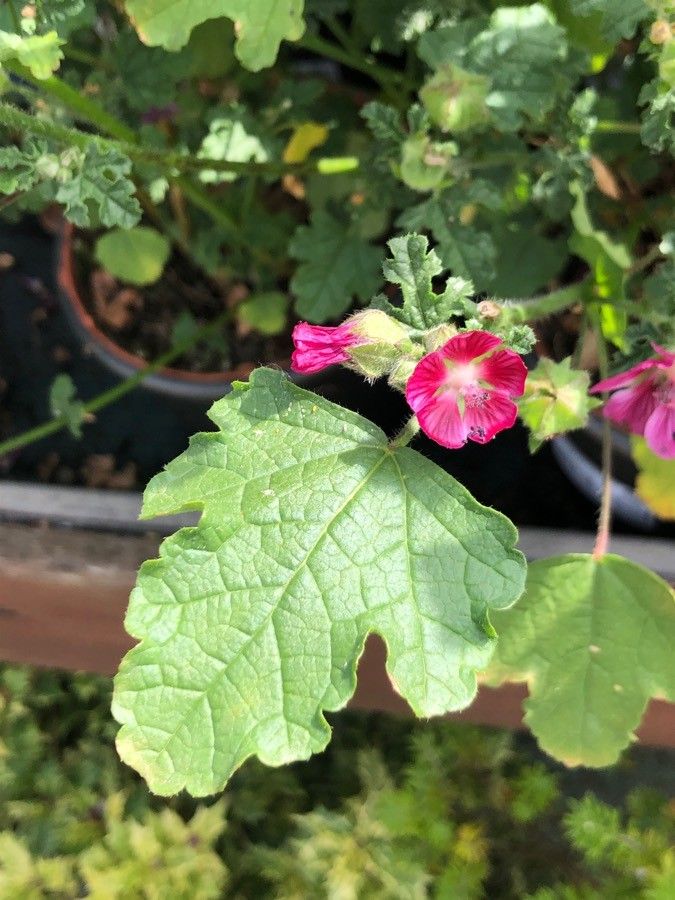
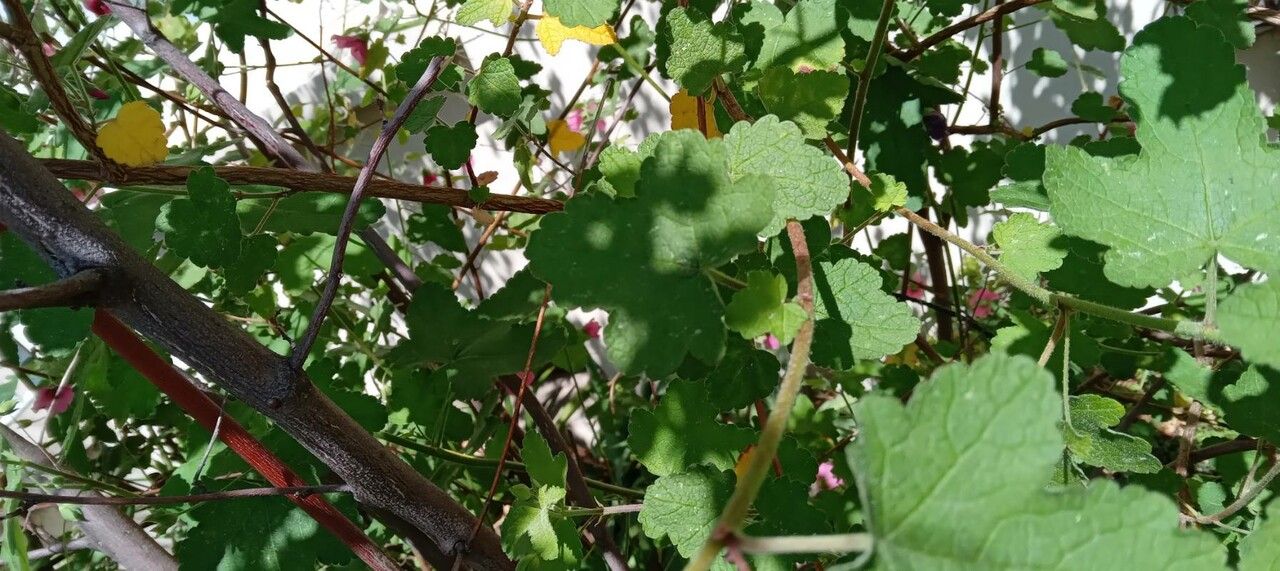
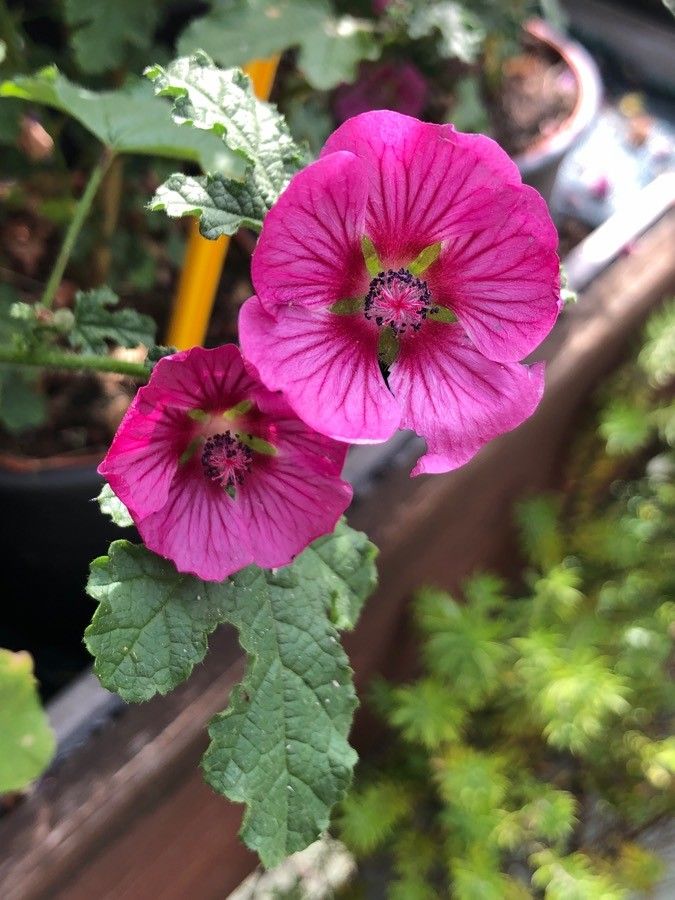
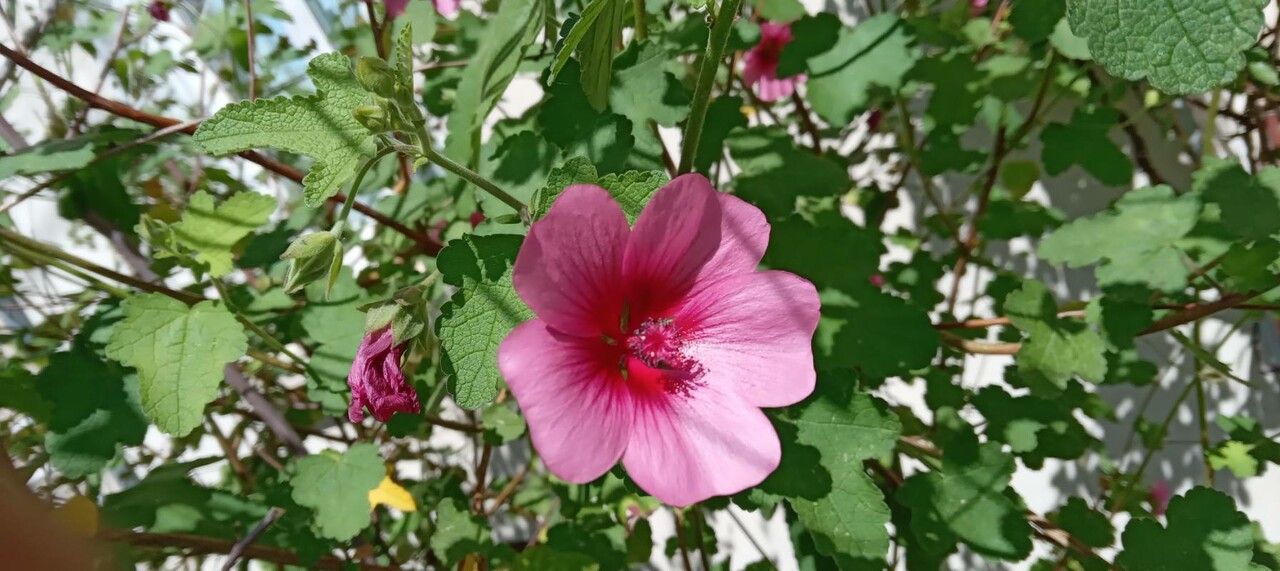
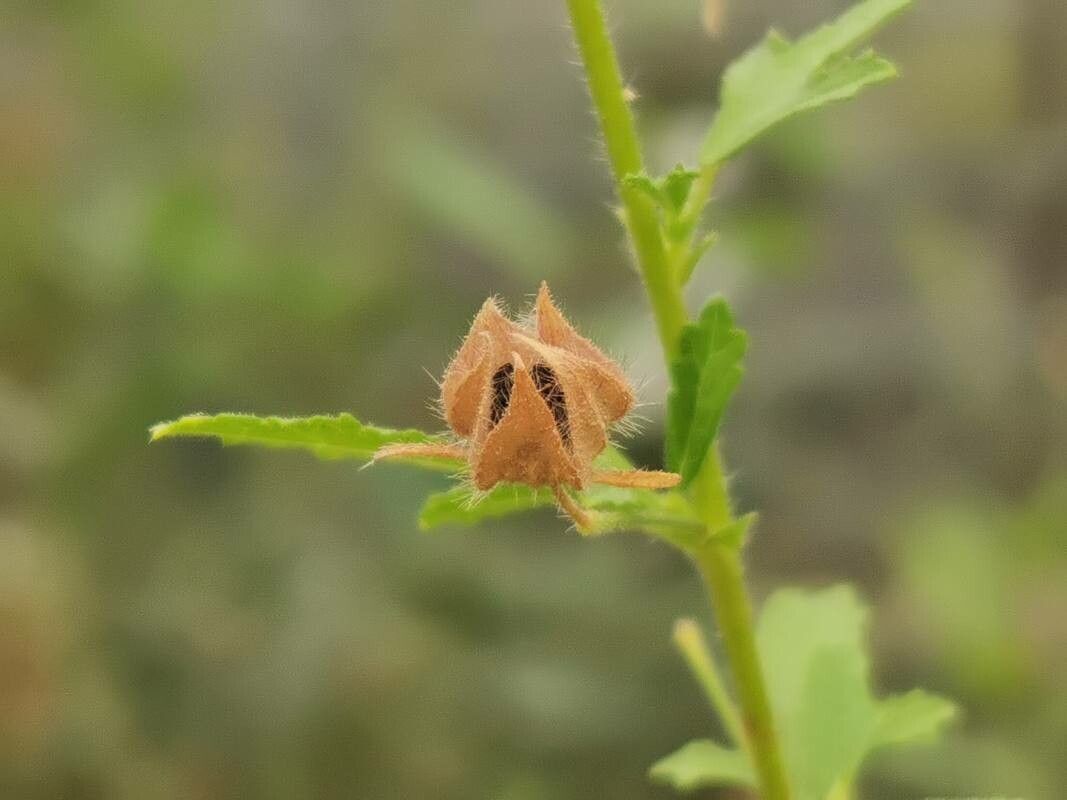
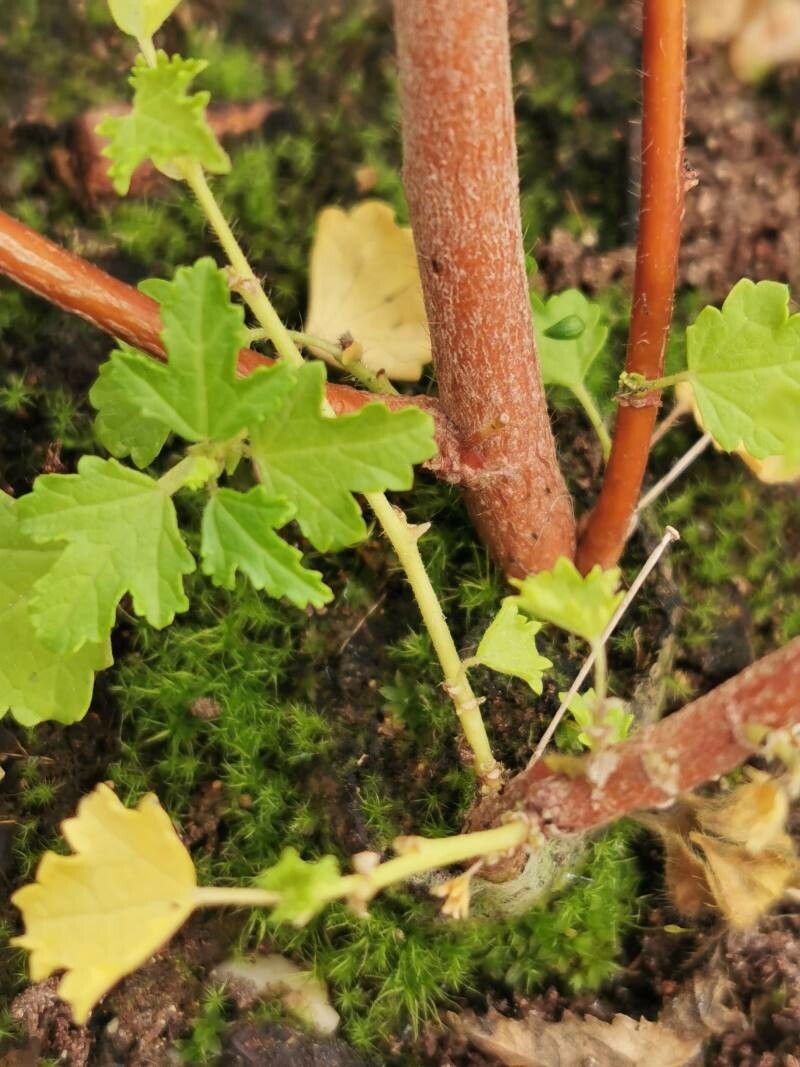
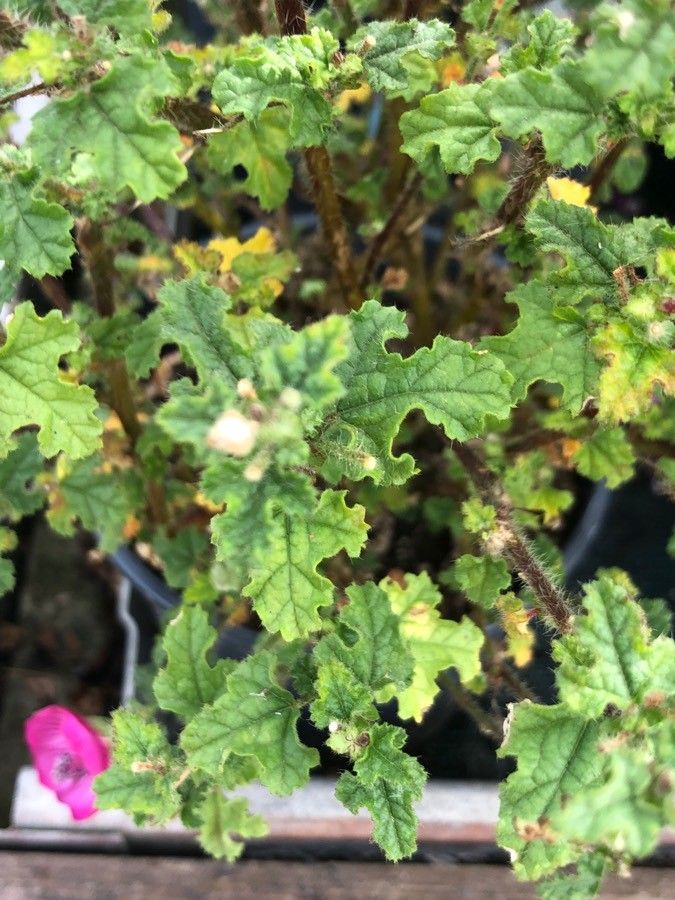
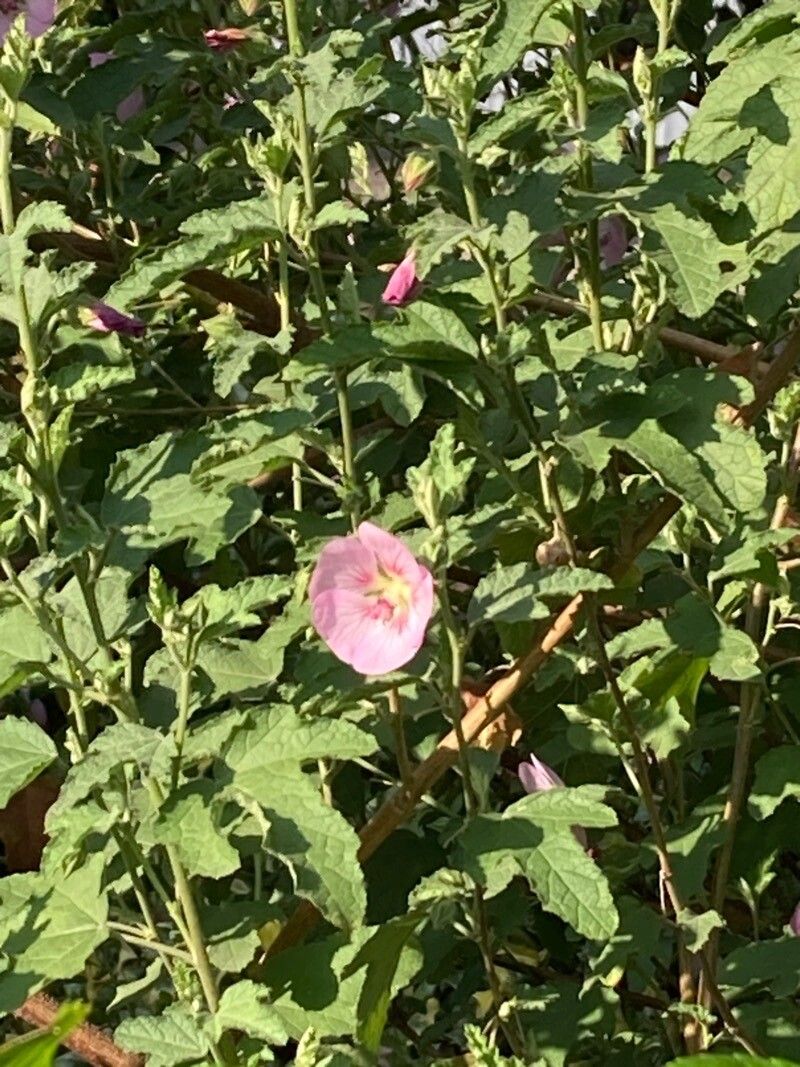
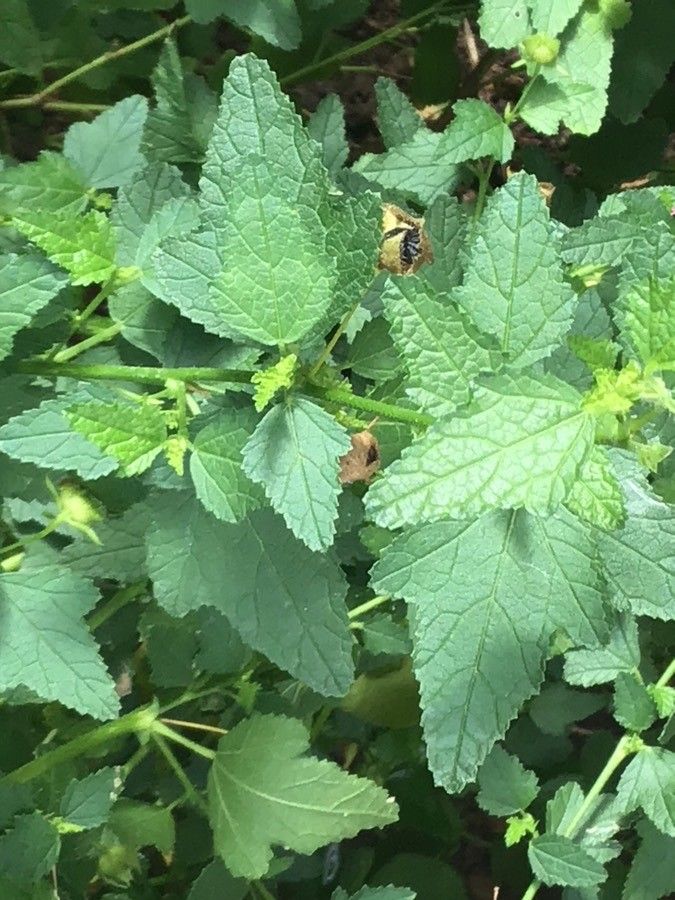
Anisodontea capensis, known as African mallow, dwarf hibiscus, Cape mallow and false mallow, is a species in the tribe Malveae in the family Malvaceae that is native to South Africa. It has gained the Royal Horticultural Society's Award of Garden Merit as an ornamental.
African mallow has strong resistance to disease and generally is not likely to get sick. However, it can be vulnerable to pests and illnesses present in its environment. Such infections are typically mild. Regarding care, this plant needs moderate maintenance. It should be pruned regularly to preserve a tidy appearance and encourage healthy growth. Fertilizing can also help stimulate flowering. African mallow is appropriate for anyone with outdoor space, like a garden or patio, and does not require extensive plant-care experience. It may need more attention if grown indoors.
How to keep Anisodontea Capensis.
Light
The African mallow does best when it gets plenty of sun. Originating from places with open, unobstructed daylight, it has developed that preference. While it can tolerate some shade, not enough sunlight may stunt its growth, producing weaker foliage and fewer flowers.
Water
Originally from the semi-arid regions of South Africa, African mallow is moderately drought-tolerant and needs weekly watering to keep the soil moist without causing waterlogging. To prevent root rot, it grows best in well-draining soil, making it an excellent choice as an outdoor ornamental plant, even during heavy rains.
Temperature
Native to areas where temperatures fall between 68 and 100 °F (20 to 38 °C), african mallow does well in these warm conditions. In colder climates it may need seasonal adjustments and should be protected indoors during winter.
Fertilizer
Proper fertilization is essential for the health and appearance of African mallow. Fertilize African mallow during summer, applying fertilizer once a month throughout the season. Nutrients drive growth and help maintain the plant's parts. Fertilizing improves African mallow's floral display, ensuring the best blooms.
Pruning
African mallow showcases vibrant pink flowers and exhibits a bushy growth habit. To encourage healthy growth and abundant blooms, prune it in late winter or early spring. Focus on removing dead branches and shaping the plant. Regular pruning improves air circulation and boosts disease resistance. For the best results, use clean and sharp tools.
Pot & Repot
To ensure the best growth for African mallows, repot them every 2-3 years in the spring, choosing a pot that is one size larger than the current one. After repotting, keep the soil consistently moist and place the plant in a spot where it receives indirect sunlight. This care routine promotes the vibrant flowers that are characteristic of African mallows.
Botanical profile.
- Plant Type
- Herb, Shrub
- Life Cycle
- Perennial, Annual
- Genus
- Anisodontea
- Family
- Malvaceae
- Hardiness Zone
- 9-11
- Mature Height
- 1.22 m
- Mature Spread
- 49 cm
- Leaf Color
- Green
- Leaf Type
- Evergreen
- Flower Color
- Pink
- Flower Size
- 5.08 cm to 7.62 cm
- Bloom Time
- All year round
- Planting Time
- Spring, Summer
- Harvest Time
- All year round
- Native Area
- South Africa
Other names.
Reader questions.
How should I water my African mallow plant in the best way?
To properly water the African mallow, it is recommended to use filtered water at room temperature. Tap water may contain harmful particles, so filtered water is preferred. Since the African mallow is accustomed to warm environments, it is best to use room temperature or slightly warm water to avoid shocking the plant. Avoid overhead watering, as it can lead to foliage problems. Instead, directly water the soil with your filtered room temperature water until it is completely soaked. This helps keep the roots moist and allows them to spread and absorb necessary nutrients.
Why should I put fertilizer on my African mallow?
Fertilizer and soil nutrients are like fuel for your African mallow plant, helping it grow and stay healthy. Plants use the nutrients in the soil to create new plant material and keep their existing parts in good condition. For the African mallow, fertilization is especially important to help its flowers look their best. Since the flowers are the main attraction of this plant, most gardeners want to do what they can to ensure beautiful blooms. Fertilization is one of the most effective methods to help your African mallow produce the most impressive flowers.
What are the sunlight requirements for African mallow?
African mallow thrives best in full sun conditions, requiring more than 6 hours of sunlight daily for optimal growth. It can also grow in partial sun, which means about 3-6 hours of sunlight each day. However, it's essential to watch how sunlight moves through your garden to select spots that offer the right balance of light and shade, ensuring your plants grow healthily.
What temperature is best for African mallow?
To help your tropical plants thrive, it's best to maintain a temperature range of 75℉ to 90℉ (25-32℃). While different species can tolerate temperatures outside this range, sticking within a few degrees of these limits will ensure optimal growth. However, there are extreme temperature limits to be aware of. Anything below 50℉ (10℃) or above 95℉ (35℃) can hinder growth and cause issues with the leaves and stems. Low temperatures are particularly damaging, as even a light frost can lead to the death of your tropical plants. In fact, cellular death can occur rapidly, with some species dying within 12 to 24 hours.
What should I do if I give my African mallow plant too much water or too little water?
Overwatering and underwatering can both harm your African mallow, but overwatering is more common. Too much water can cause wilting, yellowing, and potential diseases like root rot, mold, and mildew. Underwatering is less common due to the plant's drought tolerance, but it can cause brittle, brown leaves. It's important to recognize signs of overwatering early since some diseases may be irreversible if not addressed promptly. Reduce watering if you notice early signs and check the soil's drainage. Replace poorly draining soil with a loose, well-draining mix. If your African mallow shows signs of underwatering, simply water more regularly until the signs improve.
When should I fertilize my African mallow plant?
The African mallow has two main phases in a year. The first phase, called the dormant phase, happens during the winter when the plant grows very little. The other phase, known as the active growth phase, occurs in spring and fall when the plant needs the most fertilization. It's recommended to start fertilizing your African mallow in the spring and continue once a month throughout spring and most of the summer. As fall approaches, you can gradually reduce the rate of fertilization.
Why is sunlight important for African mallow, and what to do if it's insufficient?
Sunlight is crucial for African mallow due to its origins in sunny, unobstructed habitats. It promotes vigorous foliage and abundant flowering. In cases of insufficient natural light, artificial lighting can be used as a vital solution, especially indoors or during less sunny seasons. For optimal growth under artificial light, choose the right type of light like LED, determine the proper distance (12-36 inches above the plant), and mimic natural daylight hours as closely as possible, with most plants needing 8-12 hours of light per day.
Does African mallow need varying temperatures during different stages of growth?
African mallow is a plant that doesn't need temperature changes to go through different growing phases. However, it's important to keep the temperature consistent because wild fluctuations can slow down its growth regardless of the phase it's in. It's best to keep the plant in a controlled environment with temperatures between 75℉ and 90℉ (25-32℃), making sure to stay above the lower limit. Temperatures above 90℉ (32℃) aren't ideal, but the plant, being tropical, can tolerate it to some extent. On the other hand, temperatures below 50℉ (10℃), especially 40℉/5℃, can cause direct damage to this heat-loving plant species.
How frequently should I water my African mallow?
If your African mallow plant is in a pot, the best way to determine if it needs water is by checking the soil with your finger. If the top two to three inches of soil are dry, it is time to water it. If you are growing your African mallow outdoors in the ground, you can use the same method to test the soil. When the top few inches of soil have dried out, it's time to add water. Typically, during spring and early fall, watering once a week should be sufficient. However, during extremely hot weather, you may need to water it twice or more per week. Nonetheless, mature and well-established African mallow plants have an impressive ability to tolerate drought.
When is the best time to not fertilize my African mallow?
If you want to promote the growth of African mallow, it's important to avoid causing root burn. The plant experiences active growth during the spring and summer, when additional nutrients are needed. However, during the fall and winter, the plant enters a dormant stage, and fertilization should be discontinued during this time.
What are the signs of inadequate light for African mallow?
Symptoms of light deficiency in African mallow include smaller new leaves, leggy or sparse growth, faster leaf drop, slower or no new growth, lighter-colored new leaves, chlorosis, sunscald, leaf curling, wilting, and leaf scorching. These symptoms indicate the plant is not receiving enough sunlight, which is essential for its health and vitality.
Does African mallow require varying temperatures during different seasons?
African mallow is a plant that doesn't require different temperatures for each season. The main focus for seasonal care is maintaining an optimal temperature range. This is why it's recommended to keep this plant indoors, as you have better control over the temperature regardless of the outdoor climate. In addition to temperature, light is also important for tropical species like African mallow. These plants prefer a partial side level of sun exposure, meaning they should receive dappled or filtered light. Bright but indirect light is the best option when growing these plants indoors. It's important to avoid too much direct sunlight, as it can harm the plant's leaves and limit its growth potential.