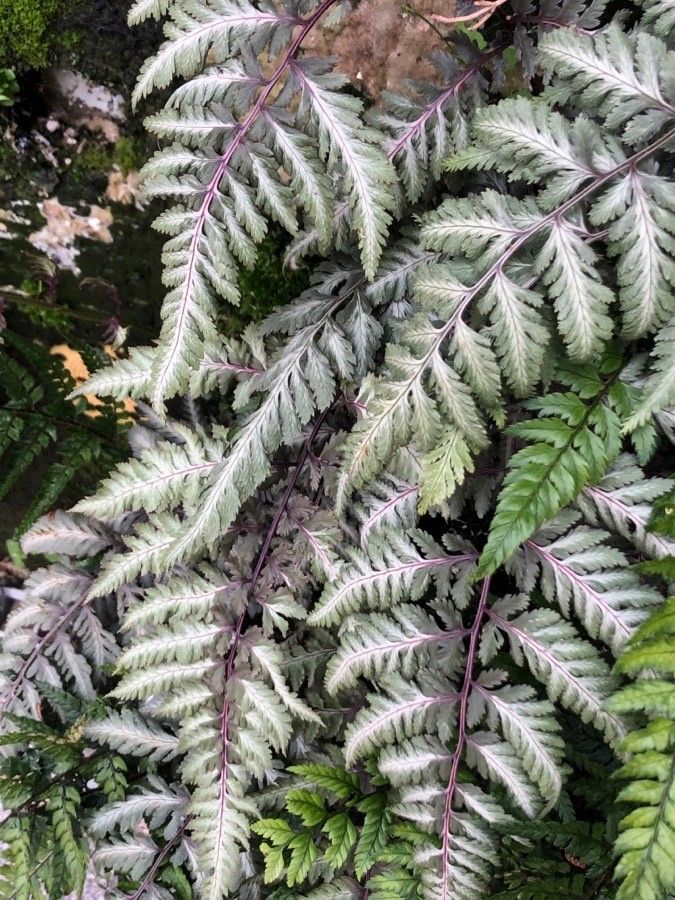
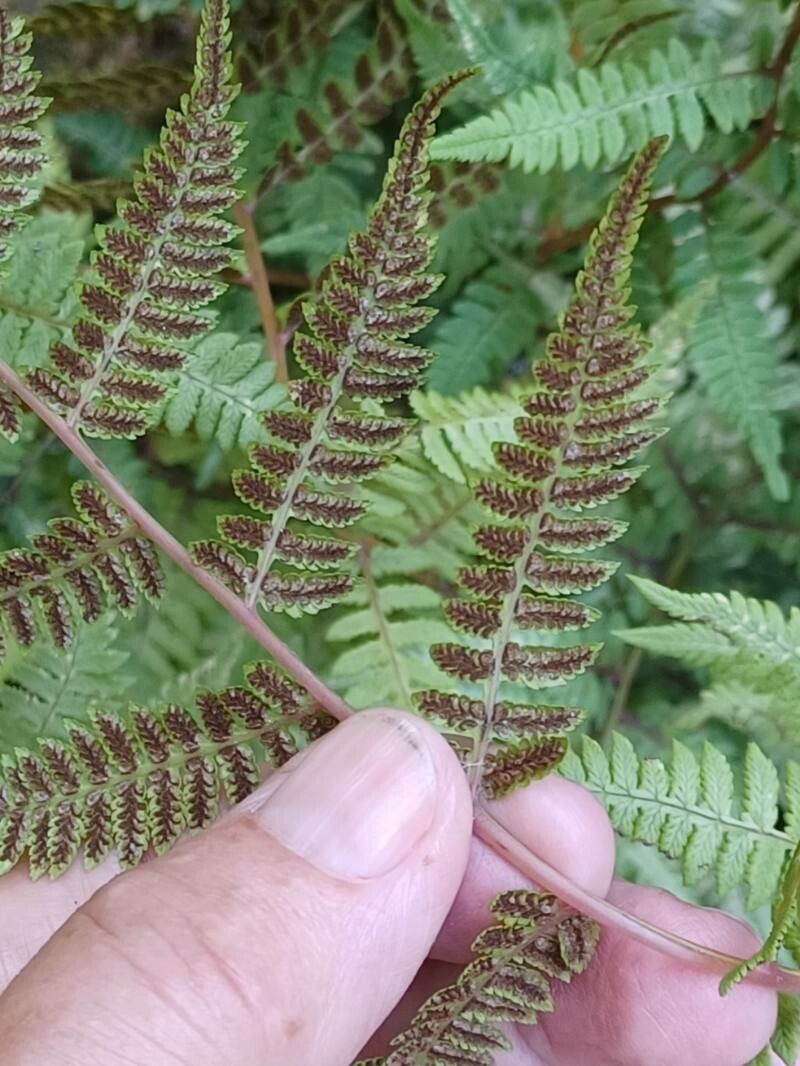
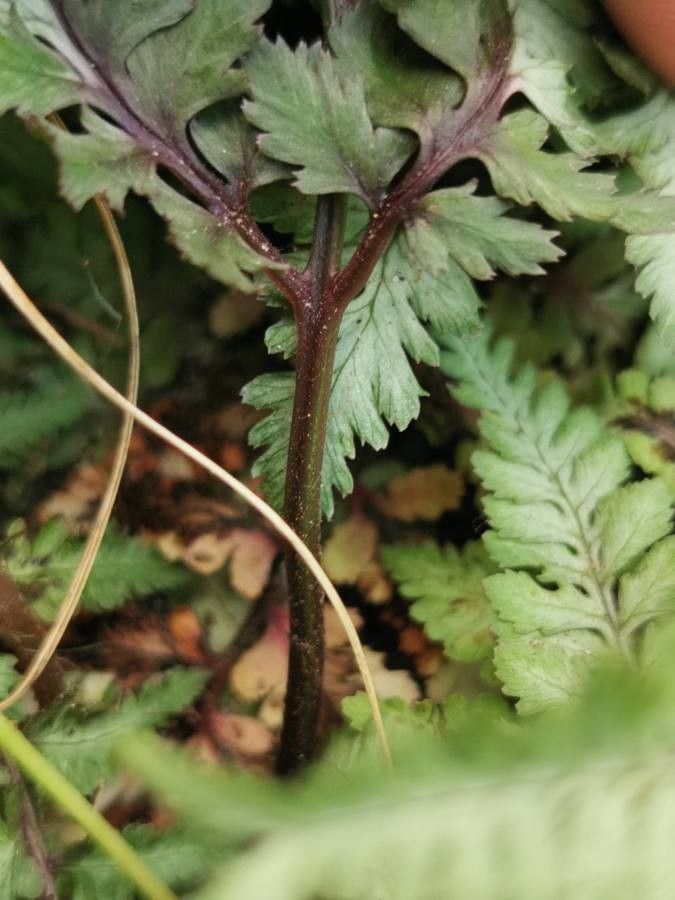
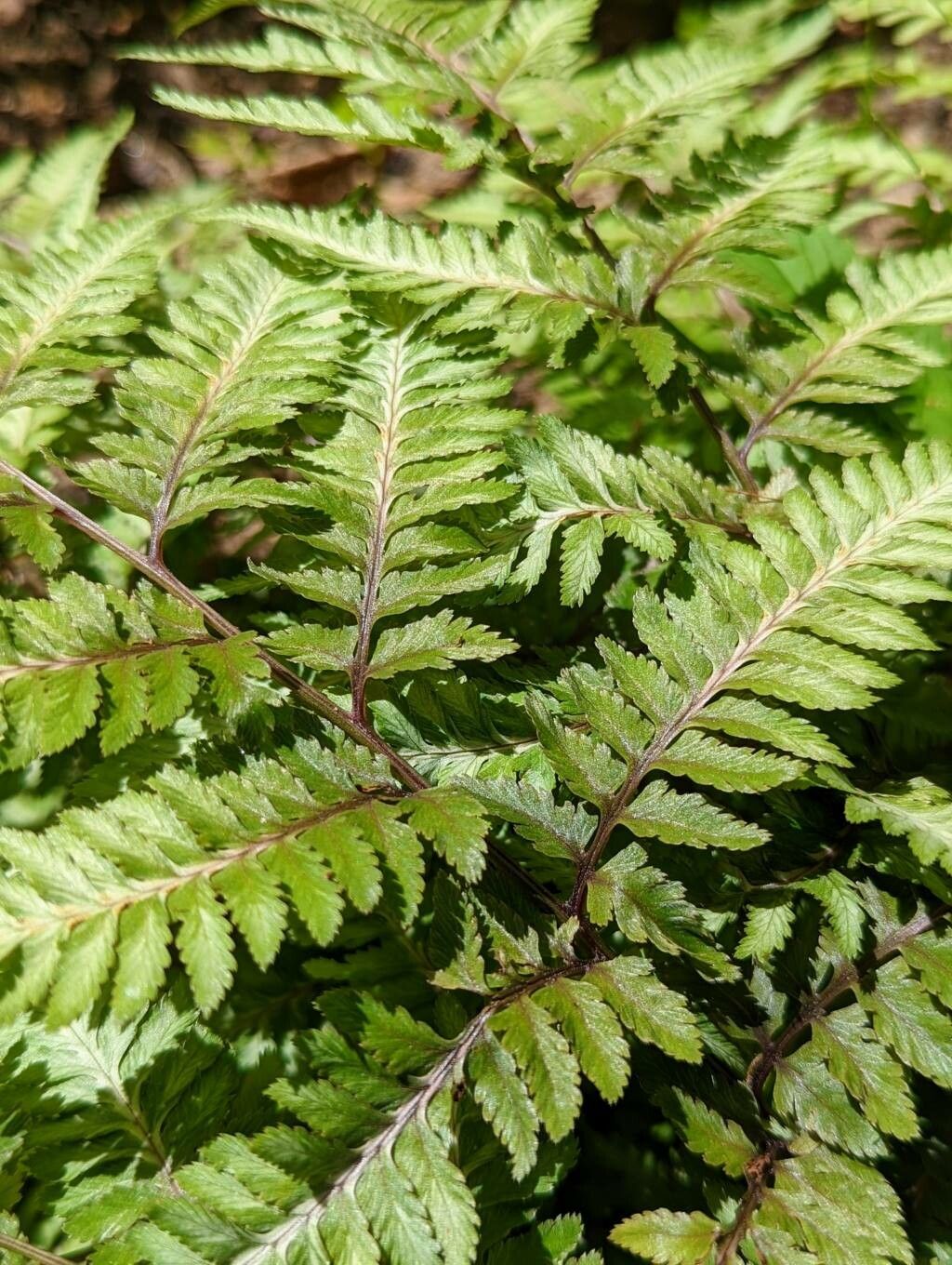
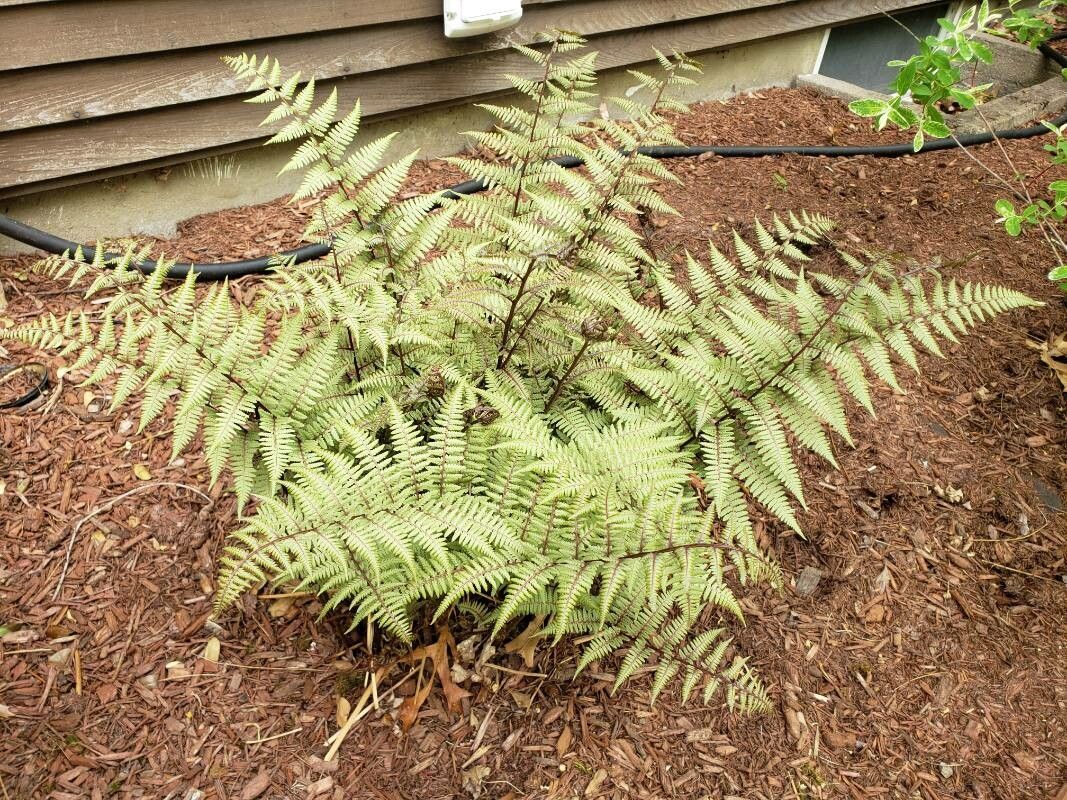
Japanese painted fern typically shows good resistance to disease and attracts relatively few insect pests. Its care is regarded as challenging because it requires a consistently moist environment and frequent watering. However, the roots can rot if the plant is overwatered or kept in poorly ventilated conditions. The plant is best suited for people with some growing experience, although most people can keep it alive for a limited period. Still, it may struggle to thrive and its leaves can dry out and become less healthy over time.
How to keep Anisocampium Niponicum.
Light
The Japanese painted fern grows best in spots with moderate sunlight, though it can remain healthy in shadier areas, demonstrating its adaptability. Excessive sun causes leaf scorching, indicating sunburn. Native to light-dappled forest floors, it uniquely adapts to less sunny environments.
Water
The Japanese painted fern is well-suited to moist, shaded environments and thrives with consistent moisture and humidity. To maintain its lush foliage, it's ideal to water the plant on a weekly basis. As an understory plant, the Japanese painted fern thrives indoors, where regulated moisture levels promote vibrant fronds during its active growth period.
Temperature
The Japanese painted fern does best at temperatures from 41 to 95 ℉ (5 to 35 ℃). In its native habitat, it flourishes in cool to moderate conditions. For best results, it is recommended to adjust temperatures by season. In winter, maintain around 50 to 59 ℉ (10 to 15 ℃), while in summer it can tolerate temperatures up to 86 ℉ (30 ℃).
Pruning
Pruning Japanese painted ferns in early spring can enhance their growth and improve air circulation. To promote the plant's health and appearance while minimizing the risk of disease, remove any dead or damaged fronds before new growth emerges. Always use clean, sharp tools to ensure effective pruning.
Pot & Repot
When repotting a Japanese painted fern, select a pot 1–2 inches (2.5–5.0 cm) larger with ample drainage. Use a well-draining potting mix. Repot in spring or fall, making sure the root ball sits slightly below the rim of the flower pot. Water thoroughly after repotting and place in a warm spot with indirect sunlight.
Botanical profile.
- Plant Type
- Fern
- Life Cycle
- Perennial
- Genus
- Anisocampium
- Family
- Athyriaceae
- Hardiness Zone
- 4-9
- Mature Height
- 30 cm to 61 cm
- Mature Spread
- 61 cm to 76 cm
- Leaf Color
- Green, Blue, Silver, Purple
- Leaf Type
- Deciduous
- Planting Time
- Spring, Summer
- Native Area
- India, Vietnam, Myanmar, Japan, Koppen, South Korea, China
Other names.
Reader questions.
What are the sunlight requirements for the Japanese painted fern?
The Japanese painted fern requires partial sun to thrive, meaning it needs about 3-6 hours of sunlight a day. It can also grow in full shade conditions, which is defined as receiving less than 3 hours of sunlight per day. It's crucial to watch how sunlight moves through your garden to find the perfect balance of light and shade for these plants, ensuring they grow happily.
How does the Japanese painted fern adapt to different light conditions?
The Japanese painted fern thrives in areas with moderate sun exposure but can also sustain health in lesser light, showcasing its adaptability. Originating from habitats with light-dappled forest floors, this fern can acclimate to environments with less sunlight. However, excessive sun exposure can cause leaf scorching, which is essentially sunburn for the plant.
What are some tips for using artificial lighting with indoor Japanese painted ferns?
When natural sunlight is insufficient, artificial lighting can be a vital solution for promoting healthier growth in Japanese painted ferns indoors. LED lights are recommended as they can provide specific wavelengths needed by plants. For full sun plants, 30-50W/sq ft of artificial light is needed, 20-30W/sq ft for partial sun plants, and 10-20W/sq ft for full shade plants. The light source should be placed 12-36 inches above the plant to mimic natural sunlight, and most plants need 8-12 hours of light per day.
What are some important symptoms of light deficiency in Japanese painted ferns?
Inadequate light can lead to several issues in Japanese painted ferns, such as slower or halted growth as the plant enters survival mode, lighter-colored new leaves indicating a lack of chlorophyll, and chlorosis where leaves lose their green color and turn yellow. Excessive sunlight can cause sunscald, which damages leaves and stems, leaf curling as a defense mechanism against water loss, wilting from increased transpiration, and leaf scorching marked by brown, dry edges on the leaves.
What solutions can help improve light conditions for Japanese painted ferns?
To optimize growth, it's recommended to gradually adapt plants to changing light conditions by moving them to increasingly sunnier spots each week until they receive the necessary 3-6 hours of direct sunlight. If the plant is large or not easily movable, consider using artificial light, such as keeping a desk or ceiling lamp on for at least 8 hours daily or investing in professional plant grow lights. Avoid sudden changes in light intensity to prevent sunburn. Additionally, reducing obstructions like pruning trees and transplanting during the plant's dormant period to locations with better sunlight and drainage can significantly benefit the plant's health.