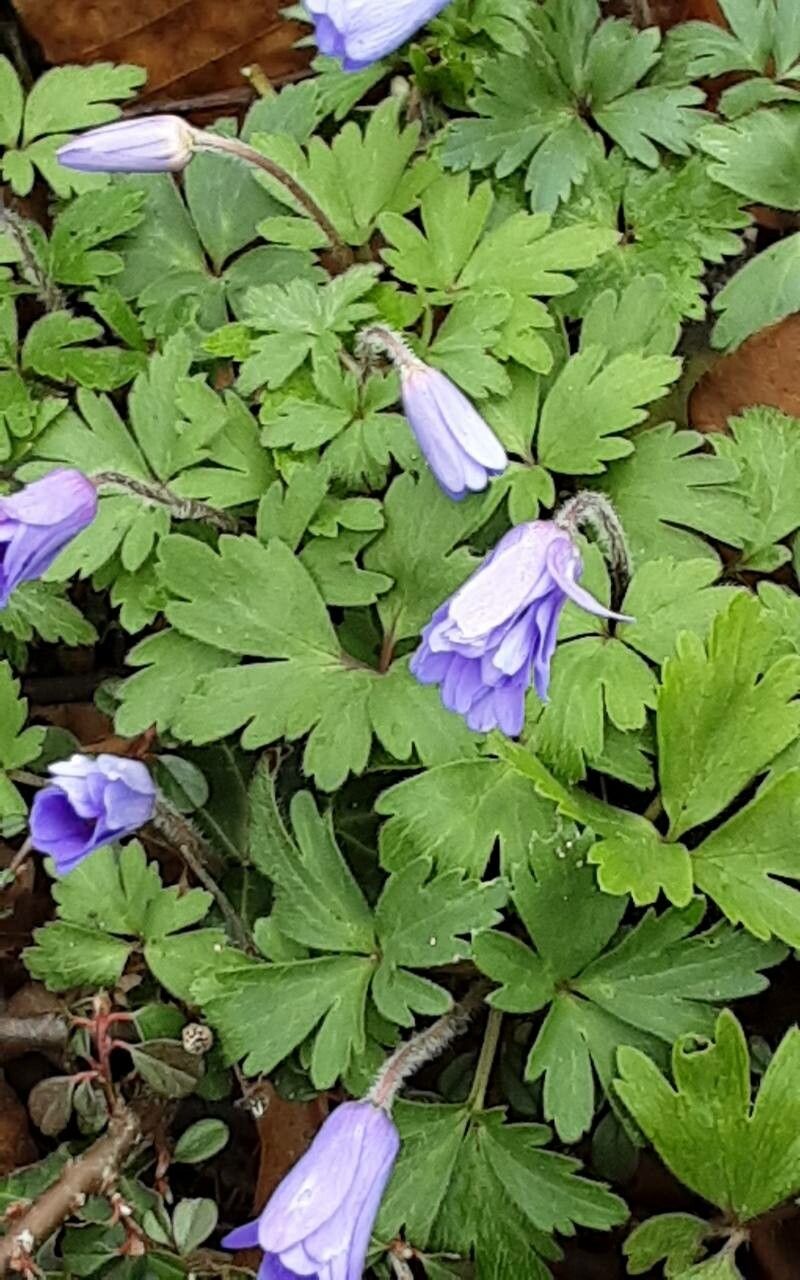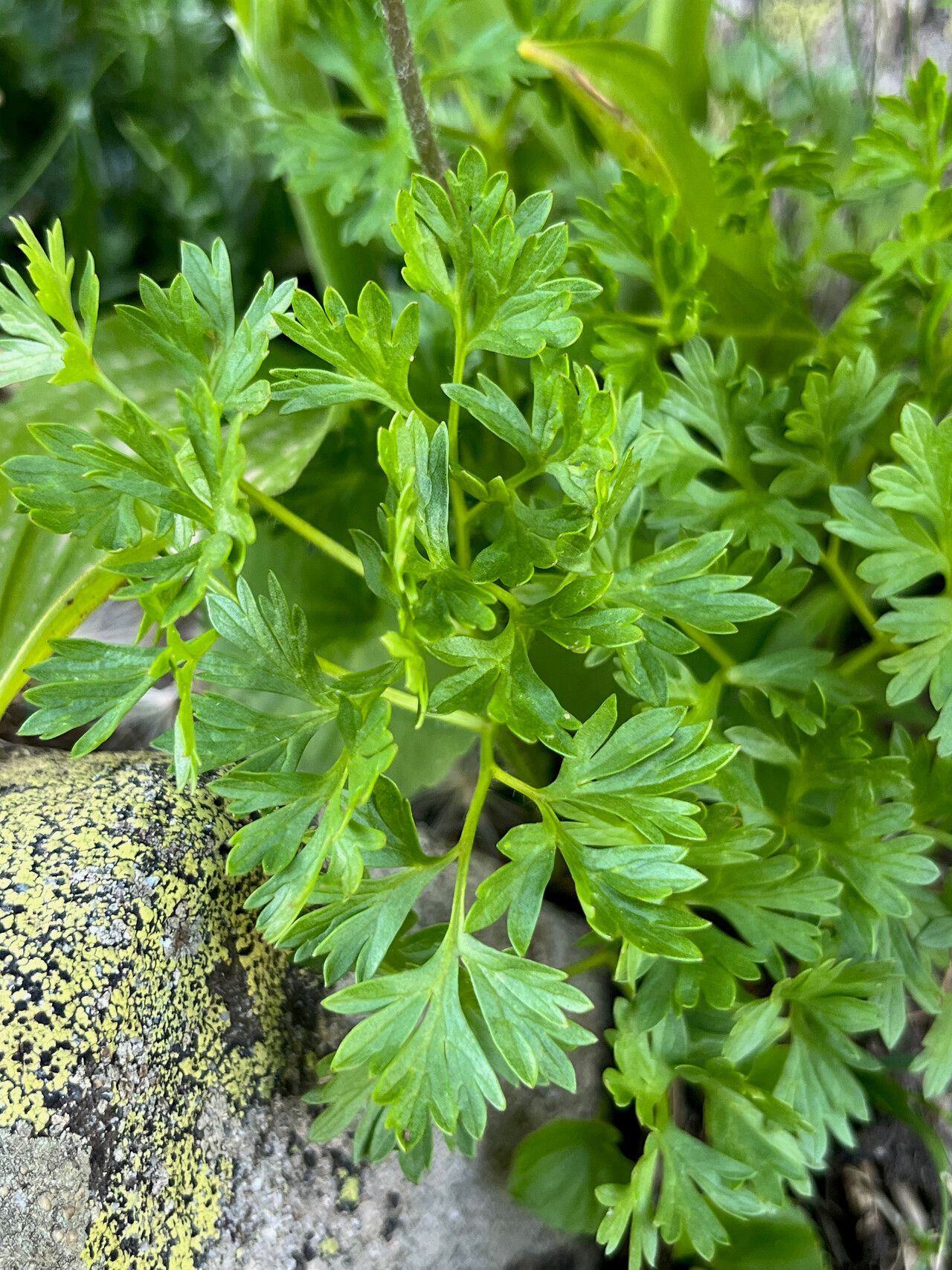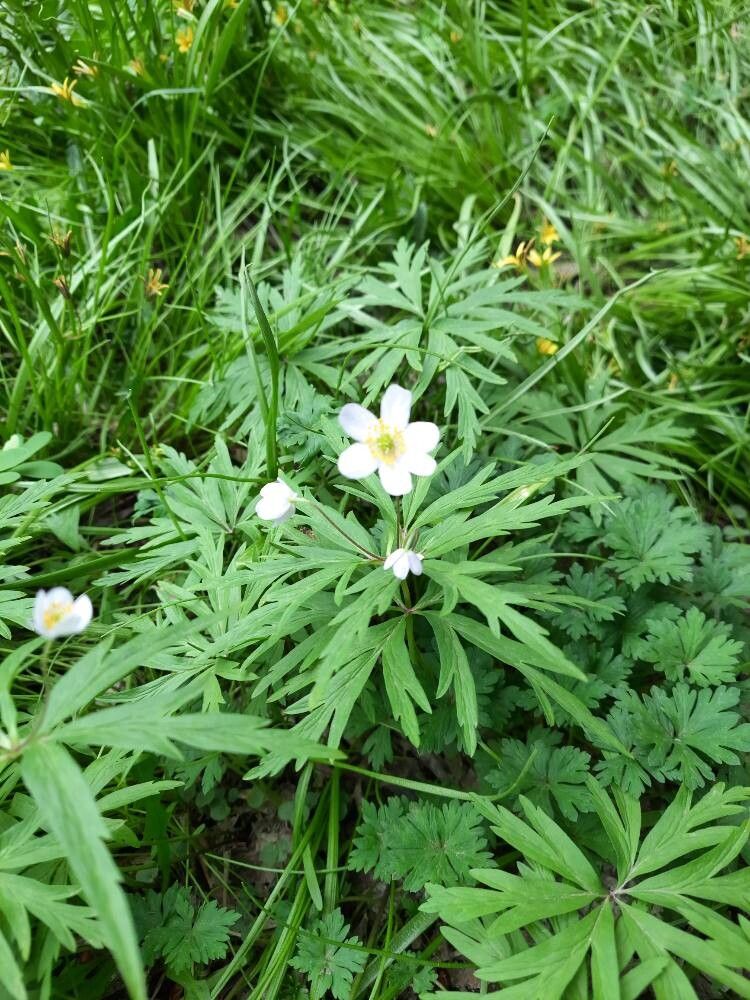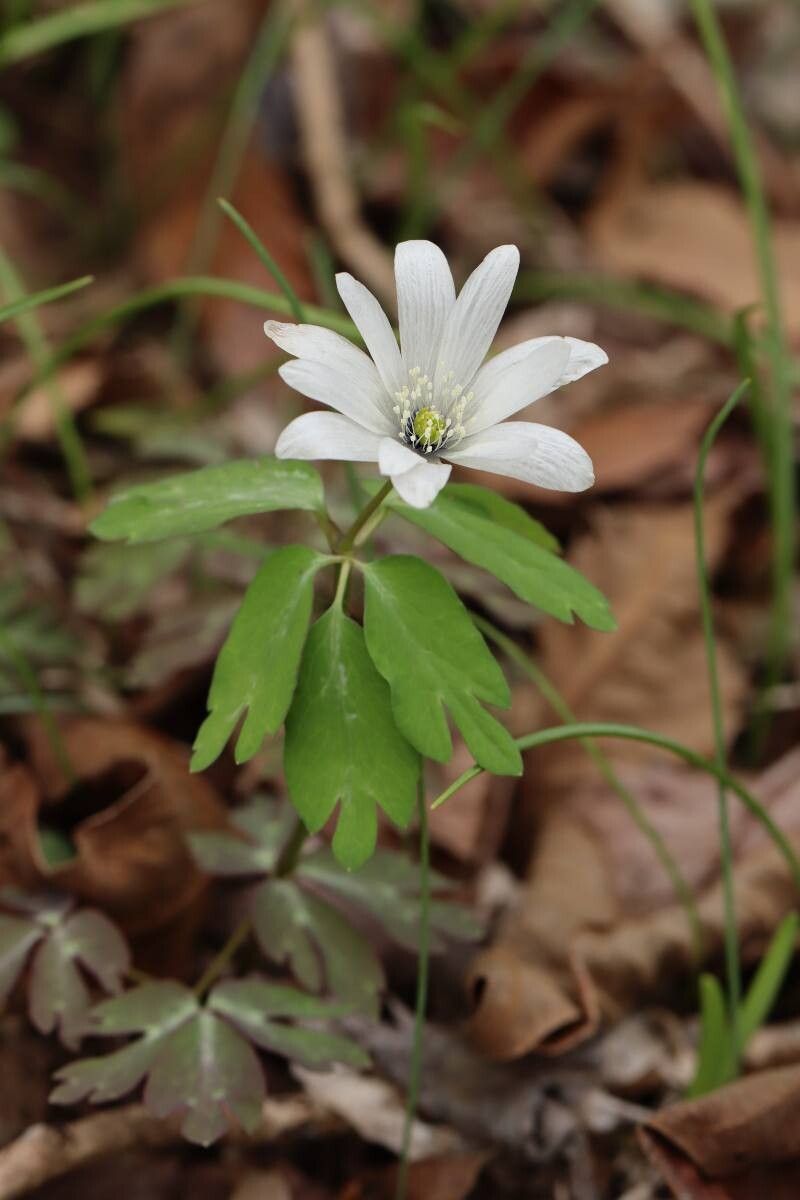
The many-sepal anemone has strong resistance to disease and is generally not likely to develop illnesses. However, it can be vulnerable to pests and diseases present in its environment, although such infections are typically mild. For care, this plant requires moderate maintenance. It should be pruned regularly to retain a pleasing appearance and robust growth. Applying fertilizer can also help encourage flowering. The many-sepal anemone is appropriate for anyone with outdoor space, like a garden or patio, and does not demand extensive care experience. It may need more attention when kept indoors.
How to keep Anemonoides Raddeana.
Light
For the many-sepal anemone to thrive and flourish, it requires a generous amount of light. Over time it has become able to tolerate moderate light, since it originally grew in regions with plentiful sunshine. Too little or too much light can impede its healthy growth.
Temperature
Many-sepal anemone is native to temperate environments and grows best in a temperature range of 41 to 89.6 °F (5 to 32 ℃). Seasonal temperature adjustments may be required to mimic its natural habitat.
Fertilizer
For the Many-sepal anemone, the primary time to fertilize is in early spring when the flowers are developing. The proper fertilizer promotes stronger blooms and helps the Many-sepal anemone produce attractive flowers. Fertilizing in early spring ensures excellent blooms during the season and supplies energy for dormant growth phases.
Botanical profile.
- Plant Type
- Herb
- Life Cycle
- Perennial
- Genus
- Anemonoides
- Family
- Ranunculaceae
- Hardiness Zone
- 4-8
- Mature Height
- 30 cm
- Mature Spread
- 15 cm to 25 cm
- Leaf Color
- Dark Green, Forest Green
- Leaf Type
- Semi-evergreen
- Flower Color
- White
- Flower Size
- 3.05 cm to 4.06 cm
- Bloom Time
- Late winter, Early spring
- Planting Time
- Spring, Summer
- Harvest Time
- Mid spring, Late spring
- Native Area
- Russia, Japan, Koppen, South Korea, China