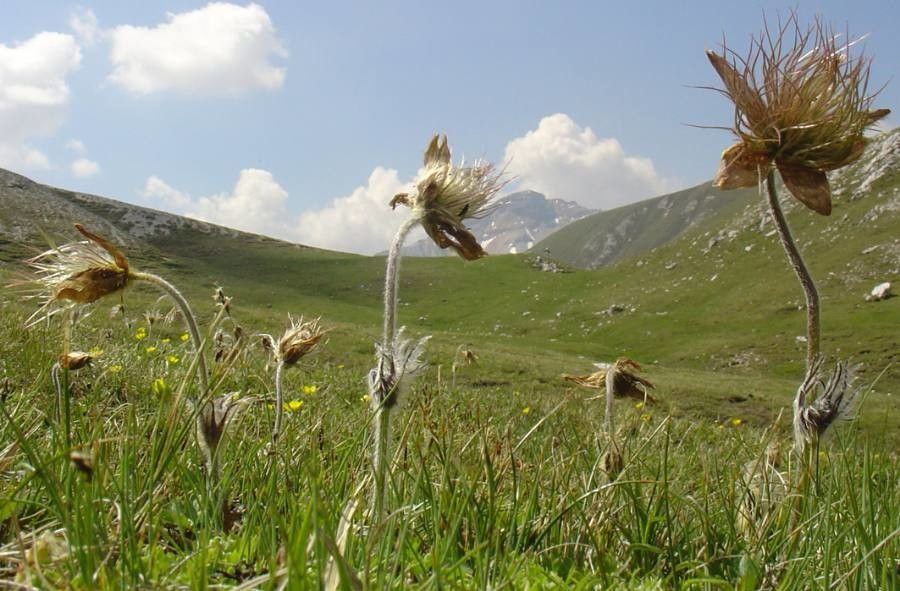
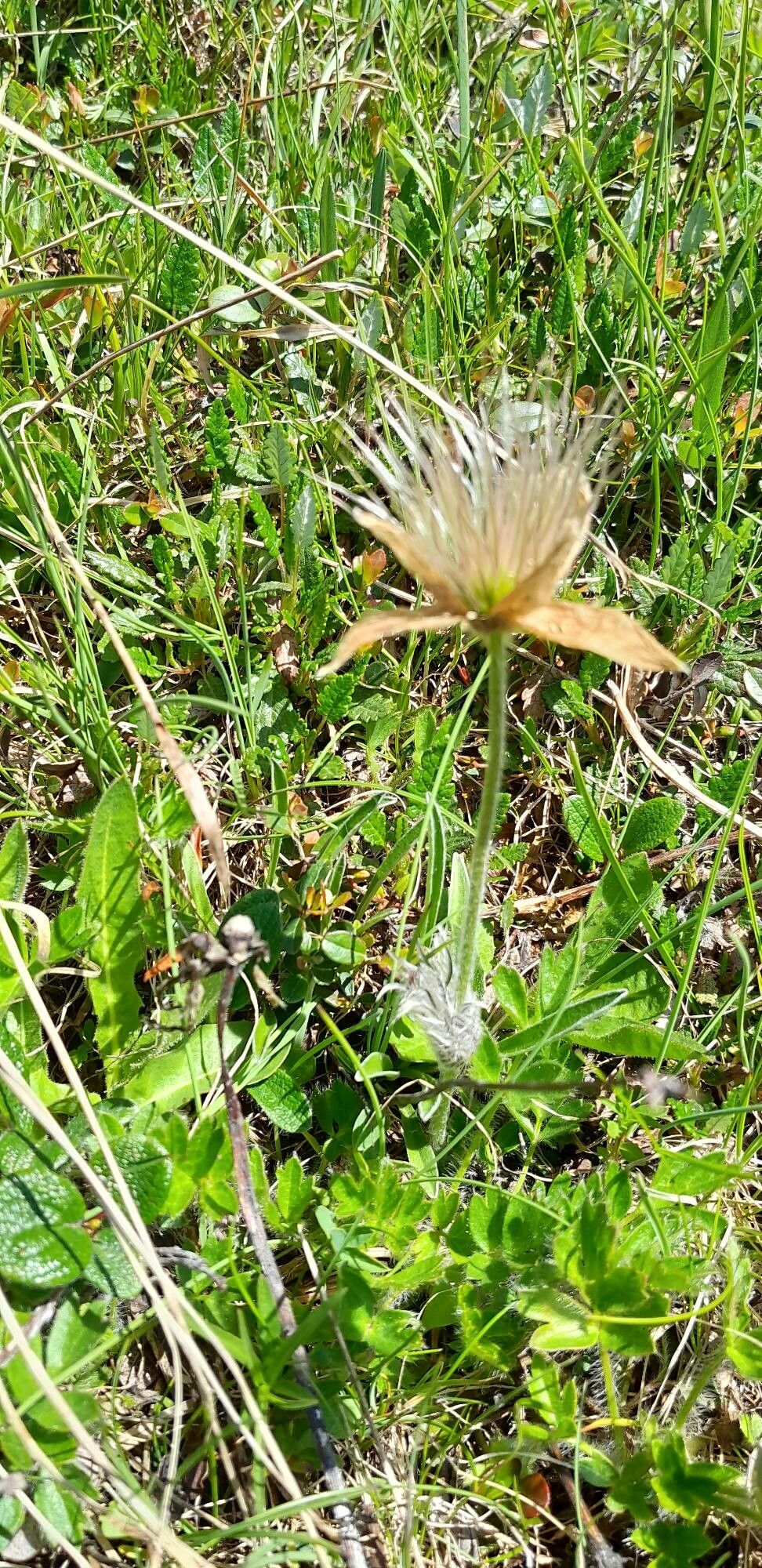
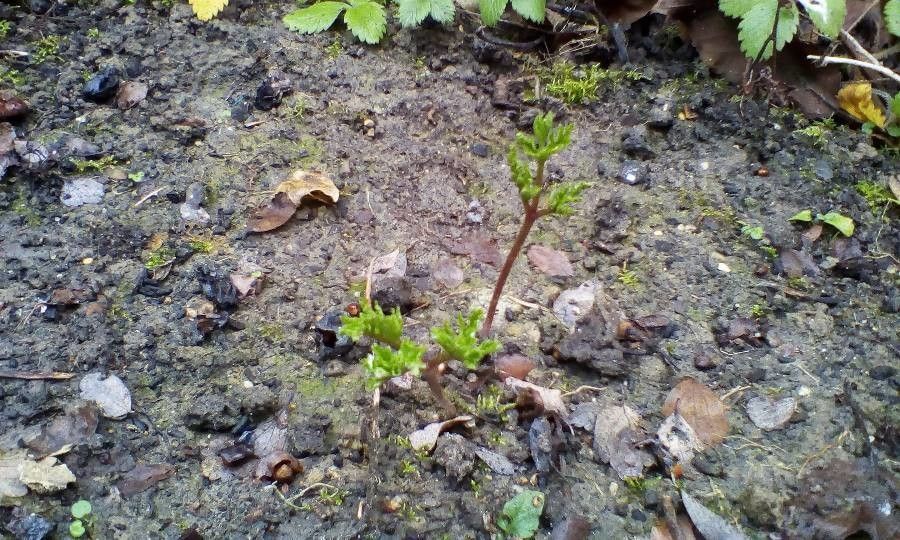
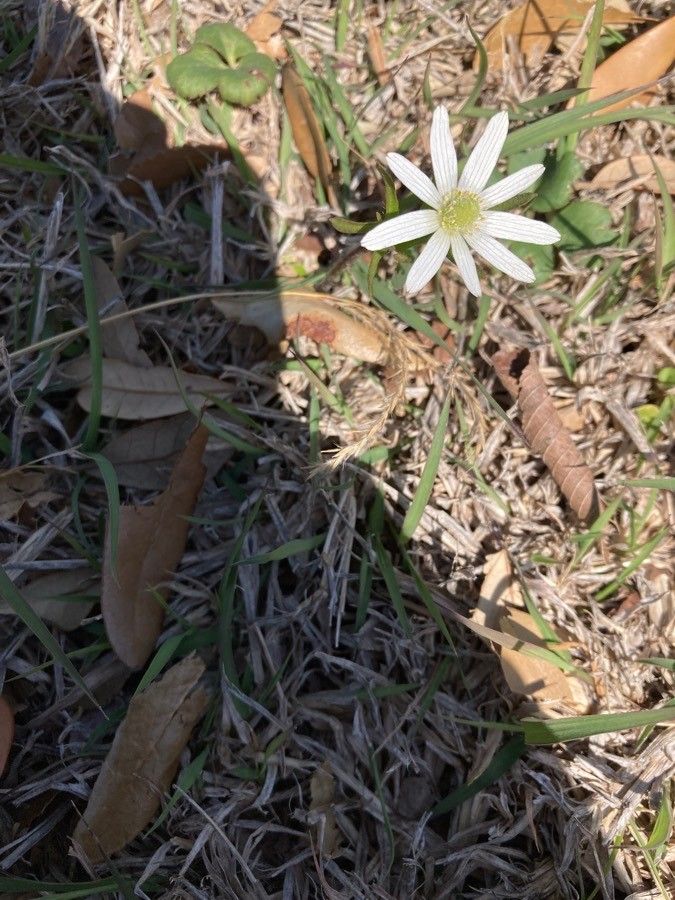
Anemone vernalis, commonly known as the Spring Anemone, is a perennial herbaceous plant belonging to the Ranunculaceae family. Native to Europe and Asia, it thrives in meadows, woodlands, and rocky areas. Typically, the plant grows up to 20 cm tall with a spread of 10-15 cm.
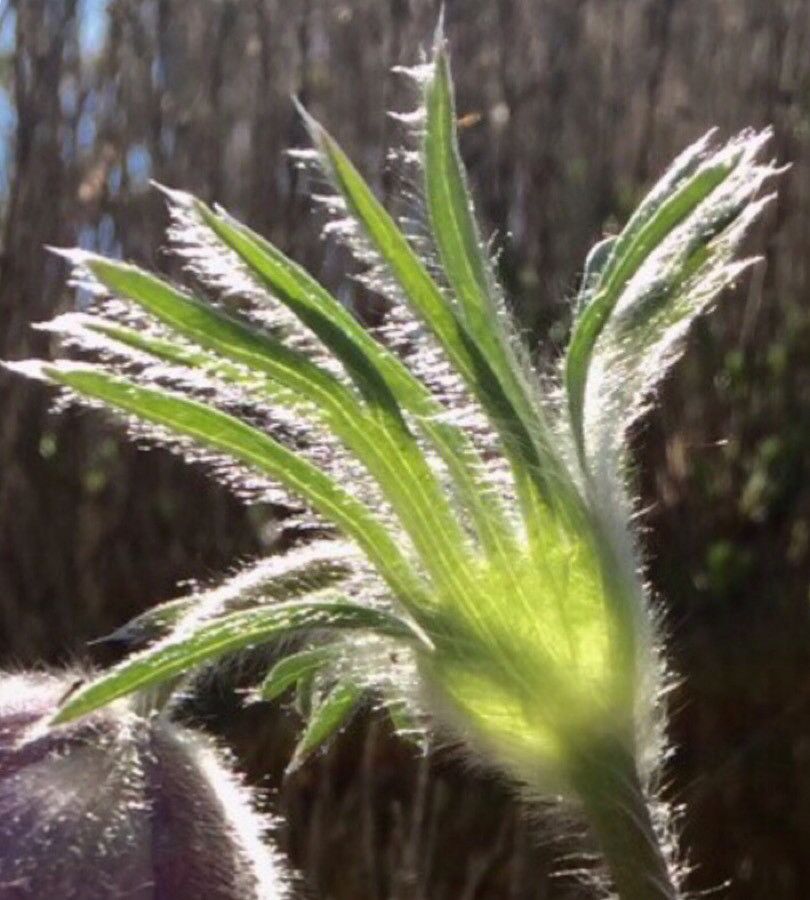
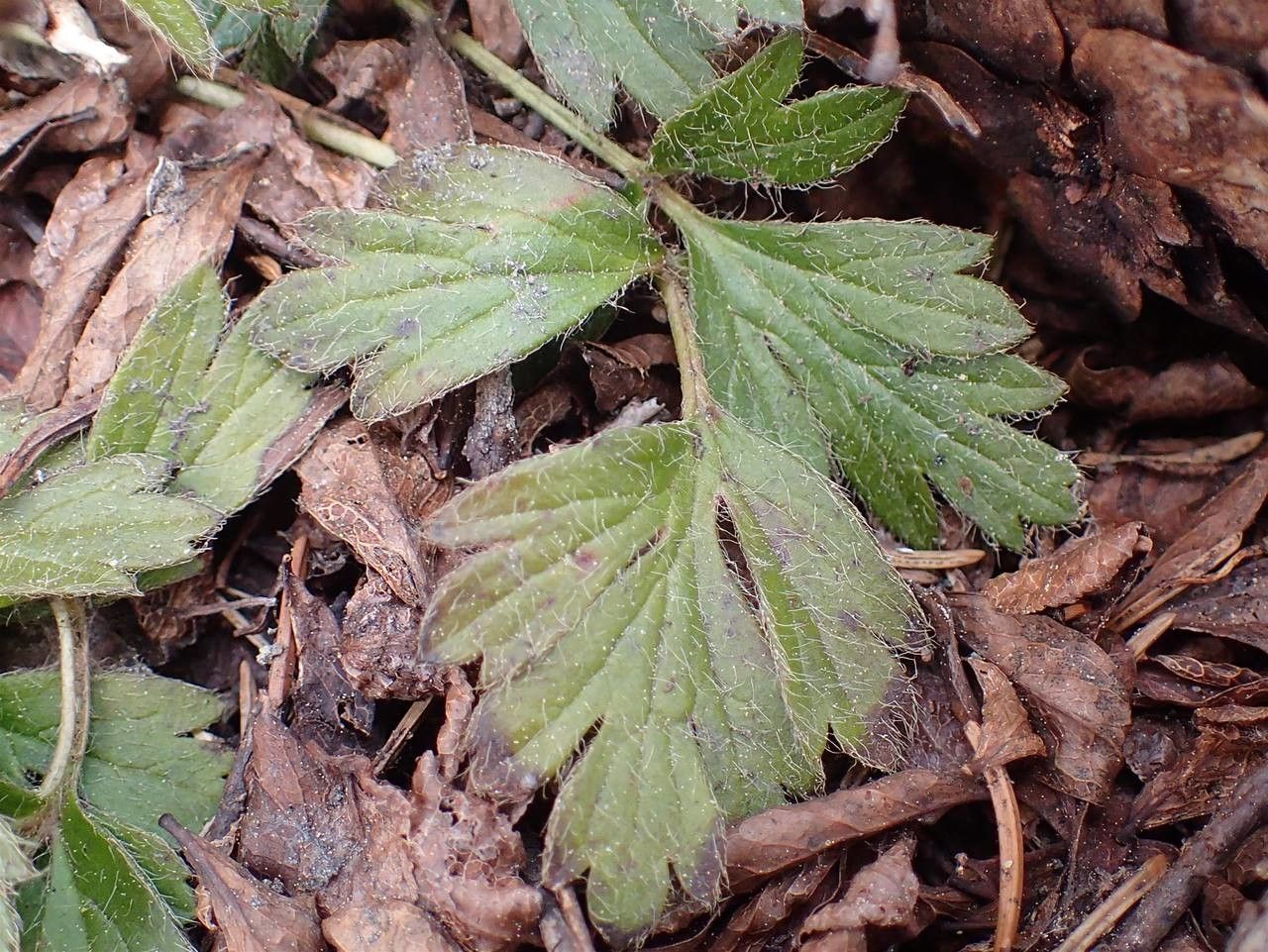
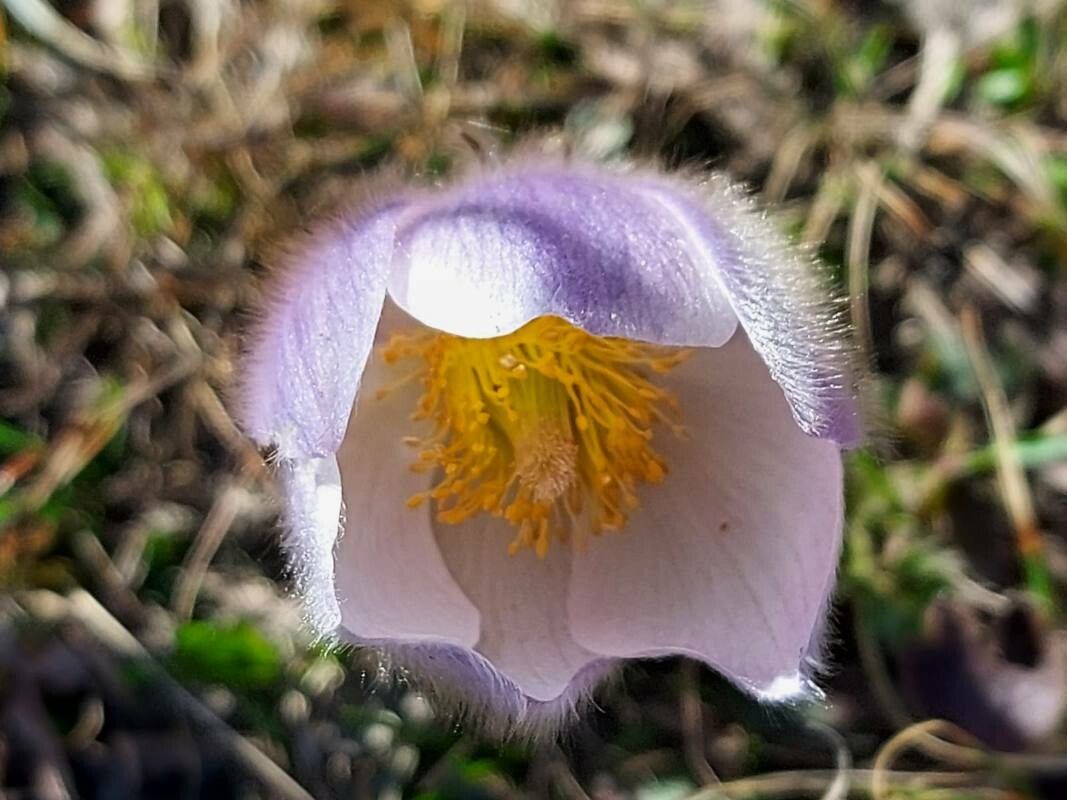
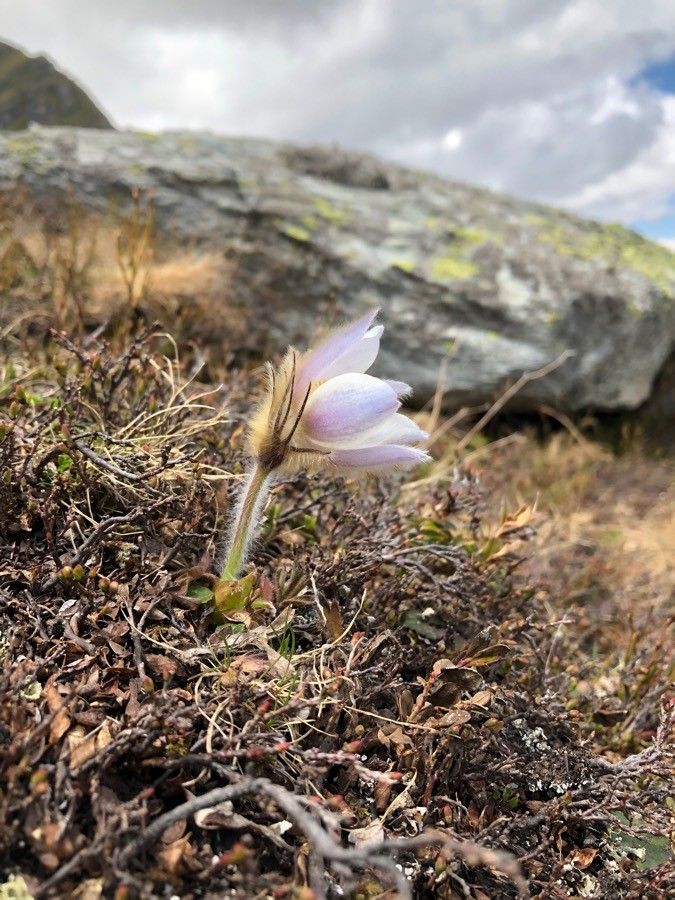
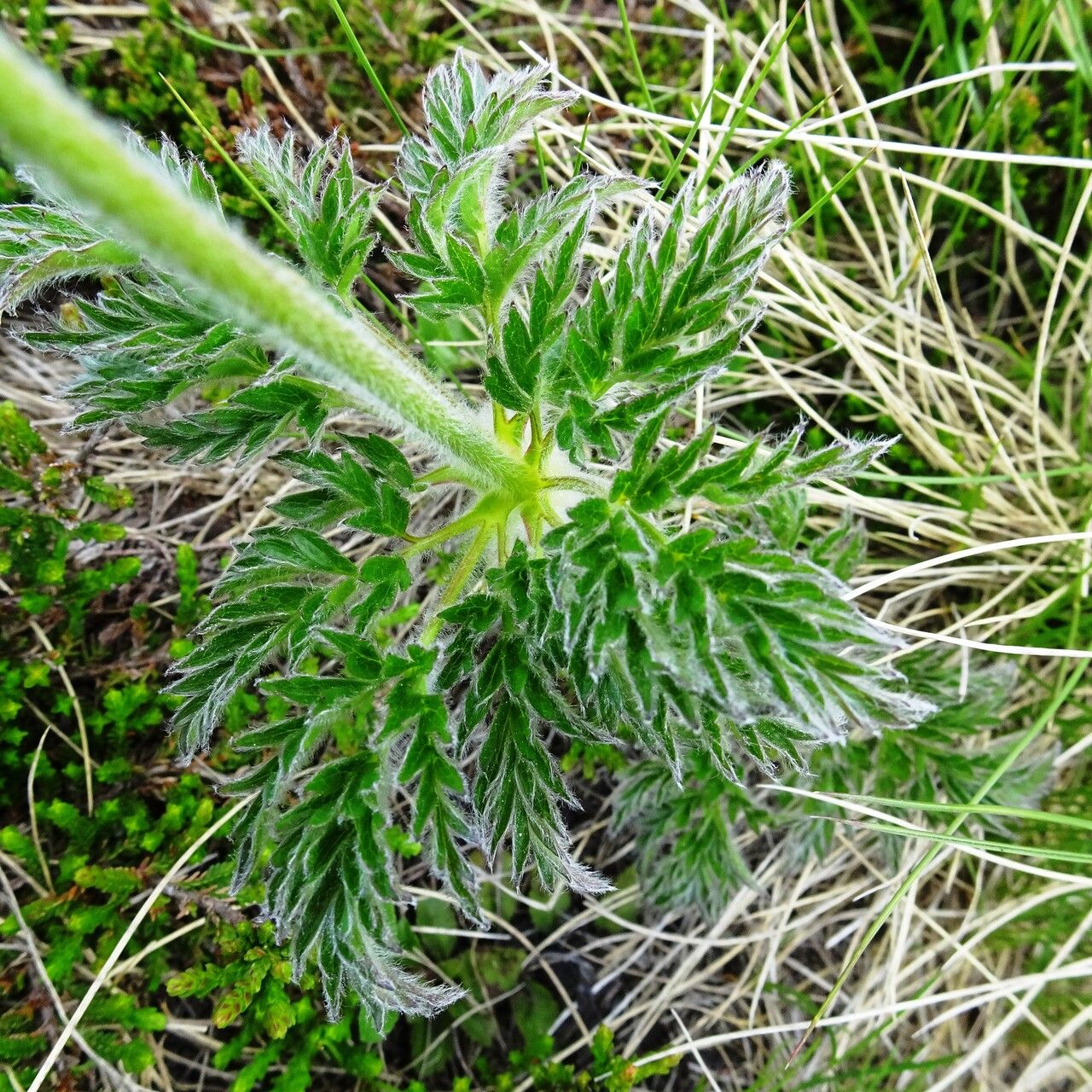
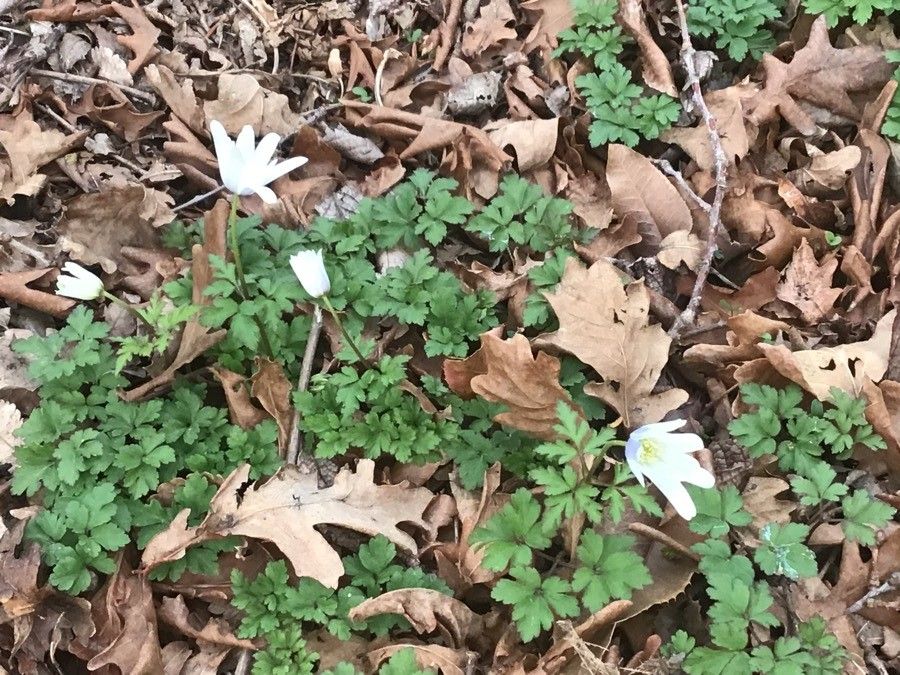
The Spring Anemone produces solitary flowers that are either pink or purple, featuring yellow centers. These flowers bloom from March to May, before the plant's leaves appear. The leaves are deeply lobed and have a fern-like appearance.
Anemone vernalis prefers well-drained soil rich in organic matter. It thrives in partial shade or full sun but requires protection from strong winds.
Historically, the Spring Anemone has been valued for its anti-inflammatory properties, though it should be noted that all parts of this plant are toxic if ingested raw.
Overall, Anemone vernalis is an attractive early spring bloomer that adds color and beauty to any garden or landscape setting. It also offers medicinal benefits when used appropriately under professional guidance.
Botanical profile.
- Plant Type
- Herb
- Life Cycle
- Perennial
- Genus
- Anemone
- Family
- Ranunculaceae
- Hardiness Zone
- 4-7
- Mature Height
- 5 cm to 20 cm
- Mature Spread
- 6 cm to 10 cm
- Leaf Color
- Green
- Leaf Type
- Semi-evergreen
- Flower Color
- White, Purple
- Flower Size
- 2.54 cm to 5.08 cm
- Bloom Time
- Early spring, Mid spring
- Planting Time
- Spring
- Harvest Time
- Late spring, Early summer
- Native Area
- Sweden, Austria, Czech Republic, Slovakia, Montenegro, Bulgaria, Poland, Croatia, Slovenia, Serbia, Russia, Norway, Germany, Italy, Spain, Switzerland, Denmark, Finland, France
Other names.