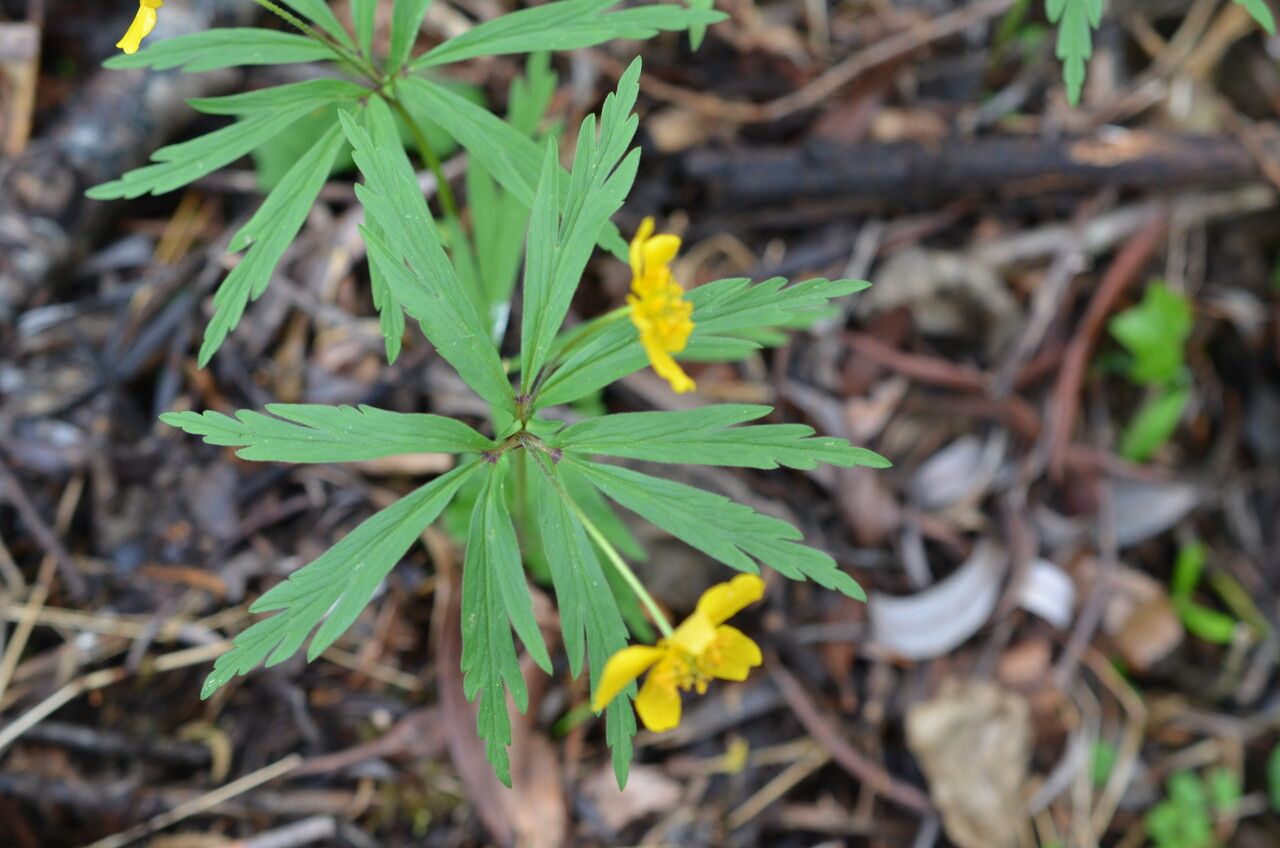
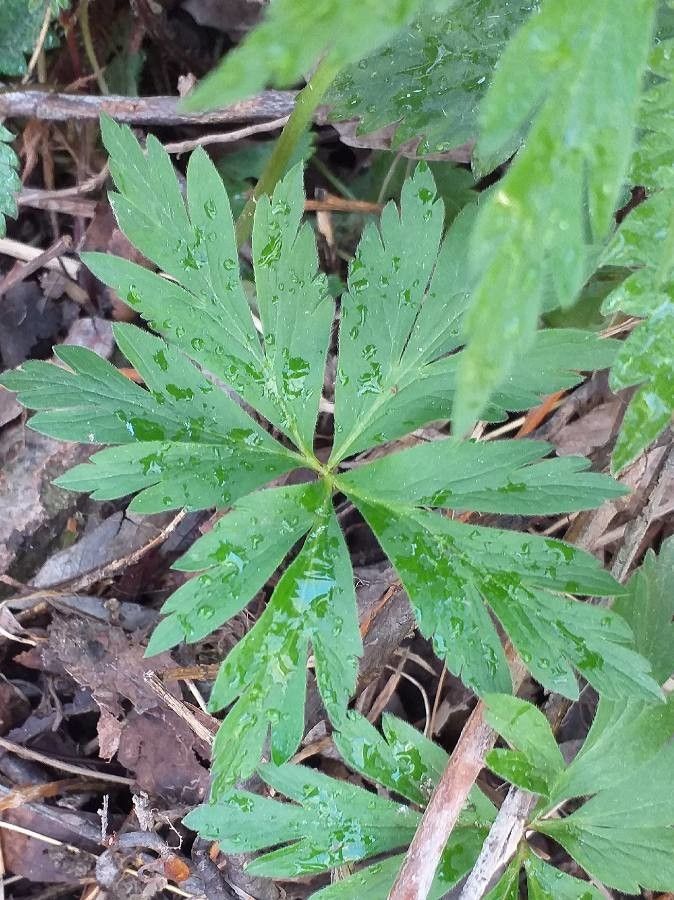
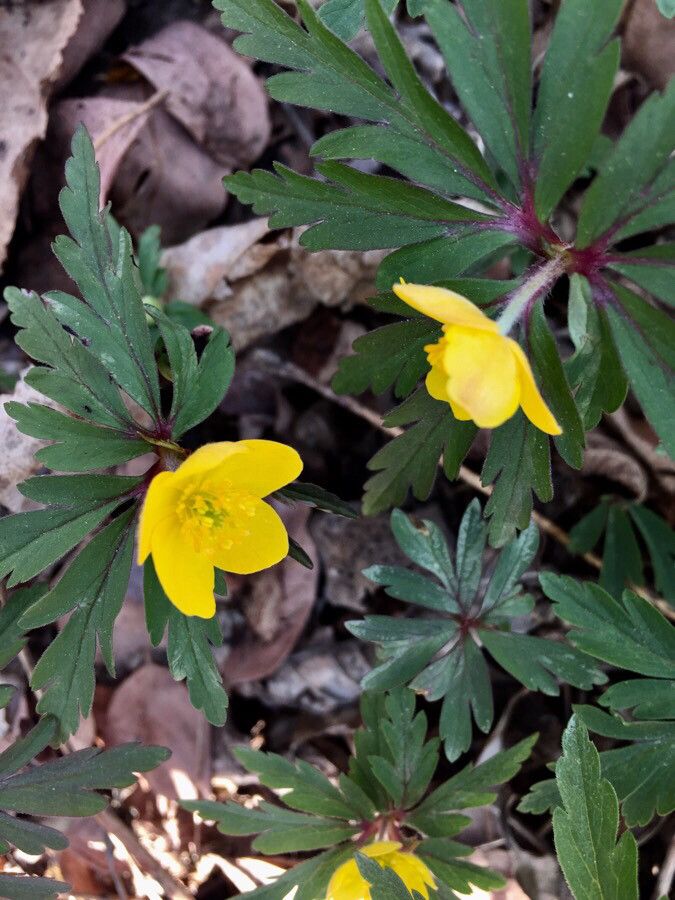
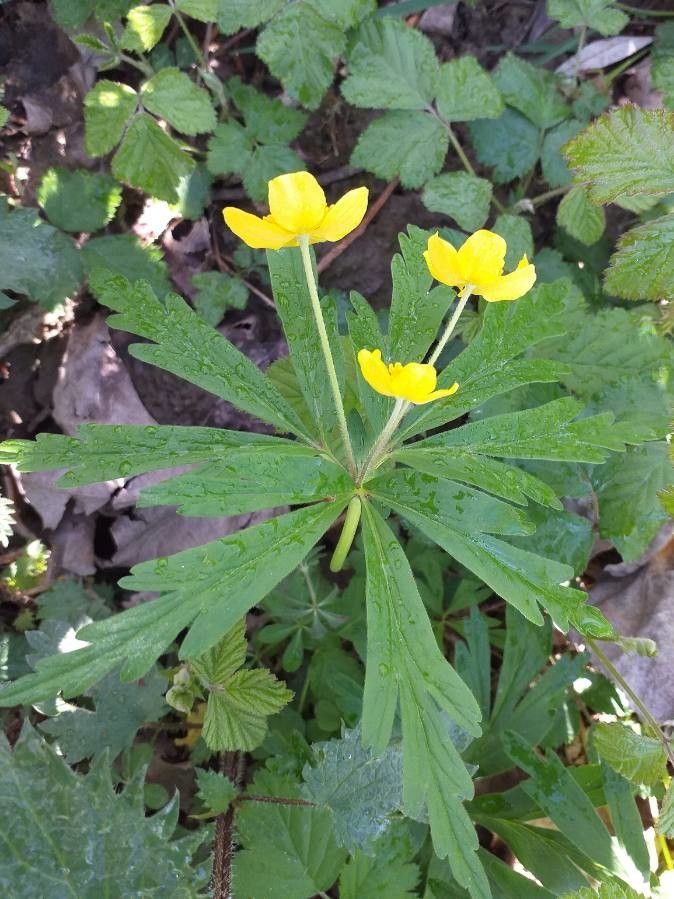
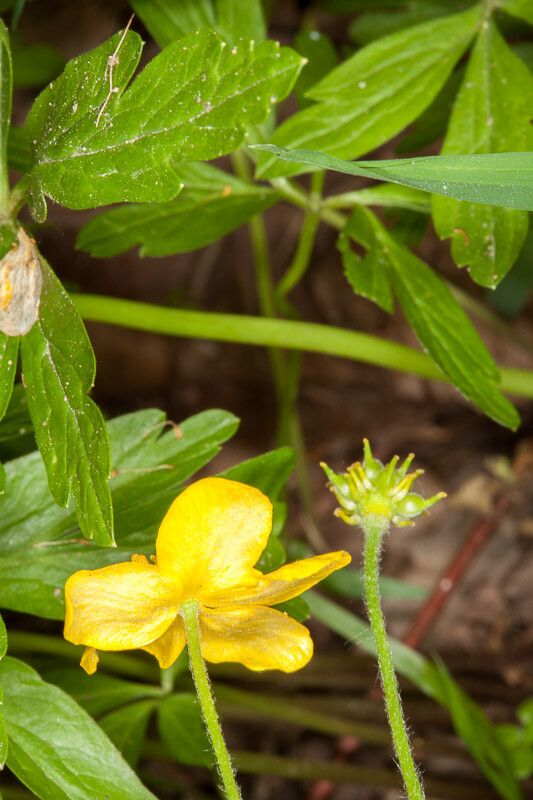
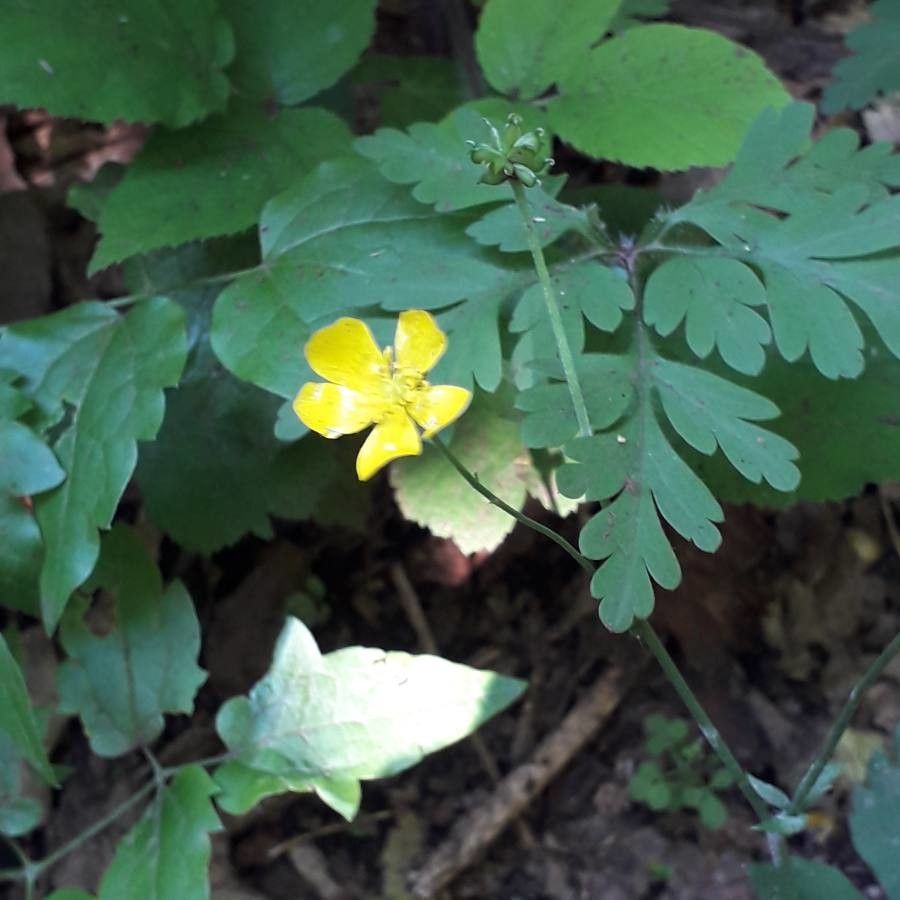
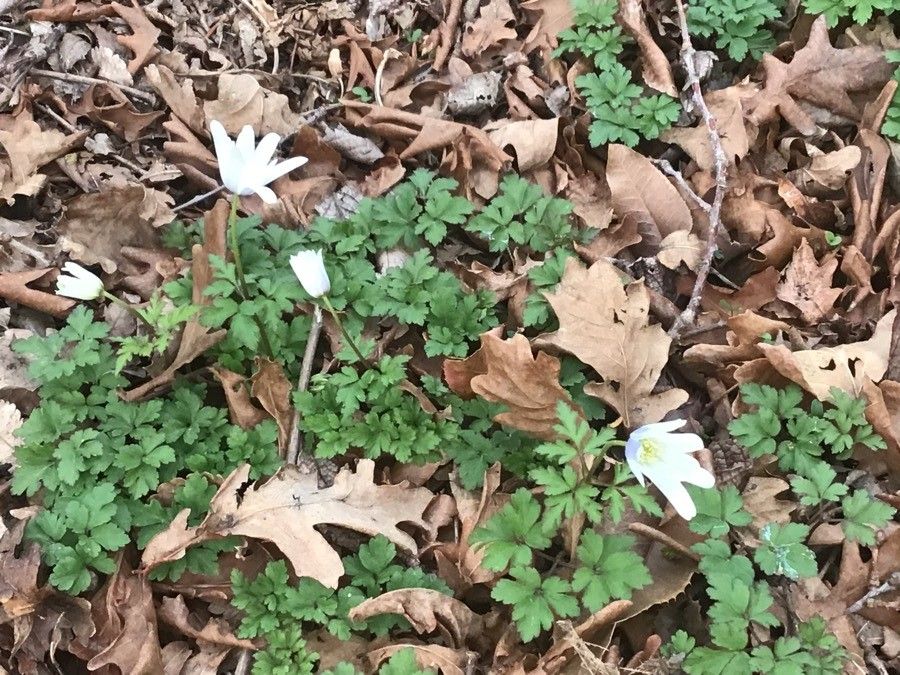
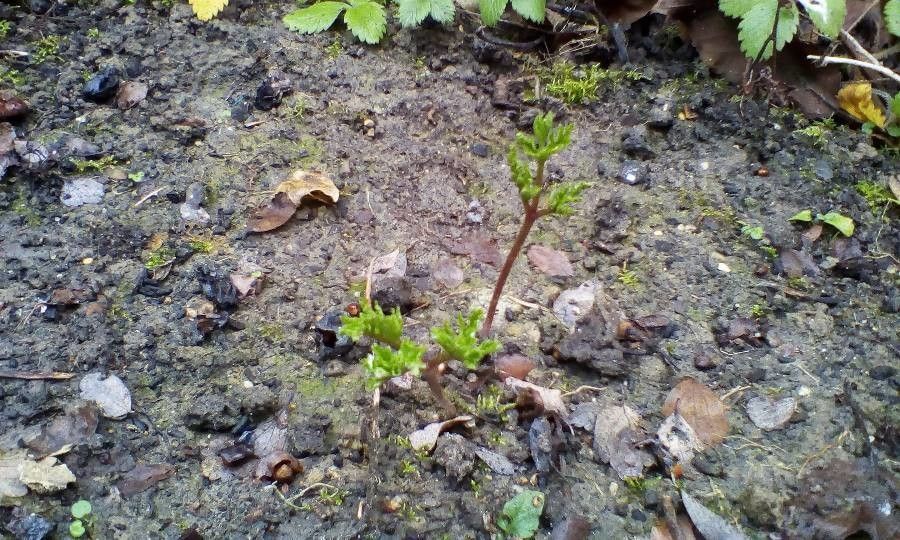
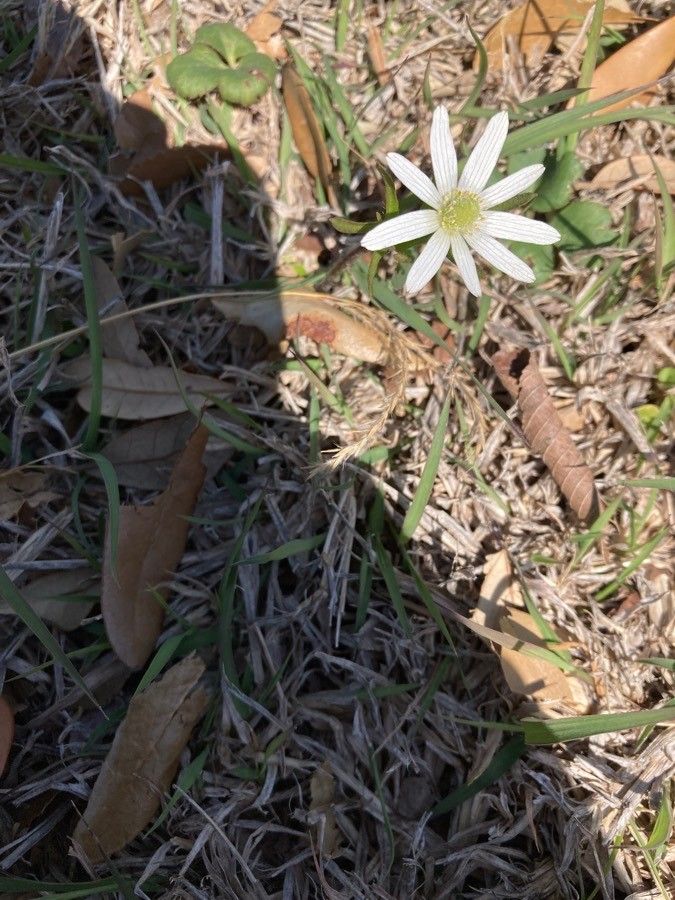
Anemonoides ranunculoides (syn. Anemone ranunculoides), the yellow anemone, yellow wood anemone, or buttercup anemone, is a species of herbaceous perennial plant that grows in forests across Europe to western Asia, and less frequently in the Mediterranean region. It is occasionally found as a garden escape.
The yellow wood anemone is fairly disease-resistant and is generally not highly susceptible to illnesses. Still, it can be affected by pests and diseases found in its environment, though such infections are typically mild. Regarding care, this plant needs a moderate level of maintenance. It benefits from regular pruning to preserve a neat appearance and encourage healthy growth. Applying fertilizer can also help increase flowering. The yellow wood anemone is well suited for anyone with outdoor areas like a garden or patio and does not demand extensive gardening experience. When cultivated indoors, however, it may need more attentive care.
How to keep Anemone Ranunculoides.
Light
The yellow wood anemone grows best in partially shaded locations and tolerates full sun. Native to open woodland environments, its preference for moderate light supports ideal development. Excessive or insufficient sunlight may impair growth and the plant's overall health.
Water
The yellow wood anemone flourishes in moist environments similar to its woodland origins and prefers consistently moist soil. To promote optimal growth, water it weekly. This plant is well-suited for temperate climates and can adapt to seasonal changes in water availability, showcasing its resilience as a perennial herb.
Temperature
Yellow wood anemone is native to habitats with temperatures between 50 and 100.4 °F (10 to 38 ℃). It grows best within that span but can tolerate slightly cooler or warmer conditions if necessary.
Fertilizer
For Yellow wood anemone, the primary time to apply fertilizer is in early spring when the flowers are developing. The proper fertilizer promotes better blooms and helps Yellow wood anemone produce attractive flowers. Fertilizing in early spring ensures excellent flowering during the season and supplies energy for dormant growth phases.
Pruning
The yellow wood anemone is a low-growing perennial known for its yellow flowers. To maintain its health and appearance, it is best to prune the plant from early to late spring. Start by removing any damaged foliage and cutting the stems down to ground level after the plant has finished flowering. This practice improves the quality of the blooms and prevents overcrowding. Using clean tools helps prevent diseases, while pruning promotes better airflow and reduces the risk of fungal infections.
Botanical profile.
- Plant Type
- Herb
- Life Cycle
- Perennial
- Genus
- Anemone
- Family
- Ranunculaceae
- Hardiness Zone
- 6-12
- Mature Height
- 10 cm
- Mature Spread
- 40 cm
- Leaf Color
- Green
- Leaf Type
- Deciduous
- Flower Color
- Yellow
- Flower Size
- 2.54 cm
- Bloom Time
- Late spring, Early summer
- Planting Time
- Autumn
- Harvest Time
- Mid summer
- Native Area
- Sweden, Austria, Slovakia, Montenegro, Croatia, Slovenia, Belarus, Russia, Germany, Estonia, Romania, Latvia, Belgium, Netherlands, France, Czech Republic, Bulgaria, Armenia, Poland, Greece, Ukraine, Serbia, Lithuania, Norway, Italy, Spain, Switzerland, Denmark, Finland, Albania, Azerbaijan, Hungary
Other names.
Reader questions.
How should I water my Yellow wood anemone?
To properly water the Yellow wood anemone, use filtered water at room temperature. Tap water may contain harmful particles, so filtered water is preferable. The plant is accustomed to warm environments, so avoid using cold water to prevent shock. Additionally, overhead watering should be avoided as it can cause issues with the foliage. Instead, ensure the soil is completely soaked by applying filtered room temperature water to it. This helps moisten the roots, aiding their spread in the soil and nutrient absorption.
Why should I put fertilizer on my Yellow wood anemone?
Fertilization is important for the Yellow wood anemone because it provides essential nutrients for the plant's growth both above and below ground. Even though the Yellow wood anemone has relatively low fertilization needs, annual fertilization can greatly benefit the plant by keeping it alive and promoting the production of longer-lasting flowers. For those wanting their Yellow wood anemone to thrive, regular fertilization is recommended.
What are the sunlight requirements for Yellow wood anemone?
Yellow wood anemone requires partial to full sun exposure to thrive. It should receive about 3-6 hours of sunlight daily for partial sun, and more than 6 hours for full sun. Properly balancing light and shade is crucial for the plant's health. Originating from open woodland habitats, the Yellow wood anemone can tolerate a range of light conditions but will exhibit optimal growth when exposed to semi-lit areas or full sunlight without overexposure.
What is the native temperature range for yellow wood anemone?
Yellow wood anemone, botanically known as Anemone ranunculoides, is indigenous to environments where the temperature fluctuates between 50 to 100.4 °F (10 to 38 °C). It excels within this temperature range, showcasing strong adaptability to slightly colder or warmer climates as needed. The plant possesses robust cold resistance, negating the need for specific frost protection methods in most winter scenarios. Nonetheless, in instances where winter temperatures are anticipated to plummet below -25°C, additional cold protection is advisable. This can be executed through insulating the plant with layers of soil or straw, alongside ensuring the soil is amply watered before the onset of the first freeze in autumn. This preparational step is crucial to keeping the soil moist, thereby averting drought and facilitating adequate water availability throughout the winter and initial spring months.
What should I do if I give my Yellow wood anemone too much water or too little water?
It's important to know that both overwatering and underwatering can harm your Yellow wood anemone, but overwatering is more common. Excessive watering can cause wilting and yellowing of the stems and leaves, and it can also lead to diseases like root rot, mold, and mildew, which can be fatal to your plant. While underwatering is less likely for the Yellow wood anemone due to its decent drought tolerance, it is still possible. When underwatering occurs, the leaves may become brittle and brown. To care for your Yellow wood anemone, it's crucial to identify signs of overwatering early and act promptly. Diseases like root rot can be difficult to reverse if you delay. Reduce your watering schedule if you notice early signs of overwatering and consider the soil drainage. If the soil drains poorly, replace it with a loose, well-draining potting mix. Conversely, if you notice signs of underwatering, simply water more regularly until the signs subside.
When should I fertilize my Yellow wood anemone?
The best time to fertilize a Yellow wood anemone is in late winter to early spring, when it is transitioning from dormancy to active growth. Fertilizing at this time promotes healthy growth and sets the plant up for a successful season. It is also acceptable to fertilize the Yellow wood anemone in the fall, but it is not recommended to fertilize it during the summer or winter.
How can artificial lighting benefit indoor plants like Yellow wood anemone?
When natural sunlight is insufficient, artificial lighting provides an essential solution for indoor plants, including Yellow wood anemone. It promotes faster and healthier growth by supplying adequate light. LED lights are recommended for their ability to offer specific wavelengths needed by plants. Full sun plants require 30-50W per square foot, partial sun plants need 20-30W per square foot, and full shade plants require 10-20W per square foot of artificial light. The light source should be placed 12-36 inches above the plant, mimicking natural sunlight's distance, and kept on for 8-12 hours per day to simulate natural daylight hours.
How does yellow wood anemone respond to low temperature conditions, and what are the recommended solutions?
Yellow wood anemone displays a noteworthy tolerance towards low temperatures, optimally thriving when readings stay above 10°C. In the face of winter's chill, it's vital to maintain temperature conditions above -15°C to ensure the plant's well-being. Should temperatures descend below -25°C, it is possible to observe minimal to non-existent changes during the winter season; however, this could result in reduced sprouting activity or complete lack thereof come spring. To counteract such a scenario, it's advised to eliminate any plant segments that fail to sprout as spring arrives, allowing for rejuvenation and new growth.
How frequently should I water my Yellow wood anemone?
If your Yellow wood anemone is in a pot, the best way to determine if it needs water is to insert your finger into the soil. If the top two to three inches of soil are dry, it's time to water it. If you have the Yellow wood anemone planted outdoors in the ground, you can use a similar method to check the soil. Again, if the top few inches have dried out, it's time to water it. Typically, during spring and early fall, you'll need to water this plant approximately once a week using this method. However, during extremely hot weather, you may need to increase watering to two or more times per week. Nonetheless, mature, well-established Yellow wood anemones have an impressive ability to withstand drought.
When is the best time to not fertilize my Yellow wood anemone?
To properly care for your Yellow wood anemone, it is important to know when to fertilize. Avoid fertilizing this plant throughout spring, summer, and fall, as excessive fertilization can cause complications. Instead, feed the plant once during the late winter or early spring. However, if you missed fertilizing in the spring, it is acceptable to fertilize in the fall. Please note that there is no need to fertilize during the winter months when the plant is in a dormant phase and not producing new growth.
What symptoms indicate light deficiency or overexposure in Yellow wood anemone?
Symptoms of light deficiency in Yellow wood anemone include smaller new leaves, leggy or sparse growth, faster leaf drop, slower or no new growth, and lighter-colored or yellow leaves indicating chlorophyll and nutrient deficiency. Overexposure symptoms include sunscald, causing pale or necrotic patches on leaves or stems; leaf curling as a defense to reduce sunlight exposure; wilting from water loss; and leaf scorching, showing as brown, dry edges on leaves. These symptoms reflect the plant's struggle to adapt to the light conditions, impacting its health and growth.
What measures should be taken if yellow wood anemone is exposed to high temperatures?
During the peak of summer, it's crucial for the yellow wood anemone's health to sustain temperatures below 38°C. Exposure to temperatures surpassing 43°C can trigger a series of detrimental effects, including but not limited to, a noticeable lightening of leaf color, increased susceptibility to curling, sunburn, and in extreme cases, overall wilting and desiccation of the plant. To alleviate such conditions, the removal of sunburned and dry sections is recommended, alongside relocating the plant to areas offering respite from the rigorous midday and afternoon sunlight. Employing a shade cloth may also serve as a practical approach to cast shade, coupled with the practice of watering the plant during cooler morning and evening hours to maintain soil moisture levels.