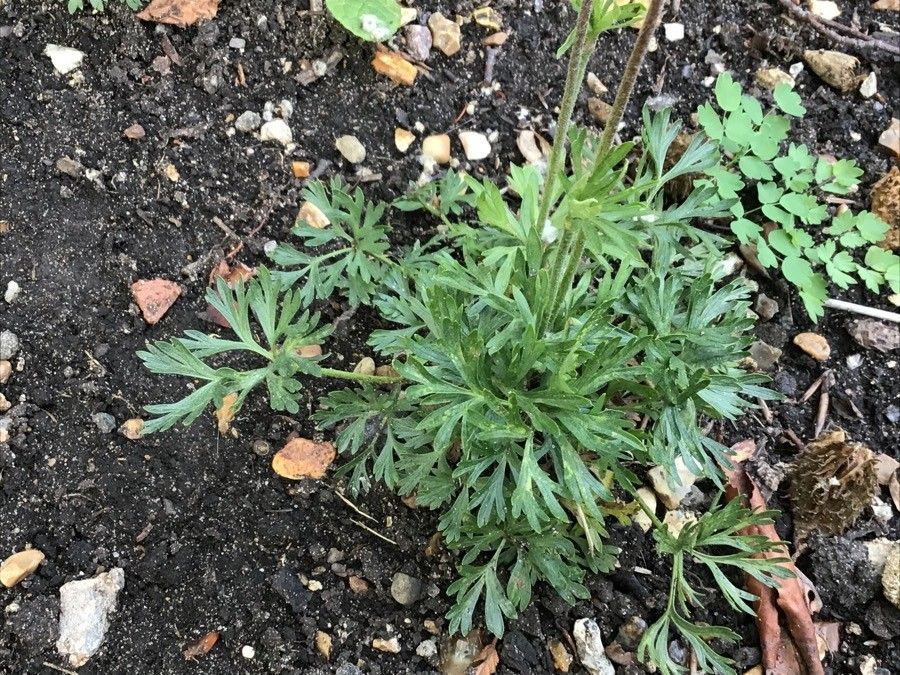
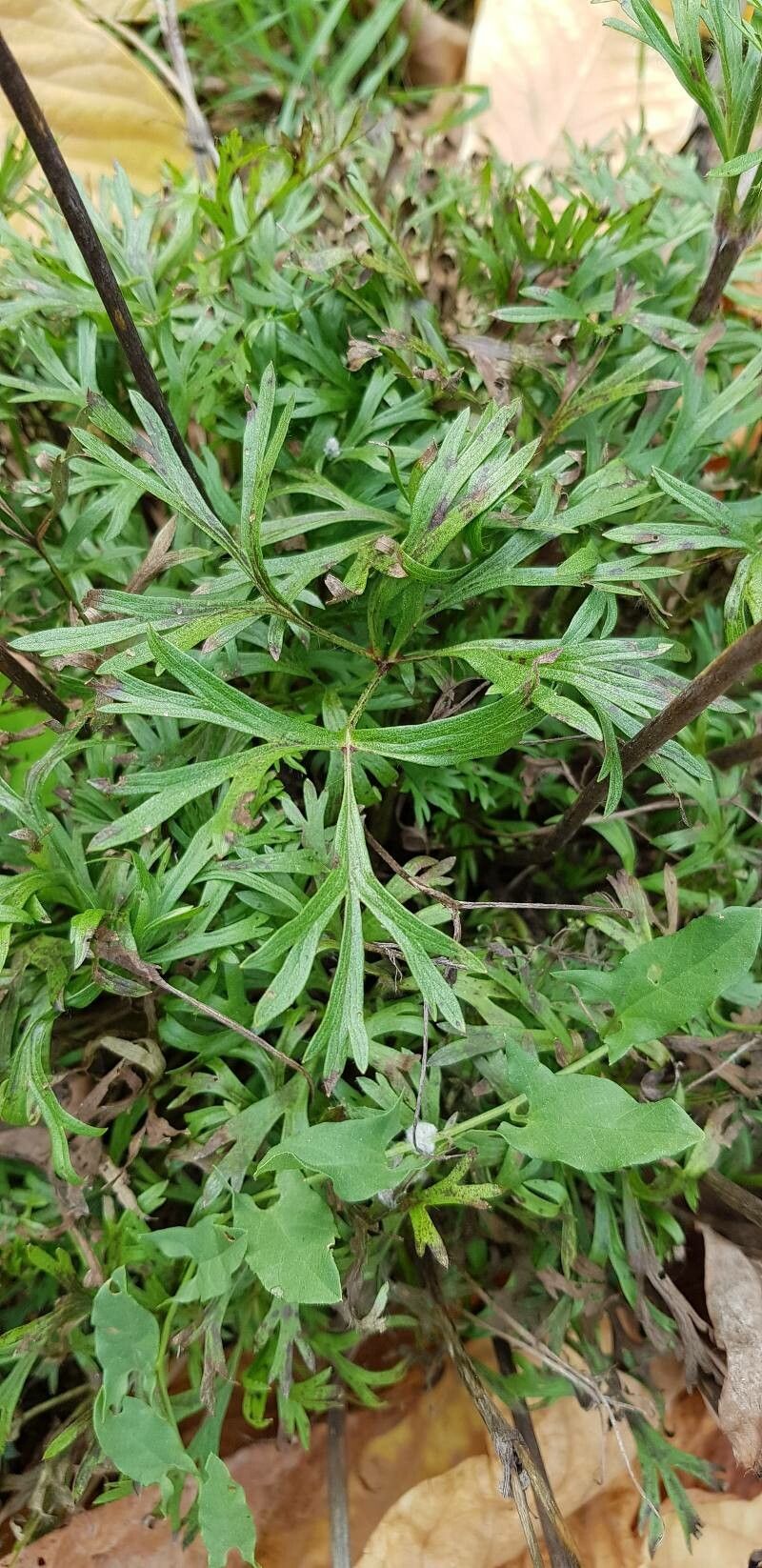
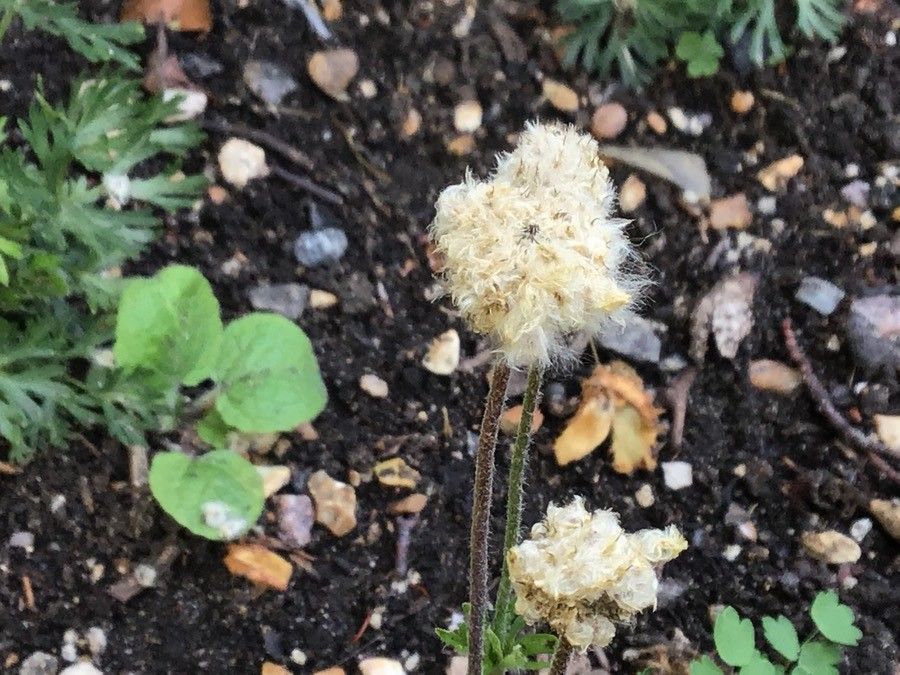
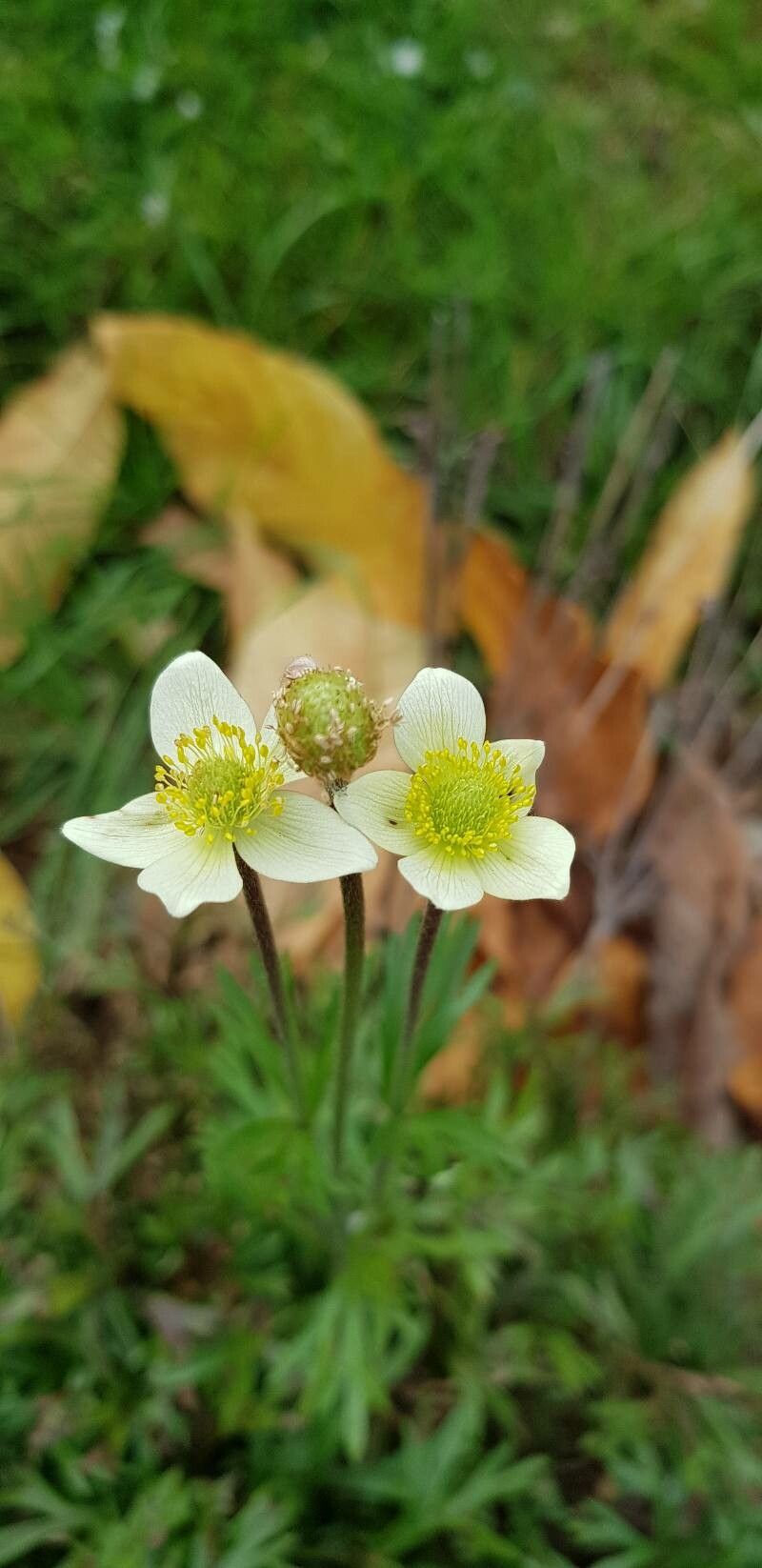
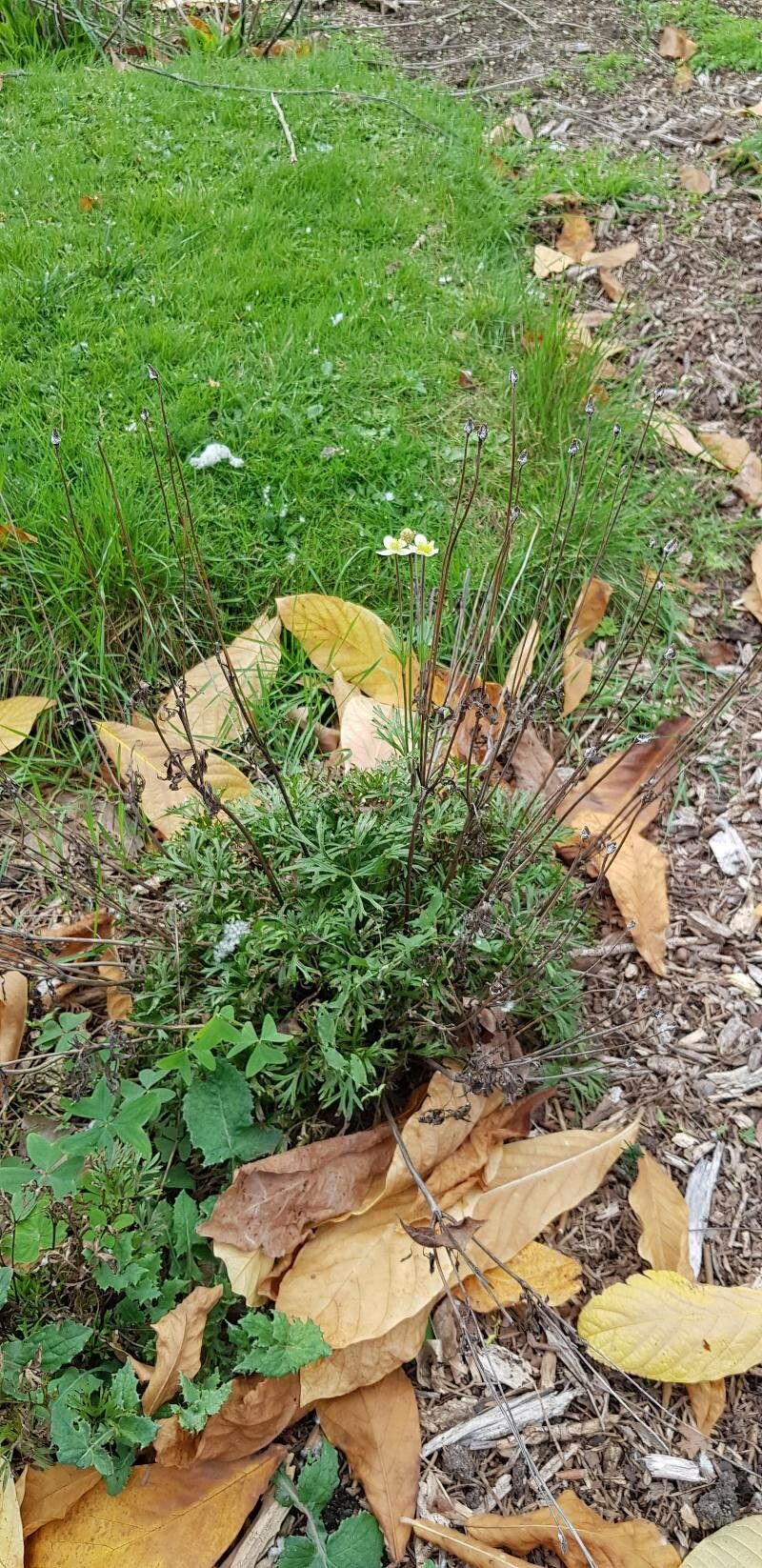
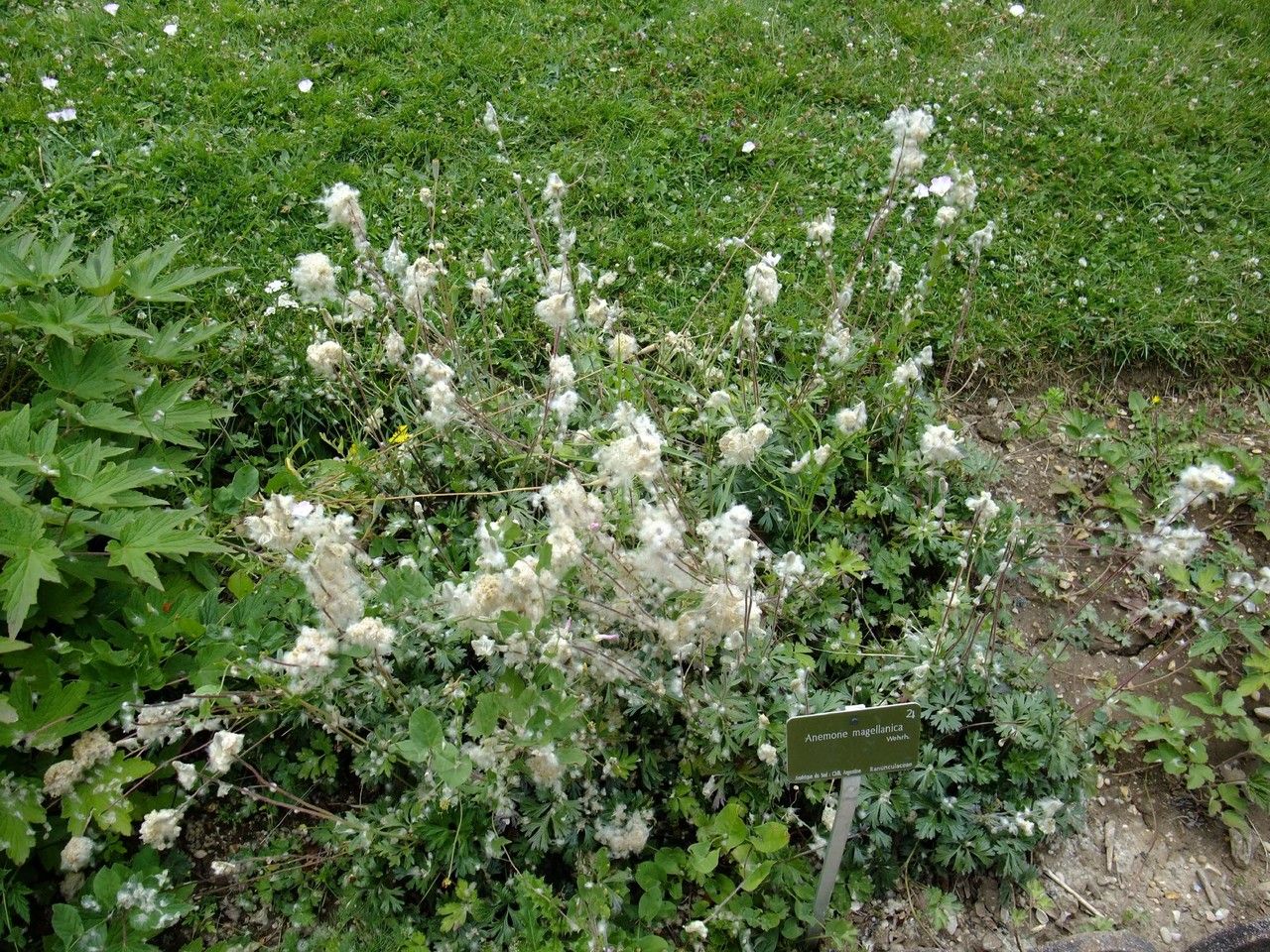
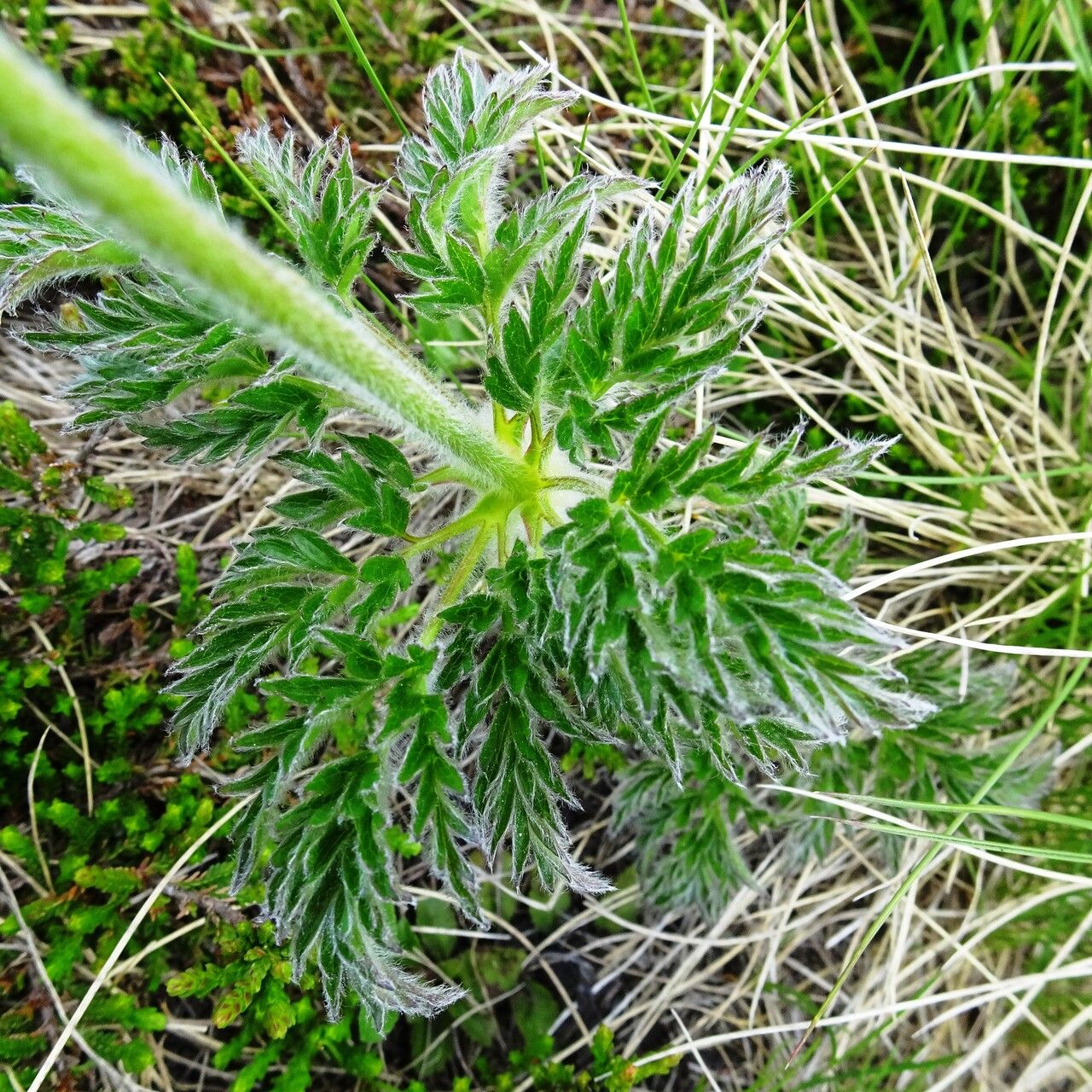
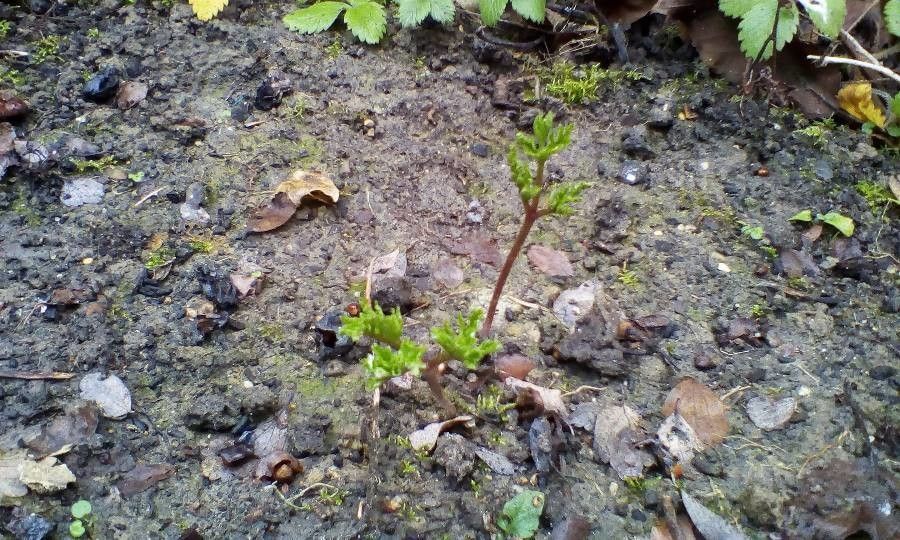
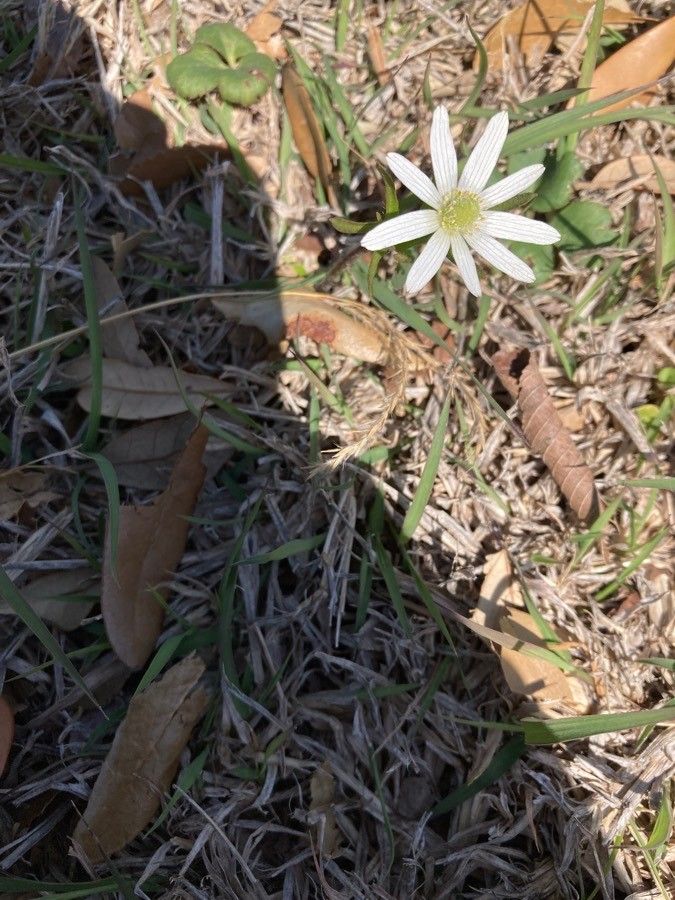
Anemone multifida is a species of flowering plant in the buttercup family known by the common names cutleaf anemone, Pacific anemone and globe anemone. It is a perennial herb native to northern North America from Alaska to New York and as far south as Arizona and New Mexico. It is also known from parts of South America.
Cutleaf anemone is fairly resistant to disease and typically does not suffer from many illnesses. Still, it can be affected by pests and diseases that exist in its environment, though such problems are generally mild. Regarding maintenance, this plant needs a moderate level of care. Regular pruning is necessary to preserve an attractive appearance and support healthy growth. Applying fertilizer can also encourage better flowering. Cutleaf anemone is appropriate for anyone who has outdoor space, like a garden or patio, and it does not demand extensive gardening experience. It may, however, need extra attention if cultivated indoors.
How to keep Anemone Multifida.
Light
Cutleaf anemone grows best with moderate sunlight throughout the day. Preferring conditions where the sun's intensity is neither very strong nor very weak, it can still tolerate spots that receive full sun. Excessive sunlight can stress the plant and may scorch its leaves, while too little light can lead to reduced vigor and poorly developed flowers.
Water
The cutleaf anemone thrives in moist environments but is also drought-resistant. Water it every 1 to 2 weeks, letting the soil dry out slightly between watering. When grown outdoors, take natural rainfall into account, especially during the active growing season when the plant's water needs increase.
Temperature
The cutleaf anemone is native to temperate regions and thrives in temperatures from 32 to 89.6 °F (0 to 32 °C). Its natural habitat includes warm summers and cold winters. During sweltering or freezing periods, adjust the temperature to mimic a temperate environment for optimal growth.
Fertilizer
The primary time to fertilize Cutleaf anemone is in early spring when the flowers are developing. The proper fertilizer promotes better blooms and helps the Cutleaf anemone produce attractive flowers. Fertilizing in early spring ensures good flowering during the season and supplies energy for its dormant growth phases.
Pruning
To promote healthy growth, prune cutleaf anemones in early to late spring by removing any dead or damaged stems. Avoid heavy pruning, as it can stress the plant. Regularly deadheading the flowers can encourage re-blooming. For disease prevention and to maintain the plant's shape and vigor—thereby improving your garden's overall aesthetics—always use clean, sharp tools.
Botanical profile.
- Plant Type
- Herb
- Life Cycle
- Perennial
- Genus
- Anemone
- Family
- Ranunculaceae
- Hardiness Zone
- 3-7
- Mature Height
- 15 cm to 52 cm
- Mature Spread
- 15 cm
- Leaf Color
- Green
- Leaf Type
- Deciduous
- Flower Color
- White, Pink, Red
- Flower Size
- 2.54 cm to 5.08 cm
- Bloom Time
- Mid spring, Late spring, Early summer
- Planting Time
- Spring, Summer, Autumn
- Harvest Time
- Summer
Other names.
Reader questions.
How should I water my Cutleaf anemone?
When caring for the Cutleaf anemone, it is important to use filtered water that is at room temperature or slightly warmer. Tap water may contain harmful particles, so filtered water is preferred. The Cutleaf anemone is accustomed to a warm environment, so cold water can be a shock to its system. Additionally, avoid overhead watering as it can lead to complications with the foliage. Instead, water the plant by applying filtered room temperature water directly to the soil until it is completely soaked. This will benefit the plant by moisturizing the roots and helping them spread and gather nutrients from the soil.
Why should I add fertilizer to my Cutleaf anemone?
Fertilization is important for the Cutleaf anemone because it provides key nutrients for growth. While the overall fertilization needs for this plant are low and it can survive without fertilization, annual fertilization can be very beneficial. It helps keep the plant alive and encourages better flowers that last longer. To make your Cutleaf anemone look its best, it's recommended to continue with annual fertilization.
What are the sunlight requirements for Cutleaf Anemone?
Cutleaf Anemone thrives in conditions that range from partial sun, which is about 3-6 hours of sunlight, to full sun, requiring more than 6 hours of sunlight daily. It's essential to watch how sunlight moves through your garden to ensure you choose spots that provide the perfect balance for your plants. Cutleaf Anemone can adapt to different lighting conditions, flourishing under moderate sunlight but also capable of growing in full sun. However, it's important to be cautious as overexposure can cause leaf scorching, and insufficient light may lead to poor flower development and a lack of vigor.
What are the ideal growing conditions for Cutleaf anemone?
Cutleaf anemone thrives in temperate climates, with optimal growth temperatures ranging from 32 to 89.6 °F (0 to 32 °C). This plant prefers environments with warm summers and cold winters, closely mimicking its native habitat. To ensure the plant grows optimally, it's important to regulate its surrounding temperature during extremely hot or cold seasons to maintain a temperate environment. Cutleaf anemone is quite resilient to cold weather and does not need extra frost protection. However, to help the plant through winter and early spring, it's advisable to water it generously before the first freeze of autumn. This ensures the soil remains moist and enters a frozen state, which helps prevent drought and water scarcity.
What do I need to do if I give too much or too little water to my Cutleaf anemone?
Overwatering is a common issue for Cutleaf anemones and can have negative effects on their health. When these plants receive too much water, their stems and leaves may wilt and turn yellow. Overwatering for a long time can also lead to diseases like root rot, mold, and mildew, which can kill the plant. On the other hand, underwatering is less common for Cutleaf anemones because they can tolerate drought. However, if underwatering occurs, the leaves may become brittle and brown. It's crucial to notice signs of overwatering early to prevent irreversible damage. If you see these signs, reduce your watering schedule immediately and check the soil drainage. If it drains poorly, replace it with well-draining potting mix. If signs indicate underwatering, water more regularly until the signs subside.
What's the ideal time to fertilize my Cutleaf anemone?
The best time to fertilize a Cutleaf anemone is in late winter to early spring when it is transitioning from dormancy to active growth. Fertilizing during this time promotes healthy growth and a strong start to the season. Fertilizing in the fall is also acceptable, but it is not recommended to feed the plant during summer or winter.
How can artificial lighting be used for Cutleaf Anemone indoors?
For indoor Cutleaf Anemone plants, artificial lighting can be crucial, especially when natural sunlight is insufficient, such as in winter or less sunny spaces. LED lights are recommended because they can be customized to provide specific wavelengths needed for optimal growth, with full sun plants requiring 30-50W per square foot, partial sun plants 20-30W per square foot, and full shade plants 10-20W per square foot. The light source should be placed 12-36 inches above the plant to mimic natural sunlight. To mirror outdoor conditions, the artificial light should be on for about 8-12 hours per day depending on the specific needs of your plant species.
How does Cutleaf anemone react to low temperatures?
Cutleaf anemone is extremely tolerant of cold temperatures, but to ensure healthy growth, winter temperatures should be kept above a certain limit. If temperatures fall below this threshold, you might not notice an immediate difference during the winter. However, you could see a reduction in sprouting or even a complete lack of sprouting come springtime. If this occurs, it's recommended to remove any parts of the plant that have failed to sprout in the spring.
How frequently should I give water to my Cutleaf anemone?
To determine if your Cutleaf anemone needs water, there are different methods depending on whether it is in a pot or planted in the ground. For potted plants, simply stick your finger into the soil and if the top two to three inches are dry, it's time to water. For plants in the ground, follow the same method and water when the first few inches of soil have dried out. Generally, watering once a week during spring and early fall is sufficient, but during hot weather, you may need to water twice or more per week. However, it's worth noting that mature Cutleaf anemones are quite resilient in drought conditions.
When is it not a good idea to add fertilizer to my Cutleaf anemone?
To properly fertilize your Cutleaf anemone, it's best to do so during late winter and early spring. This plant has low fertilization requirements, so a single annual feeding is sufficient. Avoid fertilizing during spring, summer, and fall as it can easily lead to overfertilization and its associated complications, unless you missed fertilizing in spring. In that case, it's fine to feed it in fall. Additionally, there's no need to fertilize during winter when the Cutleaf anemone is in a dormant growth phase and not producing new growth.
What are signs of inadequate light for Cutleaf Anemone and their solutions?
Signs of inadequate light for Cutleaf Anemone include smaller new leaves, leggy or sparse growth, faster leaf drop, reduced or halted growth, lighter-colored new leaves, chlorosis, sunscald, leaf curling, wilting, and leaf scorching. To address these issues, gradually move your plants to sunnier spots each week, use artificial light for indoor plants that cannot be moved easily, and try to provide at least 8 hours of direct sunlight daily for optimal growth. Additionally, outdoor plants should be moved gradually to avoid shocking the plant and potential sunburn. If sunlight is being blocked, consider reducing obstructions by pruning or relocating the plant to a sunnier area with better drainage.
What should I do if Cutleaf anemone experiences high temperatures?
Cutleaf anemone struggles in high temperatures. When the mercury climbs above its tolerance level, the plant's growth can halt, and it becomes more vulnerable to rot. To mitigate damage from high temperatures, cut away any parts of the plant that are sunburned or dried out. Moving the plant to a spot with afternoon shade or using a shade cloth can help protect it from intense sun exposure. Additionally, ensuring the soil remains moist through morning and evening watering sessions can further assist in the plant's health during hotter periods.