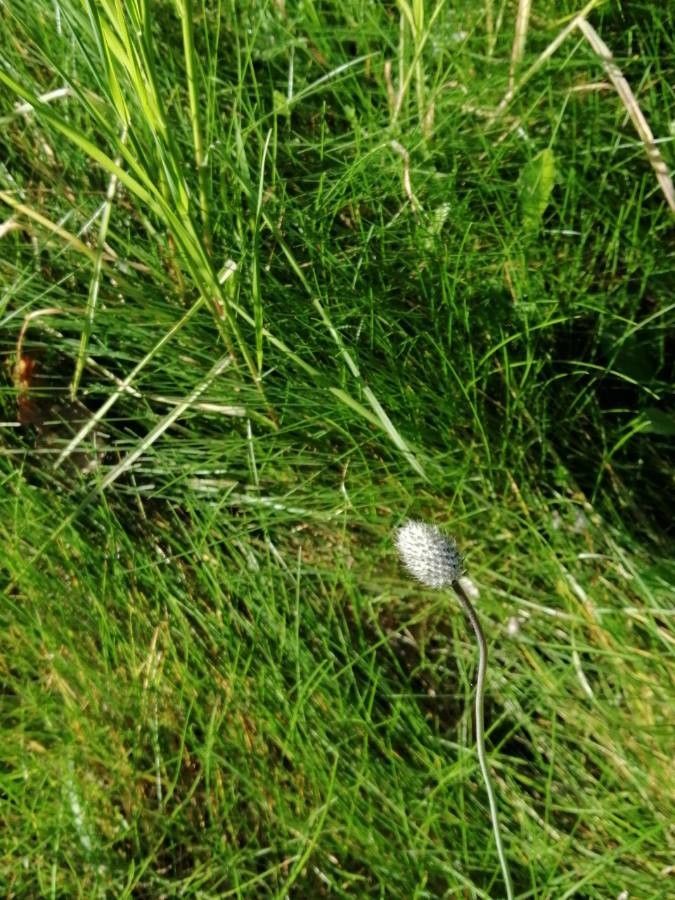
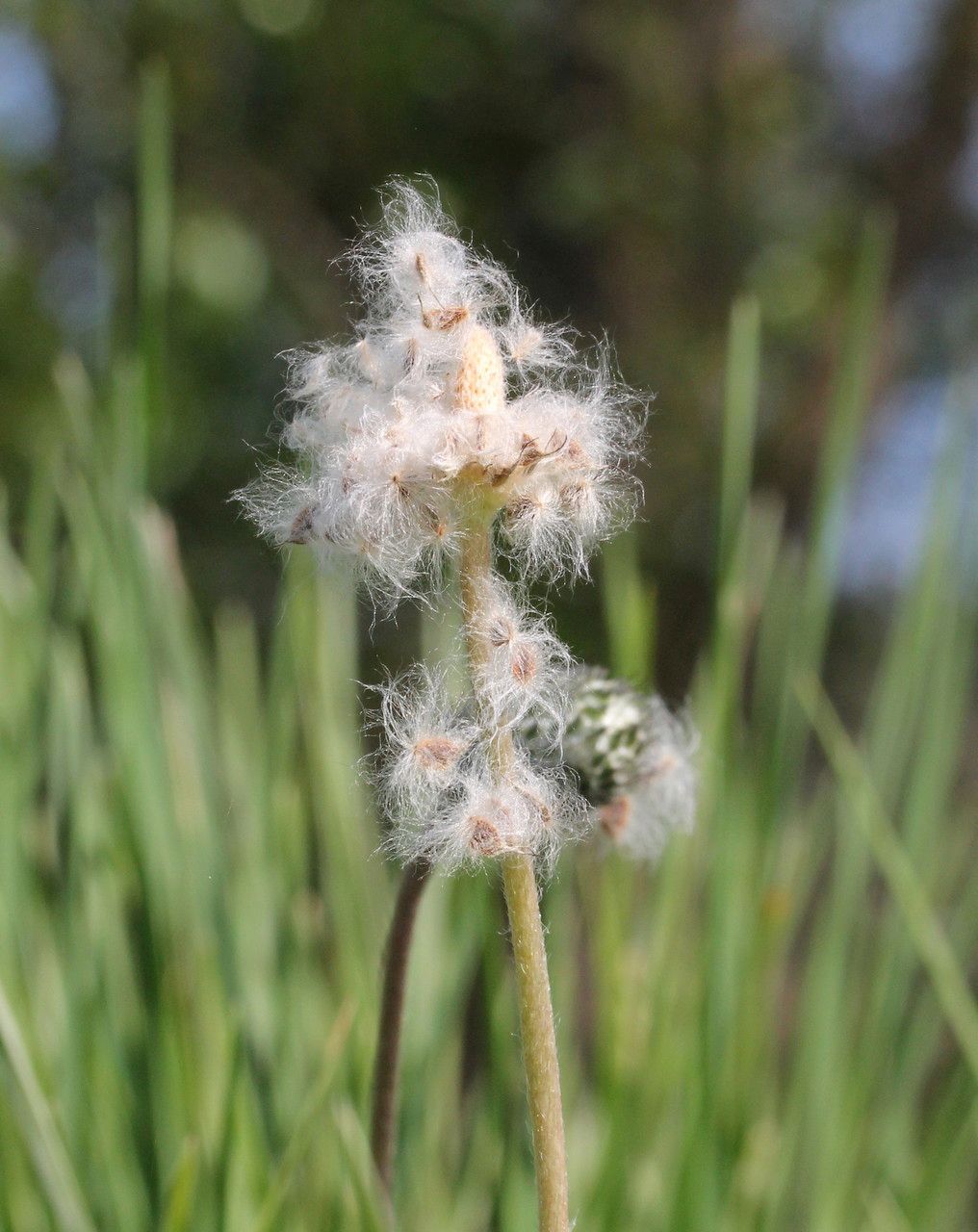
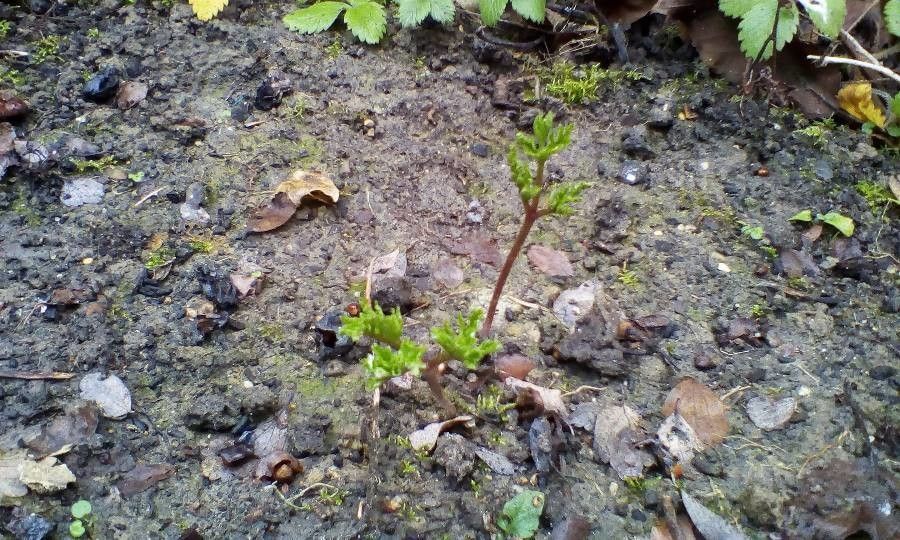
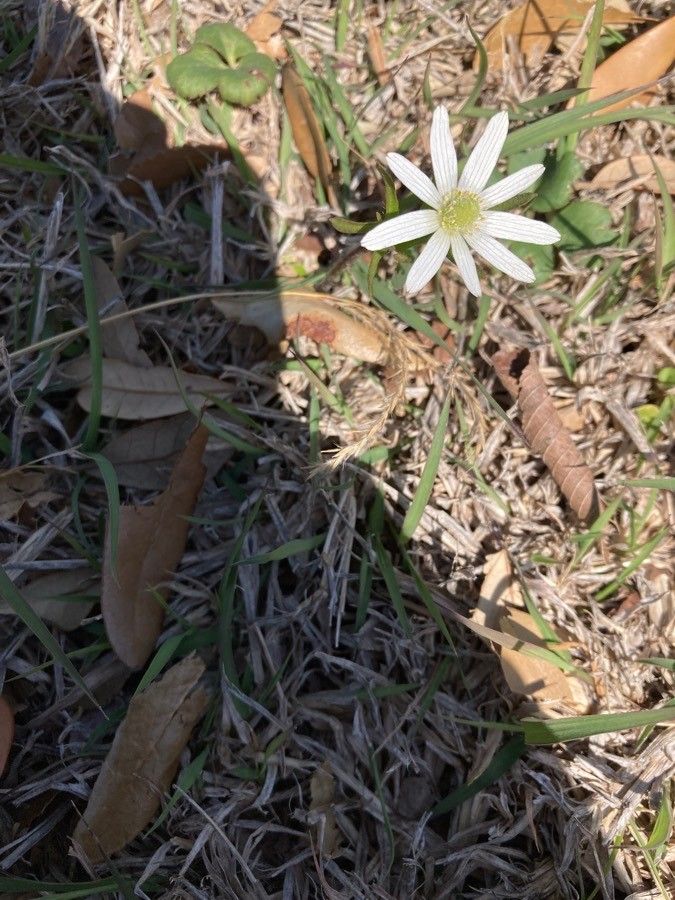
Anemone hortensis, commonly known as the garden anemone, is a perennial flowering plant belonging to the Ranunculaceae family. Native to Europe and Asia, it thrives in meadows, woodlands, and along riverbanks. The plant typically reaches a height of 30-40 cm and spreads about 20-30 cm.
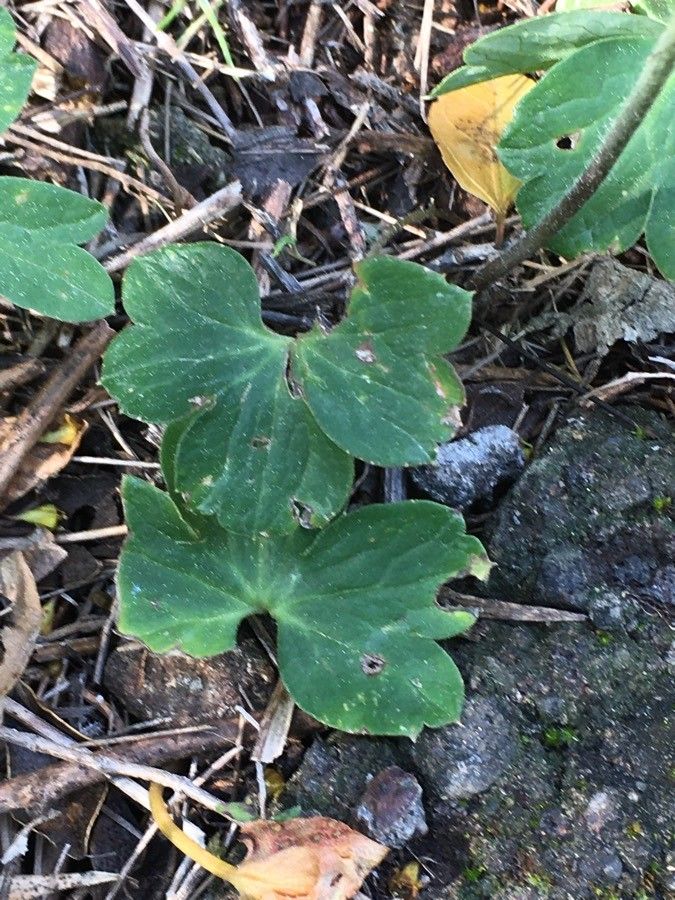
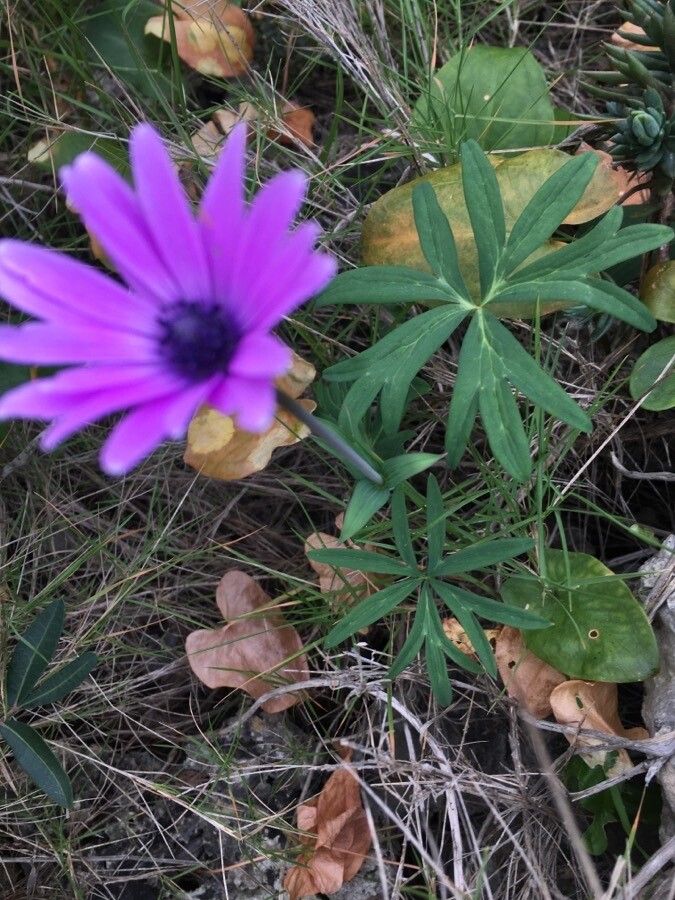
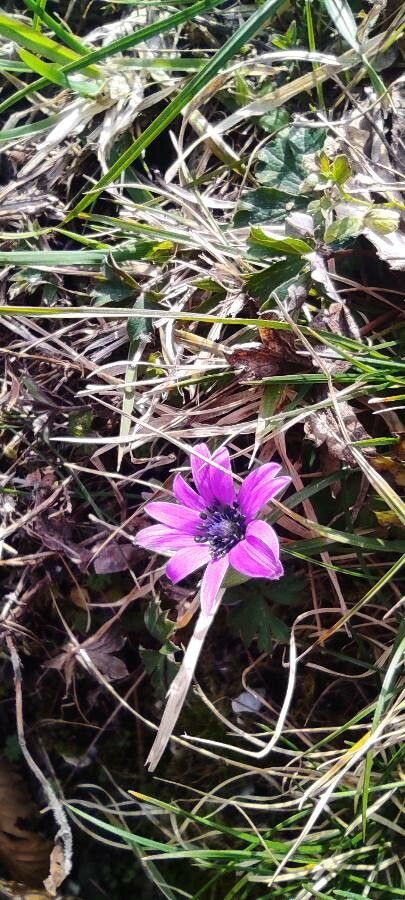
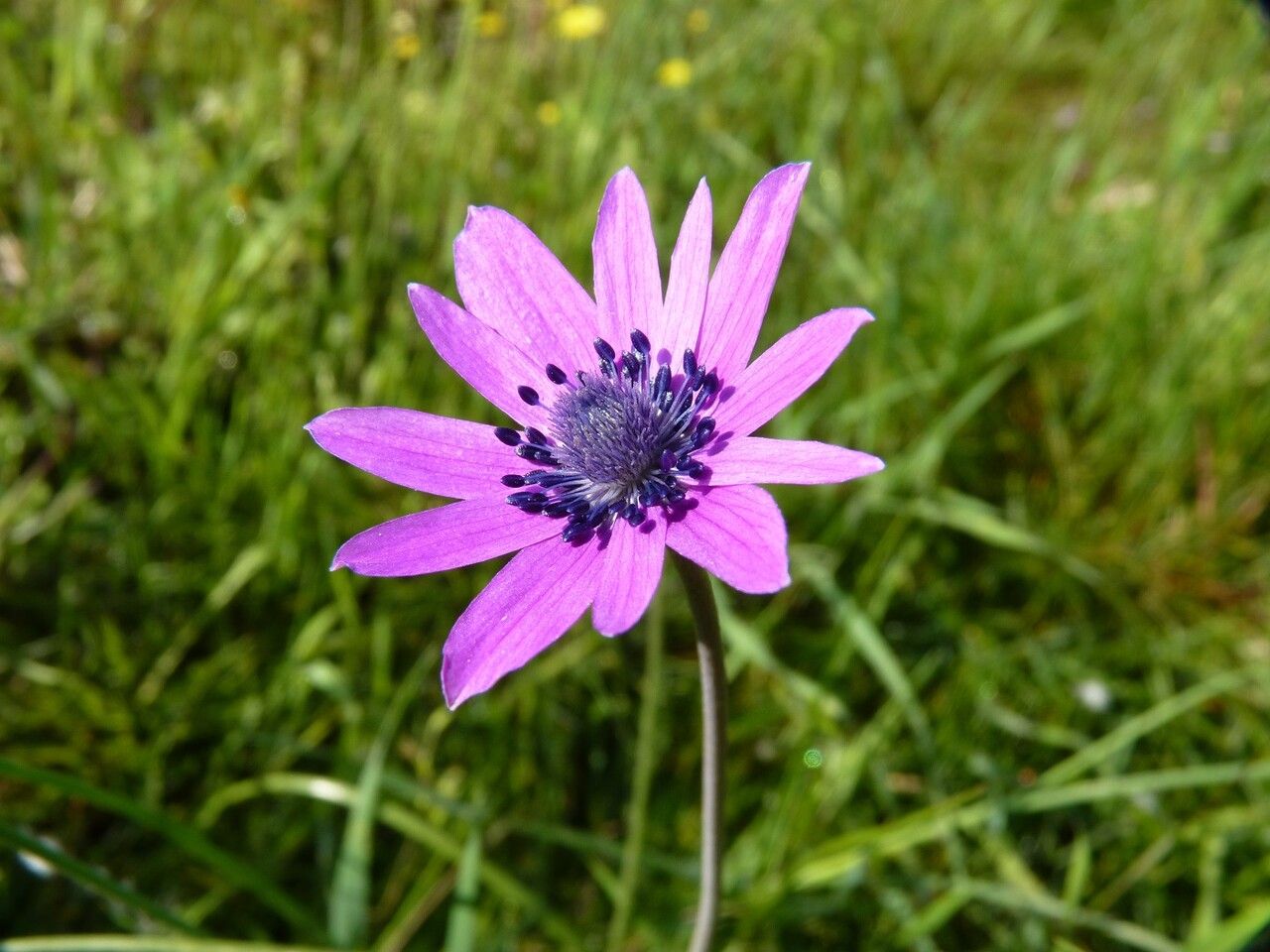
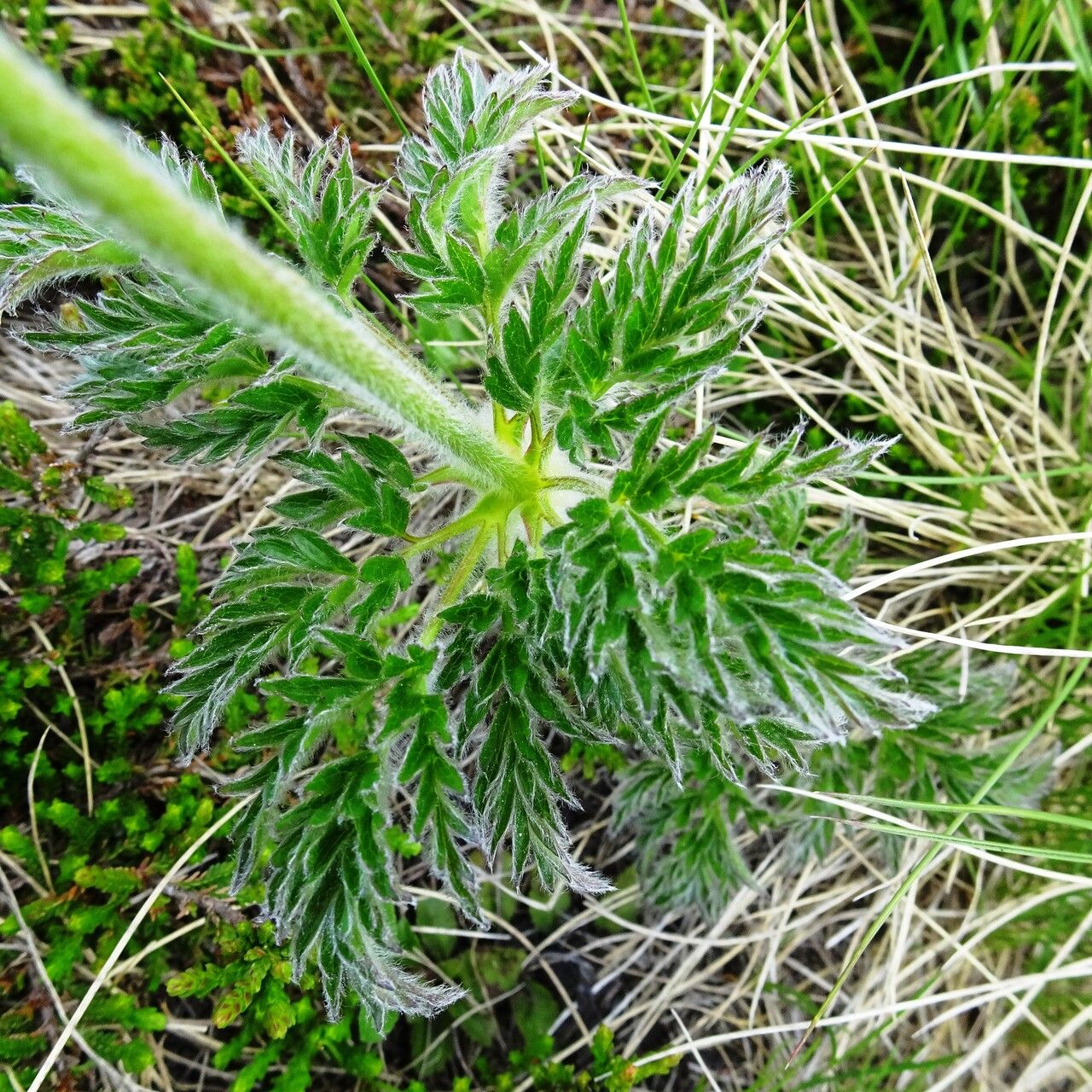
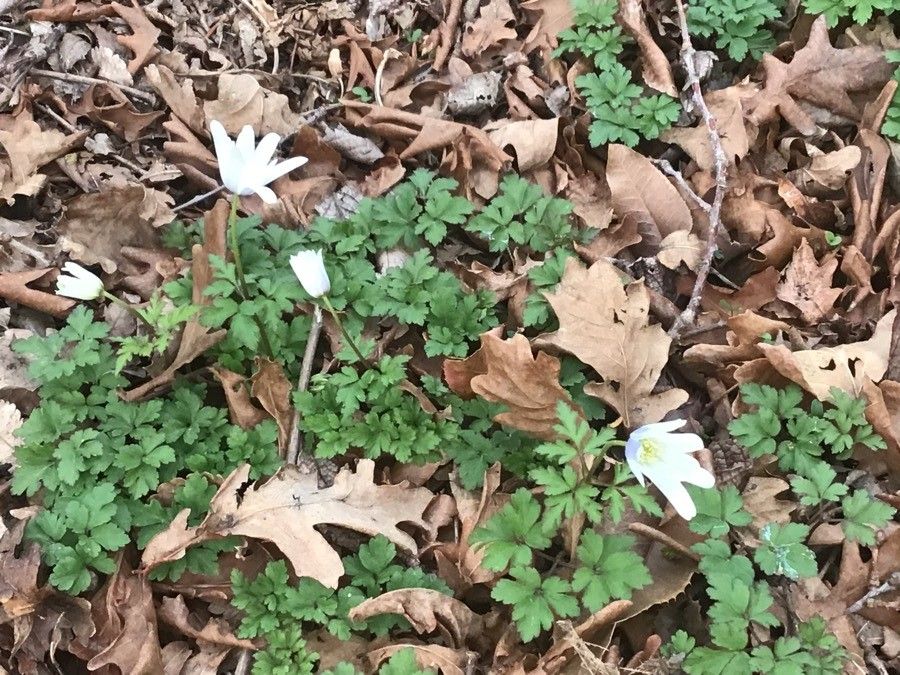
The garden anemone produces striking pink or white flowers that bloom from late spring to early summer. These cup-shaped flowers, featuring five petals and a yellow center filled with numerous stamens, add a splash of color to any landscape. The deeply lobed leaves with toothed edges contribute to its attractive appearance.
Anemone hortensis thrives in well-drained soil rich in organic matter, preferring full sun or partial shade. However, it requires protection from strong winds, as its delicate stems are prone to breaking.
Historically, the garden anemone has been used for its anti-inflammatory properties in medicinal practices. It is important to note, though, that all parts of the plant are toxic if ingested.
Overall, Anemone hortensis is a stunning addition to any garden or landscape due to its beautiful flowers and ease of cultivation.
The broad-leaved anemone has strong resistance to disease and typically does not suffer from illnesses. Still, it can be affected by pests and diseases that exist in its environment. Such infections are generally mild. Regarding maintenance, this plant needs a moderate level of care. It should be trimmed on a regular basis to preserve an attractive appearance and support healthy growth. Applying fertilizer can also encourage it to bloom. The broad-leaved anemone is well suited for people who have outdoor areas like a garden or patio and does not demand extensive horticultural experience. It may call for greater attention if cultivated indoors.
How to keep Anemone Hortensis.
Light
The broad-leaved anemone grows best in spots with plentiful sunshine, though it can tolerate somewhat reduced sun exposure. Its health and growth are largely determined by the sun’s intensity. In its natural habitat, the broad-leaved anemone receives considerable sunlight. However, too little or too much light can hinder its growth or cause it to wilt.
Water
The broad-leaved anemone, which originates from Mediterranean regions, prefers well-drained soil and moderate humidity. It requires consistent moisture, typically achieved through weekly watering. While it can adapt to dry conditions, it thrives when provided with effective irrigation. This plant is usually grown outdoors, and its growth is significantly influenced by the availability of water during the growing season.
Temperature
The broad-leaved anemone is native to habitats with temperatures between 32 and 90°F (0 and 32°C). As a temperate species, it prefers cooler conditions. To replicate its natural environment, seasonal temperature adjustments may be needed.
Fertilizer
The ideal time to fertilize a Broad-leaved anemone is early spring, as it comes out of dormancy and begins active growth. Fertilizer supplies essential nutrients for healthy development. Although the Broad-leaved anemone has relatively low fertilizer requirements, applying fertilizer annually can improve its survival and encourage better, longer-lasting flowers.
Pruning
The broad-leaved anemone is known for its daisy-like flowers and wide leaves. To encourage healthy growth and improve airflow, prune the plant from early to late spring, after it has finished flowering. Remove any dead stems during this process. Thinning the plant will enhance light penetration and help maintain its health. Regular pruning promotes blooming and helps prevent disease. Make sure to use sterilized tools during pruning to maintain the plant's health throughout the growing season.
Botanical profile.
- Plant Type
- Herb
- Life Cycle
- Perennial
- Genus
- Anemone
- Family
- Ranunculaceae
- Hardiness Zone
- 3-8
- Mature Height
- 15 cm to 25 cm
- Mature Spread
- 30 cm
- Leaf Color
- Green, Dark Green
- Leaf Type
- Deciduous
- Flower Color
- Pink, White, Purple
- Flower Size
- 6.35 cm
- Bloom Time
- Spring
- Planting Time
- Autumn
- Harvest Time
- Early summer, Mid summer
Other names.
Reader questions.
How should I water my Broad-leaved anemone?
When watering the Broad-leaved anemone, it is important to use filtered water that is at room temperature. Tap water can contain harmful particles, so using filtered water is recommended. The water should be at room temperature or slightly warmer because the plant is adapted to a warm environment and cold water can be a shock to its system. It is best to avoid overhead watering for this plant as it can cause problems with the foliage. Instead, focus on applying filtered room temperature water directly to the soil until it is completely soaked. This helps to moisten the roots and allows them to spread through the soil, collecting necessary nutrients for the plant.
Why should I put fertilizer on my Broad-leaved anemone?
Fertilization is important for the growth of Broad-leaved anemone as well as other plants. It provides essential nutrients that support both above and below ground growth. However, Broad-leaved anemone has relatively low fertilization needs and can sometimes survive well without it. Nonetheless, yearly fertilization can greatly benefit the plant, promoting its overall health and encouraging the production of longer-lasting, beautiful flowers. Therefore, if you want your Broad-leaved anemone to thrive, it is recommended to fertilize it annually.
What are the sunlight requirements for broad-leaved anemone?
Broad-leaved anemone thrives best when it receives full sun, which means above 6 hours of sunlight per day, but it can also endure partial sun conditions, about 3-6 hours of sunlight. It's important to watch how the sunlight moves through your garden to select areas that offer a good balance of light and shade, ensuring the plants' optimum growth and happiness.
What is the ideal temperature range for growing Broad-leaved anemone?
Broad-leaved anemone thrives in environments with temperatures ranging between 32 to 90°F (0 to 32°C). As a temperate plant, it prefers cooler climates and has strong cold resistance. Seasonal adjustments may be needed to simulate its natural habitat properly, but typically no special frost protection measures are required during winter unless temperatures are expected to drop below -35°C. In preparation for winter, it's recommended to water the plant abundantly before the first freeze to ensure the soil remains moist and enters a frozen state. This helps prevent drought and water scarcity for the plant during winter and early spring.
What do I need to do if I give my Broad-leaved anemone too much water or too little water?
Overwatering is a more common issue than underwatering for the health of your Broad-leaved anemone. When overwatered, the plant's stems and leaves may wilt and turn yellow. Overwatering for a long time can lead to diseases like root rot, mold, and mildew, which can be fatal for the plant. Underwatering is less common, but it can cause brittle and brown leaves. It's important to notice signs of overwatering early to prevent irreversible damage. If you see early signs, reduce watering and check the soil's drainage. Replace poorly draining soil with a well-draining potting mix. If the plant shows signs of underwatering, simply water more regularly until the signs go away.
When should I put fertilizer on my Broad-leaved anemone?
The best time to fertilize a Broad-leaved anemone is in late winter to early spring. This is when the plant is coming out of dormancy and starting to grow actively. Fertilizing during this time will promote healthy growth and set the plant up for a successful season. It is also possible to fertilize in the fall, but it is not recommended to feed the plant during summer or winter.
How does sunlight affect the health and development of broad-leaved anemone?
The broad-leaved anemone's health and development are significantly influenced by the intensity of the sun. In its natural habitat, it is exposed to considerable sunlight, which is crucial for its growth. However, inadequate or excessive light can lead to stunted growth, wilting, or other detrimental effects. Artificial lighting can be used to supplement natural light, especially for indoor plants or in areas with less sunlight.
How does Broad-leaved anemone react to low temperatures, and what are the appropriate solutions?
Broad-leaved anemone is cold-tolerant and performs best when temperatures stay above 0°C. However, it should be kept above -30°C during winter. If temperatures fall below -35°C, the plant may not show noticeable changes immediately, but there could be a decrease in sprouting or no sprouting at all during the springtime. The recommended solution for this issue is to remove any parts of the plant that have failed to sprout in the spring.
How frequently should I water my Broad-leaved anemone?
If your Broad-leaved anemone is in a pot, the most accurate way to determine if it needs water is to stick your finger into the soil. If the top two to three inches of soil are dry, it's time to water it. If your Broad-leaved anemone is grown outdoors in the ground, you can use a similar method to test the soil. Again, if the top few inches of soil are dry, it's time to water it. Usually, during spring and early fall, you'll need to water this plant about once a week using this method. However, during extremely hot weather, you may need to water it twice or more per week. Despite this, mature, well-established Broad-leaved anemones have the impressive ability to tolerate drought.
When is it not a good idea to use fertilizer on my Broad-leaved anemone?
To properly fertilize your Broad-leaved anemone, avoid fertilizing during most of the year, except for late winter and early spring. This plant requires minimal fertilization, so a single feeding annually is sufficient. Overfertilizing during spring, summer, and fall can cause complications, except if you missed fertilizing in the spring, then you can fertilize in the fall as well. Moreover, refrain from fertilizing during the winter when the Broad-leaved anemone is in a dormant growth phase with no new growth. Therefore, it is not recommended to fertilize during most of the winter.
What are the recommendations for artificial lighting for plants?
For plants that require artificial lighting, it's recommended to use LED lights as they provide customizable wavelengths needed for plant growth. Full sun plants should receive 30-50W/sq ft of artificial light, partial sun plants 20-30W/sq ft, and full shade plants 10-20W/sq ft. Place the light source 12-36 inches above the plant and mimic natural daylight hours, keeping the lights on for 8-12 hours per day to promote optimal growth.
What should I do if my Broad-leaved anemone is exposed to high temperatures?
During the summer, it's essential to ensure that the temperature around your Broad-leaved anemone does not exceed 32°C. Exposure to temperatures above 35°C can cause the leaves to lighten in color, curl, become susceptible to sunburn, and in severe cases, lead the entire plant to wilt and dry. To mitigate this, trim away the sunburned and dried-up parts of the plant. Additionally, moving the plant to a location that provides shade during midday and afternoon or using a shade cloth can protect it from excessive sun exposure. It's also beneficial to water the plant in the morning and evening to maintain soil moisture.