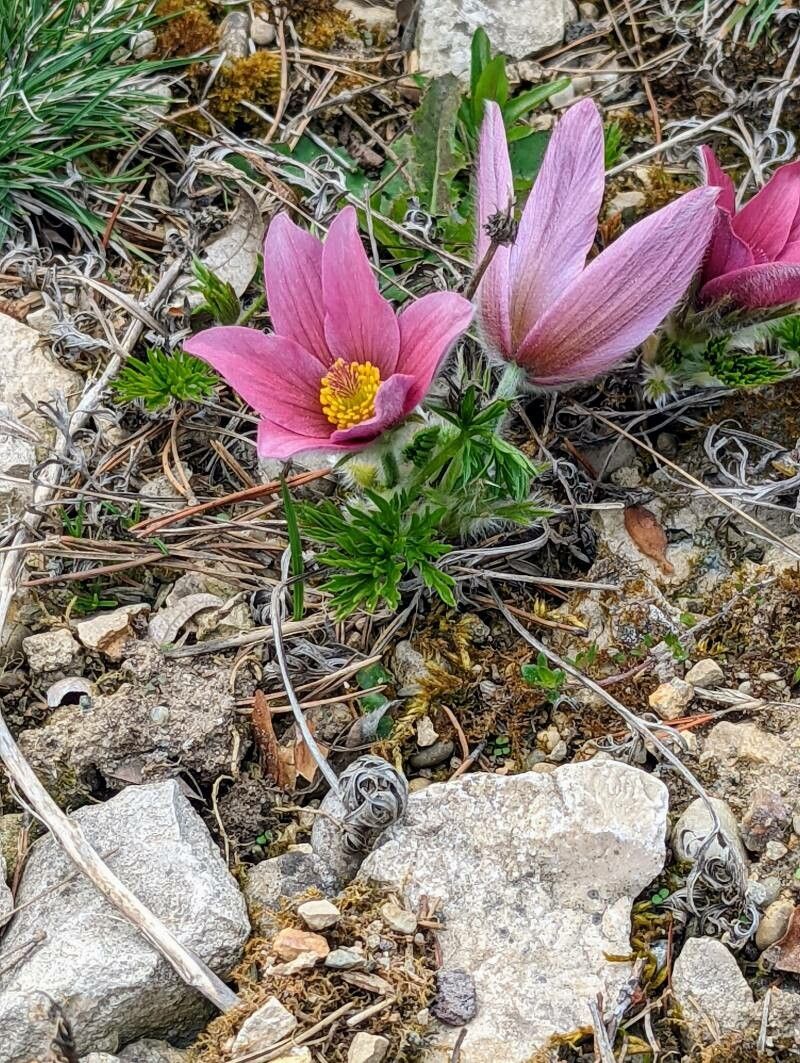
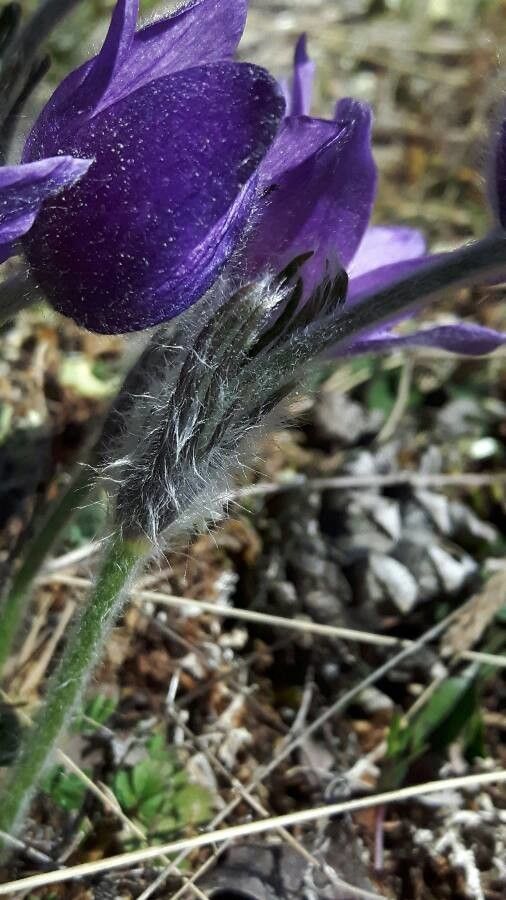
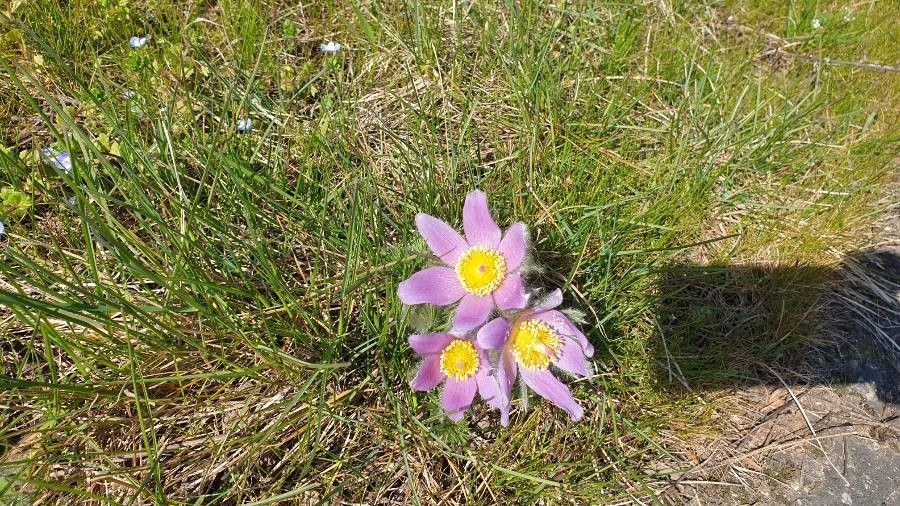
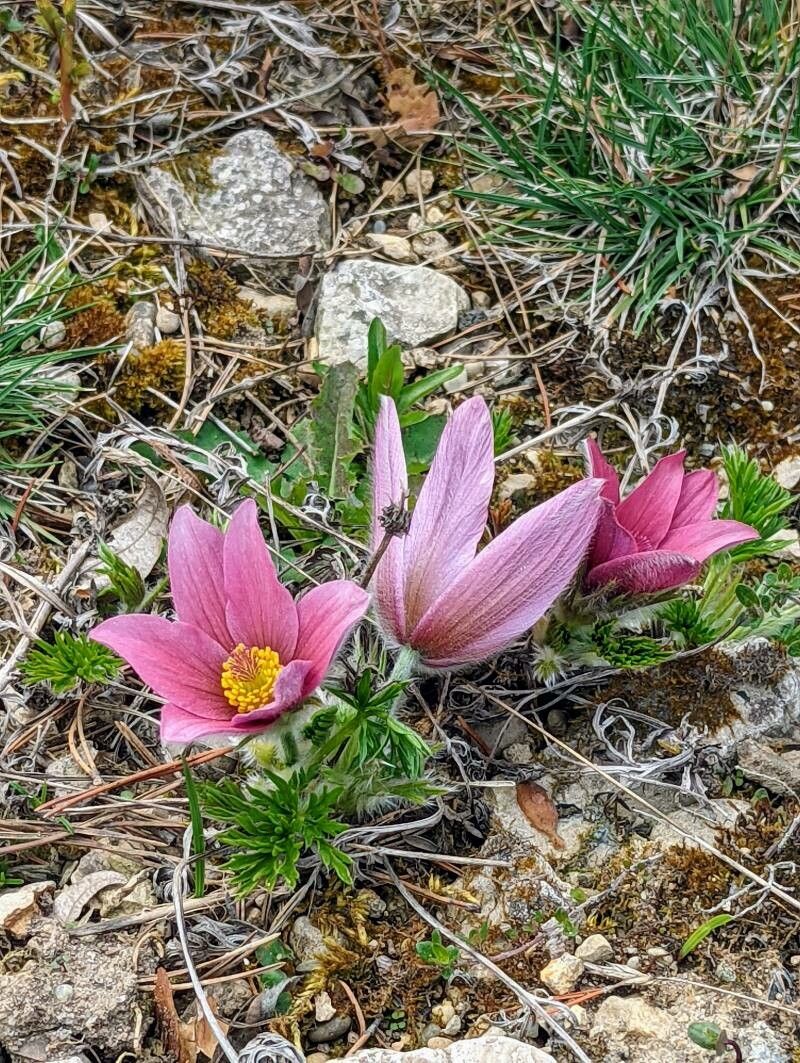
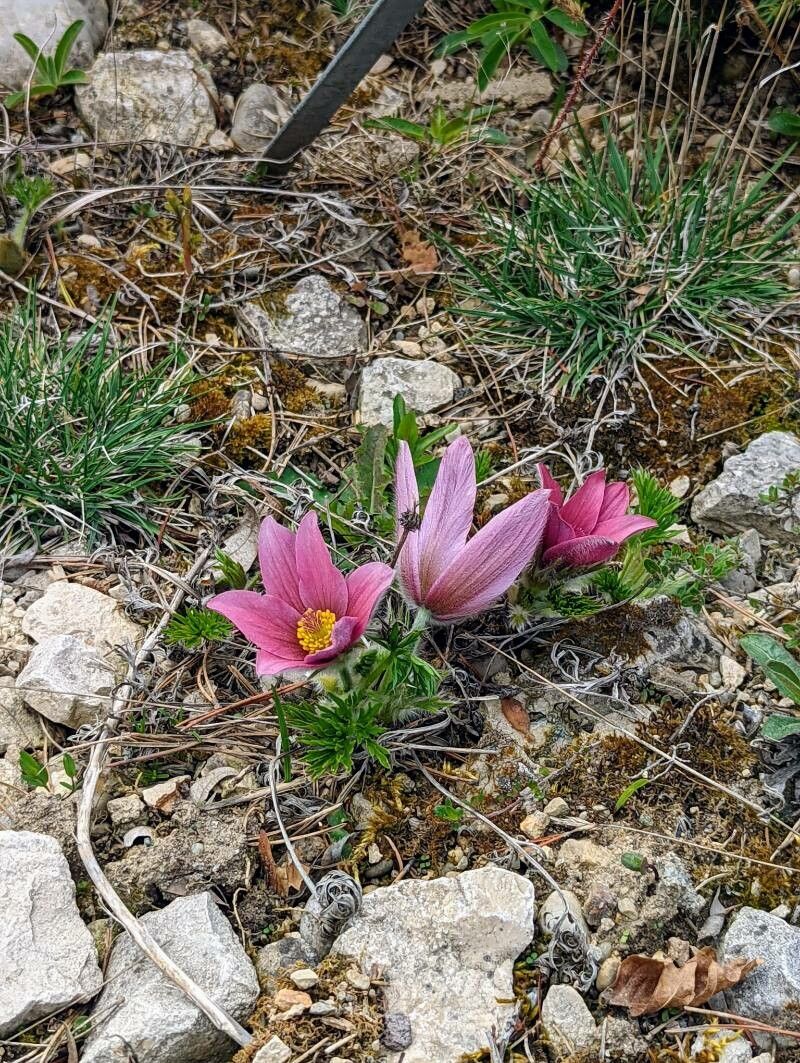
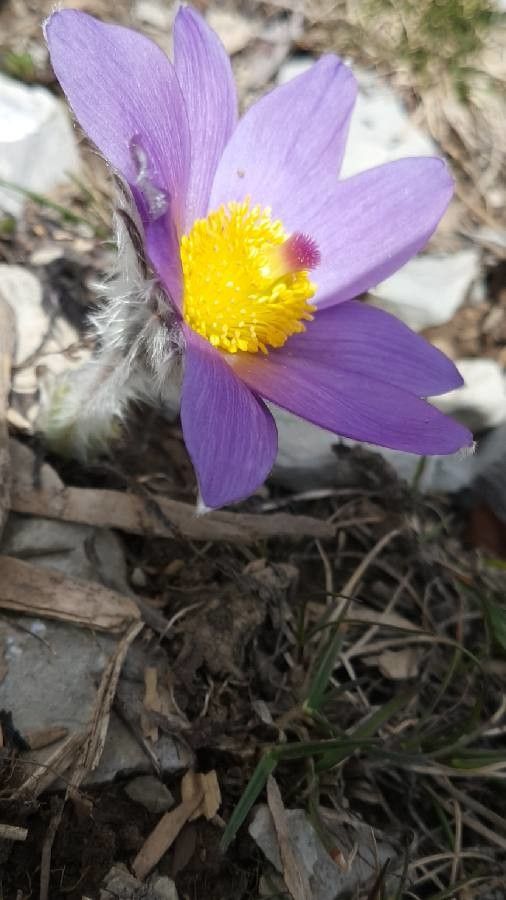
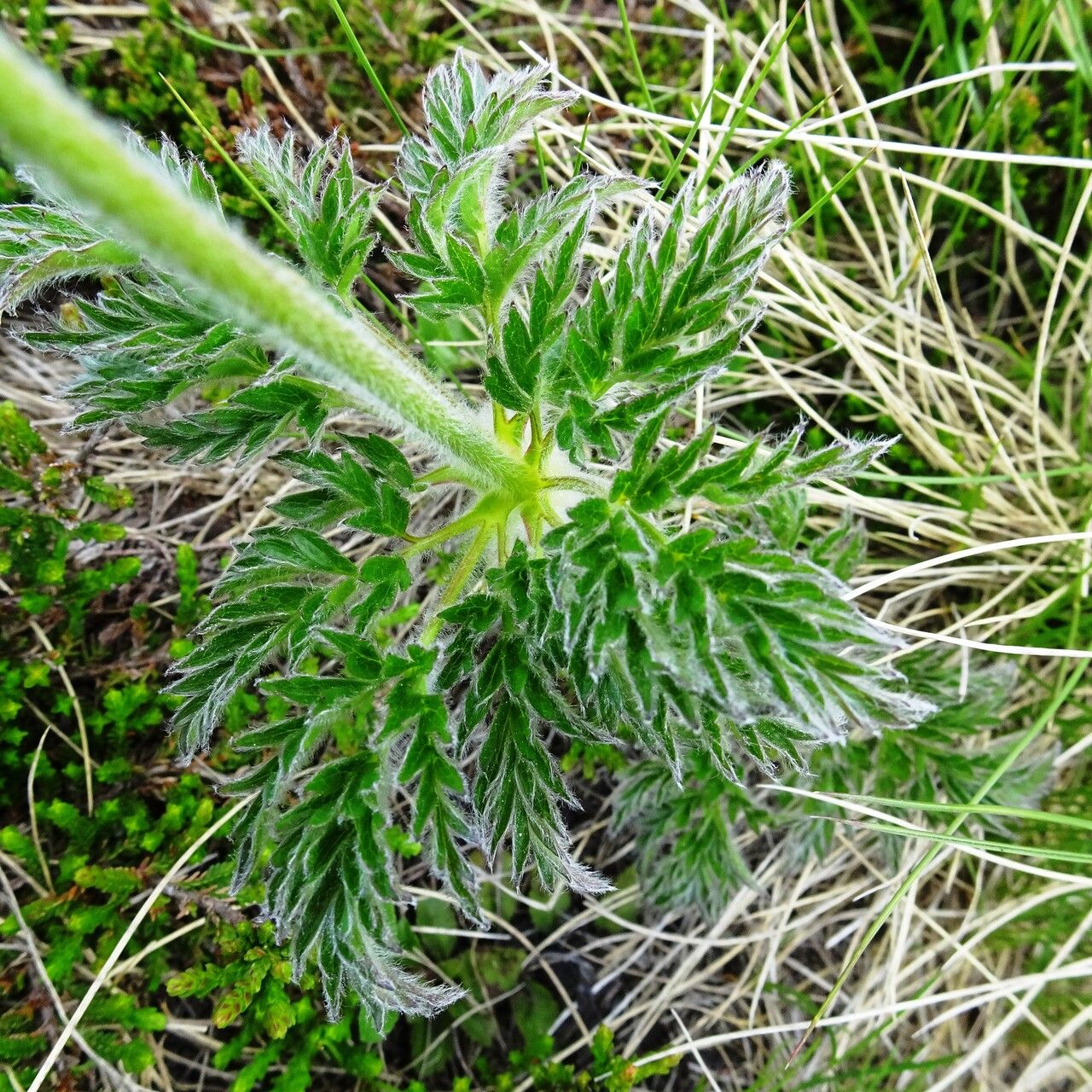
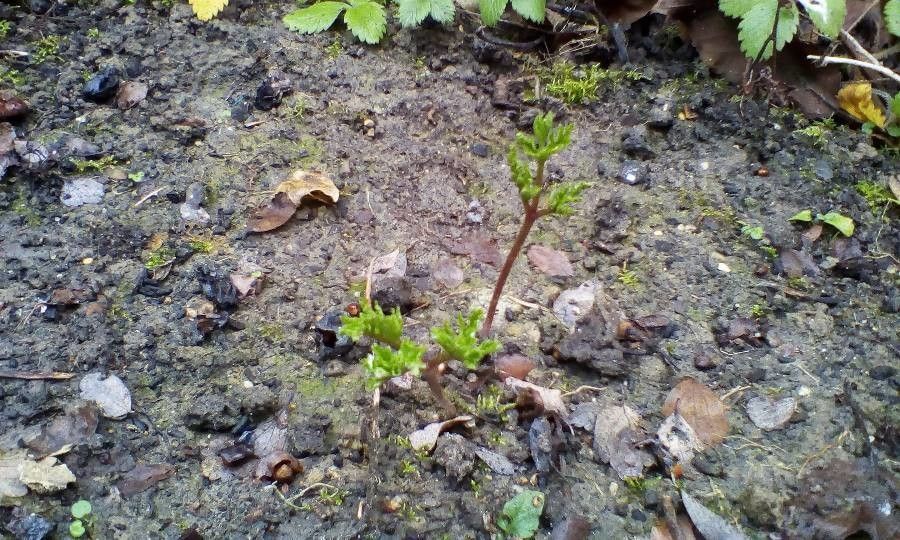
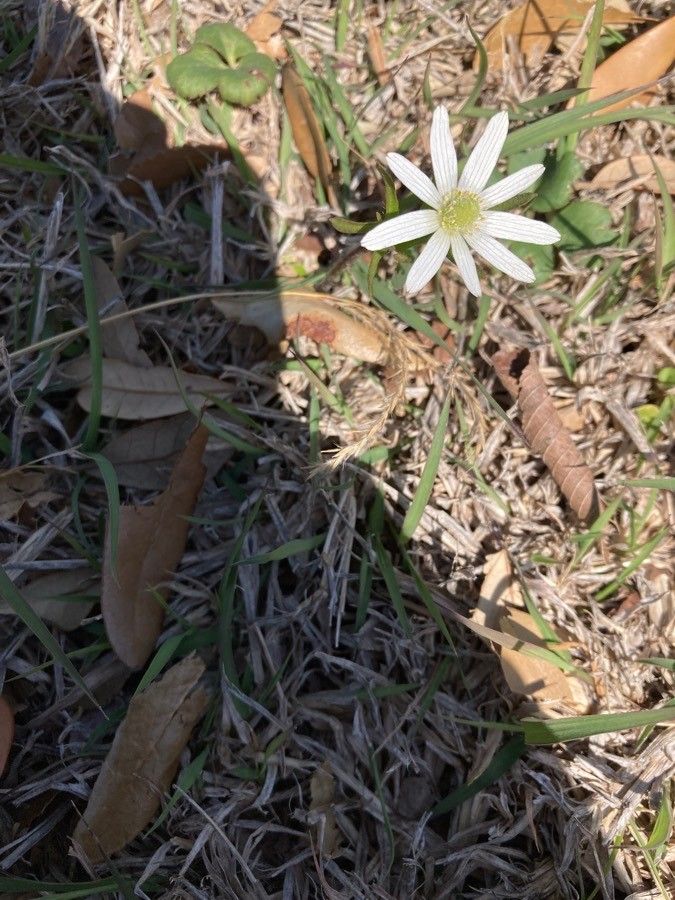
Anemone halleri, Haller's anemone, is a species of flowering plant in the buttercup family Ranunculaceae, that can be found in sub-alpine and alpine regions of southern France, southern Switzerland, northern Italy and Poland, extending eastward to Greece, Bulgaria and Ukraine. It is found in mountain meadows, dry hills, dry grassy locations and mountainous forest glades. It is collected and cultivated for botanical and private gardens. Growing in clumps to 20 cm (7.9 in) tall and wide, this herbaceous perennial has hairy grey-green foliage, and in spring produces pink or purple flowers which form ornamental silky seedheads. It prefers an exposed, well-drained position in full sun. Anemone halleri is mildly toxic, and can cause stomach ache on skin contact.It is still widely referenced under its former name, Pulsatilla halleri. The species and the subspecies P. halleri subsp. slavica are recipients of the Royal Horticultural Society's Award of Garden Merit.
Haller's anemone is fairly disease-resistant and usually not prone to illness. Nevertheless, it can be affected by pests and diseases present in its environment, although these problems are typically mild. For care, the plant requires moderate maintenance. It should be pruned regularly to preserve a neat appearance and support healthy growth. Fertilizing can also encourage flowering. Haller's anemone is well suited for anyone with an outdoor area, such as a garden or patio, and does not demand extensive experience in plant care. It may need more attention when kept indoors.
How to keep Anemone Halleri.
Light
Haller's anemone is a perennial herbaceous plant that favors sunny, open habitats and is commonly found in meadows and grasslands. It prefers full sun but can tolerate partial sun.
Fertilizer
The primary time to fertilize Haller's anemone is in early spring while the flowers are forming. The proper fertilizer promotes better blooms and helps Haller's anemone produce attractive flowers. Fertilizing in early spring ensures strong flowering during the season and supplies energy for dormant growth phases.
Botanical profile.
- Plant Type
- Herb
- Life Cycle
- Perennial
- Genus
- Anemone
- Family
- Ranunculaceae
- Hardiness Zone
- 3-7
- Mature Height
- 15 cm to 30 cm
- Mature Spread
- 20 cm to 30 cm
- Leaf Color
- Green, Dark Green
- Leaf Type
- Deciduous
- Flower Color
- Purple, Lavender
- Flower Size
- 4.06 cm to 6.35 cm
- Bloom Time
- Early spring, Mid spring
- Planting Time
- Spring, Summer, Autumn
- Harvest Time
- Late spring, Early summer
- Native Area
- Italy, Switzerland, France
Other names.