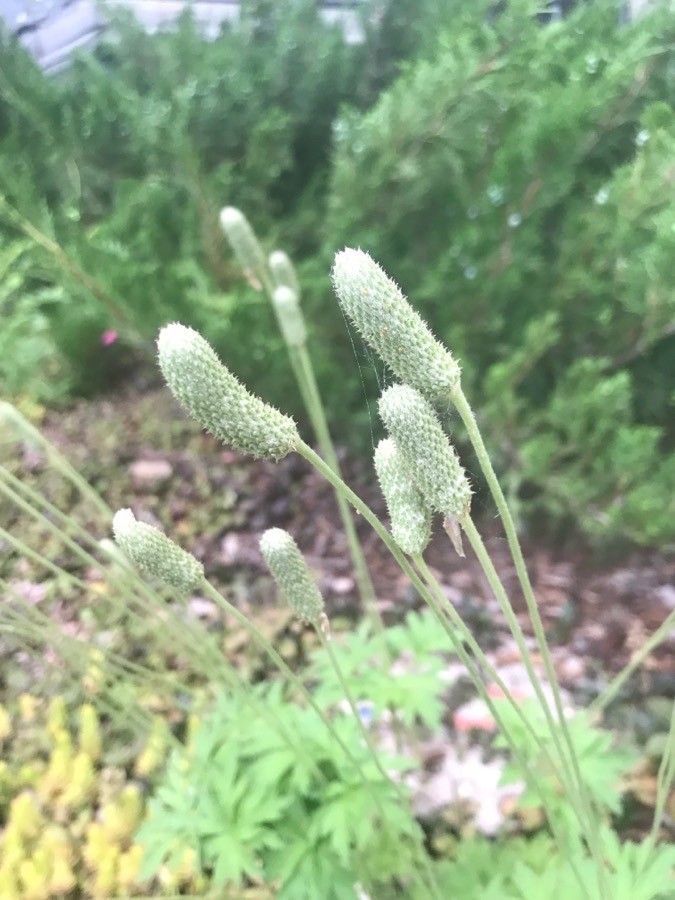
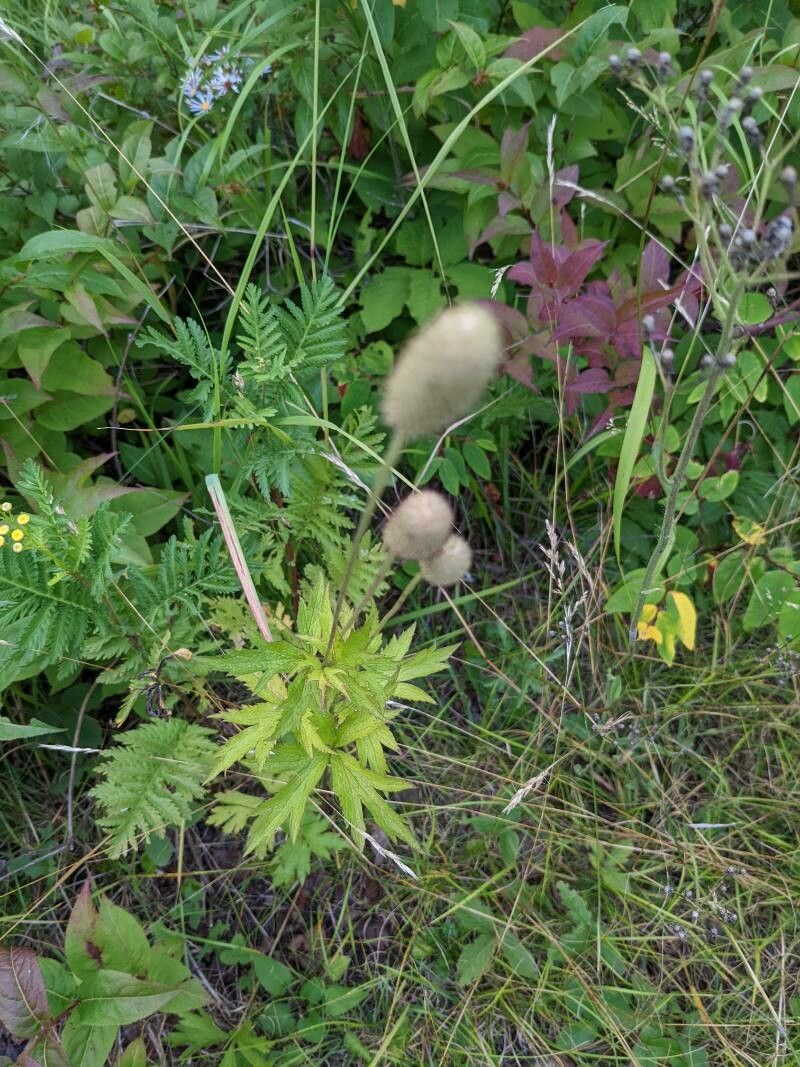
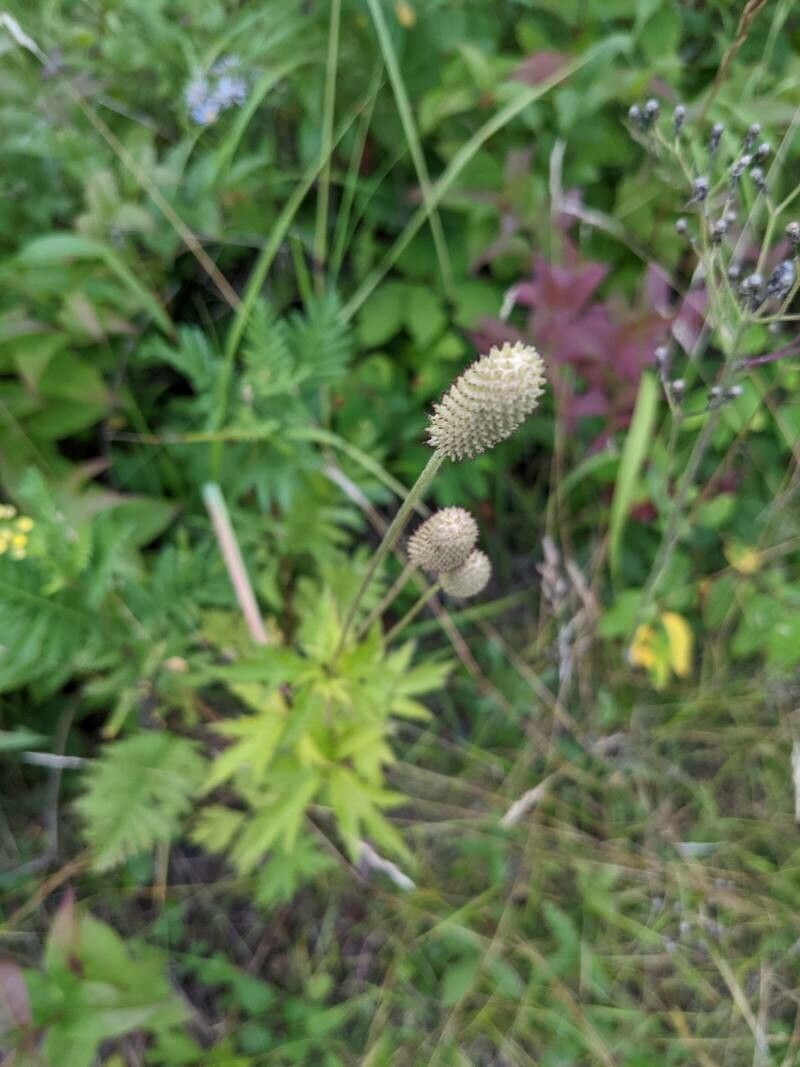
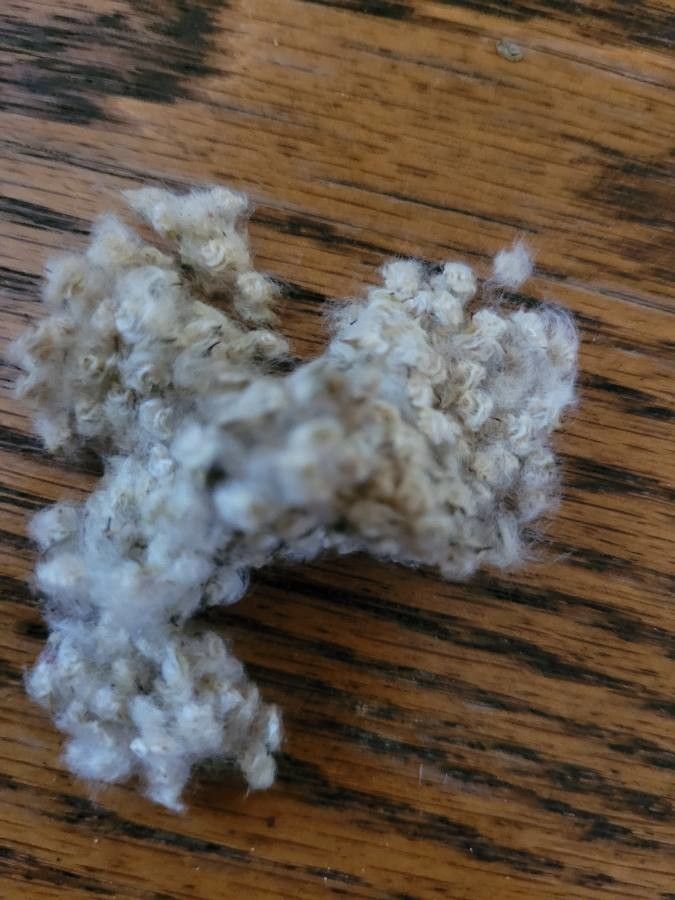
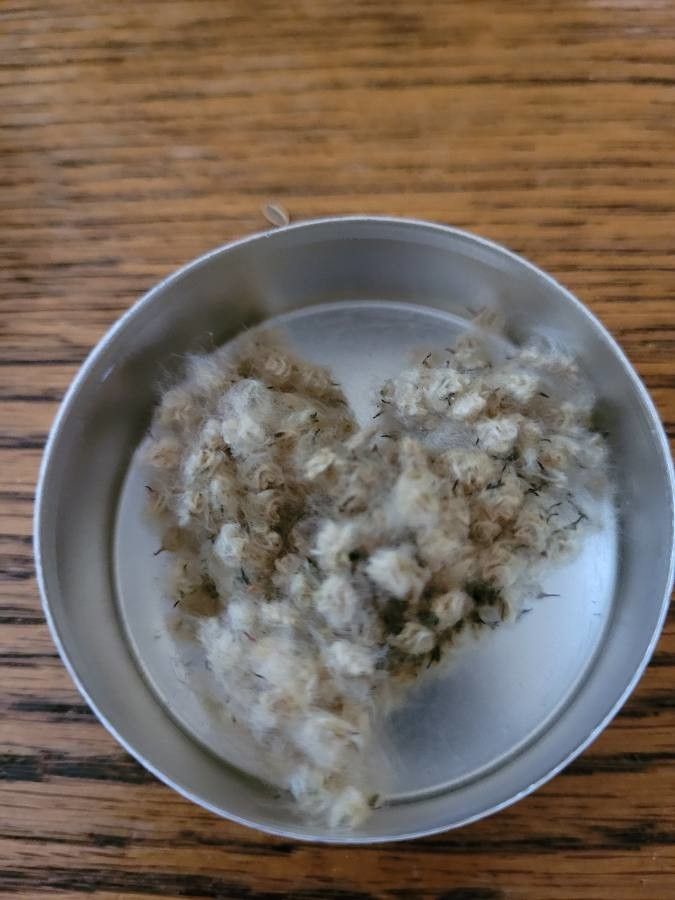
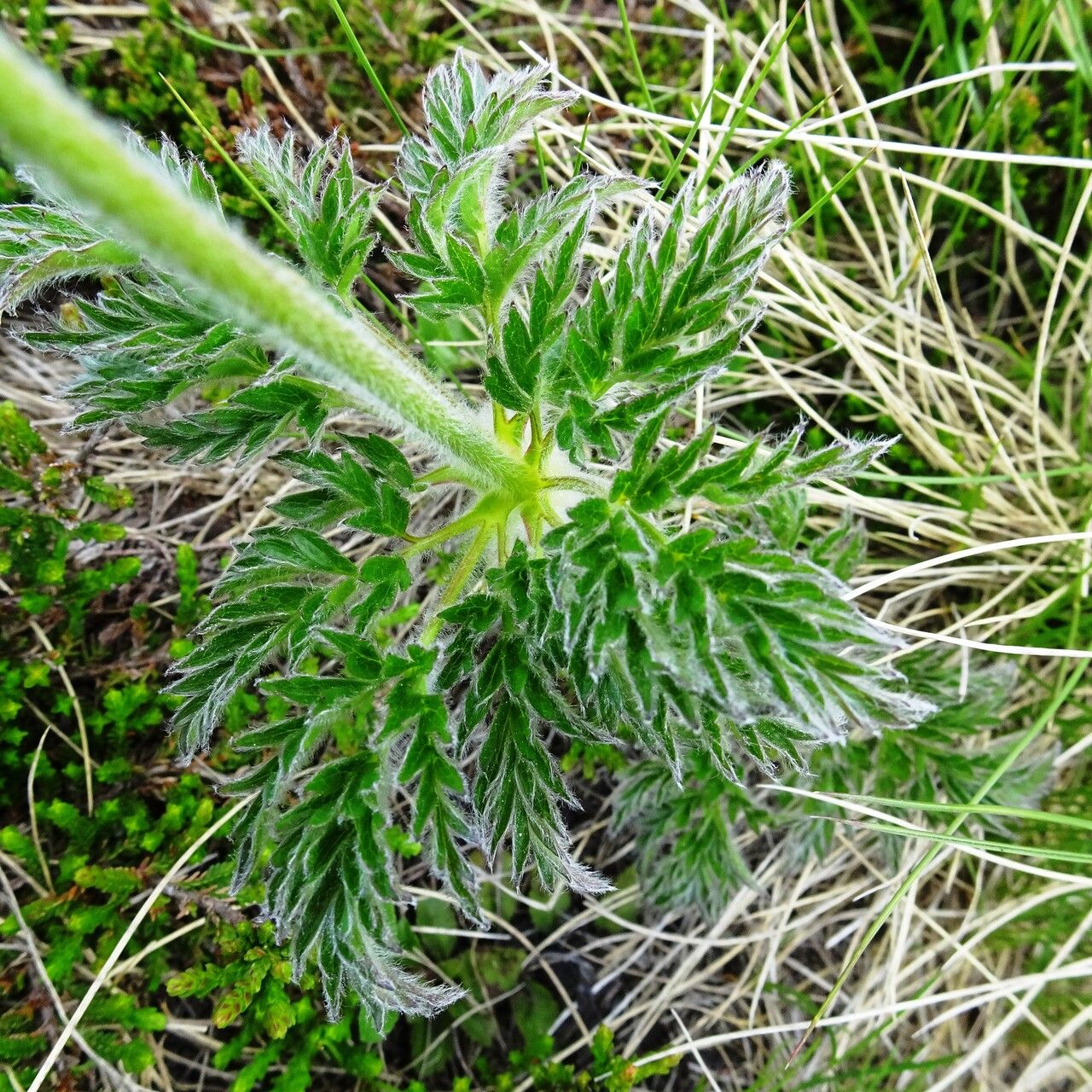
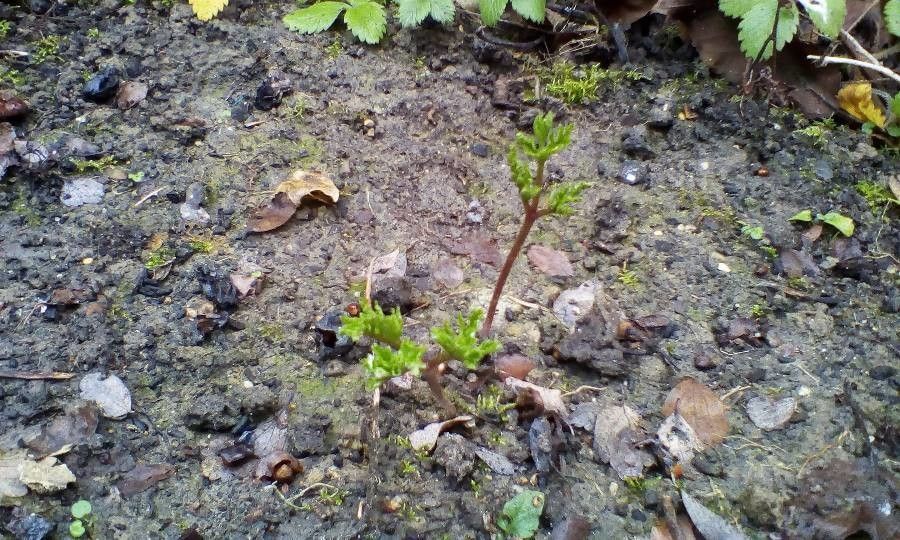
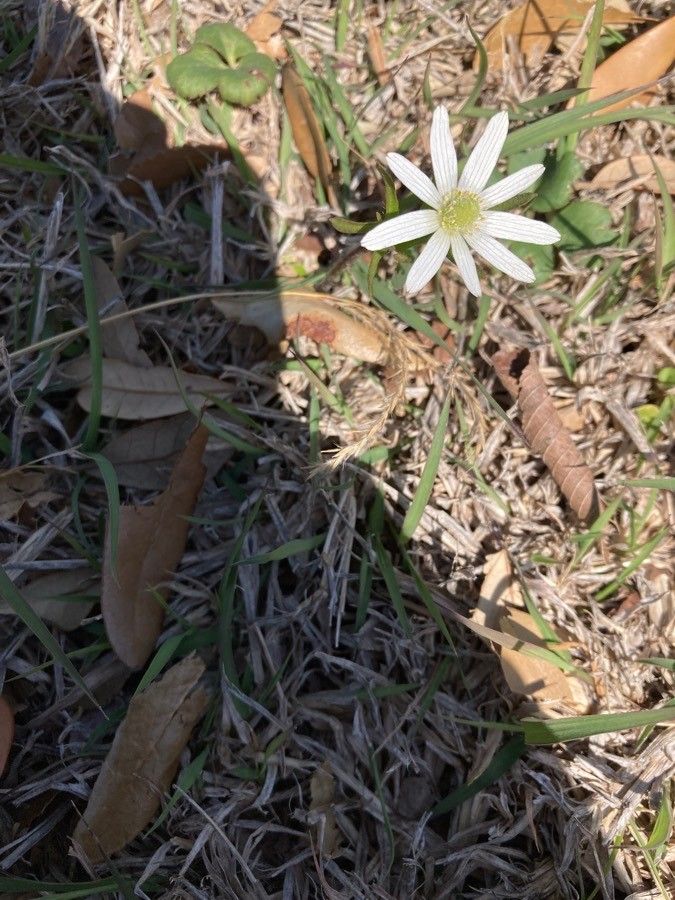
Anemone cylindrica is an upright growing, clump forming herbaceous flowering plant species in the buttercup family Ranunculaceae. Plants grow 30–100 centimetres (12–39 in) tall, flowering early summer but often found flowering till late summer, the flowers are greenish-white. After flowering, the fruits are produced in a dense rounded columned spikes 20–35 millimetres (0.79–1.38 in) long. When the fruits, called achenes, are ripe they have gray-white colored, densely woolly styles, that allow them to blow away in the wind. Anemone cylindrica is native to north central North America where it can be found growing in prairies, in dry open woods, along roadsides and in pastures.Anemone cylindrica is one of several plants known as thimbleweed.
The candle anemone has good resistance to disease and is generally unlikely to suffer from illnesses. Still, it can be affected by pests and diseases present in its environment. These infections are typically not severe. Regarding care, this plant requires moderate maintenance. It should be pruned regularly to preserve a tidy appearance and promote healthy growth. Fertilizing can also help encourage flowering. The candle anemone is suitable for anyone with outdoor space, such as a garden or patio, and does not demand extensive care experience. It may require more attention when grown indoors.
How to keep Anemone Cylindrica.
Light
The candle anemone does best with a balanced mix of sunlight and shade, and it can tolerate a fairly high level of light. It evolved in environments where sunlight intensity fluctuates. Insufficient light can cause weaker growth, while too much exposure may lead to damage.
Water
The candle anemone flourishes in areas with moderate rainfall. It typically needs watering every one to two weeks. As an herbaceous perennial, it requires less water during its dormant period in the colder months.
Temperature
The candle anemone originates from habitats where temperatures generally fall between 41 and 90 °F (5 to 32 ℃). It favors the milder, more temperate portion of that range. Care should be adjusted with seasonal temperature changes to maintain healthy growth.
Fertilizer
For Candle anemone, the primary time to fertilize is in early spring when the flowers are beginning to form. The appropriate fertilizer promotes better blooms and helps the Candle anemone produce attractive flowers. Fertilizing in early spring ensures excellent flowers during the season and supplies energy for dormant growth phases.
Pruning
Prune candle anemones from early to late spring to encourage growth and flowering. Remove any dead stems and trim excess growth to shape the plant, which will improve air circulation, enhance its appearance, and help prevent disease. Be sure to use clean, sharp tools to minimize stress on the plant and promote healthy regrowth.
Botanical profile.
- Plant Type
- Herb
- Life Cycle
- Perennial
- Genus
- Anemone
- Family
- Ranunculaceae
- Hardiness Zone
- 4-8
- Mature Height
- 30 cm to 61 cm
- Mature Spread
- 23 cm to 46 cm
- Leaf Color
- Green, Dark Green
- Leaf Type
- Deciduous
- Flower Color
- White, Yellow, Green
- Flower Size
- 2.54 cm
- Bloom Time
- Late spring, Early summer, Mid summer
- Planting Time
- Spring, Summer, Autumn
- Harvest Time
- Mid summer, Late summer, Early fall
Other names.
Reader questions.
What are the sunlight requirements for Candle anemone?
Candle anemone thrives best when it receives an optimum mix of sun and shadow. It requires partial sun, which amounts to about 3-6 hours of sunlight daily, or full sun, entailing more than 6 hours of sunlight each day. It's vital to observe the movements of sunlight through your garden to locate spots that offer a healthy balance of light and shade, ensuring the well-being of your Candle anemone.
What is the candle anemone and where is it native to?
The candle anemone, botanically known as Anemone cylindrica, is native to environments where temperatures typically range from 41 to 90 °F (5 to 32 °C). It thrives best in the more temperate end of this range. Being native to such varied temperature environments indicates that it is a versatile plant, able to adjust to a wide spectrum of climatic conditions.
How essential is the optimum sunlight for the growth of Candle anemone?
The Candle anemone necessitates an optimal combination of sunlight and shade for robust growth, having evolved in environments with varying light intensities. Insufficient light can lead to weaker growth, whereas excessive exposure may cause damage. Indoor Candle anemones can benefit from artificial lighting, especially when natural sunlight is scarce. LED lights are recommended for their ability to provide specific light wavelengths needed for the plant. Artificial lighting needs vary: 30-50W/sq ft for full sun plants, 20-30W/sq ft for partial sun plants, and 10-20W/sq ft for full shade plants. Proper distancing and duration of artificial light mimic natural sunlight conditions, with most plants requiring 8-12 hours of light daily.
How does the candle anemone handle cold temperatures?
The candle anemone has a strong resistance to cold temperatures, making special frost protection measures usually unnecessary during winter. However, if winter temperatures are anticipated to drop below -30°C, cold protection should be provided by covering the plant with soil or straw. To prevent drought and water scarcity for the plant during winter and early spring, it is recommended to water the plant abundantly before the first freeze in autumn, ensuring the soil remains moist and enters a frozen state.
What symptoms indicate a Candle anemone is receiving inadequate light?
Symptoms of inadequate light in Candle anemone include smaller new leaves, leggy or sparse growth resulting in a thin and stretched appearance, faster leaf drop as the plant conserves resources, slower or ceased growth, and lighter-colored or yellow leaves indicating a lack of chlorophyll. Excessive sunlight can lead to chlorosis, sunscald, leaf curling to reduce surface area exposure, wilting due to increased water loss, and leaf scorching, evidenced by brown, dry edges on leaves.
What symptoms indicate that the candle anemone is experiencing low temperatures?
When experiencing low temperatures, particularly if it dips below -30°C, the candle anemone remains cold-tolerant, showing no notable changes immediately during winter. However, there may be a decrease in sprouting, or in some cases, the plant may not sprout at all come springtime. It is important to monitor these signs as they suggest the plant's struggle with the extreme cold.
How can I address light-related issues for my Candle anemone?
To address light-related issues in Candle anemone, gradually acclimate the plant to increasing amounts of sunlight by moving it to sunnier locations each week until it receives 3-6 hours of direct sunlight daily. For large or non-movable plants, consider using artificial lighting, such as desk, ceiling, or professional grow lights, for at least 8 hours daily. Outdoors, avoid sudden changes in sunlight exposure to prevent sunburn. If sunlight is blocked, prune obstructing branches or relocate smaller plants to sunnier areas during their dormant period, ensuring they receive sufficient sunlight and good drainage.
What symptoms indicate that the candle anemone is experiencing high temperatures?
Symptoms indicating that the candle anemone is experiencing high temperatures, specifically above 32°C, include leaves becoming lighter in color, prone to curling, susceptibility to sunburn, and in severe cases, wilting and drying out of the entire plant. These signs demonstrate the plant's distress under excessive heat.
What are the solutions for dealing with low temperature effects on the candle anemone?
To address the effects of low temperatures on the candle anemone, particularly if parts of the plant have failed to sprout in spring, the solution involves removing those unsprouted parts. This action helps the plant to recover and focus its energy on the growth of healthy parts.
What are the solutions for dealing with high temperature effects on the candle anemone?
To mitigate the effects of high temperatures on the candle anemone, it is advisable to trim away sunburned and dried-up parts of the plant. Moving the plant to a location that offers shade from the midday and afternoon sun, or using a shade cloth to provide shade, can be beneficial. Additionally, watering the plant in the morning and evening to keep the soil moist is crucial for its well-being under high-temperature conditions.