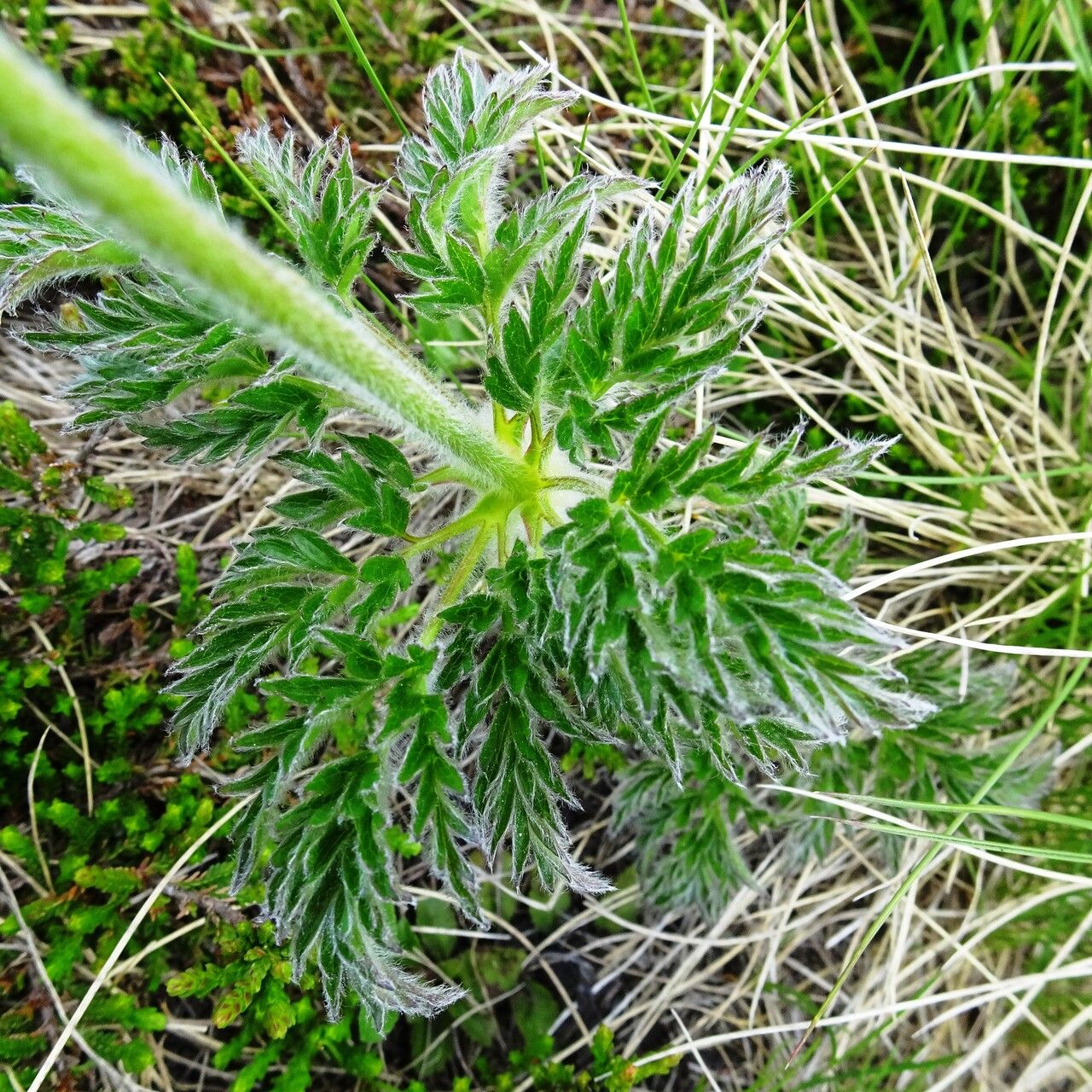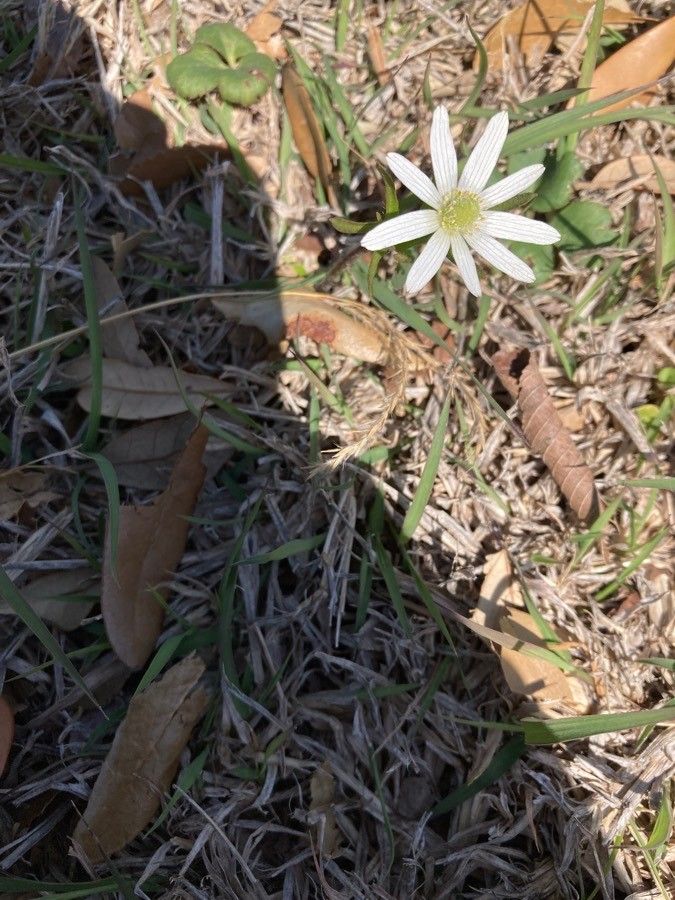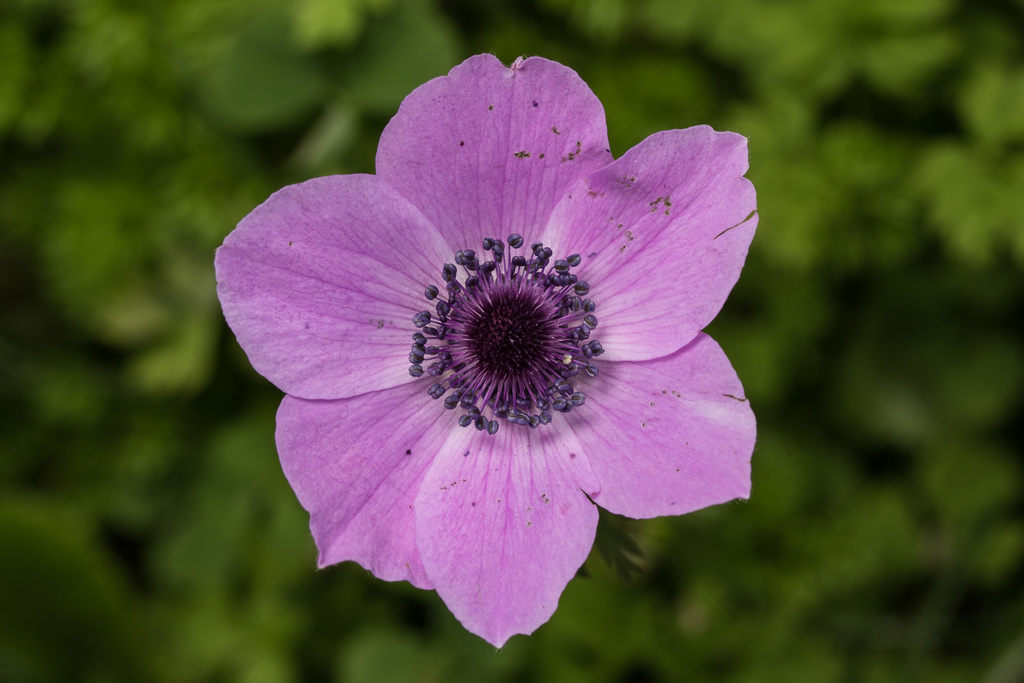
Anemone coronaria, commonly known as the poppy anemone or windflower, is a herbaceous perennial plant belonging to the Ranunculaceae family. Native to the Mediterranean region, it thrives in a variety of habitats, including meadows, rocky slopes, and woodland edges. Typically reaching a height of 30-40 cm, Anemone coronaria produces striking flowers in a range of colors such as red, pink, purple, blue, and white. These flowers are distinguished by their black centers, surrounded by brightly colored petals that are both delicate and long-lasting. The plant prefers well-drained soil with moderate moisture levels and flourishes best in full sun or partial shade. It can be propagated through seeds or by dividing its rhizomes during its dormant period. Cultivated for centuries for its ornamental value, the poppy anemone is popular among gardeners worldwide due to its captivating blooms. Beyond its aesthetic appeal, it has medicinal uses as well; its anti-inflammatory properties have been employed to treat headaches and respiratory ailments. Overall, Anemone coronaria is an attractive perennial that not only adds color and charm to any garden setting but also offers medicinal benefits, making it a favored choice among gardeners globally.
The poppy anemone is a stunning plant known for its beautiful, petal-like perianth surrounding a dark, poppy-like center. Its botanical name, Anemone coronaria, translates to "crown anemone," highlighting the flower's central crown and its regal qualities. This resemblance to the poppy is why it is commonly referred to as the poppy anemone.
Poppy anemone is fairly resistant to disease and is generally not prone to problems. That said, it can be affected by pests and diseases present in its environment. These outbreaks are typically not serious. As for care, this plant requires moderate maintenance. It should be pruned regularly to keep a tidy appearance and healthy growth. Fertilizing can also help encourage flowering. Poppy anemone is appropriate for anyone with outdoor space, such as a garden or patio, and does not require extensive care experience. It may need more attention when grown indoors.
How to keep Anemone Coronaria.
Light
The poppy anemone does best when it receives plenty of sunlight during the day, though it can tolerate some shade. Native to sunny environments, a lack of light can hinder its growth, while too much exposure may cause leaf burn or discoloration.
Water
The poppy anemone thrives in Mediterranean climates and prefers well-drained soil with moderate moisture. To keep the plant healthy, it's essential to water it weekly. This herbaceous perennial is usually grown outdoors and relies on natural rainfall patterns to support its growth cycle.
Temperature
The poppy anemone does best in conditions similar to its native habitat and prefers temperatures from 68 to 95 °F (20 to 35 ℃). Adjust temperatures within this range according to the season, taking care to do so for optimal health.
Fertilizer
For Poppy anemone, the primary time to fertilize is in early spring when the flowers are forming. Using the right fertilizer promotes better blooms and helps Poppy anemone produce attractive flowers. Fertilizing in early spring ensures excellent flowering during the season and supplies energy for dormant growth phases.
Pruning
The poppy anemone is known for its vibrant blooms and delicate foliage. To keep the plant healthy, lightly prune it from early to late spring by removing wilted flowers and any damaged leaves. This gentle maintenance can improve the plant's health and promote more abundant flowering. Be sure to use clean tools to prevent the spread of disease, and avoid heavy pruning.
Pot & Repot
To ensure optimal growth, repot your poppy anemone every two years in early spring. Choose a moderately sized pot with good drainage. After repotting, place the plant in indirect light and maintain consistent moisture, being careful not to over-water. With this care, your poppy anemone will produce vibrant blooms.
Botanical profile.
- Plant Type
- Herb
- Life Cycle
- Perennial, Annual
- Genus
- Anemone
- Family
- Ranunculaceae
- Hardiness Zone
- 7-9
- Mature Height
- 25 cm to 40 cm
- Mature Spread
- 15 cm to 23 cm
- Leaf Color
- Green
- Leaf Type
- Deciduous
- Flower Color
- Red, Purple, White
- Flower Size
- 3.05 cm to 7.62 cm
- Bloom Time
- Spring
- Planting Time
- Spring
- Harvest Time
- Late spring, Early summer, Mid summer
- Native Area
- Libya, Egypt, Tunisia, Turkey, Montenegro, Cyprus, Greece, Croatia, Lebanon, Iraq, Syria, Italy, Spain, Iran, Algeria, France
Other names.
Reader questions.
How should I water my Poppy anemone plant?
To properly water the Poppy anemone, it's best to use filtered water at room temperature. Tap water may contain harmful particles, so filtered water is preferred. The ideal temperature helps mimic the warm environment the anemone comes from and prevents any shock. It's important to avoid overhead watering as it can lead to problems with the foliage. Instead, just pour the filtered room temperature water onto the soil until it is completely soaked. Soaking the soil is beneficial for the plant as it keeps the roots moist and allows them to spread and absorb necessary nutrients.
Why should I put fertilizer on my Poppy anemone?
Fertilizing a Poppy anemone is important for several reasons. Firstly, it helps the plant produce beautiful blooms. To achieve this, it is recommended to fertilize in early spring for optimal flower quality. Secondly, fertilizer provides the plant with extra energy during its dormant phases, which can be stored in the ground. By giving the Poppy anemone additional nutrients during fall planting or late spring, it will have more energy to utilize when active growth resumes.
What are the sunlight requirements for a poppy anemone?
The poppy anemone, known botanically as Anemone coronaria, requires a generous amount of sunlight throughout the day for optimal growth. It thrives best in full sunlight, which means it should receive more than 6 hours of sunlight daily. However, it can also tolerate partial sun, needing about 3-6 hours of sunlight. It's essential to observe how sunlight moves through your garden to identify the best spots that offer a balance of light and shade, ensuring the plants' health and happiness.
What temperature is best for Poppy anemone?
The ideal temperature for Poppy anemone depends on the time of year. There are two main seasons to consider: the growing season and the dormancy season. During the growing season, when the plant is sprouting, the best temperature range is between 65-80℉ (18-27℃). If it gets colder than 15℉ (-10℃), the leaves may brown and wilt, but with assistance, the plant could still survive a brief cold snap. In the warmer parts of the year, the Poppy anemone needs protection from excessively high temperatures. The recommended upper limit is 95-105℉ (35-40℃). Anything above that can harm the foliage and blooms, causing wilting, drooping, and sunburn that is difficult for the plant to recover from. Fortunately, there are several easy ways to address this issue.
What should I do if I give my Poppy anemone too much water or too little water?
Overwatering and underwatering can both harm your Poppy anemone, but overwatering is more common and problematic. When this species gets too much water, its stems and leaves may wilt and turn yellow. Overwatering for a long time can also lead to diseases like root rot, mold, and mildew, which can be fatal for your plant. Underwatering is less likely for the Poppy anemone as it can tolerate drought to some extent. However, underwatering is still possible and can cause the leaves to become brittle and brown. It's important to identify signs of overwatering early when caring for your Poppy anemone. Some diseases resulting from overwatering, like root rot, may be irreversible if you wait too long. If you notice early signs of overwatering, reduce your watering schedule immediately. You should also check the soil quality in which your plant grows. If the soil drains poorly, replace it with a loose and well-draining potting mix. On the other hand, if you observe signs of underwatering, simply water more regularly until those signs disappear.
When should I put fertilizer on my Poppy anemone?
Fertilizing a Poppy anemone is recommended in a few specific times for optimal results. The first is in early spring when the flowers are forming, as the right fertilizer can enhance the quality of the blooms. Additionally, you can fertilize the Poppy anemone later in spring after the flowers have faded, which will provide it with energy for the following year. If you are planting a Poppy anemone for the first time in the fall, it is also beneficial to apply fertilizer during the planting process. This will give the plant the best opportunity to produce healthy flowers in its initial growing season.
How does insufficient or excessive sunlight affect the poppy anemone?
Insufficient sunlight can stunt the growth of poppy anemones, potentially causing symptoms such as smaller leaves, leggy or sparse growth, faster leaf drop, slower or no new growth, and lighter-colored new leaves. Excessive sunlight, on the other hand, can lead to issues like chlorosis (leaves turning yellow due to a breakdown of chlorophyll), sunscald, leaf curling, wilting, and leaf scorching. These conditions reflect the plant's struggle to adapt to its lighting environment, impacting its overall health.
What temperature does a Poppy Anemone need during its first year or as a seedling?
If you have a new Poppy anemone plant outside in its first year, it might need extra care in the coldest months. Frost can damage the plant and prevent it from growing back well in the spring. To keep it healthy, you can either bring it inside or protect it with mulch or fabric barriers. Also, during the first year or two, it's best to plant the Poppy anemone in a shadier spot. Smaller and weaker plants struggle with staying cool in the heat, so they shouldn't get more than five hours of direct sunlight per day if it's above 80℉. Using shadecloth and providing regular watering or misting will help control the summer heat.
How often should I give water to my Poppy anemone?
If your Poppy anemone is in a pot, the most precise way to determine if it needs water is to check the soil by inserting your finger into it. If the top two to three inches of soil are dry, it's time to give it some water. For outdoor Poppy anemones planted in the ground, you can use a similar method. Once you find that the top few inches of soil have dried out, it's time to water. Typically, during spring and early fall, you'll need to water this plant about once a week using this method. However, during extremely hot weather, you may need to water it twice or even more per week. Nonetheless, mature and well-established Poppy anemones have shown impressive tolerance for drought.
When is it not a good time to fertilize my Poppy anemone?
To properly fertilize a Poppy anemone, you should do so in three specific times: during the fall planting process, during the early spring bloom period, and during the late spring after the bloom period. It's important to note that fertilizer is not necessary and can be harmful during any other time of the year. When taking care of a Poppy anemone, keep in mind that it has a significant dormant phase. During this phase, the plant requires less water and does not need any fertilizer. The dormant phase occurs during winter, as expected, but it also happens during the summer. After the flowers fade, the leaves will stick around momentarily before wilting away. Once the leaves are gone, the plant is back to its dormant phase, and there is no need to fertilize it.
What are some indoor lighting tips for growing poppy anemones?
For indoor poppy anemones, when natural sunlight is insufficient, artificial lighting can be a beneficial supplement. LED lights are a good choice because they can be tailored to provide specific wavelengths needed by plants. For full sun plants, 30-50W/sq ft of artificial light is recommended, for partial sun plants, 20-30W/sq ft, and for full shade plants, 10-20W/sq ft. The light source should be placed 12-36 inches above the plant, and to mimic natural conditions, most plants need 8-12 hours of light per day.
How do I keep Poppy anemone safe from very hot or very cold weather?
Here are some steps you can take to protect Poppy anemone from cold damage during the growing season if temperatures drop below 15℉ (-10℃): 1. If you're growing Poppy anemone in a container, bring it indoors and place it in a location with bright, indirect light until temperatures rise above the lower threshold again. 2. If your Poppy anemone is planted in the ground, use mulch or horticultural fabric to create a protective barrier around the plant. This will help insulate it and shield it from frost and cold wind. For hot temperatures exceeding 80℉ (27℃) in the shade during the day, consider the following precautions: 1. Limit the amount of sunlight exposure for your Poppy anemone to six hours or less per day, preferably in the morning hours. 2. Use shade cloth or fine plastic mesh to reduce direct sunlight during the hottest parts of the day. 3. Install a misting system that can release cooling mist around the base of the plant throughout the day. This will help lower ground temperatures and keep the plant refreshed.