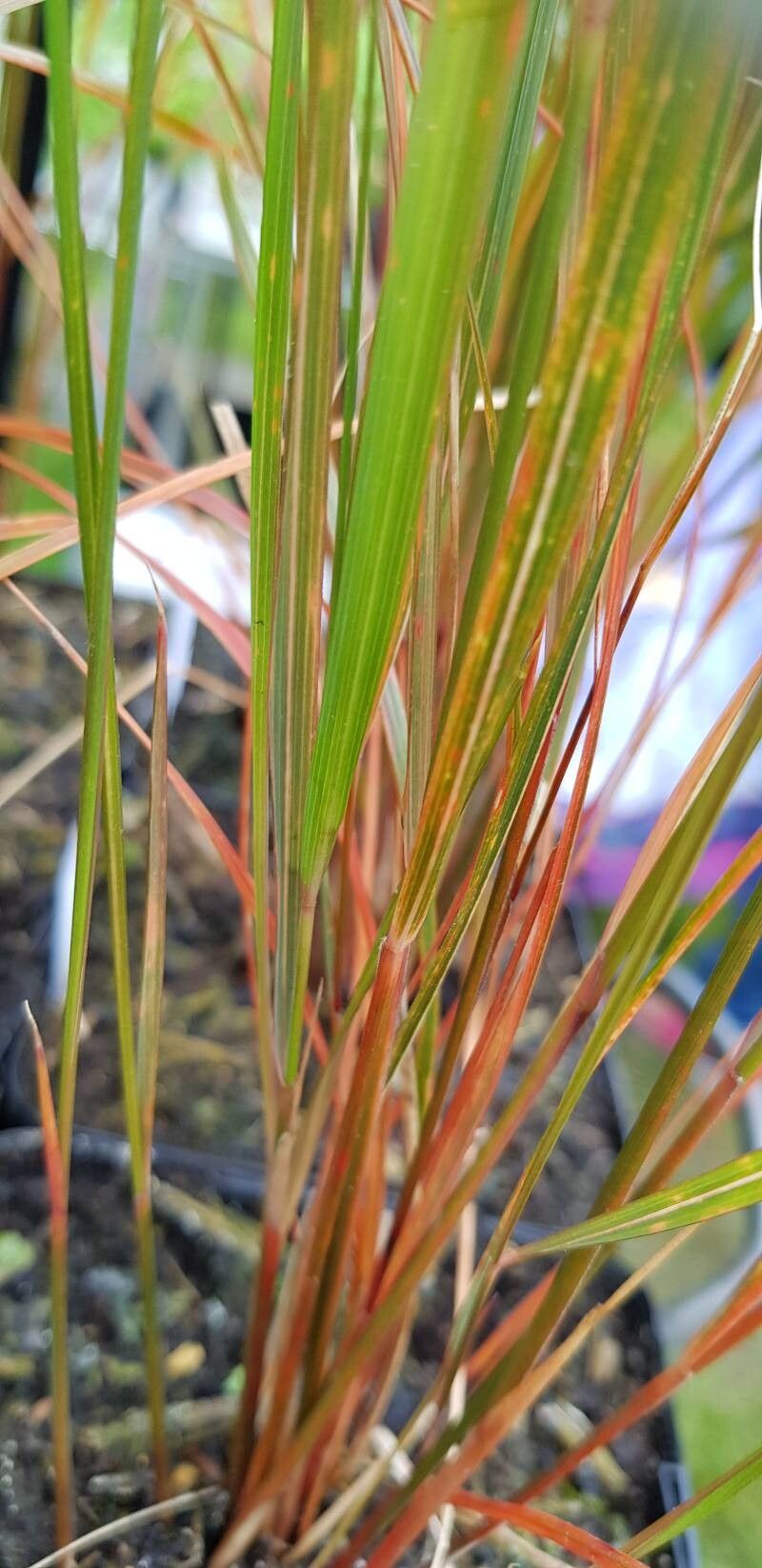
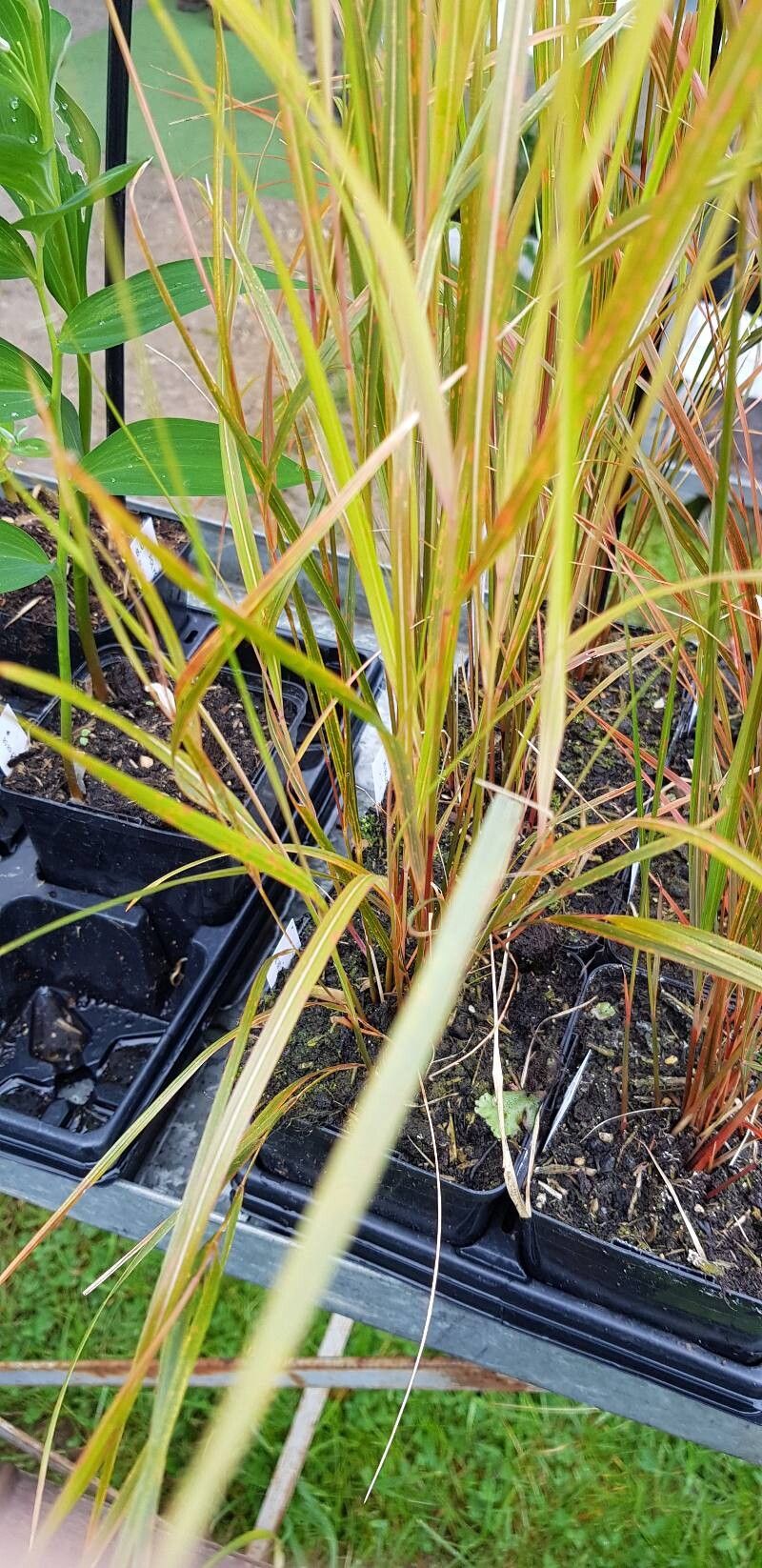
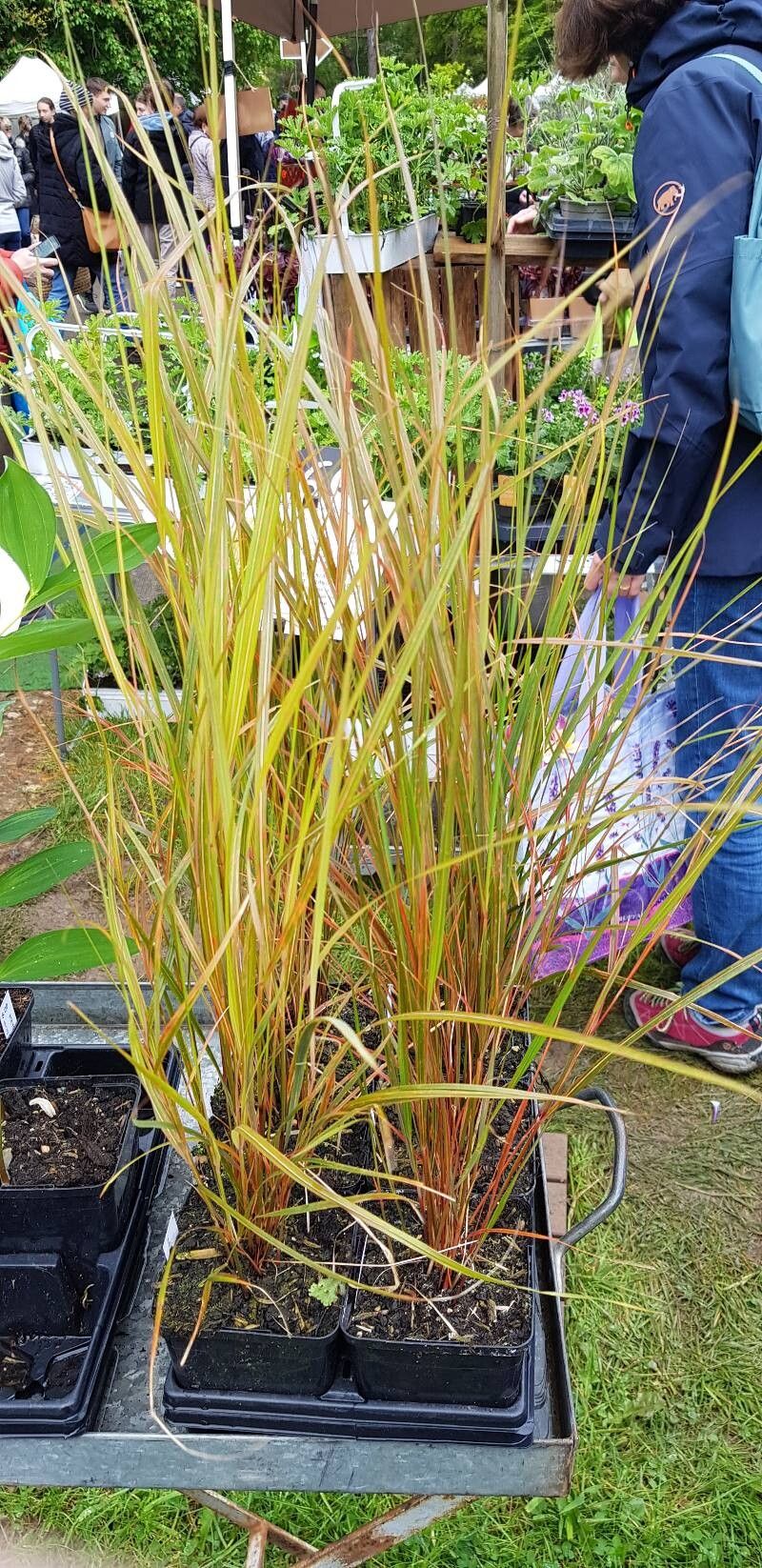
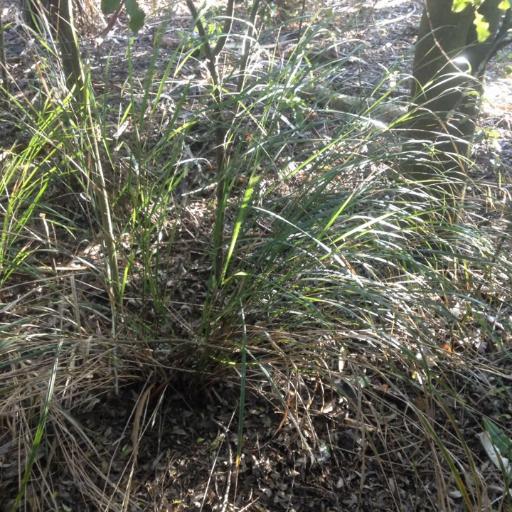
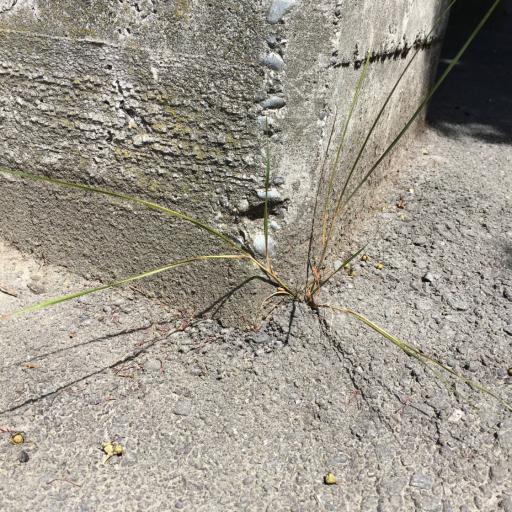
Anemanthele is a genus of plants in the grass family native to New Zealand. The only known species is Anemanthele lessoniana, often called gossamer grass or New Zealand wind grass or pheasant's tail grass. This is a naturally rare grass in the wild but it is widely cultivated for use as an attractive ornamental garden plant. It is marginal in zone 8, going dormant and deciduous in cold winters, but usually evergreen to semi-evergreen. It has green arching foliage to 3 feet in USDA 8, with highlights of orange, copper, and gold, especially in drier soils. This plant has gained the Royal Horticultural Society's Award of Garden Merit.
Pheasant's tail grass is resistant to disease and typically not susceptible to illnesses. As for care, this plant is fairly low maintenance. When grown outdoors it needs only light watering, and larger specimens usually don't require pruning. Smaller plants, however, should be pruned after they finish blooming. Pheasant's tail grass is appropriate for anyone with an outdoor area, such as a garden or a deck, and does not require much prior gardening experience.
How to keep Anemanthele Lessoniana.
Light
Pheasant's tail grass does best when it receives full-spectrum sunlight all day. However, it can tolerate shaded conditions for part of the day. Having originated in exposed growing environments, it is well adapted to absorb abundant sun. Both too much and too little sunlight can impair its health and growth, causing bleached leaves or sparse, weak growth, respectively.
Water
Pheasant's tail grass, native to the grasslands of New Zealand, thrives in moderate humidity and shows excellent drought tolerance. Water it every two weeks, adjusting the frequency depending on the dryness of the environment. When grown indoors, pheasant's tail grass enhances spaces and benefits from occasional misting to maintain humidity, particularly in dry conditions.
Temperature
Pheasant's tail grass is native to temperate regions, coming from habitats where temperatures usually range from 59 to 95°F (15 to 35℃). It does well in these conditions and may require adjustments during periods of extreme heat or cold.
Fertilizer
Pheasant's tail grass needs extra nutrients to encourage healthy new growth. In spring, applying compost around the plant's base can effectively supply the nourishment it requires. Feeding the plant supports robust growth and helps it withstand diseases and pests.
Pruning
Pheasant's tail grass features gracefully arching, coppery-bronze leaves. To maintain its health and appearance, prune it in early spring. Trim the previous year's growth down to 2–3 inches above the base and remove any dead leaves. This process revitalizes the plant, encourages denser foliage, controls growth size, and enhances its ornamental beauty. Be sure to use sharp, clean shears to minimize stress on the plant and reduce the risk of disease.
Pot & Repot
When repotting Pheasant's tail grass, select a pot 1-2 inches (2.5–5.1 cm) larger with good drainage. Use a well-draining potting mix. Repot in spring or fall, making sure the root ball is slightly lower than the rim of the flower pot. Water thoroughly after repotting and place in a warm spot with indirect sunlight.
Botanical profile.
- Plant Type
- Grass
- Life Cycle
- Perennial
- Genus
- Anemanthele
- Family
- Poaceae
- Hardiness Zone
- 8-10
- Mature Height
- 91 cm
- Mature Spread
- 1.52 m
- Leaf Color
- Green, Red, Orange
- Leaf Type
- Semi-evergreen
- Flower Color
- Red, Brown
- Bloom Time
- Early summer, Mid summer
- Planting Time
- Spring, Autumn
- Harvest Time
- Late summer, Early fall
- Native Area
- New Zealand
Other names.