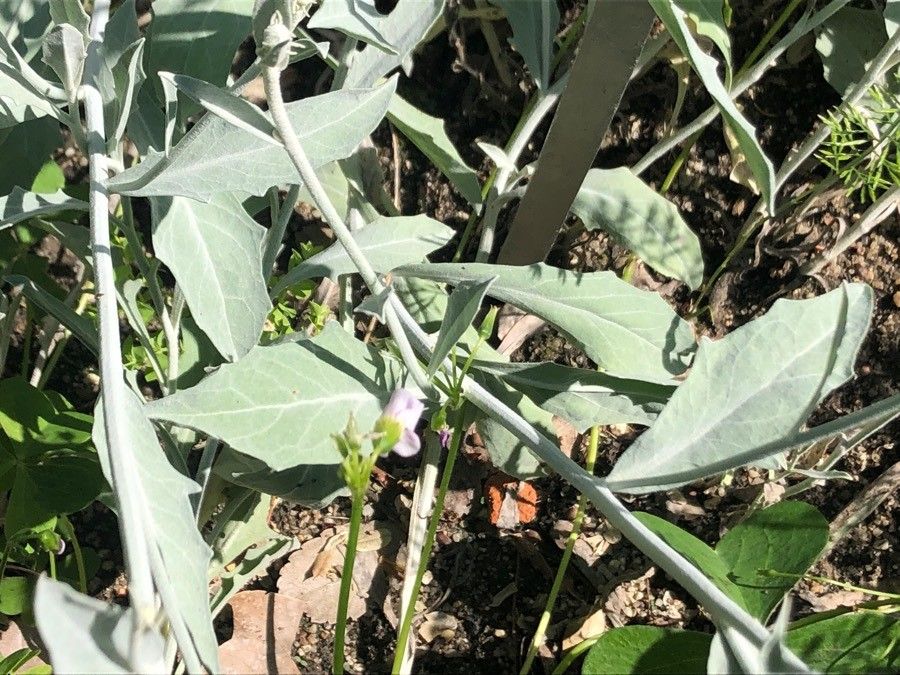
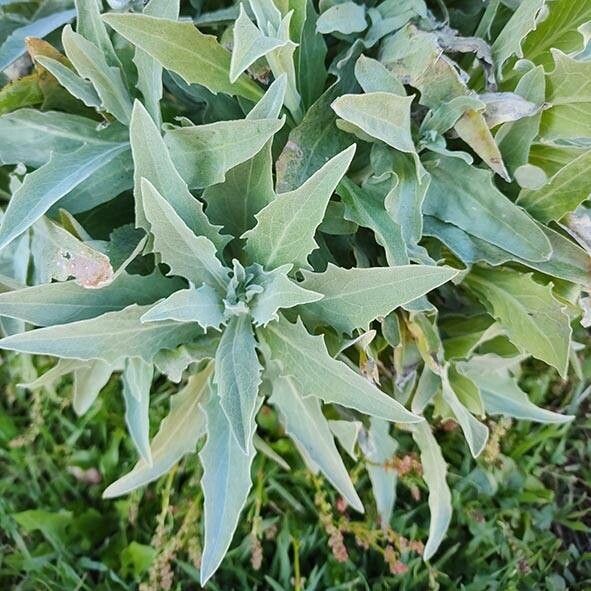
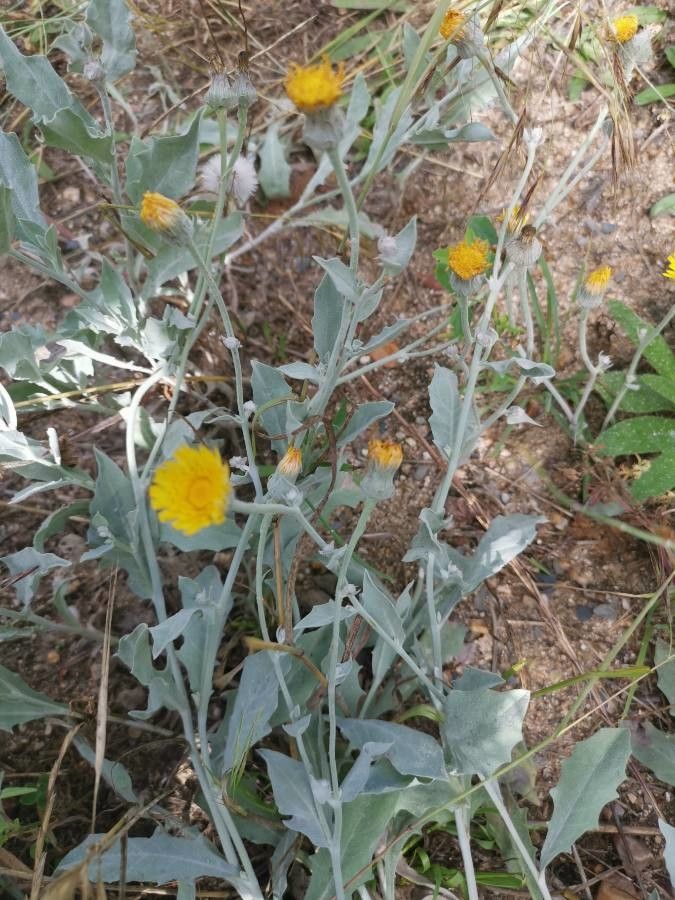
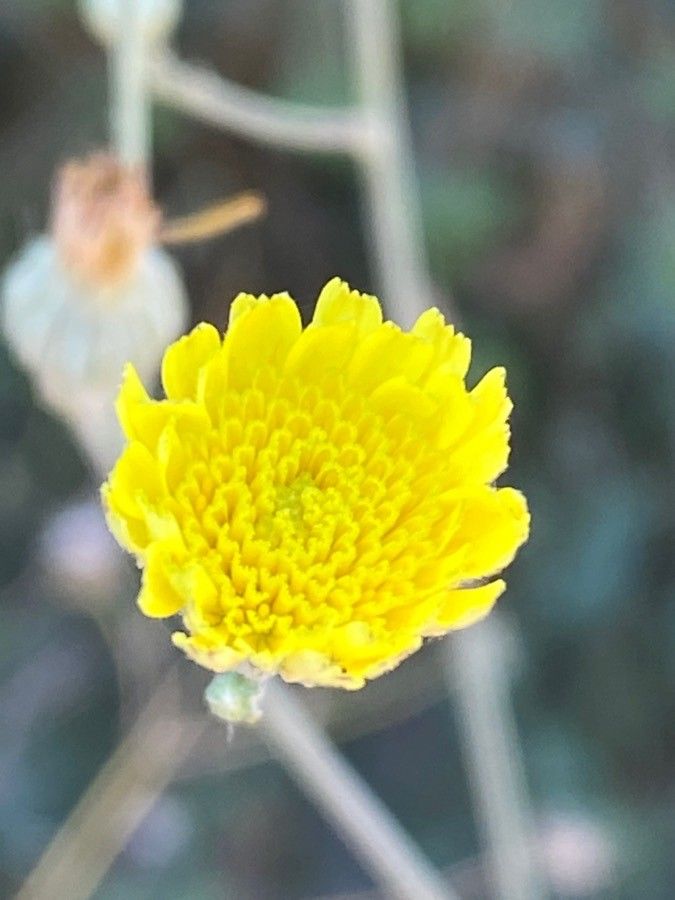
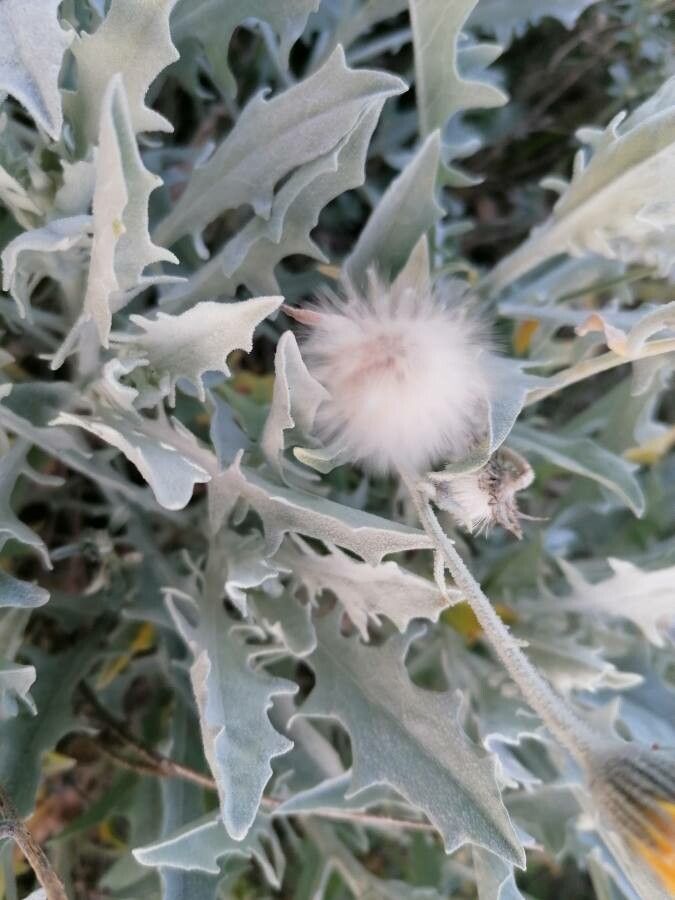
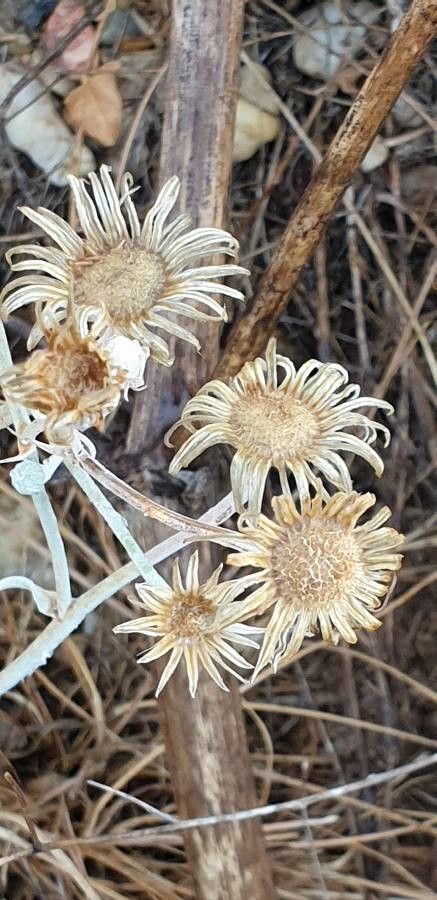
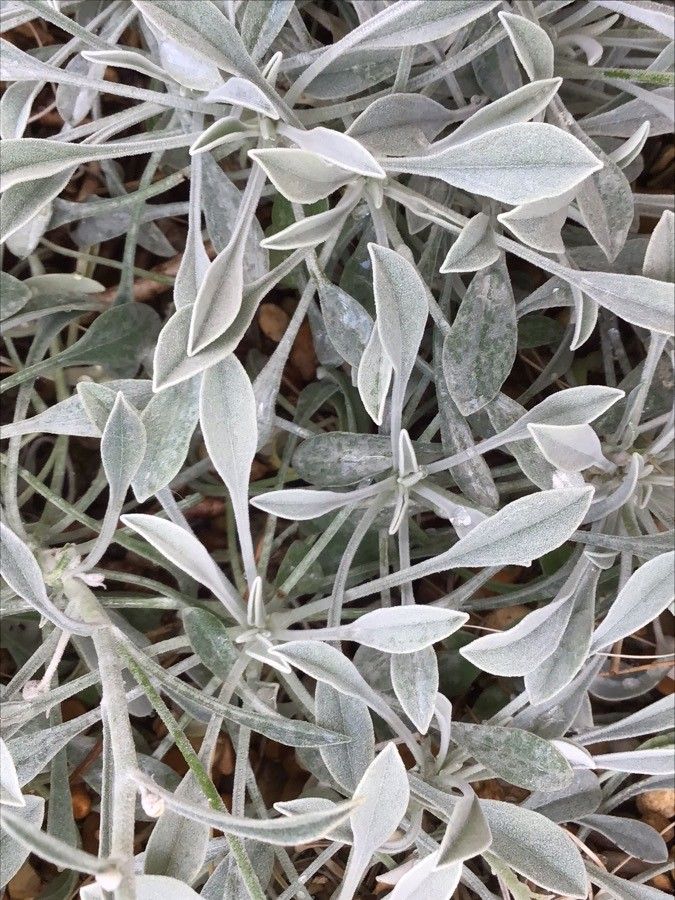
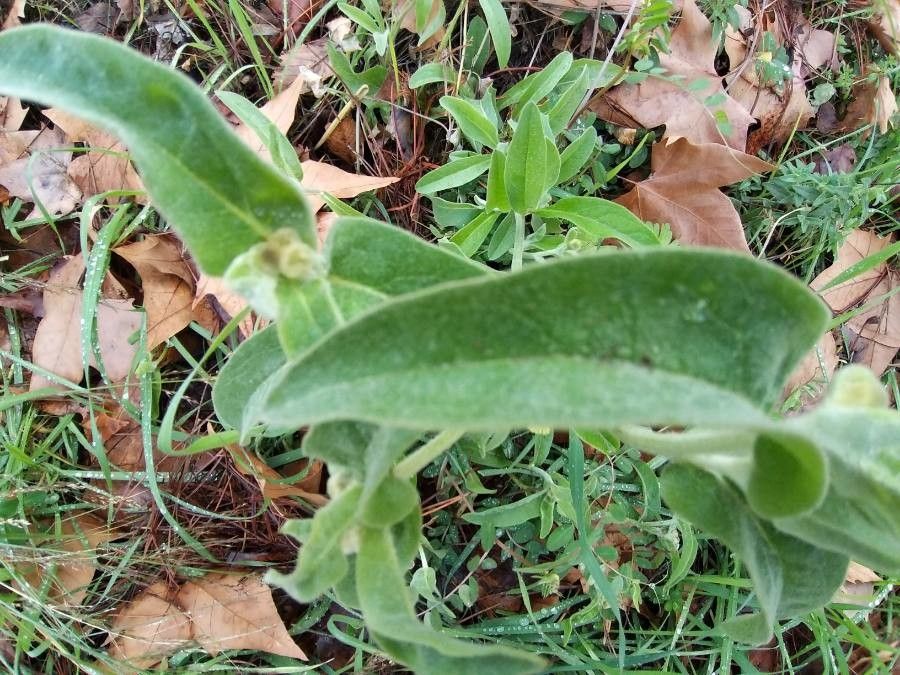
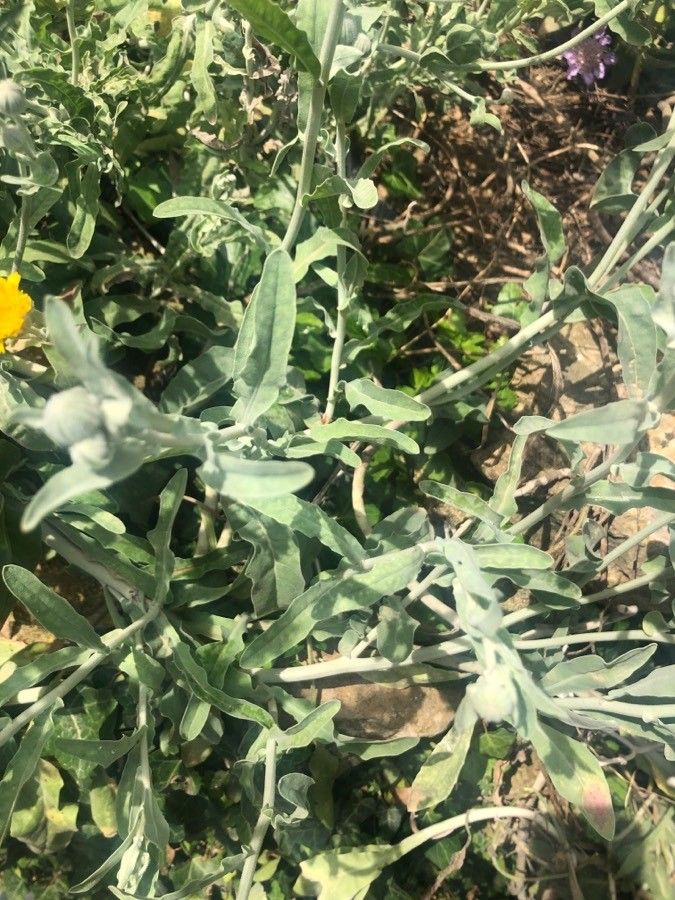
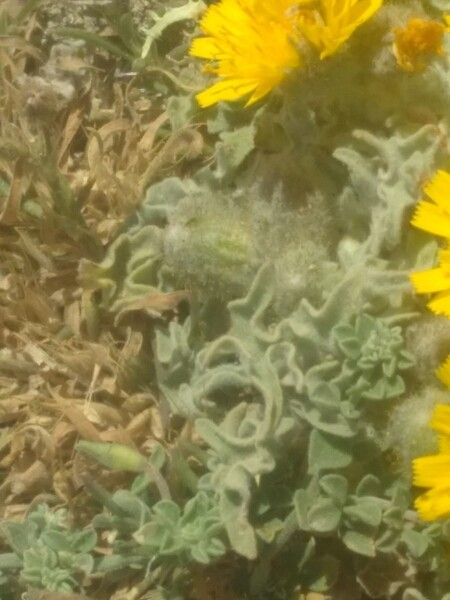
Ajonje is fairly disease-resistant and usually does not develop illnesses. However, it can be vulnerable to pests and diseases present in its environment. Such infections are typically not serious. Regarding care, this plant needs moderate maintenance. Regular pruning is necessary to maintain a good appearance and healthy growth. Applying fertilizer can also encourage flowering. Ajonje is suitable for anyone with an outdoor area, such as a garden or patio, and does not demand extensive plant-care experience. It may need more attention when grown indoors.
How to keep Andryala Ragusina.
Light
Ajonje comes from bright, open environments where it flourishes in full sun. It can tolerate partial sun but prefers direct sunlight for optimal growth. This plant, which can be annual or biennial, is known for its sun-loving nature.
Water
Ajonje, native to a Mediterranean climate, demonstrates moderate drought tolerance but flourishes with regular weekly watering. It prefers full sun and adjusts well to seasonal rainfall, aligning its growth cycles with the wet winters and dry summers. This adaptation ensures its resilience and vitality in cultivation.
Fertilizer
Ajonje are considered heavy feeders in regard to nutrients. They need frequent, low doses of nitrogen and potassium fertilizers and periodic applications of phosphorus, micronutrients, sulfur, and magnesium to maintain good growth and bright coloration. Continuous fertilization throughout the growing season prevents deficiency symptoms and maintains optimal growth.
Pruning
To keep ajonje healthy and looking its best, it should be pruned from early to late spring. The main techniques include removing dead branches, thinning out crowded areas, and shaping the plant to control its size. Pruning enhances air circulation, encourages new growth, and helps prevent pests, ensuring that the plant remains strong and attractive.
Botanical profile.
- Plant Type
- Herb
- Life Cycle
- Biennial
- Genus
- Andryala
- Family
- Asteraceae
- Leaf Type
- Semi-evergreen
Other names.