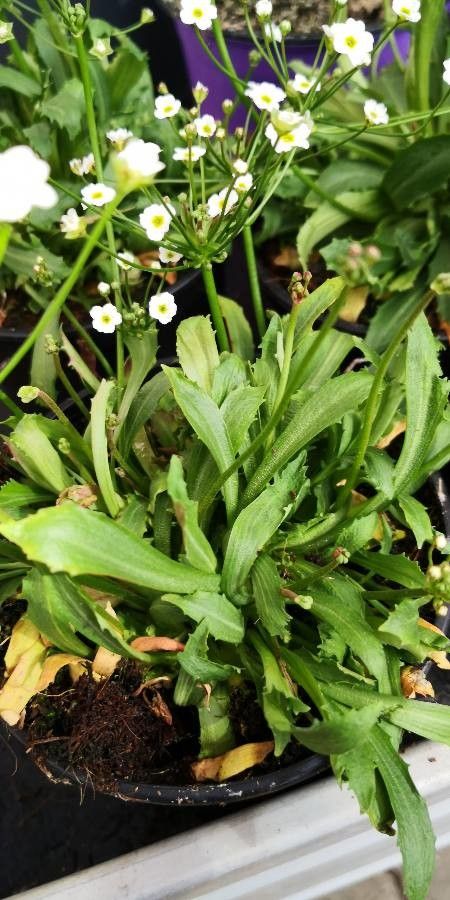
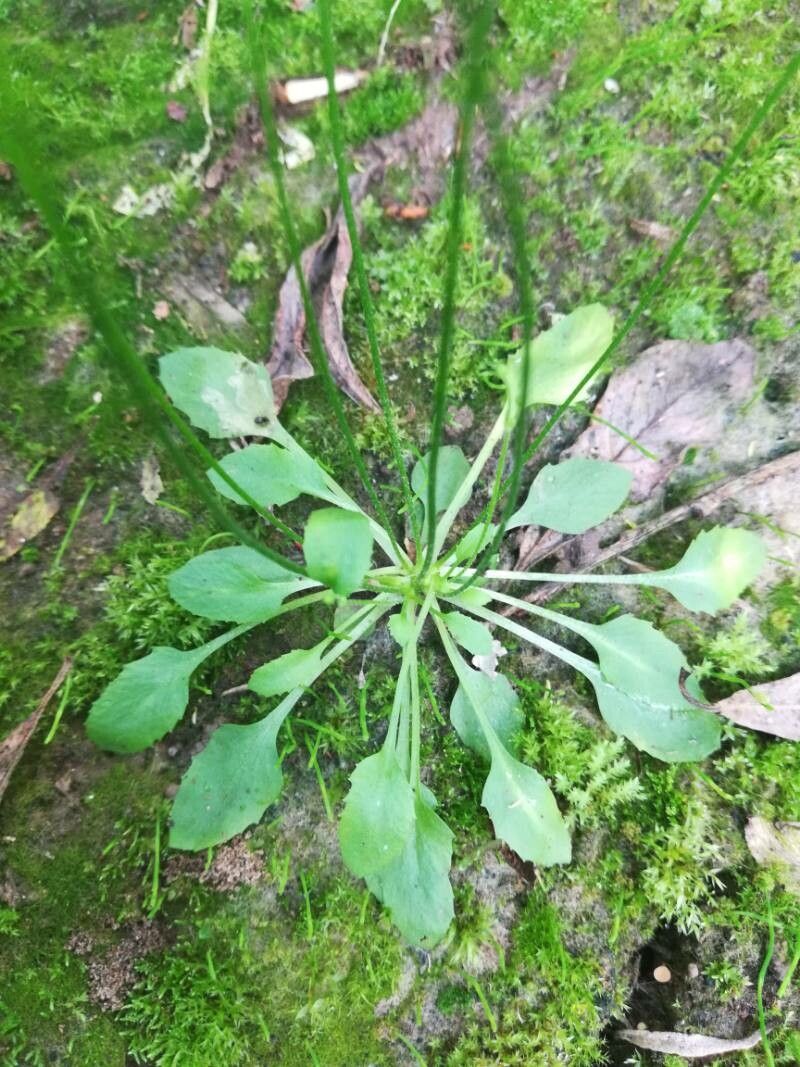
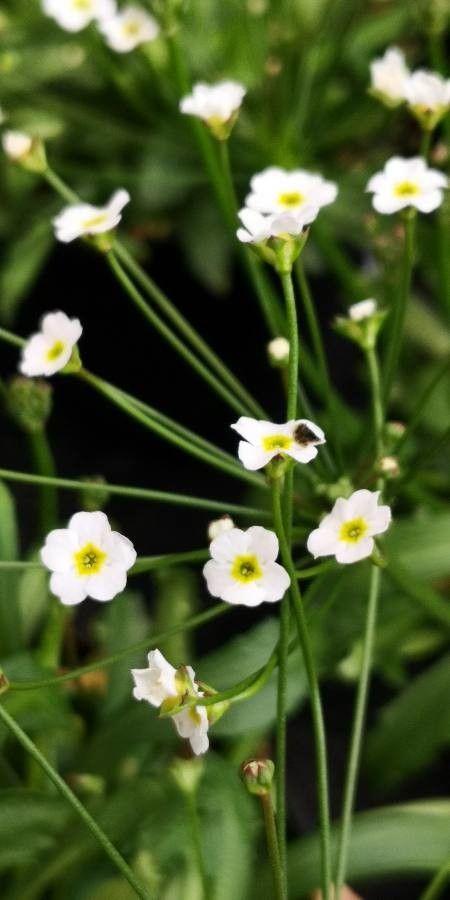
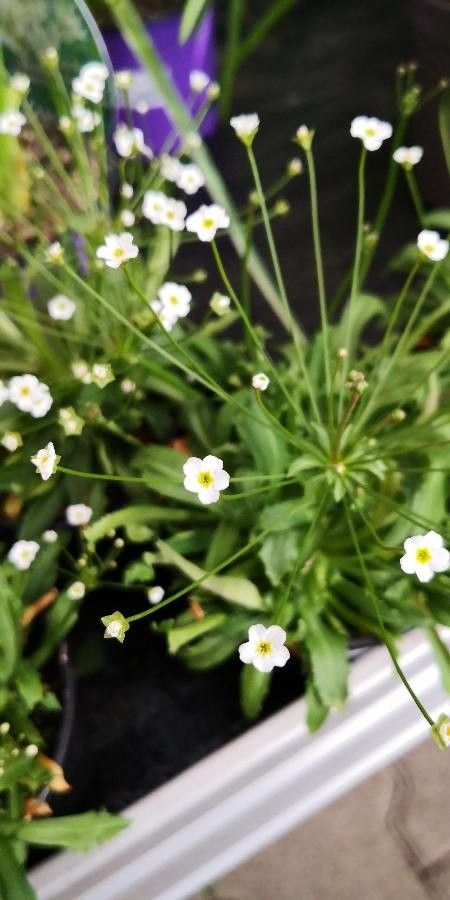
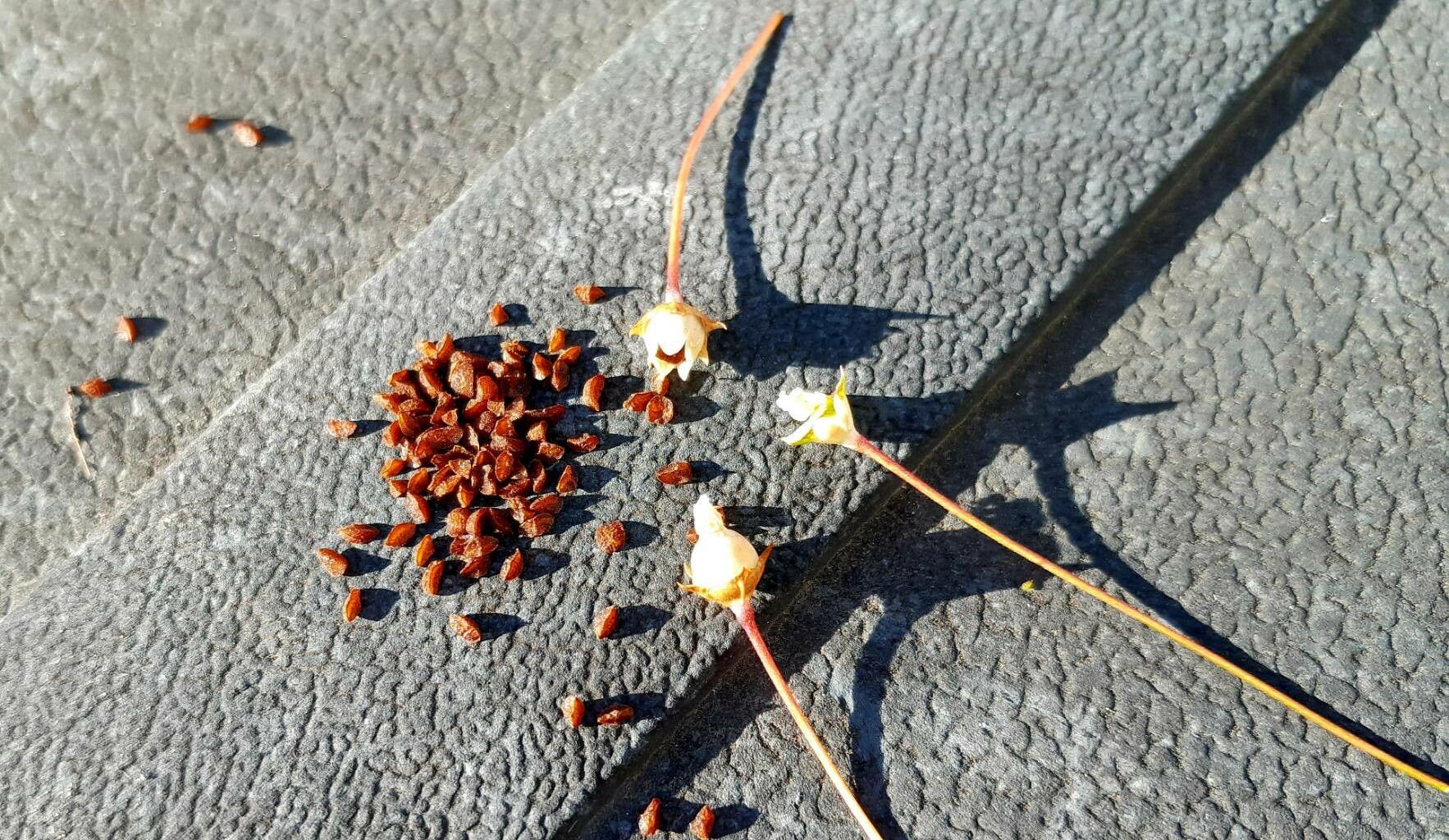
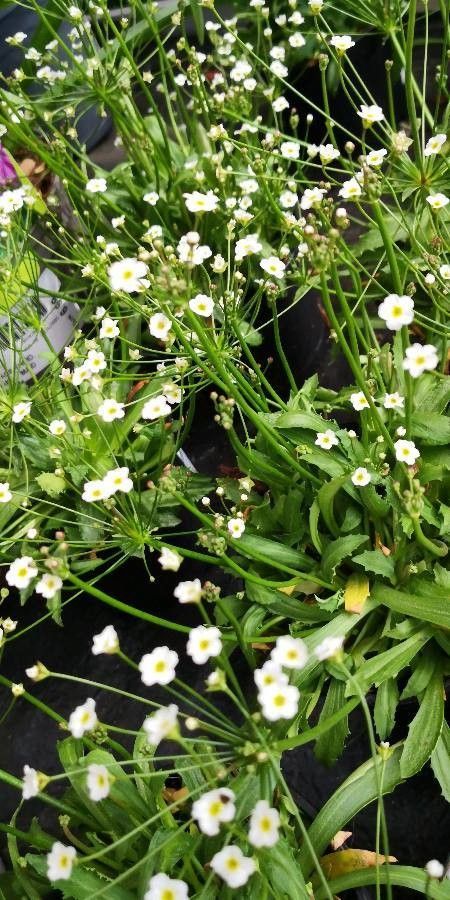
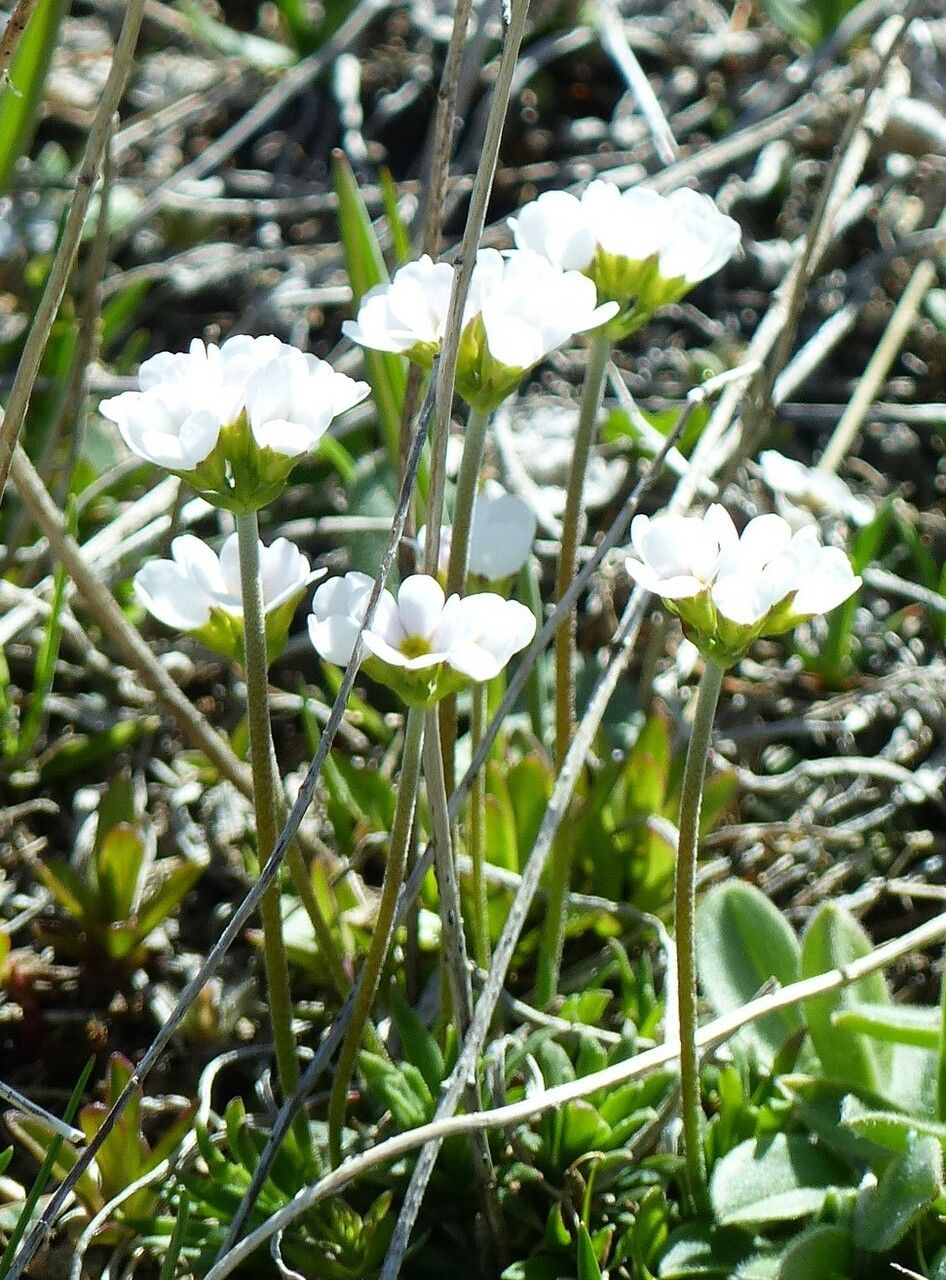
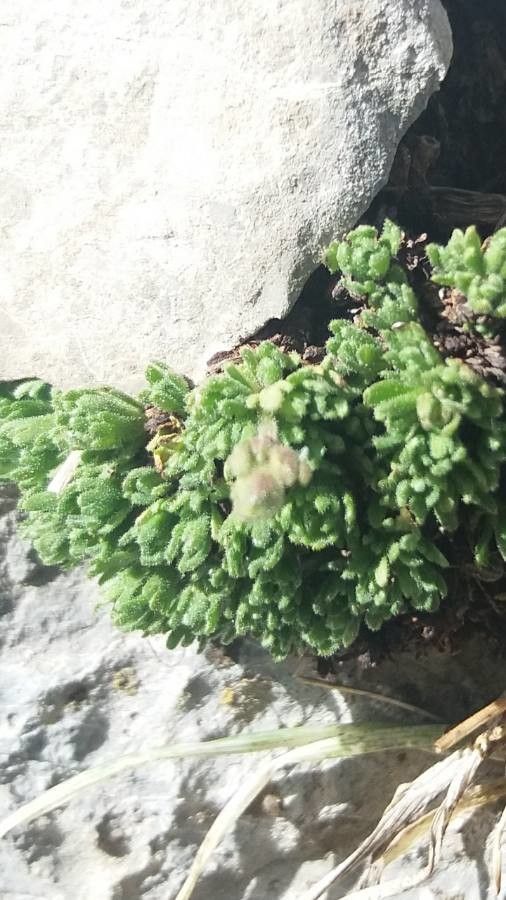
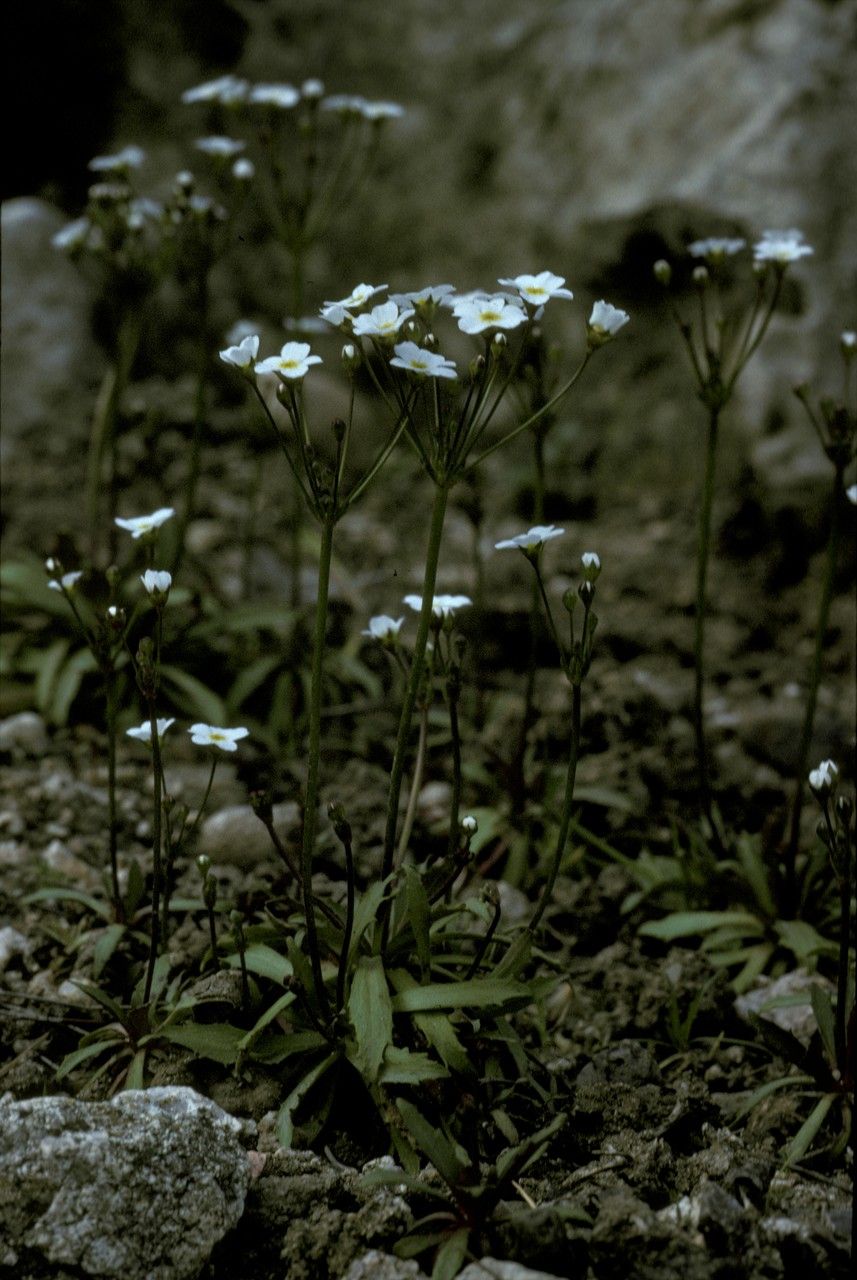
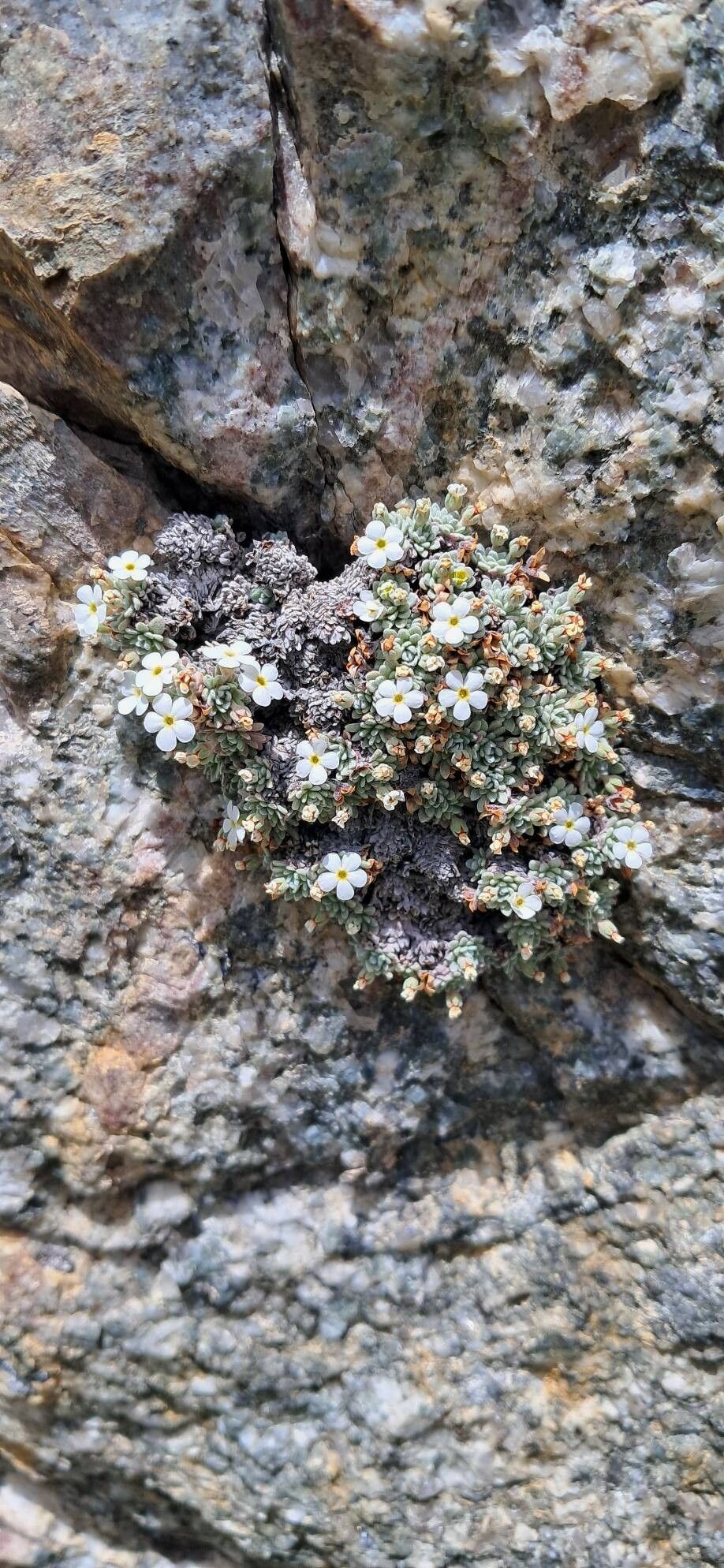
Androsace septentrionalis, commonly known as Northern rock jasmine, is a small perennial plant in the Primulaceae family. Native to the mountainous regions of Europe and Asia, it thrives in rocky crevices, alpine meadows, and cliffs. The plant features a compact rosette of small, hairy, dark green leaves. Its flowers, which bloom from late spring to early summer, are pink or white with five star-shaped petals. They appear on short stems just above the foliage.
Northern rock jasmine is ideal for rock or alpine gardens, as it flourishes in well-drained soil with full sun exposure. It requires moderate watering during the growing season but should be kept dry during its winter dormancy.
For centuries, traditional healers have used Androsace septentrionalis for its anti-inflammatory properties. However, it should not be consumed without proper medical supervision, as it can cause adverse effects if ingested in large quantities.
Overall, Androsace septentrionalis is an attractive ornamental plant that enhances any garden setting while offering potential health benefits when used appropriately under medical guidance.
Pygmyflower rockjasmine has strong resistance to disease and is generally not prone to illnesses. However, it can still be affected by pests and diseases present in its surroundings. Such infections are usually minor. Carewise, this plant needs moderate maintenance. It requires regular pruning to maintain an attractive appearance and healthy growth. Applying fertilizer can also help encourage flowering. Pygmyflower rockjasmine is appropriate for anyone with outdoor space, like a garden or patio, and does not demand extensive care experience. It may need more attention when grown indoors.
How to keep Androsace Septentrionalis.
Light
As a pygmyflower rockjasmine, it tolerates exposure to abundant sun all day. It can acclimate to filtered sun, but for peak growth it truly needs a generous amount of light. Its native habitats are generally full of sunlight. Insufficient light can hinder its growth, while excessive light may be harmful.
Water
Pygmyflower rockjasmine thrives in moist, well-draining soil typically found in alpine habitats and can withstand occasional dryness. To simulate natural conditions, weekly watering is essential. This plant is well-suited for outdoor cultivation, as it benefits from seasonal rains that promote flowering during its growing season.
Temperature
Pygmyflower rockjasmine comes from temperate zones and does best at 68 to 95 °F (20 to 35 ℃). During extreme seasonal shifts, temperature adjustments may be necessary to keep it within its preferred range.
Fertilizer
When most of the Pygmyflower rockjasmine blooms have opened to full size, it's time to resume fertilizing. Around the period of peak bloom, apply fertilizer once every three to four weeks, as weather permits. Then, once the Pygmyflower rockjasmine begins to produce fewer new blooms, stop fertilizing; there's no need to fertilize when the plant can't produce any more blooms.
Pruning
The Pygmyflower rockjasmine is a delicate plant that features white to pink blossoms. To promote growth and maintain its shape, prune the plant from early to late spring. Removing dead leaves and spent blooms will encourage the growth of new flowers. Be sure to use clean, sharp tools to take proper care of the plant and prevent disease.
Botanical profile.
- Plant Type
- Herb
- Life Cycle
- Annual, Perennial, Biennial
- Genus
- Androsace
- Family
- Primulaceae
- Hardiness Zone
- 3-8
- Mature Height
- 0 cm to 30 cm
- Mature Spread
- 15 cm to 30 cm
- Leaf Color
- Green
- Leaf Type
- Evergreen
- Flower Color
- White
- Flower Size
- 2.54 cm
- Bloom Time
- Early spring, Mid spring
- Planting Time
- Spring, Summer
- Harvest Time
- Late spring, Early summer
- Native Area
- Sweden, Austria, Mexico, Poland, Belarus, Ukraine, China, Russia, Norway, Germany, Italy, Kazakhstan, Switzerland, Denmark, Mongolia, Finland, Romania, France
Other names.
Reader questions.
How should I water my Pygmyflower rockjasmine plant?
To water Pygmyflower rockjasmine, you have several options. You can use a garden hose with a spray nozzle, a watering can, or any other common watering tool. This plant is not too particular about the type of water it receives; rainwater, tap water, or filtered water all work well. However, it's best to avoid watering from above, as this can damage the leaves and flowers and increase the risk of disease. A drip irrigation system is often the most effective way to water Pygmyflower rockjasmine, as it provides even and direct watering to the soil. For container-grown plants, you can use a cup, watering can, or simply pour water from your tap directly onto the soil.
Why should I put fertilizer on my Pygmyflower rockjasmine?
Plants, including Pygmyflower rockjasmine, need nutrients to survive. Most gardeners, regardless of experience, know this fact. Without proper nutrition, Pygmyflower rockjasmine will die off after the first pollination. Hence, it is crucial to provide the right nutrients in the right amounts to keep Pygmyflower rockjasmine thriving throughout the blooming season and yielding stunning flowers. Fertilizing is also beneficial for Pygmyflower rockjasmine's root system, which is thin and fragile. By fertilizing when planting, Pygmyflower rockjasmine can develop a strong root structure that not only enhances stability but also ensures a remarkable flowering display. Additionally, timed fertilization can significantly lengthen the blooming period of Pygmyflower rockjasmine.
What are the sunlight requirements for Pygmyflower rockjasmine?
Pygmyflower rockjasmine thrives in conditions where it can receive full sun, defined as more than 6 hours of sunlight daily, or partial sun, about 3-6 hours of sunlight. To ensure your plant's health, observe how sunlight moves through your garden and select locations that offer enough light for optimal growth. This plant is native to environments with abundant sunlight, and although it can adapt to filtered sun, full to partial sunlight is essential for its well-being. Insufficient light can hinder growth, while too much can be harmful.
What is the ideal temperature range for Pygmyflower rockjasmine?
Pygmyflower rockjasmine, or Androsace septentrionalis, is a plant native to temperate regions, flourishing best within a temperature range of 68 to 95 °F (20 to 35 °C). These conditions allow the plant to thrive, and adjustments should be considered during extreme seasonal variations to maintain temperatures within this preferred range.
What should I do if I give too much or too little water to my Pygmyflower rockjasmine?
If you notice that your Pygmyflower rockjasmine doesn't have enough moisture, the remedy is simple. Just start watering it more regularly. Overwatering, on the other hand, can be a more serious problem if you don't catch it early. Overwatering can cause diseases that lead to the plant's decline and death. To prevent this, choose a sunny location with good drainage for your Pygmyflower rockjasmine. If you overwater a potted plant, consider changing it to a new pot with better drainage. Use loose soil and ensure the new pot drains efficiently.
What is the best time to put fertilizer on my Pygmyflower rockjasmine?
Pygmyflower rockjasmine experiences significant growth in the early part of the growing season, after the danger of frost has passed. This is the ideal time to fertilize the plant, specifically during planting. Whether you plant it in the ground or in planters, apply fertilizer at the time of planting. This will be the only instance of fertilization until later in the year when the plant is in full bloom. Once the season is fully underway and most of the blooms have opened to their full size, it is time to resume fertilizing. Begin fertilizing every three to four weeks, depending on the weather, around the time when the blooms are at their peak. When the plant starts producing fewer new blooms, stop fertilizing as there is no need to do so when it can no longer produce blooms.
How can artificial lighting support the growth of Pygmyflower rockjasmine indoors?
Artificial lighting is crucial for the growth of indoor Pygmyflower rockjasmine, especially when natural sunlight is insufficient. LED lights are recommended due to their ability to provide specific wavelengths needed for plant growth. For full sun plants, 30-50 watts per square foot is needed; partial sun plants require 20-30 watts per square foot, and full shade plants need 10-20 watts per square foot. The light source should be placed 12-36 inches above the plant to closely mimic natural sunlight, and plants typically need 8-12 hours of light per day.
Is Pygmyflower rockjasmine cold resistant?
Yes, Pygmyflower rockjasmine has a strong resistance to cold and does not usually require special frost protection measures during winter. However, if temperatures are expected to drop below -35°C, it is important to take steps to protect the plant. This can be done by covering it with materials such as soil or straw, and by watering it abundantly before the first freeze in autumn to ensure the soil stays moist, which helps prevent drought and water scarcity during the colder months.
How often should I water my Pygmyflower rockjasmine plant?
Pygmyflower rockjasmine requires regular watering during the growing season. In the spring, water the plant about once per week. As the season progresses and it gets warmer, you may need to increase watering to two to three times per week. However, be careful not to exceed this rate as it can harm the plant. Regardless of watering frequency, it's important to keep the soil moist but not wet. Watering potted Pygmyflower rockjasmine is a bit different. Since the soil in pots dries out faster, you'll likely need to water a container-grown plant more frequently, generally a few times per week compared to once per week for an in-ground plant.
When is the best time to not add fertilizer to my Pygmyflower rockjasmine?
Regular fertilizing is important for Pygmyflower rockjasmine, but it is possible to apply it at the wrong time. In certain situations, it is advisable to hold back on fertilizing. These situations are usually related to climate, but they can also be influenced by controllable factors. If there is something wrong with the plant, the soil, or the climate, it is best to wait until the issue is resolved and the plant has recovered before applying fertilizer. For instance, if there are sudden and severe changes in the weather, it is not recommended to fertilize. If there is an unexpected cold snap during summer, it is better to wait until the weather warms up again before fertilizing. Similarly, if the soil becomes too dry or compacted to absorb anything, fertilizing can be detrimental as the fertilizer will go straight to the roots instead of being properly diffused by the soil. The roots of Pygmyflower rockjasmine do not respond well to this. Additionally, it is advisable to avoid fertilizing when temperatures are extremely high, particularly during the hottest parts of the day when they reach around 90 degrees Fahrenheit. Fertilizer can break down at different speeds depending on the temperature, so it is important to prevent it from degrading too quickly in hot temperatures. Furthermore, it is recommended to address and resolve any issues related to pests or diseases before applying fertilizer again.
What symptoms indicate that a Pygmyflower rockjasmine is receiving inadequate sunlight?
Symptoms of inadequate sunlight in Pygmyflower rockjasmine include smaller new leaves, leggy or sparse growth, faster leaf drop, slower or halted new growth, lighter-colored new leaves, and symptoms of overexposure like chlorosis, sunscald, leaf curling, wilting, and leaf scorching. These symptoms can occur when the plant is either grown indoors with insufficient light or outdoors with too much direct sunlight. Each of these symptoms serves as a plant’s response to its light environment, indicating the need for adjustment in light exposure.
How does Pygmyflower rockjasmine react to low temperatures?
Pygmyflower rockjasmine is cold-tolerant and fares best when temperatures stay above 20°C. During winter, it's crucial to keep the plant above 0°C. Exposure to temperatures below -35°C may not immediately show noticeable changes during the winter, but can lead to decreased sprouting or a failure to sprout in spring. To mitigate this, it is advised to remove any parts of the plant that have not sprouted during the spring.