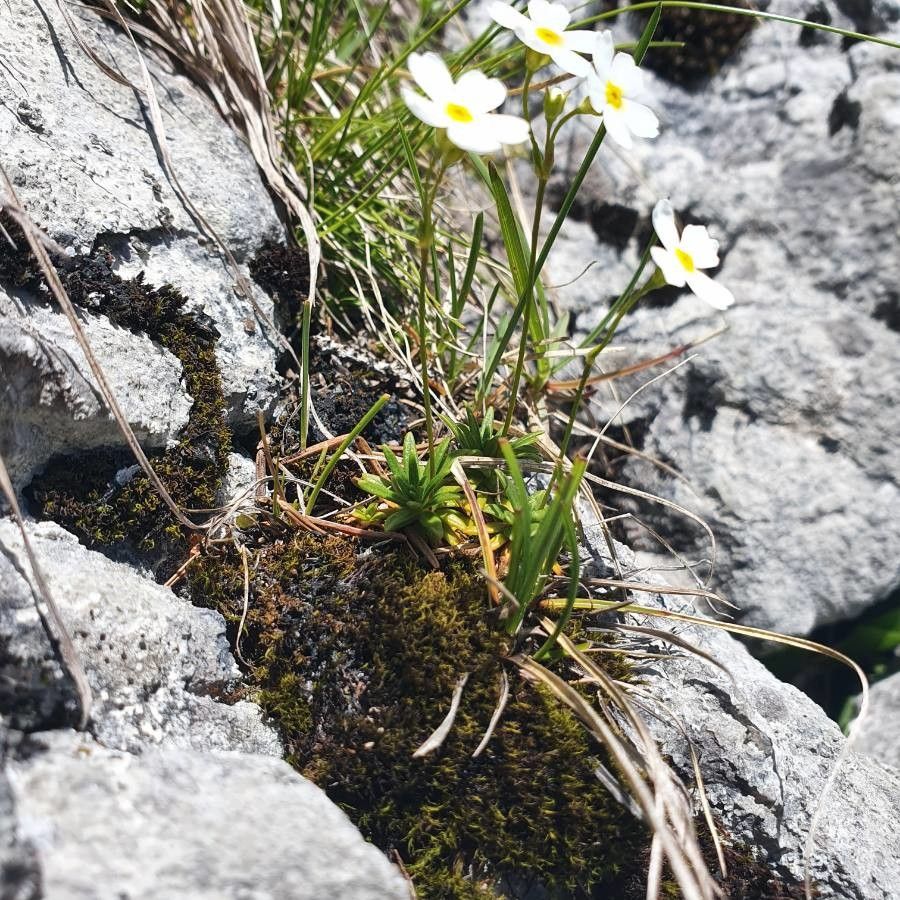
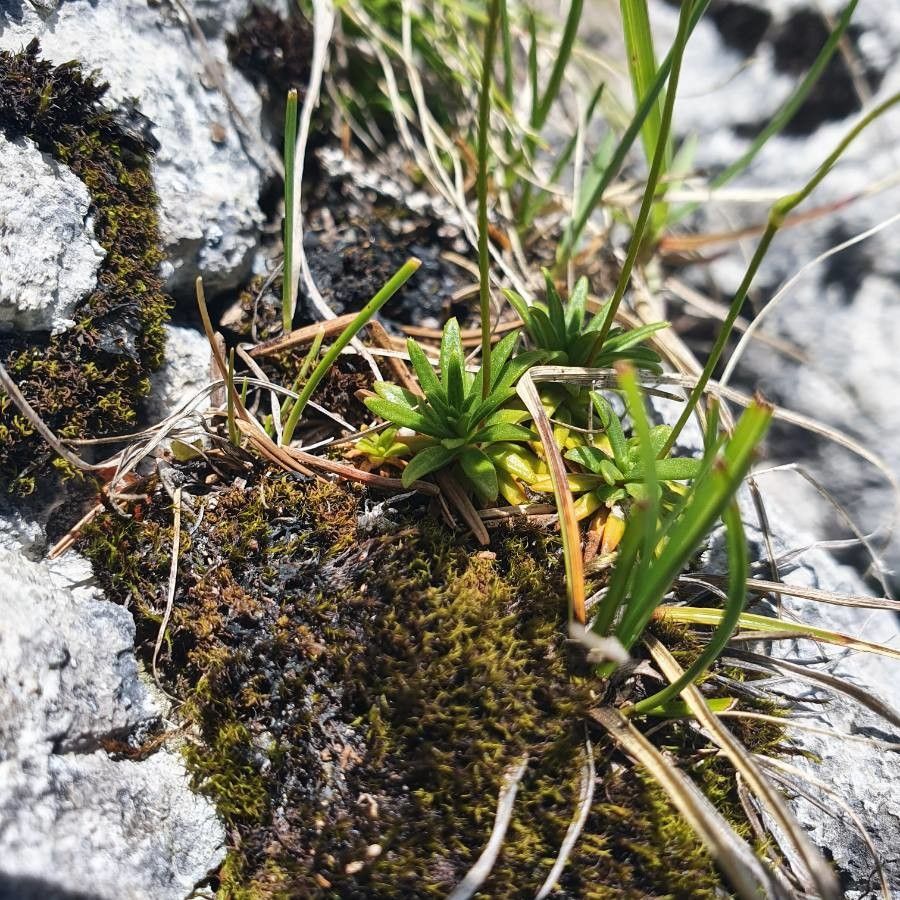
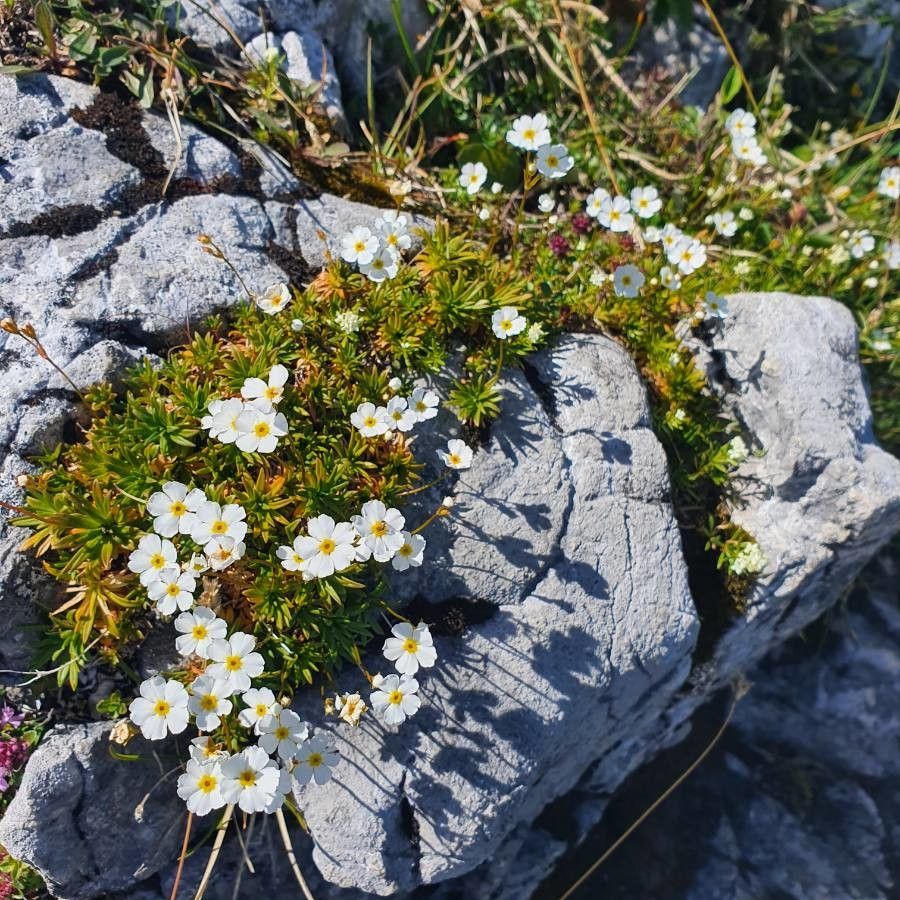
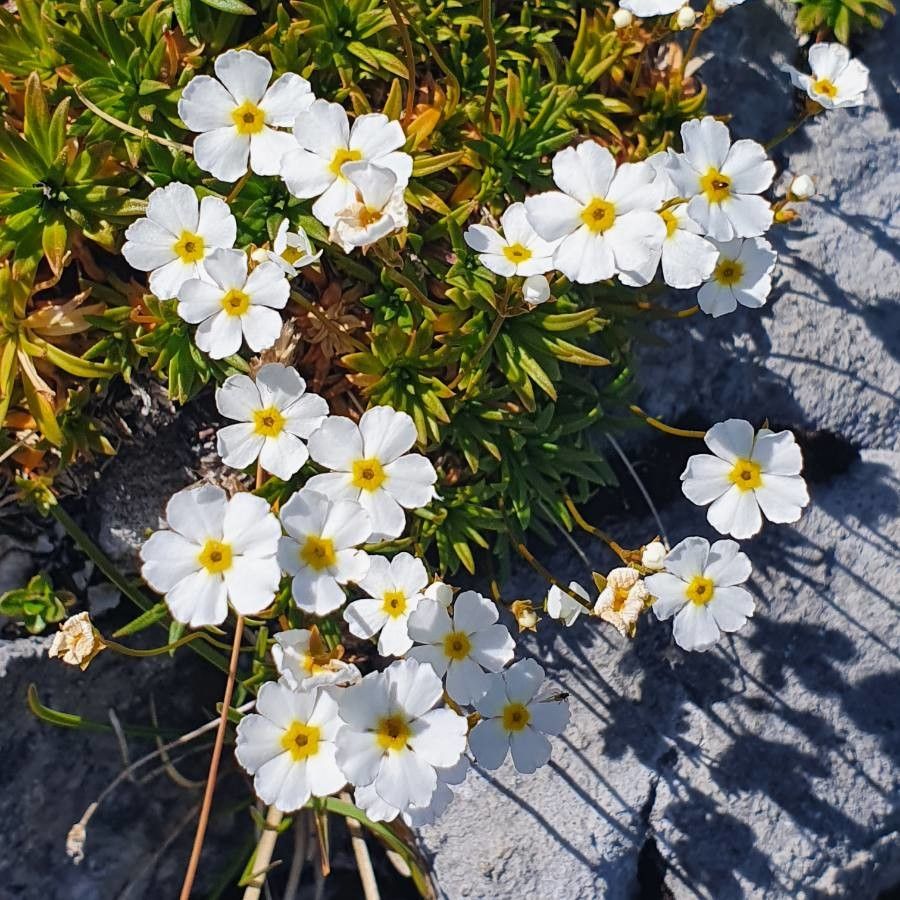
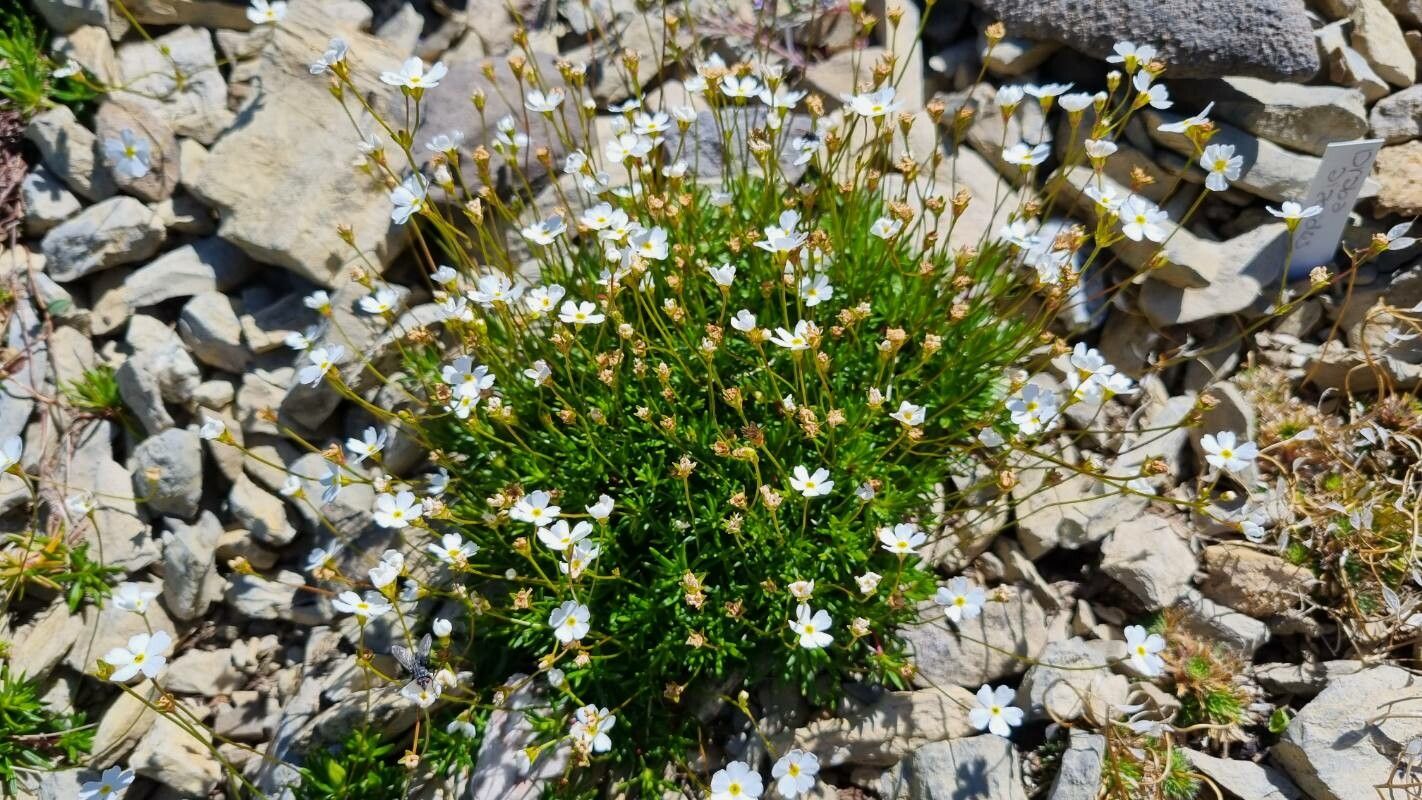
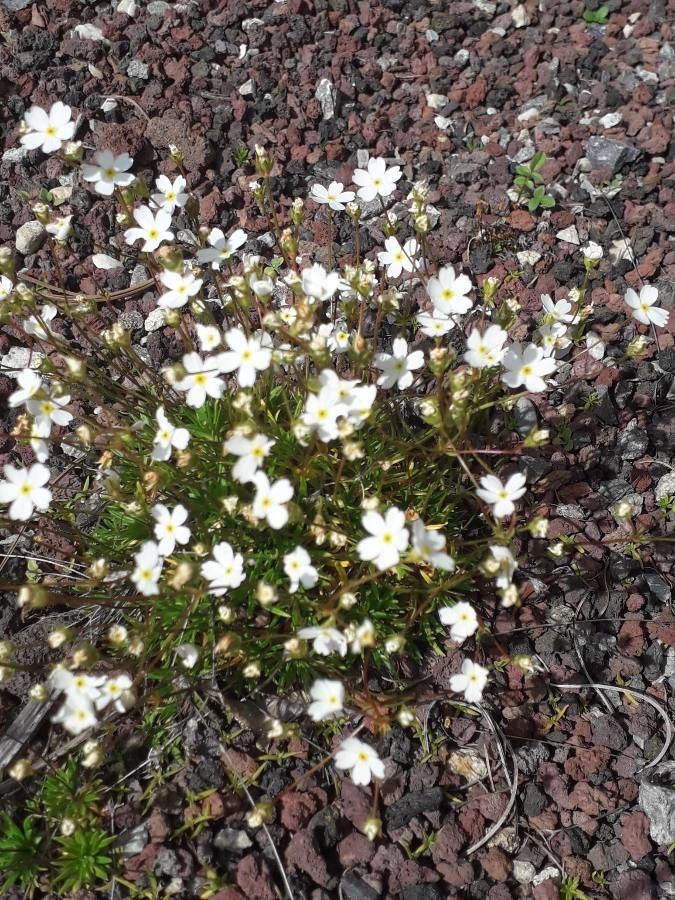
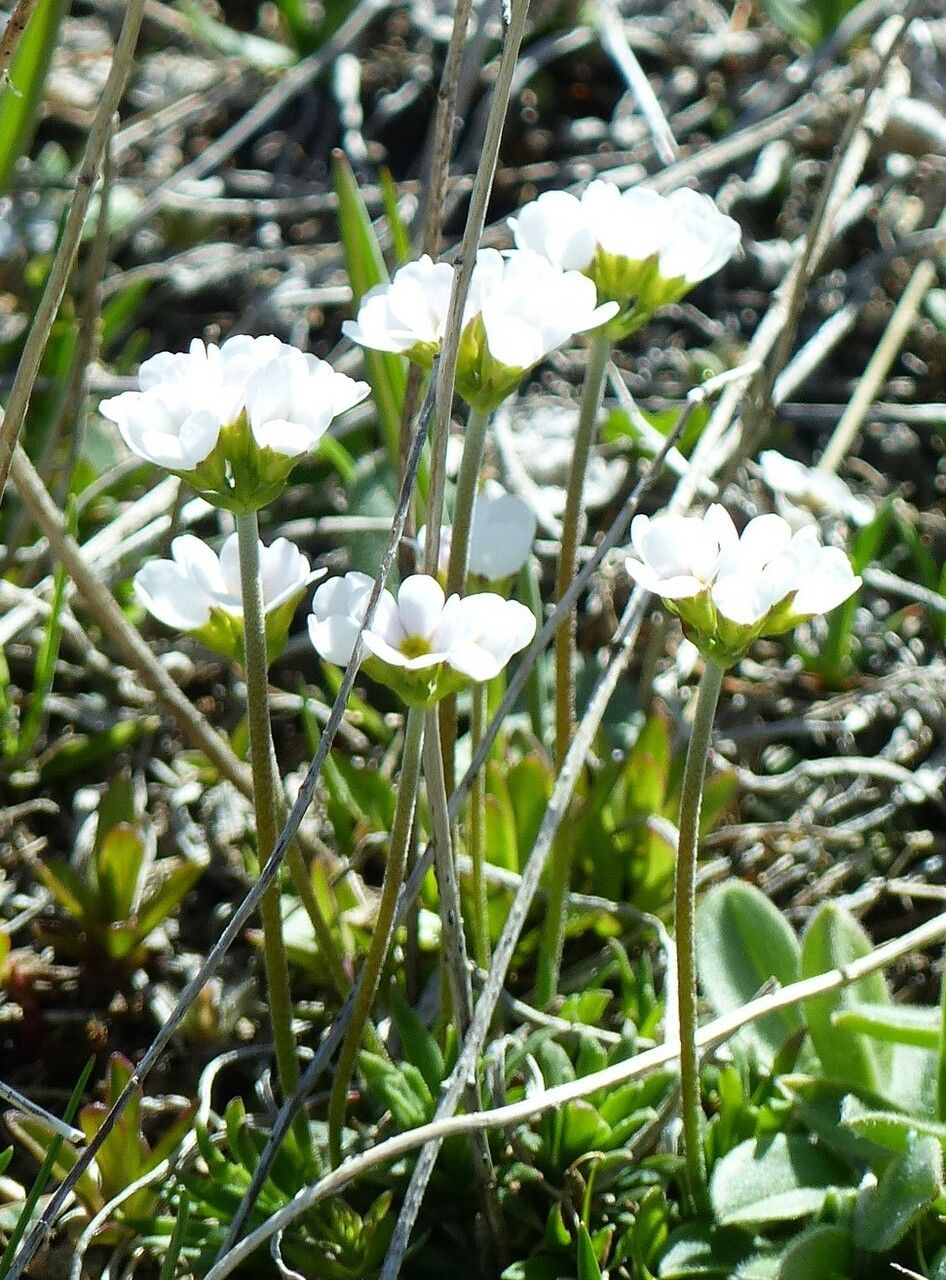
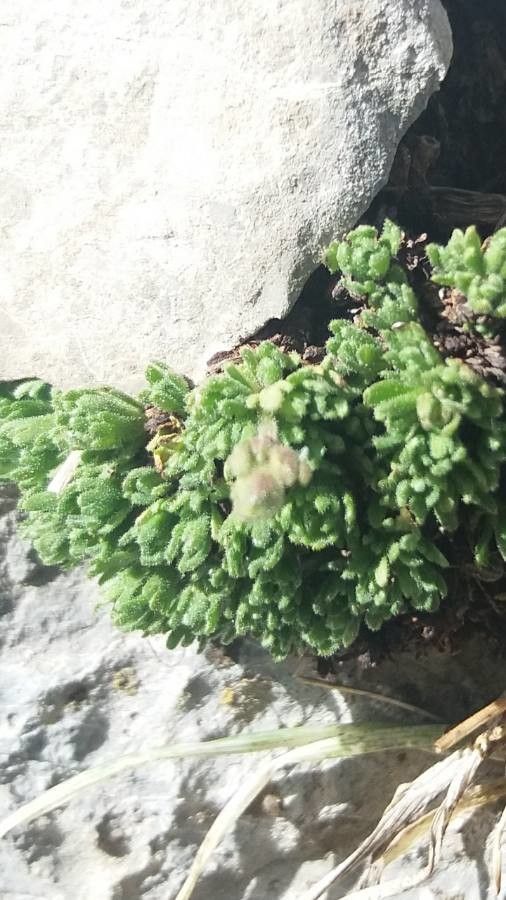
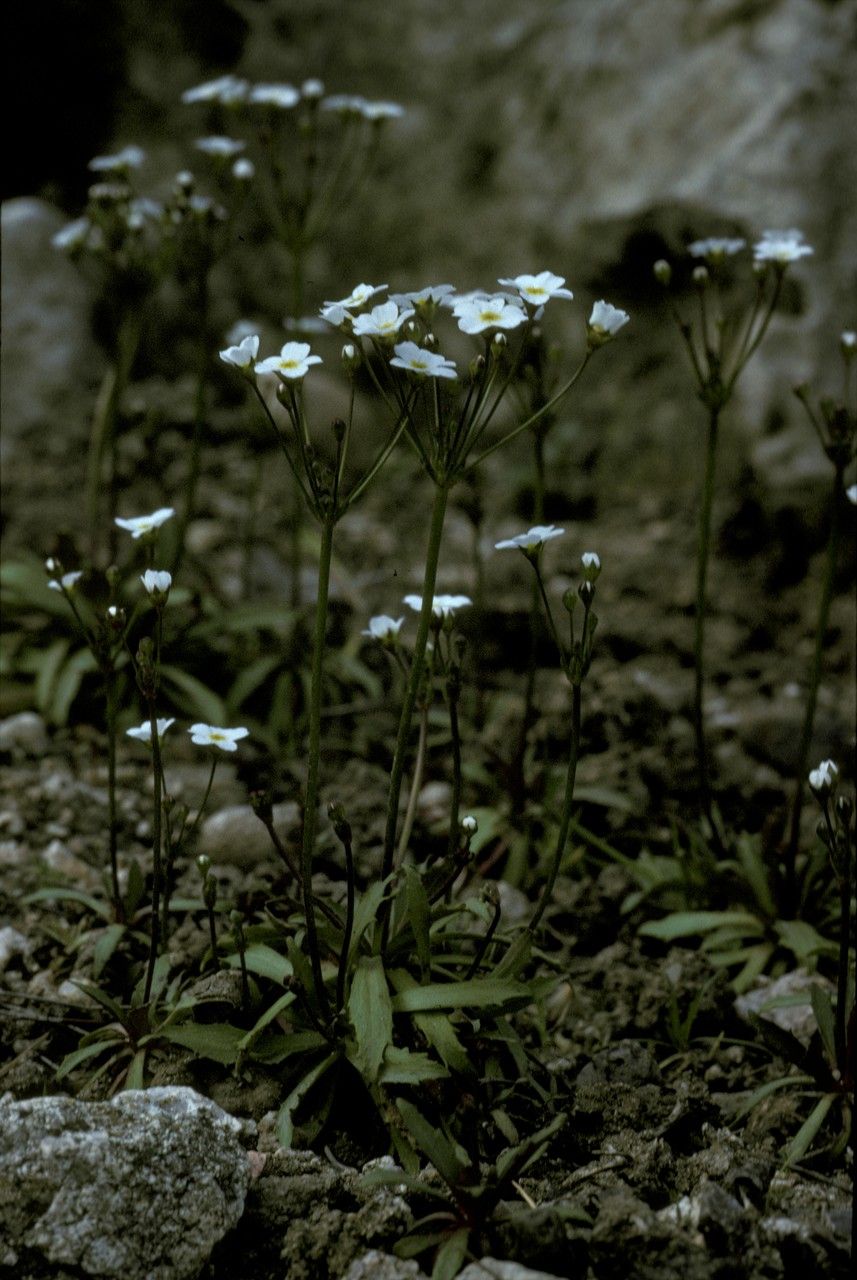
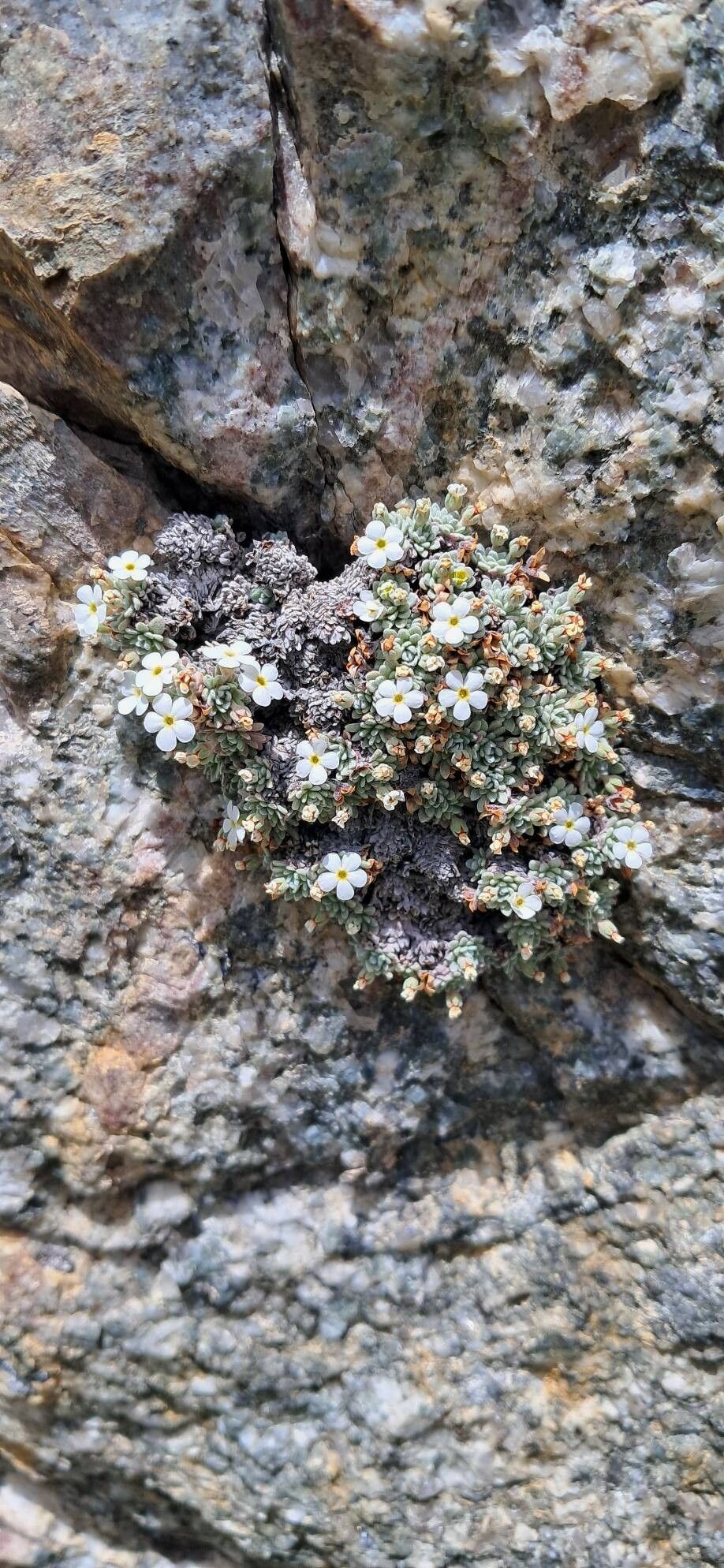
Androsace lactea, the milkwhite rock jasmine, is an alpine plant, in the family Primulaceae.
Milkwhite rock-jasmine is fairly disease-resistant and generally not prone to illness. However, it can be vulnerable to pests and diseases present in its surroundings, though such infections are typically mild. Regarding care, this plant requires a moderate level of maintenance. It should be pruned regularly to preserve its appearance and support healthy growth. Fertilizing can also help encourage flowering. Milkwhite rock-jasmine is appropriate for anyone with outdoor space, like a garden or patio, and does not demand extensive care experience. It may need more attention when kept indoors.
How to keep Androsace Lactea.
Light
Milkwhite rock-jasmine is native to habitats like forest understories or rocky sites, where it grows in natural shade. It prefers partial sun but can adapt to both full sun and full shade, demonstrating its versatile and hardy nature.
Water
Milkwhite rock-jasmine, native to alpine regions, thrives in well-drained soil with moderate hydration. It typically requires weekly watering but also adapts to its surroundings by making use of melting snow for moisture during its growing season. This ability ensures the plant's optimal health even during dry periods, as it can rely on natural precipitation.
Temperature
Milkwhite rock-jasmine originates in temperate regions and favors a moderate temperature range of 50 to 77 °F (10 to 25 ℃). If winters are severe or summers grow very hot, consider modifying the environment to meet its preferences.
Fertilizer
For Milkwhite rock-jasmine, the primary time to apply fertilizer is in early spring while flowers are forming. The appropriate fertilizer promotes improved blooms and helps Milkwhite rock-jasmine produce attractive flowers. Fertilizing in early spring ensures excellent flowers throughout the season and supplies energy for dormant growth phases.
Pruning
For optimal growth, milkwhite rock-jasmine should be pruned from early to late spring. Focus on removing any dead or damaged stems to improve air circulation and encourage healthy blooming. Avoid heavy pruning to preserve the plant's natural shape, and always use sterilized tools to prevent disease.
Botanical profile.
- Plant Type
- Herb
- Life Cycle
- Perennial
- Genus
- Androsace
- Family
- Primulaceae
- Hardiness Zone
- 6
- Mature Height
- 5 cm to 10 cm
- Mature Spread
- 10 cm
- Leaf Color
- Green
- Leaf Type
- Semi-evergreen
- Flower Color
- White
- Flower Size
- 1.02 cm to 1.27 cm
- Bloom Time
- Mid spring, Late spring, Early summer
- Planting Time
- Spring, Summer, Autumn
- Harvest Time
- Summer
- Native Area
- Germany, Austria, Italy, Spain, Switzerland, Slovakia, Finland, Poland, Romania, Croatia, Slovenia, France
Other names.
Reader questions.
What are the sunlight requirements for Milkwhite rock-jasmine?
Milkwhite rock-jasmine thrives in partial sun, requiring about 3-6 hours of sunlight daily. It's essential to observe how sunlight moves through your garden to find spots that offer the right balance of light and shade for these plants. Although the Milkwhite rock-jasmine is versatile enough to also grow in full shade, partial sun is its preferred condition. This makes it well-suited for environments like forest understories or rocky areas which naturally provide some shade.
What is the ideal temperature range for Milkwhite rock-jasmine?
The Milkwhite rock-jasmine, scientifically known as Androsace lactea, thrives in temperate climates with a moderate temperature range of 50 to 77 °F (10 to 25 °C). To ensure the plant thrives, it's essential to adjust its environment to maintain this temperature range, especially during harsh winters or hot summers.
How does artificial lighting benefit indoor Milkwhite rock-jasmine plants?
Artificial lighting is crucial for Milkwhite rock-jasmine plants indoors, especially when natural sunlight is insufficient. LED lights, a popular choice, can be customized to provide specific wavelengths needed for optimal growth. Depending on the plant's sunlight needs, the intensity of artificial light should range between 10-50W/sq ft. For effective growth, the light source should be placed 12-36 inches above the plant, and the duration should mimic natural daylight hours, typically 8-12 hours per day.
What are the cold tolerance characteristics of Milkwhite rock-jasmine?
Milkwhite rock-jasmine is highly cold-tolerant and can withstand cold winter temperatures without the need for additional frost protection measures. However, it's beneficial to water the plant generously before the first freeze in autumn. This helps to keep the soil moist and ensures that the plant enters a frozen state more robustly, which prevents drought and water scarcity during the winter and early spring months.
What are the signs of insufficient light in Milkwhite rock-jasmine?
When grown indoors with inadequate light, Milkwhite rock-jasmine may show several signs: smaller new leaves, leggy or sparse growth, faster leaf drop, slowed or halted growth, lighter-colored new leaves, chlorosis (leaves turning yellow), sunscald, leaf curling, wilting, and leaf scorching. These symptoms indicate the plant is not receiving enough light to maintain healthy growth and photosynthesis.
How does Milkwhite rock-jasmine react to temperatures below -25°C?
Although Milkwhite rock-jasmine is extremely cold-tolerant, it should not be exposed to temperatures below -25°C. Exposure to such low temperatures might not show immediate damage during the winter, but it can lead to a decrease in sprouting or a complete lack of sprouting in the spring. It's advisable to remove any parts of the plant that fail to sprout in spring as a corrective measure.
How can you optimize light conditions for Milkwhite rock-jasmine indoors and outdoors?
To optimize light conditions for Milkwhite rock-jasmine, gradually increase sun exposure to achieve 3-6 hours of direct sunlight daily. For indoor plants that cannot be moved, consider using artificial lighting like desk or ceiling lamps, or professional plant grow lights, for at least 8 hours a day. For outdoor plants, move them to progressively sunnier spots each week to avoid sunburn. If blocked by obstacles like trees, consider pruning to increase sunlight. For smaller plants that can be moved, transplanting during their dormant period into a sunnier location with good drainage can also improve light absorption.
What should be done if Milkwhite rock-jasmine is exposed to high temperatures?
Milkwhite rock-jasmine does not tolerate high temperatures well. If the temperature exceeds 25°C (77°F), its growth halts, and it becomes susceptible to rot. To mitigate this, trim away any sunburned or dried-up parts of the plant. It's also crucial to relocate the plant to a shaded area or protect it using a shade cloth to avoid the intense midday and afternoon sun. Ensuring the soil is kept moist by watering the plant in the early morning or evening can also help protect it from heat stress.