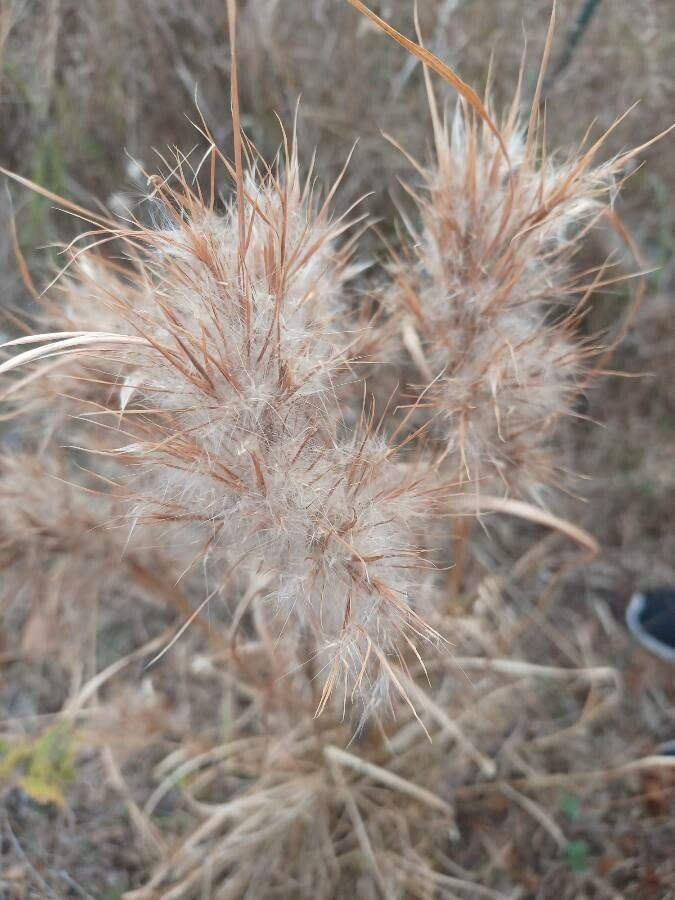
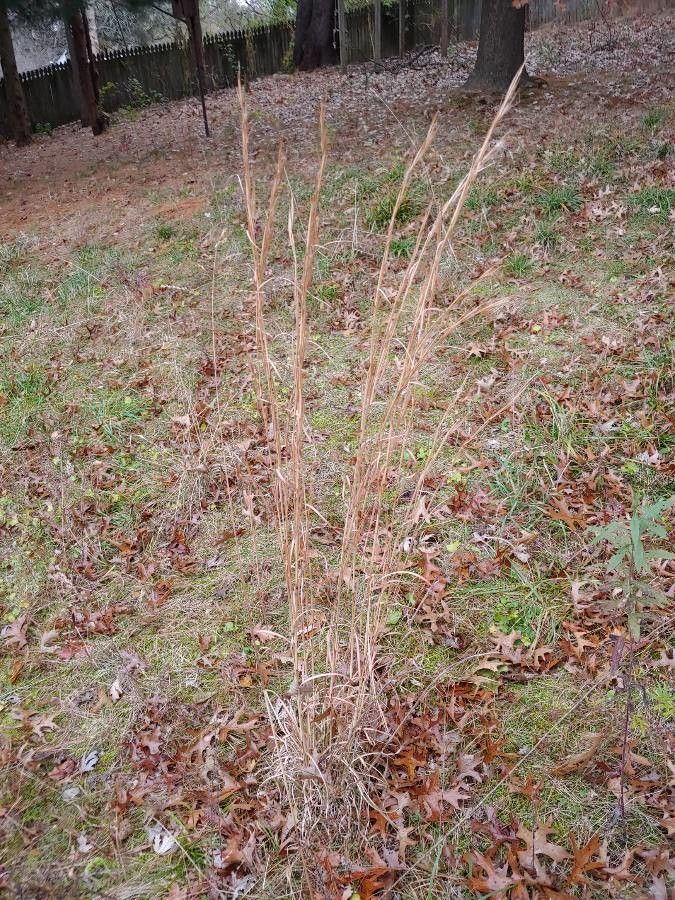
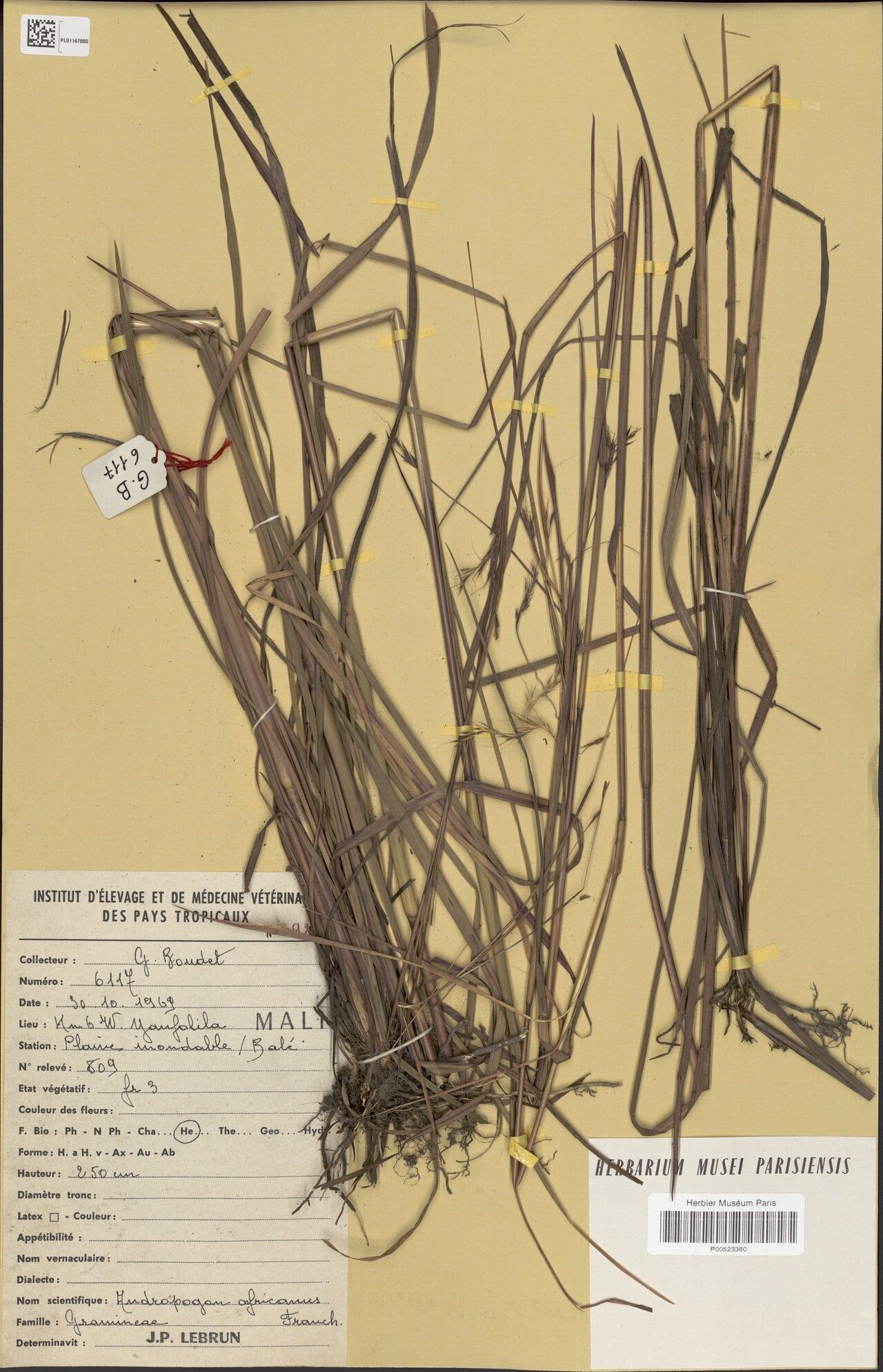
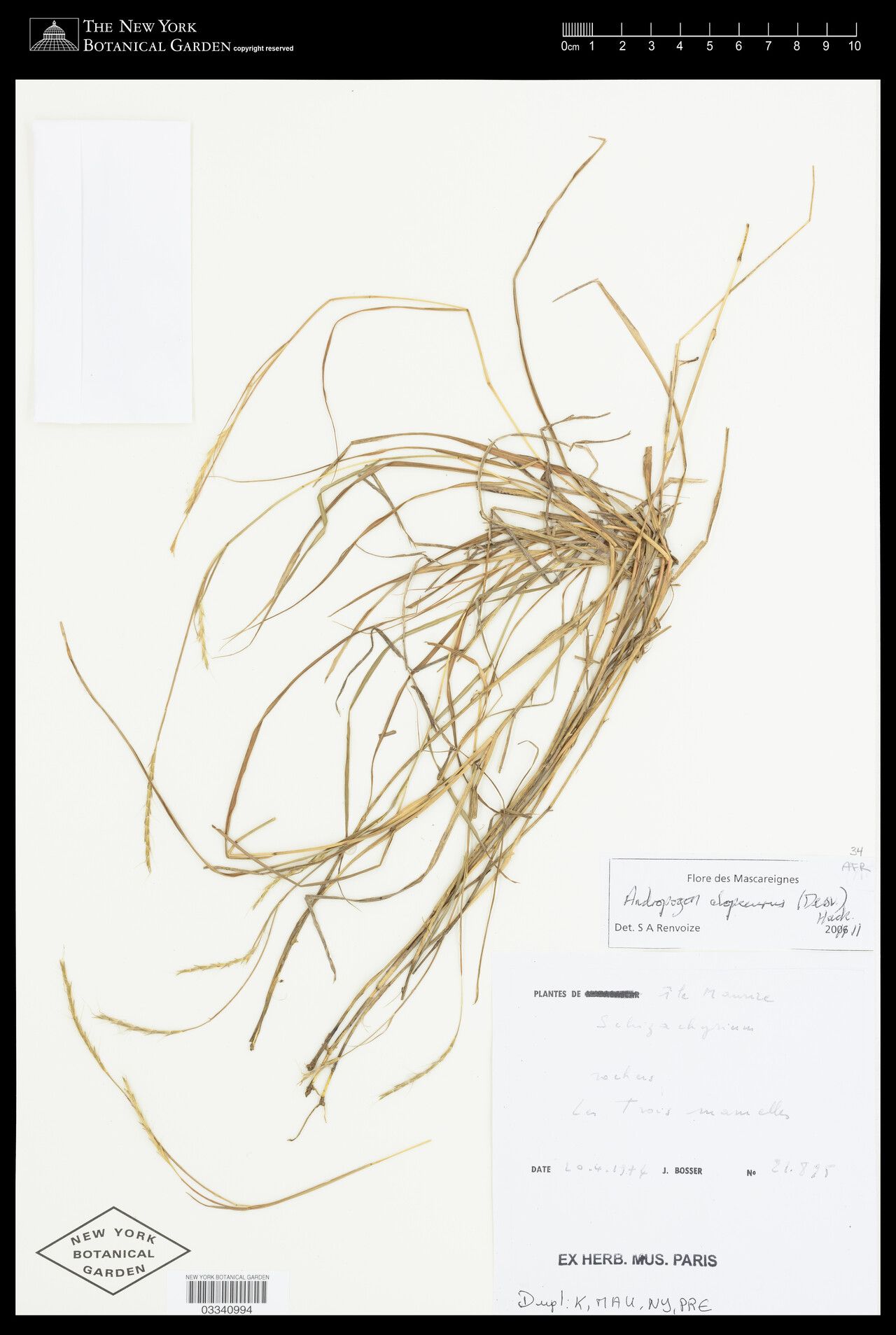
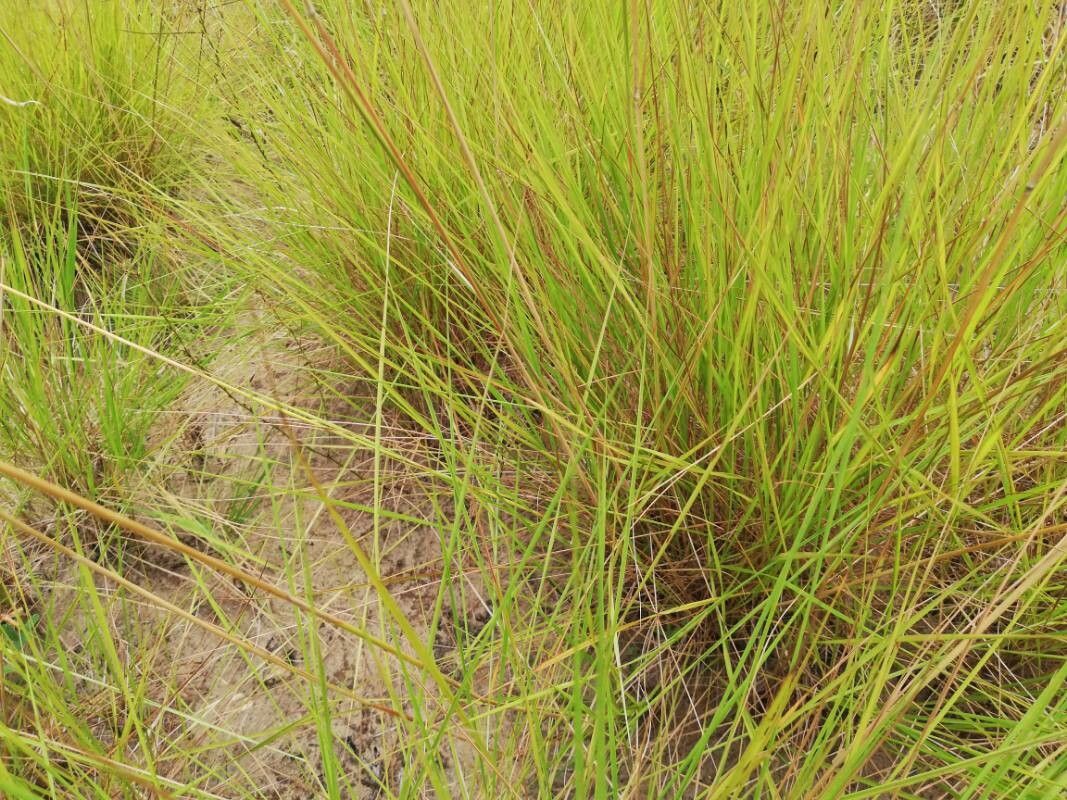
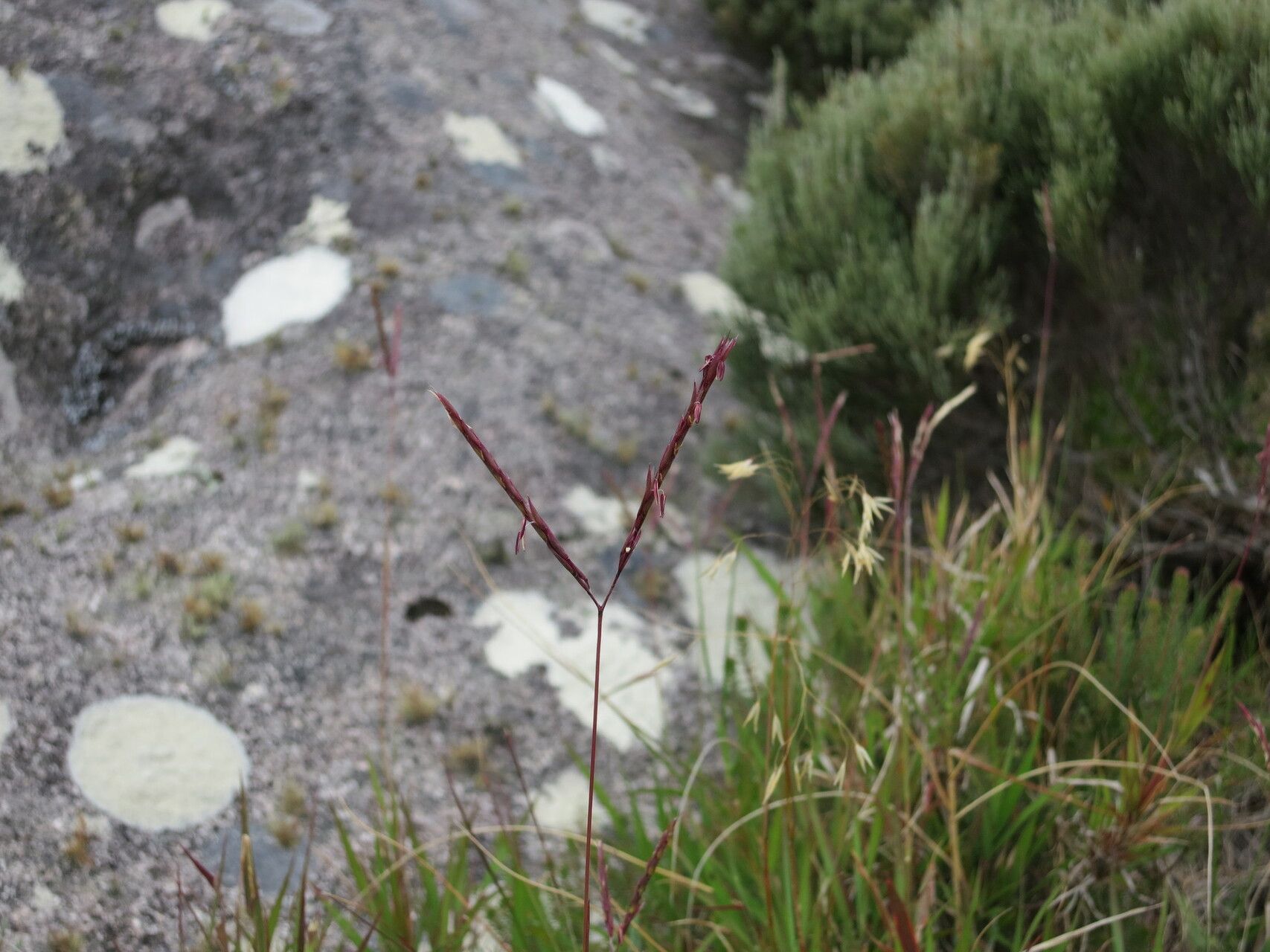
Andropogon virginicus is a species of grass known by several common names, including broomsedge bluestem, yellowsedge bluestem and (in Australia, because it was introduced to that country after being used as packaging for bottles of American whiskey) whiskey grass. It is native to the southeastern United States and as far north as the Great Lakes. It is known as an introduced species in California and Hawaii, where it is weedy.
Broomsedge bluestem is resistant to diseases and generally does not tend to get sick. Regarding care, this plant is fairly low-maintenance. Outdoors it needs only minimal watering, and larger plants typically do not require pruning. Smaller plants, however, should be pruned after they have finished blooming. Broomsedge bluestemt is suitable for anyone with outdoor space, such as a garden or deck, and does not demand much prior care experience.
How to keep Andropogon Virginicus.
Light
Broomsedge bluestem performs best when exposed to abundant light, which promotes its optimal growth and vigor. It is hardy enough to cope with moderately reduced light levels. Its native growing environment is associated with sunny habitats. Excessive or insufficient light can negatively affect the plant.
Water
Broomsedge bluestem is a resilient grass that flourishes in grasslands and adapts well to drought conditions while requiring moderate moisture. For optimal growth, water it twice a week. If grown indoors, occasional misting can help maintain the necessary humidity. As a hardy perennial, broomsedge bluestem efficiently retains water, making it ideal for areas with fluctuating rainfall.
Temperature
Broomsedge bluestem naturally grows in temperate climates, where temperatures generally range from 5 to 35 ℃ (41 to 95 ℉). For best growth it prefers temperatures of 20 to 25 ℃ (68 to 77 ℉). In winter, it is recommended to reduce watering to prevent frost damage.
Fertilizer
Broomsedge bluestem benefits from extra nutrients to encourage healthy new growth. In spring, adding some compost around the plant’s base can effectively supply the nutrients it needs. Fertilizing supports vigorous growth and helps the plant resist diseases and pests.
Pot & Repot
When repotting Broomsedge bluestem, select a pot 1–2 inches (2.5–5 cm) larger that has ample drainage. Use a well-draining potting mix. Repot in spring or fall, making sure the root ball sits slightly below the rim of the flower pot. Water thoroughly after repotting and place it in a warm spot with indirect sunlight.
Botanical profile.
- Plant Type
- Grass
- Life Cycle
- Perennial
- Genus
- Andropogon
- Family
- Poaceae
- Hardiness Zone
- 5-10
- Mature Height
- 0.61 m to 1.52 m
- Mature Spread
- 61 cm to 91 cm
- Leaf Color
- Green, Yellow, Orange
- Leaf Type
- Deciduous
- Flower Color
- Green, White, Cream, Orange, Silver
- Flower Size
- 0.10 cm to 3.05 cm
- Bloom Time
- Mid summer, Late summer
- Planting Time
- Spring
- Harvest Time
- Early spring, Late summer, Fall, Winter
- Native Area
- Colombia, Bahamas, Belize, Cuba, Haiti, Mexico, Honduras, Guatemala, Nicaragua, Trinidad and Tobago, Dominican Republic, Costa Rica, Panama, Jamaica
Other names.
Reader questions.
What are the sunlight requirements for Broomsedge Bluestem (Andropogon virginicus)?
Broomsedge Bluestem requires full sun or partial sun to thrive. Full sun exposure means the plant should receive above 6 hours of sunlight daily, while partial sun refers to about 3-6 hours of sunlight. It's essential to observe how sunlight moves through your garden to select spots that offer a balance of light and shade, optimizing the plant's growth and health.
What is the optimal growth environment for Broomsedge bluestem?
Broomsedge bluestem thrives in a temperate climate, with an ideal temperature range of 20 to 25°C (68 to 77°F) for optimal growth. It is native to environments where temperatures typically range from 5 to 35°C (41 to 95°F). While it exhibits strong cold resistance and doesn't usually require special frost protection measures, if winter temperatures are expected to drop below -25°C, it's important to protect the plant by covering it with materials like soil or straw. Additionally, watering the plant abundantly before the first freeze in autumn to keep the soil moist can help prevent drought and water scarcity during the colder months.
How essential is sunlight for the growth and health of Broomsedge Bluestem?
Sunlight is crucial for the optimal growth and health of Broomsedge Bluestem, as it thrives in ample light conditions. Its native growth environment is rich in sunlight, indicating the importance of similar conditions for its cultivation. Both overexposure and underexposure to sunlight can harm the plant, so finding the right amount of light is key. For indoor plants lacking natural sunlight, artificial lighting, such as LED lights, can be used to supplement light intake, promoting healthier growth.
How does low temperature affect Broomsedge bluestem and what are the solutions?
Broomsedge bluestem is cold-tolerant, preferring temperatures above 5°C and needing to be kept above -20°C during winter. If temperatures fall below -25°C, the plant may not show noticeable changes during winter but might experience a decrease in sprouting or even fail to sprout at all in the spring. If this happens, the solution is to remove any parts of the plant that have failed to sprout in the spring.
What symptoms indicate that Broomsedge Bluestem is receiving inadequate light?
Symptoms of light deficiency in Broomsedge Bluestem include smaller new leaves, leggy or sparse growth, faster leaf drop, slower or no new growth, lighter-colored new leaves, chlorosis, sunscald, leaf curling, wilting, and leaf scorching. These symptoms suggest the plant may be struggling due to insufficient sunlight, which is vital for its photosynthesis and overall health.
How does high temperature affect Broomsedge bluestem and what are the solutions?
Broomsedge bluestem should ideally be kept under 35°C during summer. Temperatures exceeding 41°C can cause the leaves to lighten in color, become prone to curling, susceptible to sunburn, and in severe cases, the entire plant may wilt and dry out. To mitigate these effects, trim away the sunburned and dried-up parts of the plant, relocate it to a shaded area to protect it from midday and afternoon sun, or use a shade cloth. Ensuring the soil remains moist by watering the plant in the morning and evening can also help.
What are the solutions for Broomsedge Bluestem when it's not receiving sufficient sunlight?
To address insufficient sunlight for Broomsedge Bluestem, consider moving the plants gradually to sunnier locations until they receive at least 6 hours of direct sunlight daily. For indoor plants, using artificial light such as desk lamps or professional grow lights for at least 8 hours daily can help. Outdoors, gradual relocation to sunnier spots is advisable to prevent sunburn. Reducing obstructions like pruning trees or transplanting smaller plants to sunnier areas with good drainage can also optimize sunlight exposure. However, parts of the plant damaged by low light may not recover, although new growth should be healthy with improved light conditions.