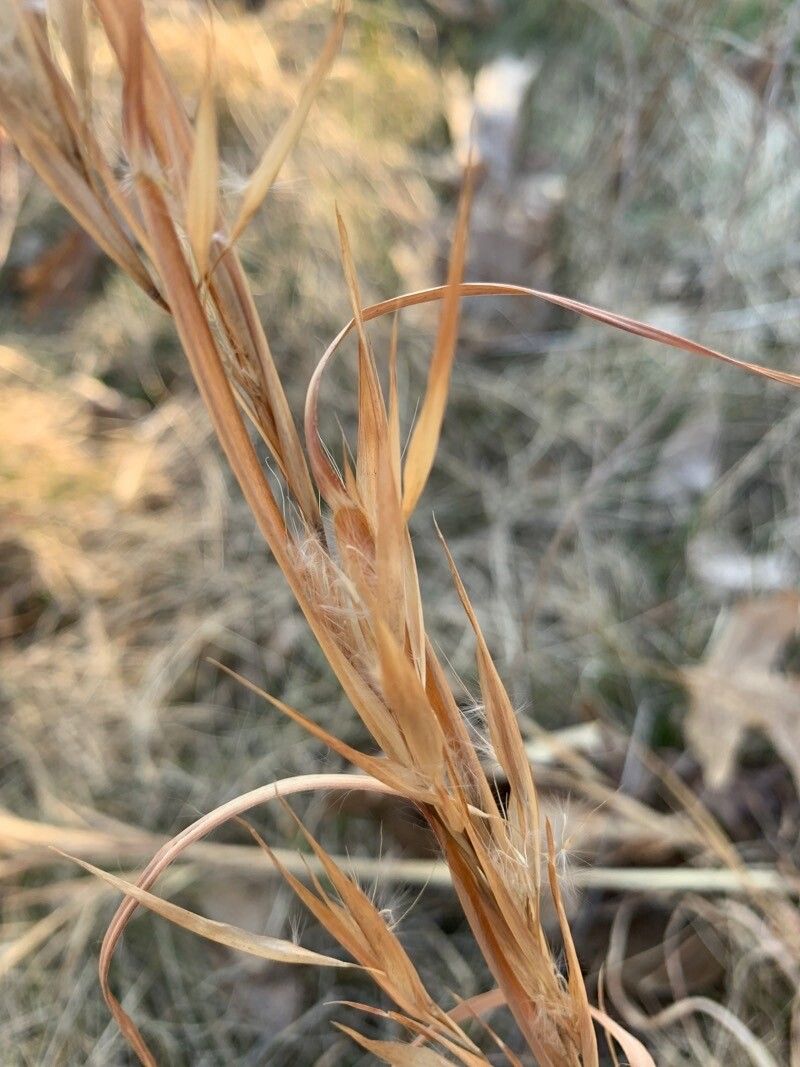
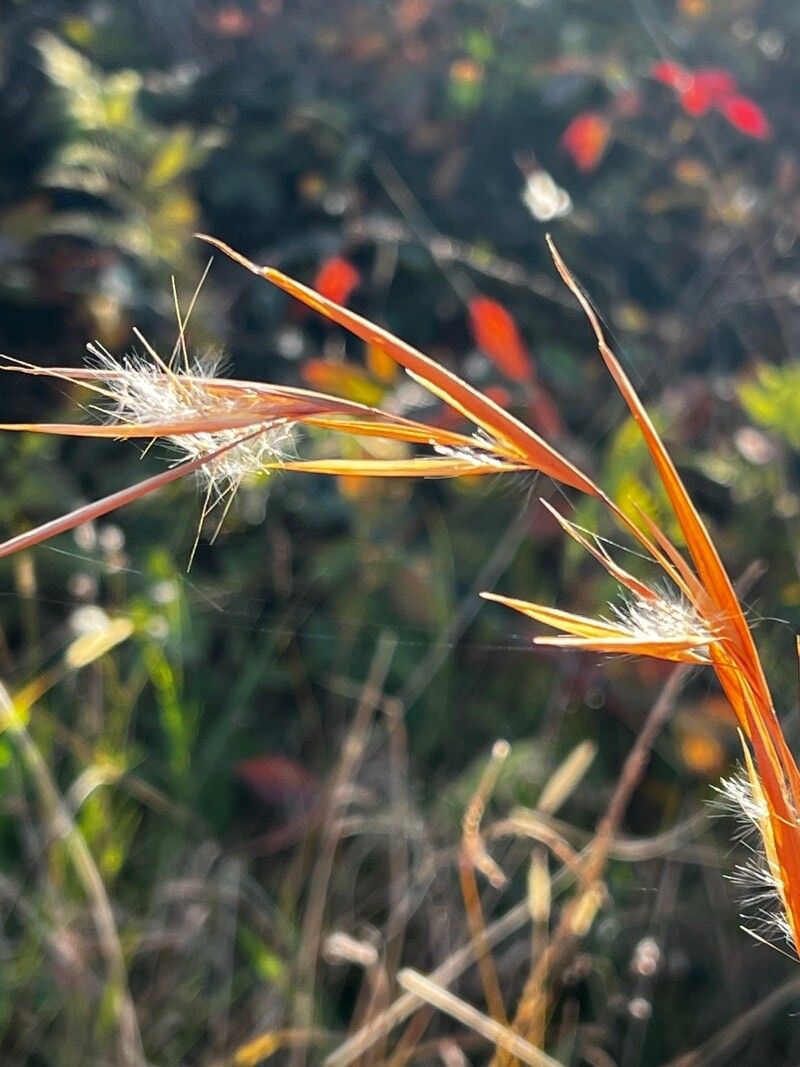
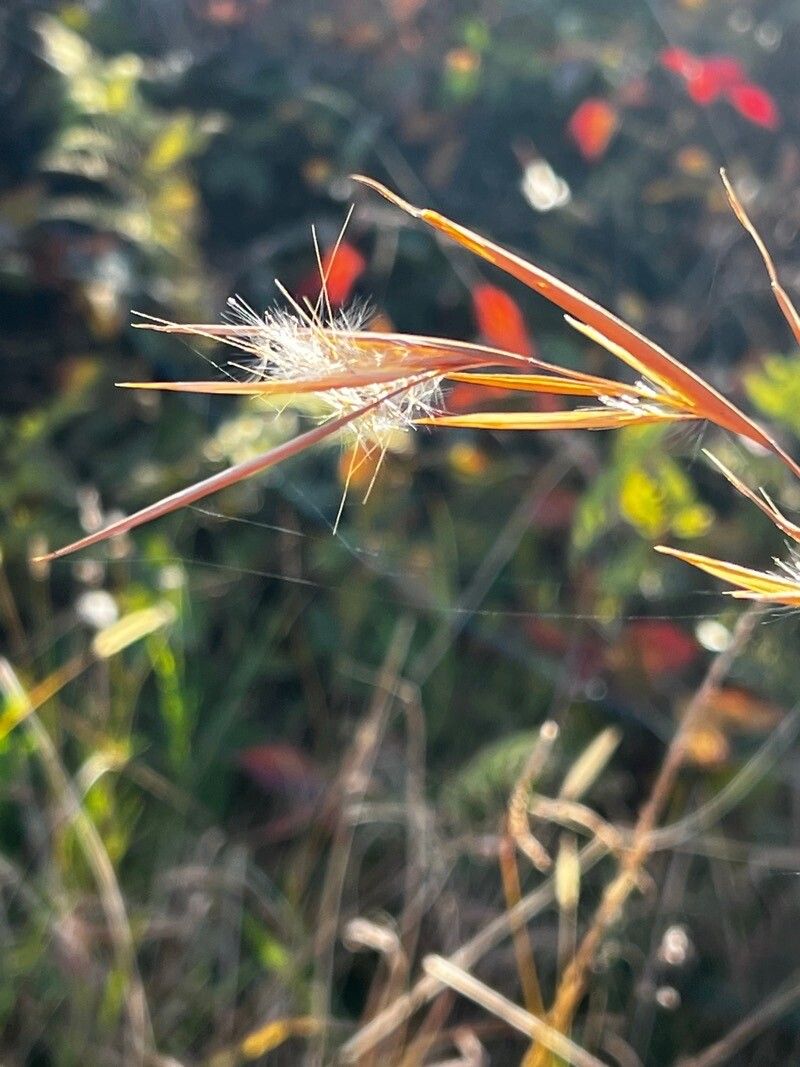
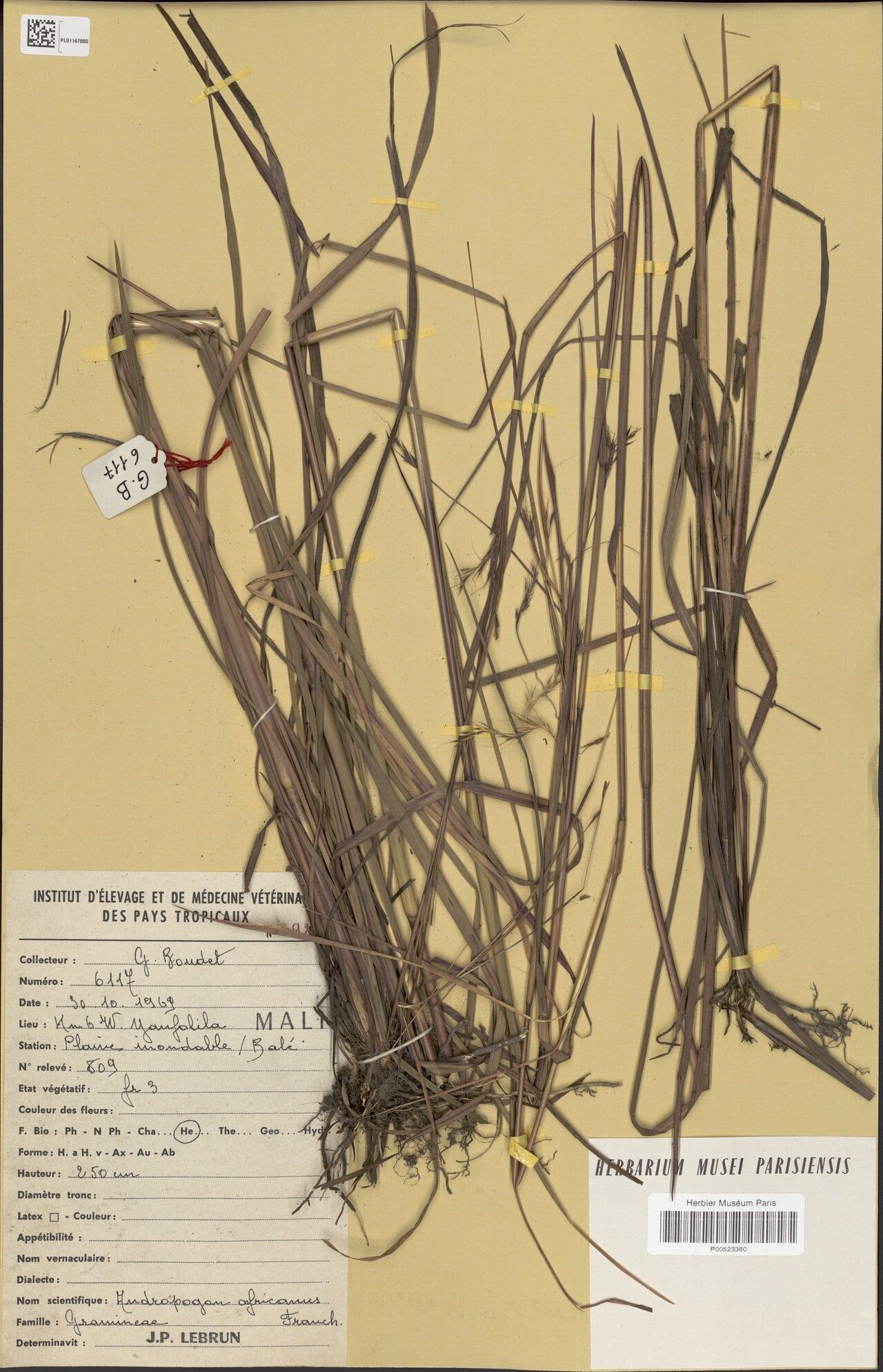
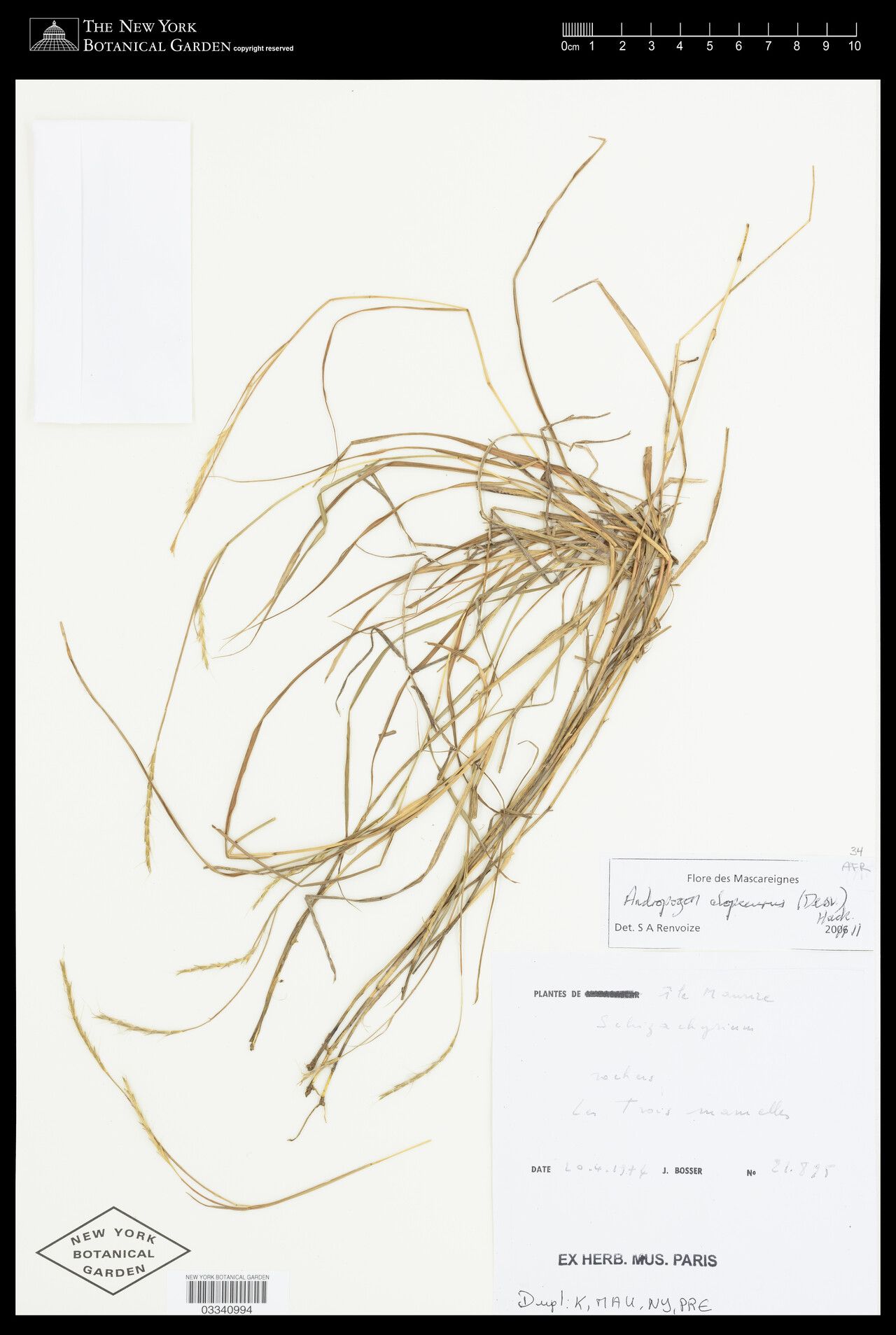
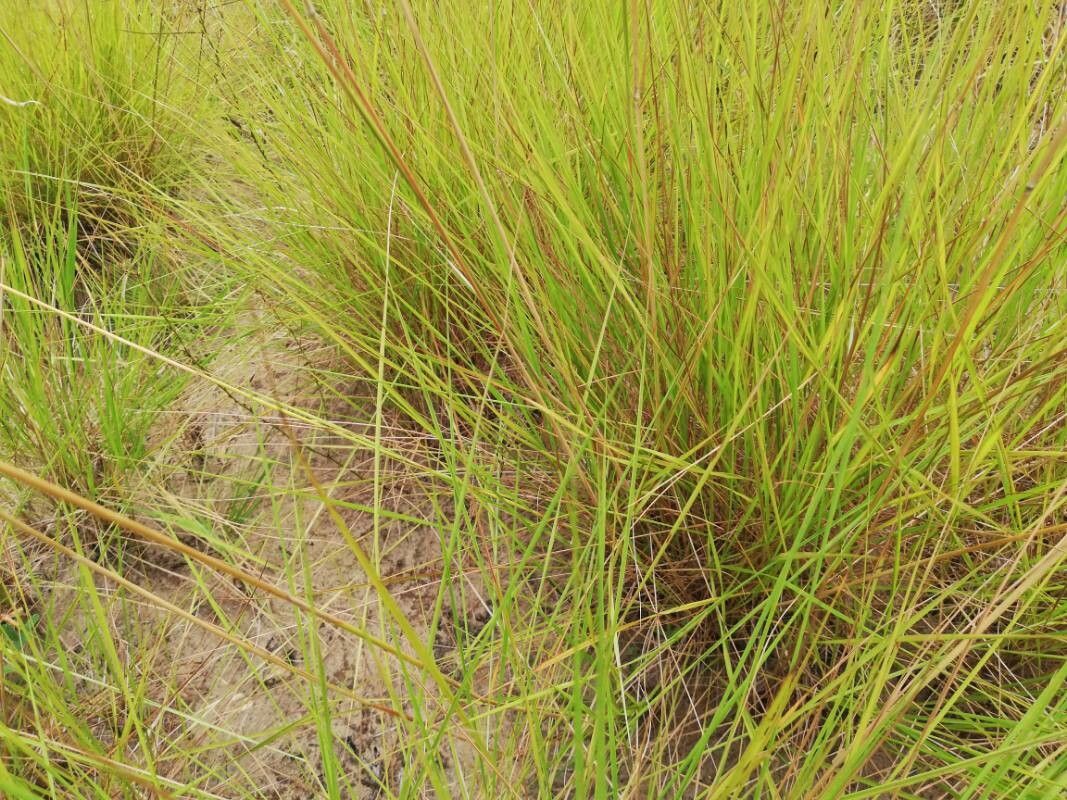
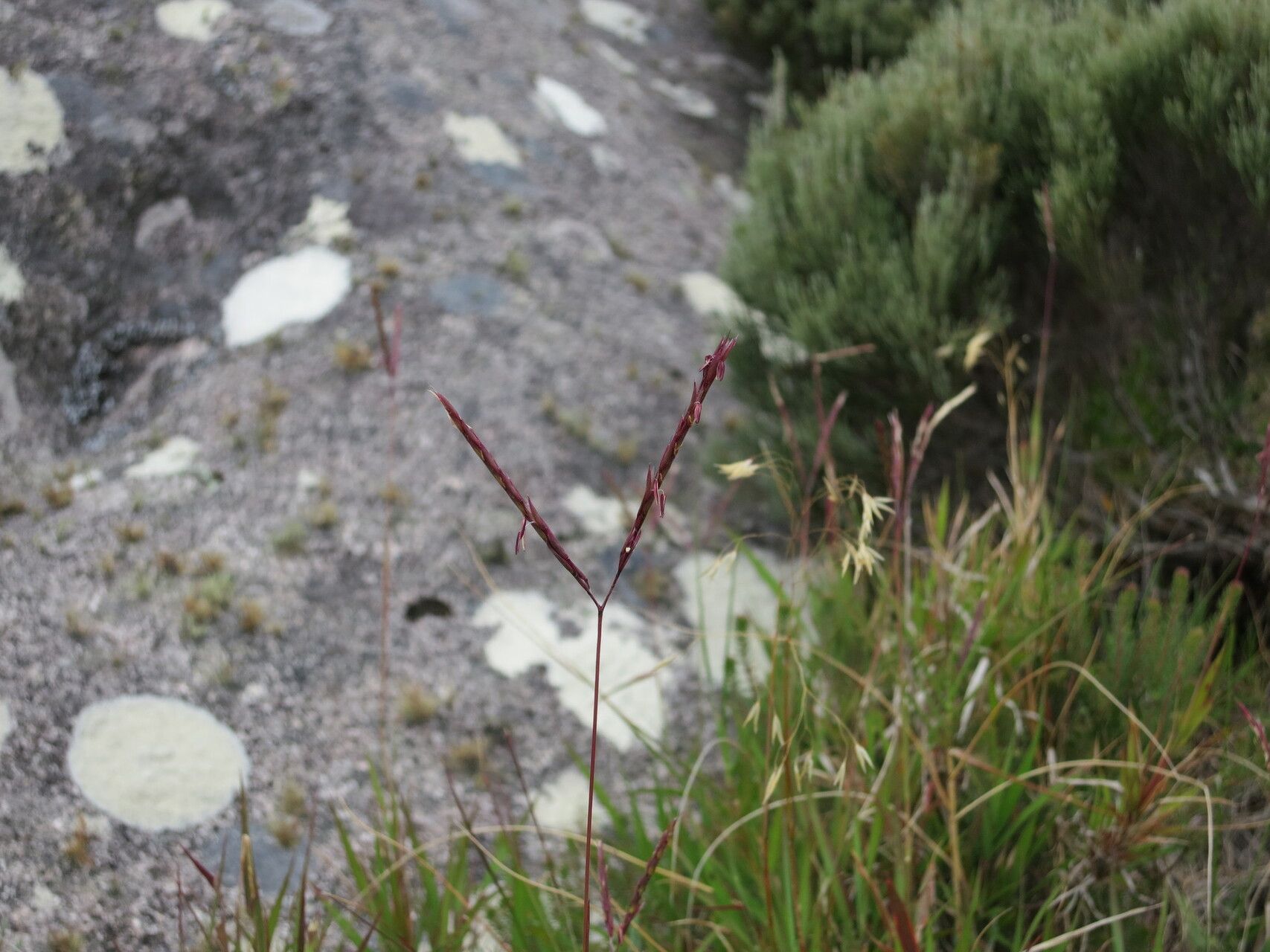
Andropogon gyrans is a species of grass known as Elliott's bluestem. It is native to the central and eastern United States. It can be found in disturbed areas.
Elliott's bluestem displays strong disease resistance and is generally not susceptible to disease. Regarding care, this plant is fairly low-maintenance. When grown outdoors it needs only minimal watering, and larger specimens typically do not require pruning. Smaller plants, however, should be pruned after they have finished blooming. Elliott's bluestem is suitable for anyone who has an outdoor space, such as a garden or a deck, and does not call for extensive care experience.
How to keep Andropogon Gyrans.
Light
Elliott's bluestem is a sun-loving perennial herbaceous plant that comes from open habitats, frequently thriving in meadows and grasslands. It prefers full sun but can also tolerate partial sun conditions.
Water
Elliott's bluestem flourishes in consistently moist soil and should ideally be watered twice a week, taking care to avoid waterlogging. This plant adapts well to high humidity and thrives indoors when enhanced with regular misting or by placing it on a pebble tray. These conditions help maintain its vigor throughout the growing season.
Temperature
Elliott's bluestem can tolerate a wide range of temperatures, but its distribution may still be limited by particular combinations of moisture and heat. It performs best in warm summers with adequate rainfall or watering. Extended periods of cloudy, rainy weather or prolonged high temperatures can increase the chance of Elliott's bluestem dying. In winter, protecting it from cold can enhance its survival rate.
Fertilizer
Elliott's bluestem benefits from extra nutrients to encourage healthy new growth. In spring, applying some compost around the plant's base is an effective way to supply the nutrition it requires. Fertilizing supports vigorous growth and helps the plant resist diseases and pests.
Pruning
Elliott's bluestem is a tall, tufted plant with blue-green leaves. Pruning it in early spring encourages new shoots, prevents overcrowding, and improves air circulation, which reduces the risk of disease. This practice promotes vigorous growth and enhances its aesthetic appeal throughout the growing season.
Botanical profile.
- Plant Type
- Grass
- Life Cycle
- Perennial
- Genus
- Andropogon
- Family
- Poaceae
- Hardiness Zone
- 4-9
- Mature Height
- 0.61 m to 1.22 m
- Mature Spread
- 30 cm to 61 cm
- Leaf Color
- Green, Blue
- Leaf Type
- Deciduous
- Flower Color
- White, Green, Cream
- Bloom Time
- Late summer, Early fall, Mid fall
- Planting Time
- Spring, Summer
- Harvest Time
- Fall
- Native Area
- Honduras, Mexico, Belize, Cuba
Other names.
Reader questions.
What are the sunlight requirements for Elliott's bluestem?
Elliott's bluestem is a perennial herbaceous plant that loves the sun and thrives in full sunlight, requiring more than 6 hours of sunlight a day. However, it can also tolerate partial sun conditions, needing about 3-6 hours of sunlight daily. It's important to observe how sunlight moves through your garden to pick spots that offer a good balance of light and shade, ensuring your plants grow happily.
How do artificial lighting conditions affect indoor plants like Elliott's bluestem?
Indoor plants, including Elliott's bluestem, require sufficient lighting for optimal growth, especially when natural sunlight is inadequate. Artificial lighting, such as LED lights, is beneficial as they can be tailored to provide the specific wavelengths needed by your plants. For plants that prefer full sun, 30-50W/sq ft of artificial light is recommended, whereas partial sun plants should receive 20-30W/sq ft. Placing the light source 12-36 inches above the plant helps mimic natural sunlight, and ensuring 8-12 hours of light per day is ideal for most plant species.
What symptoms indicate Elliott's bluestem is getting insufficient light?
Elliott's bluestem shows several symptoms when it doesn't receive enough light, including new leaves growing smaller than previous ones, plants becoming leggy or sparse, early leaf drop, paused or halted growth, and pale or irregularly colored new leaves. These symptoms serve as signs that the plant is struggling with light deficiency and needs corrective measures to boost its exposure to light.
What are the common issues caused by excessive sunlight in Elliott's bluestem, and how do they manifest?
Excessive sunlight can cause several problems in Elliott's bluestem, such as chlorosis, where leaves lose their green color and turn yellow, sunscald resulting in pale, bleached, or necrotic spots on tissues, leaf curling as a defense mechanism to reduce water loss, wilting due to excessive transpiration and dehydration, and leaf scorching, which is characterized by brown, crispy edges on leaves. These issues indicate that the plant is receiving too much sunlight and needs to be positioned in a less intense light environment.
What solutions should be considered for Elliott's bluestem facing insufficient or excessive light conditions?
For Elliott's bluestem struggling with light conditions, several solutions can be considered. Indoor plants can be moved gradually to sunnier locations until they receive at least 6 hours of direct sunlight, utilizing a south-facing window for maximum exposure. Artificial light sources can also supplement natural light. Outdoors, plants should be transitioned to better-lit spots gradually to prevent sunburn. Removing obstructions and considering transplanting during the plant's dormant period can also help increase sunlight exposure. It's noted that damaged parts from insufficient light may not recover, but new growth will be healthy with improved light conditions.