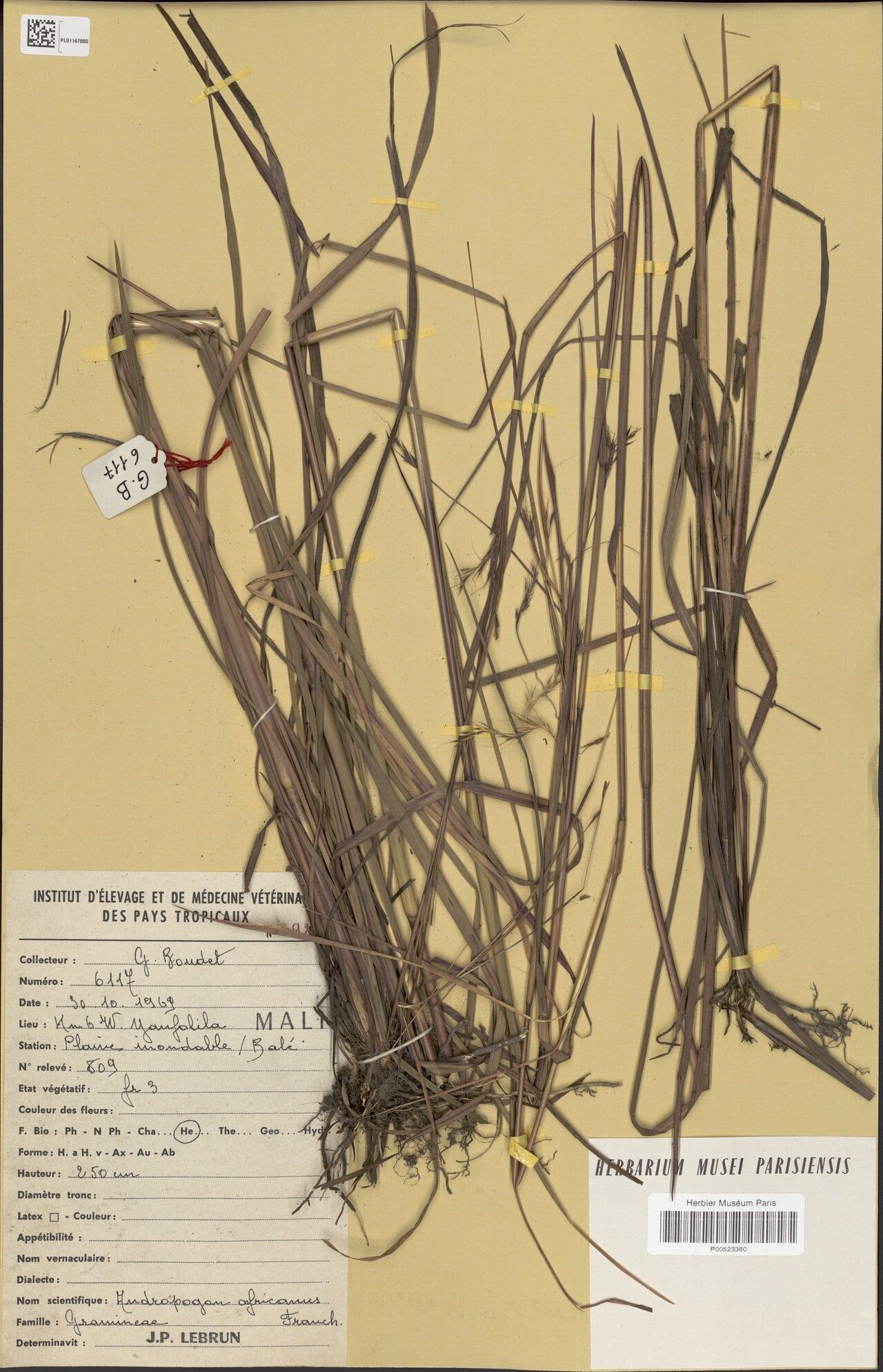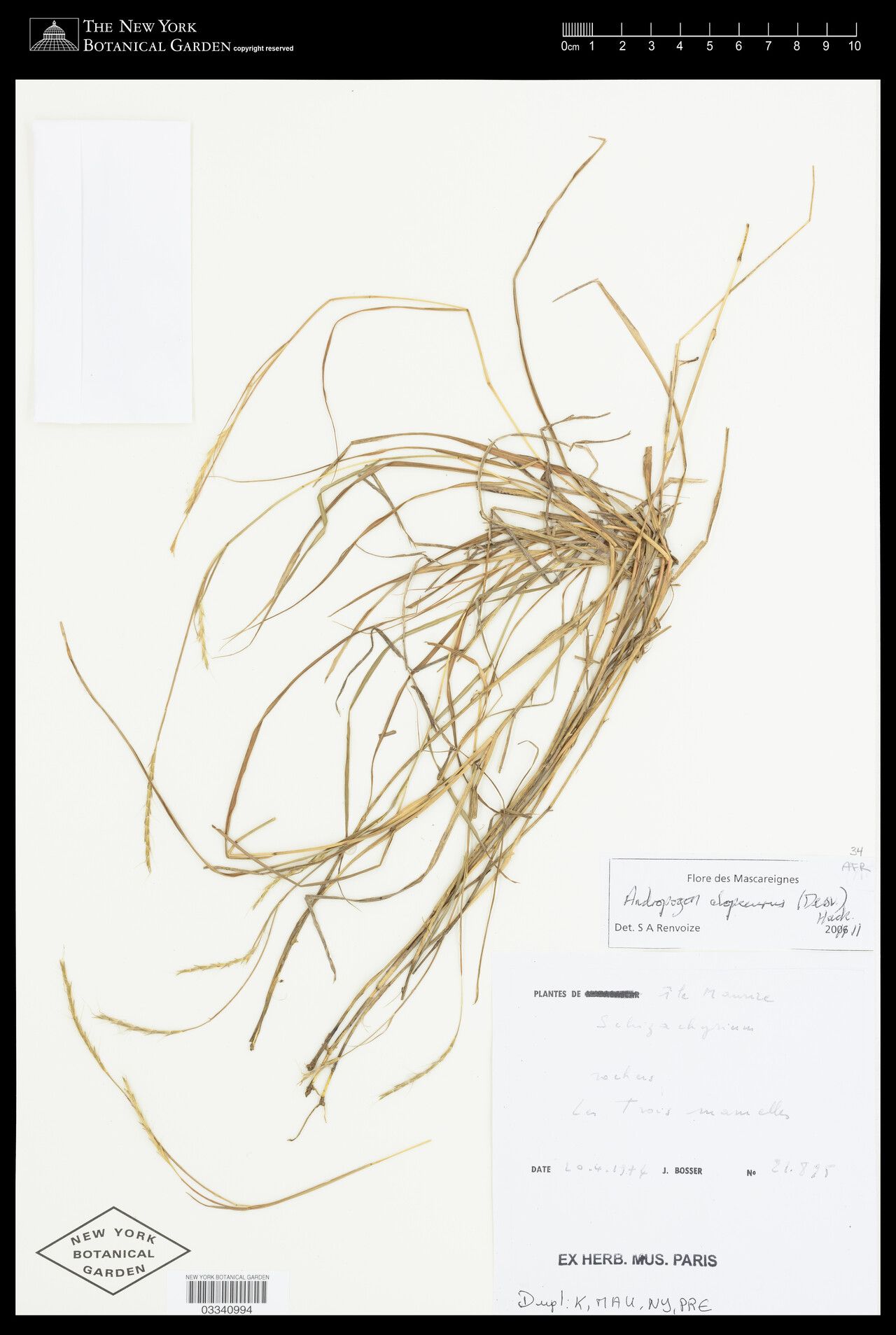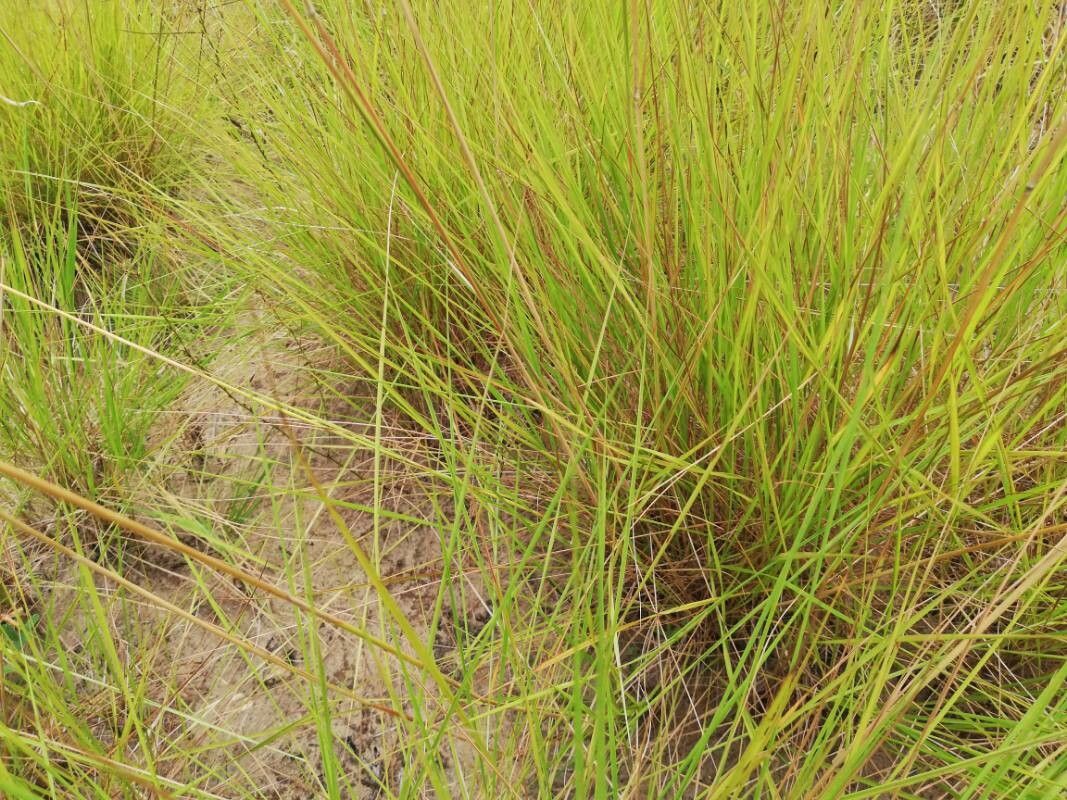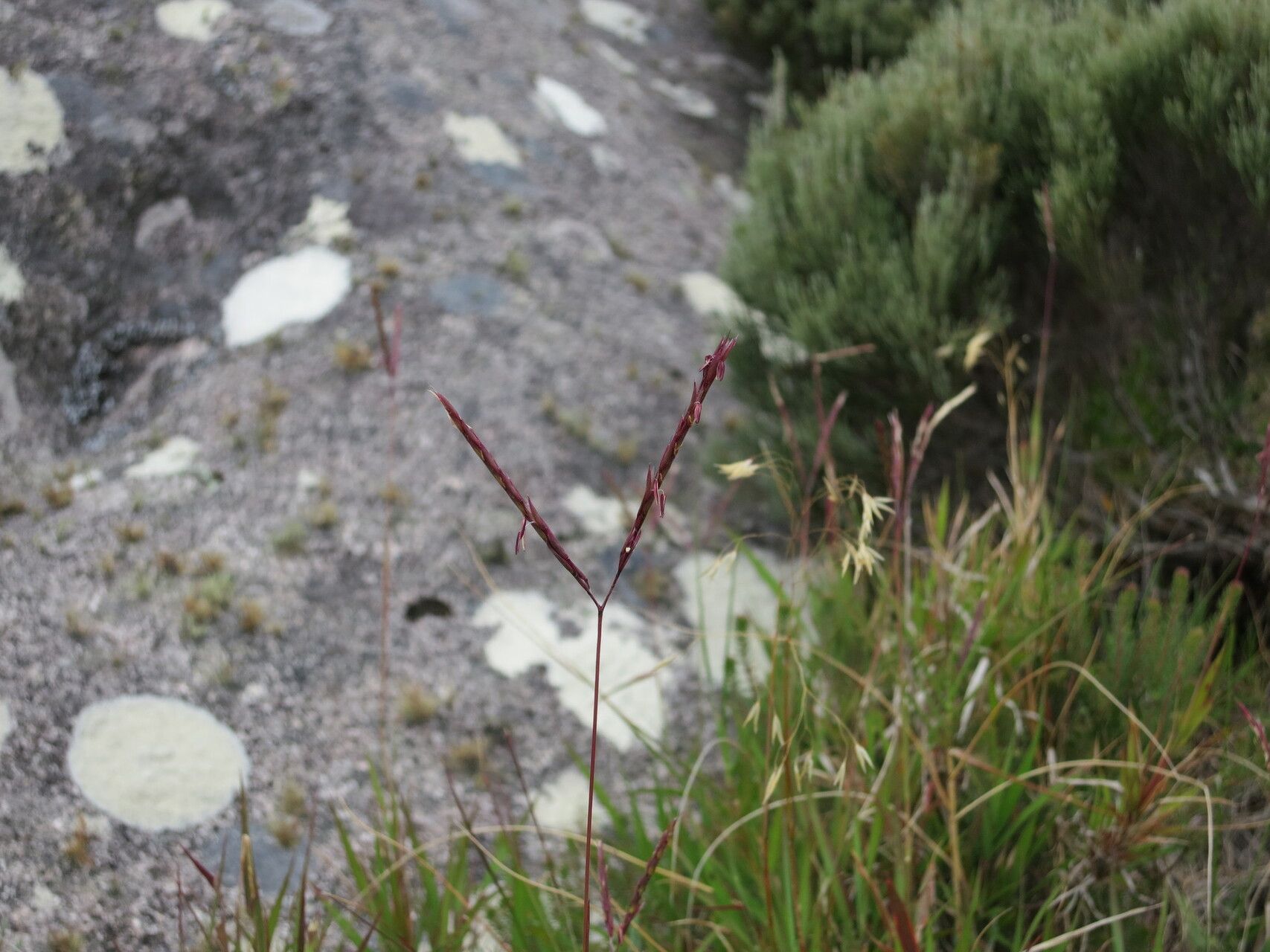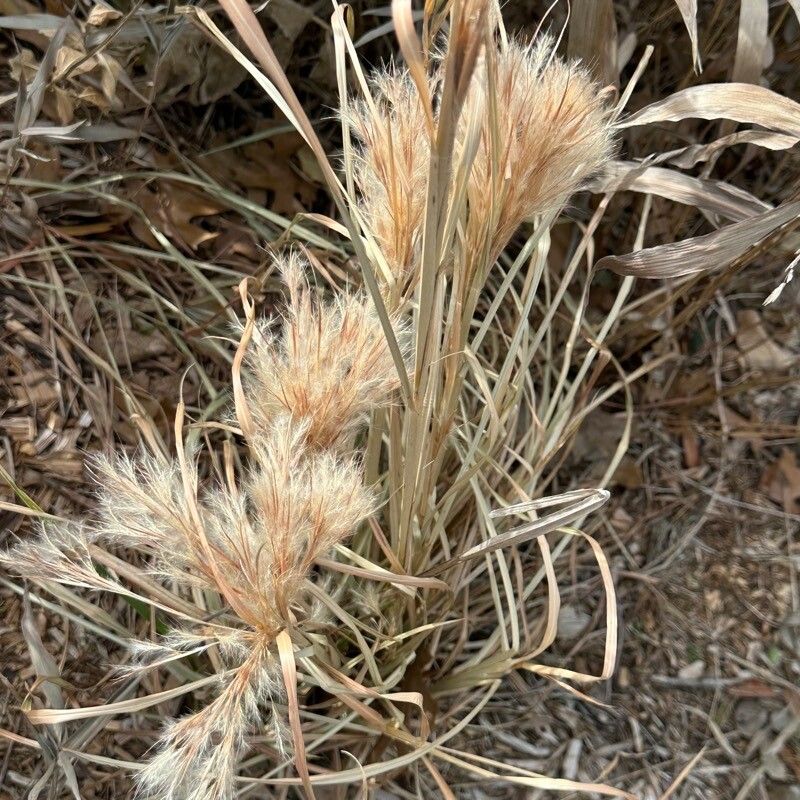
Andropogon glomeratus is a species of grass known by the common names bushy bluestem and bushy beardgrass. This bunchgrass is native to the Americas, where it is widespread. It has also naturalized in other areas. The genus name Andropogon comes from the Greek words 'aner' or 'andros' meaning "man" and 'pogon' meaning "beard", in reference to the hairs on the spikelets of certain species in this genus. The specific epithet glomeratus means "bunched", in reference to the species' bushy and broom-like inflorescences.
Bushy bluestem is fairly disease-resistant and typically not prone to illnesses. However, it can be affected by pests and diseases found in its surroundings. These problems are usually mild. In terms of care, the plant needs moderate maintenance. It should be pruned regularly to keep a neat appearance and support healthy growth. Fertilizing can also encourage flowering. Bushy bluestem is suitable for people with outdoor areas like a garden or patio and does not require extensive gardening experience. It may need more attention when grown indoors.
How to keep Andropogon Glomeratus.
Light
Bushy bluestem grows best in full, unobstructed sunlight, although it can tolerate reduced light. Its robust growth relies on abundant sun. Coming from sunny habitats, the plant may exhibit irregular growth if it gets either too little or too much light.
Water
Bushy bluestem, which naturally grows in moist areas, thrives in high humidity and retains moisture even during dry spells. It needs to be watered twice a week and is resilient in different rainfall conditions. This adaptability to seasonal changes helps ensure its optimal growth.
Temperature
Bushy bluestem naturally occurs in temperate regions where temperatures range from 41 to 95 °F (5 to 35 °C). These temperatures promote its optimal growth. Seasonal adjustments may need to be considered to achieve ideal growth.
Fertilizer
One fertilizer application in spring is generally enough for Bushy bluestem, though repeated feedings can boost growth to its fullest. Apply fertilizer every month to month and a half. Fertilizing improves the leaves’ appearance and function, encouraging uniform color and a healthy texture. It also promotes root development and nutrient uptake, supporting long-term plant health.
Pruning
Bushy bluestem is characterized by its dense clumps and blue-green foliage. To encourage new growth and maintain a compact shape, it is best to prune in early spring by cutting old stems down to ground level. Regular pruning not only enhances the plant's appearance but also improves air circulation, thereby reducing the risk of disease. For precise cuts, always use clean, sharp tools.
Botanical profile.
- Plant Type
- Herb
- Life Cycle
- Perennial
- Genus
- Andropogon
- Family
- Poaceae
- Hardiness Zone
- 5-9
- Mature Height
- 0.61 m to 1.83 m
- Mature Spread
- 61 cm to 91 cm
- Leaf Color
- Green, Blue
- Leaf Type
- Deciduous
- Flower Color
- White, Cream
- Flower Size
- 5.08 cm to 7.62 cm
- Bloom Time
- Mid summer
- Planting Time
- Spring, Summer
- Harvest Time
- Mid summer, Late summer, Early fall
- Native Area
- Belize, Honduras, Guatemala, Dominican Republic, Panama, Jamaica, Colombia, Bahamas, Cuba, Haiti, Venezuela, Guyana, El Salvador, Nicaragua, Ecuador, Costa Rica
Other names.
Reader questions.
What are the sunlight requirements for Bushy Bluestem?
Bushy Bluestem requires specific sunlight conditions to thrive. Full sun exposure means the plant should receive above 6 hours of sunlight, while partial sun signifies about 3-6 hours of sunlight. It's important to observe the movement of sunlight through your garden to find spots that offer the ideal mix of light and shade, ensuring your plants grow healthy and happy.
How do essentials affect the growth of Bushy Bluestem?
The Bushy Bluestem plant benefits significantly from unobstructed solar exposure but can tolerate lesser light. Originating from bright, sunny habitats, its growth may be adversely affected if it receives too much or too little light. To support its growth indoors during low-light conditions, such as winter or in less sunny spaces, artificial lighting can be an effective solution. Optimal growth under artificial light involves using specific types of lights, like LED, adjusting the distance of the light source from the plant, and mimicking natural daylight hours, typically 8-12 hours per day, depending on the intensity needed for full sun, partial sun, or shade plants.
What are the symptoms of light deficiency in Bushy Bluestem?
Bushy Bluestem may exhibit several symptoms if it receives inadequate light, including smaller new leaves, leggy or sparse growth, accelerated leaf drop, halted or slow new growth, and lighter-colored or yellow leaves indicating chlorophyll and nutrient deficiency. In contrast, excessive sunlight can cause symptoms like chlorosis, sunscald, leaf curling, wilting, and leaf scorching. These conditions highlight the plant's struggle to adapt to insufficient or excessive light, impacting its health and appearance.
What solutions can help Bushy Bluestem thrive in low-light conditions?
To assist Bushy Bluestem in low-light conditions, gradually introduce the plant to a sunnier spot, aiming for at least 6 hours of direct sunlight daily. This can be done by using a south-facing window or providing artificial light for indoor plants that cannot be moved easily. For outdoor plants, a gradual move to a brighter location can prevent sunburn. Pruning nearby trees or branches that cast shade and transplanting smaller plants during their dormant period can also improve sunlight exposure. Remember, affected parts may not fully recover, but new growth will be healthy following these adjustments.