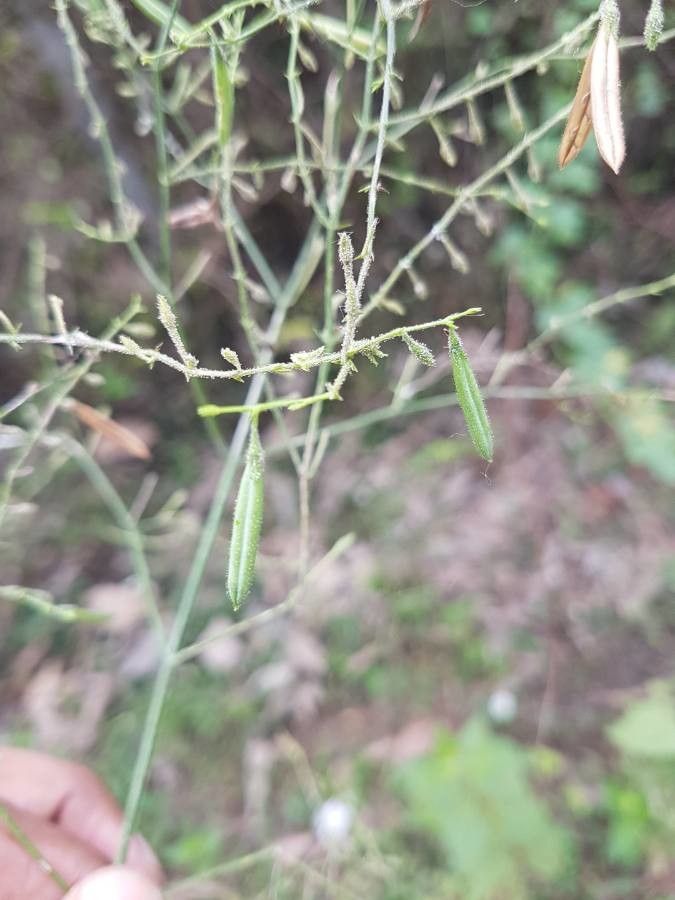
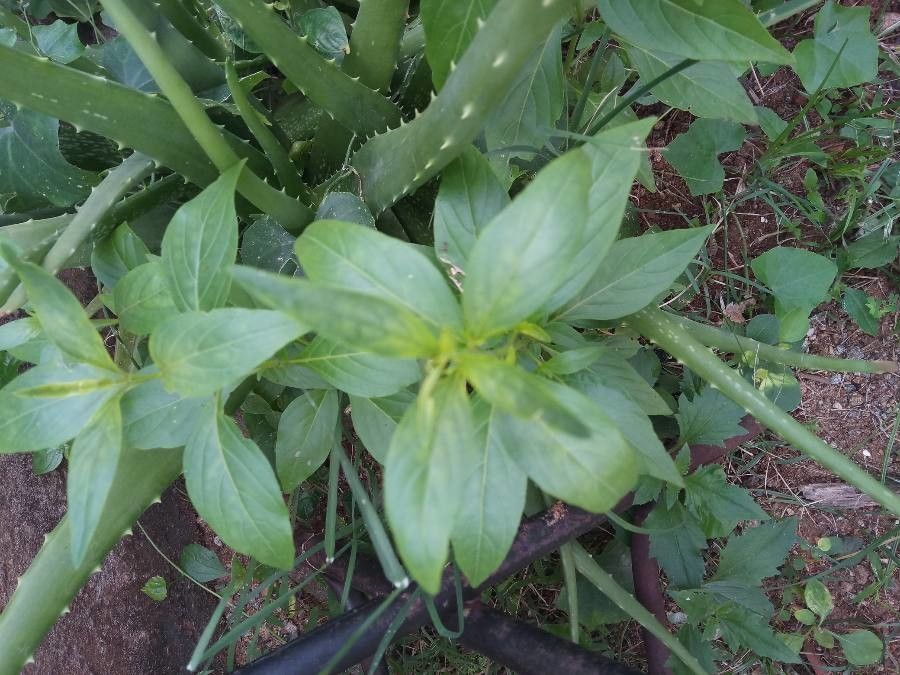
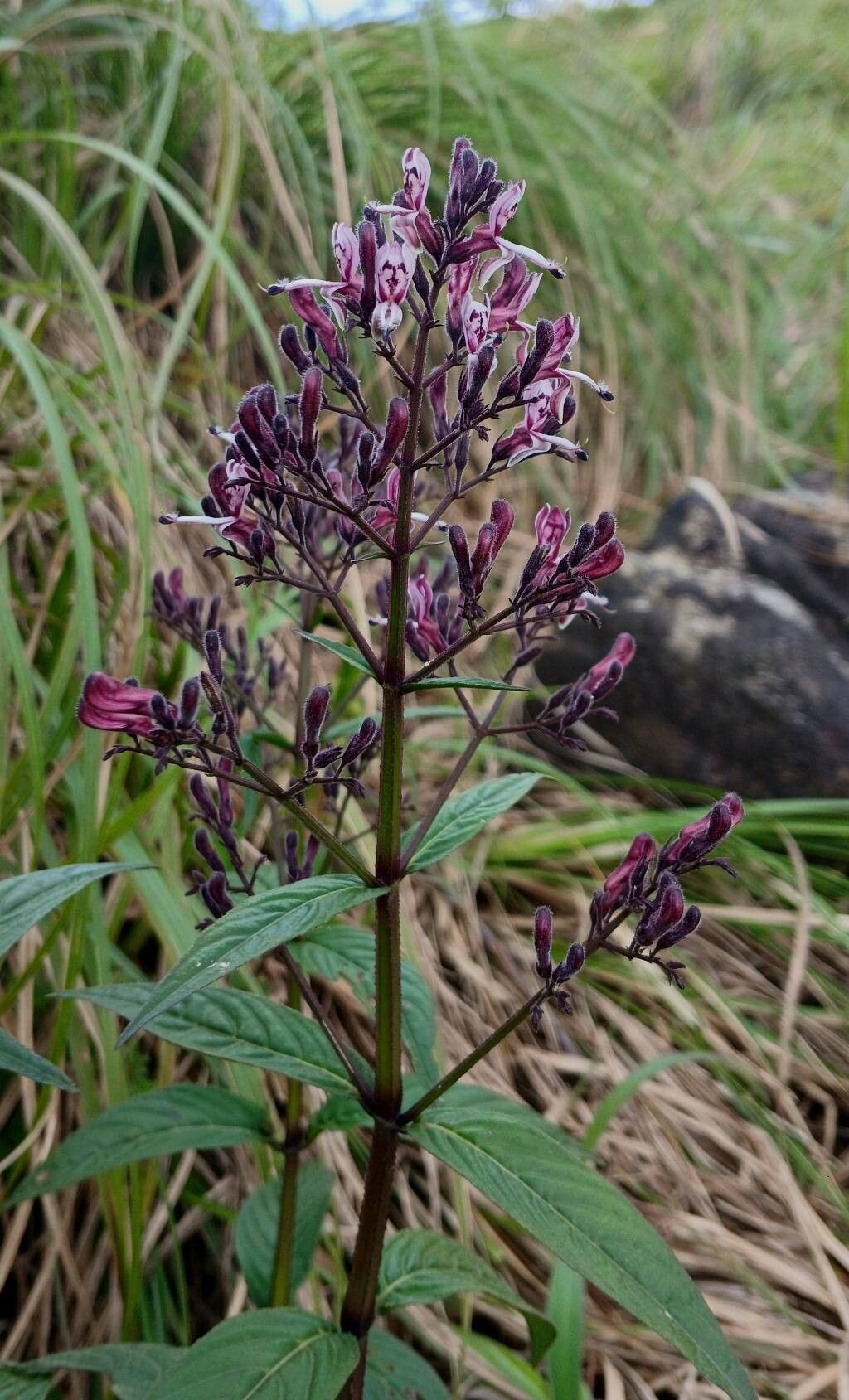
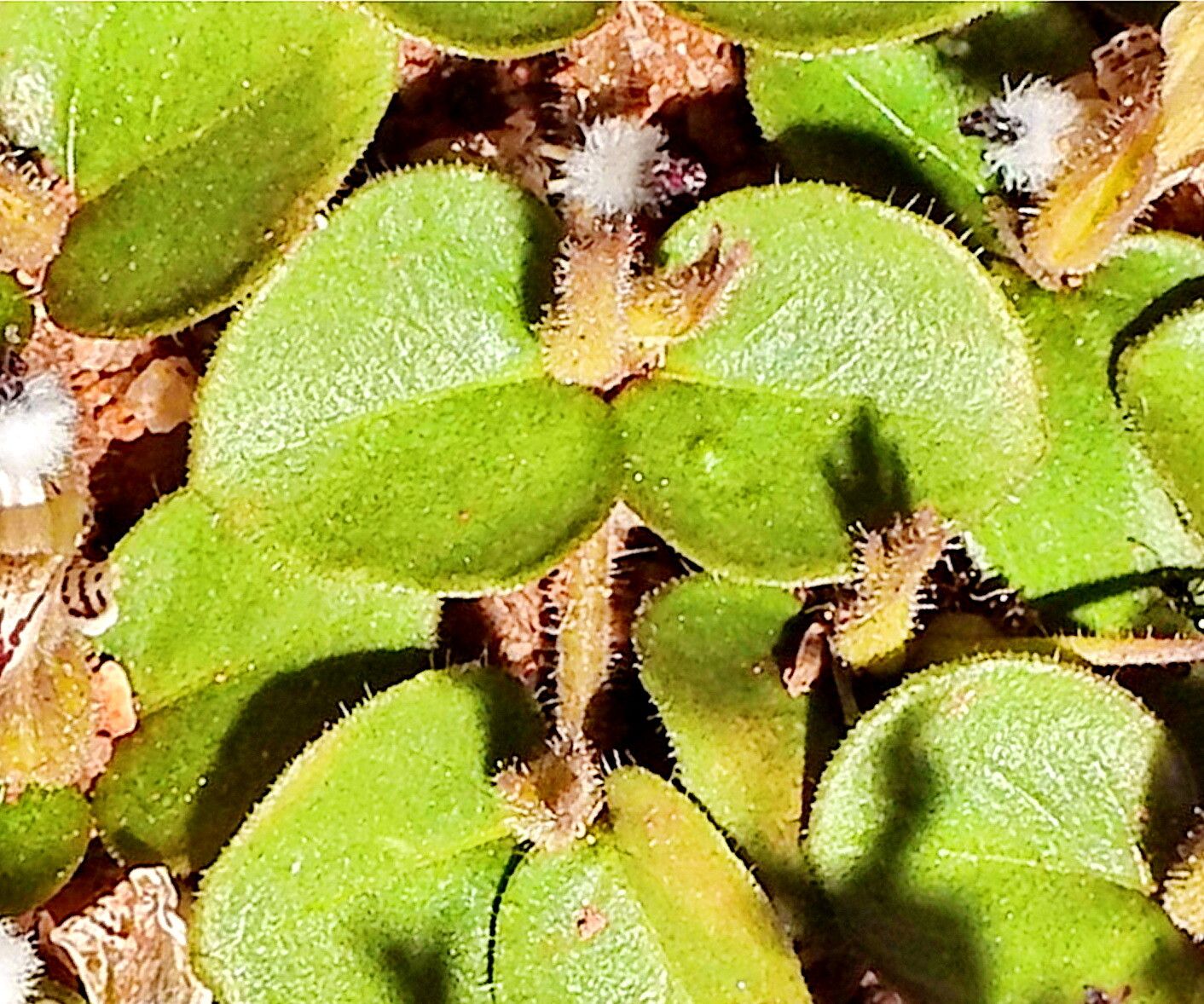
Andrographis paniculata, commonly known as the "King of Bitters," is a medicinal plant native to South Asian countries such as India, Sri Lanka, and Pakistan. This annual herb belongs to the Acanthaceae family and can grow up to 1 meter in height.
The plant has a long history of use in traditional medicine for treating various ailments, including fever, coughs, colds, sore throat, and digestive disorders. It contains several bioactive compounds, such as andrographolide, which exhibit anti-inflammatory properties.
Recent studies have explored the potential of Andrographis paniculata in treating viral infections like influenza and dengue fever, thanks to its antiviral properties. Additionally, it has shown efficacy against certain types of cancer cells.
Andrographis paniculata can be consumed orally or applied topically, depending on the intended use. For ease of consumption, it is available in various forms such as capsules or tablets.
Overall, Andrographis paniculata is a valuable medicinal herb with potential health benefits recognized by traditional medicine practitioners for centuries. Modern science is now studying it further, yielding promising results.
Green chireta is fairly resistant to disease and typically does not suffer from illnesses. Still, it can be vulnerable to pests and diseases present in its environment. Such infections tend to be mild. Regarding care, this plant needs moderate maintenance. It should be pruned on a regular basis to keep a neat appearance and healthy growth. Adding fertilizer can also encourage flowering. Green chireta is well suited for anyone with outdoor space, like a garden or patio, and does not demand extensive gardening experience. When kept indoors, it may need increased attention.
How to keep Andrographis Paniculata.
Light
Green chireta prospers in direct, unfiltered sunlight. Its thriving is tied to a well-lit environment, typical of its natural habitat. Every stage of growth benefits from abundant light. However, excessive sun can be harmful, while insufficient light reduces growth and vitality.
Water
Green chireta, native to the moist and shaded environments of tropical Asia, thrives in high humidity. It prefers moderate watering, ideally once a week, to simulate natural rainfall. Usually grown indoors, green chireta does best with consistent soil moisture that mimics its natural habitat.
Temperature
Green chireta is a hardy plant, adapted to its native growing environment where temperatures range from 68 to 100 °F (20 to 38 ℃). It clearly prefers warmer conditions and thrives in them. Small seasonal adjustments may be necessary to preserve its ideal growth environment.
Fertilizer
Green chireta benefits from regular, light fertilizer applications to encourage healthy leaf growth. You should apply fertilizer to Green chireta about once a month during the summer. Nitrogen is essential for foliage, and adding nitrogen-rich sources helps Green chireta thrive.
Pruning
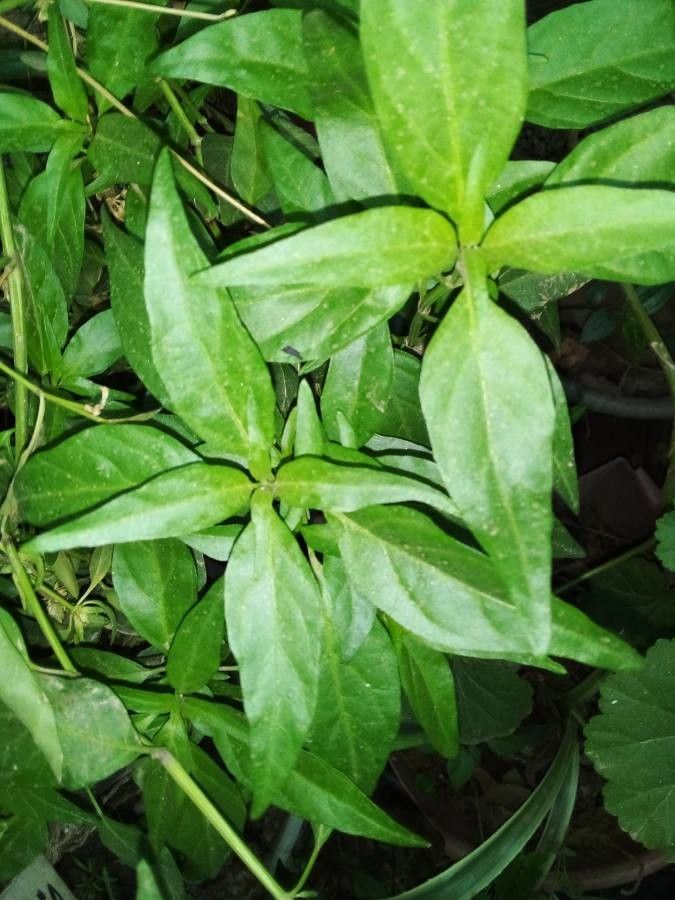
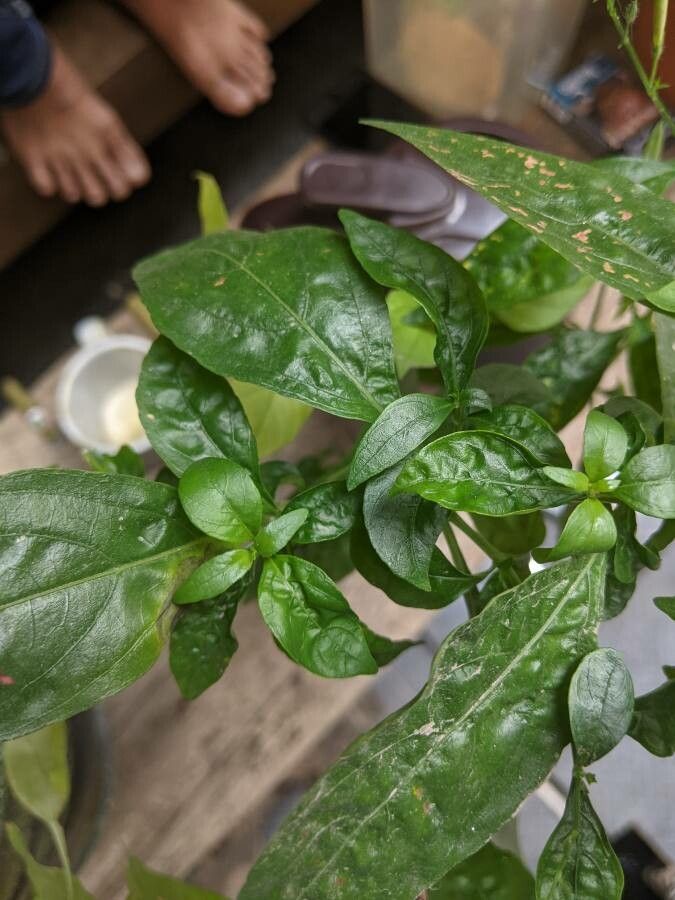
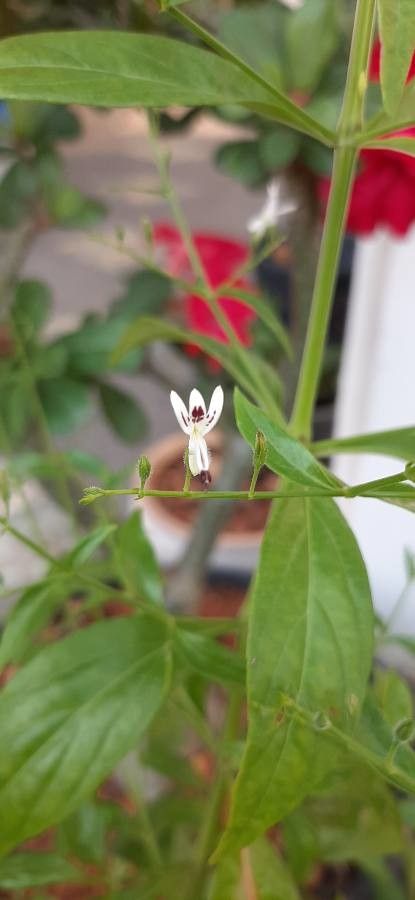
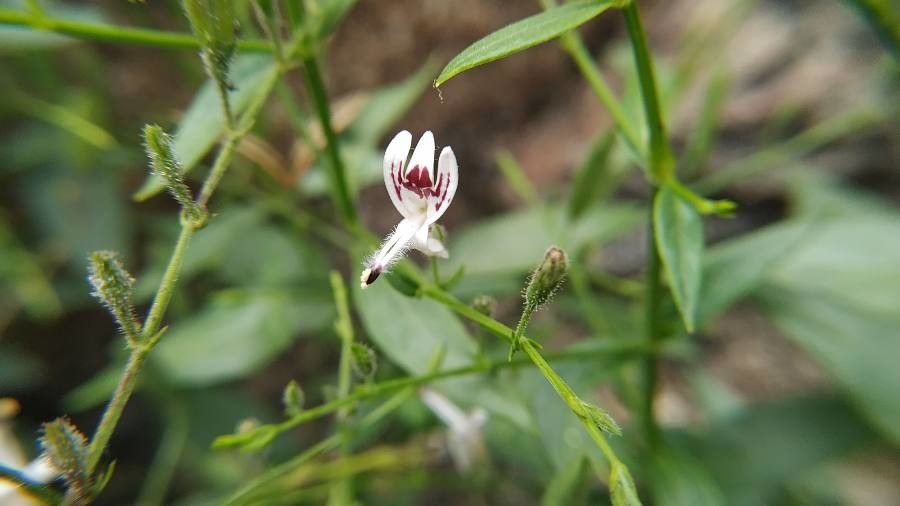
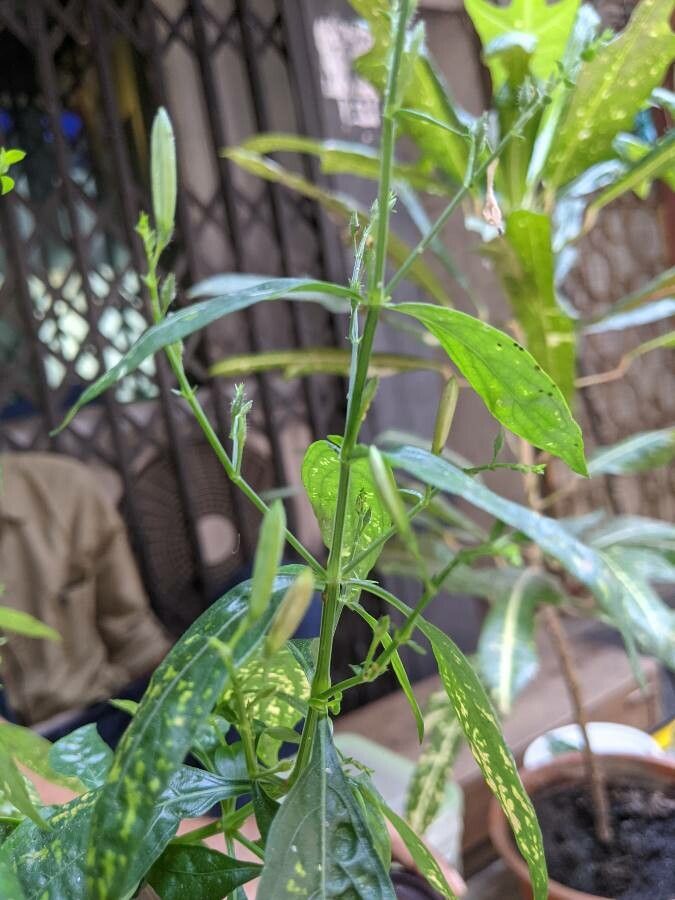
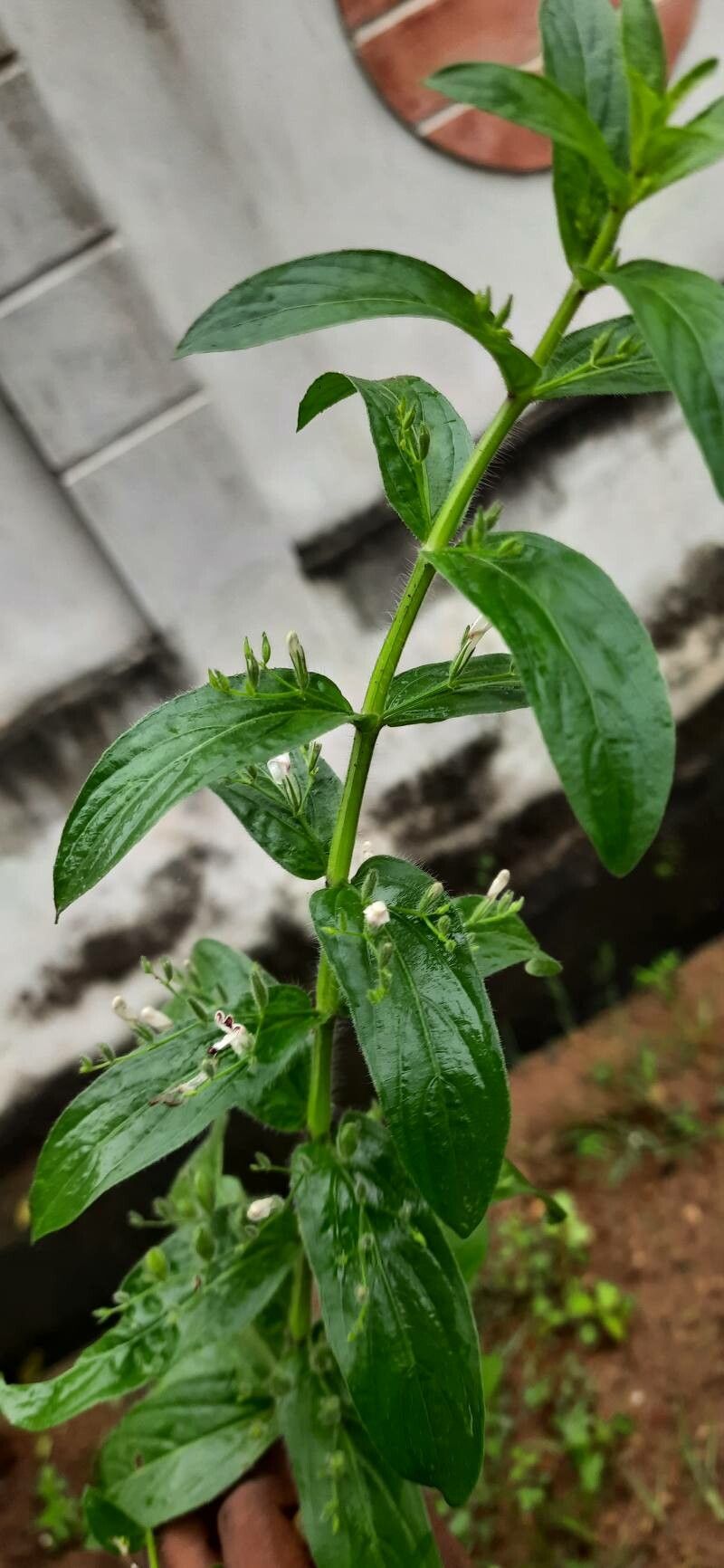
Green chireta features lance-shaped leaves and small white flowers. To encourage healthy growth, prune the plant in the spring. Remove any unhealthy branches and trim up to one-third of its size. Always use clean tools to prevent infections. Additionally, consider pruning after harvesting to shape and rejuvenate the plant.
Botanical profile.
- Plant Type
- Herb
- Life Cycle
- Annual, Perennial
- Genus
- Andrographis
- Family
- Acanthaceae
- Hardiness Zone
- 10-12
- Mature Height
- 0.3 m to 1.07 m
- Mature Spread
- 30 cm
- Leaf Type
- Deciduous
- Flower Color
- White, Purple
- Flower Size
- 2.54 cm
- Bloom Time
- Summer, Early fall, Mid fall
- Planting Time
- Winter, Spring
- Harvest Time
- Late summer, Fall, Early winter
- Native Area
- Nepal, Sri Lanka, India, Malaysia, Cambodia, Vietnam, Myanmar, Bangladesh, Laos
Other names.
Reader questions.
How should I water my Green chireta plant in the best way?
To water Green chireta, you have several options. You can use a garden hose with a spray nozzle, a watering can, or any other common watering tool. Green chireta isn't too picky about water sources, as they can thrive on rainwater, tap water, or filtered water. However, it's best to avoid watering this plant from above as it can harm the leaves, flowers, and even cause disease. A drip irrigation system works well for watering Green chireta because it provides even and direct water to the soil. If you have a container-grown Green chireta, you can use a cup, watering can, or tap to water directly onto the soil.
What are the sunlight requirements for Green Chireta?
Green Chireta (Andrographis paniculata) requires full sun, which means it should receive above 6 hours of sunlight daily to flourish. Observing your garden's sunlight patterns is crucial to find the ideal balance of light and shade, ensuring that your plants thrive in their environment.
What is Green Chireta and its native growth environment?
Green Chireta, botanically known as Andrographis paniculata, is a hardy plant accustomed to warm environments. It thrives in temperatures ranging from 68 to 100 °F (20 to 38 °C), indicating its preference for warmer climates. As a heat-loving plant, Green Chireta flourishes best when the surrounding conditions align with its native growth environment, making it vital to monitor and adjust its immediate atmosphere according to seasonality to ensure its optimal growth.
What should I do if I give my Green chireta plant too much or too little water?
When your Green chireta plant lacks moisture, the remedy is simple: water it more often. However, overwatering can be a serious issue that can lead to disease and death of the plant if not caught early. To prevent overwatering, it's important to choose a suitable growing location that receives plenty of sunlight and has good drainage. In the case of an overwatered potted Green chireta, it may be necessary to change to a new pot with better drainage. When repotting, use loose soil and ensure the new pot drains efficiently.
How essential is sunlight for the growth of Green Chireta, and are there any considerations for artificial lighting?
Sunlight is critically essential for Green Chireta, as it thrives under the sun's unfiltered rays, directly influencing each phase of its growth. For indoor plants or those in less sunny spaces, artificial lighting serves as an important alternative. Optimal growth requires adequate exposure to either natural or artificial light, with recommendations including using LED lights to customize the specific wavelengths needed by the plant. The intensity of artificial light should be adjusted based on the plant's needs, ranging from 30-50W/sq ft for full sun plants to 10-20W/sq ft for full shade plants. Distance and duration of light exposure are key factors to mimic natural conditions, with a general guideline of 8-12 hours of light per day at a distance of 12-36 inches from the plant.
How should Green Chireta be cared for in autumn and winter?
With its strong preference for warmth, Green Chireta requires special care during the colder months. In autumn, it is advisable to bring the plant indoors if it was previously kept outside, placing it near a bright window to ensure it continues to receive sufficient light. However, it is crucial to avoid placing the plant too close to heaters to prevent damage from excessive dryness. Throughout winter, maintaining an environment with temperatures above 20°C is essential for its well-being, as exposure to temperatures near or below 5°C could severely harm the plant.
How frequently should I water my Green chireta?
To keep your Green chireta plant healthy, make sure to give it regular water throughout the growing season. In the spring, watering once a week should be sufficient. However, as the season progresses and temperatures rise, you may need to water two to three times a week. Be careful not to overwater, as this can harm the plant. It's important to keep the soil moist but not overly wet, regardless of how often you water. If your Green chireta is in a pot, you'll need to water it more frequently because the soil in pots can dry out faster. In most cases, watering a container-grown Green chireta a few times per week is recommended, compared to just once per week for an in-ground plant.
What are the symptoms of light deficiency or excess in Green Chireta?
Green Chireta displays various symptoms in response to light deficiency or excess. Insufficient light can lead to smaller leaves, leggy growth, faster leaf drop, slowed or halted new growth, and lighter-colored new leaves indicative of poor chlorophyll production. Excessive sunlight exposure may cause chlorosis, resulting in yellowing leaves, sunscald with pale or necrotic areas on the plant, leaf curling as a defense mechanism, wilting from too much water loss, and leaf scorching characterized by brown, dry, crispy leaf edges. These symptoms signal the need to adjust the plant’s light exposure for optimal health.
What are the symptoms of cold damage in Green Chireta, and how can it be treated?
Green Chireta is sensitive to low temperatures and shows clear signs when negatively affected by the cold. Symptoms of cold damage include a lightening of leaf color when temperatures drop below 1°C, which then transitions to brown or black as frost damage worsens. The plant may also exhibit wilting and drooping. To treat cold damage, trim away the frost-affected parts and immediately move the plant to a warm space indoors, ideally near a south-facing window to ensure it receives enough sunlight. To avoid further stress, keep the plant away from direct heat sources like heaters or air conditioning vents.
How much water does my Green chireta plant need?
Determining how much water to give your Green chireta can be done in a few different ways. Some gardeners use the method of feeling the soil for moisture and watering until the first six inches are moist. Alternatively, you can use a set measurement, such as two gallons per week, taking into consideration temperature and soil dryness. However, be cautious not to overwater if your plant requires less. When growing Green chireta in a container, a different method is needed. Water enough to moisten all dry layers of soil, which can be tested by sticking your finger in the soil or noticing excess water drainage from the pot.
How can I address the symptoms of light deficiency or excess in Green Chireta?
To address light-related issues in Green Chireta, adjust the light exposure gradually. For indoor plants, move them to sunnier spots weekly until reaching at least 6 hours of direct sunlight daily or supplement with artificial light for 8 hours if relocation is not feasible. Outdoors, avoid abrupt changes in light intensity by gradually transitioning plants to sunnier areas. Reducing obstructions like pruning trees and considering transplanting to sunnier locations with good drainage can vastly improve sunlight access. Note that while affected parts may not recover, new growth should be healthy with adjusted light exposure.
How does high temperature affect Green Chireta, and what solutions are recommended?
While Green Chireta thrives in warm conditions, excessively high temperatures can be detrimental. During summer, it is essential to keep the plant's surroundings below 38°C to prevent stress. Temperatures exceeding 43°C can cause the leaves to lighten in color and increase the plant’s susceptibility to sunburn. To mitigate high temperature damage, trim away any sunburned or dried-up parts of the plant. Relocating the plant to a shaded area, especially during midday and afternoon sun, and maintaining soil moisture through morning and evening watering, can help alleviate stress from too much heat.