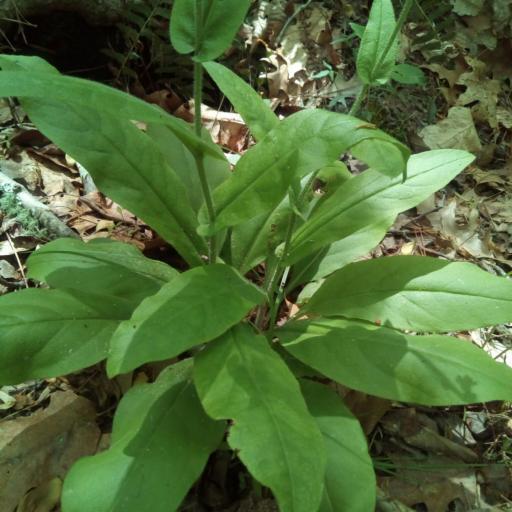
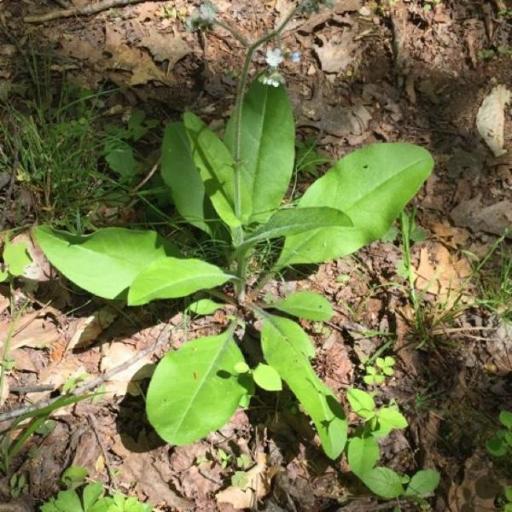
Andersonglossum virginianum, known as wild comfrey, is a flowering plant in the borage family native to North America. It is also sometimes called blue houndstongue. Formerly placed in the genus Cynoglossum, it was transferred to the genus Andersonglossum in 2015.
Wild Comfrey is fairly disease-resistant and is generally not vulnerable to illnesses. However, it can be affected by pests and diseases present in its surroundings. Such infections are typically not severe. Regarding maintenance, this plant requires moderate upkeep. It should be pruned regularly to preserve a neat appearance and support healthy growth. Fertilizing can also help encourage flowering. Wild Comfrey is suitable for anyone with outdoor space, like a garden or patio, and does not demand extensive care experience. It may need more attention when cultivated indoors.
How to keep Andersonglossum Virginianum.
Light
Wild Comfrey naturally grows in settings like forest understories or rocky locations, where it receives natural shade. It favors partial sun but can tolerate full sun or full shade, illustrating its adaptable, hardy character.
Water
Wild Comfrey is native to the understories of deciduous forests and thrives in consistently moist soil, although it can tolerate short periods of drought. Watering it once a week is usually enough to keep it well-hydrated. Typically grown outdoors, wild Comfrey adapts to the natural patterns of seasonal rainfall, which affects its growth and how efficiently it absorbs water.
Temperature
Wild Comfrey is naturally adapted to survive temperatures ranging from 41 to 95°F (5 to 35°C). This plant thrives in typical temperate climates and may need special care in extreme weather. During hotter or colder seasons, ensure it is well insulated or shaded.
Fertilizer
Usually a single fertilizer application in spring is enough for Wild Comfrey, though multiple feedings can maximize growth. Feed every one to one and a half months. Fertilization improves the leaves’ appearance and function, helping maintain uniform color and a healthy texture. It also promotes root development and nutrient uptake for the plant’s long-term health.
Pruning
Wild comfrey, characterized by its broad leaves and blue flowers, requires minimal pruning from early to late spring. To promote growth and improve air circulation, remove any dead foliage. This will also help reduce the risk of disease. Make sure to use clean, sharp tools and avoid over-pruning to preserve the plant's natural shape and health.
Botanical profile.
- Plant Type
- Herb
- Life Cycle
- Perennial
- Genus
- Andersonglossum
- Family
- Boraginaceae
- Hardiness Zone
- 4-10
- Mature Height
- 30 cm to 61 cm
- Mature Spread
- 30 cm to 61 cm
- Leaf Color
- Green, Dark Green
- Leaf Type
- Deciduous
- Flower Color
- White, Lavender
- Flower Size
- 1.27 cm
- Bloom Time
- Mid spring, Late spring, Early summer
- Planting Time
- Spring, Summer
- Harvest Time
- Early summer, Mid summer
Other names.