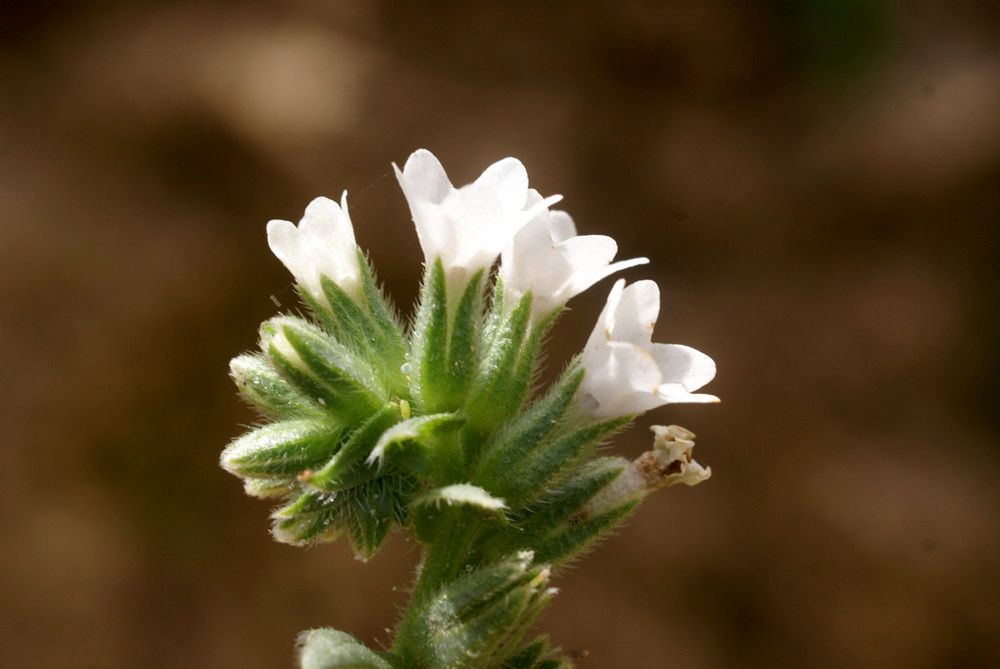
Undulate alkanet has strong resistance to disease and is generally not prone to illnesses. Nonetheless, it can be affected by pests and diseases present in its environment. Those infections are typically mild. Care-wise, the plant requires moderate maintenance. It should be pruned regularly to preserve a neat appearance and support healthy growth. Fertilizing can also encourage flowering. Undulate alkanet is appropriate for anyone with outdoor space, such as a garden or patio, and does not demand extensive gardening experience. It may need more attention when grown indoors.
How to keep Anchusa Undulata.
Light
Undulate alkanet performs best in full sun, though it can handle some shade. In its native areas it does well with abundant sunlight. Excessive shade can restrict its growth, while too much sun can cause scorching or spotting. All stages of growth have the same requirement for substantial light.
Water
The undulate alkanet thrives in areas with moderate rainfall and benefits from weekly watering for optimal growth. It prefers well-drained soil to prevent overwatering and root rot, which makes it ideal for outdoor cultivation.
Temperature
Undulate alkanet can tolerate a wide range of temperatures, but its distribution may still be restricted by different combinations of moisture and heat. It performs best in warm summer conditions with sufficient rainfall or watering. Extended periods of cloudy, rainy weather, as well as prolonged high temperatures, can increase the chance of the plant dying. In winter, adequate protection from cold can enhance the plant's survival rate.
Fertilizer
Undulate alkanet requires regular fertilization to encourage flowering but doesn't tolerate excessive amounts. It needs small, frequent doses of fertilizer throughout its entire life cycle, especially during the peak period of active growth and while it is flowering. You will feed your Undulate alkanet until it stops blooming.
Pruning
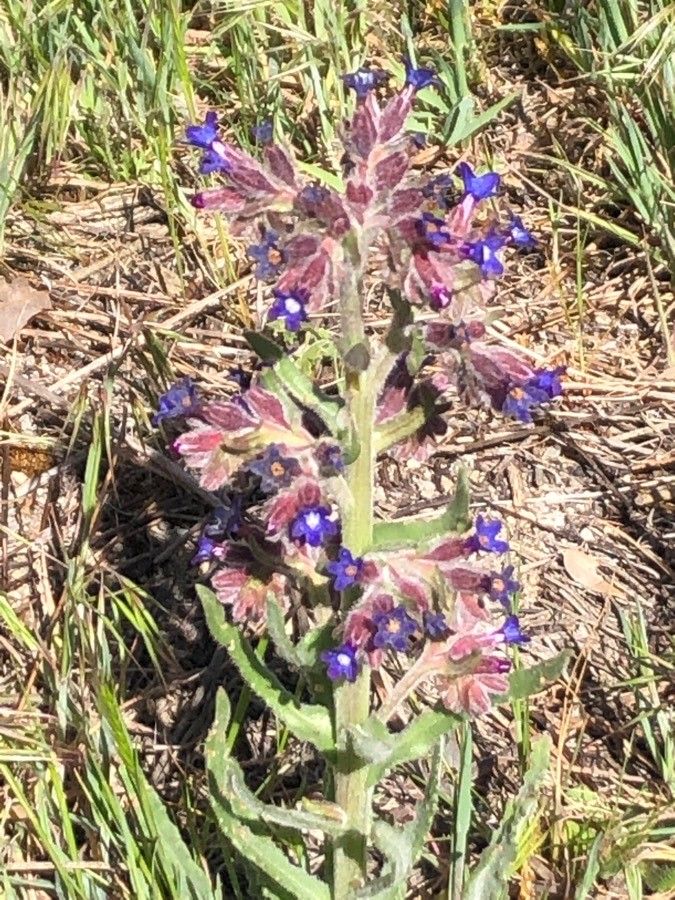
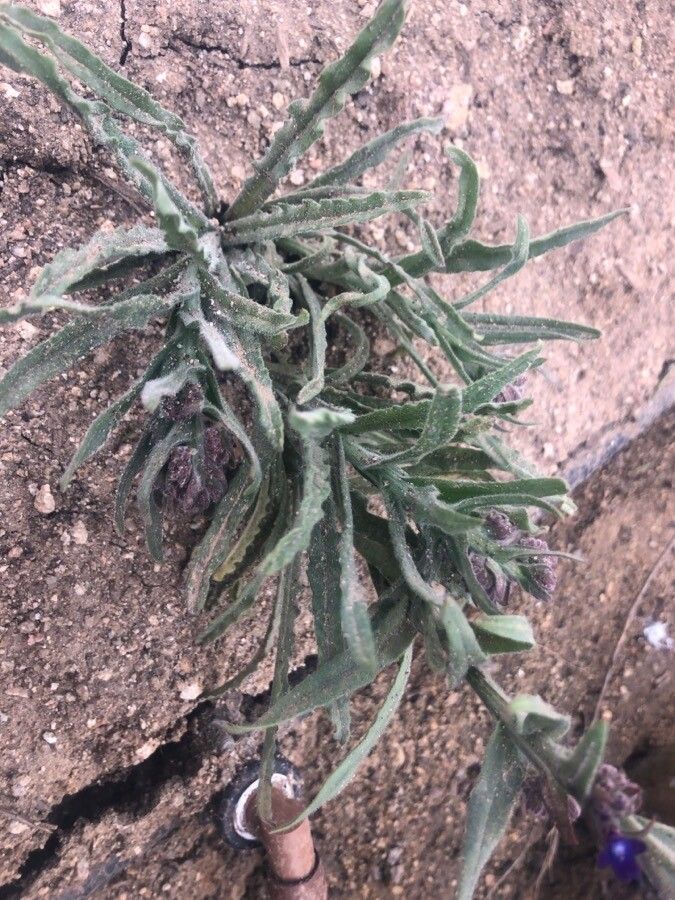
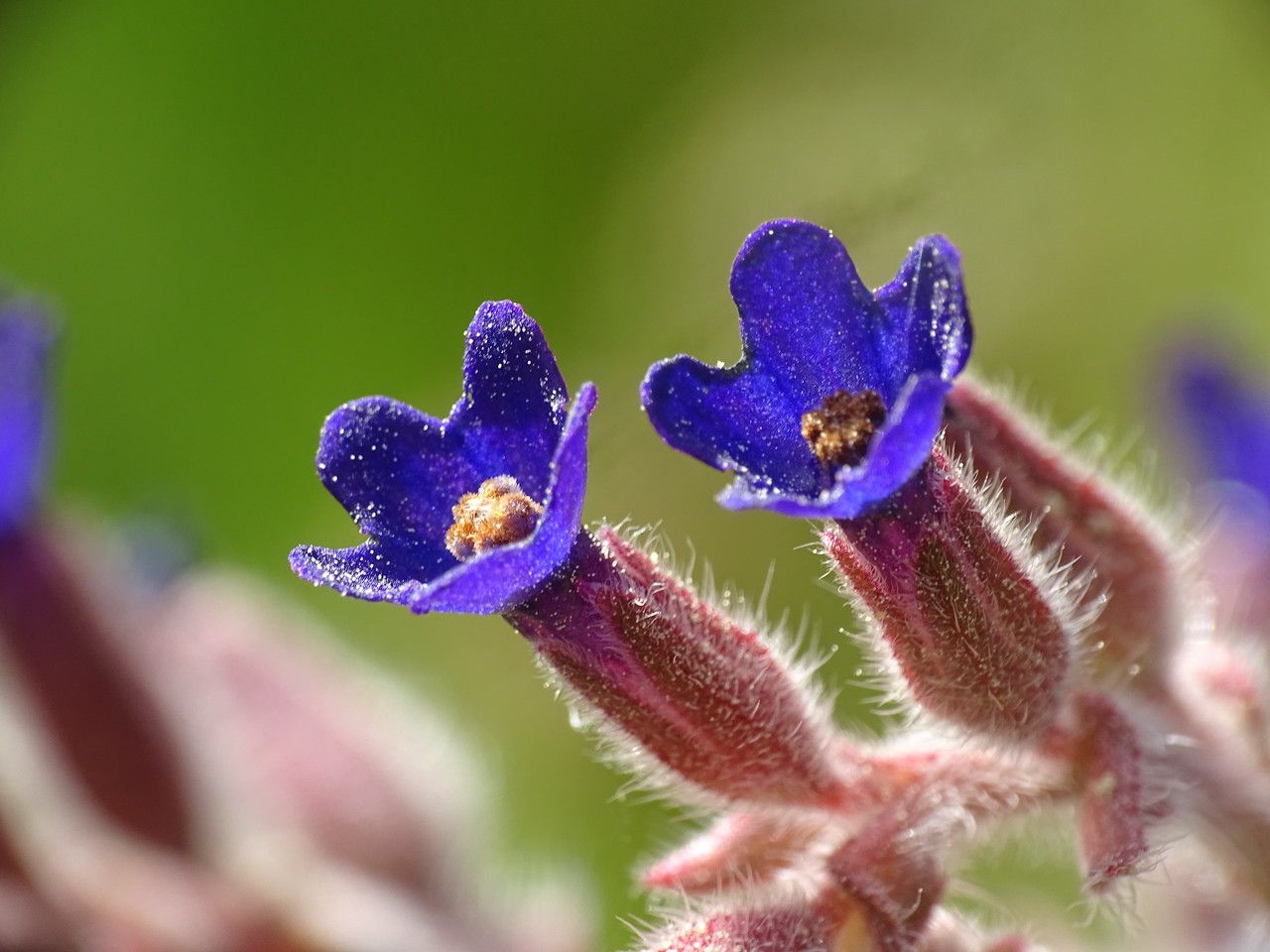
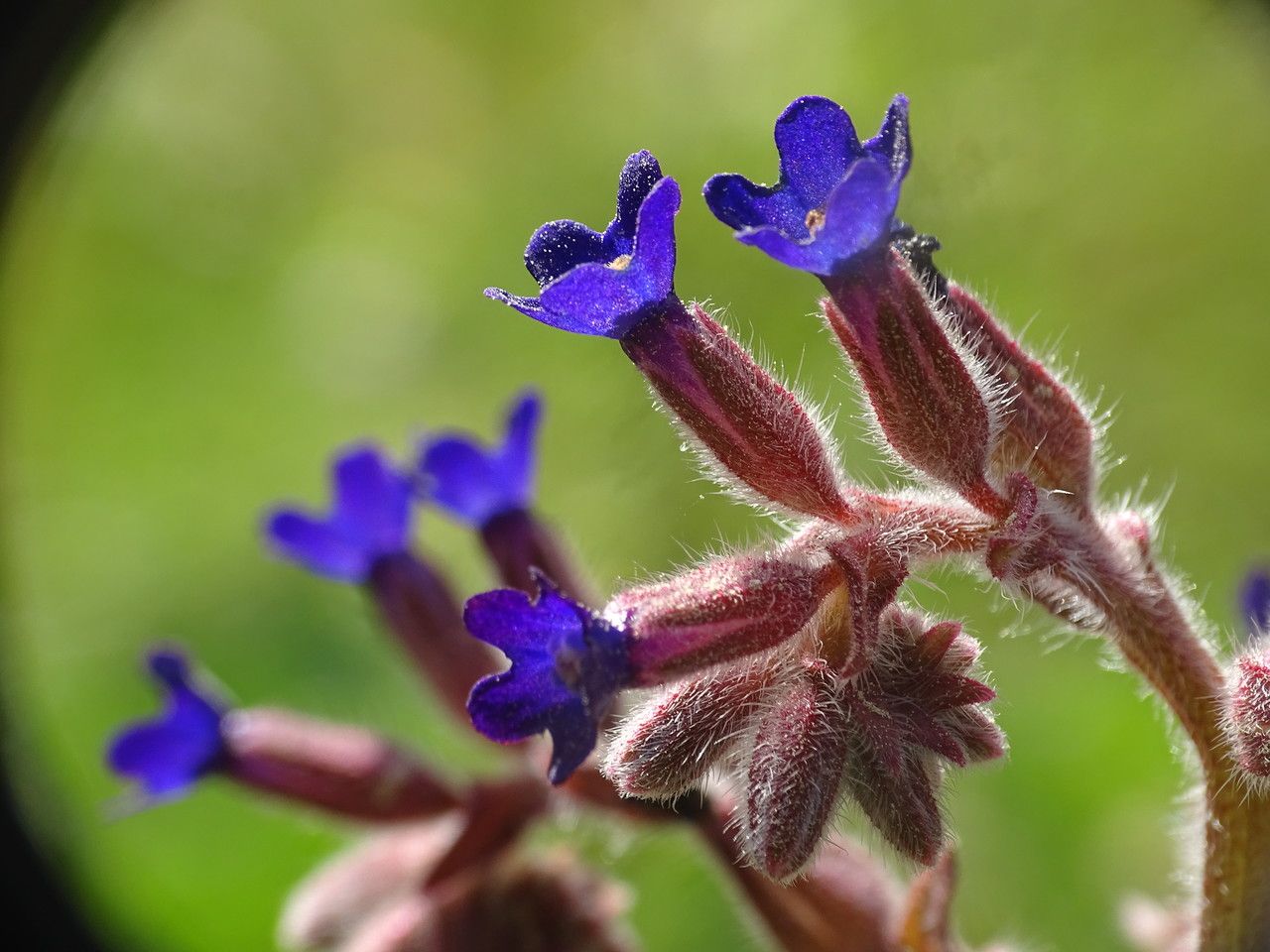
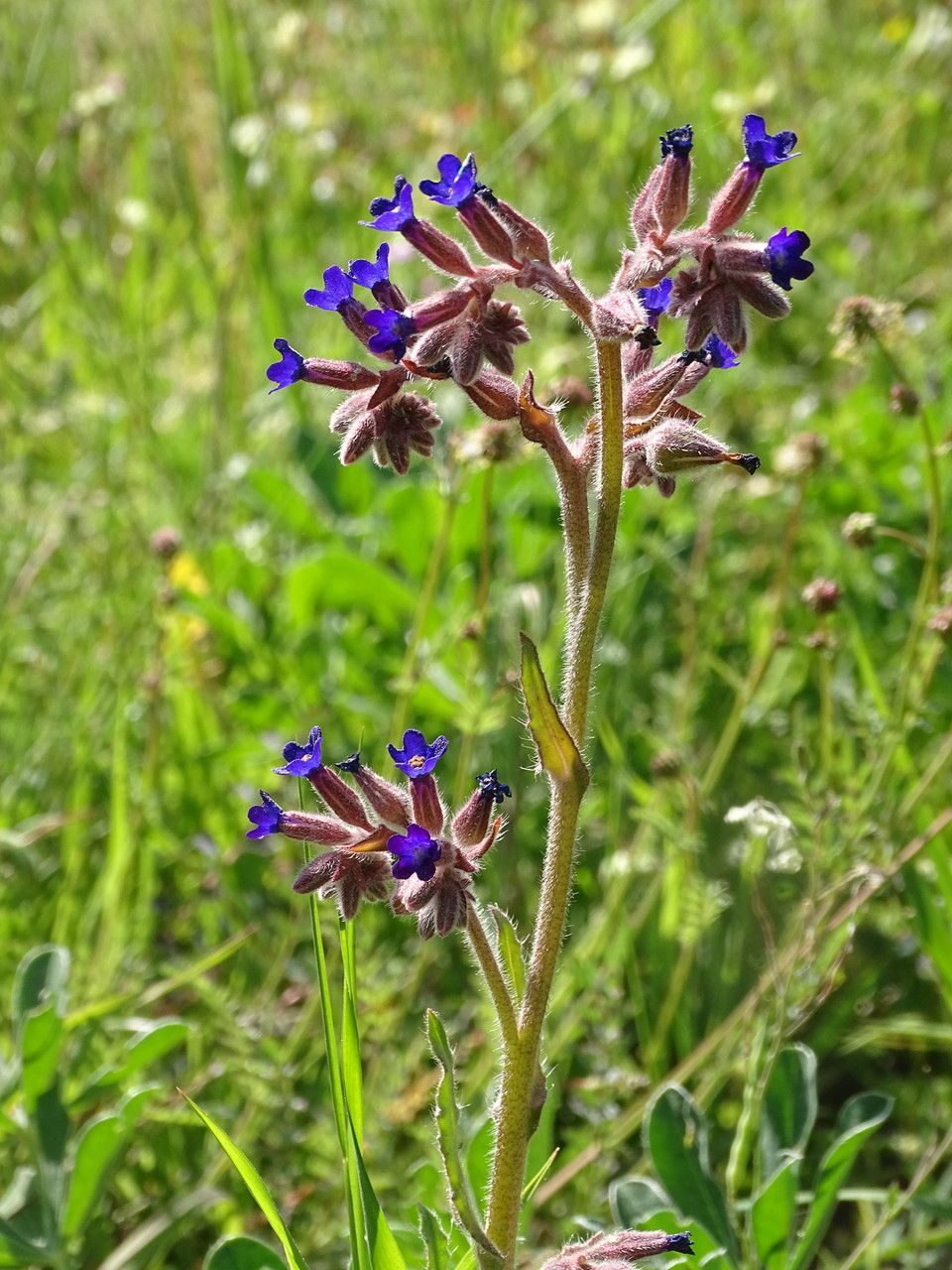
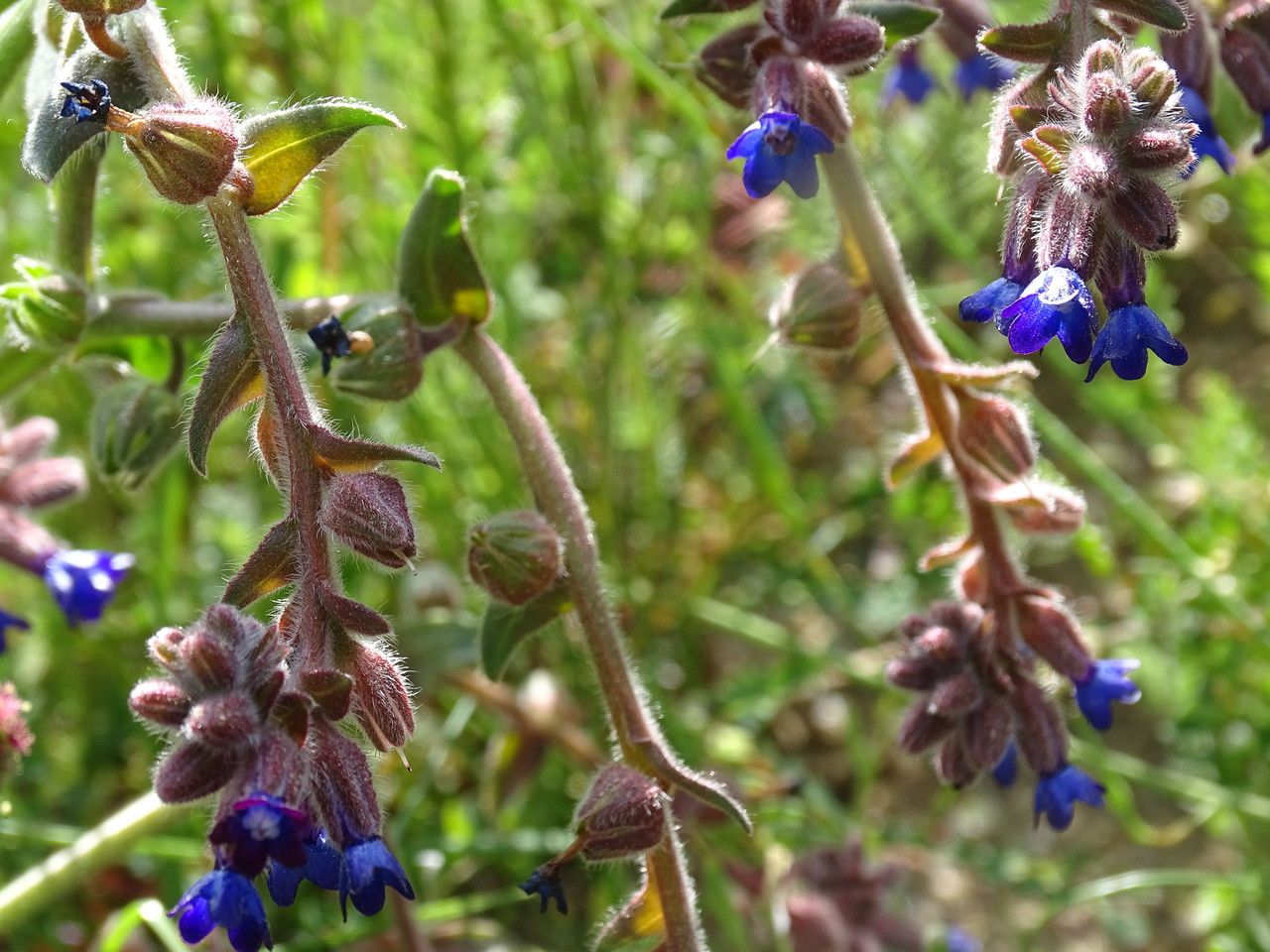
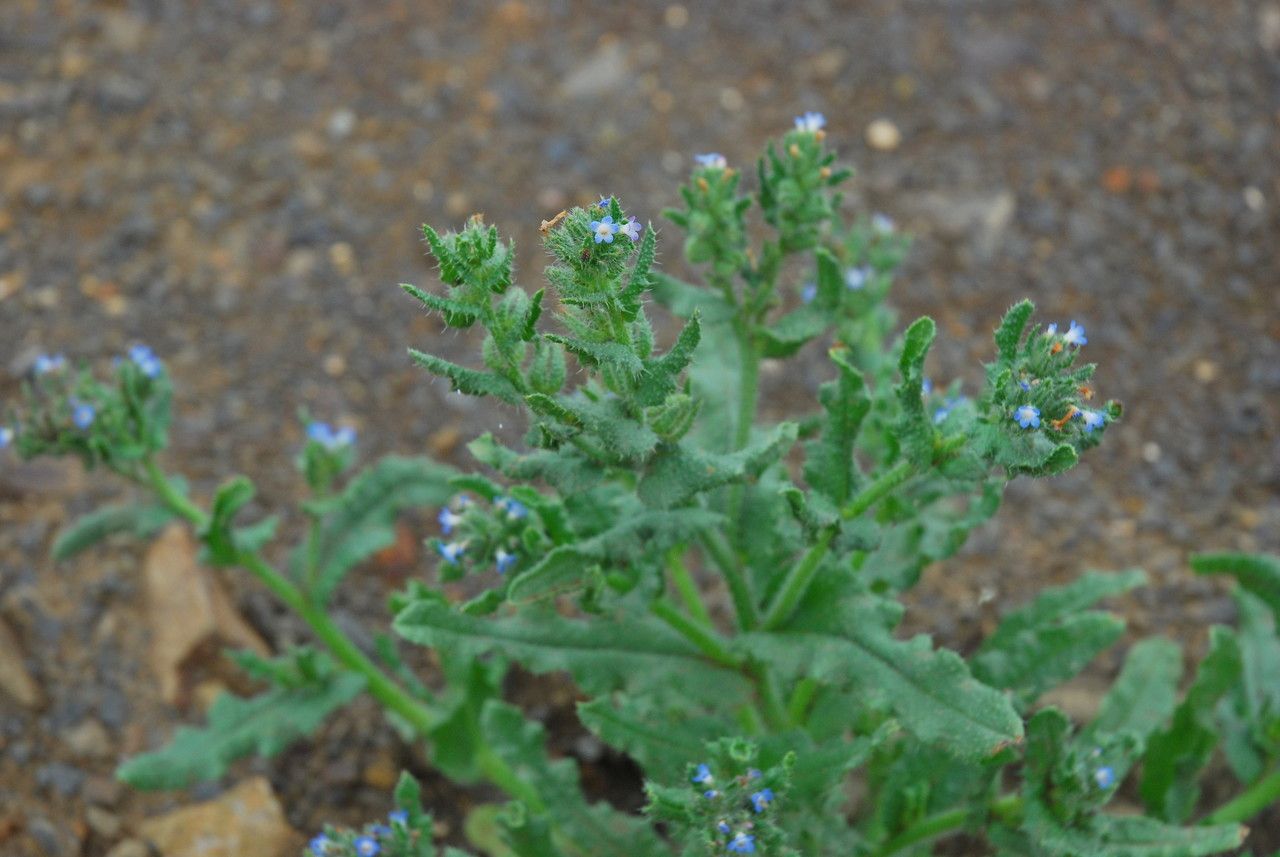
Undulate alkanet is characterized by its wavy leaves and blue flowers. To maintain a healthy and bushy plant, prune it from early to late spring by removing dead stems. Make sure to use sharp, sanitized tools to prevent disease and promote vigorous growth and flowering.
Botanical profile.
- Plant Type
- Herb
- Life Cycle
- Biennial, Perennial
- Genus
- Anchusa
- Family
- Boraginaceae
- Hardiness Zone
- 3-9
- Mature Height
- 10 cm to 61 cm
- Mature Spread
- 30 cm to 46 cm
- Leaf Color
- Green, Dark Green
- Leaf Type
- Semi-evergreen
- Flower Color
- Purple
- Flower Size
- 1.02 cm to 1.52 cm
- Bloom Time
- Mid spring, Late spring, Early summer
- Planting Time
- Spring, Summer, Autumn
- Harvest Time
- Summer
Other names.
Reader questions.
How should I water my Undulate alkanet to keep it healthy?
To properly care for the Undulate alkanet plant, follow these guidelines: 1. Use filtered water at room temperature or slightly warmer since tap water may contain harmful particles. 2. Avoid overhead watering to prevent foliage complications. 3. Instead, apply filtered, room temperature water directly to the soil until it is entirely soaked. 4. Soaking the soil helps the plant by moistening its roots and aiding in nutrient absorption.
What are the sunlight requirements for Undulate alkanet?
Undulate alkanet flourishes best under full sun exposure, requiring more than 6 hours of sunlight daily to thrive optimally. It can also tolerate partial sun, meaning it can grow with about 3-6 hours of sunlight. However, it's important to observe your garden throughout the day to choose spots that offer a good balance of light and shade, ensuring the plant's health and happiness.
What is Anchusa undulata?
Anchusa undulata, also known as Undulate alkanet, is a plant species identified by its botanic name. Detailed information regarding its essentials, symptoms, and additional characteristics was not provided.
What should I do if I give my Undulate alkanet too much or too little water?
Overwatering is a more common issue than underwatering for the health of your Undulate alkanet. If you give this plant too much water, its stems and leaves can wilt and turn yellow. Overwatering for a long time can also cause diseases like root rot, mold, and mildew, which can kill the plant. On the other hand, underwatering is less common because the Undulate alkanet can tolerate drought well. However, if it happens, the leaves will become brittle and brown. It's important to recognize the signs of overwatering and take action right away. Some diseases caused by overwatering, like root rot, may not be fixable if you wait too long. If you see early signs of overwatering, reduce watering immediately. Check the quality of the soil as well. If it drains poorly, replace it with a loose, well-draining potting mix. If you notice signs of underwatering, simply water more regularly until the signs go away.
How does Undulate alkanet respond to different lighting conditions?
Undulate alkanet thrives under full sun exposure, which is its preferred condition for optimal growth. It can withstand a bit of shade, but excessive shade might stunt its growth, while too much sun could lead to leaf searing or spotting. The plant exhibits a consistent need for ample light throughout its different stages of growth. In cases where natural light is insufficient, especially indoors or during less sunny seasons, artificial lighting such as LED lights can provide the necessary wavelengths for healthy growth. For full sun plants, 30-50W/sq ft of light is recommended, 20-30W/sq ft for partial sun, and 10-20W/sq ft for full shade plants. Proper distance and duration of artificial light exposure are also crucial for mimicking natural sunlight conditions.
How frequently do I need to water my Undulate alkanet plant?
If your Undulate alkanet plant is in a pot, you can check if it needs water by sticking your finger into the soil. If the top two to three inches of soil are dry, it's time to water it. If you have your Undulate alkanet plant growing outdoors in the ground, you can use a similar method to check the soil. When the top few inches of soil have dried out, it's time to water it. Usually, you'll need to water this plant once a week during spring and early fall, but during extremely hot weather, you may need to water it two or more times a week. However, mature, well-established Undulate alkanet plants can tolerate drought well.
What are the symptoms of light deficiency in plants?
When grown indoors under inadequate light, Undulate alkanet may display several symptoms indicating light deficiency. These include small new leaves, leggy or sparse growth, faster leaf drop, slowed or halted growth, paler new leaves, and chlorosis. Extreme sunlight exposure can lead to conditions such as sunscald, leaf curling, wilting, and leaf scorching. These symptoms highlight the plant's struggle to adapt to unsuitable lighting conditions, affecting its health and growth.
How much water does my Undulate alkanet plant require?
To properly water your Undulate alkanet, don't be conservative with the amount of water you give. Make sure the top two to three inches of soil are dry before watering, and then give the plant a thorough, deep watering. The goal is to completely saturate the soil, so add enough water that it starts draining out from the bottom of the pot. If you don't see any excess water draining, it means you haven't given enough water. However, be careful not to let water accumulate in the soil as that can harm the plant. On the other hand, if water doesn't drain through the pot, it could be a sign of poorly draining soil, which you should avoid. If the plant is outside, 1 inch of rain per week will be sufficient.
What are some strategies to improve light conditions for indoor and outdoor plants?
To improve light conditions for indoor plants, gradually relocating them to sunnier spots until they achieve at least 6 hours of direct sunlight per day is advisable. Utilizing a south-facing window and keeping curtains open during daylight hours can significantly increase sunlight exposure. Artificial lighting, like desk or ceiling lamps left on for at least 8 hours daily or professional plant grow lights, can also be effective. For outdoor plants, it's important to move them gradually to sunnier locations to avoid sunburn, aiming for a weekly adjustment to brighter spots. Pruning or transplanting might be necessary to reduce obstructions and ensure ample sunlight exposure. These steps are crucial for promoting healthy growth and mitigating light deficiency symptoms.
How should I water my Undulate alkanet when it's growing at different stages?
The water needs of the Undulate alkanet can vary depending on different stages of growth. When the plant is young or has been recently transplanted, it requires more water than usual. This is because during these stages, the plant focuses on developing new roots to support future growth, and these roots need more moisture. As the plant matures over a few seasons, it will require less water. Another stage during which the plant may need extra watering is during blooming. Flower development uses up a significant amount of moisture, so providing more water to the Undulate alkanet during this time may be necessary.
How do I water my Undulate alkanet during different seasons?
The Undulate alkanet has different water needs depending on the season. During the hottest months of the year, it requires the most water. You may need to water it more than once a week in the summer, depending on how quickly the soil dries out. However, during the winter, the plant enters a dormant phase and needs significantly less water. In fact, you might not need to water it at all during this time. If you do choose to water it in winter, do so only once a month. Overwatering in winter increases the chances of the Undulate alkanet getting sick.
How is watering my Undulate alkanet different inside and outside?
To successfully grow the Undulate alkanet indoors, it's important to consider that container soil tends to dry out faster than ground soil. If you also have drying elements like air conditioning units, you'll need to water your plant more frequently compared to if it was planted outside. In outdoor conditions with regular rainfall, you may not need to water the Undulate alkanet much. However, if you're growing it indoors, you'll have to water it more often since relying on rainwater to soak the soil is not possible.