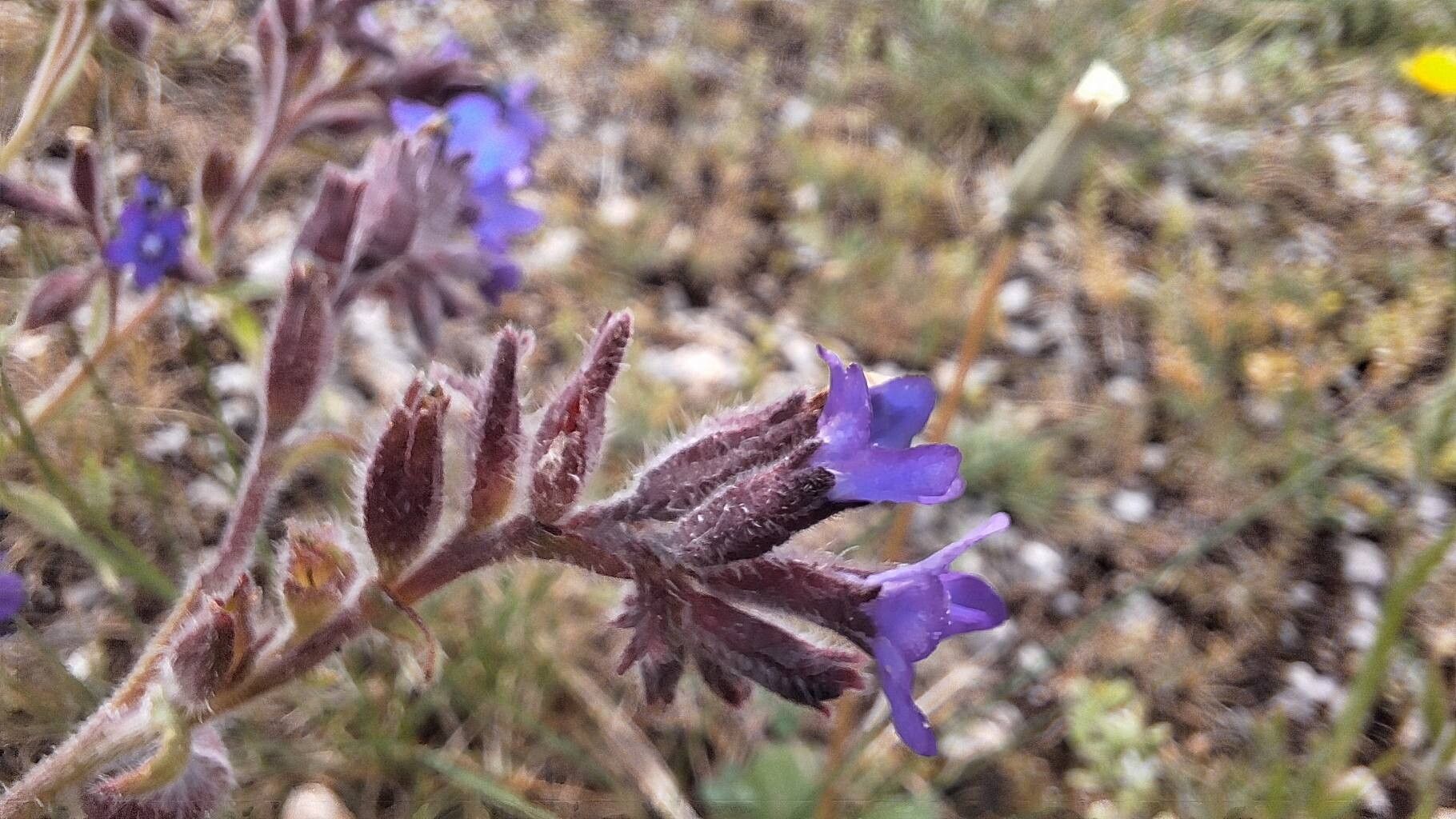
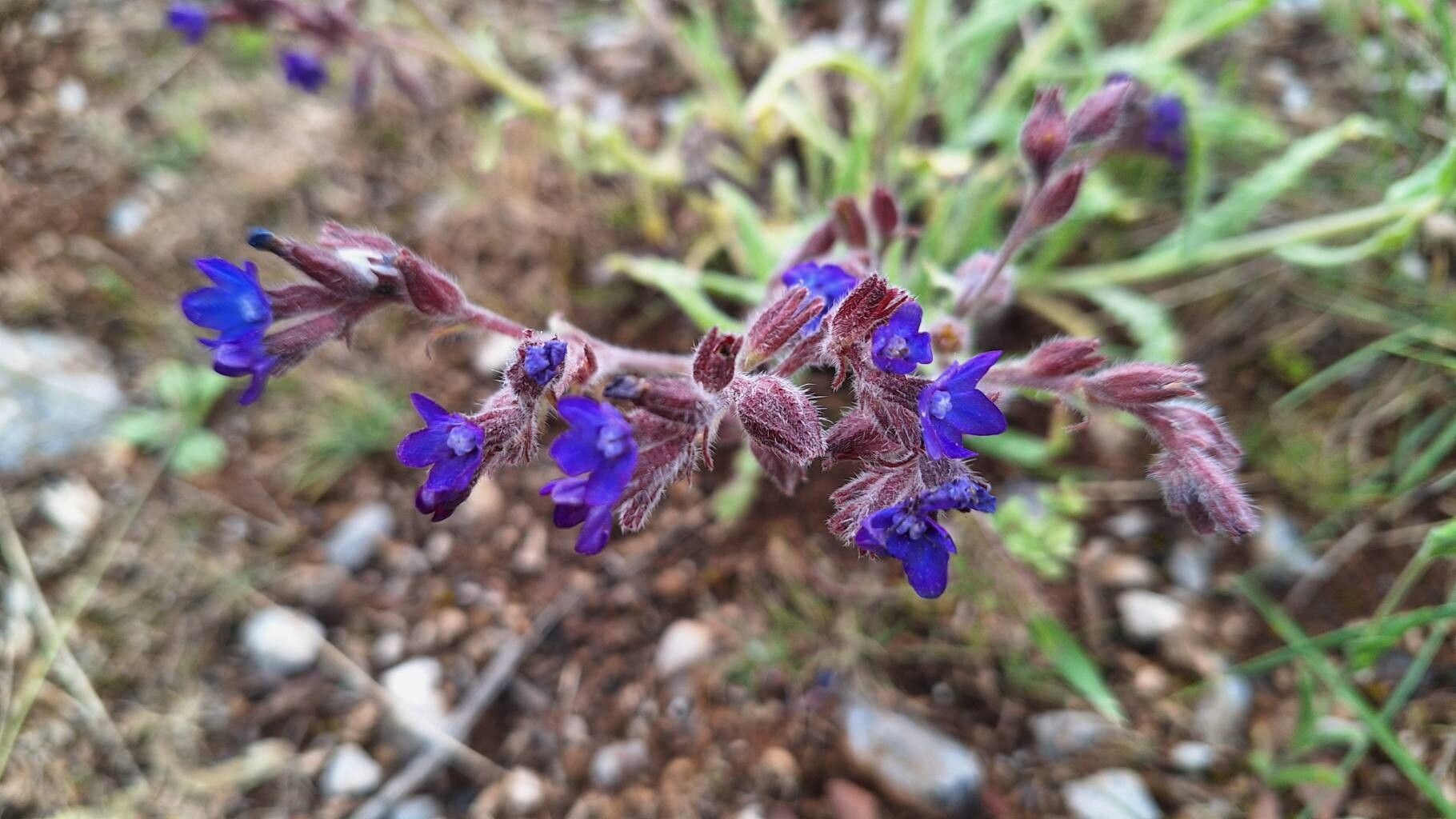
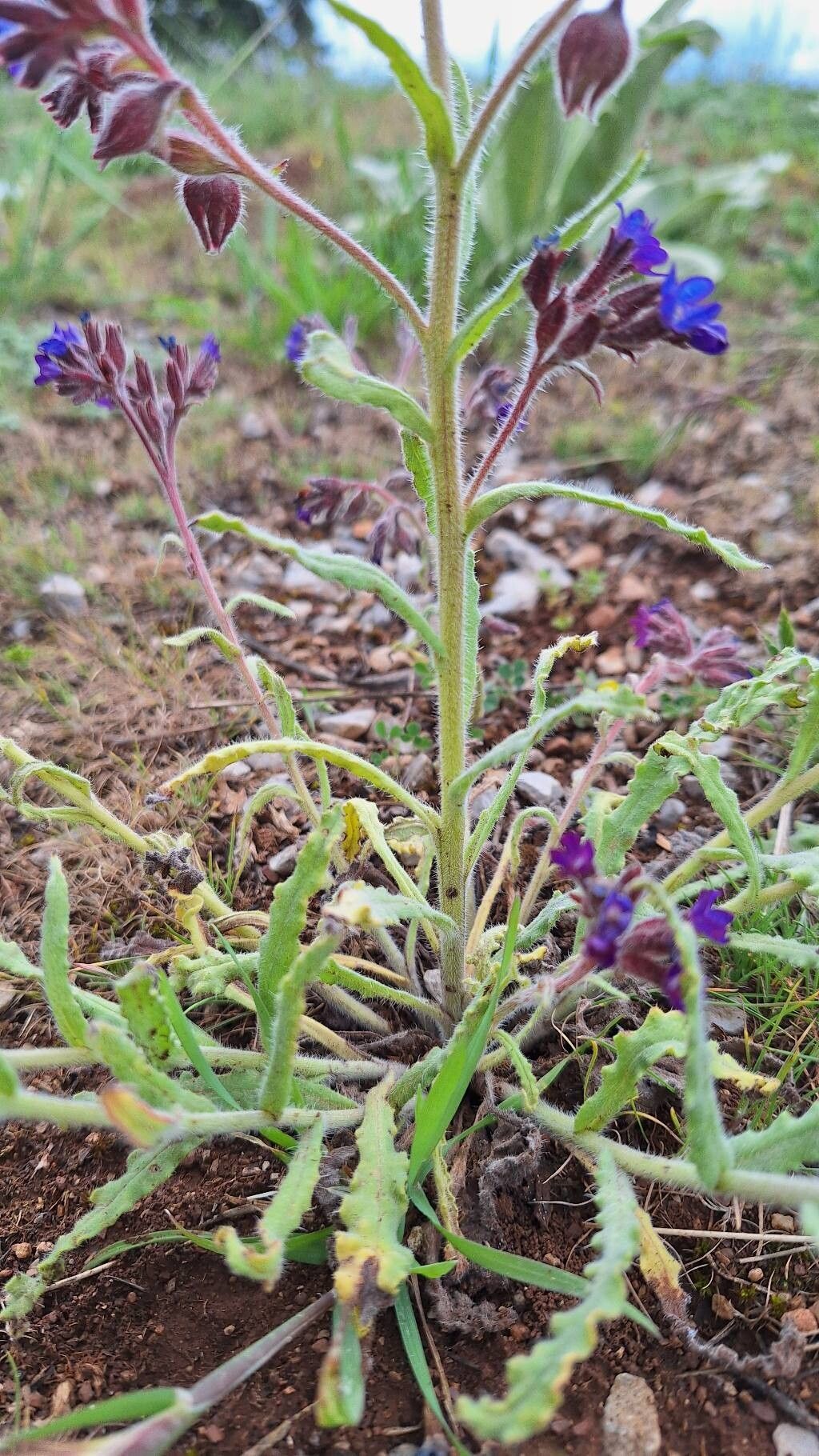
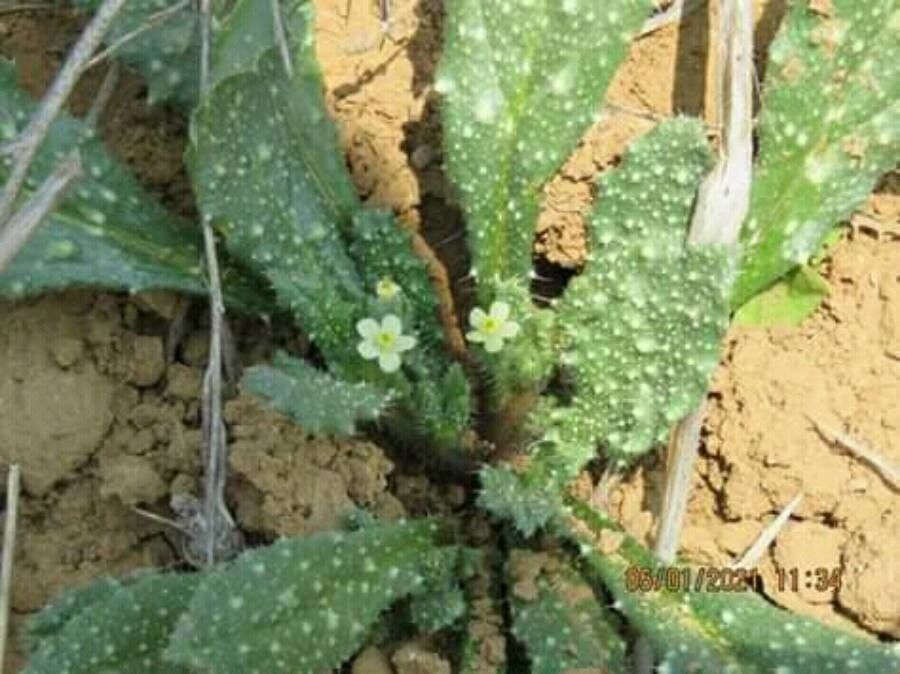
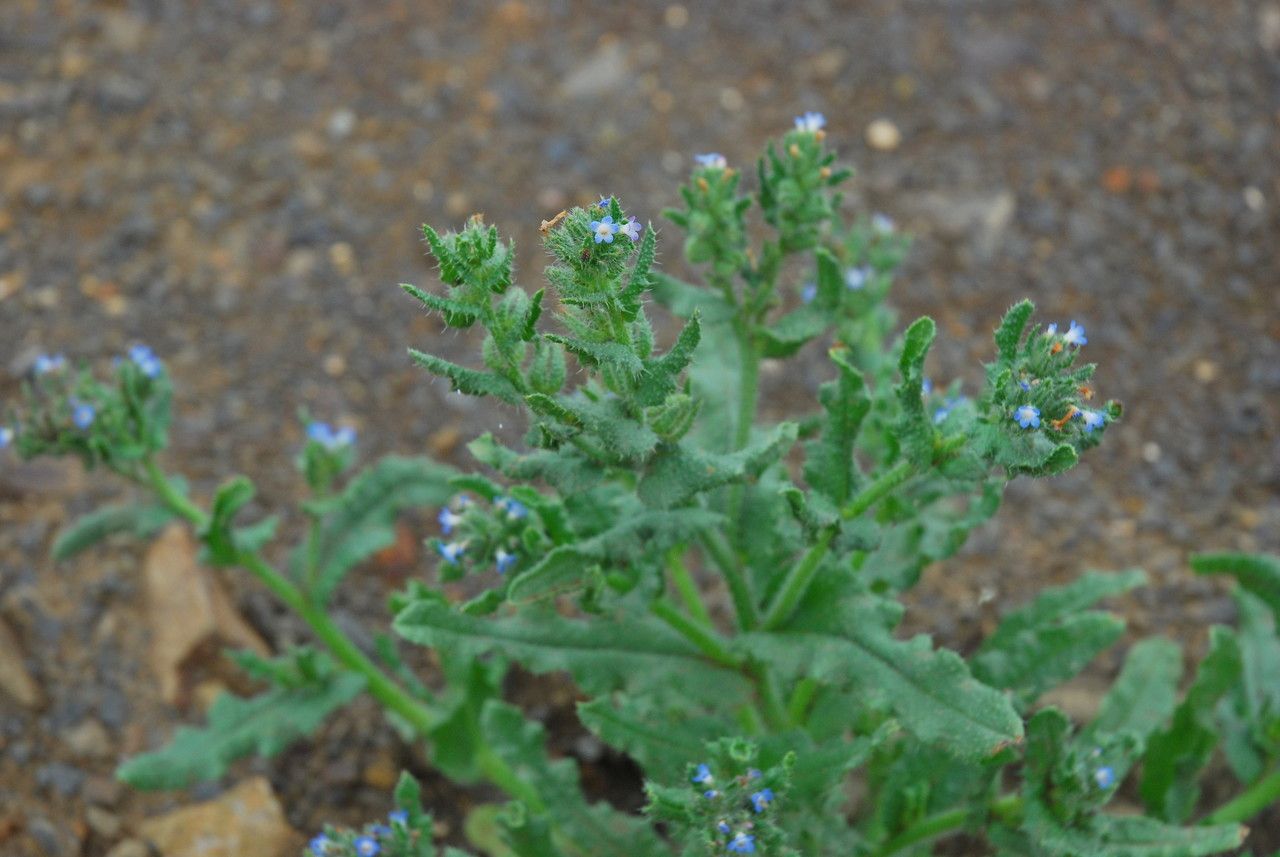
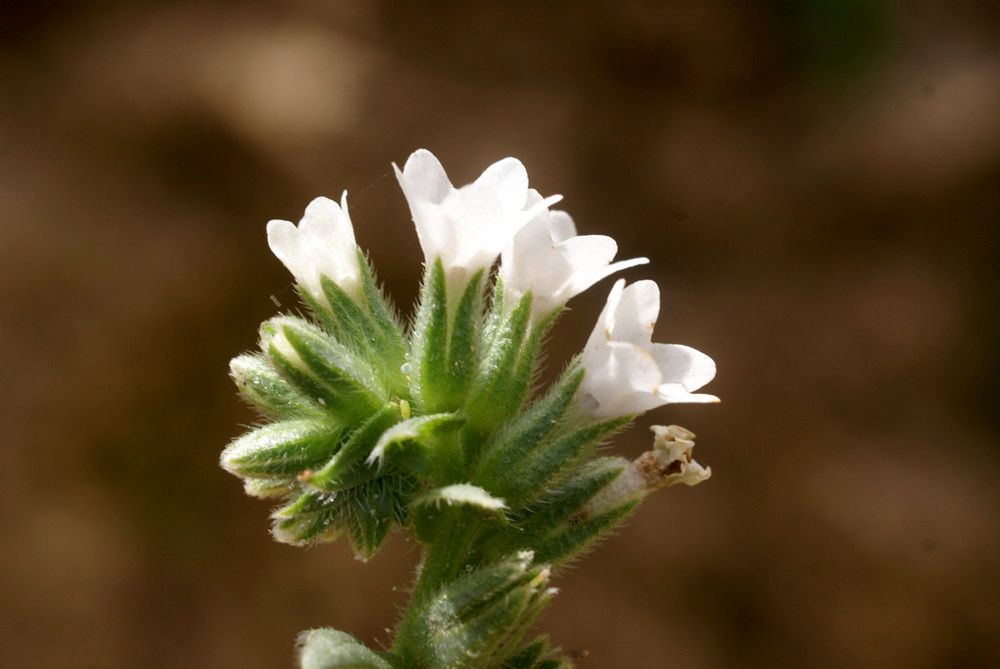
Hybrid bugloss is fairly resistant to diseases and typically does not suffer from many illnesses. Still, it can be affected by pests and diseases present in its environment. Such infections tend to be mild. Regarding maintenance, this plant is moderate in its needs. It should be pruned regularly to preserve an attractive appearance and encourage healthy growth. Applying fertilizer can also boost flowering. Hybrid bugloss is well-suited for anyone who has outdoor areas like a garden or patio and doesn't demand extensive plant-care experience. If kept indoors, it may need more attentive care.
How to keep Anchusa Hybrida.
Light
Hybrid bugloss is native to light-filled, open locales where it flourishes under full sun exposure. It can endure semi-shade but its growth thrives best under direct sun. Recognised for its fondness for sunlight, this yearly and bi-yearly plant thrives in such conditions.
Water
Hybrid bugloss thrives in moderate climates with balanced moisture levels. To prevent over-saturation, it should be watered once a week. This resilient plant efficiently adapts its water intake during different growth stages, allowing it to flourish in various climate zones.
Temperature
The Hybrid bugloss can acclimate to varied temperature conditions, yet its distribution could still be constrained by different combinations of water and heat circumstances. It fares best in hot climates with sufficient rain or watering during the summer months. Extended bouts of overcast and wet weather, coupled with long durations of elevated temperatures, can heighten the chance of the Hybrid bugloss perishing. In the colder months, appropriate protection against the chill may enhance the survival rate of the plant.
Fertilizer
To encourage flowering, Hybrid bugloss requires consistent fertilization, but not excessively so. It prefers small amounts of fertilizer, administered often throughout its entire life span, particularly during the times of maximal growth and flowering. Continue feeding your Hybrid bugloss until it ceases to bloom.
Pruning
Hybrid bugloss flourishes with its vibrant blue flowers and benefits from regular pruning between early and late spring. To encourage growth, improve air circulation, and reduce the risk of disease, remove any dead stems and spent flowers. For the best results, always use clean, sharp tools.
Botanical profile.
- Plant Type
- Herb
- Life Cycle
- Biennial
- Genus
- Anchusa
- Family
- Boraginaceae
- Hardiness Zone
- 5-9
- Mature Height
- 30 cm to 61 cm
- Mature Spread
- 30 cm to 46 cm
- Leaf Color
- Green, Dark Green
- Leaf Type
- Deciduous
- Flower Color
- Blue, Purple
- Flower Size
- 1.02 cm to 1.52 cm
- Bloom Time
- Mid spring, Late spring, Early summer, Mid summer
- Planting Time
- Spring, Summer
- Harvest Time
- Summer
- Native Area
- Libya, Egypt, Tunisia, Turkey, Montenegro, Cyprus, Bulgaria, Greece, Croatia, Lebanon, Serbia, Syria, Italy, Albania, Algeria, France
Other names.
Reader questions.
What are the sunlight requirements for Hybrid Bugloss (Anchusa hybrida)?
Hybrid Bugloss (Anchusa hybrida) has specific sunlight requirements to thrive. Plants labeled as 'Full sun' need above 6 hours of sunlight daily, while those marked for 'Partial sun' flourish with about 3-6 hours of sunlight. It's important to watch how sunlight moves through your garden throughout the day. This observation allows you to pick spots that ensure the right balance of light and shade, enhancing the growth and happiness of your plants.