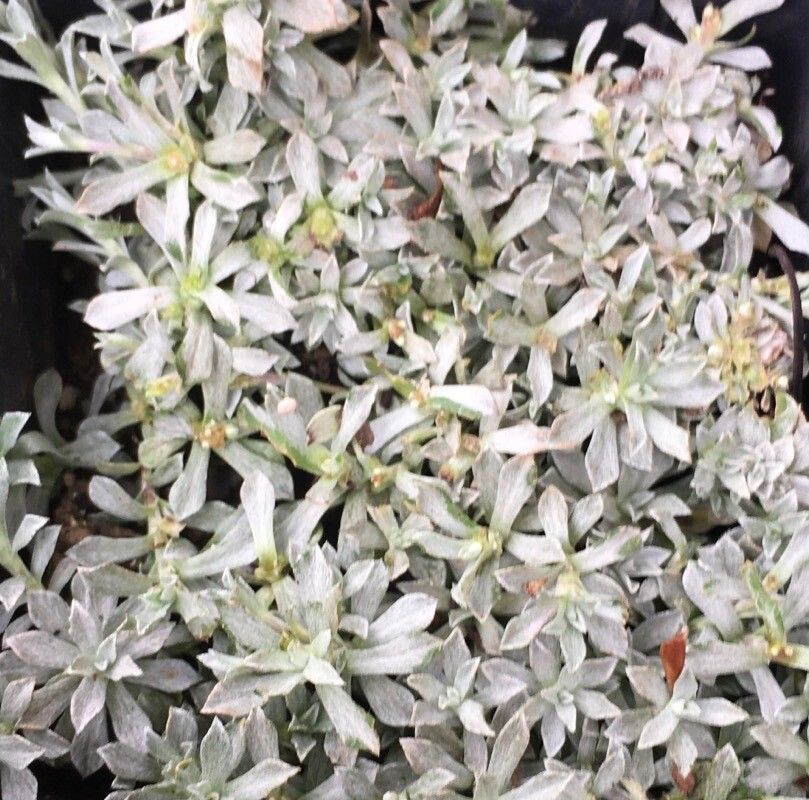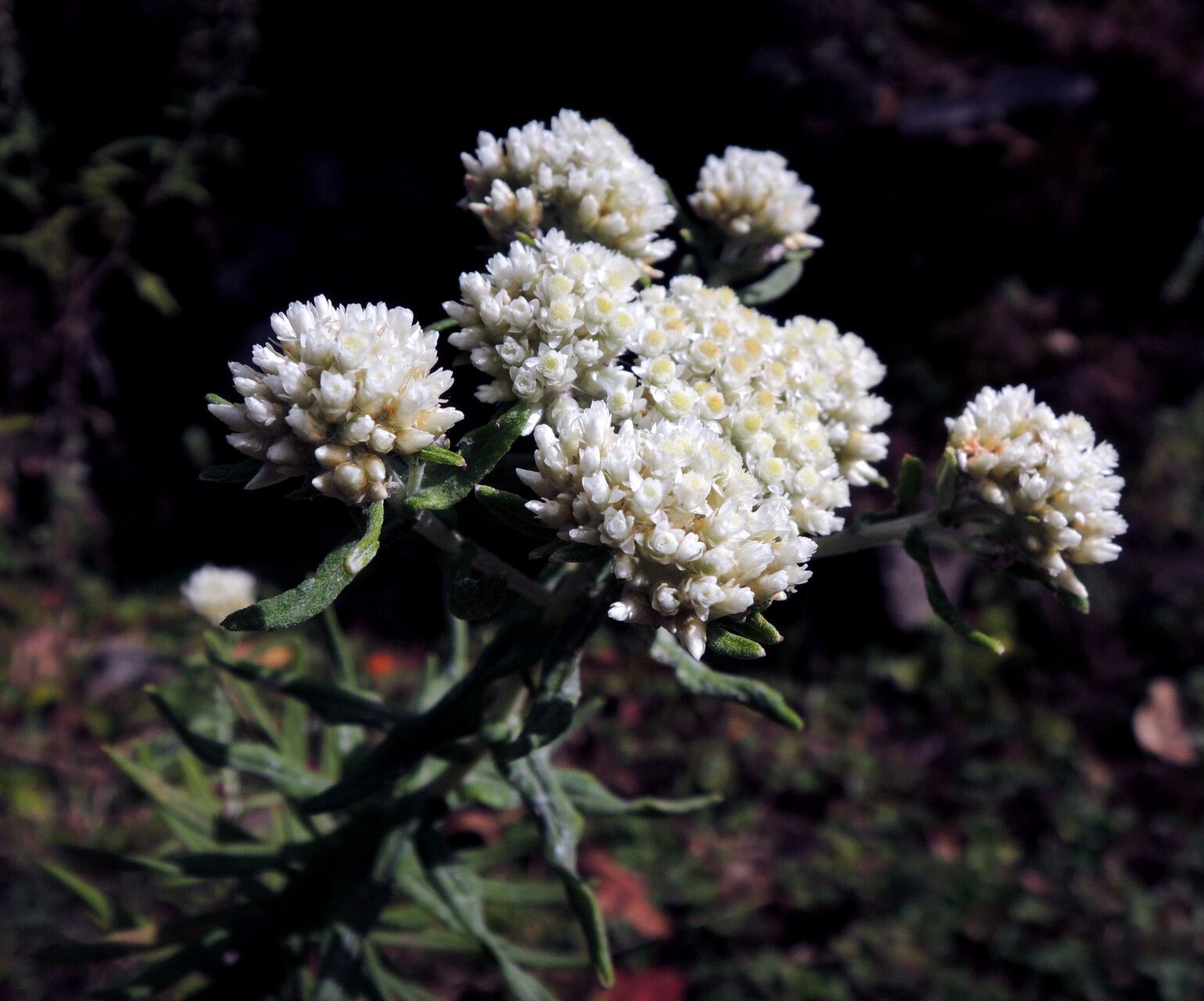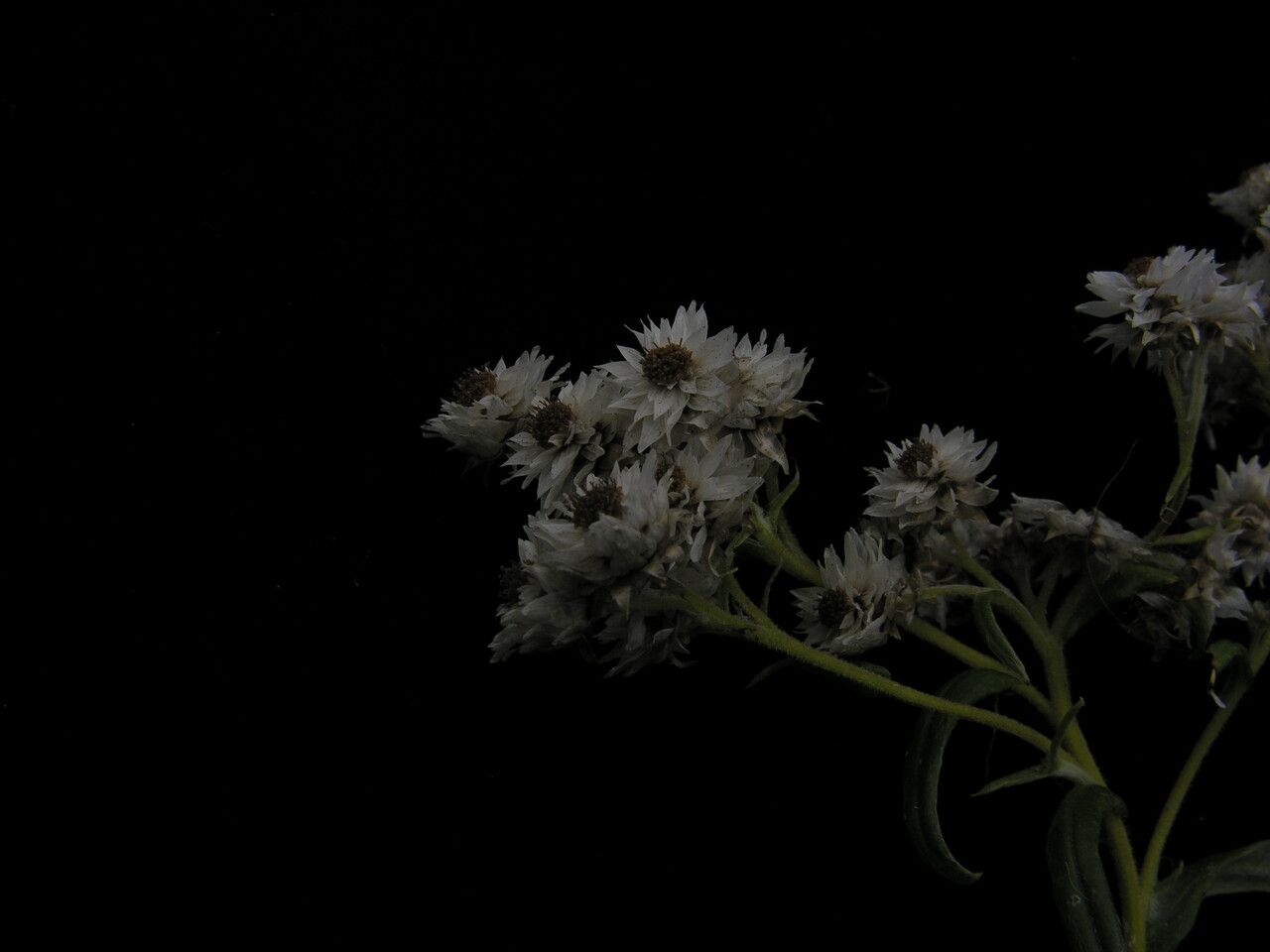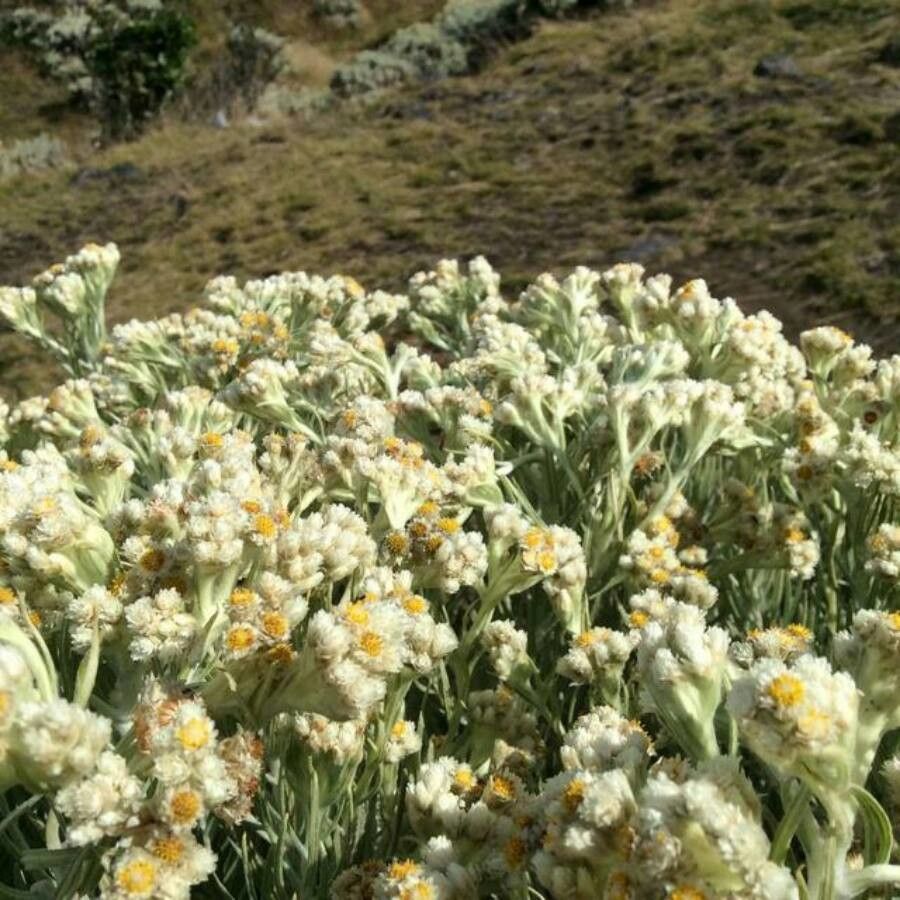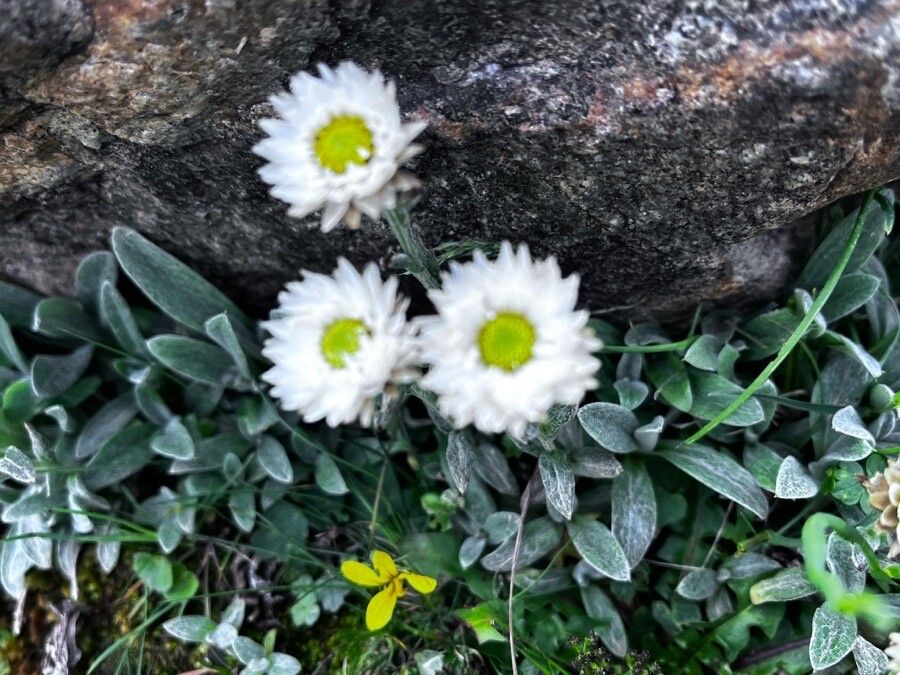
Nepal pearly everlasting is fairly resistant to disease and typically not prone to illnesses. However, it can be affected by pests and diseases present in its surroundings. These issues are usually minor. Regarding care, the plant requires moderate maintenance. Regular pruning is needed to maintain a neat appearance and healthy growth. Fertilizing can also help encourage flowering. Nepal pearly everlasting is suitable for anyone with outdoor space, such as a garden or patio, and does not demand extensive care experience. It may need more attention when grown indoors.
How to keep Anaphalis Nepalensis.
Light
Nepal pearly everlasting is a perennial herbaceous plant that prefers abundant sunlight and comes from open habitats, frequently flourishing in meadows and grasslands. It prefers full sun but can also tolerate partial-sun conditions.
Water
Originating from mountainous regions, the Nepal pearly everlasting prefers well-drained soil and moderate moisture levels. It thrives with weekly watering and can tolerate short periods of dryness. As an outdoor plant in alpine gardens, the Nepal pearly everlasting can withstand cooler temperatures, where the soil retains moisture for longer periods.
Temperature
Nepal pearly everlasting originates from habitats with temperatures between 41 and 95 °F (5 and 35 ℃). It does well in those conditions, so try to replicate that temperature range in your garden. In colder seasons, consider protecting it to help retain warmth.
Fertilizer
For Nepal pearly everlasting, the primary time to fertilize is early spring when the flowers are developing. The proper fertilizer promotes stronger blooms and helps Nepal pearly everlasting produce attractive flowers. Fertilizing in early spring ensures excellent flowers throughout the season and supplies energy for growth during and after dormancy.
Pruning
The Nepal pearly everlasting is a hardy perennial known for its silver-gray foliage and white flower clusters. Pruning in early spring helps stimulate growth, removes damaged stems, and extends the blooming period. Regular trimming prevents the plant from becoming leggy, encouraging a compact and healthy shape.
Botanical profile.
- Plant Type
- Herb
- Life Cycle
- Perennial
- Genus
- Anaphalis
- Family
- Asteraceae
- Hardiness Zone
- 5-9
- Mature Height
- 5 cm to 46 cm
- Mature Spread
- 61 cm
- Leaf Color
- Green
- Leaf Type
- Semi-evergreen
- Flower Color
- White
- Flower Size
- 1.02 cm
- Bloom Time
- Mid summer, Late summer, Early fall
- Planting Time
- Spring, Summer
- Harvest Time
- Early fall, Mid fall
- Native Area
- Nepal, Afghanistan, India, Myanmar, Bhutan, Pakistan, China
Reader questions.
What are the sunlight requirements for Nepal Pearly Everlasting (Anaphalis nepalensis)?
Nepal Pearly Everlasting (Anaphalis nepalensis) requires varying degrees of sunlight to thrive. It needs full sun, which is above 6 hours of sunlight daily, for optimal growth and health. However, it can also tolerate partial sun, about 3-6 hours of sunlight each day. It's important to observe the way sunlight moves through your garden throughout the day. This observation will help you choose spots that offer a perfect balance of light and shade, ensuring your plants' happiness and well-being.
What is the native temperature range for Nepal pearly everlasting?
Nepal pearly everlasting (Anaphalis nepalensis) is native to environments where the temperature ranges from 41 to 95 °F (5 to 35 °C). These plants thrive in this temperature spectrum, and it's beneficial to mimic these conditions in your garden. During cooler seasons, it might be necessary to provide some form of protection to keep the plants warm.