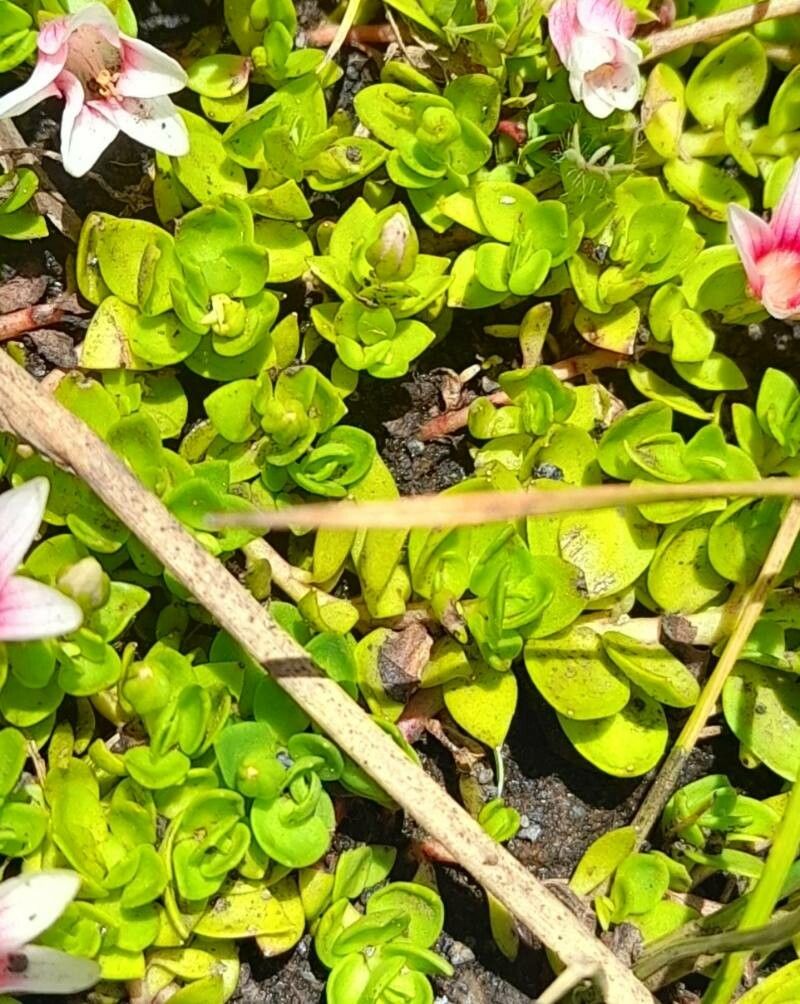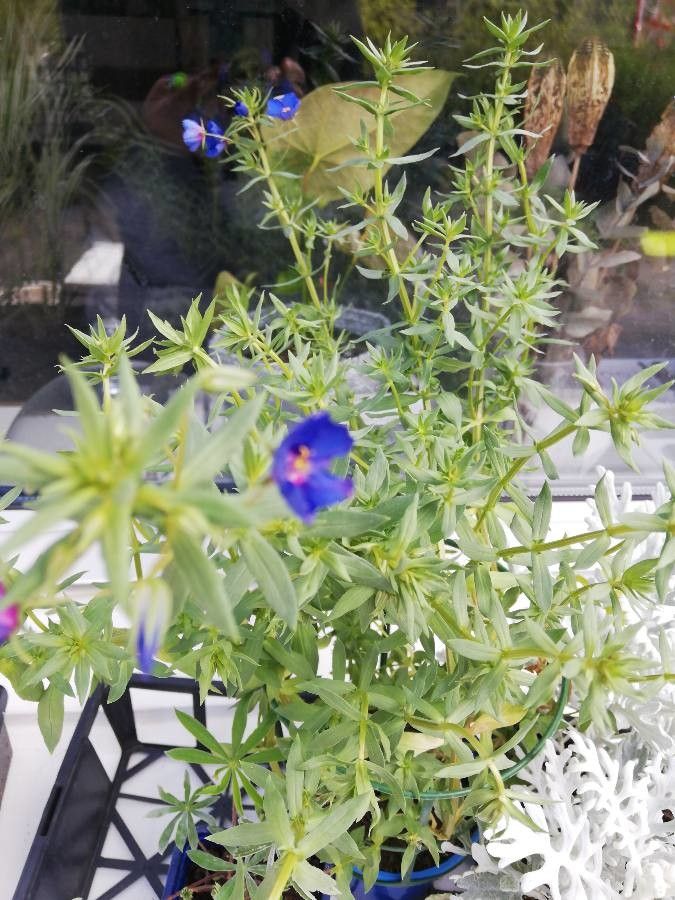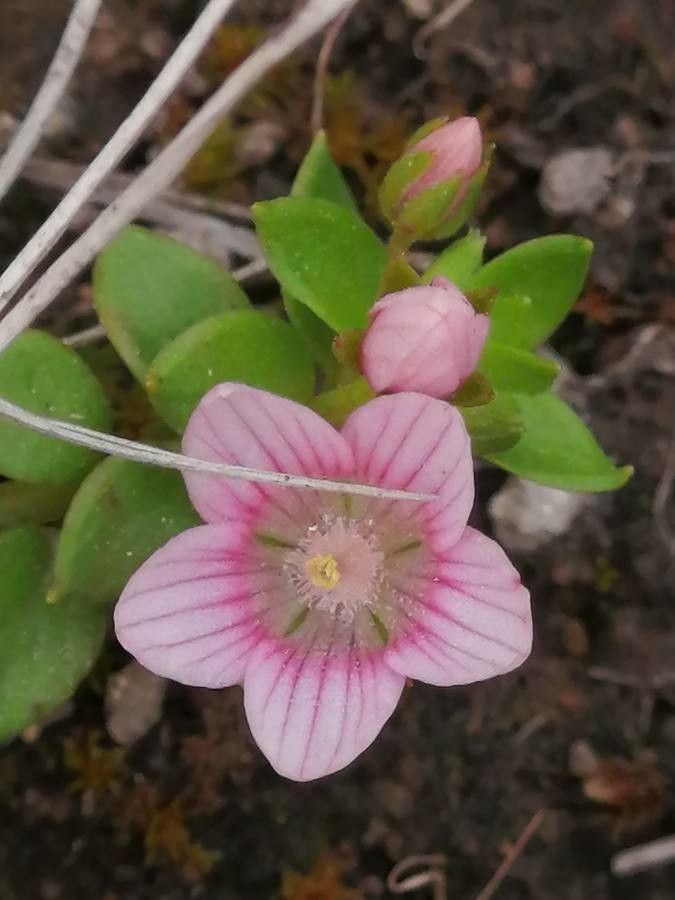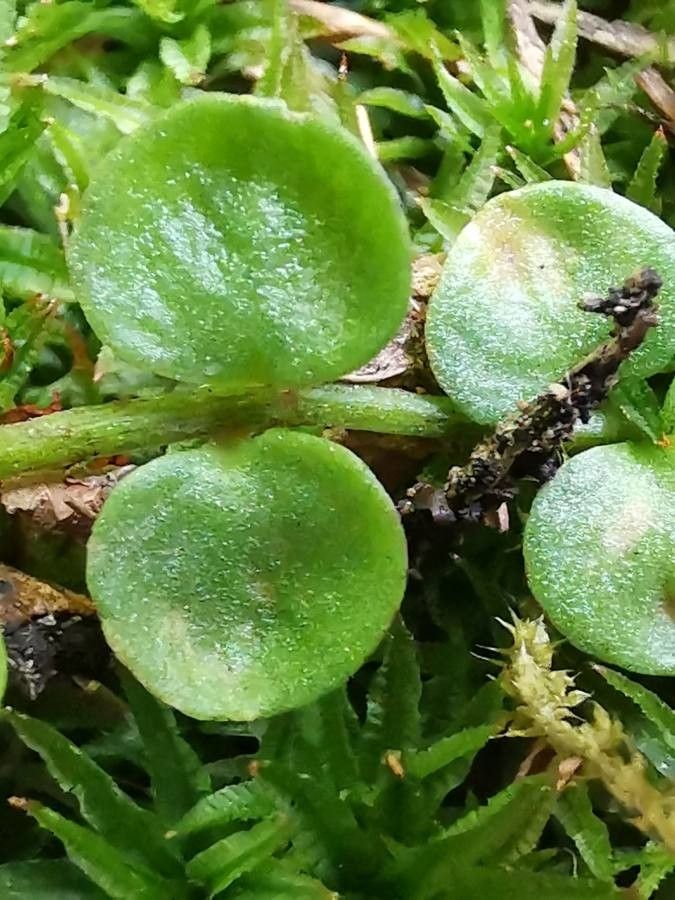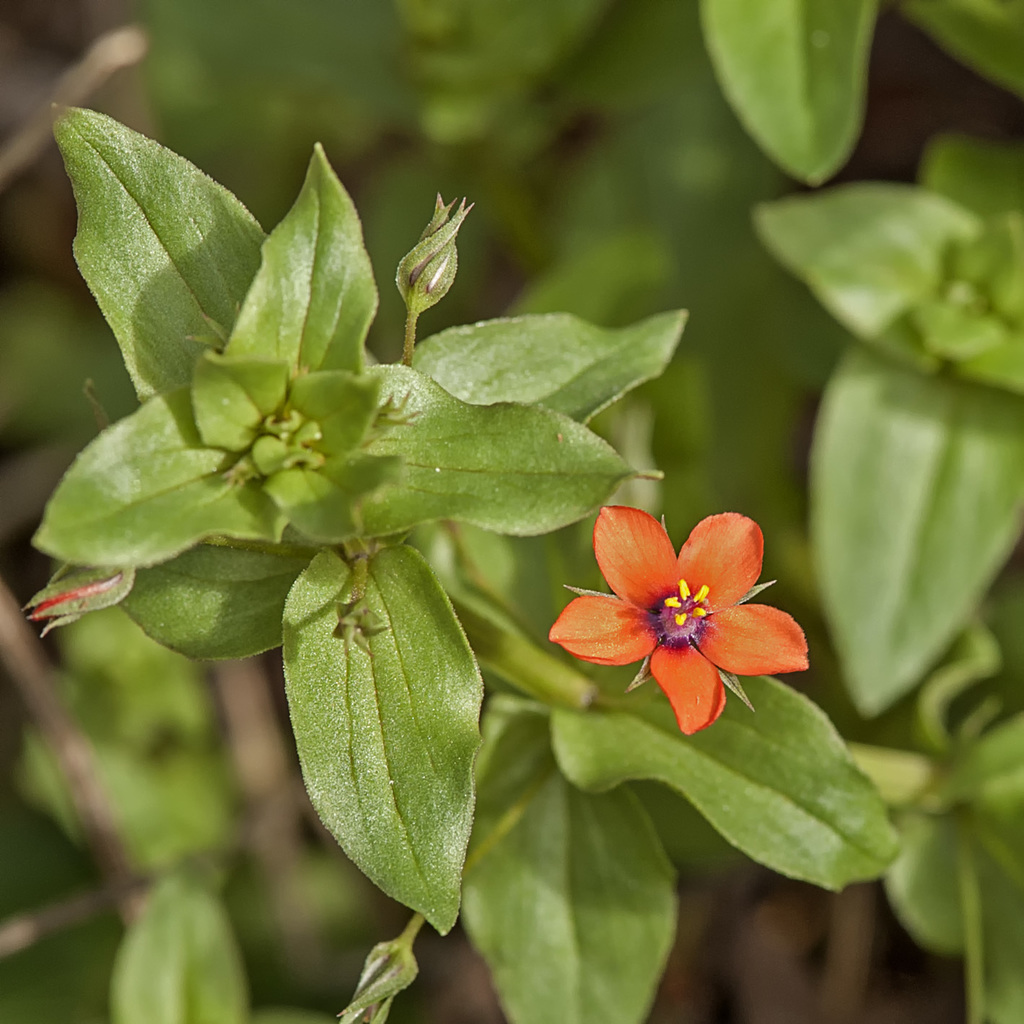
Anagallis arvensis (syn. Lysimachia arvensis), commonly known as the scarlet pimpernel, red pimpernel, red chickweed, poor man's barometer, poor man's weather-glass, shepherd's weather glass or shepherd's clock, is a species of low-growing annual plant with brightly coloured flowers, most often scarlet but also bright blue and sometimes pink. The native range of the species is Europe and Western Asia and North Africa. The species has been distributed widely by humans, either deliberately as an ornamental flower or accidentally. A. arvensis is now naturalised almost worldwide, with a range that encompasses the Americas, Central and East Asia, the Indian Subcontinent, Malesia, the Pacific Islands, Australasia and Southern Africa.Traditionally included in the primrose family Primulaceae, the genus Anagallis was placed in the family Myrsinaceae until that family in turn was included in Primulaceae in the APG III system. The genus Anagallis is included in Lysimachia by some authors.This common European plant is generally considered a weed and is an indicator of light soils, though it grows opportunistically in clay soils as well. The origin of the name pimpernel comes from late Middle English pympernele [1400–50], derived from Middle French pimprenelle, from Old French piprenelle, and ultimately from Vulgar Latin *piperīnella (piper 'pepper' + -īn- '-ine' + -ella diminutive suffix). The flower serves as the emblem of the fictional hero the Scarlet Pimpernel.
Scarlet pimpernel is fairly disease-resistant and typically not prone to illness. Nonetheless, it can be affected by pests and diseases present in its environment. These problems are generally mild. In terms of care, this plant requires moderate maintenance. Regular pruning is needed to maintain a tidy appearance and support healthy growth. Applying fertilizer can also encourage flowering. Scarlet pimpernel is appropriate for anyone with outdoor space, such as a garden or patio, and does not demand extensive care experience. It may require more attention when grown indoors.
How to keep Anagallis Arvensis.
Light
Scarlet pimpernel does best when receiving plentiful sunlight during the day. Although it can persist with moderate light, it grows most vigorously with abundant sun. Excessive shade can slow its growth, while too much light can cause it to be scorched. Its native habitat is characterized by substantial daily sunlight.
Water
Typically, you can expect to water this plant once every six to nine days. Scarlet Pimpernel should be kept moist but not wet.
Temperature
Scarlet pimpernel can adjust to a wide range of temperature conditions, but its distribution may still be restricted by different combinations of water and heat. It does best in warm summer climates with sufficient rainfall or regular watering. Extended periods of cloudy, rainy weather or prolonged high temperatures can raise the chance of the plant dying. In winter, protecting it from the cold can increase its survival rate.
Fertilizer
When most of the Scarlet pimpernel’s blooms are fully open, resume fertilizing. At peak bloom, apply fertilizer every three to four weeks, as weather permits. When the Scarlet pimpernel begins producing fewer new blooms, stop fertilizing; there’s no need to feed the plant when it can no longer produce more blooms.
Pruning
Not much is known about the pruning needs of this plant.
Toxicity
This plant is considered toxic to livestock, domestic animals, and humans.
Further reading →
The toxicity and danger assessments provided are for reference only. We do not assure their accuracy, so it's crucial not to depend on them. Seek professional advice when necessary for accurate guidance.
Botanical profile.
- Plant Type
- Herb
- Life Cycle
- Annual, Biennial
- Genus
- Anagallis
- Family
- Primulaceae
- Hardiness Zone
- 7-10
- Mature Height
- 5 cm to 40 cm
- Mature Spread
- 40 cm
- Leaf Color
- Green
- Leaf Type
- Semi-evergreen
- Flower Color
- Blue, Red, Orange
- Flower Size
- 0.76 cm to 1.52 cm
- Bloom Time
- Late spring, Early summer, Mid summer
- Planting Time
- Spring
- Harvest Time
- Early summer, Mid summer
- Native Area
- Libya, Turkey, Sweden, India, United Arab Emirates, Slovakia, Montenegro, Pakistan, Slovenia, Morocco, Croatia, Belarus, Germany, Romania, Latvia, Belgium, Portugal, Netherlands, Saudi Arabia, Tunisia, Cyprus, Bangladesh, Ukraine, Chad, Lebanon, China, Afghanistan, Syria, Kyrgyzstan, Kazakhstan, Italy, Japan, Finland, Iran, Azerbaijan, Kuwait, Egypt, Austria, Yemen, Uzbekistan, Russia, Iraq, Estonia, Oman, South Korea, France, Nepal, Tajikistan, Czech Republic, Mauritania, Armenia, Poland, Greece, Serbia, Lithuania, Norway, Switzerland, Denmark, Bhutan, Albania, Ireland, United Kingdom, Hungary, Algeria, Turkmenistan