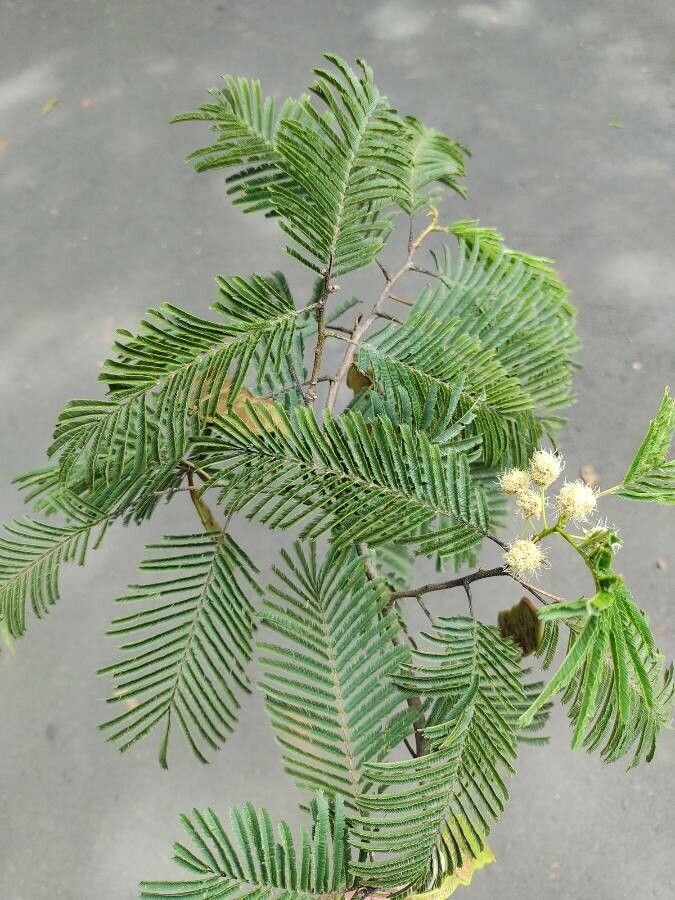
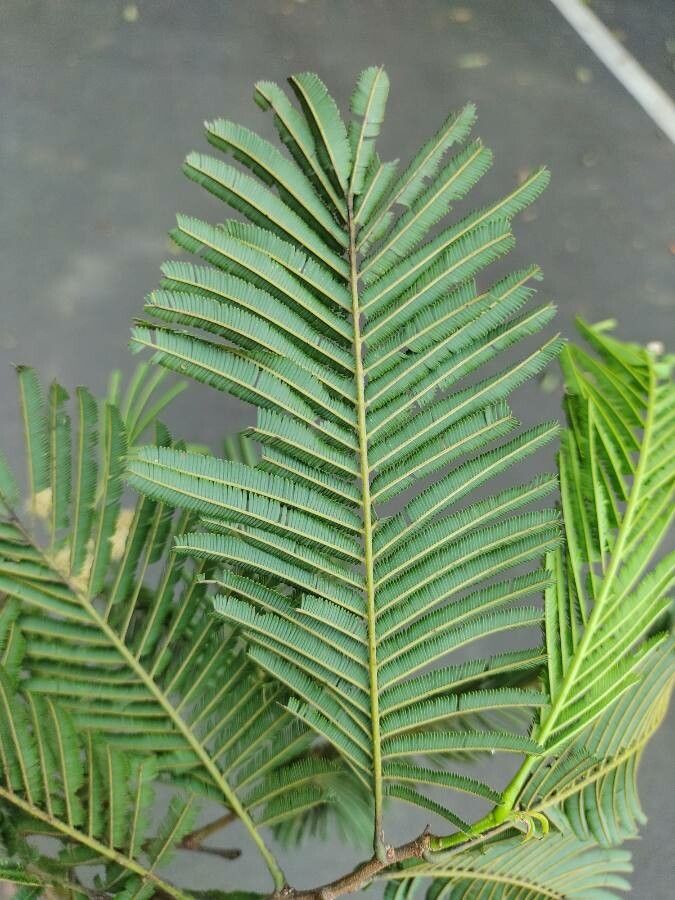
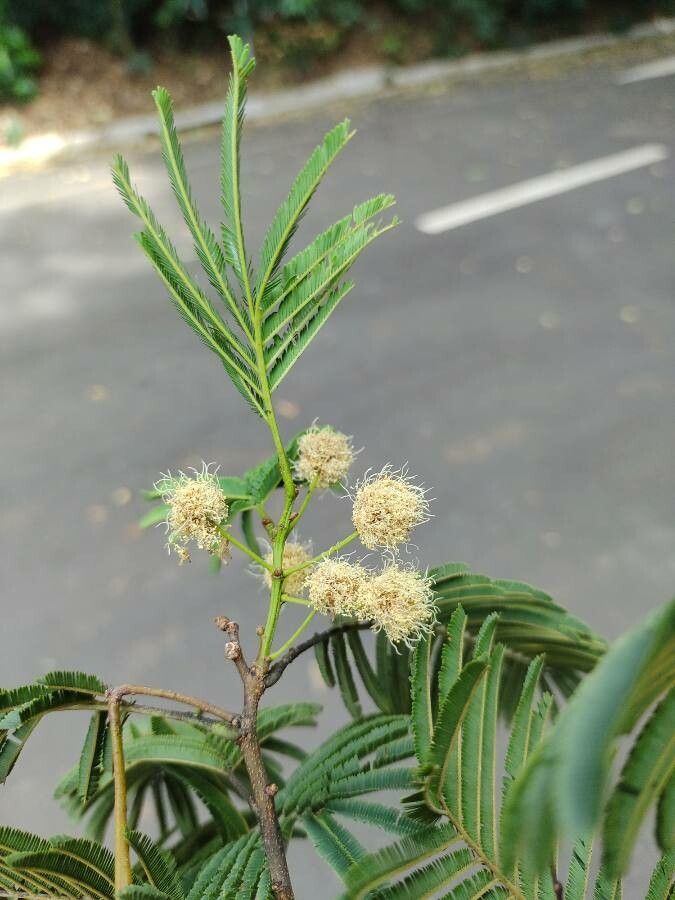
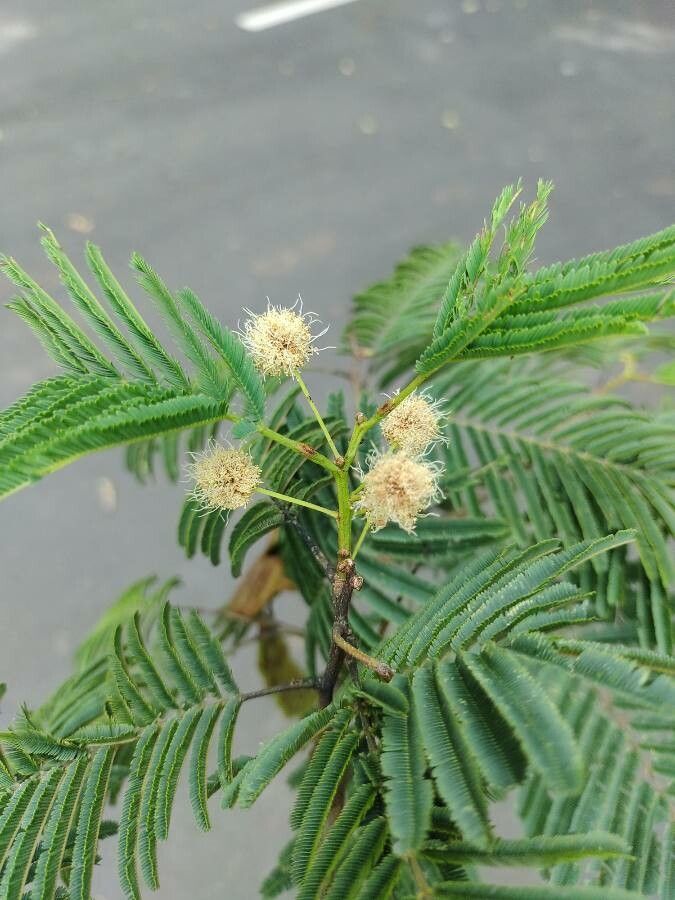
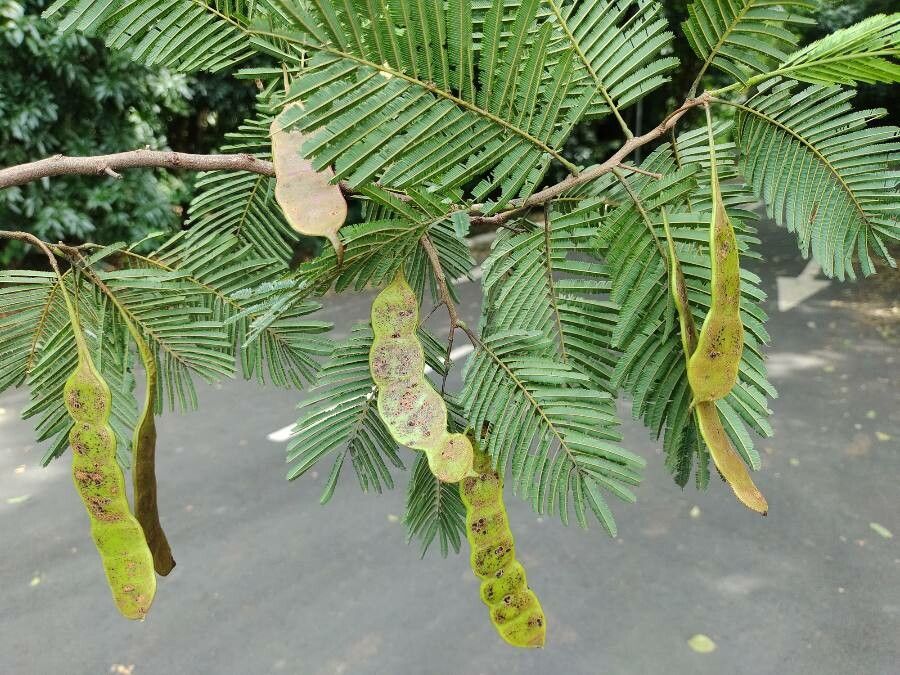
Anadenanthera colubrina, commonly known as the Cebil or Vilca tree, is a species native to South America. It belongs to the Fabaceae family and is prevalent in Brazil, Argentina, Bolivia, and Paraguay. The tree can reach heights of up to 20 meters and has a dense crown of leaves that provide ample shade in hot climates.
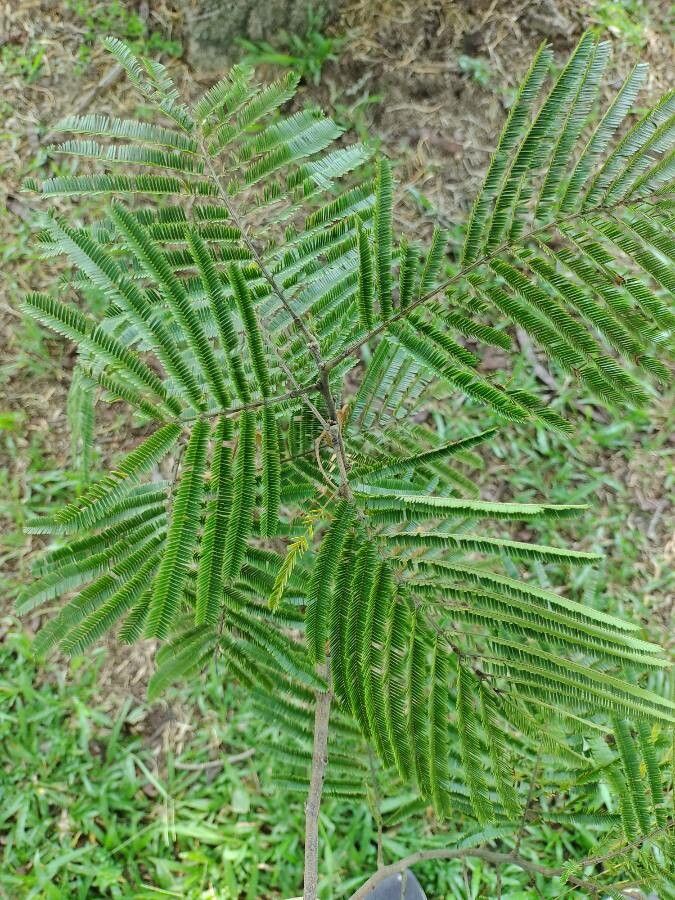
The bark of Anadenanthera colubrina is grayish-brown with deep, vertical fissures along its trunk. Its pinnate leaves consist of small leaflets arranged opposite each other along the stem.
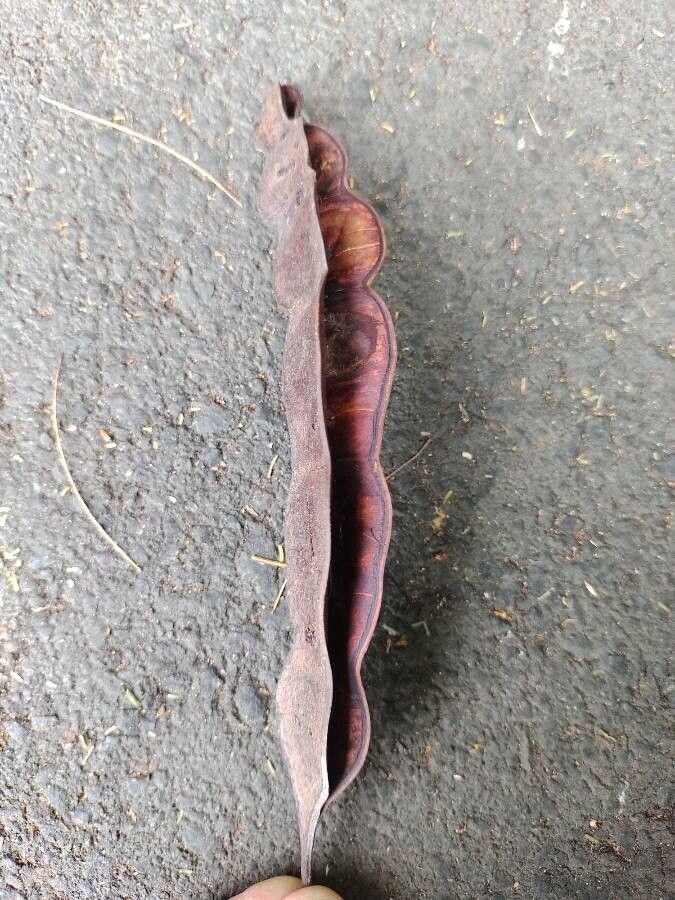
The tree produces small white or yellow flowers that bloom from November to February, followed by long pods containing seeds. These seeds have been used for centuries by indigenous people for their psychoactive properties and medicinal purposes.
Anadenanthera colubrina contains several alkaloids, including bufotenine and DMT (dimethyltryptamine), which have been found to induce hallucinations when ingested or smoked. Additionally, the plant has been traditionally used for its analgesic properties and as a treatment for respiratory ailments such as asthma.
Today, Anadenanthera colubrina continues to be used by indigenous communities throughout South America for both ceremonial and medicinal purposes. However, due to over-harvesting of its bark, the plant has become endangered in some regions. This has prompted conservation efforts aimed at protecting this valuable resource from extinction.
Angico is quite resistant to disease and typically does not suffer from illnesses. Regarding care, this plant is fairly low-maintenance. When grown outdoors it needs little watering, and larger specimens usually do not require pruning. Nonetheless, smaller plants ought to be trimmed once they have finished blooming. Angicot is appropriate for anyone who has an outdoor area, such as a garden or a deck, and does not demand extensive plant-care experience.
How to keep Anadenanthera Colubrina.
Light
Angico comes from open habitats, like sunny meadows and forest margins, which provide abundant light. It flourishes in Full Sun but can also tolerate Partial Sun, adjusting well to a range of sunlight conditions.
Temperature
Angico comes from tropical areas, where the climate is generally warm and humid. Consequently, it is well adapted to high temperatures and humidity. It does not tolerate sudden temperature changes and prefers a stable thermal environment, so it is important to avoid temperature fluctuations indoors. It typically cannot withstand cold temperatures and requires higher temperatures to grow. If the environmental temperature falls too low, the plant may stop growing or even die.
Fertilizer
Fertilization is essential for Angico care. Regular feeding during the growing season preserves the energy needed for its showy foliage and supports overall development. Failing to fertilize can lead to unhealthy leaves, reduced ornamental value, and growth that is stunted or weak and liable to break.
Botanical profile.
- Plant Type
- Tree
- Life Cycle
- Perennial
- Genus
- Anadenanthera
- Family
- Fabaceae
- Hardiness Zone
- 9-11
- Mature Height
- 0 m to 20 m
- Mature Spread
- 10.06 m to 20.12 m
- Leaf Color
- Green
- Leaf Type
- Deciduous
- Flower Color
- White
- Flower Size
- 0.51 cm to 0.76 cm
- Bloom Time
- Summer
- Planting Time
- Spring, Summer, Autumn
- Harvest Time
- Late summer, Early fall, Mid fall
- Native Area
- Brazil, Bolivia, Ecuador, Peru
Other names.